
The Lorenz Attractor
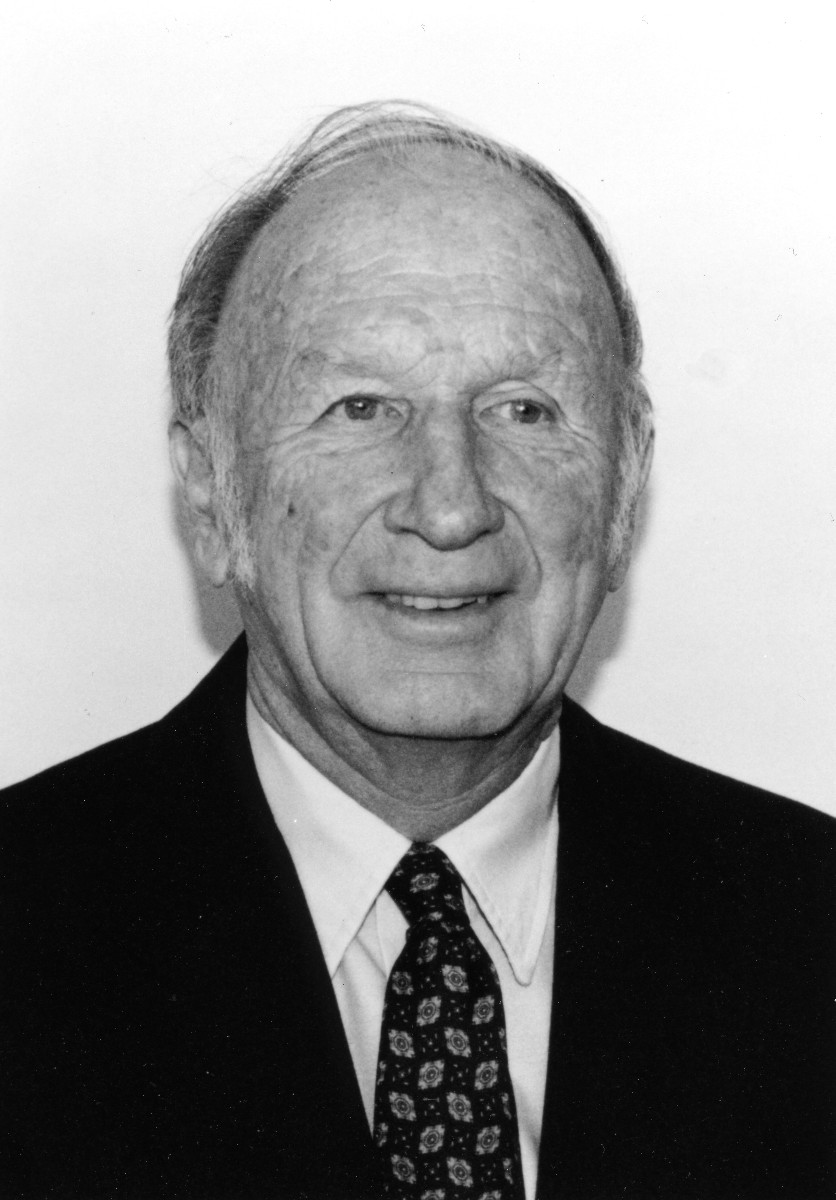
The Lorenz Attractor illustrates how tiny changes in a system can lead to unpredictable, chaotic behavior over time. Meteorologist Edward Lorenz discovered it in the 1960s while modeling atmospheric convection—and uncovered a cornerstone of chaos theory.
The Lorenz system
The Lorenz system is three ordinary differential equations that describe how certain variables change over time: 1. dx/dt = σ (y − x) 2. dy/dt = x (ρ − z) − y 3. dz/dt = xy − βz Plotting x, y, and z as the system evolves produces the famous butterfly-shaped Lorenz attractor—a bounded path that never exactly repeats.
Breaking down the variables
x, y, and z are the changing coordinates of the system—originally linked to temperature and velocity in a simplified convection model. Think of them as the state of the system at each moment. σ (sigma) relates to the Prandtl number: how easily heat moves through a fluid. ρ (rho) relates to the Rayleigh number: the temperature difference that drives convection (hot air rising, cool air sinking). β (beta) scales how the variables couple to each other.
Chaotic behavior and the butterfly effect
For classic parameter values such as σ = 10, ρ = 28, and β = 8/3, the system is no longer simple or predictable. Tiny differences in the starting point can produce wildly different futures. That sensitive dependence is the essence of the butterfly effect: the idea that a small event—like a butterfly flapping its wings—could, in theory, influence weather weeks later by changing initial conditions. The attractor stays inside a clear boundary, yet the trajectory never settles into a repeating loop. That combination of structure and unpredictability is the hallmark of deterministic chaos.
Why it matters
Unpredictability in nature. The Lorenz attractor shows why long-term weather forecasts are hard: even with a perfect model, tiny measurement errors grow until the prediction diverges. Chaos theory. Lorenz's butterfly is a cornerstone of chaos theory—the study of systems that look random but follow precise rules whose outcomes appear unpredictable. Real-world reach. Ideas from chaotic dynamics show up in biology, economics, engineering, traffic flow, heart rhythms, and markets—anywhere small changes can cascade into large effects.
Explore chaos in PictorX
Open Lorenz Attractor in PictorX to grow chaotic ribbons in your browser—tune parameters, rotate the view, stylize neon or ink trails, and save a PNG. Pair it with Fractal Generator, Spirograph, or Flow Field for more generative play.
Frequently asked questions
Who discovered the Lorenz attractor?
Edward Lorenz, a meteorologist, found it in the 1960s while studying a simplified model of atmospheric convection. The equations revealed chaos, not just weather.
What is the butterfly effect?
It is the informal name for sensitive dependence on initial conditions: an arbitrarily small change in the starting state can lead to a very different outcome later. The Lorenz attractor is the classic visual for that idea.
Are chaotic systems random?
No. They are deterministic—they follow exact rules—but they amplify tiny differences so that long-term behavior is practically unpredictable.
What do σ, ρ, and β mean?
σ relates to the Prandtl number (heat transport), ρ to the Rayleigh number (temperature-driven convection), and β scales coupling between the variables. The famous butterfly uses σ = 10, ρ = 28, and β = 8/3.
How does the interactive Lorenz Attractor relate to this page?
This page explains the classic Lorenz butterfly (σ, ρ, β). The Lorenz Attractor app in PictorX is an interactive ribbon explorer you can tune (a, b, f), rotate, stylize, and save as a PNG.
Related tools
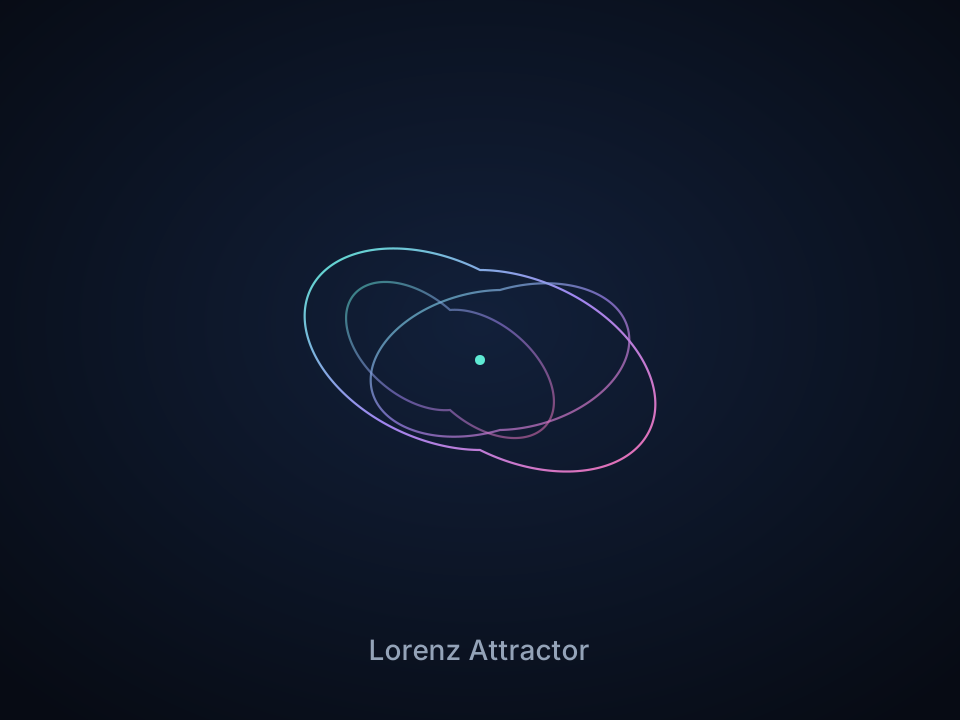
Lorenz Attractor
Interactive Lorenz attractor: tune a, b, f, rotate in 3D, try neon/ink/smoke looks, and save a PNG.
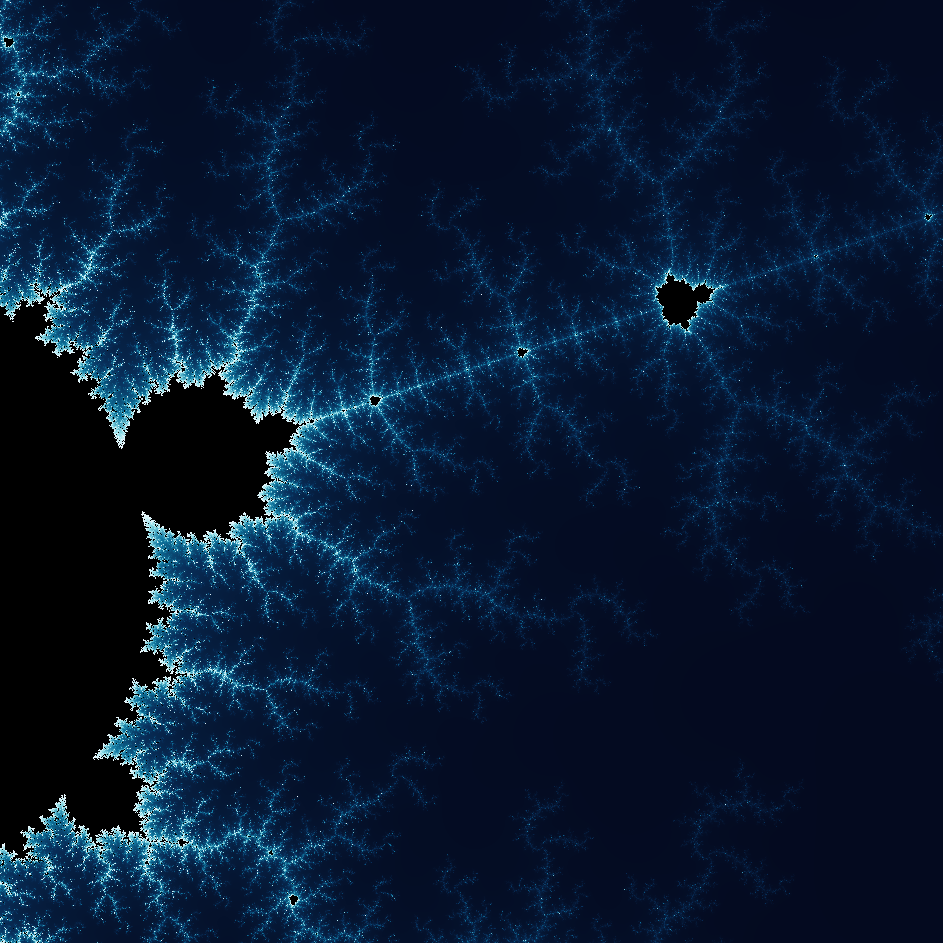
Explore the wonderful world of Fractals
Explore the wonderful world of Fractals. Fractals are complex, detailed geometric patterns found throughout the natural world.
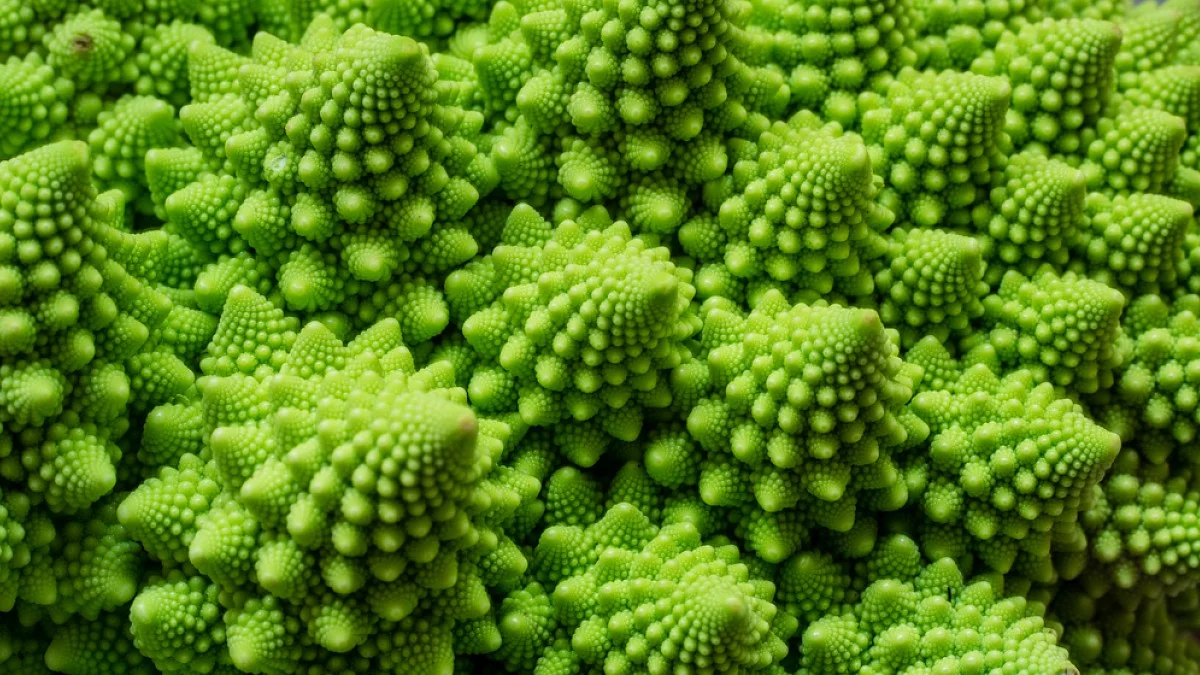
Fractals
Learn how the Mandelbrot set, Julia sets, Newton fractals, and Nova fractals are generated—and why zooming never runs out of detail.
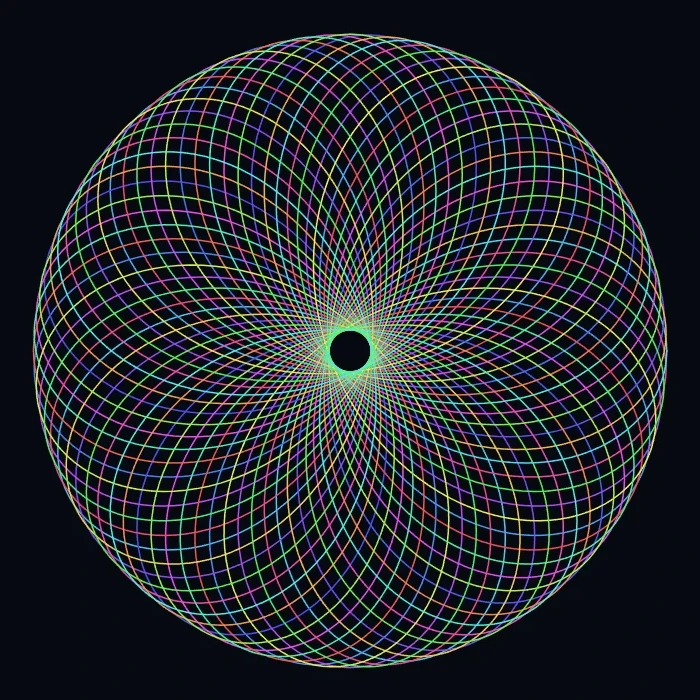
Spirograph
Draw hypotrochoids and epitrochoids in your browser. Tune R, r, and pen offset, animate the curve, randomize styles, and save a PNG. Nothing is uploaded.
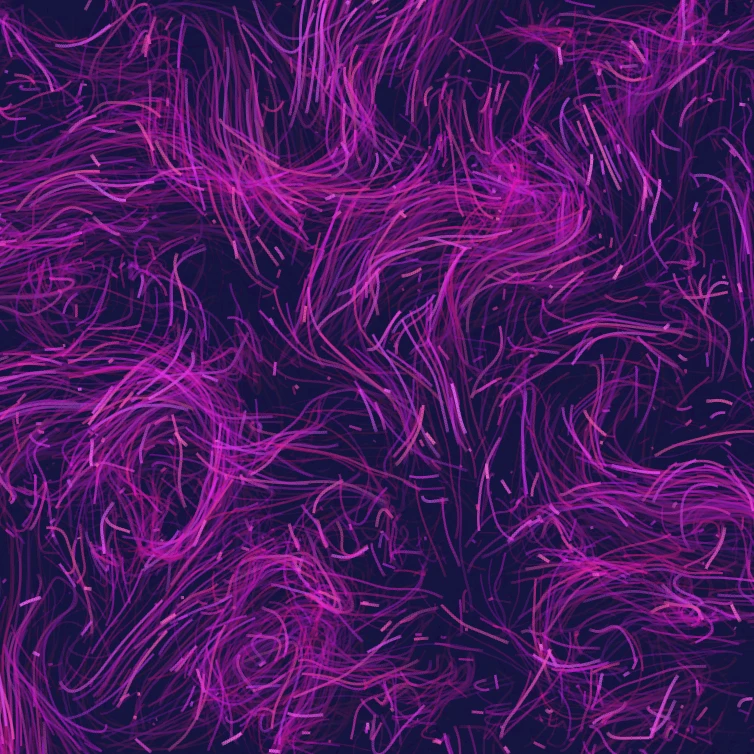
Flow Field
Steer thousands of particles with curl noise, wind, gravity, and clickable attractors, repellers, and vortices. Animate and save a PNG. Nothing is uploaded.
Ready to try it?
Open PictorX in your browser — no install, no credit card required to start.
Try Lorenz Attractor