
Piet Mondriaan
Piet Mondriaan distilled painting to horizontal and vertical lines and primary colour. From Dutch landscapes such as The Red Tree to the unfinished Victory Boogie Woogie, his neoplasticism shaped modern design—and in PictorX you can explore that grid language with Mondriaan Maker.
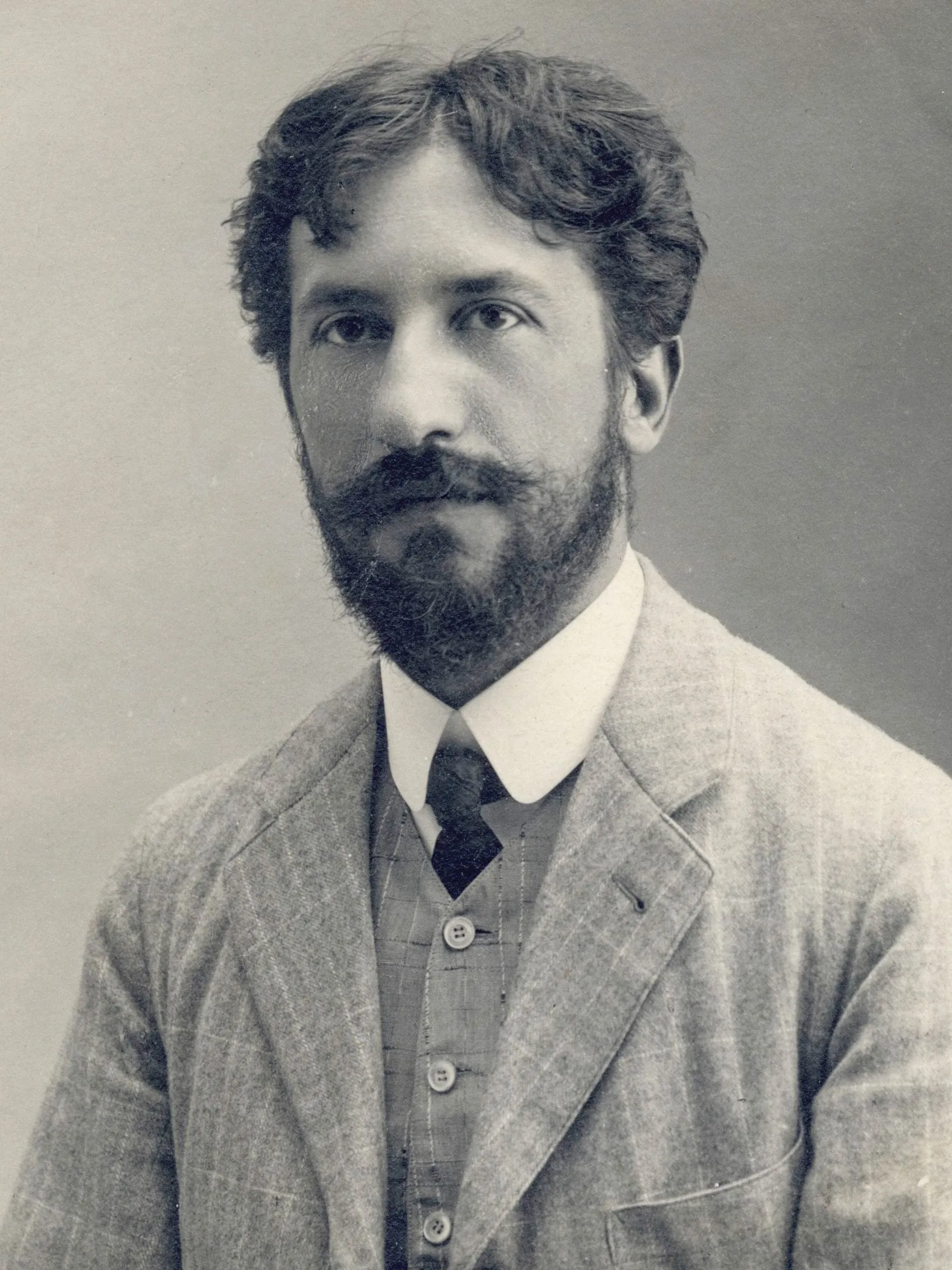
From Amersfoort to Paris
Pieter Cornelis Mondriaan was born on 7 March 1872 in Amersfoort, in the Netherlands. He trained in Amsterdam, painted Dutch landscapes and still lifes, and later shortened his name in French contexts to Mondrian—while Dutch sources still prefer Mondriaan. Moves to Paris, London, and finally New York tracked his shift from naturalistic trees and dunes toward pure abstraction.
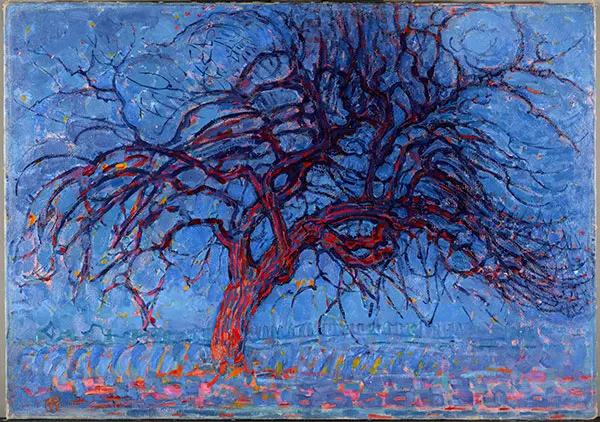
The Red Tree and the path to abstraction
Works such as The Red Tree (c. 1908–1910) still show a recognisable subject, yet the trunk and branches already dissolve into rhythmic strokes and a limited, glowing palette. Cubism and the search for underlying structure pushed Mondriaan further: trees and façades became scaffolds of line, then nearly dissolved into plus-and-minus marks before the clear black grids of the 1920s.
De Stijl and neoplasticism
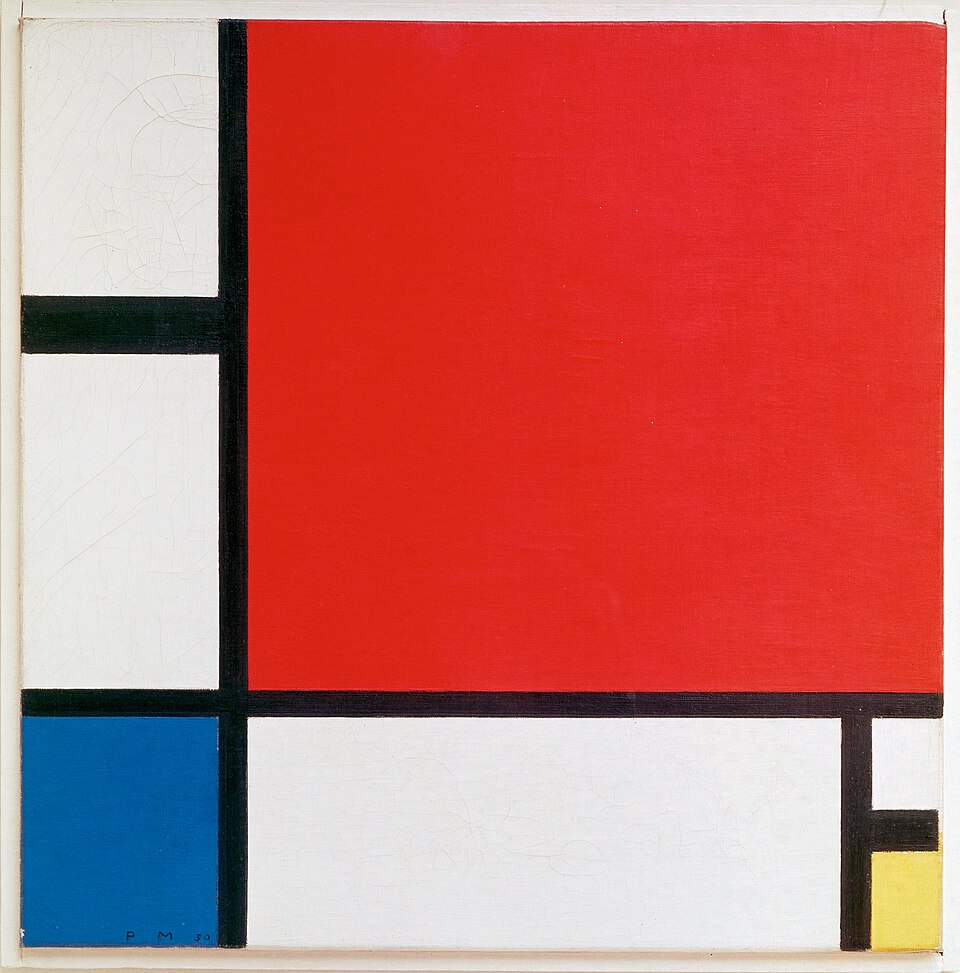
With Theo van Doesburg and others, Mondriaan helped shape De Stijl—the Dutch movement that sought universal harmony through abstraction. He called his mature method neoplasticism (nieuwe beelding): only horizontal and vertical lines, right angles, and the primaries red, yellow, and blue plus black, white, and grey. Asymmetry and careful balance replaced symmetry; empty planes mattered as much as painted ones.
Classic compositions
In the 1920s and 1930s Mondriaan refined compositions of black lines dividing white and primary rectangles. Small shifts in line thickness or a single red block can tip the whole balance. Design, architecture, and fashion still echo that vocabulary—proof that a severe rule set can feel lively rather than rigid.
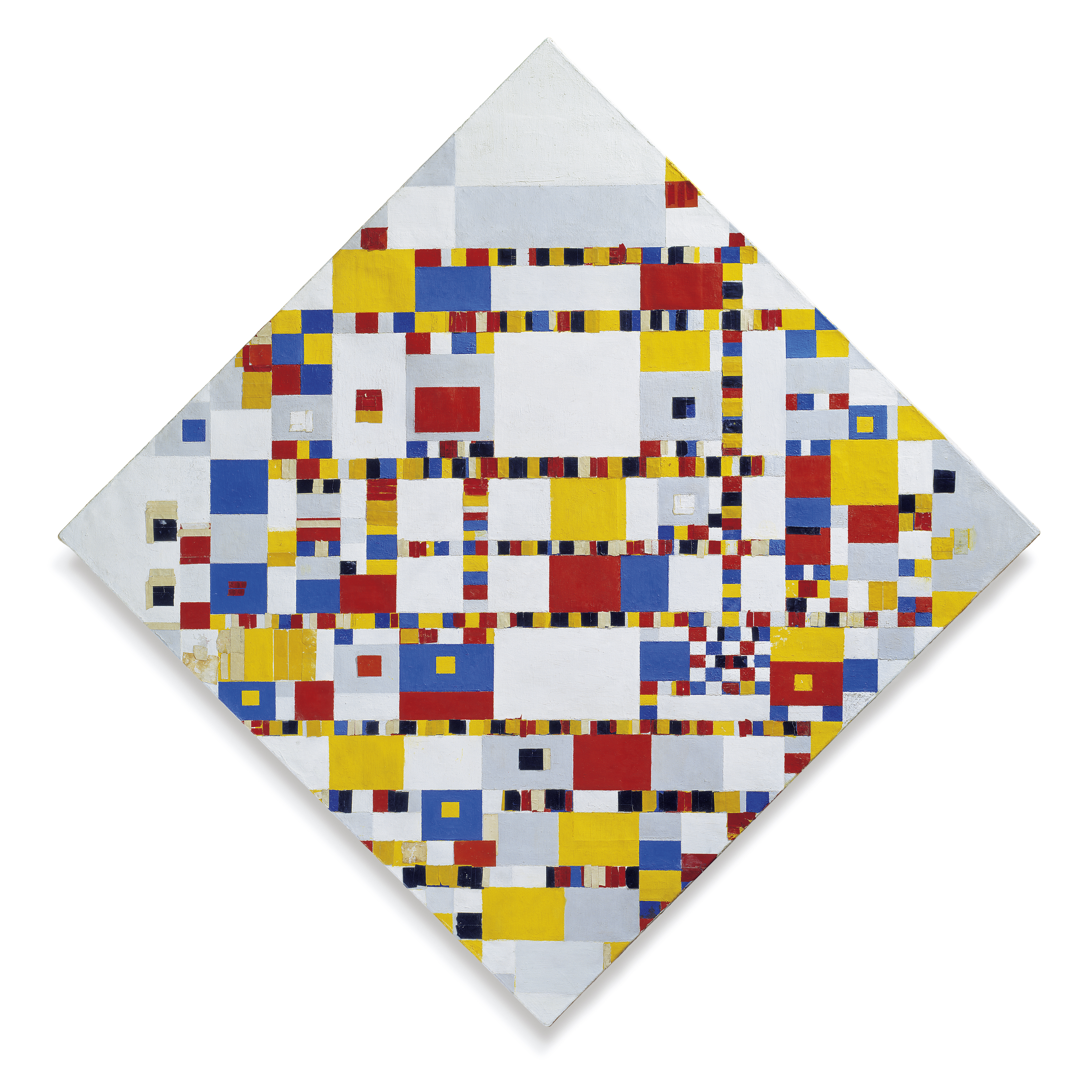
Victory Boogie Woogie
In New York, jazz and the city’s pulse loosened the grid. Victory Boogie Woogie (1942–1944), left unfinished at his death on 1 February 1944, replaces long continuous blacks with a mosaic of coloured squares and tapes. It feels closer to syncopation than to a quiet Dutch interior—still neoplastic in spirit, but dancing.
Try Mondriaan Maker in PictorX
Open /mondriaan-maker in PictorX to compose De Stijl-style grids in your browser. Click cells to cycle white, red, yellow, blue, and black; split rectangles; try Classic Mondriaan, Victory Boogie Woogie, Minimal De Stijl, or Modern presets; or auto-generate a layout and save a PNG. Nothing is uploaded to PictorX servers—your canvas stays on your device.
Frequently asked questions
How do you spell Mondriaan?
In Dutch the family name is Mondriaan. International art writing often uses Mondrian (the form he favoured in French and English contexts). PictorX uses Mondriaan in product copy.
What is De Stijl?
De Stijl was a Dutch modern-art movement founded in 1917 that pursued abstraction through straight lines, primary colours, and geometric clarity in painting, design, and architecture. Mondriaan’s neoplasticism is its best-known painting method.
What is Victory Boogie Woogie?
Victory Boogie Woogie is Mondriaan’s last major work, painted in New York during World War II and left unfinished when he died in 1944. It breaks the earlier continuous black grid into a lively field of coloured squares.
Does PictorX upload my Mondriaan Maker canvas?
No. Mondriaan Maker runs in your browser; nothing you compose is uploaded to PictorX servers. Export a PNG when you want a file on your device.
How does this page relate to Mondriaan Maker?
This page is the background story—Mondriaan’s life, De Stijl, and key works. Mondriaan Maker is the interactive PictorX tool where you can build neoplastic-style grids yourself.
Related tools

Mondriaan Maker
Compose classic Mondriaan-style De Stijl grids in your browser. Adjust complexity, line thickness, and color fill — click cells to recolor, then save a PNG. Nothing is uploaded.
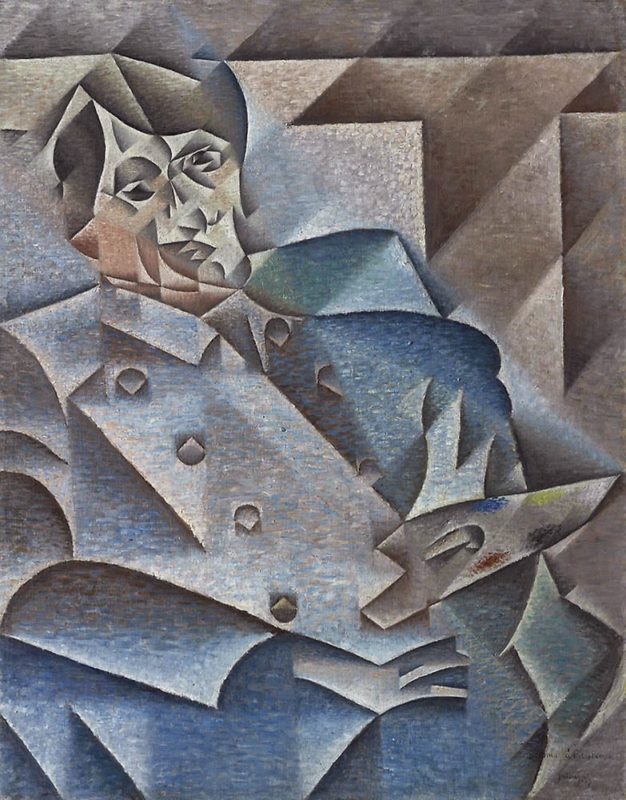
Cubism
A short guide to Cubism: Picasso and Braque, Analytic and Synthetic Cubism, fragmented planes, multiple viewpoints, and a digital homage you can try in PictorX.
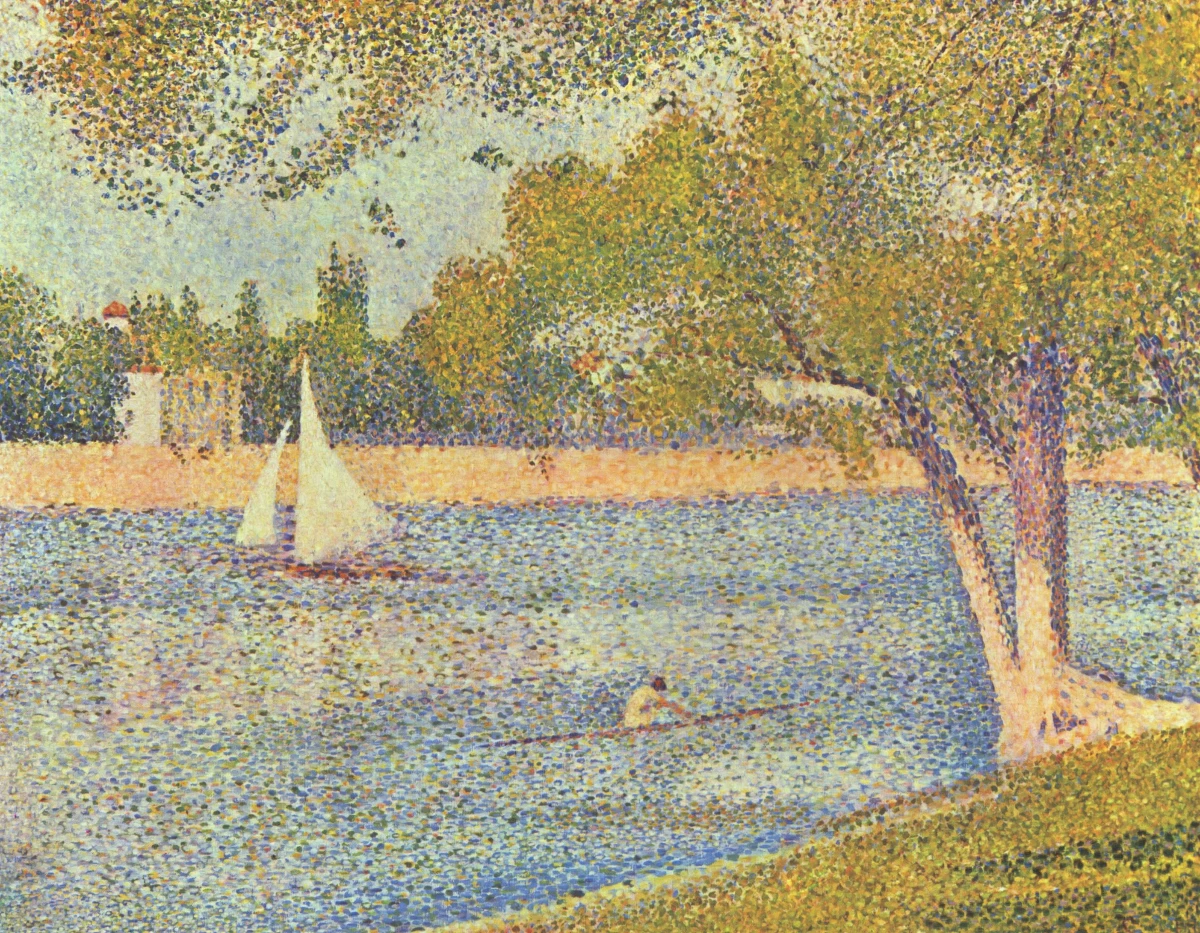
Pointillism
A short guide to Pointillism: Seurat and Signac, Neo-Impressionism, optical colour mixture with dots, and a digital homage you can try in PictorX.
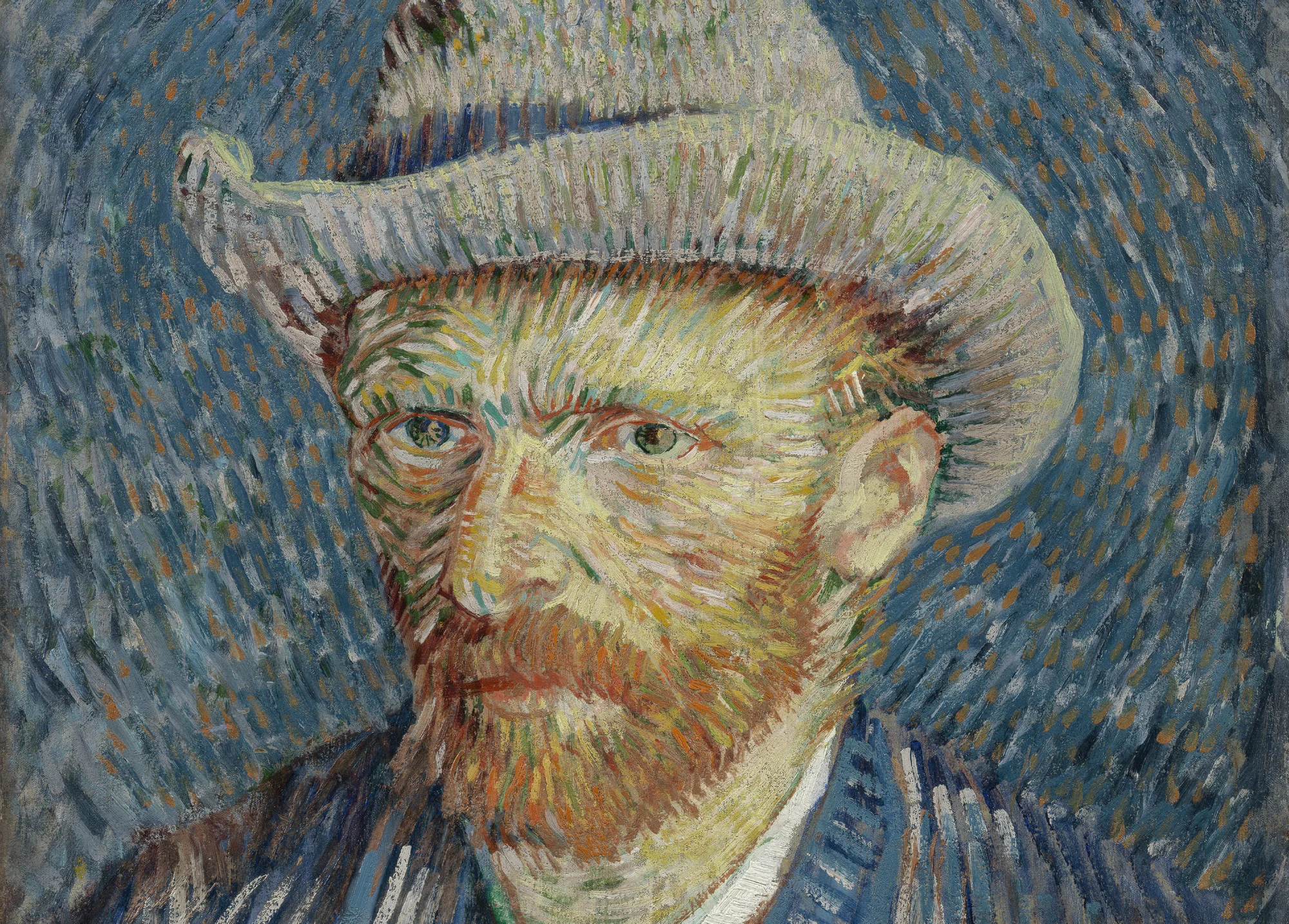
Vincent van Gogh
A short guide to Vincent van Gogh: Dutch Post-Impressionism, swirling brushwork, Starry Night and sunflowers, and a respectful digital homage you can try in PictorX.
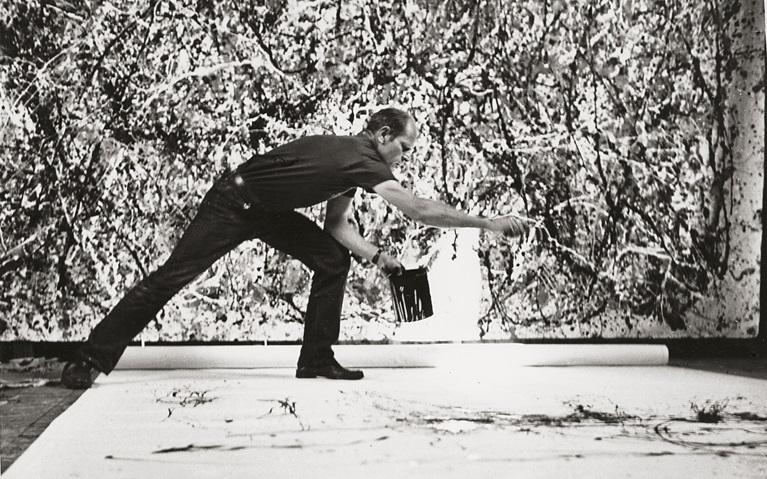
Jackson Pollock
Jackson Pollock's life and drip painting: Cody, the New York School, action painting, and how PictorX Pollock Painter lets you explore drip-and-splatter art in the browser.
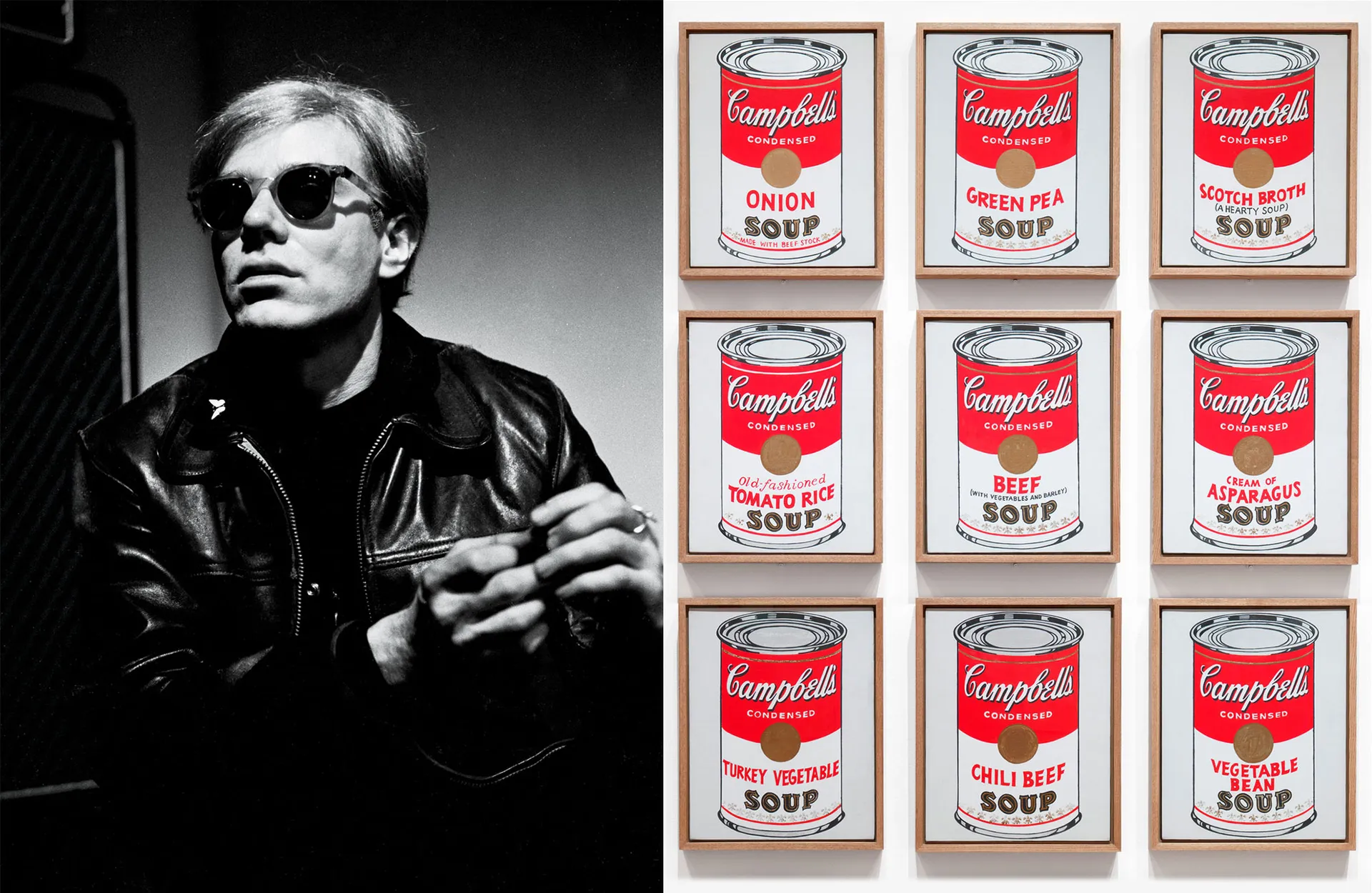
Andy Warhol
The story of Andy Warhol: Pittsburgh, The Factory, Campbell's Soup, Marilyn, the 1968 shooting, Interview magazine, and the museum in Pittsburgh.
Ready to try it?
Open PictorX in your browser — no install, no credit card required to start.
Try Mondriaan Maker