
Aboriginal art
Read more about Aboriginal art—the oldest continuous art tradition on earth, from rock and bark to Desert acrylics, and the photo look you can try in PictorX.
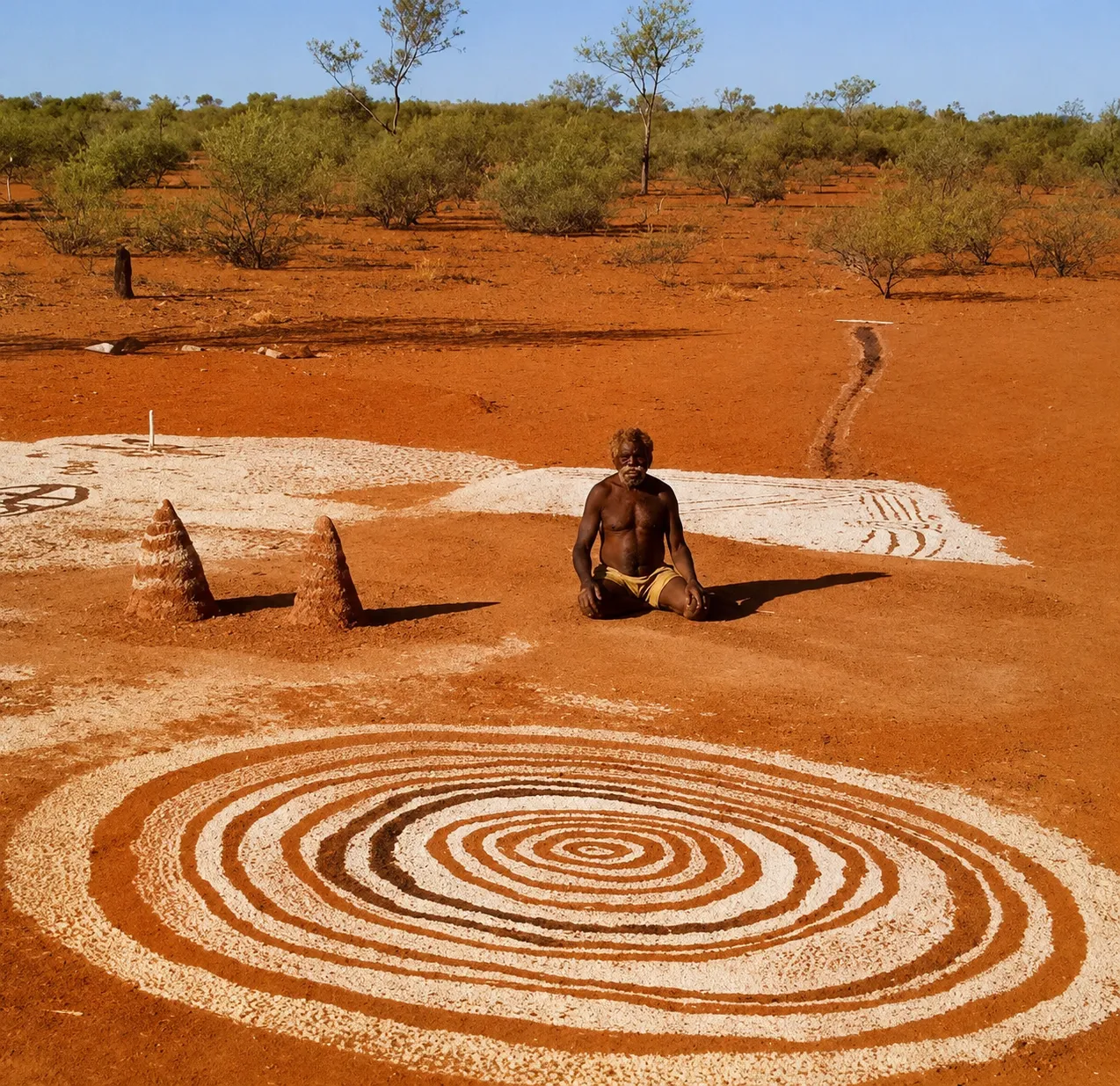
The oldest continuous art tradition
Aboriginal art is not one style. It is the visual language of hundreds of Aboriginal nations across Australia—each with its own Country, languages, and ways of painting. People have lived on this continent for more than 65,000 years. Rock paintings in Kakadu, the Kimberley, and Arnhem Land are among the oldest pictures still spoken about by living communities. What galleries often label “Aboriginal art” is a family of practices: rock and bark, desert acrylics, ochre on canvas, sculpture, print, and film. Torres Strait Islander art is a related but distinct tradition.
Country, story, and law
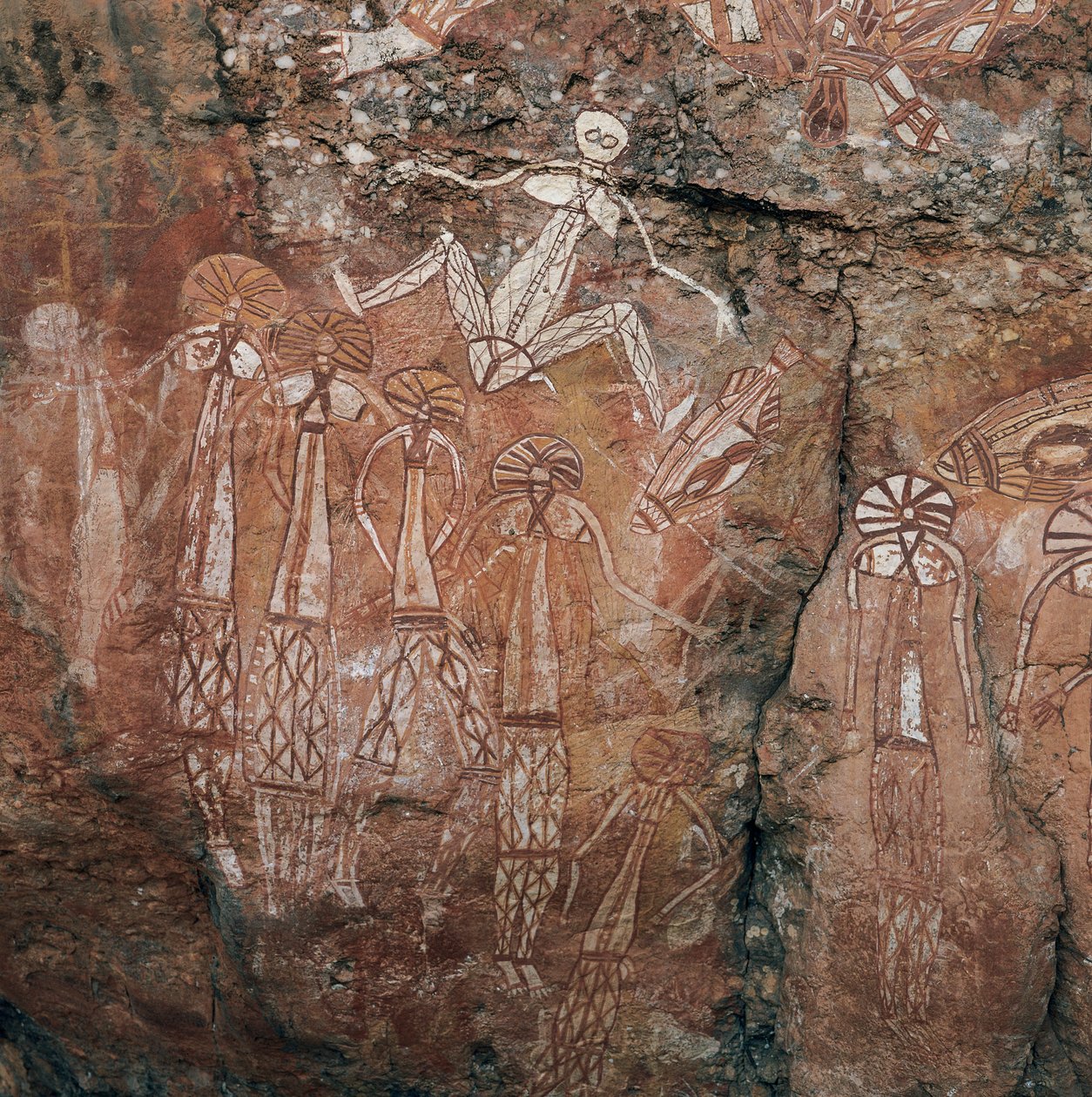
In many Aboriginal languages there is no separate word that means “art” the way English uses it. A painting can be a map of Country, a record of ancestral journeys, and a teaching about law. Waterholes, tracks, camp sites, and Dreaming paths sit on the same surface. The work is not decoration first; it is knowledge held in paint. That is why some designs are restricted: they belong to a family, a ceremony, or a place, and are not for public viewing.
Rock, bark, and ochre
Before acrylics, painters used ochre, charcoal, and clay. Arnhem Land bark paintings use fine cross-hatching (rarrk). Kimberley Wandjina figures and Gwion Gwion images mark cliffs. In the Central and Western Deserts, ground paintings for ceremony were made with earth, down, and ochre—then later translated onto canvas. Colour was not arbitrary: red, yellow, white, and black ochres came from specific sites.
Papunya and the rise of dot painting
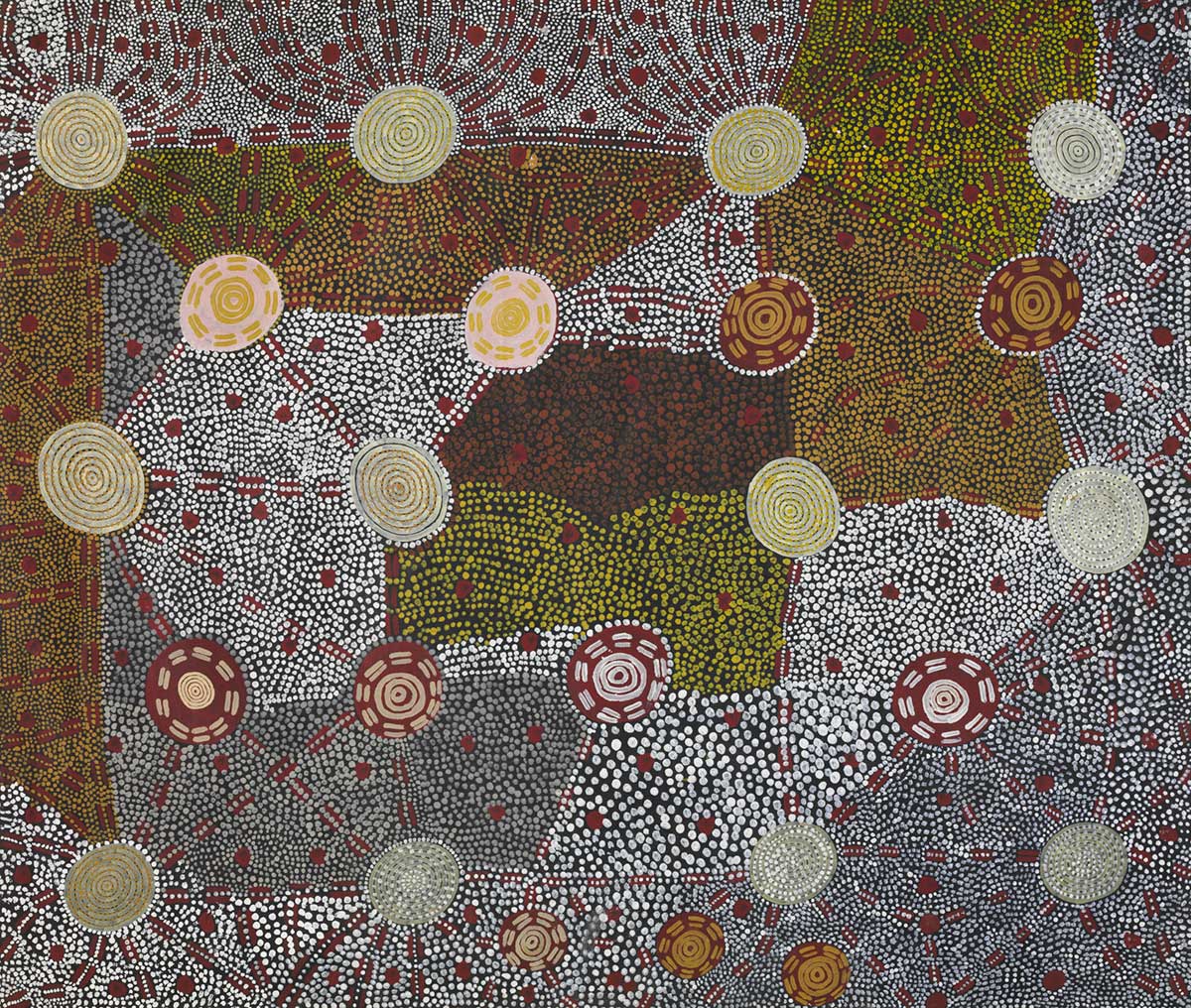
In 1971, at Papunya west of Alice Springs, senior men began painting their stories in acrylic, with schoolteacher Geoffrey Bardon helping to supply boards and paint. Those early works became the Papunya Tula movement—the Desert painting boom that introduced the rest of the world to “dot painting.” Dots were not invented for tourists. In many Western Desert works they fill a field, mark Country, and can also veil sacred detail so uninitiated viewers see a beautiful surface without the restricted story underneath.
Symbols you may recognize
Concentric circles often mark a waterhole, camp, or meeting place. U-shapes can be people sitting. Parallel lines can be spears, sandhills, or rain. Animal tracks cross the ground. These signs are not a universal alphabet—meanings change by language group and by the story being told. Copying a specific artist’s design, or treating a sacred motif as clip-art, is not the same as admiring the visual language.
A living contemporary practice
Aboriginal art is not a closed historical style. Art centres from Papunya, Yuendumu, Balgo, Maningrida, and dozens more support living artists. Emily Kam Kngwarray, Rover Thomas, Clifford Possum Tjapaltjarri, Queenie McKenzie, and many others reshaped Australian modernism. Museums from Canberra to Paris now hang these works as contemporary painting, not ethnographic leftover. The respectful way to collect is through Aboriginal-owned art centres and documented provenance.
A note on respect
PictorX Aboriginal Art is a digital filter inspired by the look of concentric dots and colour fields. It is not authentic Aboriginal art, not a ceremony design, and not a substitute for work by Aboriginal artists. We do not claim Country, Dreaming, or cultural authority. If a picture moved you, look up the artist and the art centre. Buy from them. The filter is a way to see your own photo as a field of dots—not a licence to sell “Aboriginal-style” souvenirs.
Try the look in PictorX
The filter traces Canny outlines into concentric dots and fills the rest of the frame with flattened colour dots sampled from the photo. Open the Aboriginal Art page, load a picture, then try Classic, Ochre, Outline, or White Ground. Dot size, outline colours, and a transparent background are under your control. Keep editing with layers and other artistic looks in the same workspace.
Frequently asked questions
What is Aboriginal art?
The visual practices of Aboriginal nations across Australia: rock, bark, desert acrylics, ochre, sculpture, and more. It is many traditions, not one style.
What is Aboriginal dot painting?
A contemporary Desert painting language, widely known since the Papunya Tula movement of the 1970s. Dots can map Country and also conceal restricted knowledge.
Is the PictorX filter authentic Aboriginal art?
No. It is a photo effect inspired by concentric dots and colour fields. Authentic works come from Aboriginal artists and art centres.
How should I use Aboriginal designs respectfully?
Do not copy a living artist’s specific designs or sacred motifs. Support Aboriginal-owned art centres. Treat PictorX’s filter as a visual experiment on your own photos, not as cultural work you can resell as Aboriginal art.
Related tools
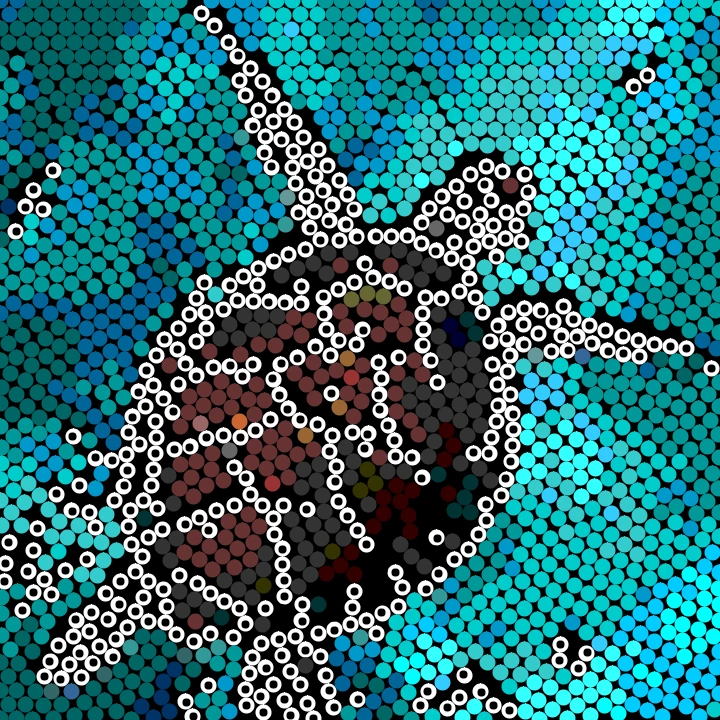
Aboriginal dot painting
Turn a photo into Aboriginal-style dot painting in your browser. Edge dots follow the subject; the rest fills with color-field dots.
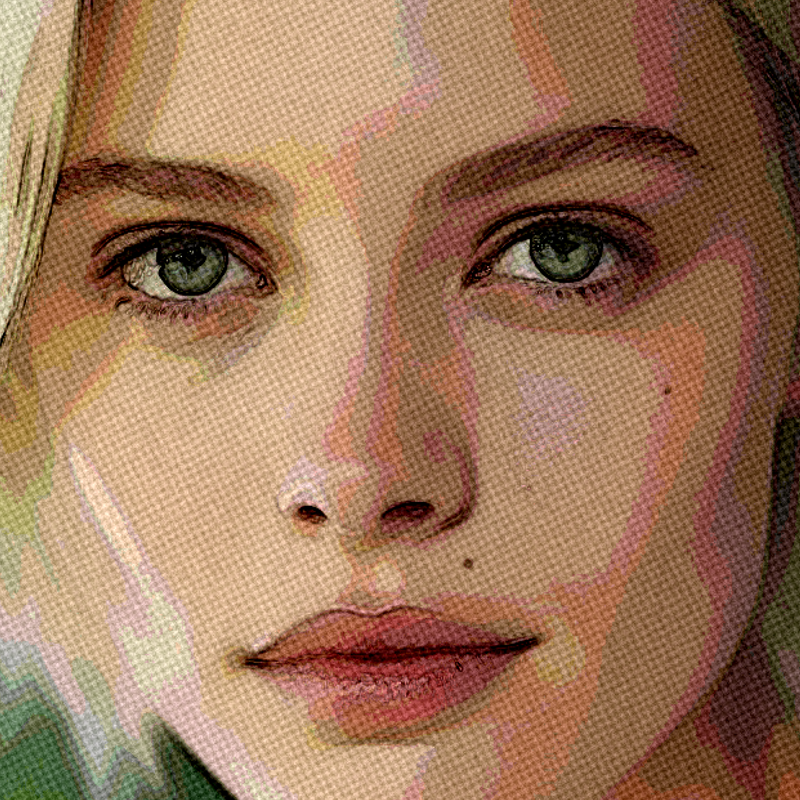
Artistic effects
Transform photos with oil painting, watercolor, pencil, comic ink, pastels, paper cut-out, and other studio art looks.
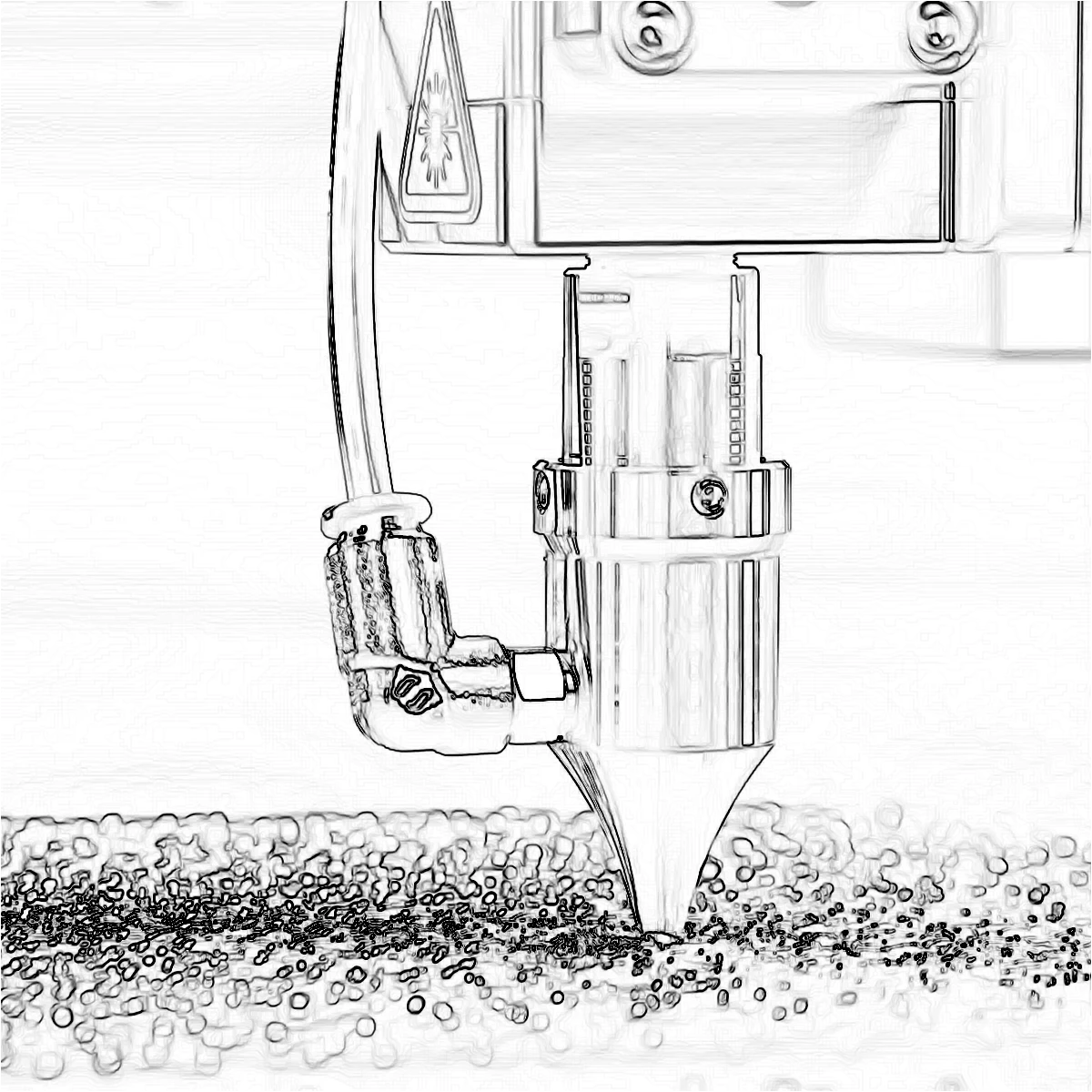
Edge effects
Trace outlines with Canny, Sobel, Laplace, Find Edges, Glowing Edges, XDoG, and Morphological Gradient—classic detectors that turn a photo into line art.
Ready to try it?
Open PictorX in your browser — no install, no credit card required to start.
Try Aboriginal Art