
Pop Art
Read more about Pop Art—from Warhol’s soup cans and Lichtenstein’s comic dots to silkscreen, consumer culture, and the movement that still shapes design today.
A reaction against traditional art
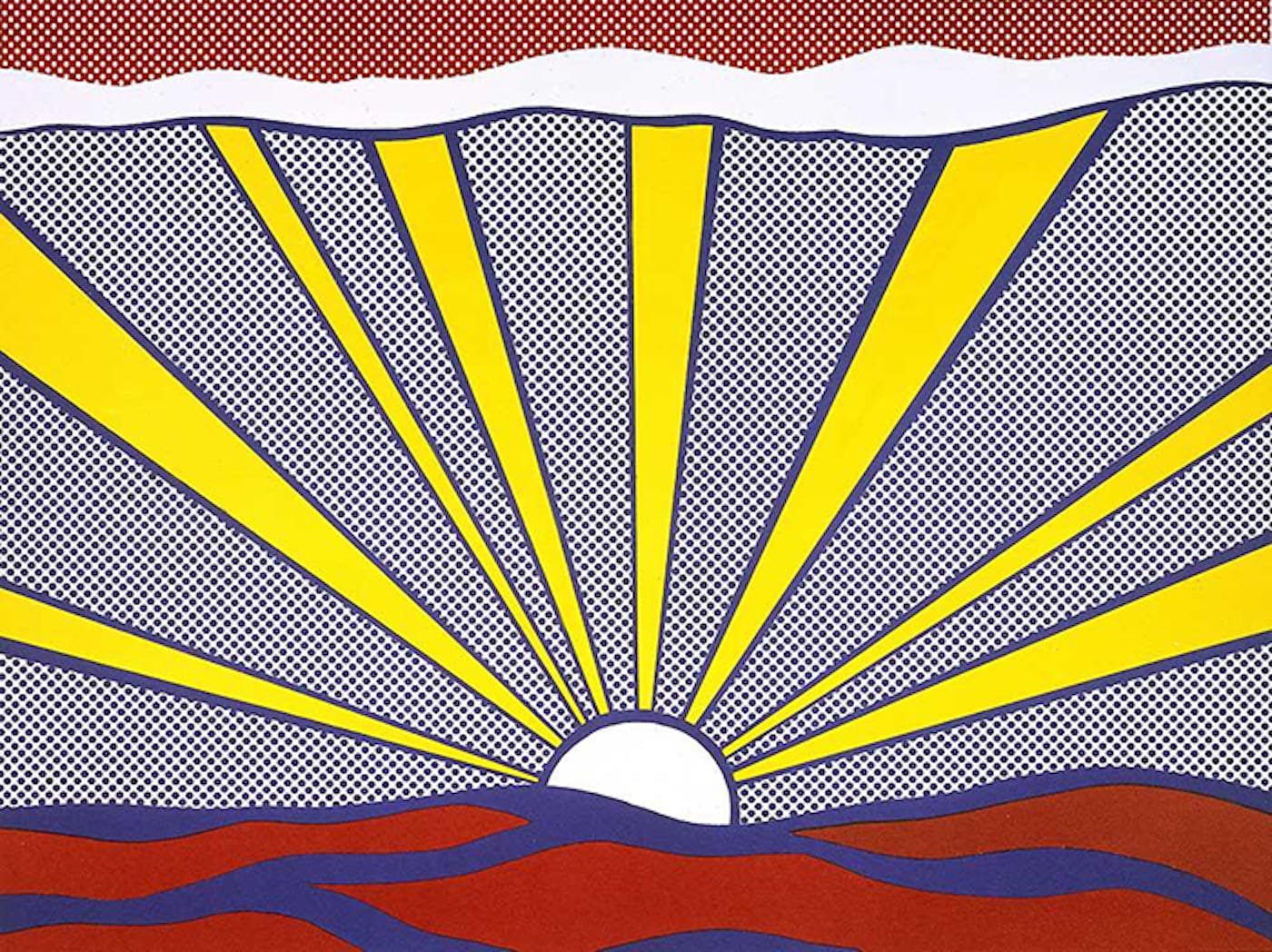
Pop Art emerged in the mid-20th century as a bold reaction against traditional fine-art ideals. Artists in the United Kingdom and the United States began to question why everyday objects, mass-produced goods, and commercial imagery were excluded from the world of “serious” art. Instead of focusing on abstract expression or emotional depth, Pop Art embraced the visual language of modern life—advertising, comic strips, celebrity culture, and consumer products. This shift marked a turning point in art history, bringing popular culture into the spotlight and challenging the boundaries between high and low culture.
Familiar imagery
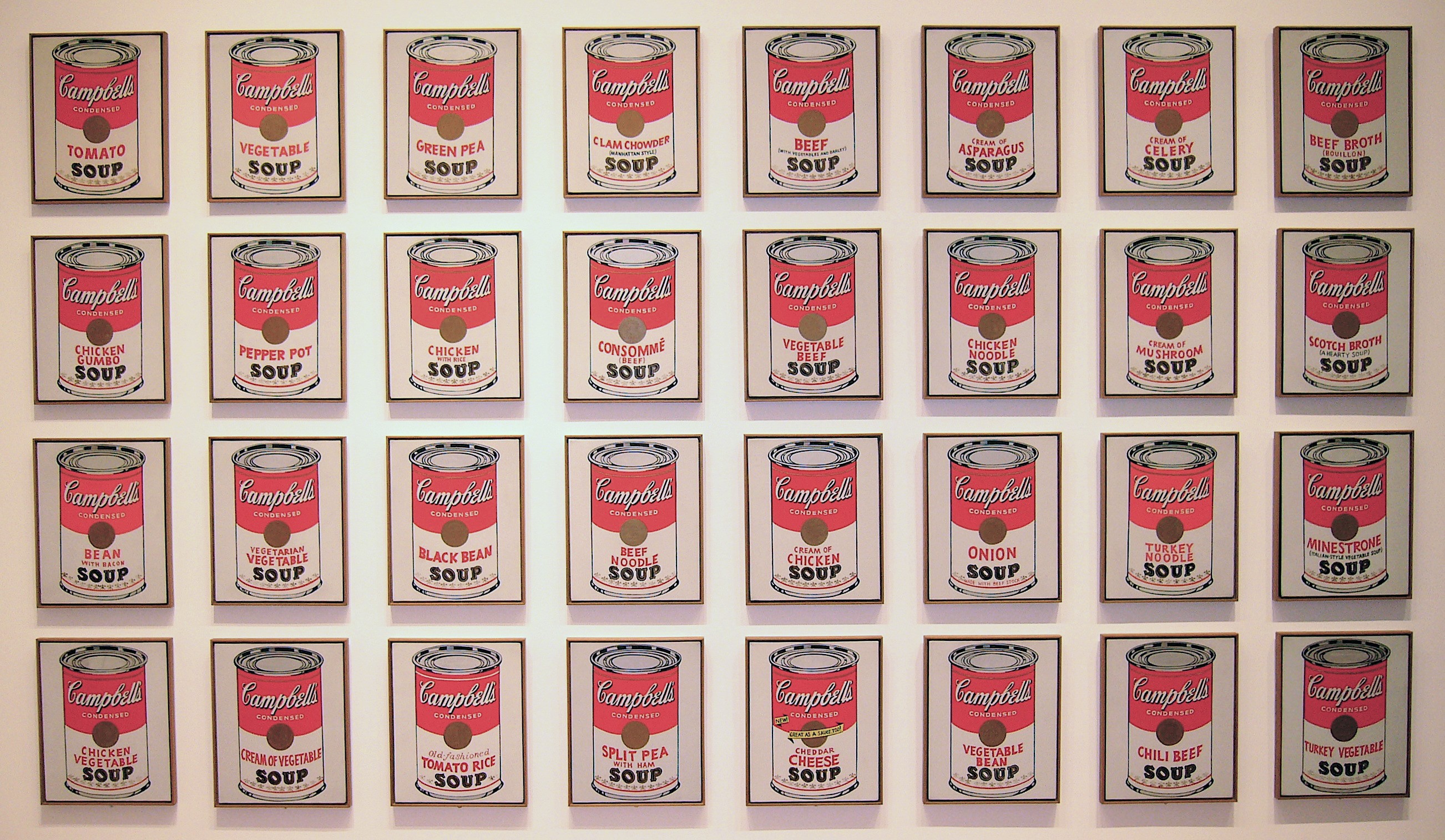
One of the defining features of Pop Art is its use of familiar imagery. Artists like Andy Warhol turned mundane items, such as soup cans and soda bottles, into iconic artworks. Roy Lichtenstein borrowed the style of comic books, using bold lines and Ben-Day dots to mimic mass-printing techniques. By elevating these everyday visuals, Pop Art questioned what society values and why certain images become symbols of modern identity. The movement’s playful, ironic tone often encouraged viewers to reconsider the world around them.
Consumerism in the post-war era
Pop Art also reflected the rise of consumerism in the post-war era. The 1950s and 1960s saw an explosion of advertising, television, and mass production, shaping how people perceived themselves and their environment. Pop artists responded by mirroring these cultural shifts, sometimes celebrating them and sometimes critiquing them. Their work highlighted how deeply commercial imagery had infiltrated daily life, turning brands, celebrities, and products into cultural icons.
Industrial techniques
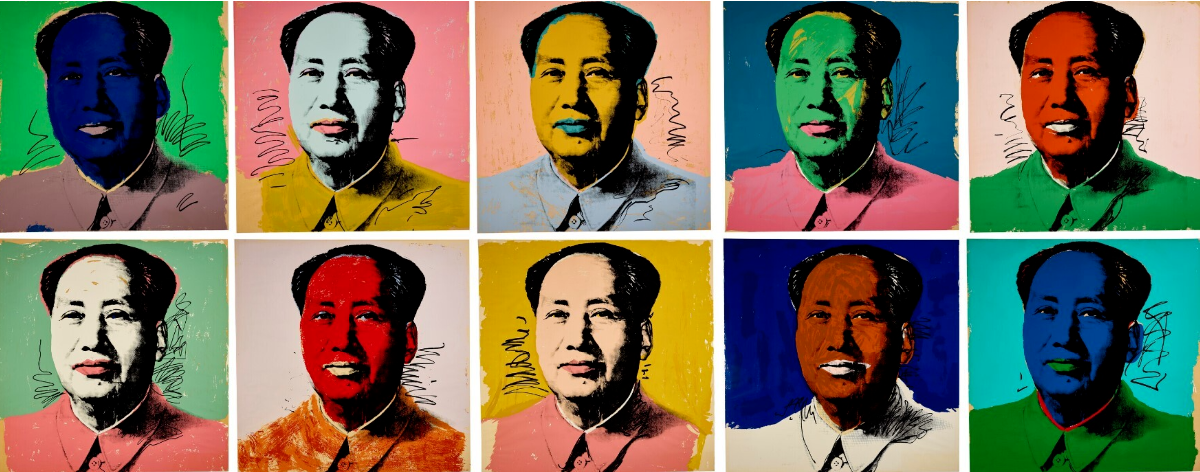
Another important aspect of Pop Art is its use of industrial techniques. Instead of traditional brushwork, artists often used silkscreen printing, stencils, or mechanical reproduction methods. This approach blurred the line between handmade art and manufactured goods, reinforcing the movement’s fascination with repetition, mass appeal, and the aesthetics of consumer culture. It also made art more accessible, as these techniques allowed for multiple versions of the same piece.
A lasting influence
Ultimately, Pop Art reshaped the art world by expanding what could be considered art. It embraced humor, irony, and bold visual impact, making art feel fresh, modern, and connected to everyday life. Its influence continues today, visible in graphic design, fashion, advertising, and contemporary visual culture. Pop Art didn’t just reflect its time—it transformed how we see images, objects, and the world around us.
Related tools
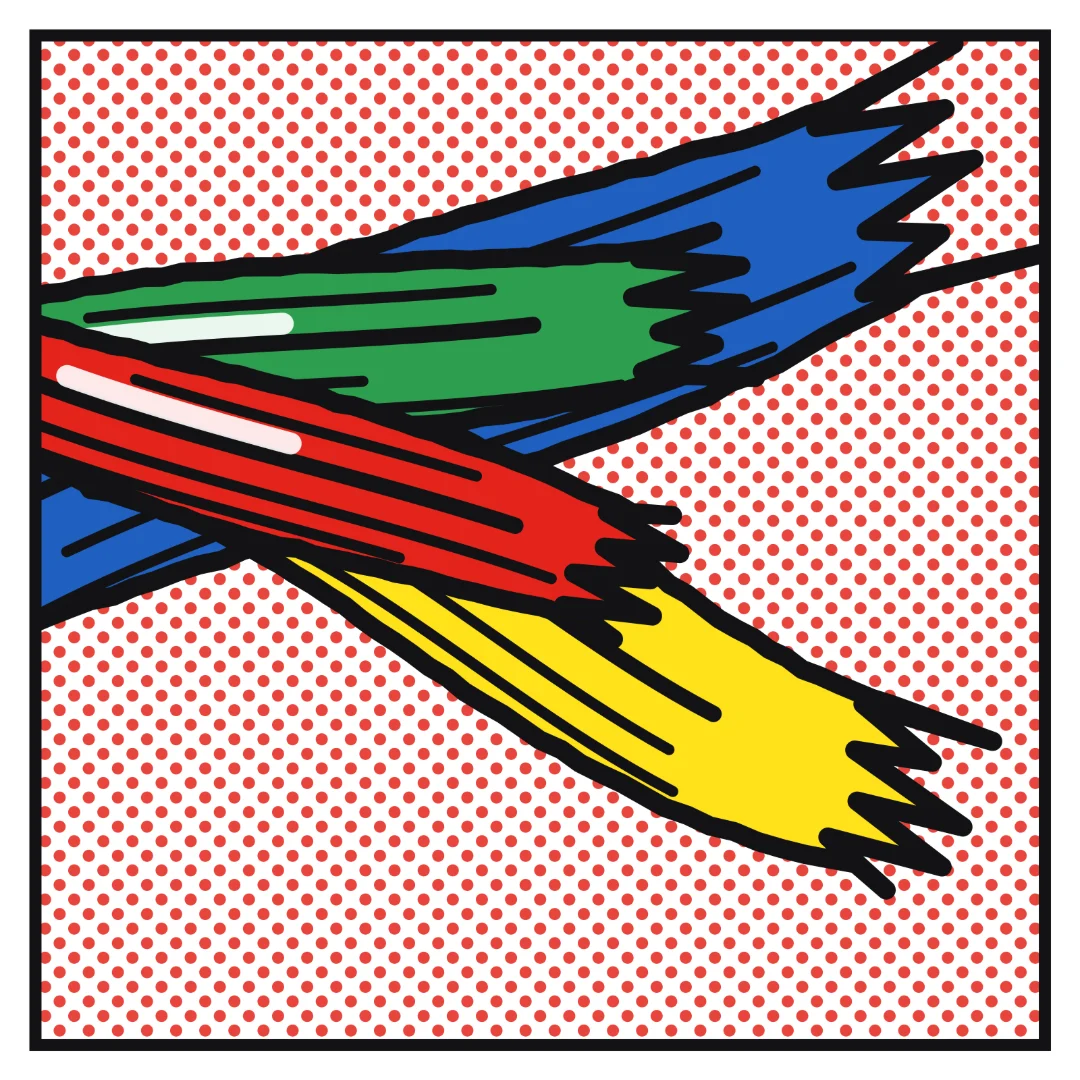
Roy Lichtenstein comic maker
Turn a photo into a Roy Lichtenstein comic in your browser: one to three panels in Ben-Day dots and black ink, speech and thought balloons, a yellow caption and a WHAAM! sound effect, in the Romance, War, Brushstrokes or Mirror series.
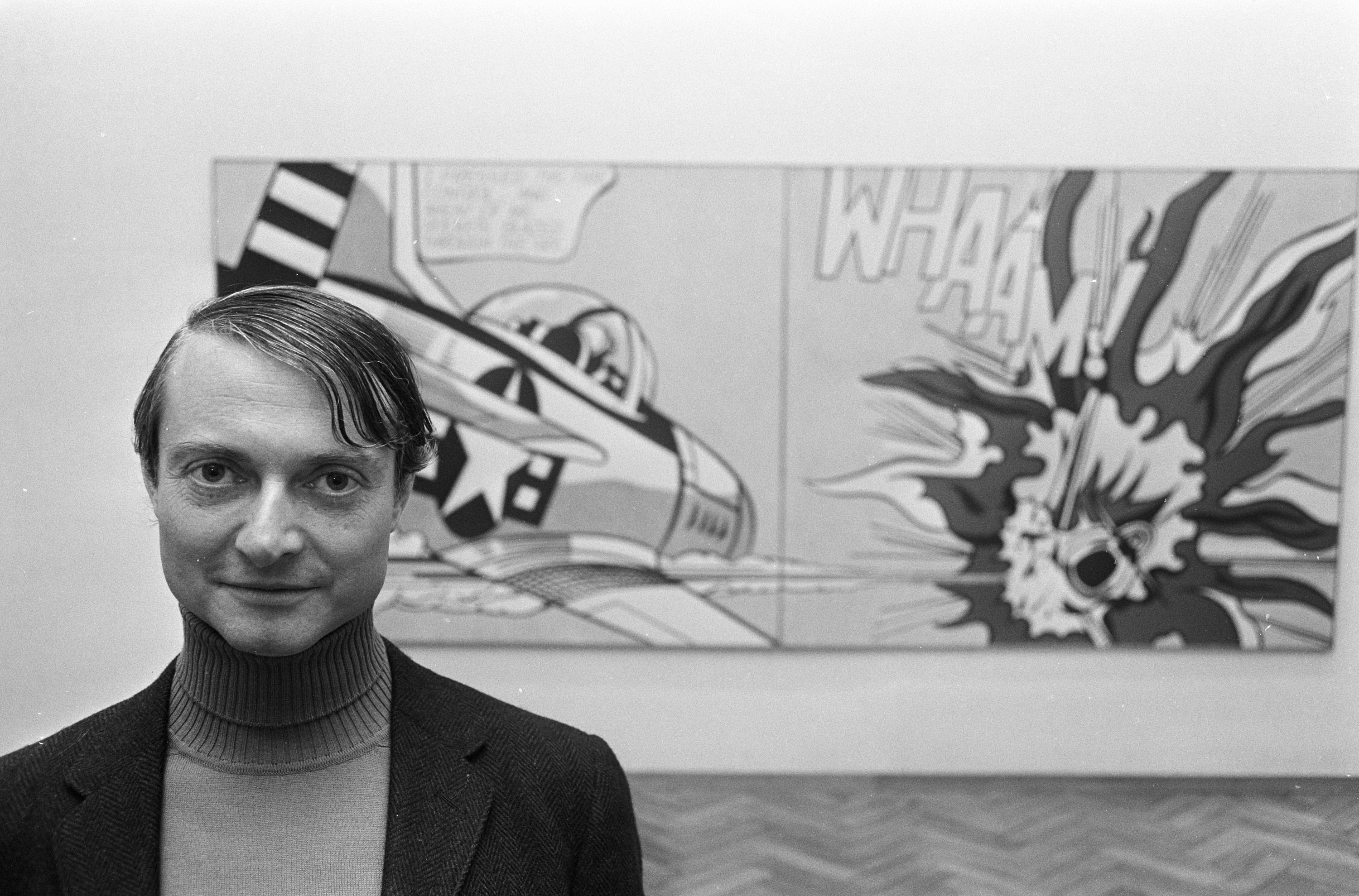
Roy Lichtenstein
A short guide to Roy Lichtenstein: from Look Mickey to the romance and war comics, Drowning Girl and Whaam!, his Ben-Day dots and machine-like technique, the controversy over his sources, the Brushstrokes and Mirrors, and a comic-panel app you can try in PictorX.
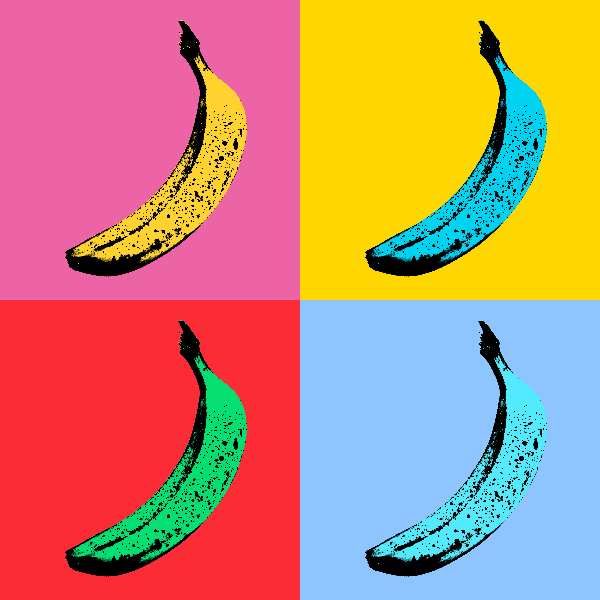
Pop Art effects
Turn photos into bold Pop Art posters—neon grids, comic dots, risograph inks, Lichtenstein, Banksy stencils, and more.
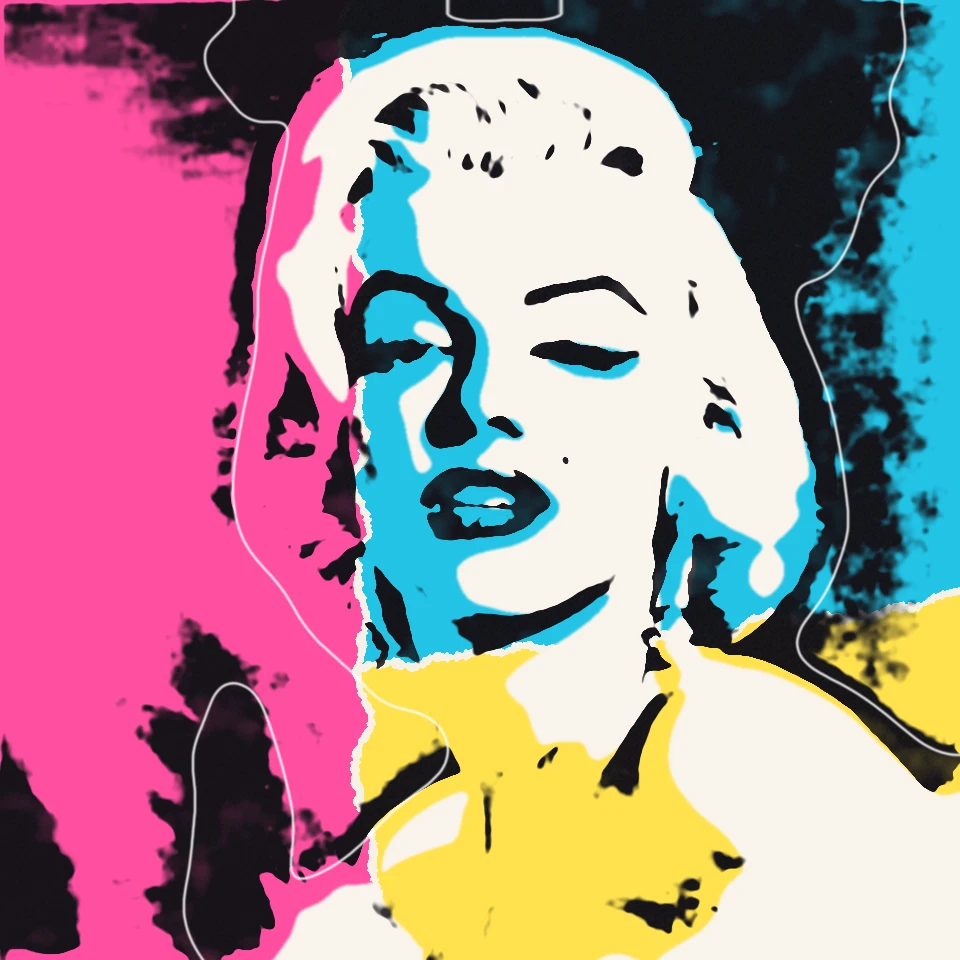
Andy Warhol photo filter
Channel Andy Warhol’s Factory energy—bold color grids, repeated icons, and pop-art portraits that feel like silkscreen posters.
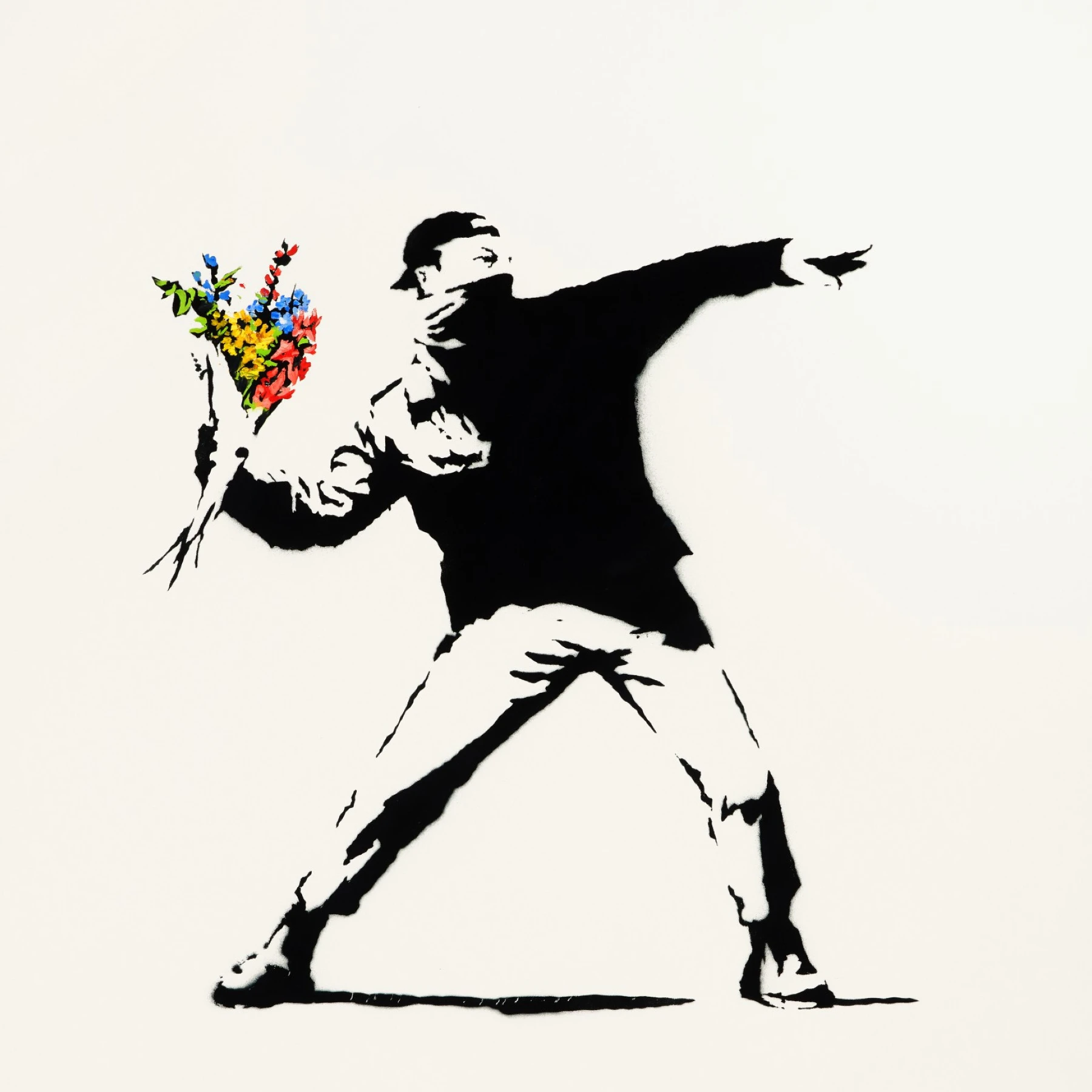
Banksy Street Art
Turn a photo into Banksy-style stencil street art in your browser. Pick a wall, spray, and drip — then save a PNG.
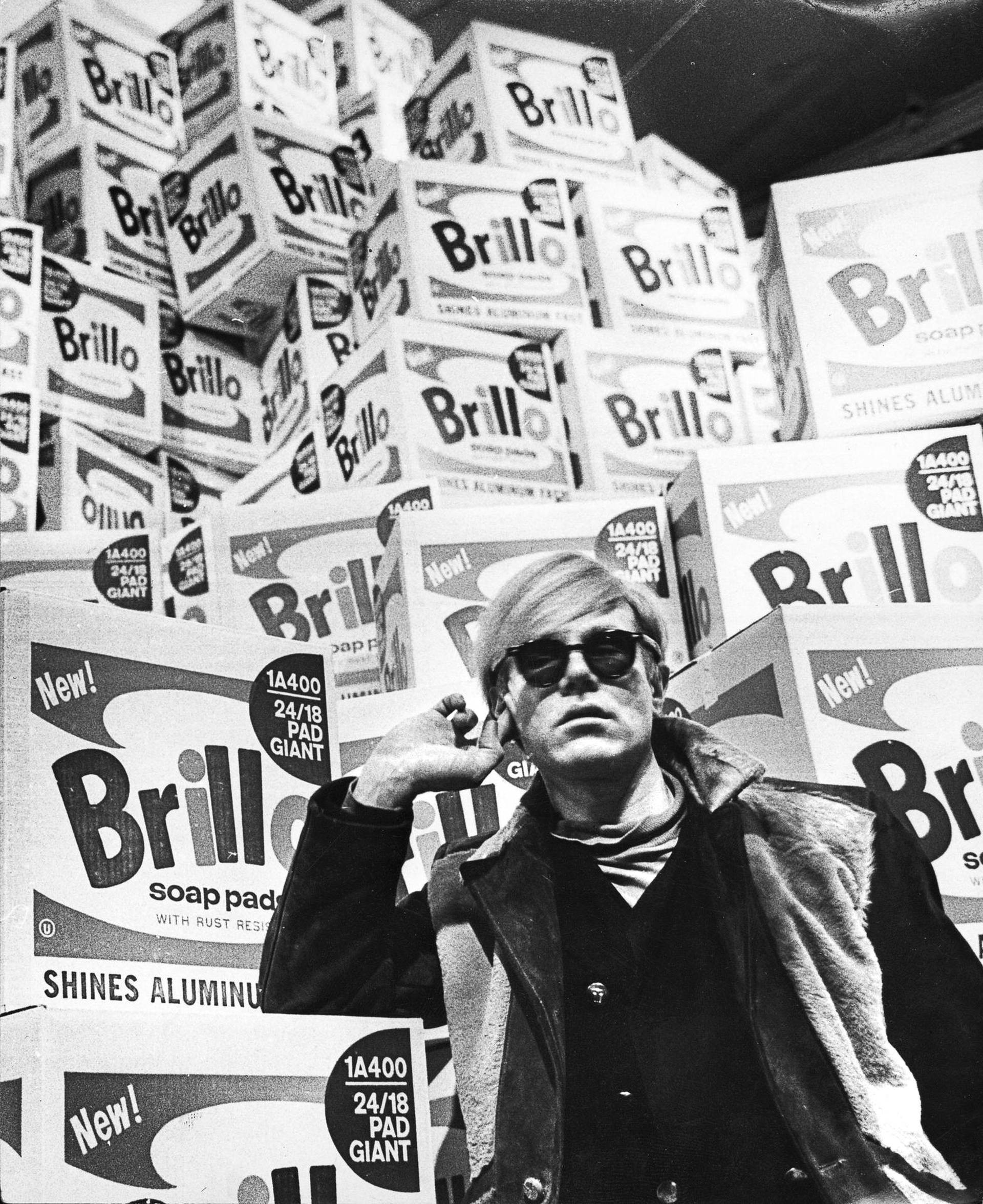
Andy Warhol
The story of Andy Warhol: Pittsburgh, The Factory, Campbell's Soup, Marilyn, the 1968 shooting, Interview magazine, and the museum in Pittsburgh.
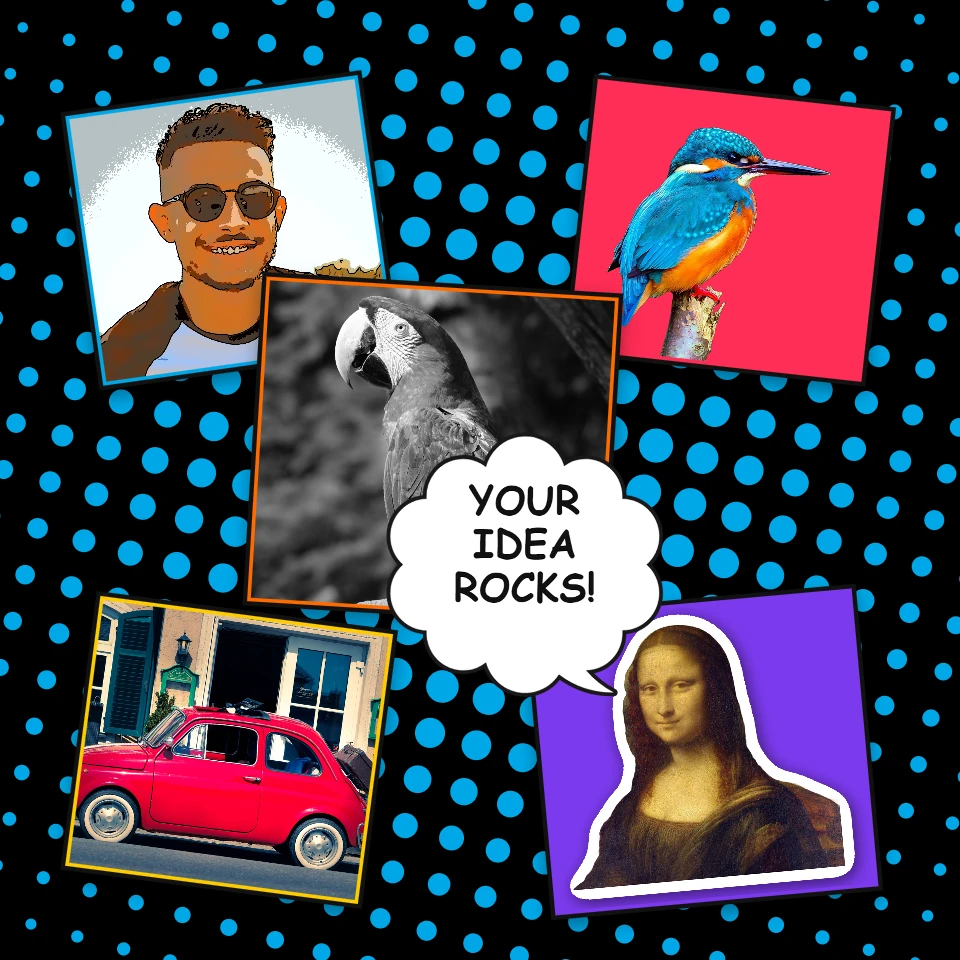
Pop Art collage
Make a Pop Art collage free online with PictorX. Scatter framed photos on a Ben-Day, ray, or stripe backdrop, add Lichtenstein-style looks and POW! bursts, then export.
Ready to try it?
Open PictorX in your browser — no install, no credit card required to start.
Try Pop Art effects