
Pointillism
Read more about Pointillism—the Neo-Impressionist method of painting with small, distinct dots of colour so the eye mixes them optically—and try a digital Pointillism look in PictorX.
What is Pointillism?
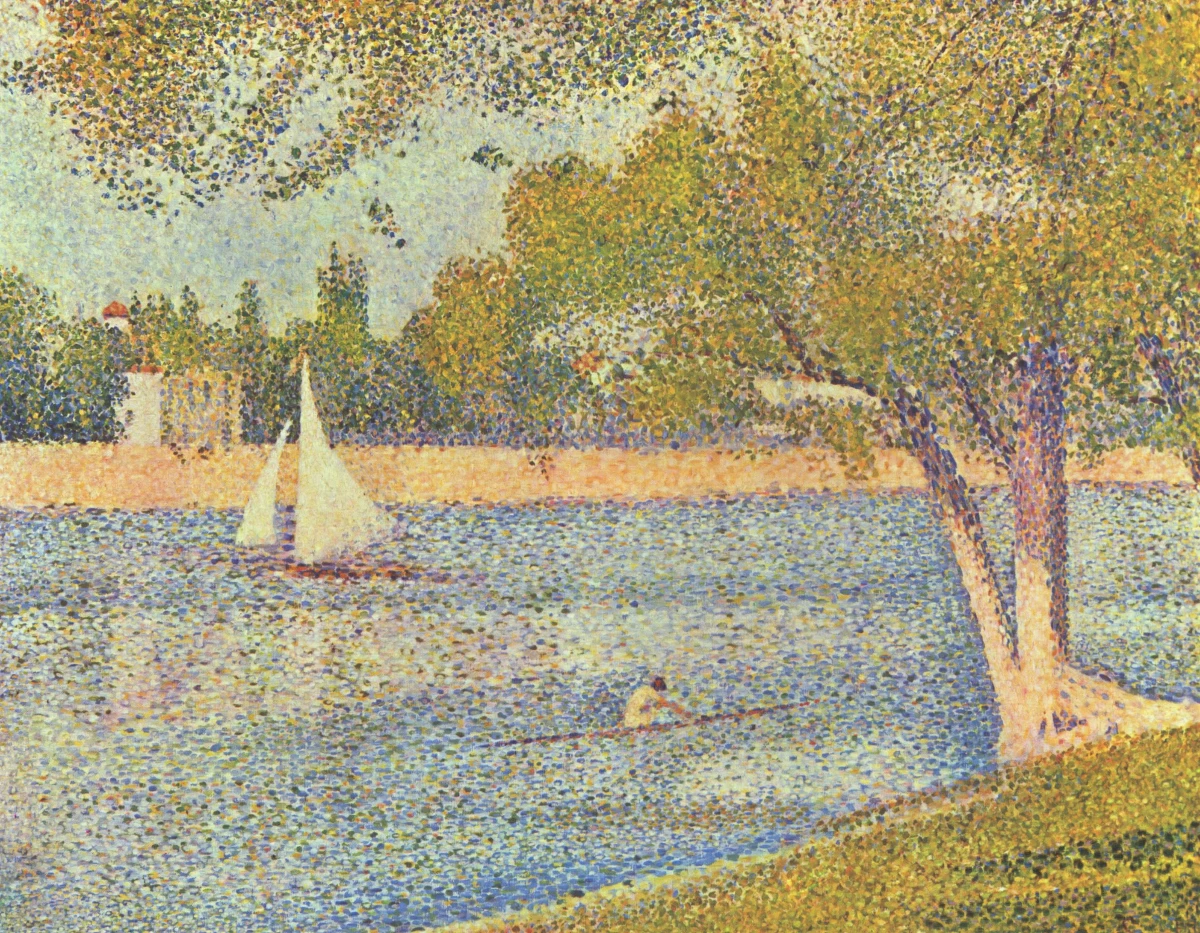
Pointillism is a painting technique associated with Neo-Impressionism in late-19th-century France. Instead of blending colours on the palette into smooth strokes, artists placed small dots or dabs of relatively pure colour side by side. From a distance, the eye mixes those marks into luminous tones—an idea rooted in contemporary colour theory as much as in studio craft.
Seurat, Signac, and Neo-Impressionism
Georges Seurat refined the approach in the mid-1880s, most famously in large outdoor scenes built from countless measured touches. Paul Signac and others developed Divisionism further—organising complementary colours and systematic dots into shimmering surfaces. The movement sat beside Impressionism but aimed for a more scientific, deliberate construction of light.
Optical mixture vs mixing on the brush
Traditional painting often mixes pigments before they hit the canvas, which can dull chroma. Pointillist marks keep colours more separate so neighbouring dots vibrate against each other. Warm and cool, light and dark, sit as discrete notes; the viewer’s eye does the blending. That optical sparkle is why Pointillist paintings can feel brighter than their local colours suggest.
Dots, density, and the picture plane
Dot size and spacing control how solid or airy the surface feels. Dense, small marks read as continuous form; larger or more scattered dots emphasise the mosaic. Canvas ground—the warm primed base beneath the paint—also matters: gaps between dots can flash the ground colour and keep the field breathing.
Why Pointillism still matters
The idea that an image can be assembled from discrete samples shows up everywhere later: printing halftones, screen patterns, pixels, and digital dithering. Pointillism made that sampling visible as art. It also remains a clear lesson in colour contrast—how complementary neighbours can intensify each other without muddy mixing.
A digital homage in PictorX
PictorX Pointillism is a browser photo effect inspired by optical colour mixture, Seurat’s disciplined dots, and Signac’s broader directional dabs. It is not a reproduction of any museum painting, not an AI forgery of a Seurat or Signac, and not a claim of authenticity. Use it to explore Neo-Impressionist colour with your own photo—not to sell fake masterpieces.
Try the look in PictorX
Open artistic effects, choose Pointillism, and load a landscape, portrait, or still life with clear colour areas. Choose Seurat, Signac, or Divisionist, then tune Dot Size, Coverage, Optical Mix, Detail, Palette, and Canvas Ground. Nothing is uploaded to PictorX servers. Keep editing with Cubism, Vincent van Gogh, Mixed Media, or other looks in the same workspace.
Frequently asked questions
What is Pointillism in art?
Pointillism is a Neo-Impressionist approach that builds form and colour from small dots or dabs so the eye mixes hues optically. Georges Seurat and Paul Signac are its best-known practitioners.
How is Pointillism different from Impressionism?
Impressionists often mixed colour on the palette and painted with freer strokes. Pointillists kept pigments more separate on the canvas and relied on optical mixture, guided by theories of complementary contrast and division of tone.
Who invented Pointillism?
Georges Seurat developed the most systematic early practice in the mid-1880s. Paul Signac helped define, promote, and expand the Neo-Impressionist circle. The word “Pointillism” was popularised by critics; many artists preferred “Divisionism.”
Is PictorX Pointillism the same as museum Pointillism?
No. PictorX offers a digital photo effect inspired by optical mixture and Neo-Impressionist mark-making. It does not recreate a specific canvas, forge an artist’s hand, or claim museum authenticity.
Related tools
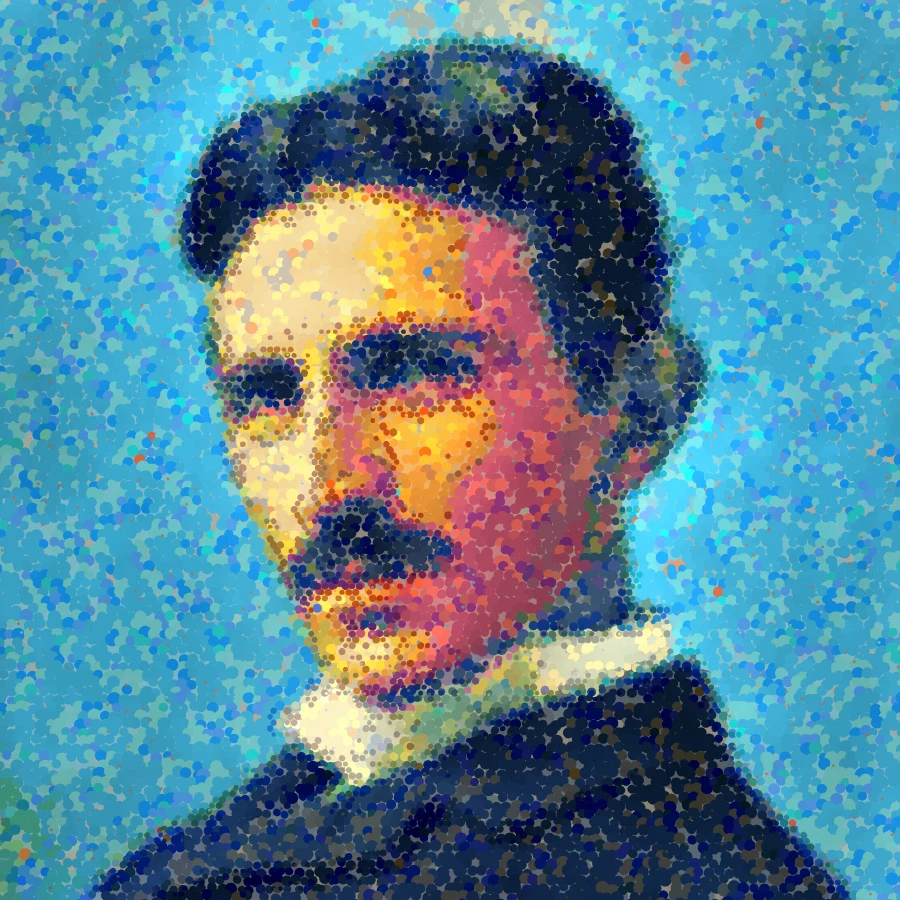
Pointillism photo filter — optical colour dots
Turn a photo into Seurat-style dots or Signac-style mosaic strokes in your browser. Adjust Dot Size, Coverage, Optical Mix, Detail, Style, Palette, and Canvas Ground. Nothing is uploaded to PictorX servers.
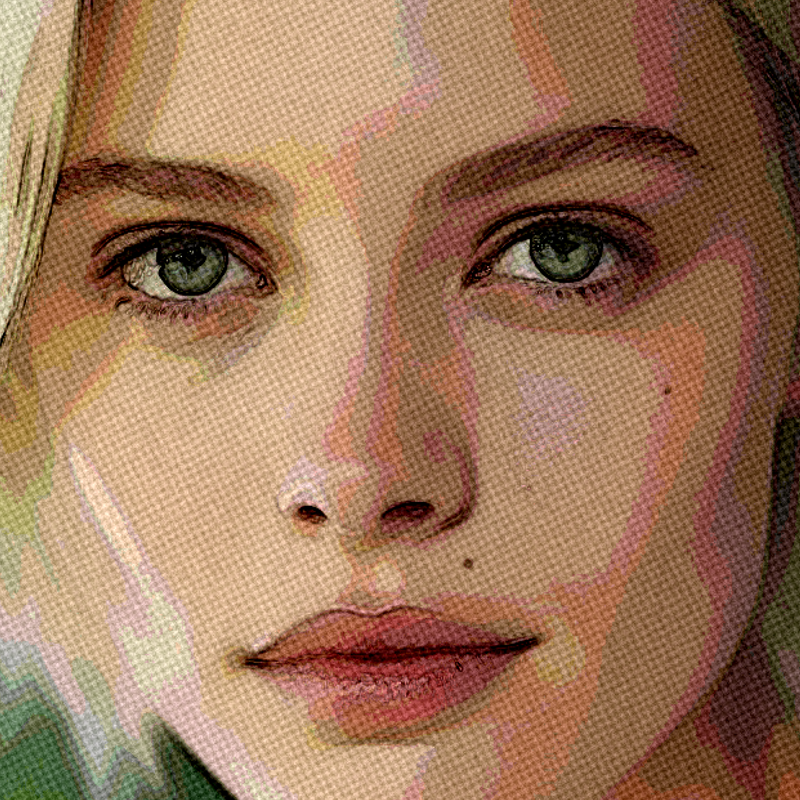
Artistic effects
Transform photos with oil painting, watercolor, pencil, comic ink, pastels, paper cut-out, and other studio art looks. Use PictorX free in your browser with no software install required.
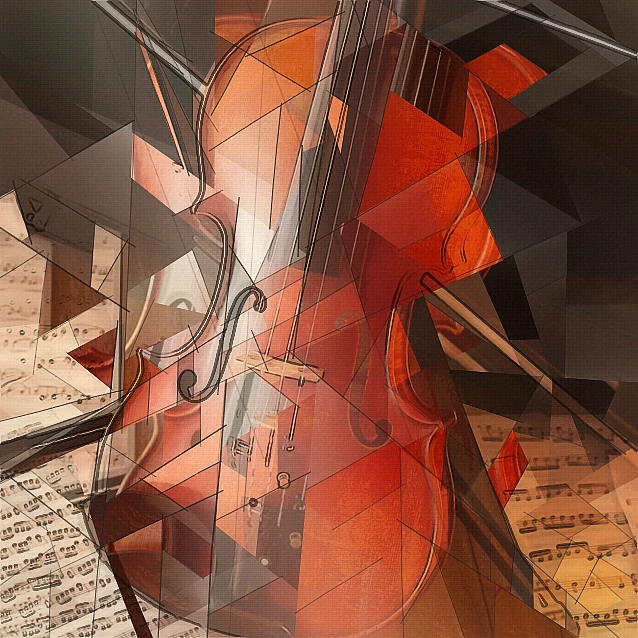
Cubism photo filter — geometric facets
Turn a photo into Analytic Cubism-inspired geometric facets in your browser. Adjust Facet Size, Perspectives, Flattening, Contour, and Contrast. Nothing is uploaded to PictorX servers.
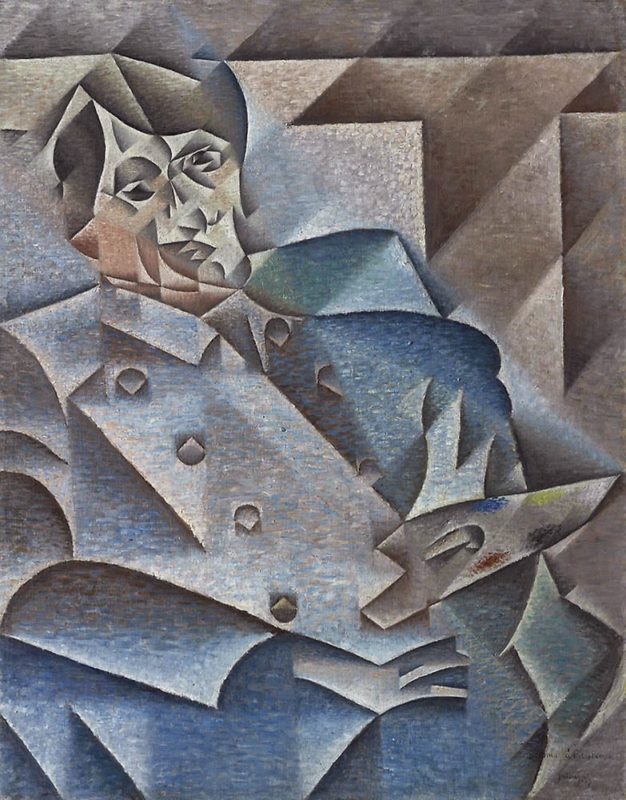
Cubism
A short guide to Cubism: Picasso and Braque, Analytic and Synthetic Cubism, fragmented planes, multiple viewpoints, and a digital homage you can try in PictorX.
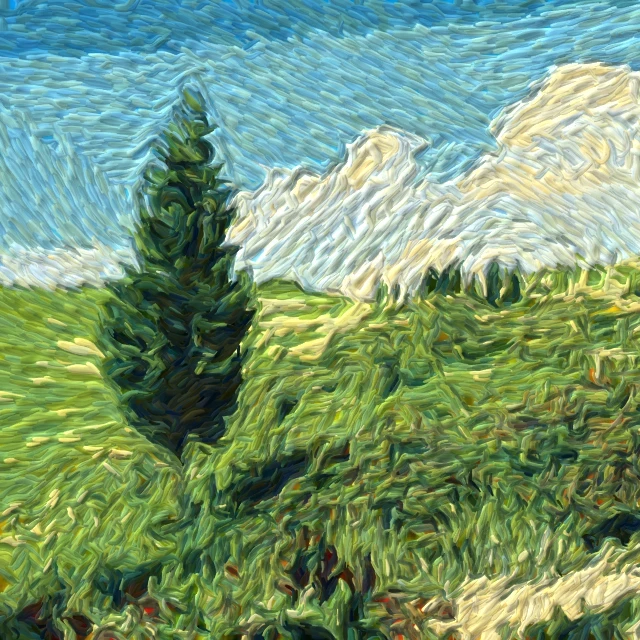
Paint a photo in Van Gogh brushstrokes
Turn a photo into swirling Starry Night-style brushstrokes in your browser. A digital homage to Van Gogh impasto—not a museum reproduction. Nothing is uploaded to PictorX servers.
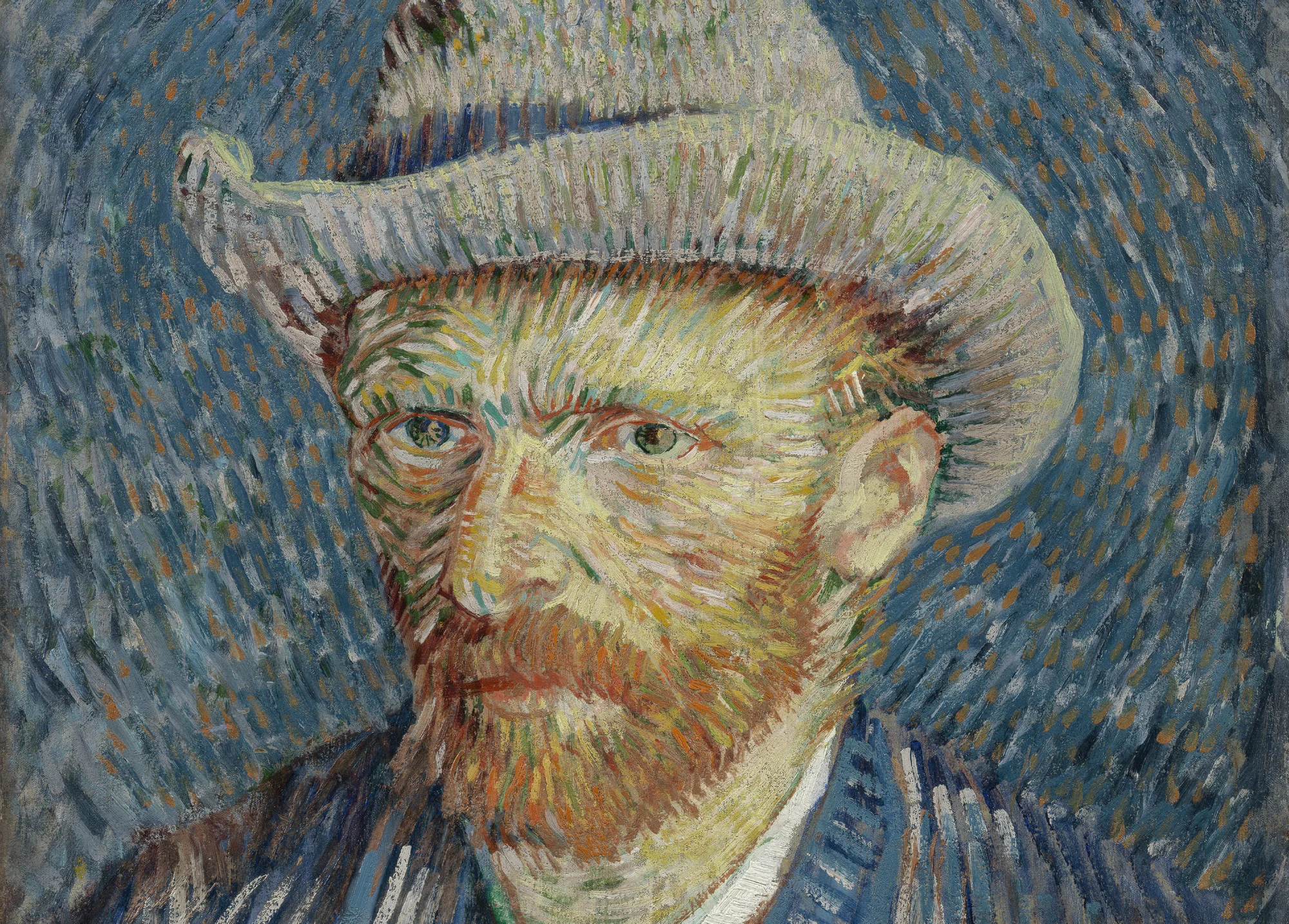
Vincent van Gogh
A short guide to Vincent van Gogh: Dutch Post-Impressionism, swirling brushwork, Starry Night and sunflowers, and a respectful digital homage you can try in PictorX.
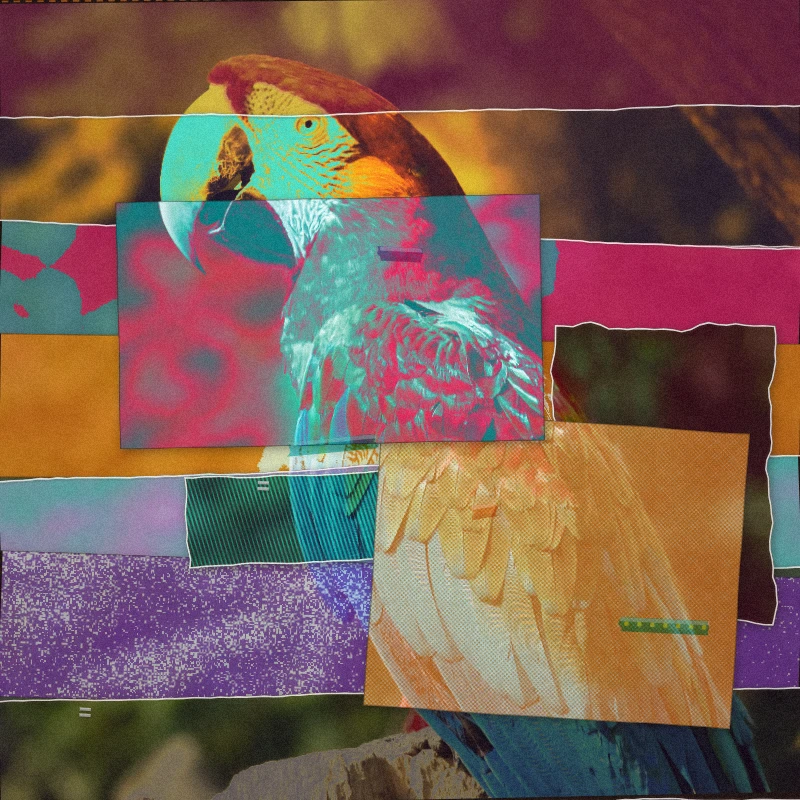
Turn a photo into a mixed-media collage
Rebuild a photo as a mixed-media collage in your browser—torn scraps, print textures, tape, and xerox. Nothing is uploaded to PictorX servers.
Mixed Media
A short guide to mixed media: collage and assemblage, print textures like halftone and dotscreen, and a digital collage homage you can try in PictorX.
Paint a photo in Aboriginal-style dots
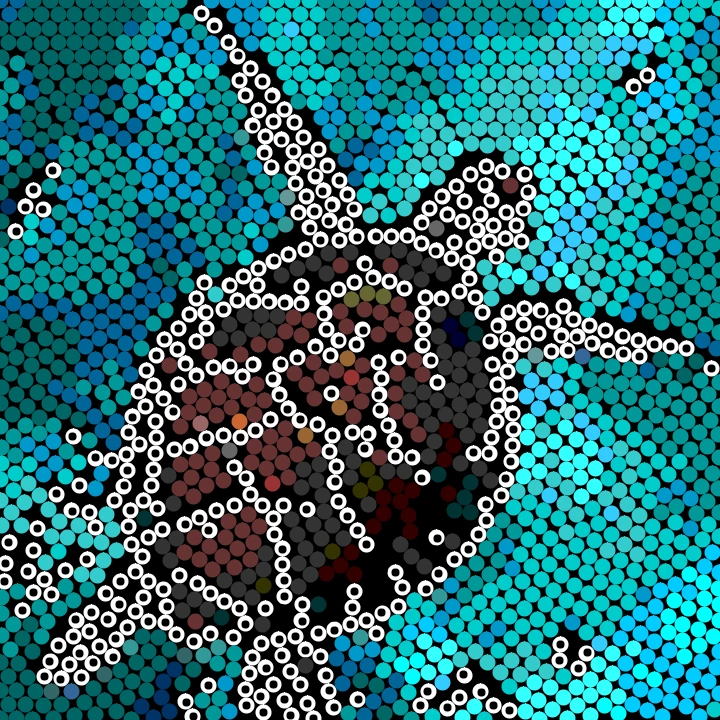
Turn a photo into Aboriginal-style dot painting in your browser. Edge dots follow the subject; the rest fills with color-field dots. Nothing is uploaded to PictorX servers.
Ready to try it?
Open PictorX in your browser — no install, no credit card required to start.
Try Pointillism