
Computing
Watch algorithms sort, search and find the shortest path. Build logic circuits, crack ciphers, compress text, or train a neural network.
Popular
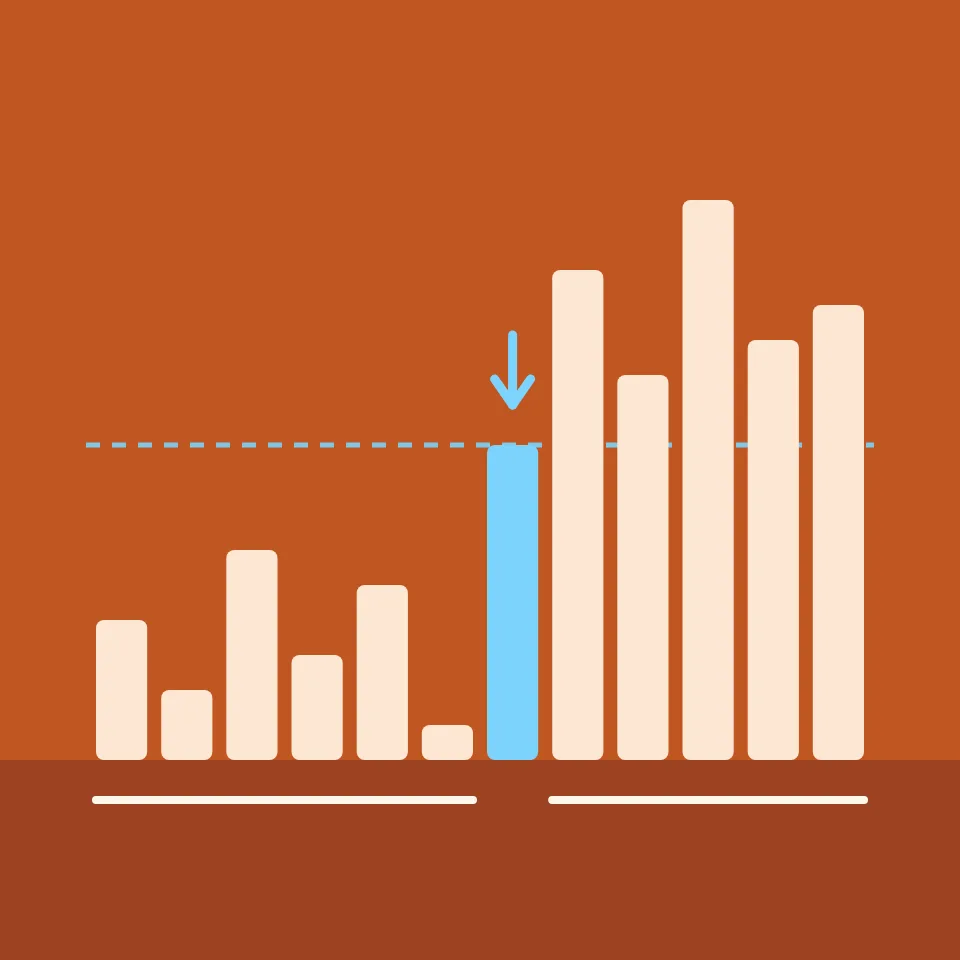
Watch quicksort step by step. Choose the pivot rule, see each partition move smaller values before the pivot, and count comparisons, swaps, and partitions.
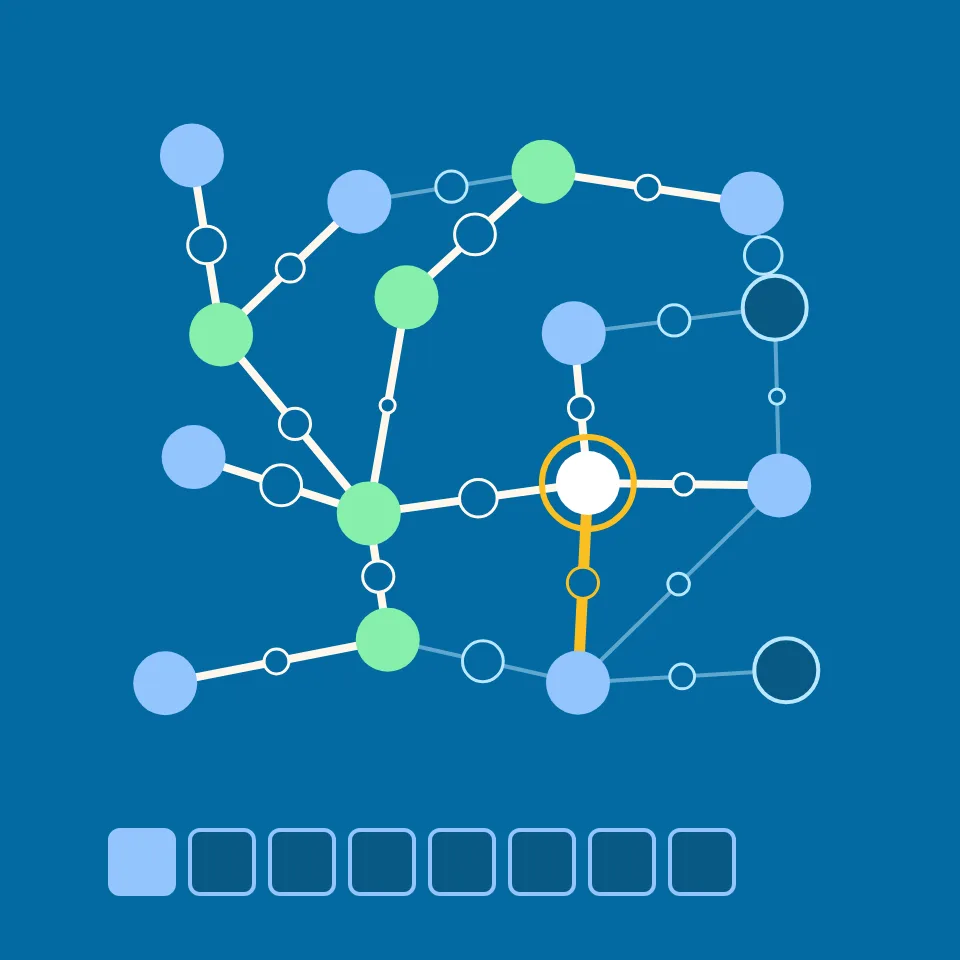
Watch Dijkstra's algorithm find shortest paths on a weighted graph. Pick a start and a goal, see the priority queue, and watch each distance drop until it is final.
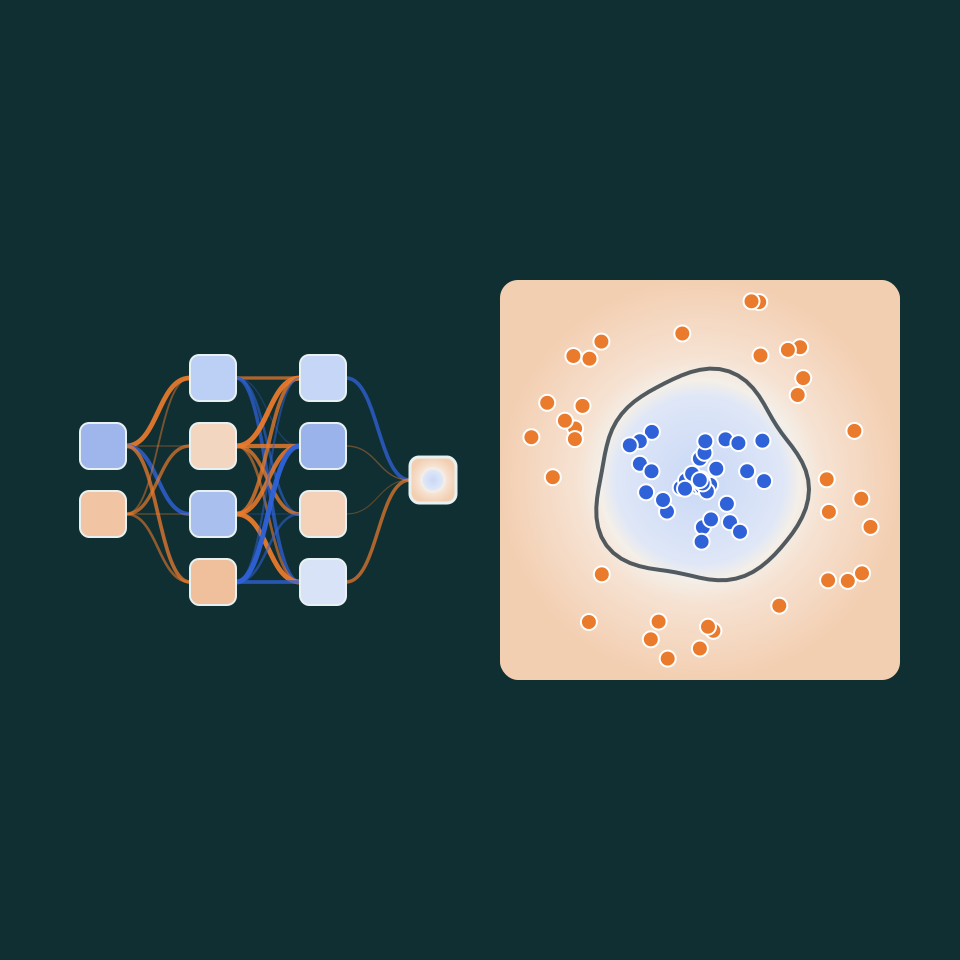
Train a small neural network live and watch it separate two classes of points. Change layers, neurons, activation, learning rate and inputs, and see what every neuron responds to.
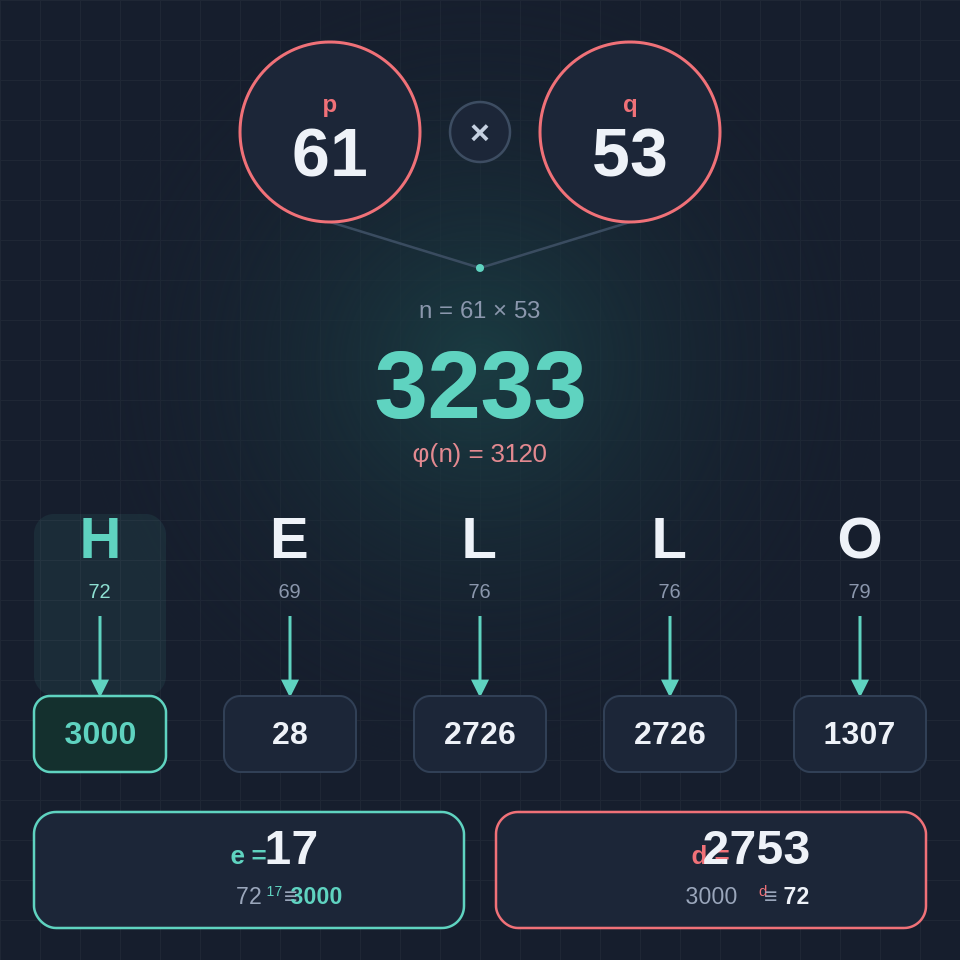
See RSA work with real numbers: pick two primes, find n, φ(n), e and d with the extended Euclidean algorithm, encrypt and sign a message by repeated squaring, and factor small keys to break them.
Sorting Algorithms
Sorting algorithms are step-by-step procedures that arrange elements in a specific order, such as numerical or alphabetical. Efficient sorting is vital in computing because organized data makes searching and analysis much faster.
Race bubble, selection, insertion, merge, quick, heap, radix and counting sort on the same list. Every comparison, swap or move counts, and the sort with the least work wins.
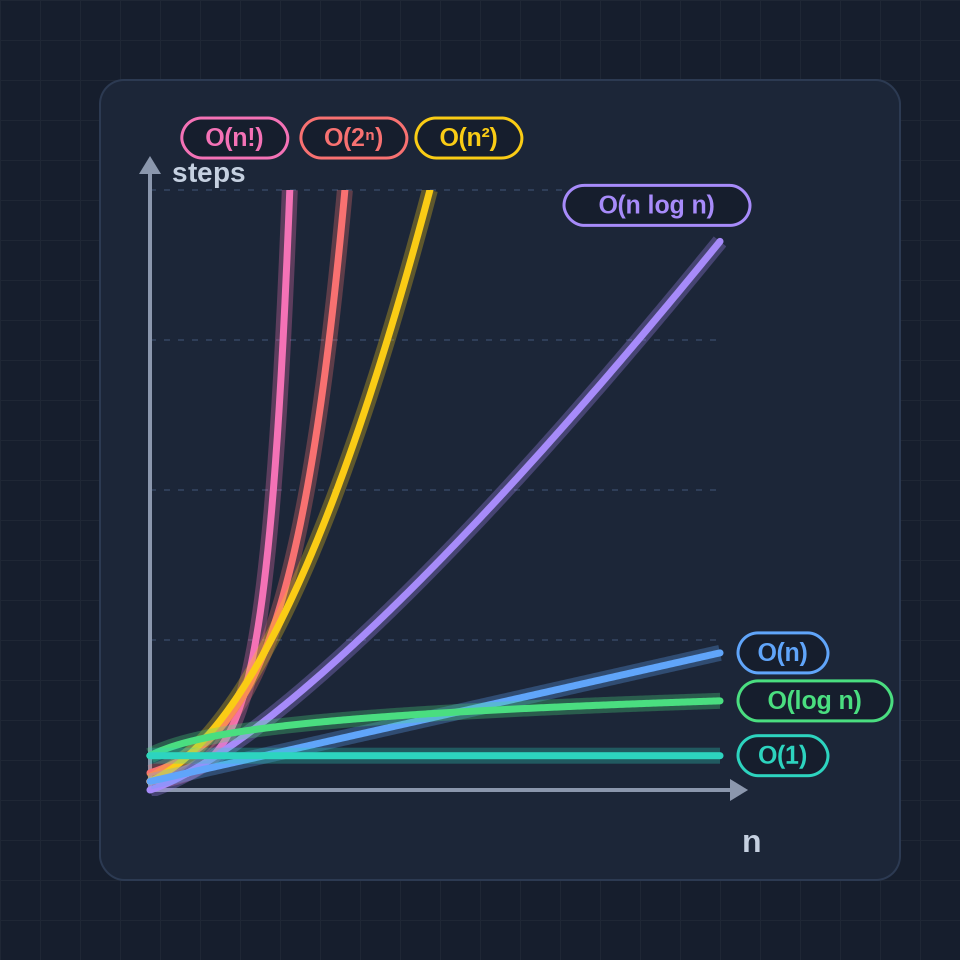
Compare how O(1), O(log n), O(√n), O(n), O(n log n), O(n²), O(n³), O(2ⁿ) and O(n!) grow: plot the curves on a linear or log scale and see each class's step count and running time at any input size.
Watch the complexity classes race: teams of bouncing balls break through floors of 10, 100, 1000 points and grow on every floor by their class. Give the slow classes a head start and see O(2ⁿ) and O(n!) overtake them anyway.

Watch bubble sort step by step. Play, pause, or step through every comparison and swap, set the speed, and count comparisons, swaps, and passes.
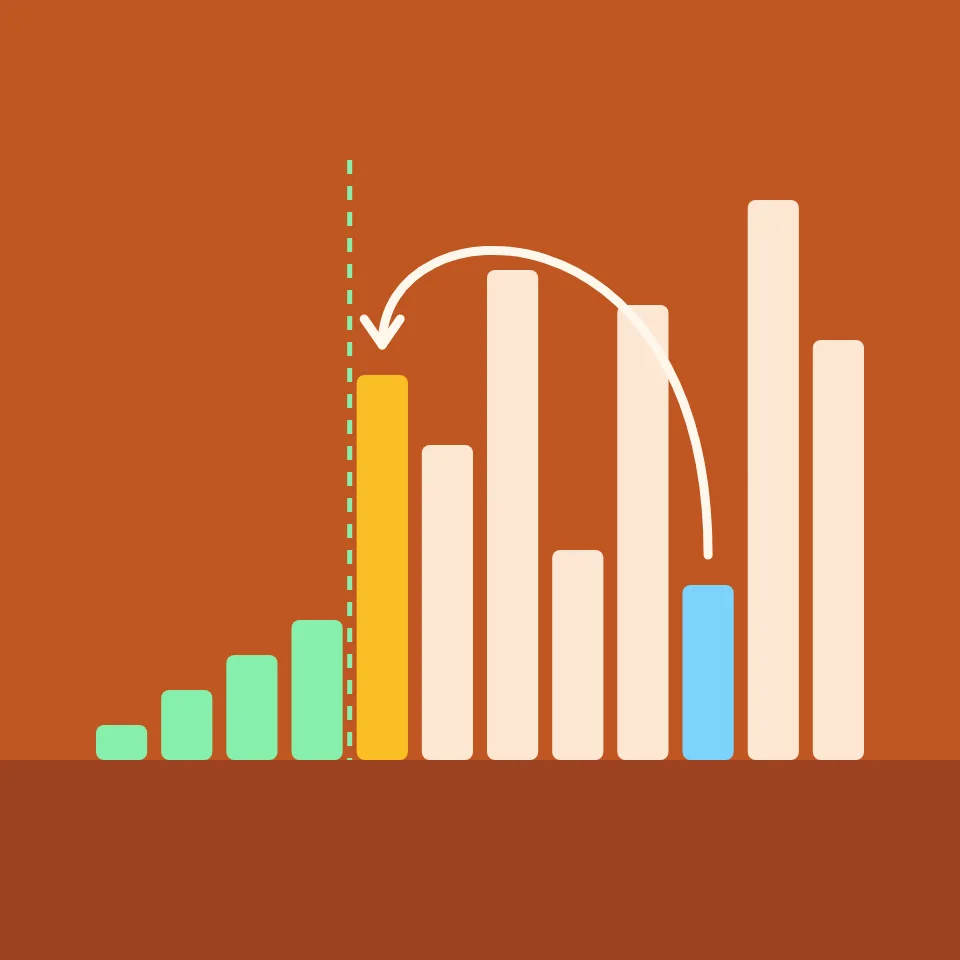
Watch selection sort step by step. See each pass find the smallest value and swap it into place, set the speed, and count comparisons, swaps, and passes.

Watch insertion sort step by step. See each value slide back into the sorted part, set the speed, and count comparisons, swaps, and passes.
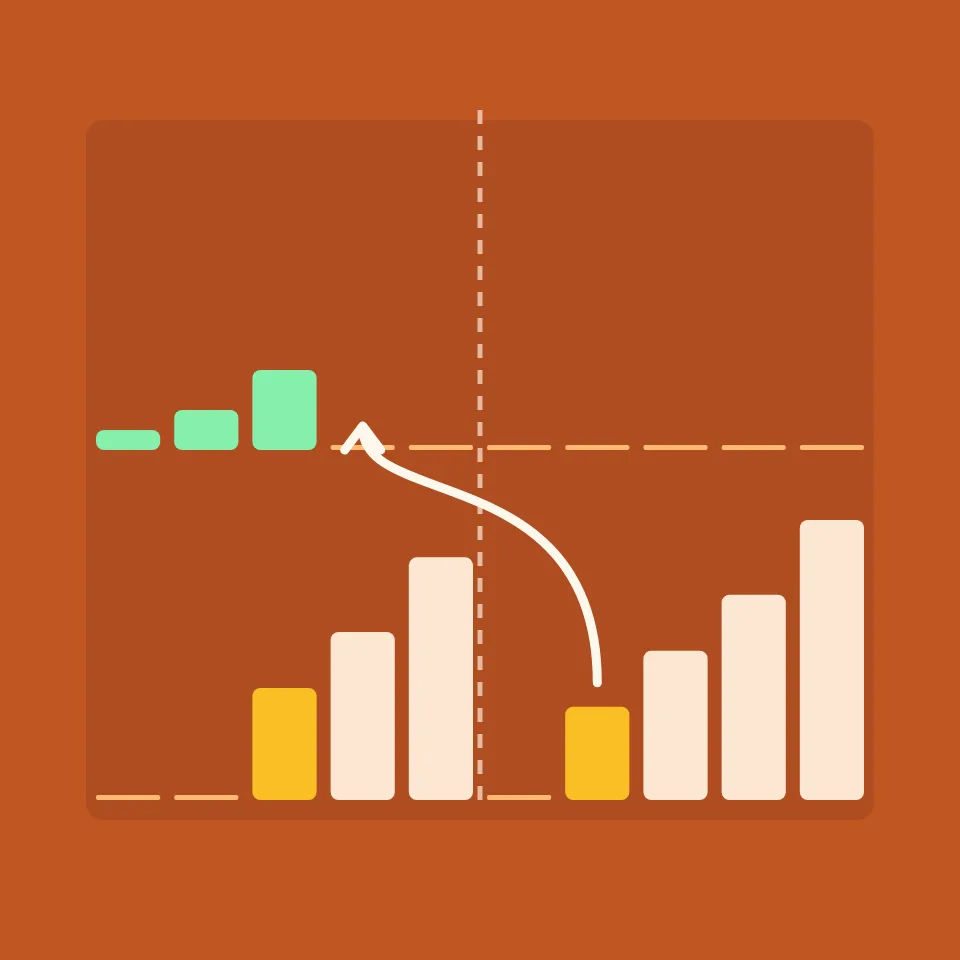
Watch merge sort step by step. See the list split in half and the sorted halves merged back, set the speed, and count comparisons, writes, and merges.
Watch quicksort step by step. Choose the pivot rule, see each partition move smaller values before the pivot, and count comparisons, swaps, and partitions.
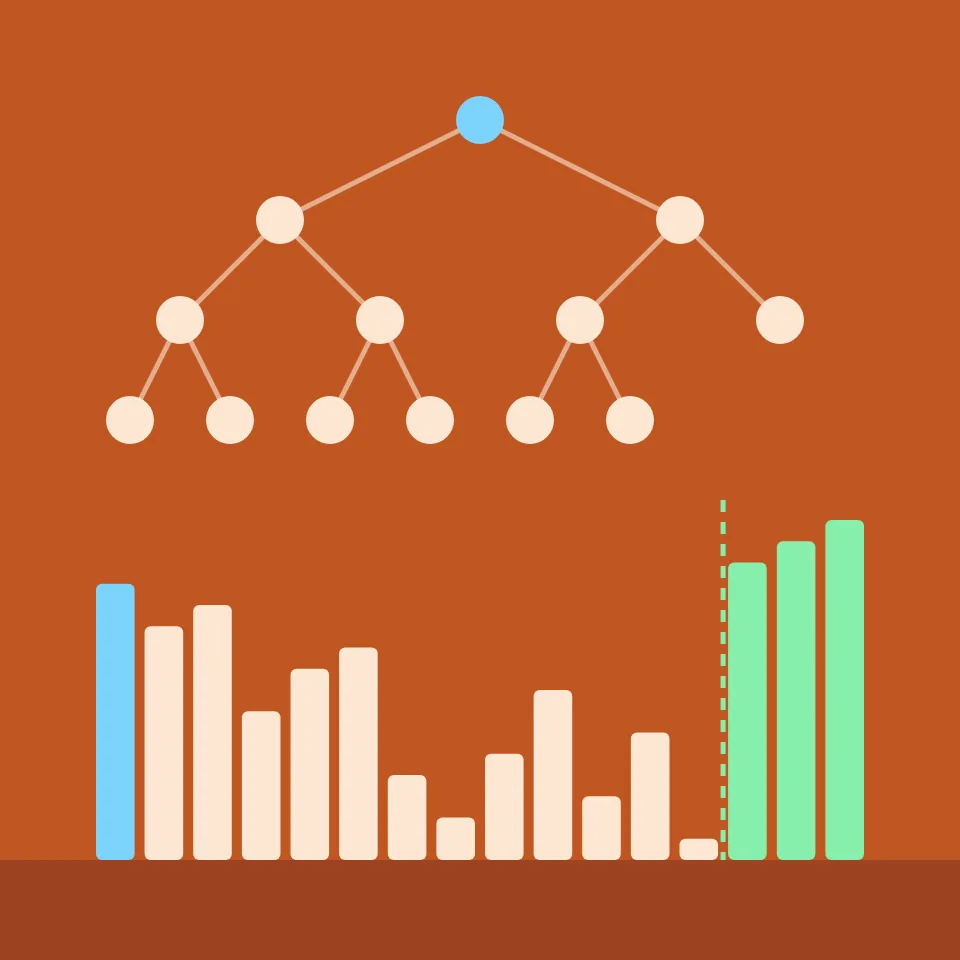
Watch heap sort step by step. See the list become a max-heap, drawn as a tree, then take the largest value off the top, one by one, and count comparisons and swaps.
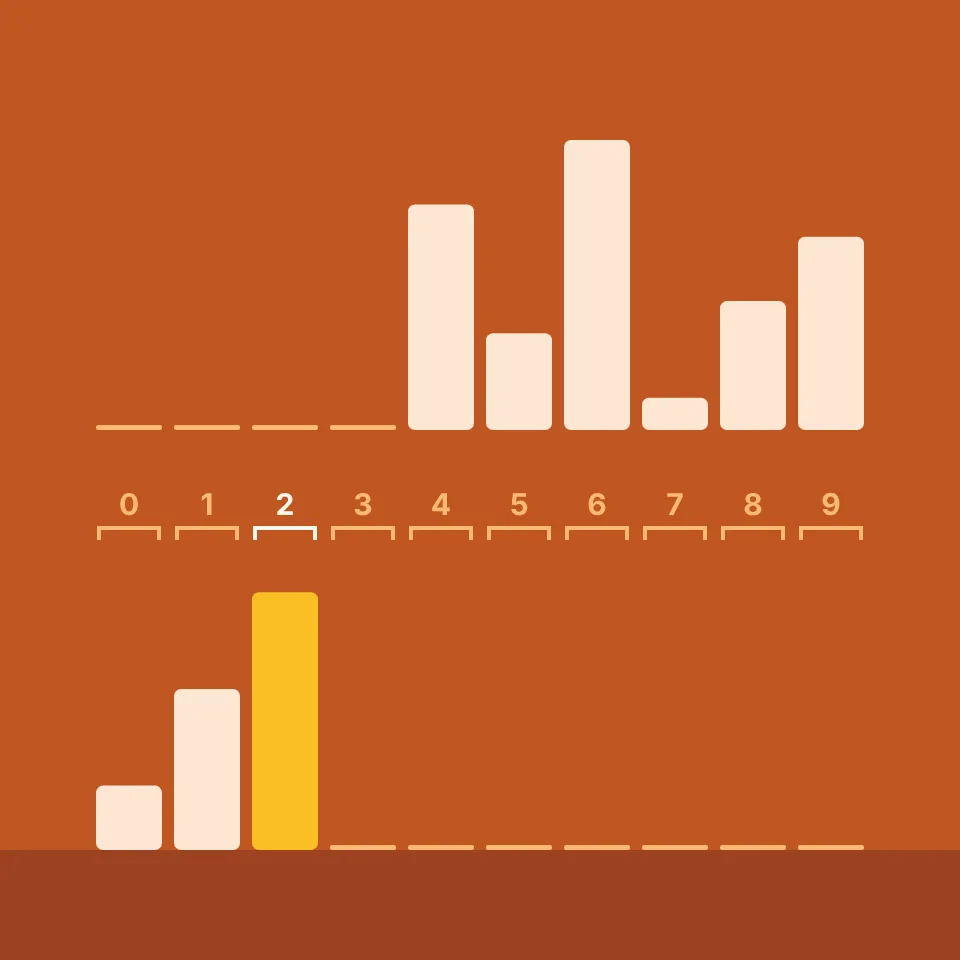
Watch radix sort step by step. See numbers drop into buckets 0 to 9 by their ones, tens and hundreds digit, without a single comparison, and count passes and moves.
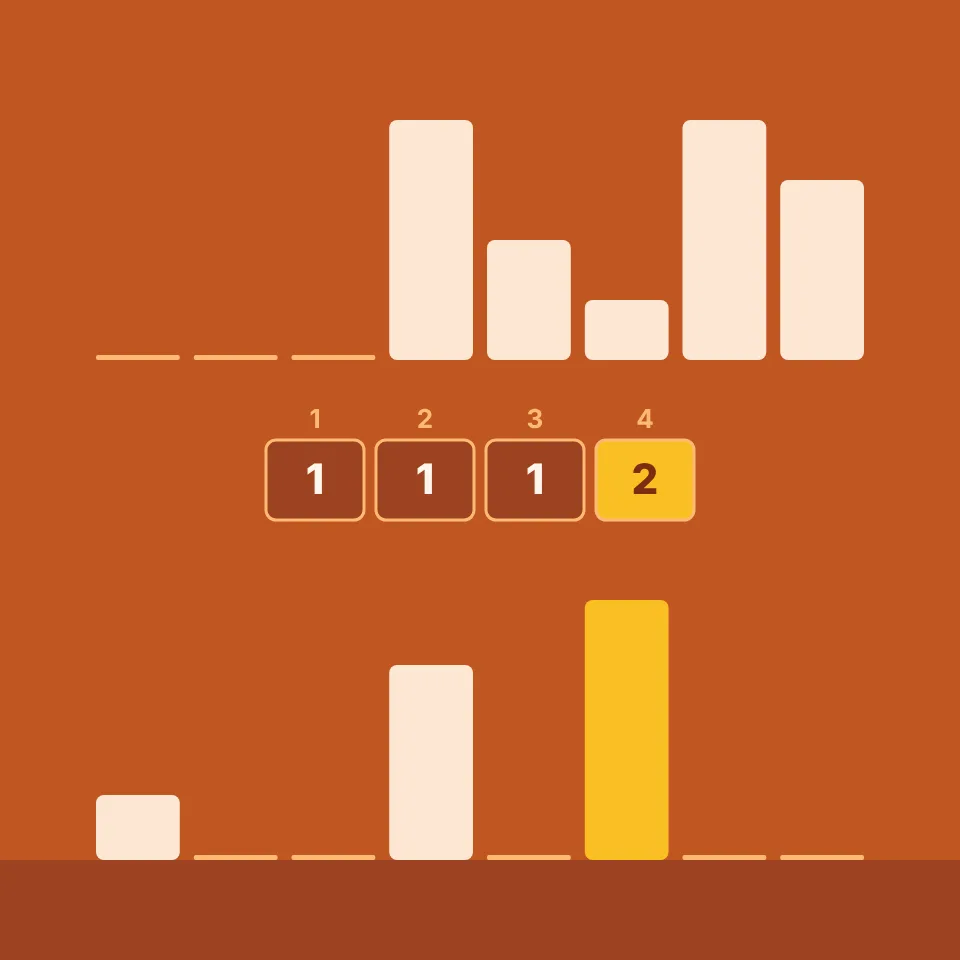
Watch counting sort step by step. See a counter for every value fill up, the counts turn into places, and every value move straight to its spot, with no comparisons.
Search Algorithms
Search algorithms are methods for locating specific data within a collection or data structure. From simple linear scans to fast binary searches, they enable computers to retrieve information quickly from massive datasets.
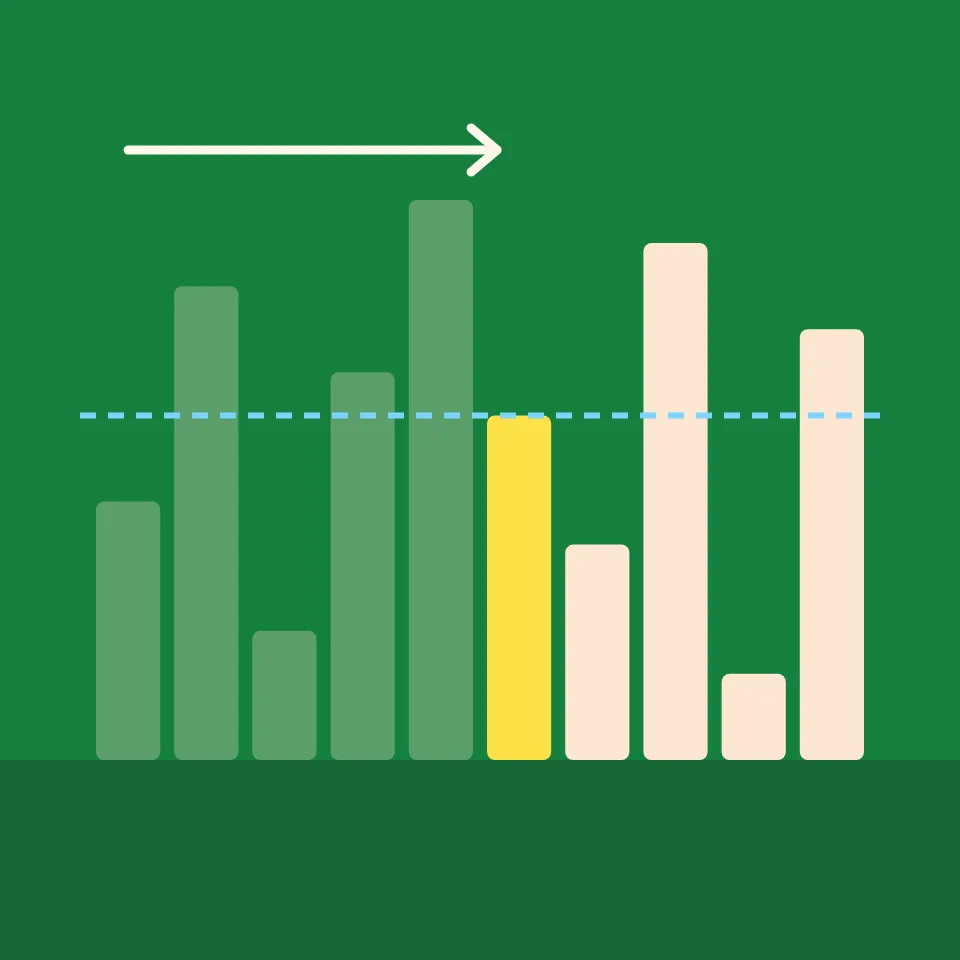
Watch linear search step by step. Choose a value to find, see the list checked one value at a time, and count the comparisons it takes to find it, or to learn it is not there.
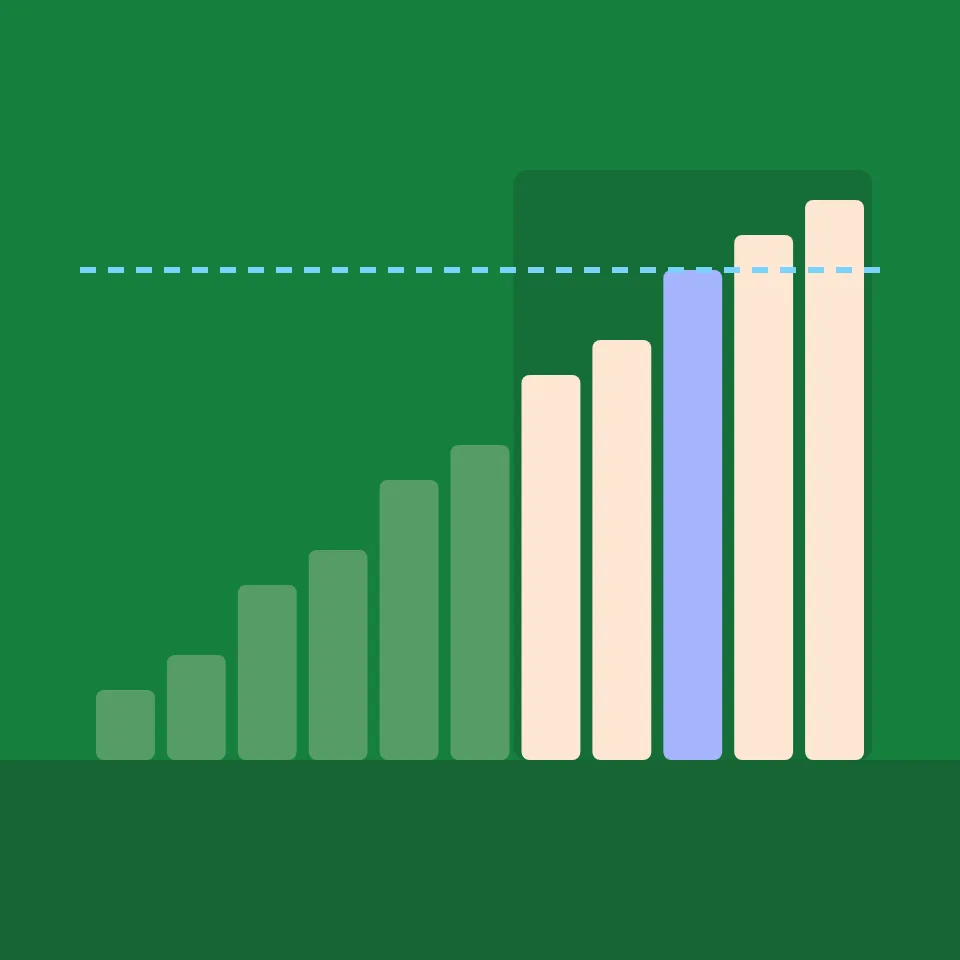
Watch binary search step by step. Choose a value, see each comparison with the middle value rule out half of the sorted list, and compare the count with linear search.
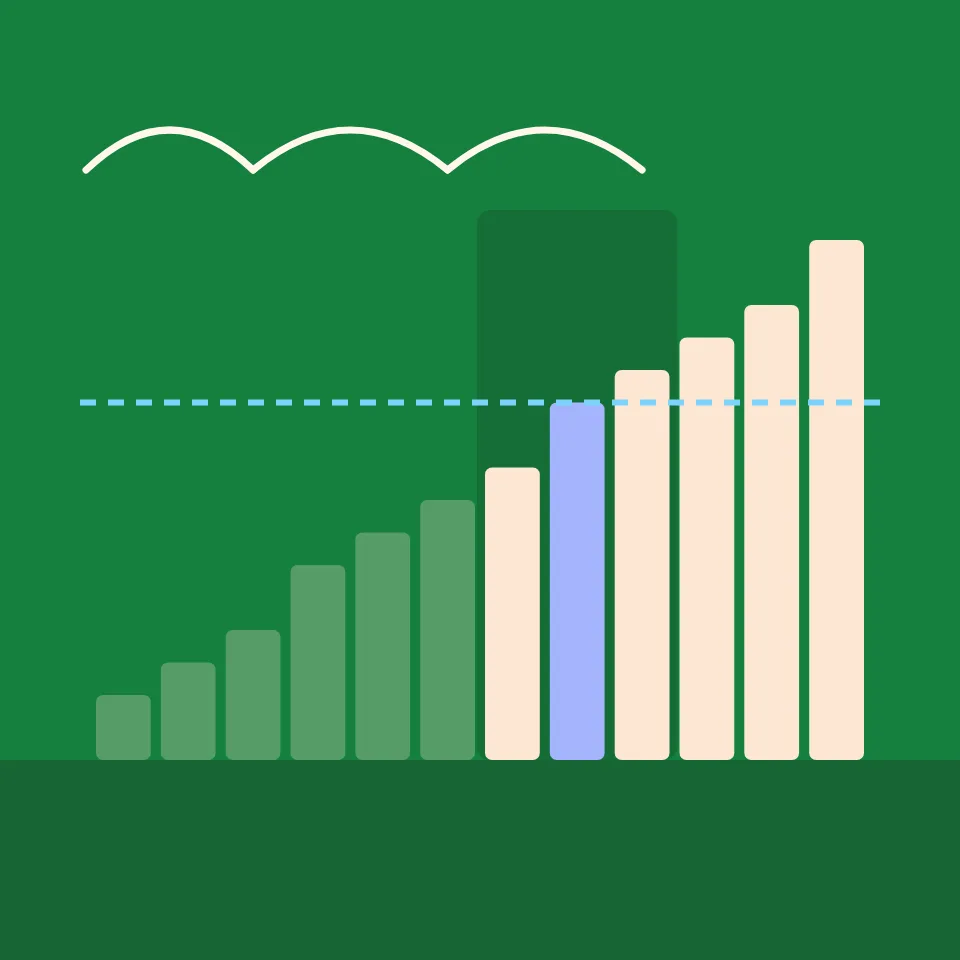
Watch jump search step by step. See it skip whole blocks of a sorted list, then scan the one block that can hold the target, and try different jump sizes.
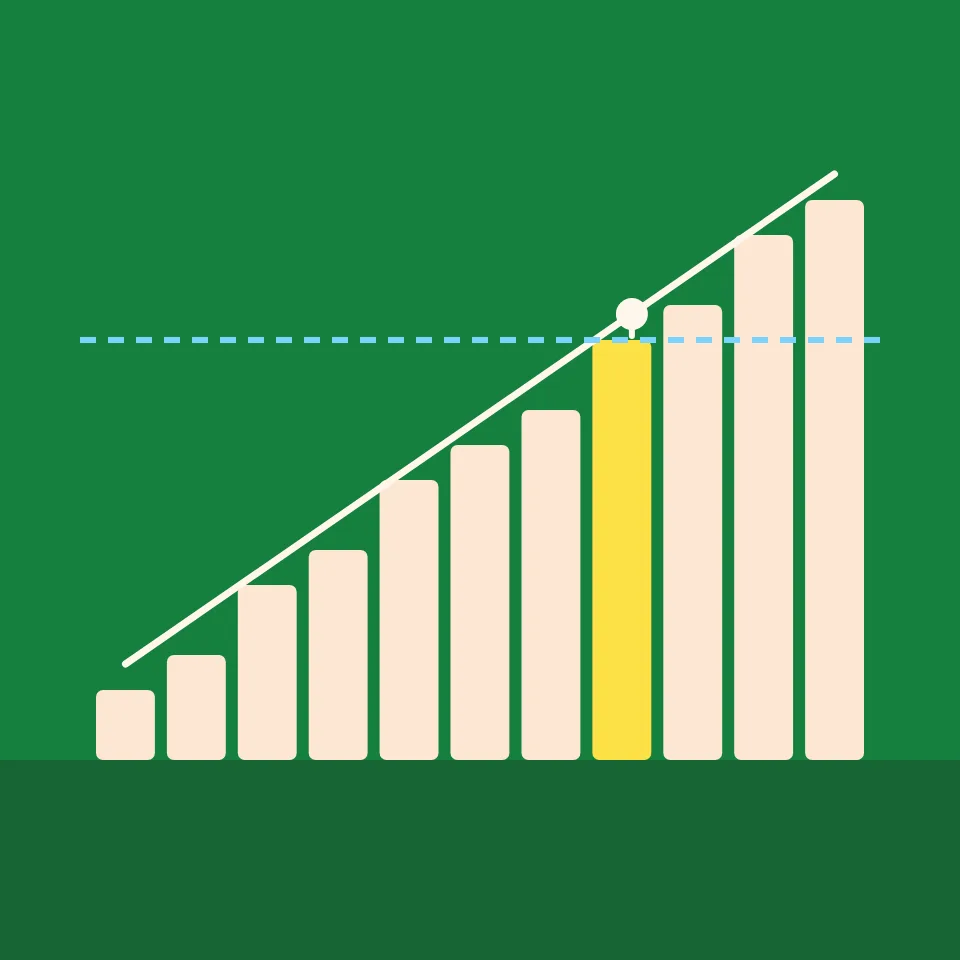
Watch interpolation search step by step. See it estimate where the target should be from the values at both ends, change how the values are spread, and compare with binary search.
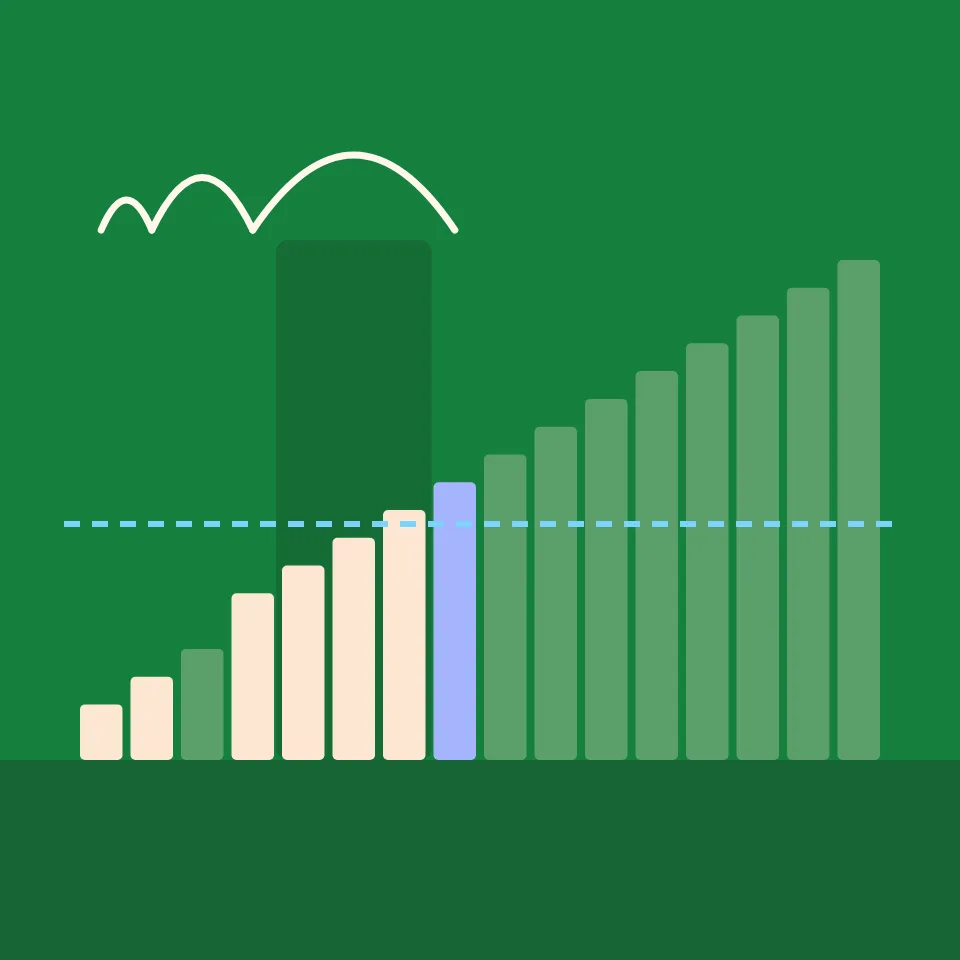
Watch exponential search step by step. See it look at places 1, 2, 4, 8 and so on until it passes the target, then binary-search the stretch it found.
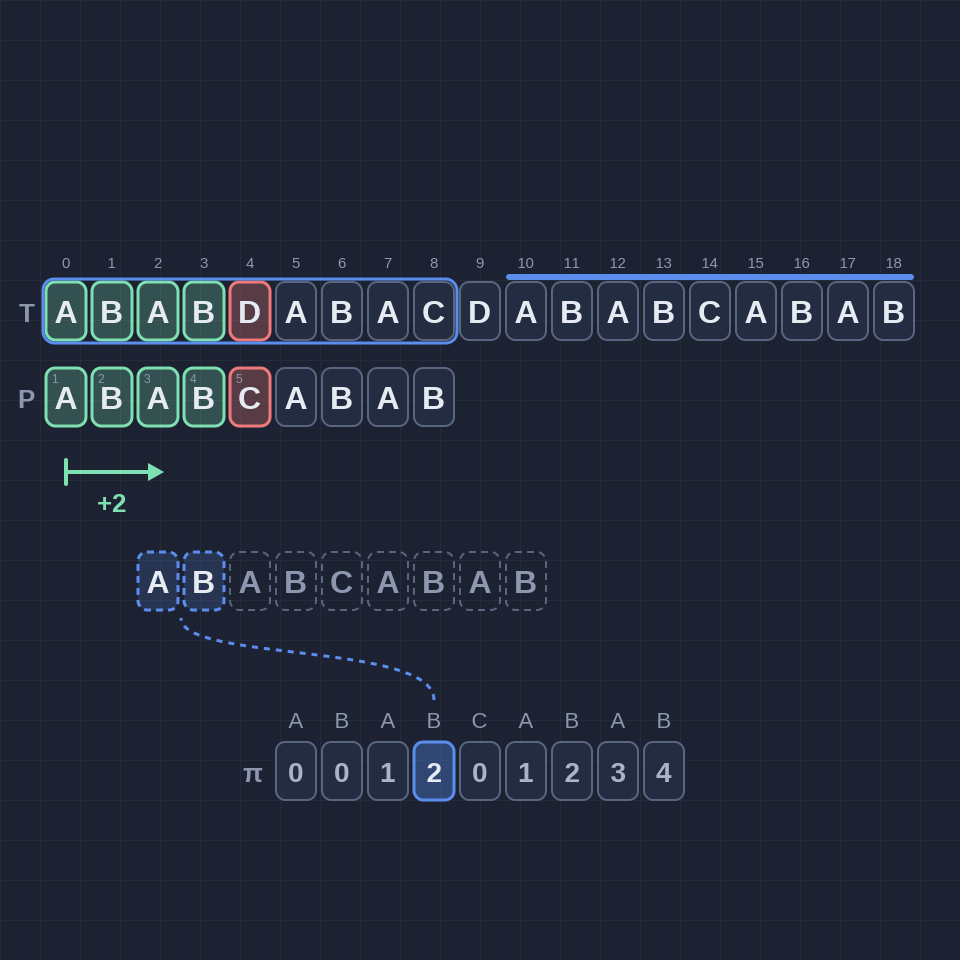
Watch naive search, Knuth–Morris–Pratt, Boyer–Moore and Rabin–Karp find a pattern in a text step by step: the compared characters, every shift and the rule behind it, the prefix function, bad-character and good-suffix tables, rolling hashes, and the comparisons of each algorithm side by side.
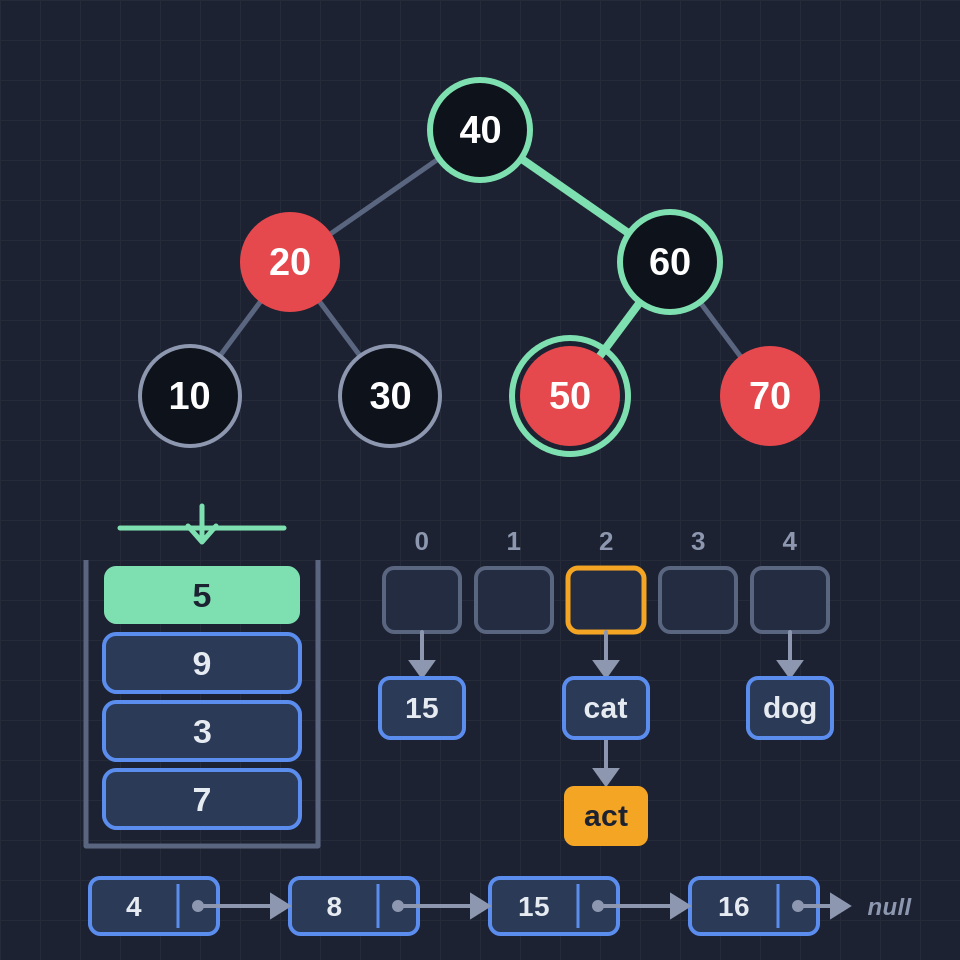
See how data structures work, one step at a time: push and pop a stack, enqueue into a circular buffer, walk a linked list, rotate AVL and red-black trees, sift a heap, resolve hash collisions, search a trie and join union-find sets.
Graph Algorithms
Graph algorithms solve problems on networks of nodes connected by edges. They are used to model real-world systems, finding the shortest routes on maps, analyzing social networks, and optimizing data flow.
Watch eleven maze generation algorithms grow a perfect maze one carve at a time, with the stack, frontier, sets or random walk on show, then solve it with breadth-first search, A* or dead-end filling. Compare dead ends, corridors, rivers and the longest path for the same seed.
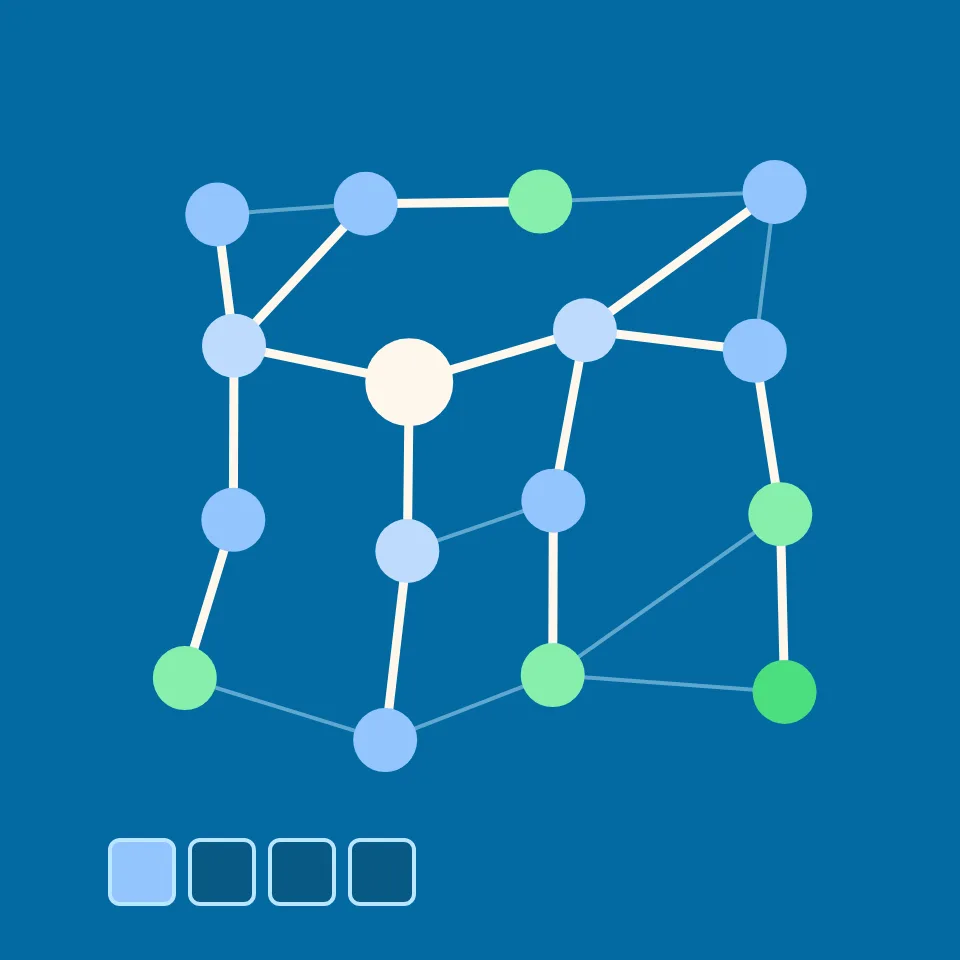
Watch breadth-first search step by step on a graph. Pick a start and a goal, see the queue and each node's distance, and find a shortest path in edges.
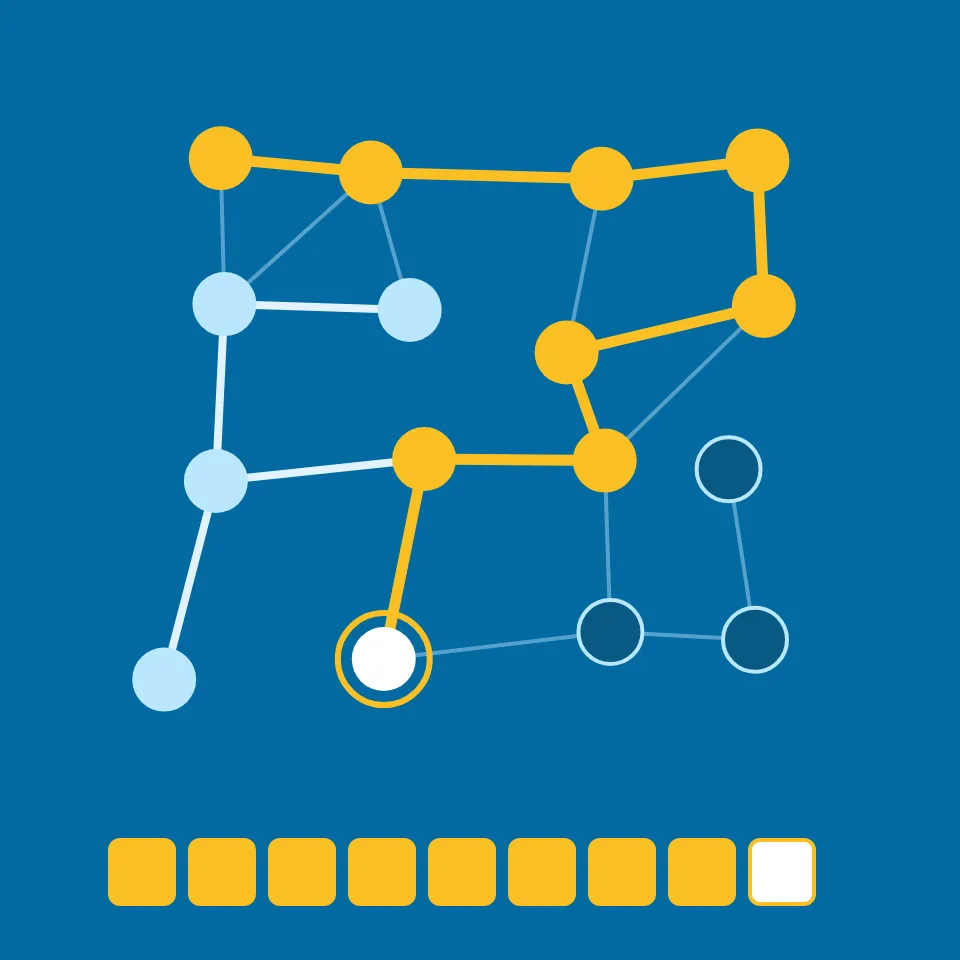
Watch depth-first search step by step on a graph. Pick a start and a goal, see the stack and the visit order, and find out when an edge closes a cycle.
Watch Dijkstra's algorithm find shortest paths on a weighted graph. Pick a start and a goal, see the priority queue, and watch each distance drop until it is final.
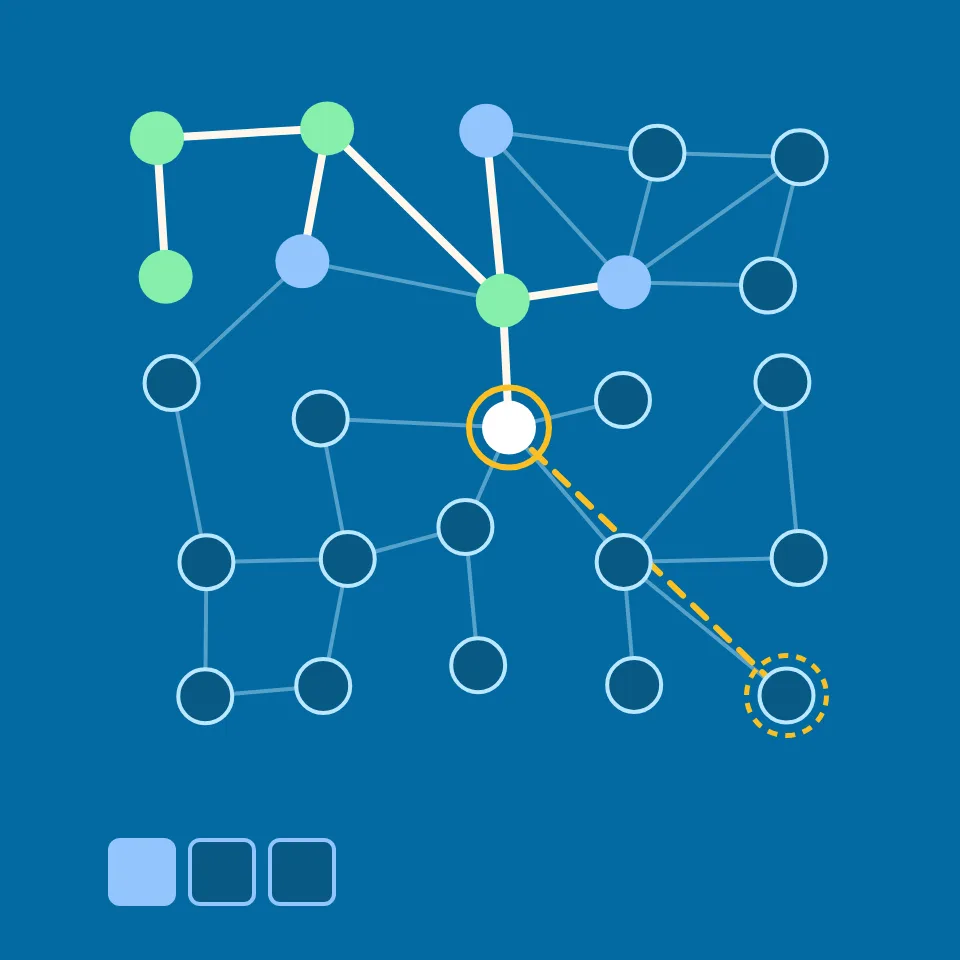
Watch A* search find a shortest path step by step. See the straight-line guess, the scores in the queue, and how many fewer nodes A* needs than Dijkstra's algorithm.
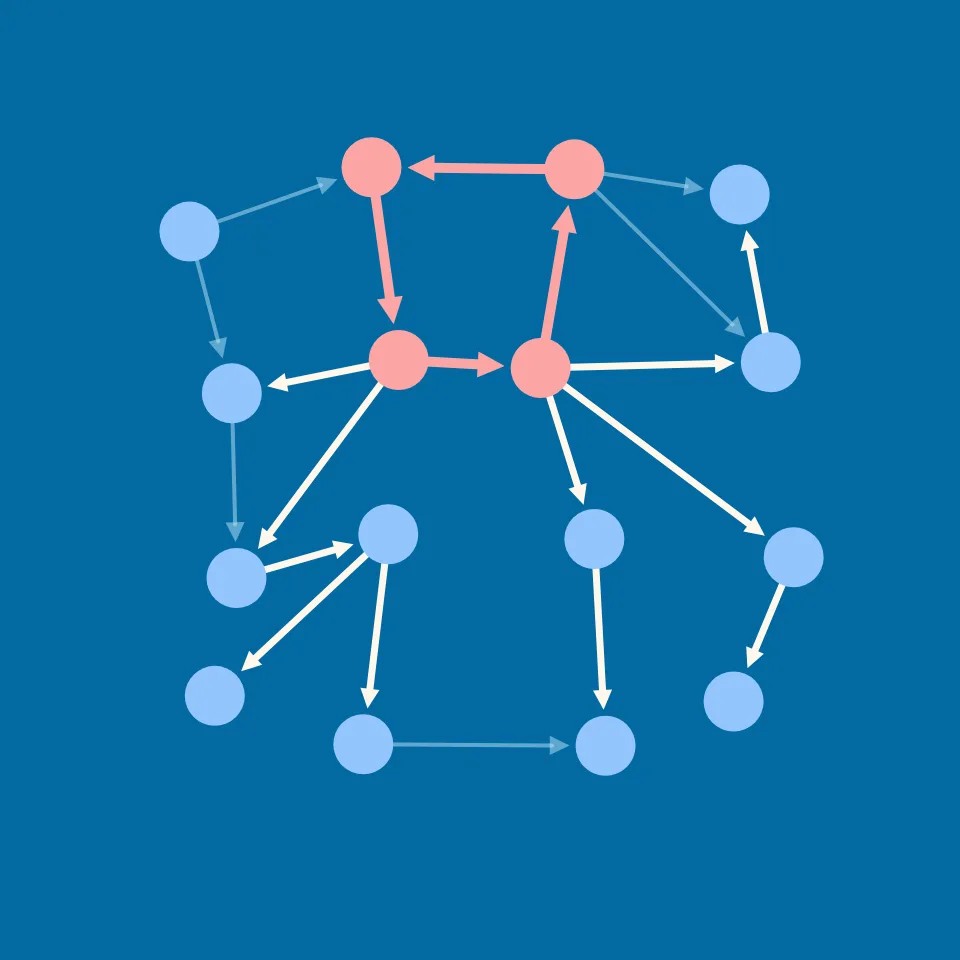
Watch the Bellman–Ford algorithm find shortest paths step by step on a graph with negative edges, pass by pass, and see how it detects a negative cycle.
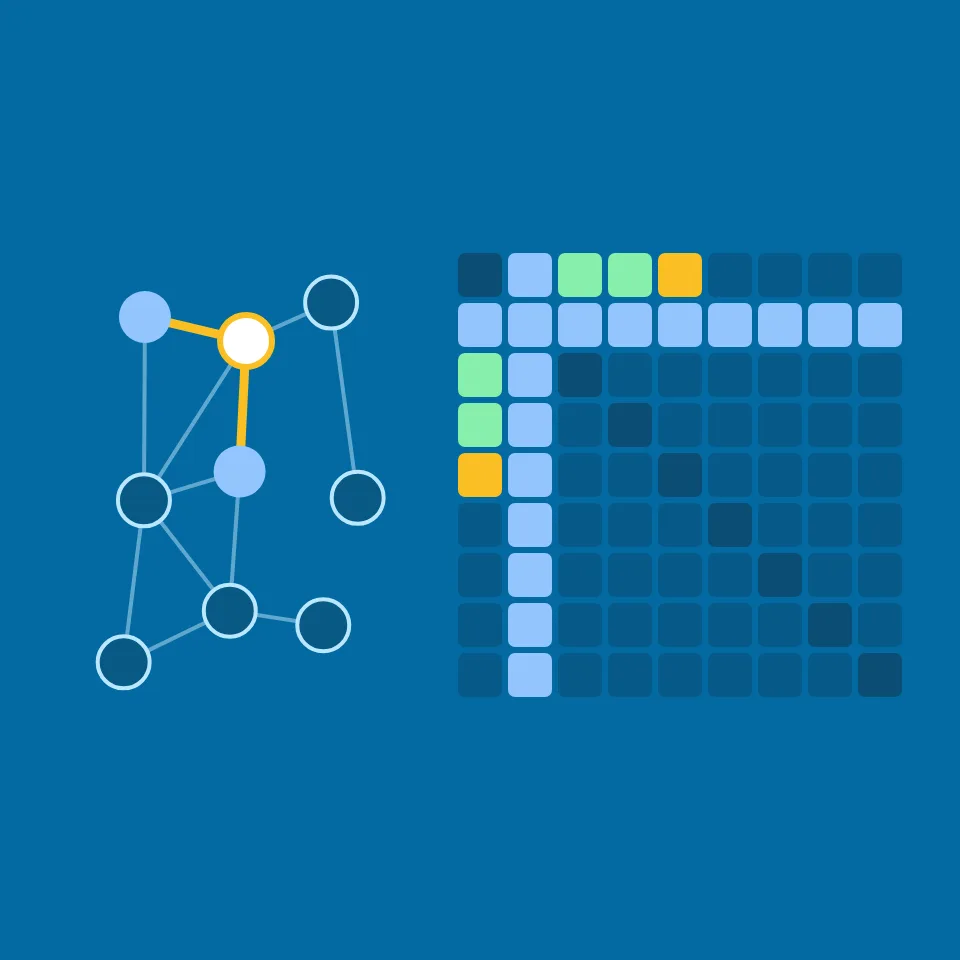
Watch the Floyd–Warshall algorithm fill in a table of the shortest distance between every pair of nodes, round by round, with the graph beside it.
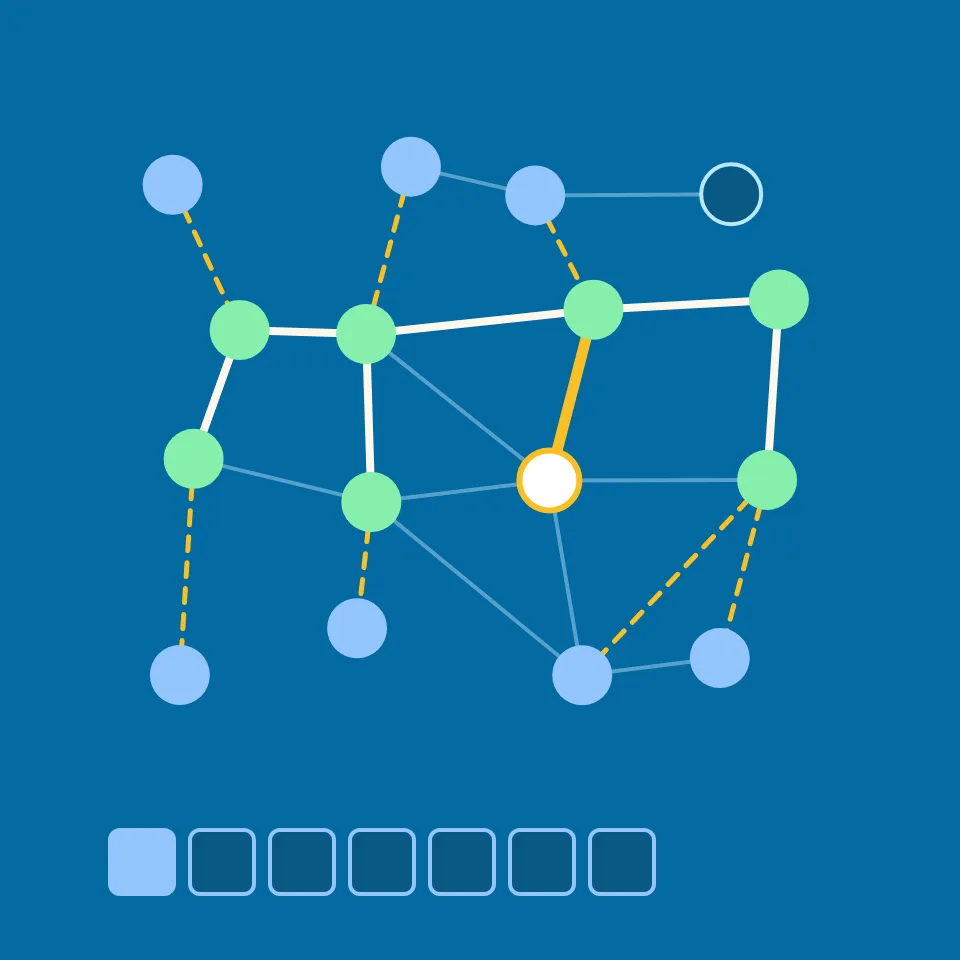
Watch Prim's algorithm grow a minimum spanning tree step by step from a start node: the shortest edge into the tree, each node's best edge, and the total length.
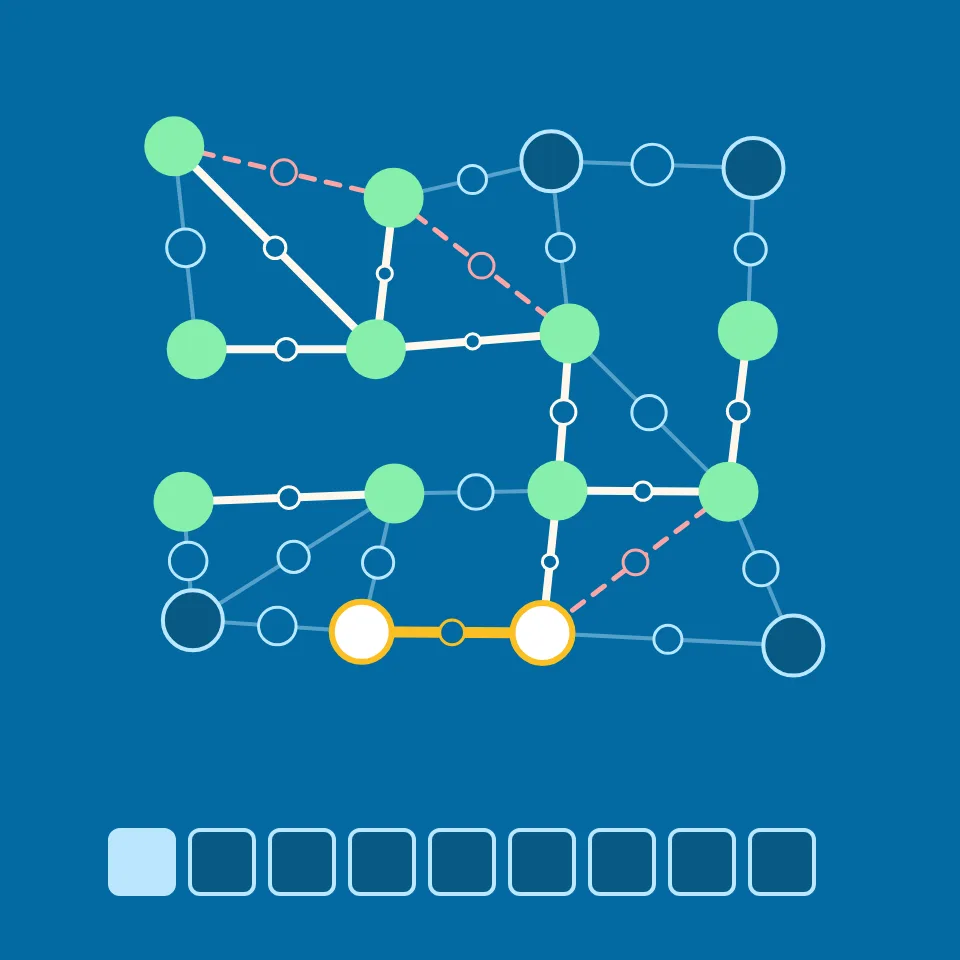
Watch Kruskal's algorithm build a minimum spanning tree step by step: sort the edges, take the shortest ones, and skip every edge that would close a cycle.
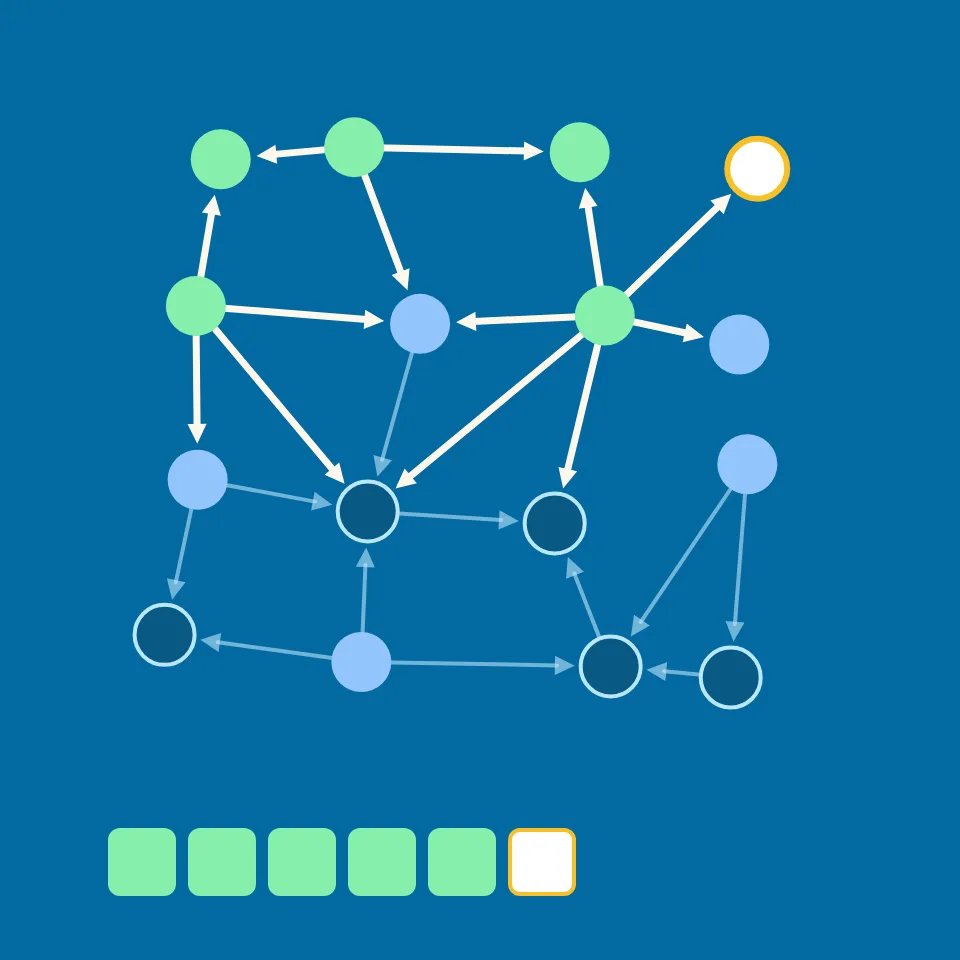
Watch a topological sort put the nodes of a directed graph in order so every edge points forward, with Kahn's algorithm or depth-first search, and see how a cycle is found.
Computational Geometry
Computational geometry turns shapes into algorithms: wrapping points in a hull, dividing the plane into regions, finding what is near or what crosses. Exact tests on coordinates power maps, games, robots and computer graphics.
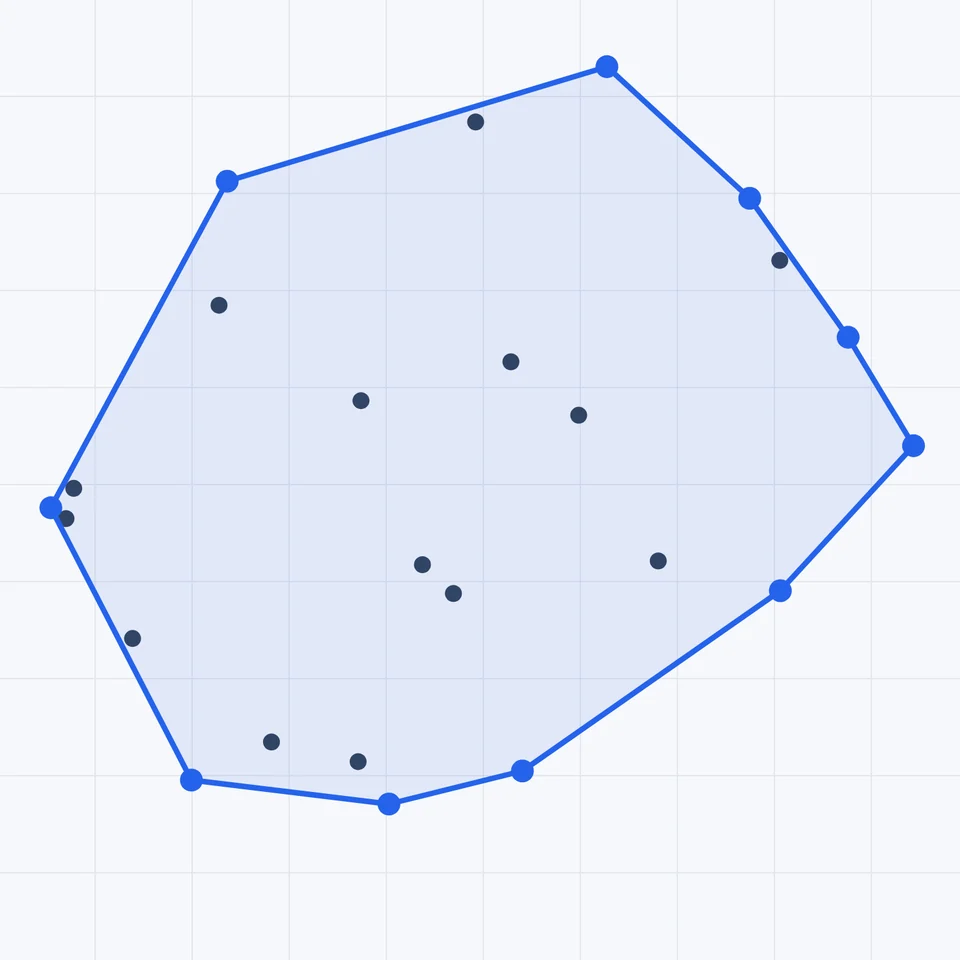
Watch five convex hull algorithms wrap a set of points one exact orientation test at a time: gift wrapping, Graham scan with its stack of left turns, Andrew's monotone chain, QuickHull and the incremental algorithm. Add and drag points, peel onion layers and race them on up to 1000 points.
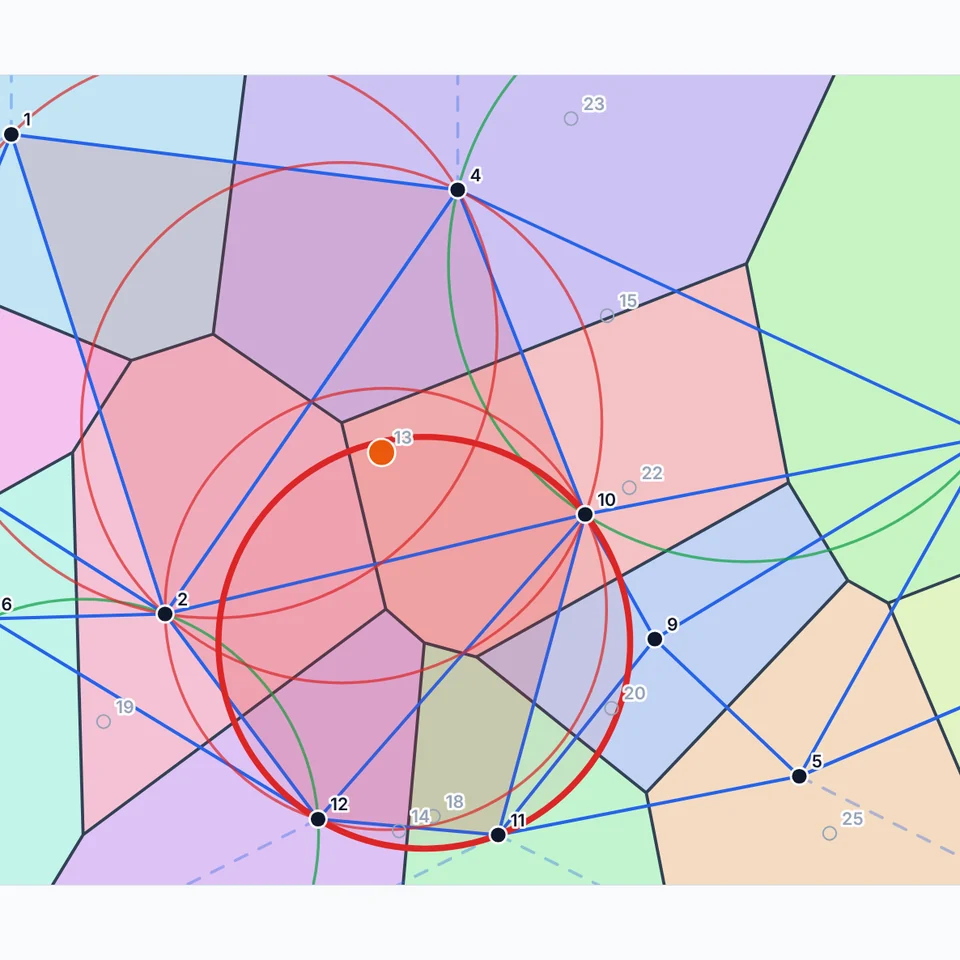
Watch Bowyer–Watson build a Delaunay triangulation one point at a time, with every circumcircle test, the hole and the new triangles, and see the Voronoi diagram appear as its dual. Flip a bad triangulation, run Lloyd relaxation, drag the empty circle and map John Snow's cholera pumps.
Discrete Mathematics
Discrete mathematics is the study of distinct, countable structures rather than continuous quantities. It provides the essential mathematical foundation for computer science through logic, sets, graphs, and combinatorics.
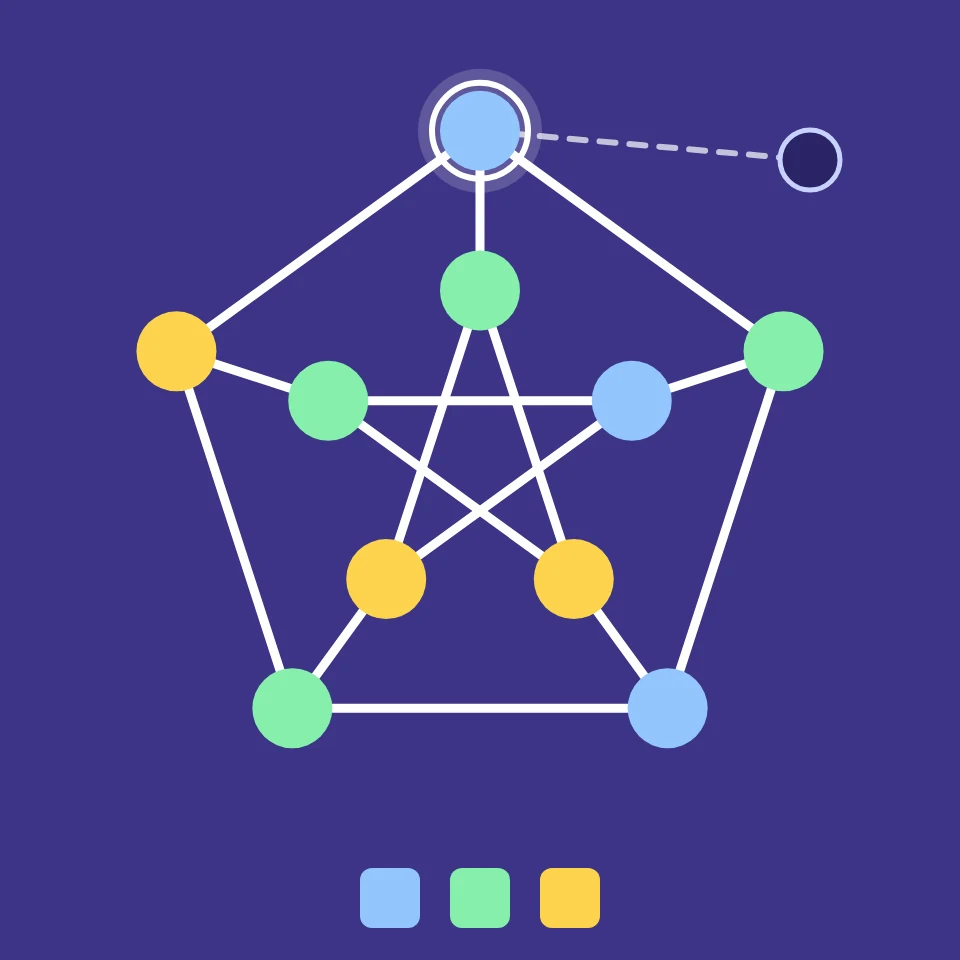
Draw a graph with a few clicks and see its properties at once: degrees, connected, bipartite, chromatic number, shortest cycle, Euler path or circuit, spanning tree and diameter.
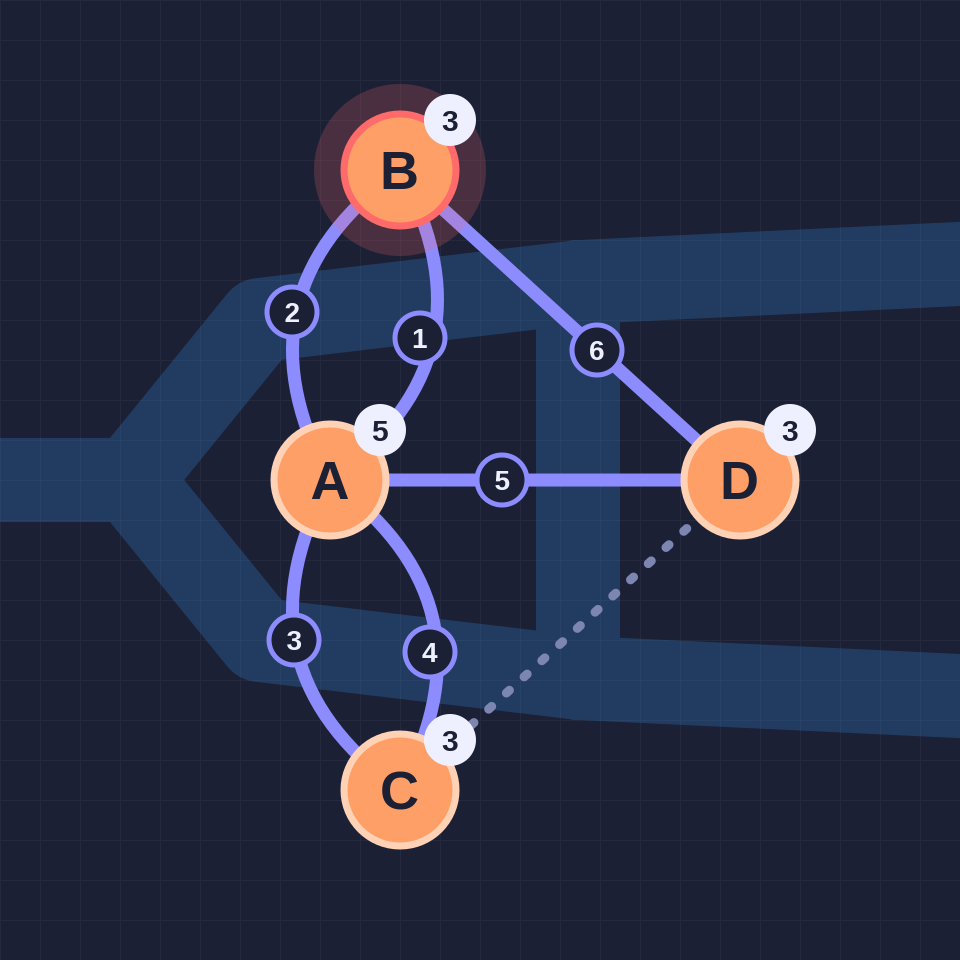
Trace a figure in one stroke and see from its odd vertices whether it can be done. The seven bridges of Königsberg, the house of Santa Claus, your own drawings, and Fleury's and Hierholzer's algorithms step by step.
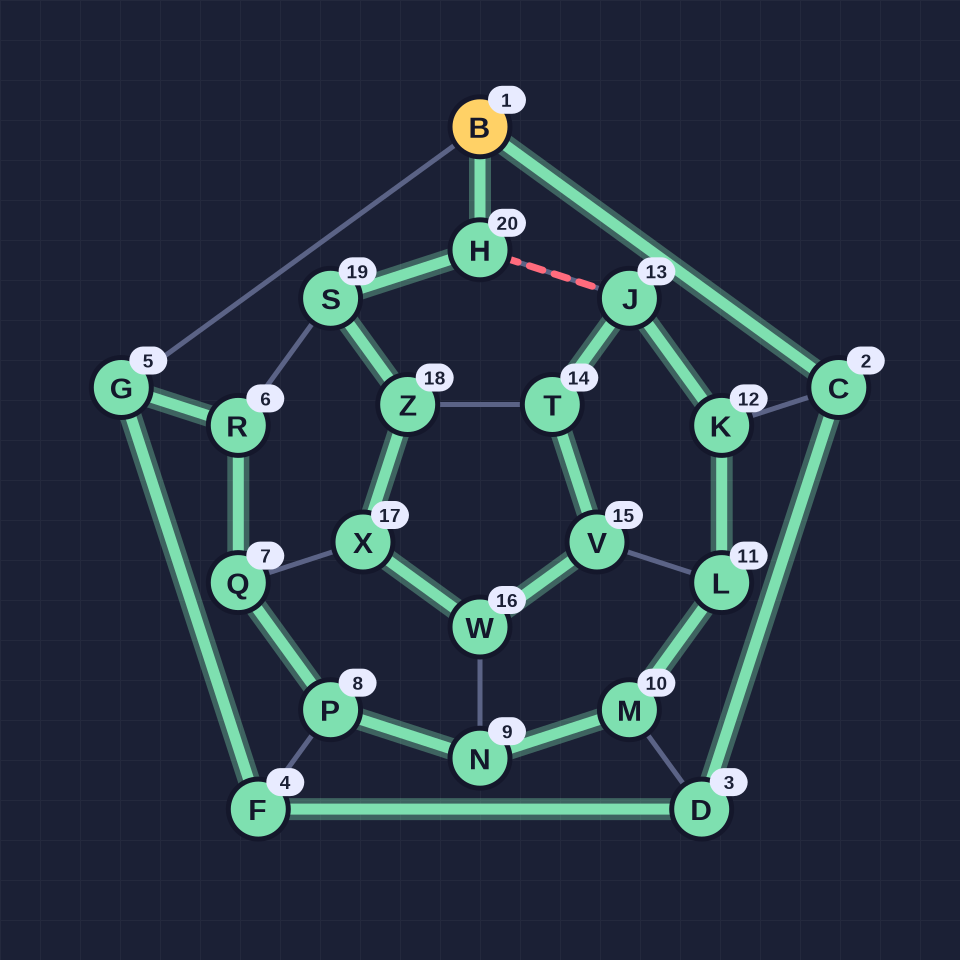
Find a route that visits every vertex exactly once, by hand or with a backtracking search you can watch: Hamilton's Icosian game, the Petersen graph, knight's tours, grids, hypercubes and your own graphs.
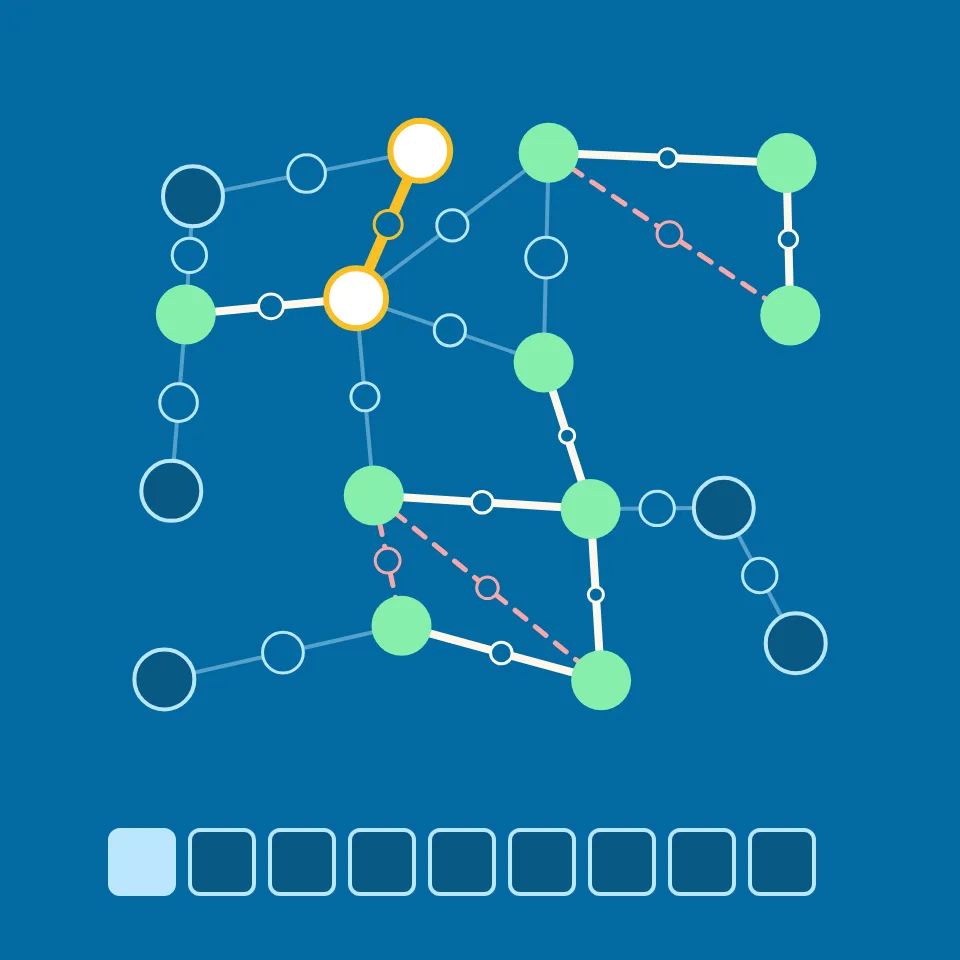
Watch Kruskal's and Prim's algorithms build a minimum spanning tree step by step: connect every node of a weighted graph at the lowest total length.
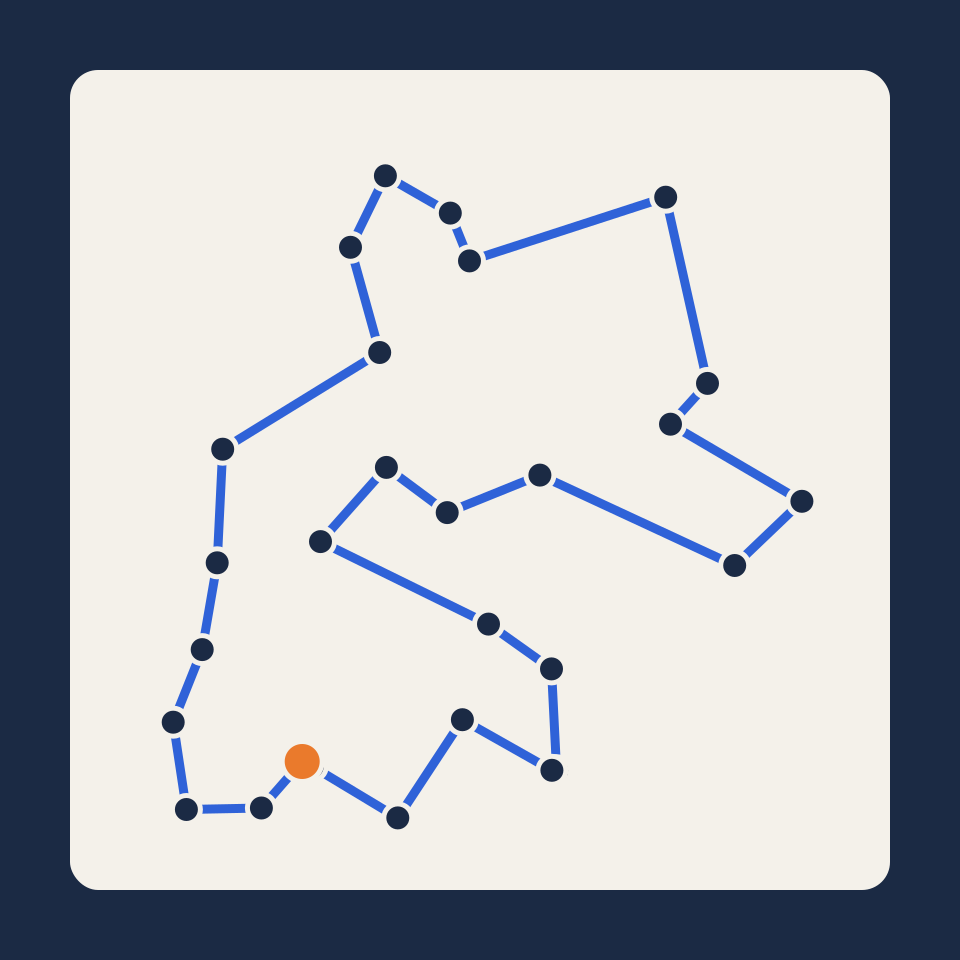
Place up to 200 cities and watch five methods search for the shortest round trip: nearest neighbour, cheapest insertion, 2-opt, simulated annealing and the exact Held–Karp algorithm.
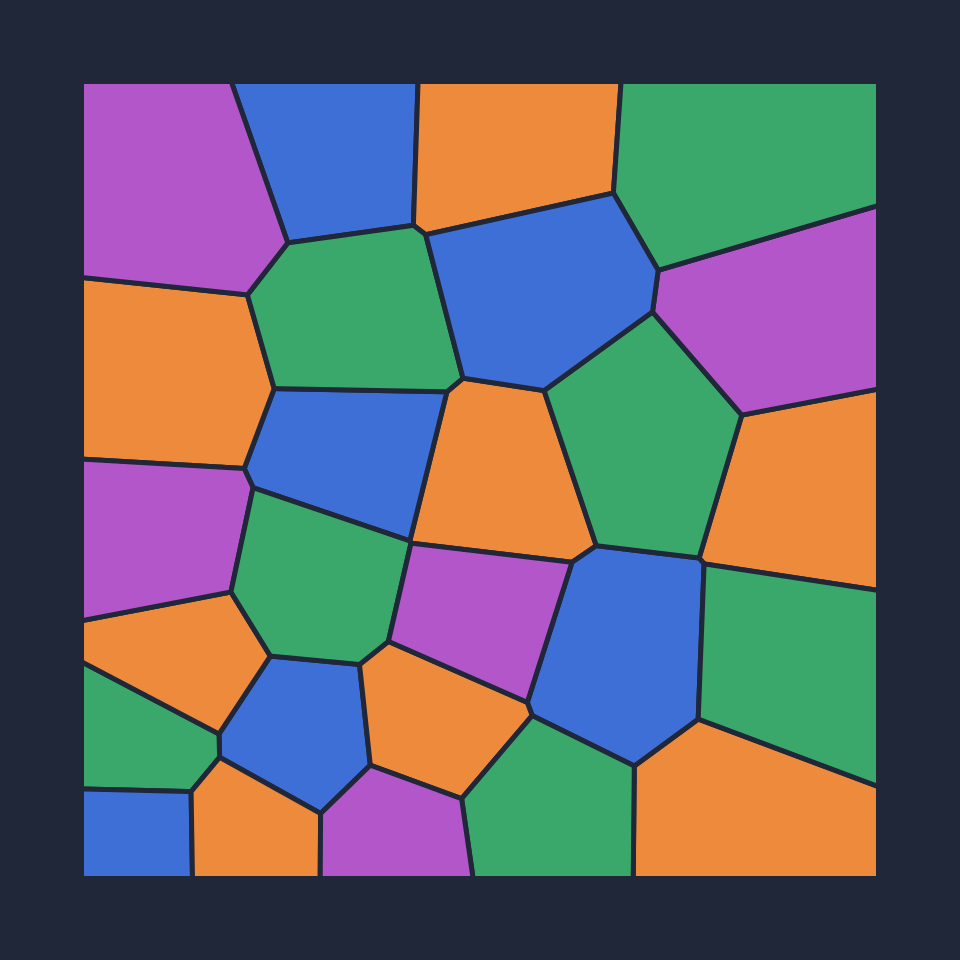
Colour a random map so that no neighbouring countries share a colour. Paint by hand or watch greedy, DSATUR and backtracking solve it, and check the fewest colours the map needs.
Dynamic Programming
Dynamic programming solves complex problems by breaking them into simpler, overlapping subproblems. By storing the result of each subproblem once, it avoids redundant calculations and dramatically speeds up execution.
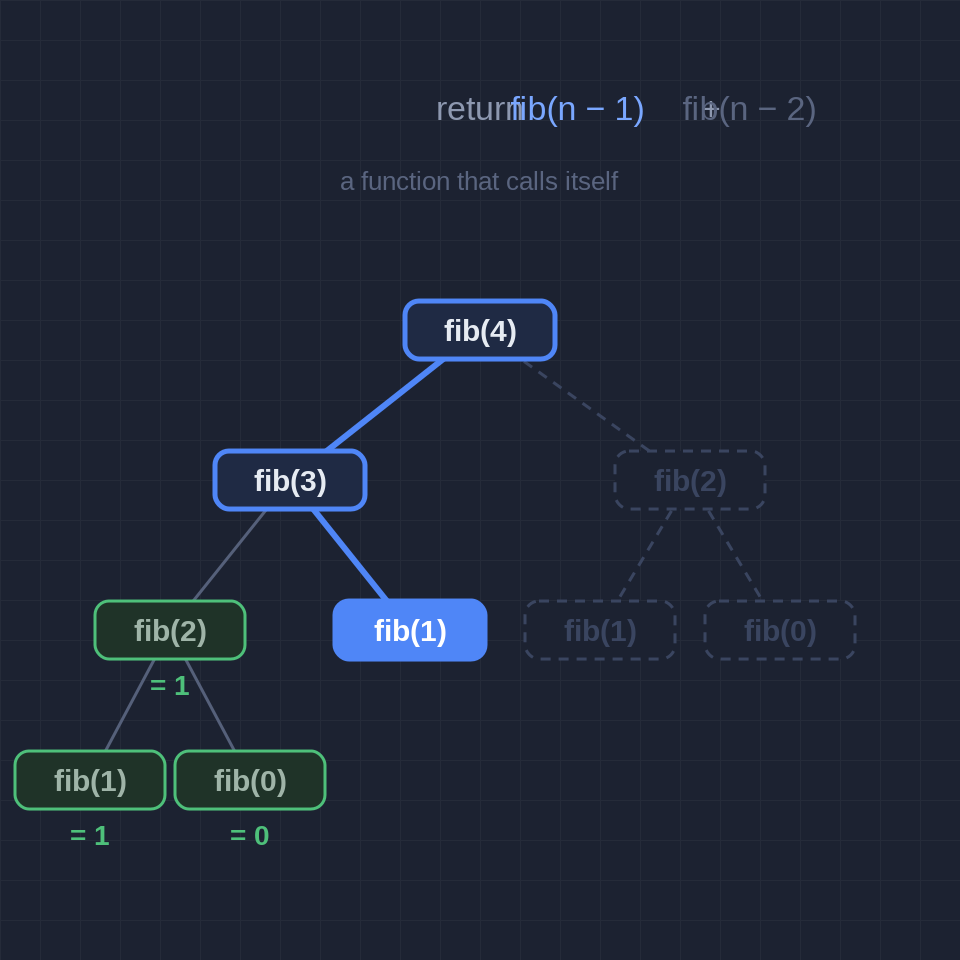
See recursion work one call at a time: the code with the current line, the call stack growing and shrinking, and the call tree with every return value, for factorial, Fibonacci, Hanoi, permutations, Ackermann and more.
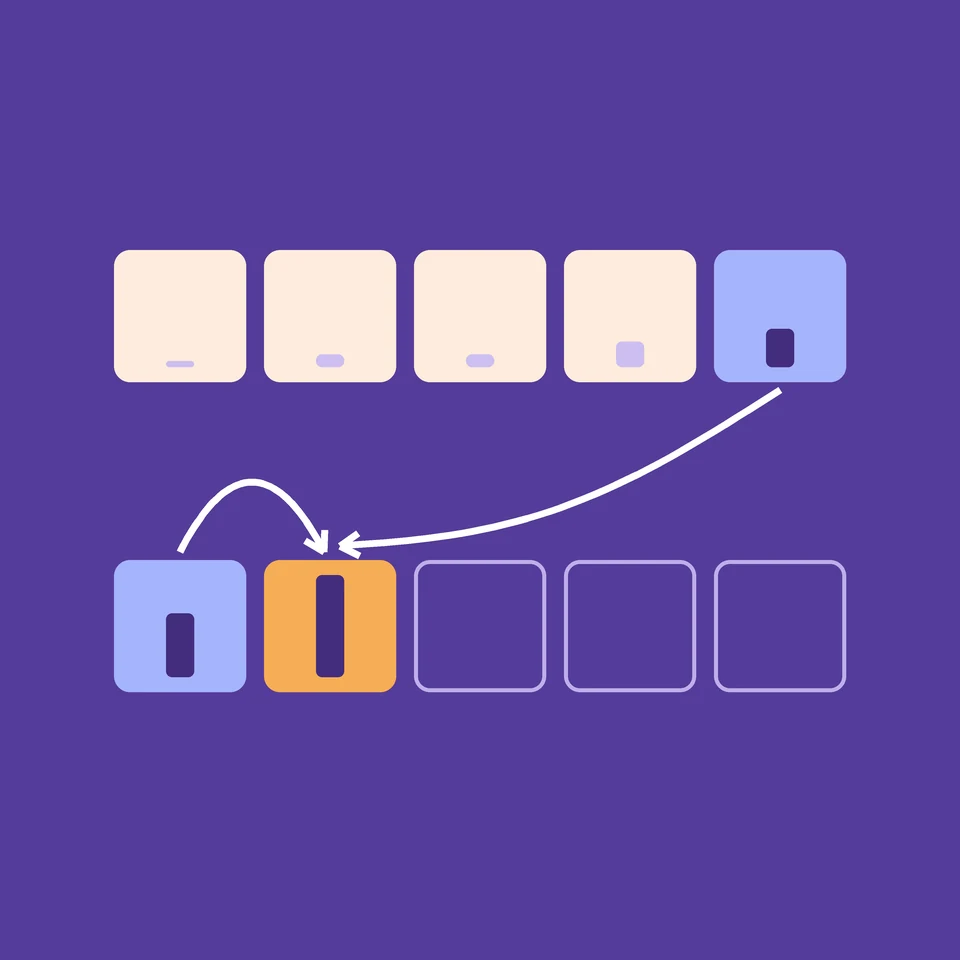
Watch Fibonacci numbers fill a table one addition at a time. Compare bottom-up tabulation with top-down memoization, see the call stack, and count the calls plain recursion would make.
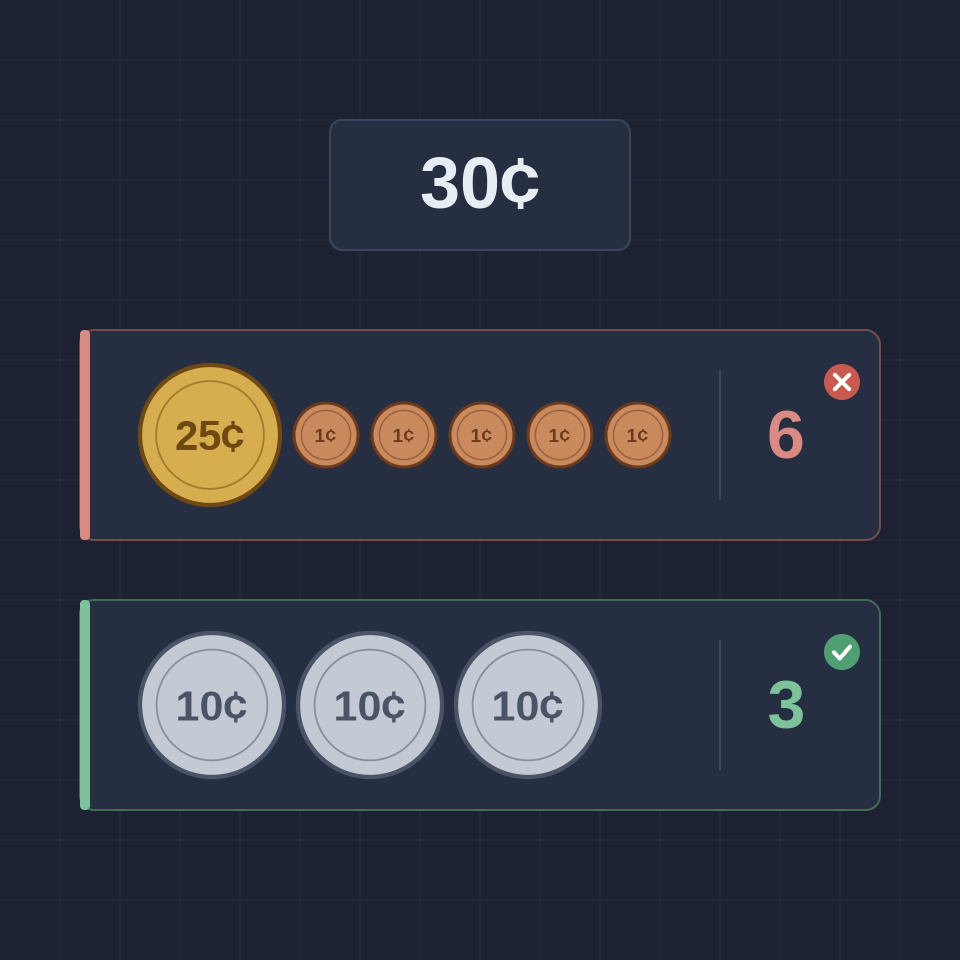
Make an amount in cents with as few coins as you can, compare with the greedy method, and watch dynamic programming find the fewest coins or count every way, step by step in a table.
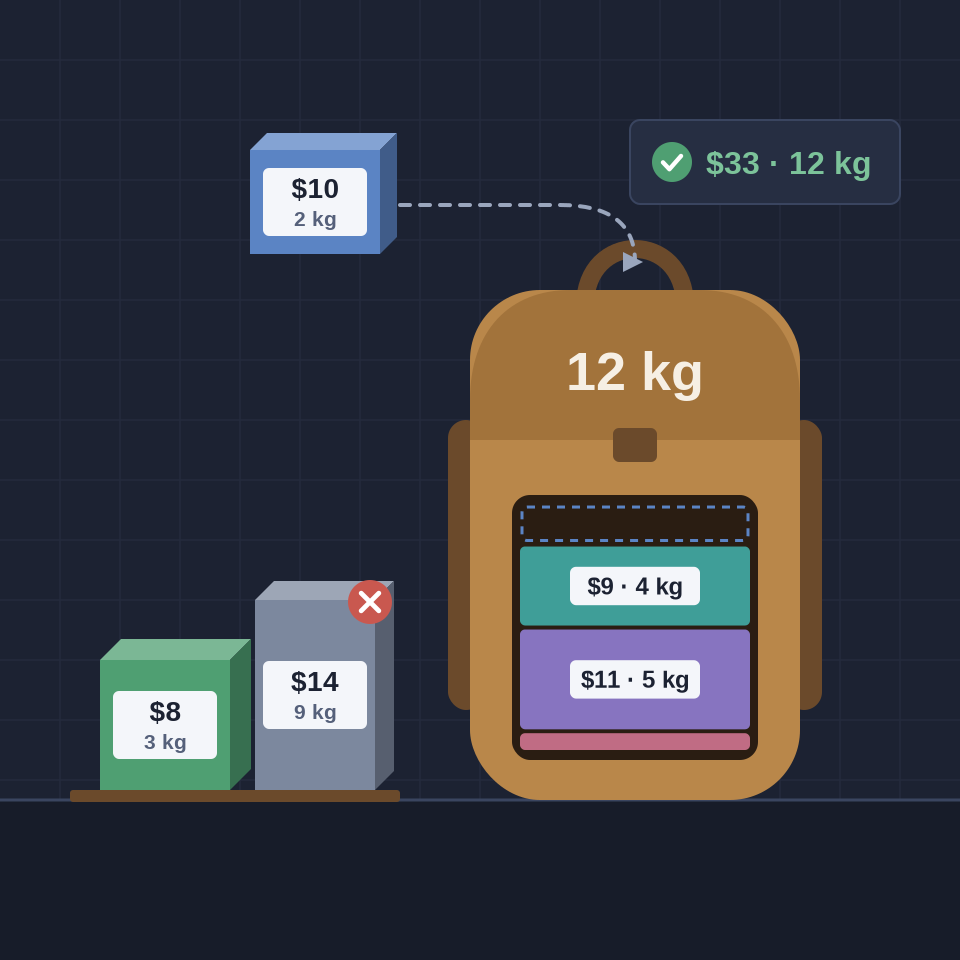
Pack items into a backpack by kilograms and dollars, find the most valuable bag, and watch dynamic programming solve the 0/1 knapsack problem step by step in a table.
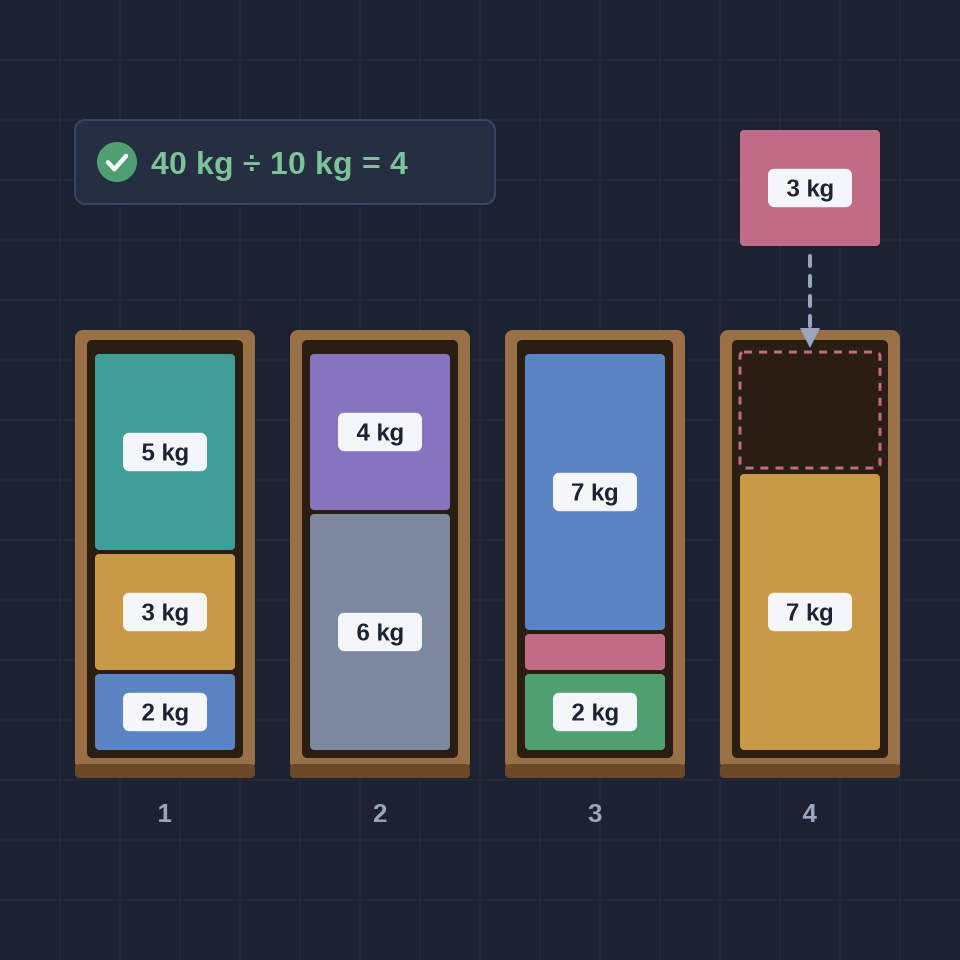
Pack items by kilograms into as few bins as you can, compare with the fewest possible, and watch next fit, first fit, best fit and dynamic programming pack them step by step.
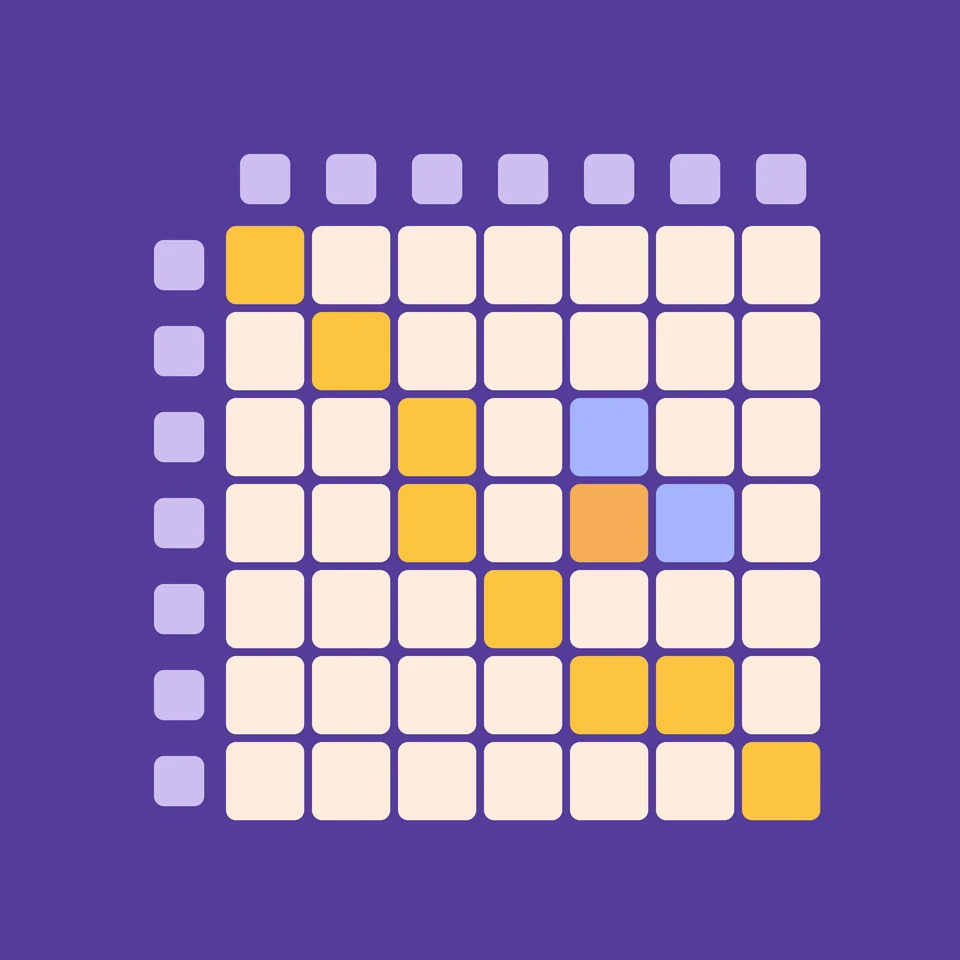
Watch the longest common subsequence of two words found step by step. See each cell compare two letters, fill from its neighbours, and trace the shared letters back from the corner.

Watch the longest increasing subsequence of a list found step by step. See each value compared with the ones before it, the length of the best run ending at each position, and the answer read back.
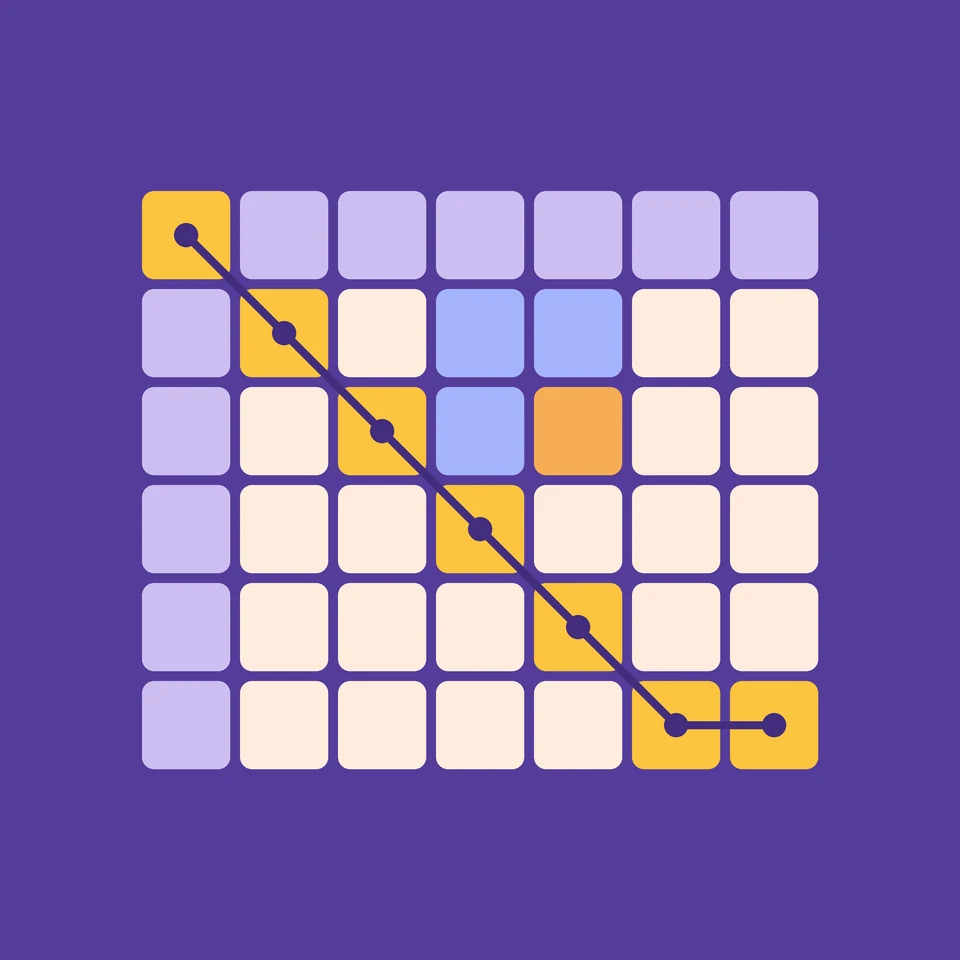
Find the edit distance between two words and watch the Levenshtein table fill step by step. See each cell choose between insert, delete and replace, and read the edits back from the corner.
Classic Puzzles
Classic puzzles are the textbook exercises of computer science. Solving them by machine teaches recursion, backtracking, heuristics, and state-space search, the same techniques that schedule jobs, route deliveries, and play games.
Move a tower of disks across three pegs in your browser. One disk at a time, never a larger disk on a smaller one. The shortest solution is 2ⁿ − 1 moves.
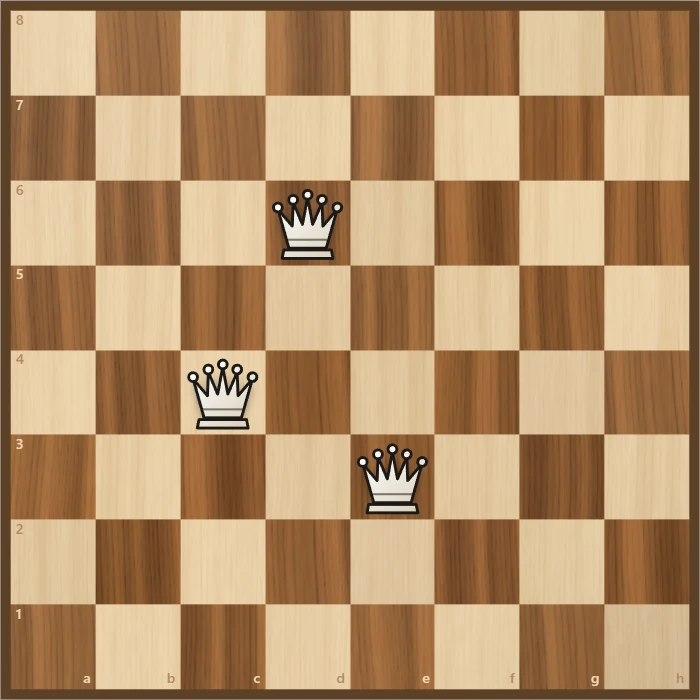
Place eight queens on a chessboard so that none attacks another. Try it yourself, watch the backtracking search find a solution step by step, and go through all 92 solutions.
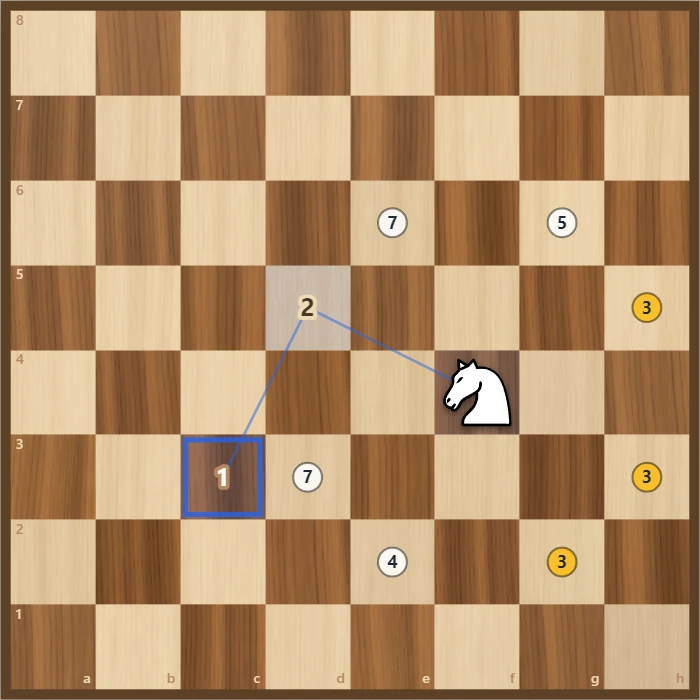
Jump a chess knight to every square of the board exactly once. Play it yourself with Warnsdorff hints, or watch Solve finish an open or closed tour. Save the path as a PNG.
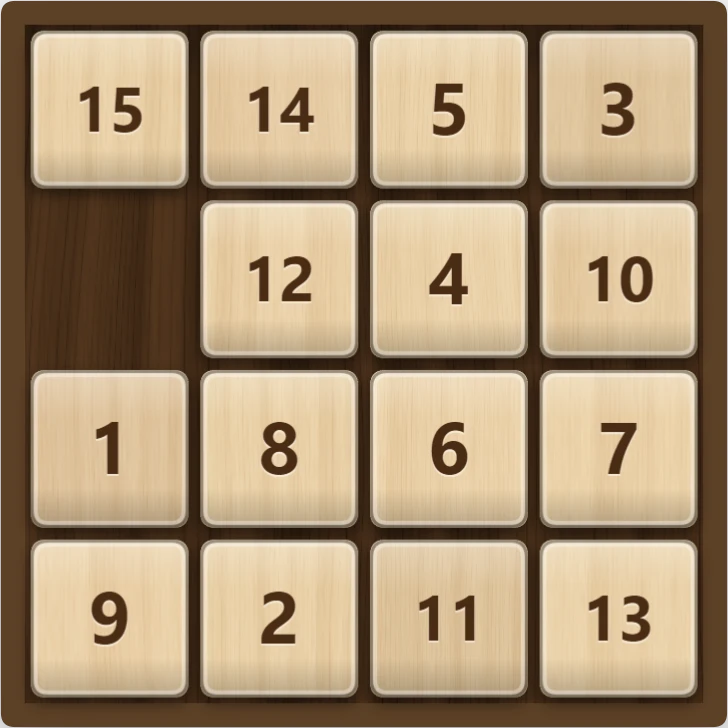
Play the classic 15 sliding puzzle in your browser on 3×3, 4×4, or 5×5 wooden tiles. Shuffle, slide whole rows at once, try Sam Loyd's impossible 14-15, or watch Solve finish it.
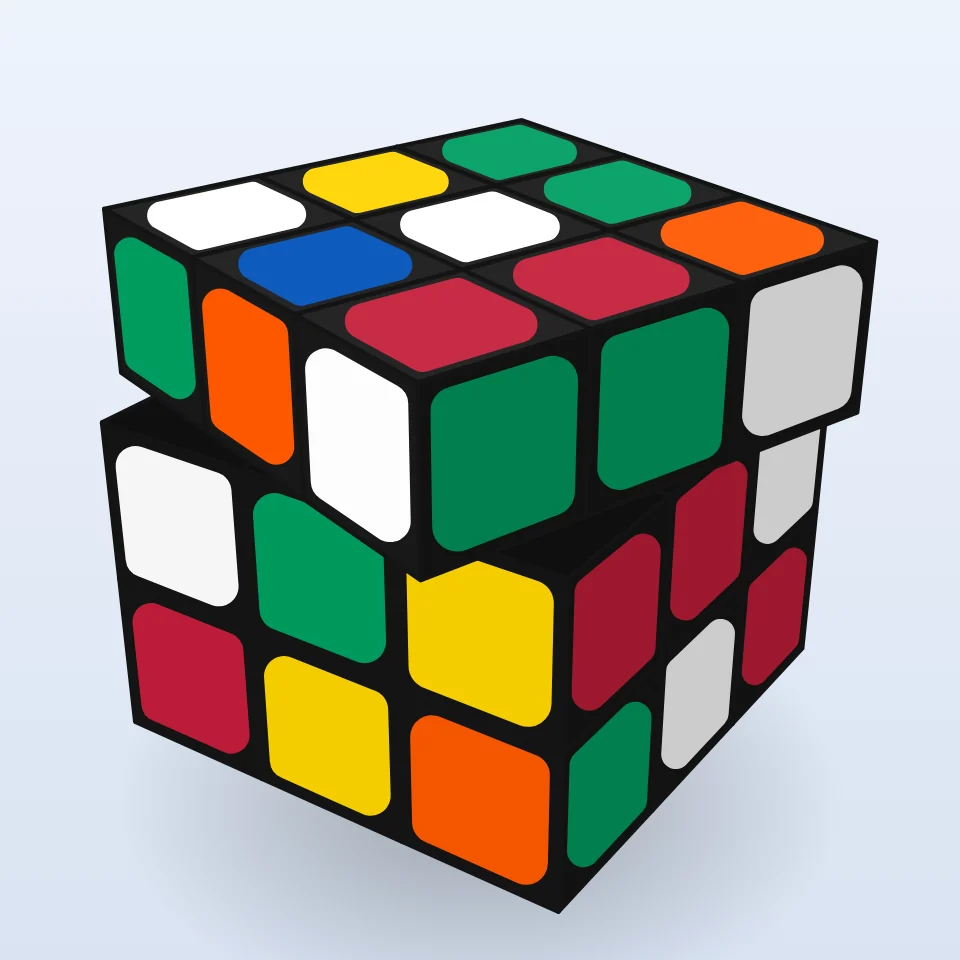
Free online Rubik's cube solver: colour the stickers of your own cube or scramble one, and get a solution of about 20 moves from Kociemba's two-phase algorithm. Play it move by move on a 3D cube, with the moves in standard notation.
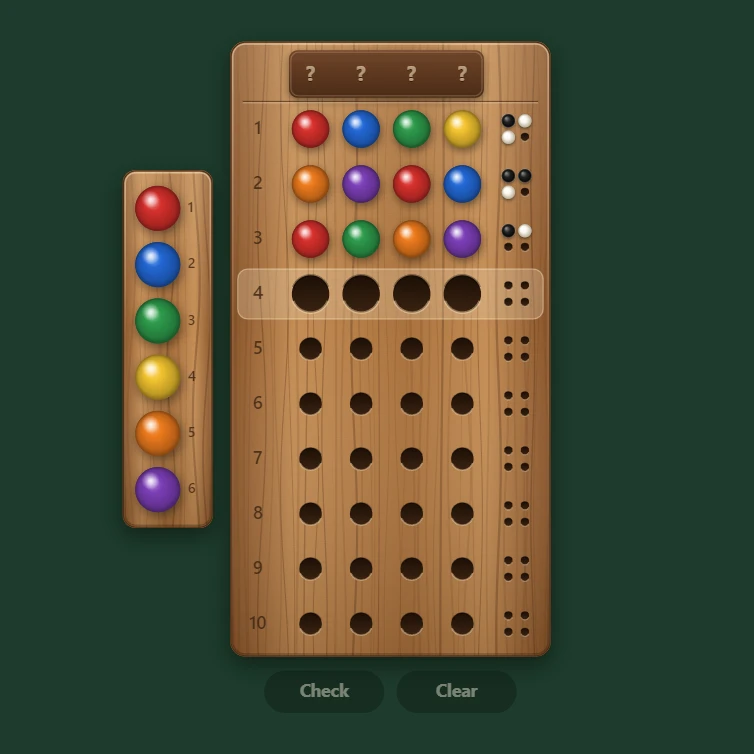
Play Mastermind free in your browser. Crack a secret colour code with 4 to 6 pegs and 6 to 8 colours, or set a code and watch the computer crack it.
Logic
Logic is the formal study of valid reasoning and sound inference. It establishes strict rules for constructing arguments, proving mathematical theorems, and designing reliable digital computer circuits.
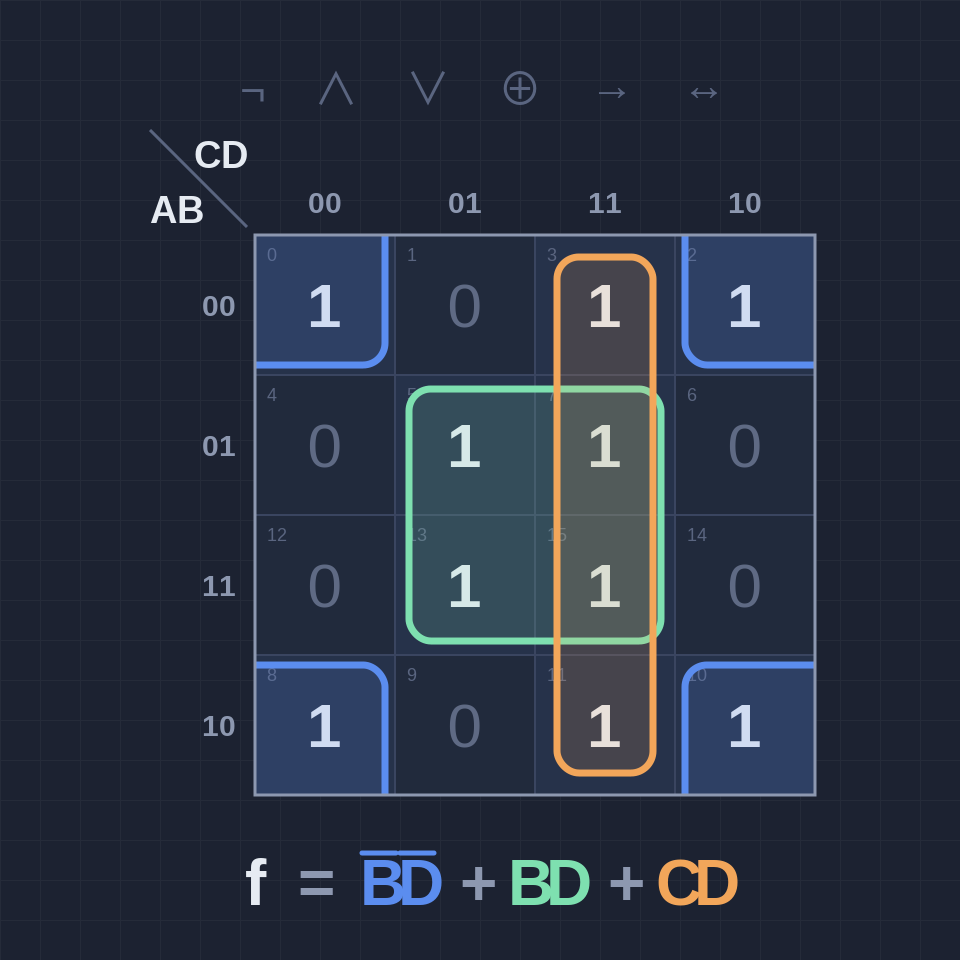
Type a logical formula in any notation and get its truth table, tautology check, canonical DNF and CNF, the minimal sum of products by Quine–McCluskey and a clickable Karnaugh map.
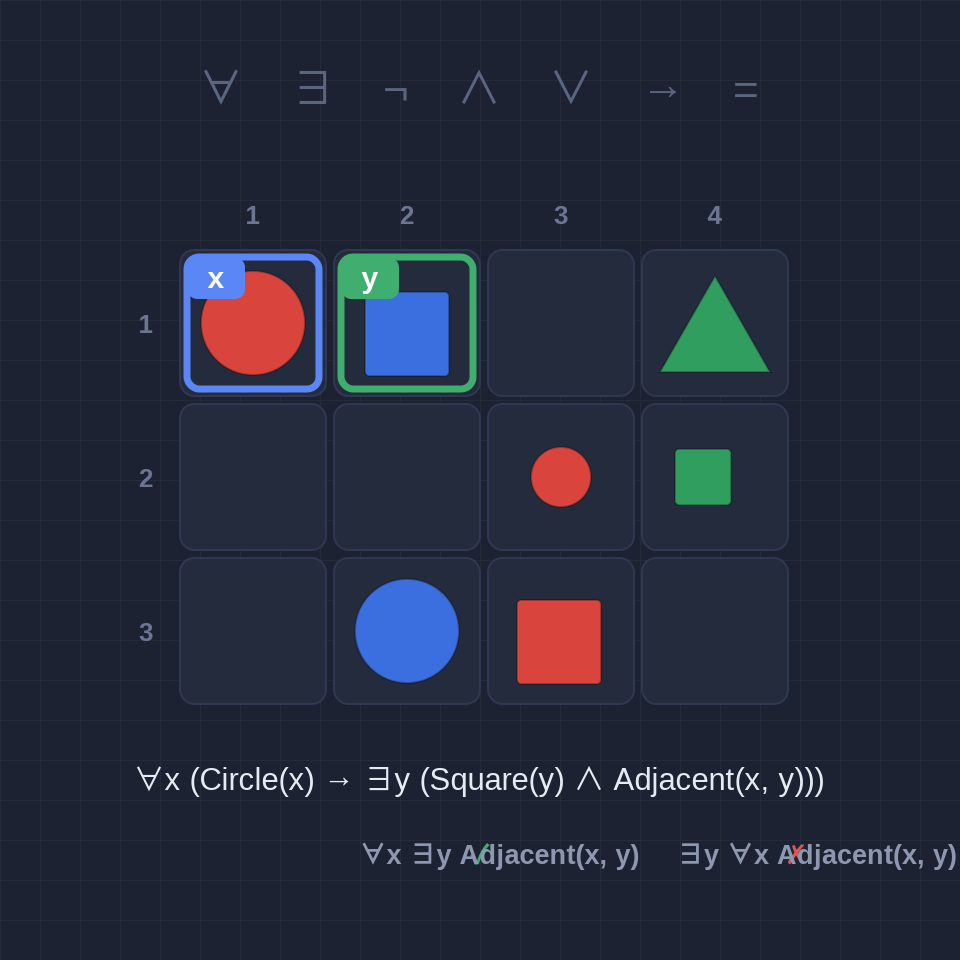
Type first-order sentences with ∀, ∃, predicates and variables, and see each one marked true or false in a small world of shapes you build yourself, with the witness, the counterexample and the whole evaluation shown.
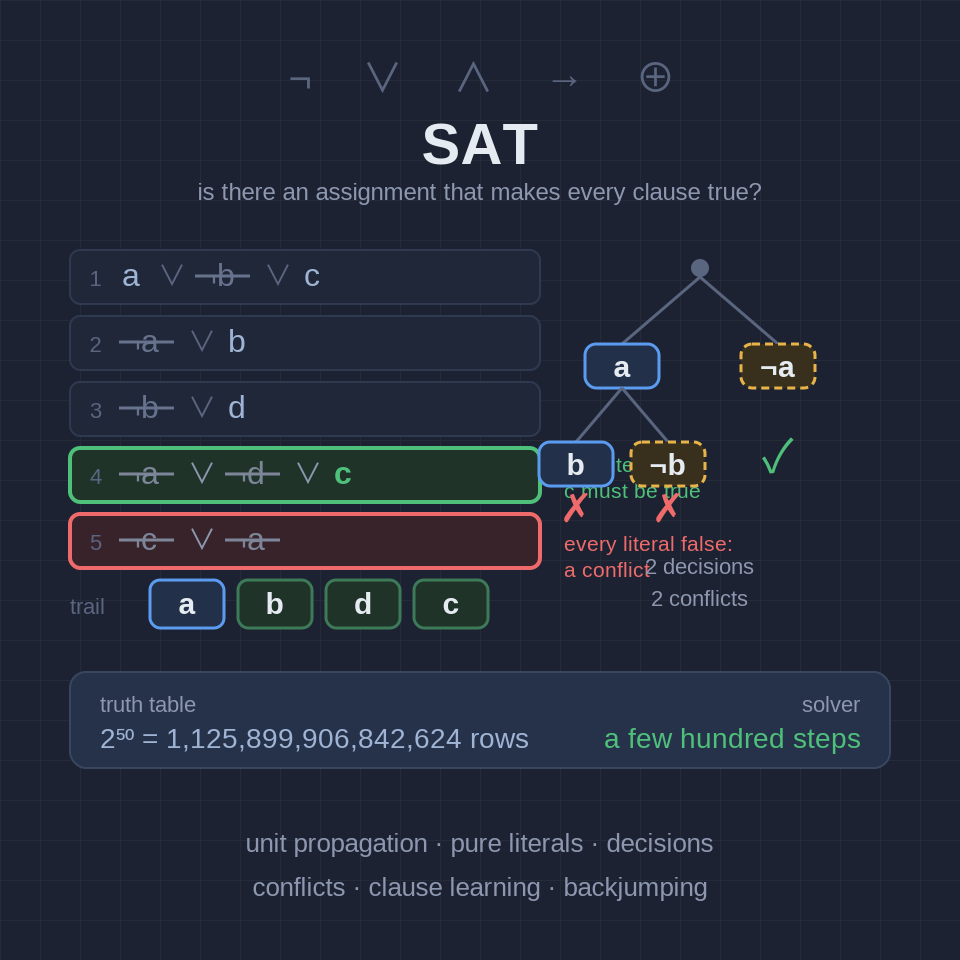
Watch a SAT solver work: unit propagation, pure literals, decisions and conflicts in DPLL, clause learning and backjumping in CDCL, on queens, sudoku, map colouring, the pigeonhole principle and random 3-SAT.
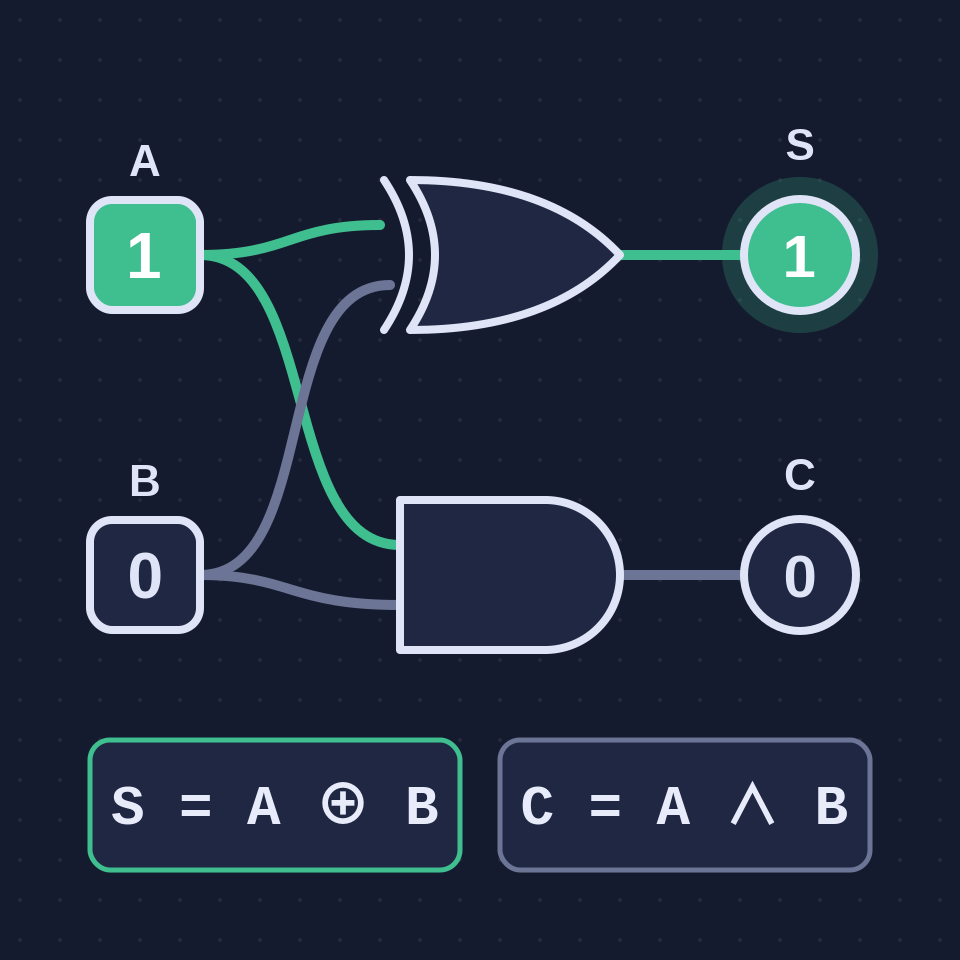
Build digital circuits from AND, OR, NOT, NAND, NOR, XOR and XNOR gates in your browser. Switch the inputs, watch the signals run through the wires, and get the truth table and the formula of every output. With adders, a multiplexer, latches and a flip-flop to explore.
Cryptography
Cryptography is the science of securing information through mathematical codes and ciphers. It protects digital privacy and verifies authenticity by ensuring only authorized parties can read sensitive messages.
See RSA work with real numbers: pick two primes, find n, φ(n), e and d with the extended Euclidean algorithm, encrypt and sign a message by repeated squaring, and factor small keys to break them.
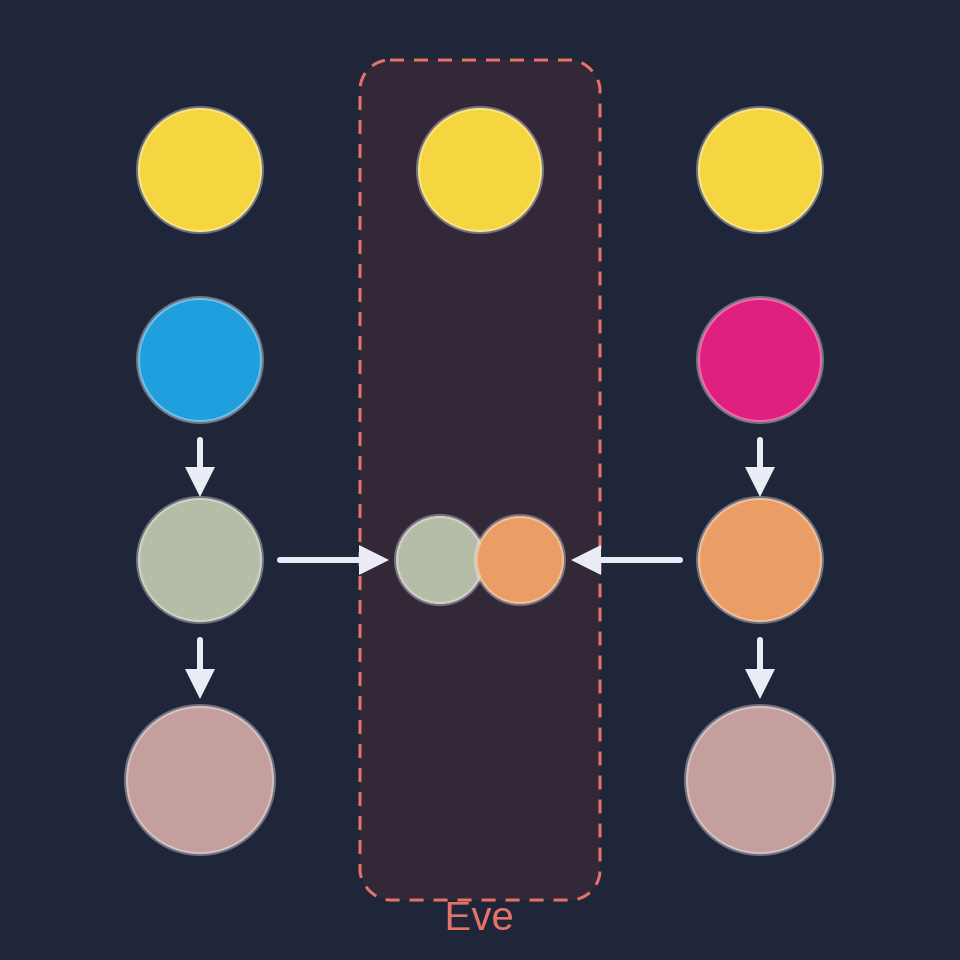
See how two people agree on a secret key in public: the Diffie-Hellman exchange step by step, as paint mixing and as gᵃ mod p, with Eve trying every exponent to break it.
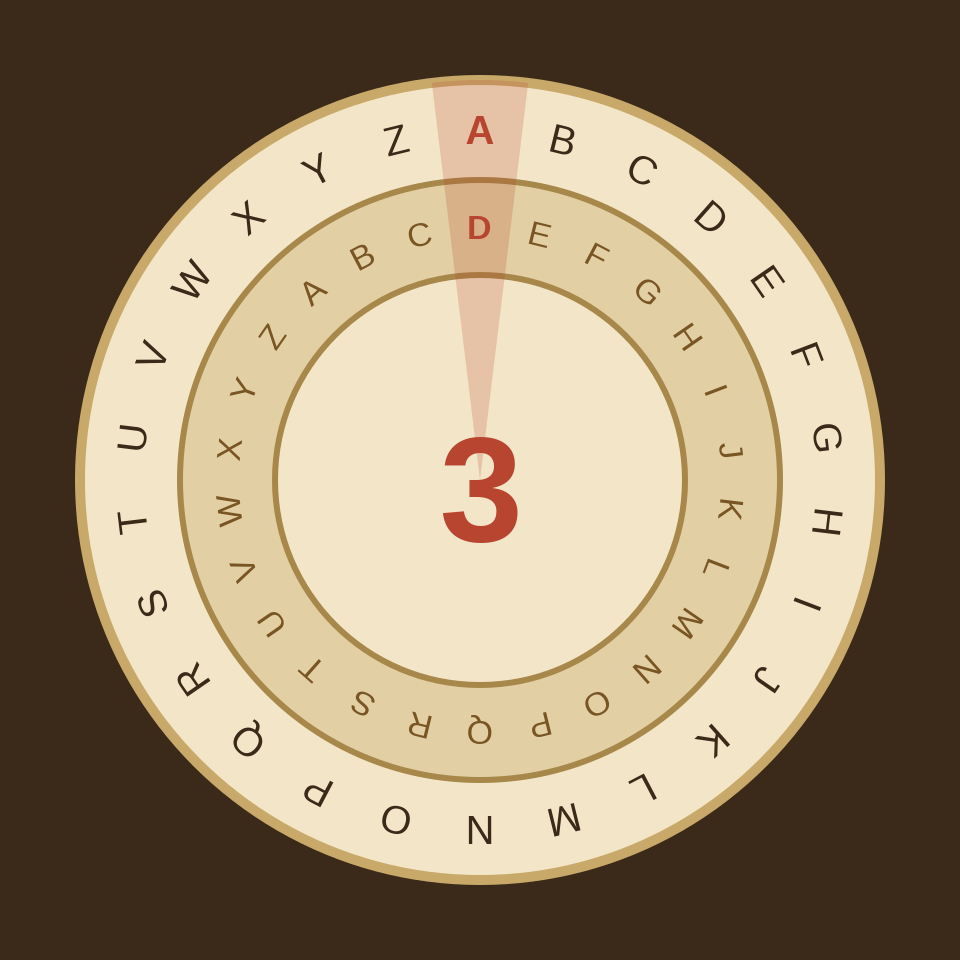
Encrypt and decrypt with a Caesar shift or ROT13, turn the cipher wheel, and crack any Caesar message without the key: all 26 shifts ranked by letter frequencies in seven languages.
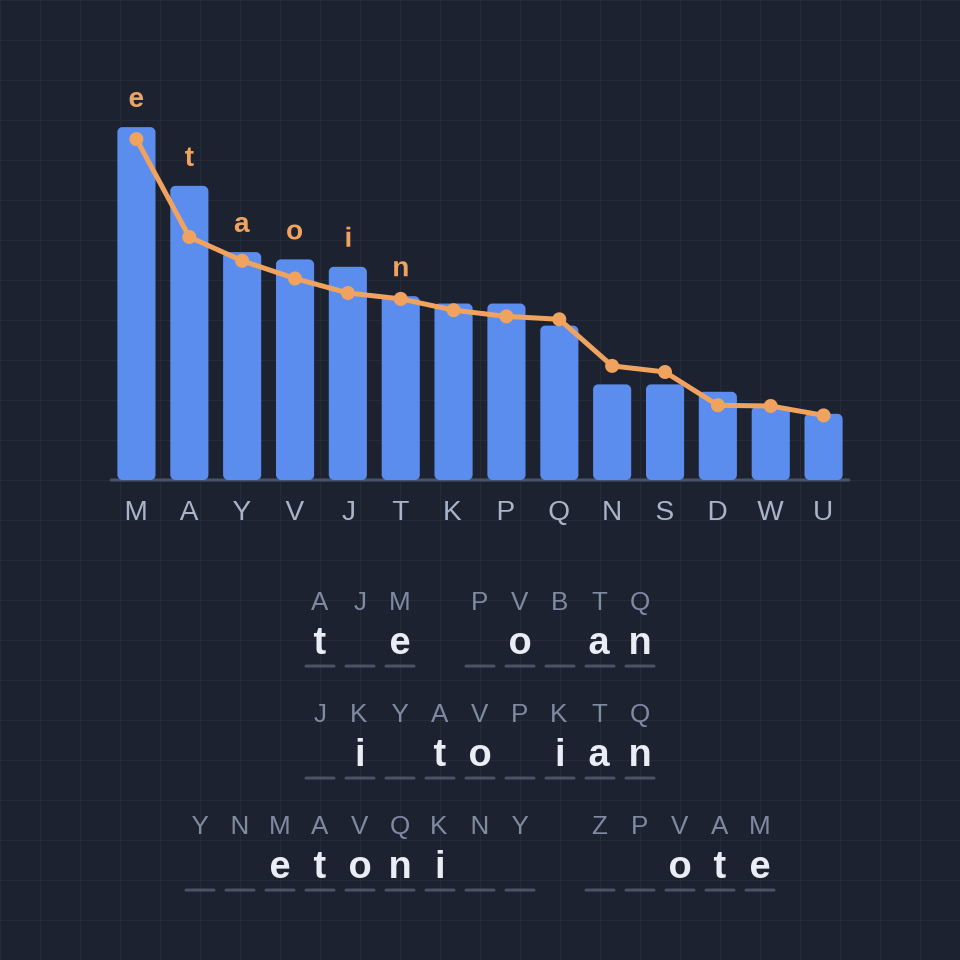
Break a substitution cipher with frequency analysis: compare letter counts with English or six other languages, use common pairs and short words as clues, fill in the key, and watch a hill-climbing solver crack it.
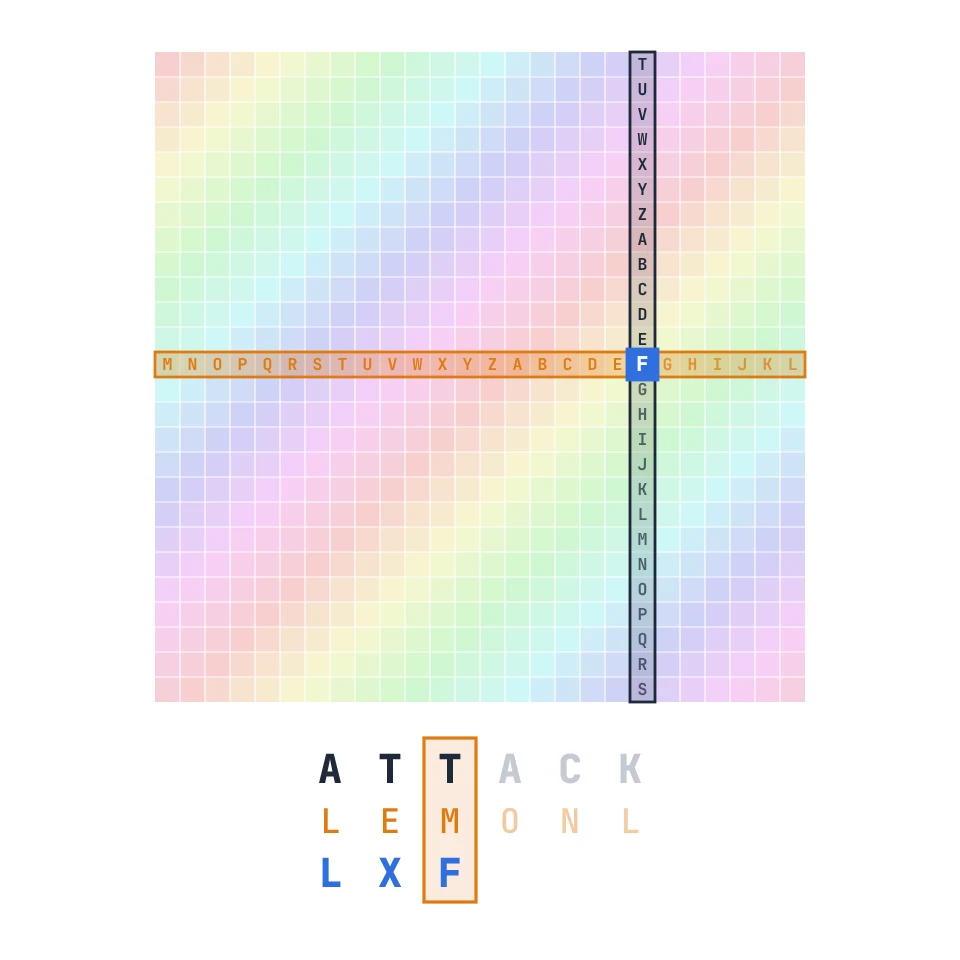
Encrypt and decrypt with a keyword on the tabula recta, letter by letter, with the Vigenère, autokey or Beaufort cipher. Then crack it: Kasiski examination, the index of coincidence by key length and chi-squared on each column recover the key.
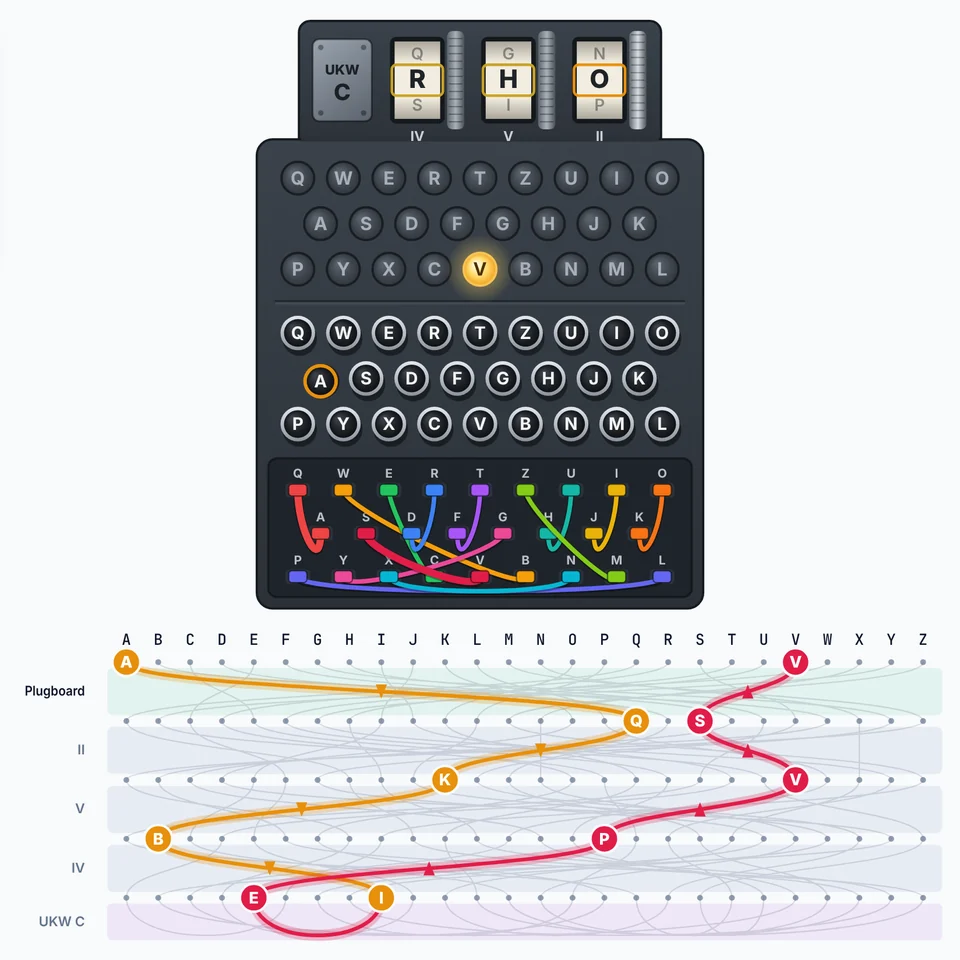
Type on an Enigma I simulator and watch the current run through the plugboard, three rotors and the reflector to a lamp. Rotors I–V, ring settings, start positions, reflector B or C, plugboard cables and the middle rotor's double step.
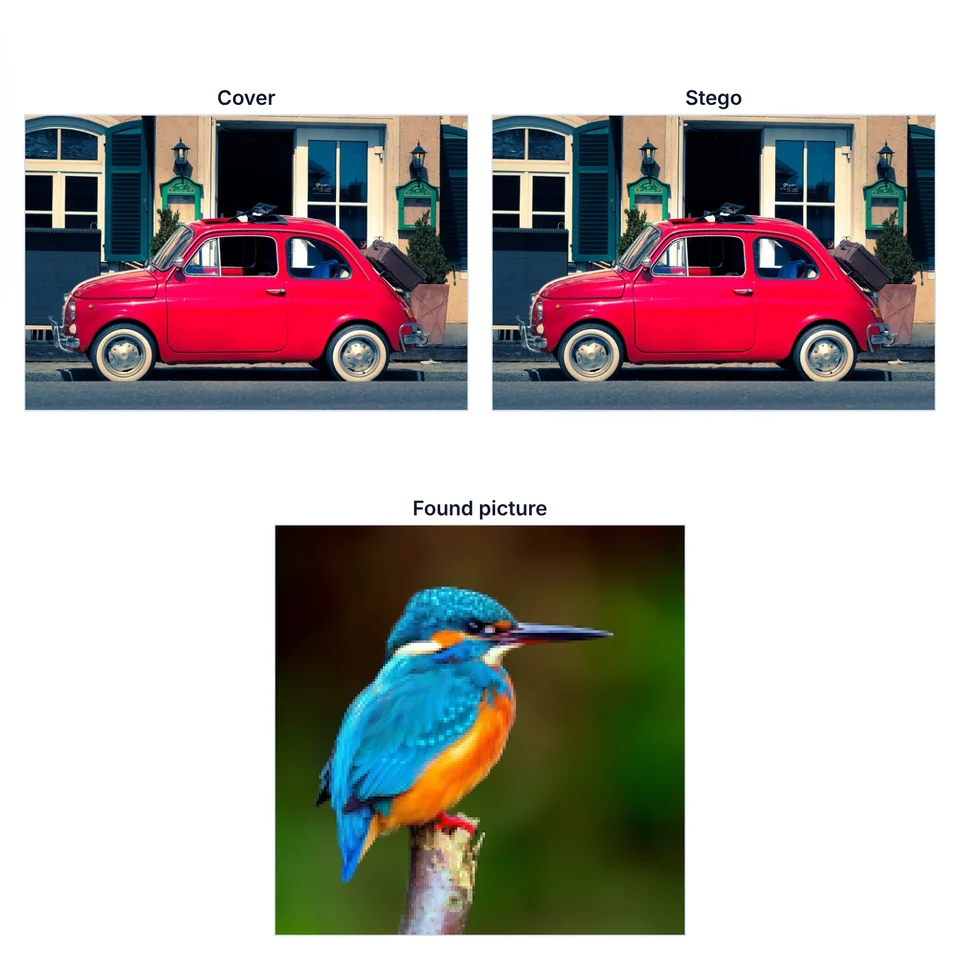
Hide a secret message or a small picture in the lowest bits of a photo's pixels, then reveal it from the PNG. 1–4 bits per channel, colour channels, a password, bit planes, the amplified difference, PSNR and the chi-square steganalysis.
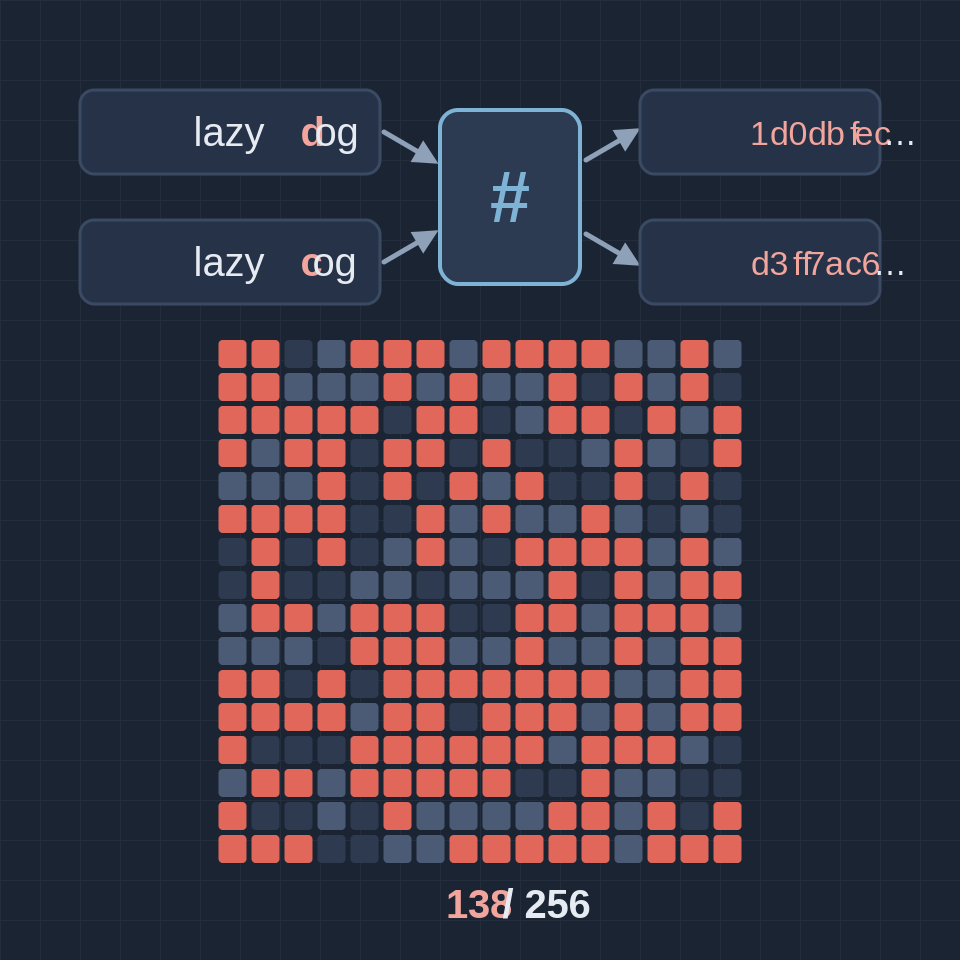
Hash any text with SHA-256, SHA-512, SHA-1, MD5 and CRC-32, change one character and watch half the digest bits flip, test the avalanche effect, and find collisions on short digests with the birthday attack.

Free password generator: strong random passwords and passphrases from crypto.getRandomValues, with length, character sets, look-alike exclusion, bulk generate, entropy, strength meter and crack time. Nothing is saved or sent.
Information Theory
Information theory mathematically measures how data is quantified, stored, and transmitted. It defines the fundamental limits of signal processing and compression, making reliable digital communication possible.
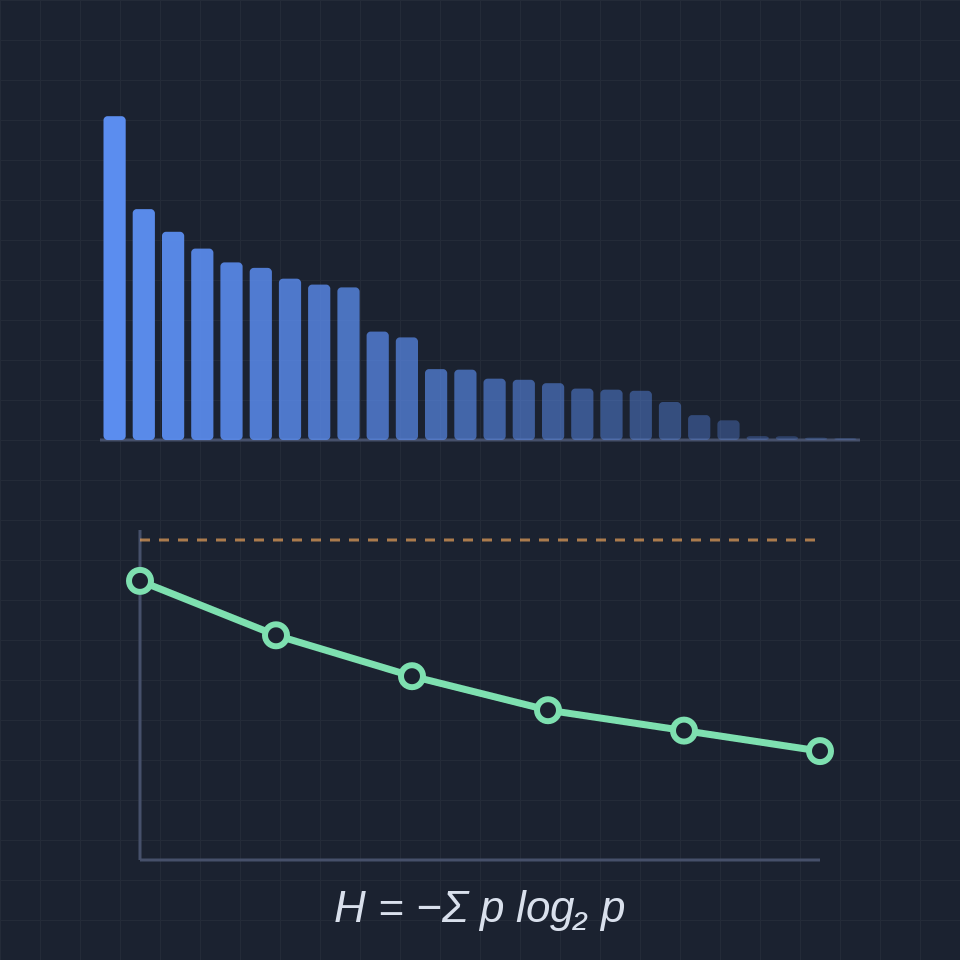
Calculate the Shannon entropy of any text in bits per character, word or byte. See each symbol's probability and surprise, the total information against the stored size, and how context and ZIP compression lower it.
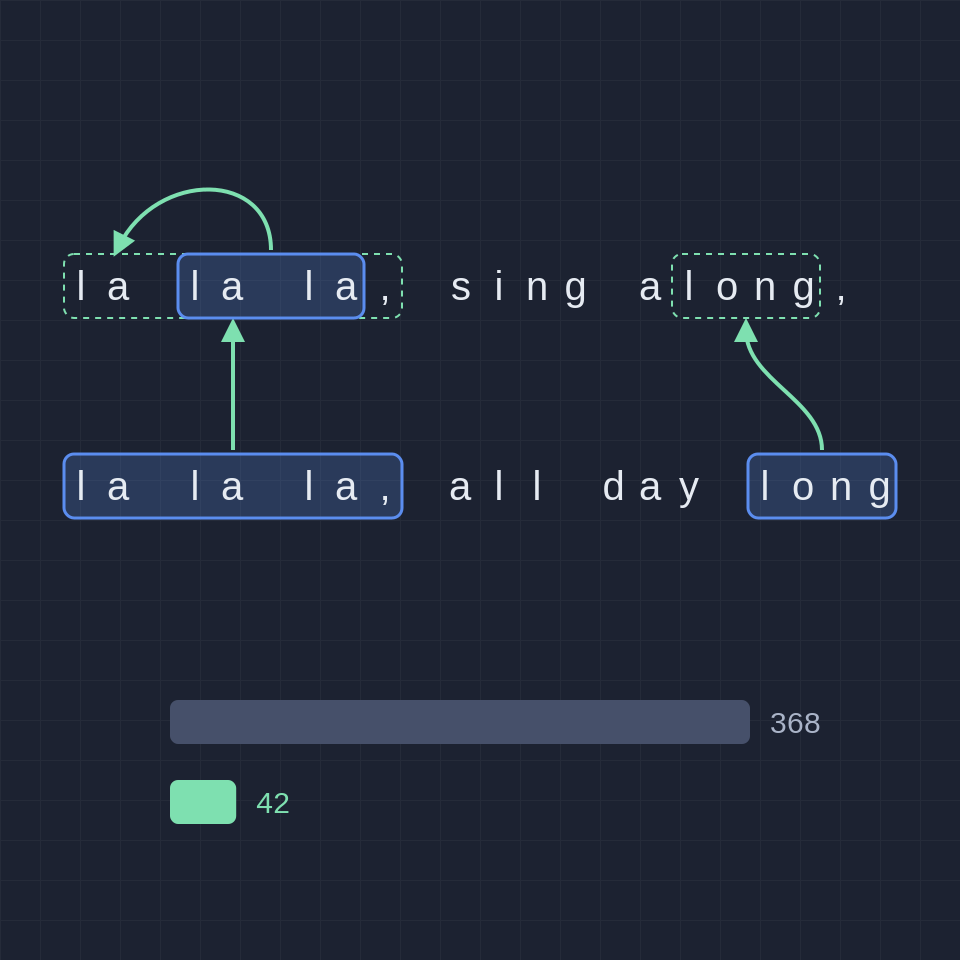
See lossless compression at work on your own text: LZ77 references, the LZW dictionary and run-length encoding, compared with ZIP and the entropy limit, and decompressed again to prove nothing is lost.
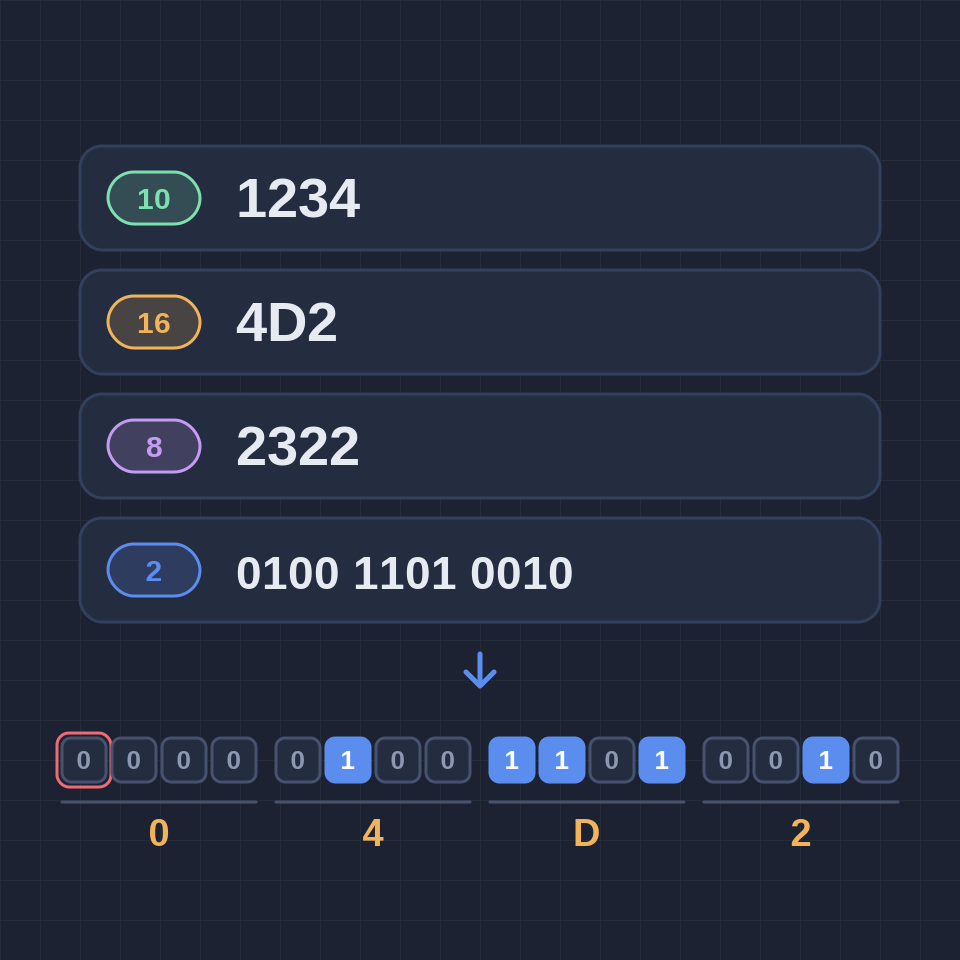
A free base converter: convert numbers between binary, octal, decimal, hexadecimal and any base from 2 to 36 as you type, with two's complement, a clickable bit grid and the steps worked out.
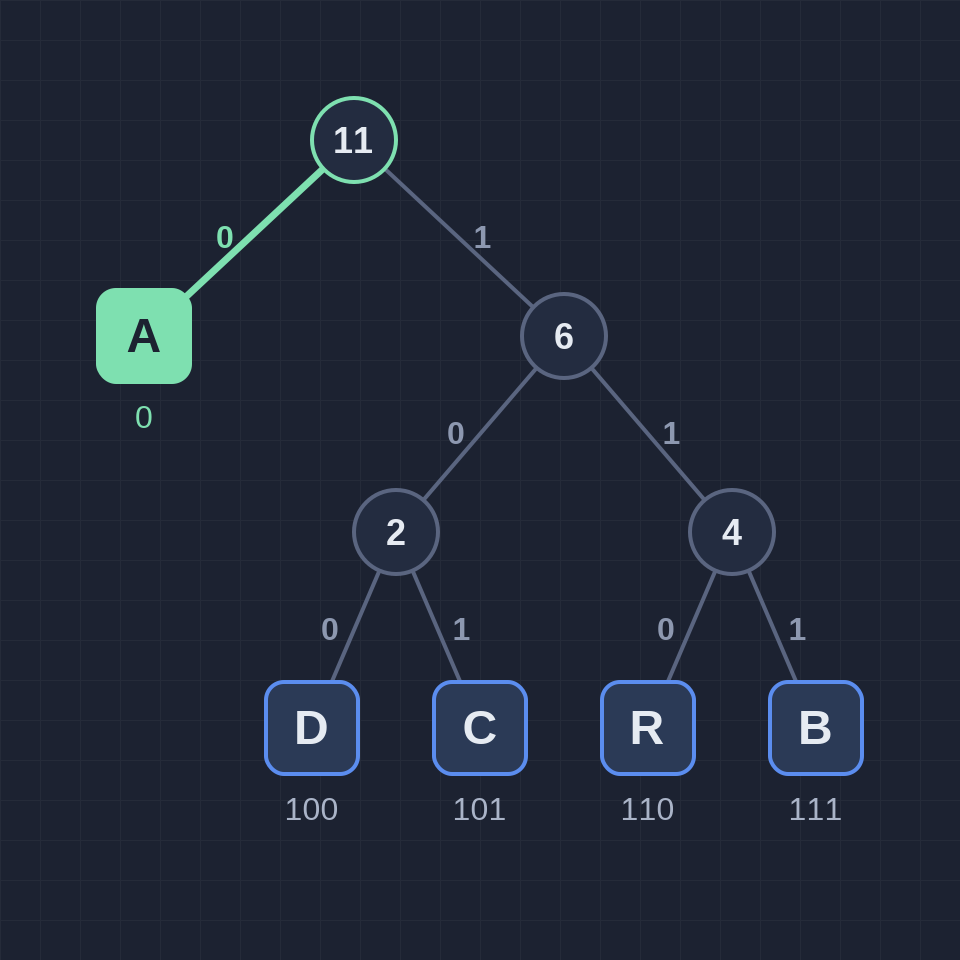
Build a Huffman tree from any text step by step, read the code of every symbol from its path, see the text in Huffman code, and compare it with a fixed-length code, UTF-8 and the entropy.
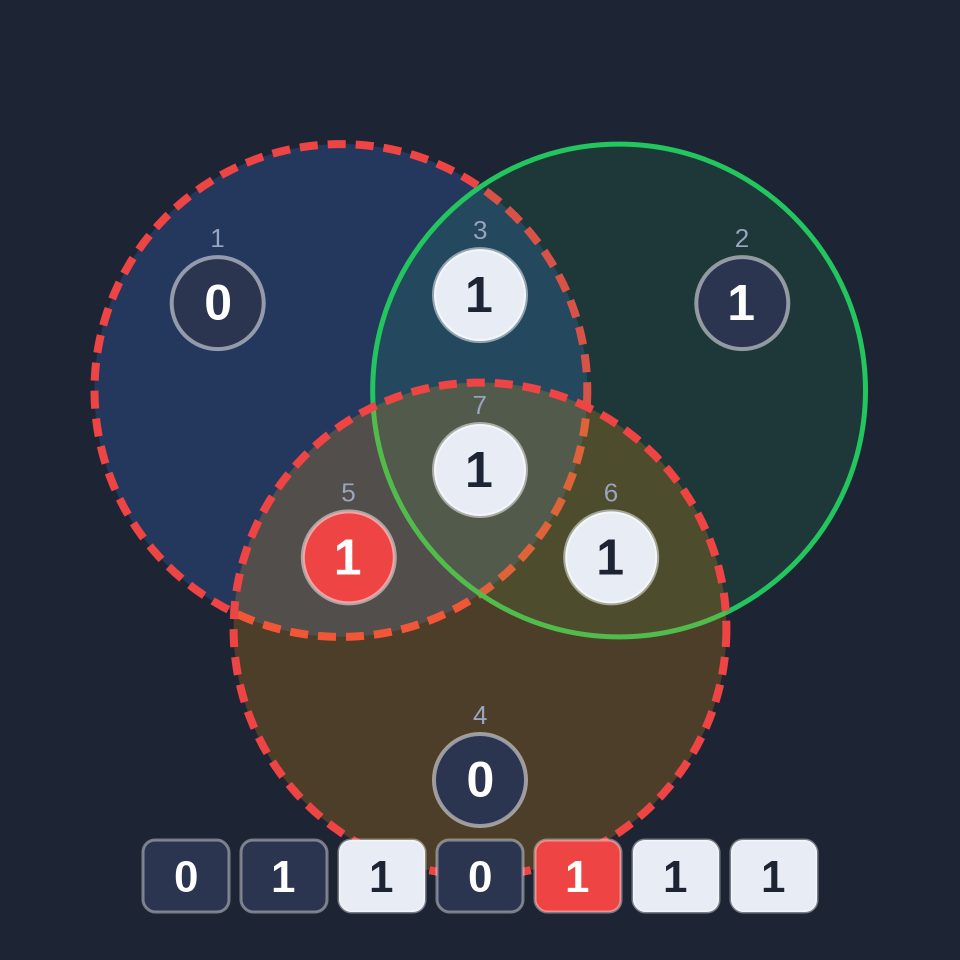
Flip bits in a Hamming (7,4) codeword and watch three parity circles find and fix the error. Detect double errors with an extra parity bit, and send text through a noisy channel with and without the code.
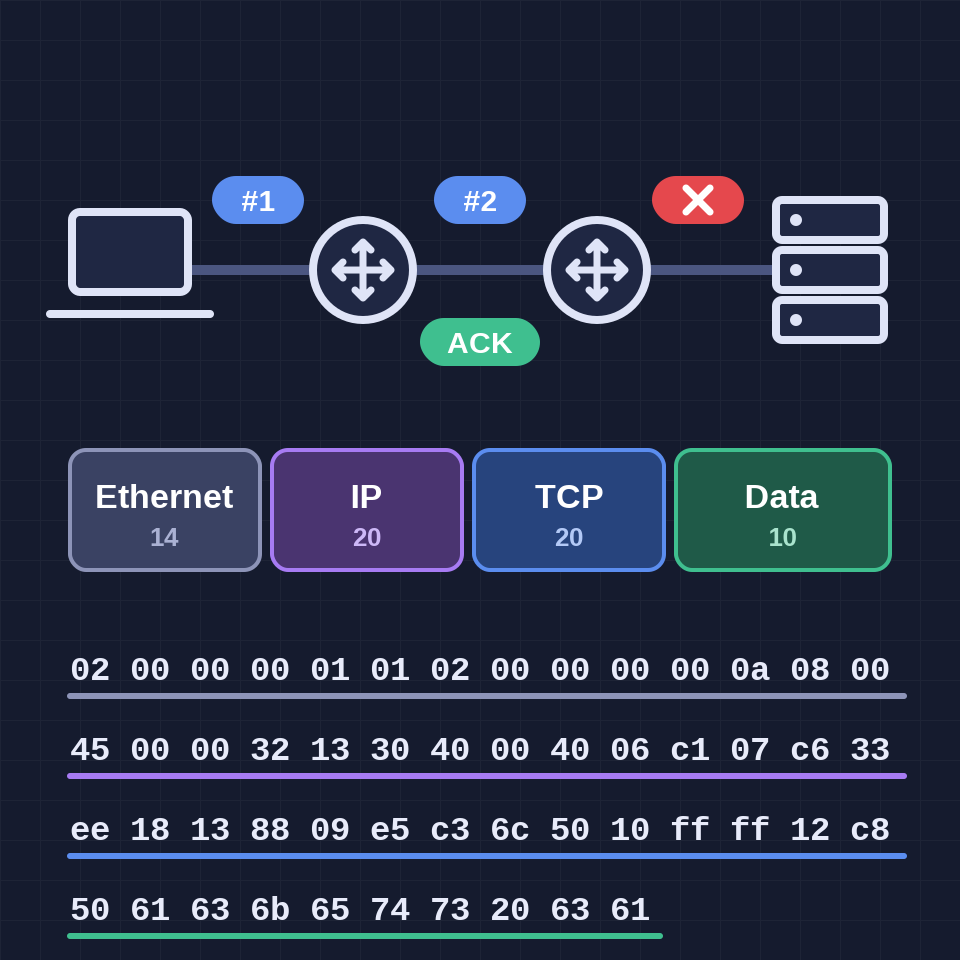
Watch a message travel as packets from a client through routers to a server. See the TCP three-way handshake, acknowledgments, lost packets and retransmissions, compare TCP with UDP, and open every packet down to the bytes of its Ethernet, IP and TCP headers.
Program a Turing machine and watch its head read, write and move along the tape. Binary addition, a palindrome checker, a counter that never halts and the busy beavers up to 47,176,870 steps.
Watch philosophers round a table share forks, freeze in a deadlock and starve in a livelock. Compare left fork first, ordered forks, a waiter and putting a fork back, with a timeline of every philosopher.
Artificial Intelligence
Artificial intelligence enables computers to perform tasks that typically require human intelligence. Through machine learning and pattern recognition, AI systems can learn from data, solve problems, and make decisions.
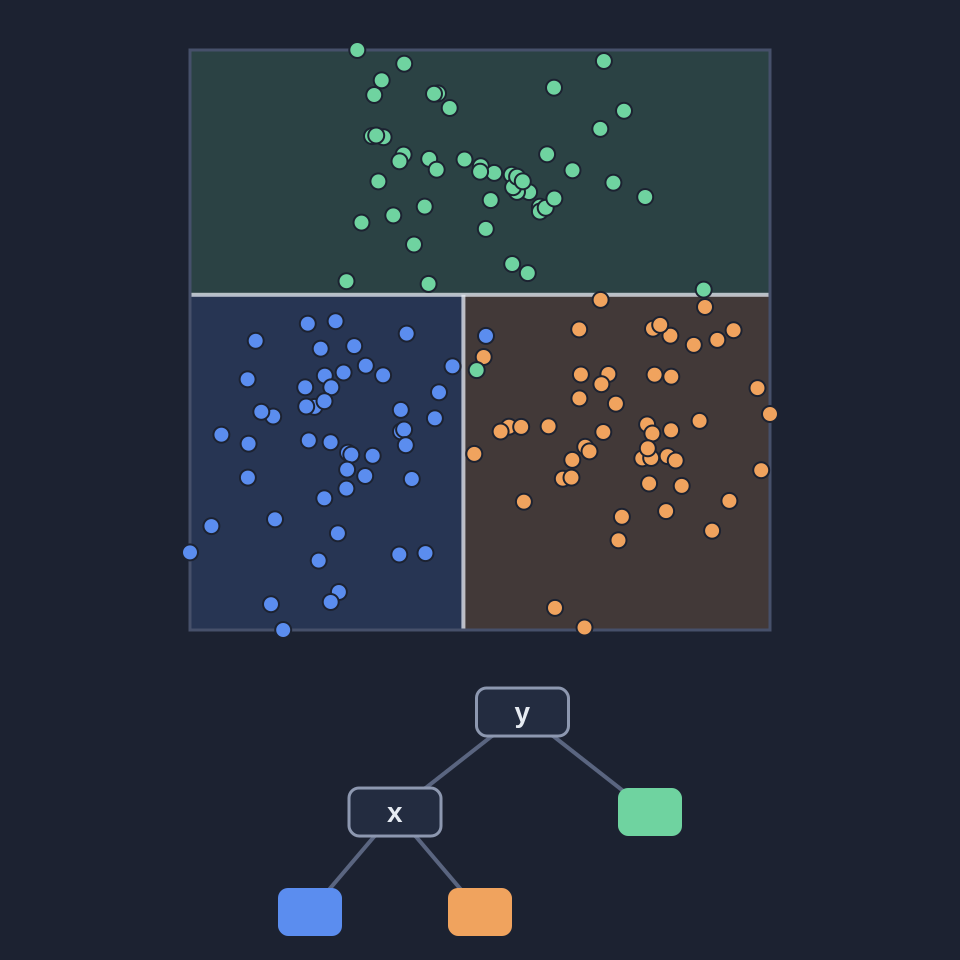
Grow a decision tree on points in the plane: see the boxes it cuts, the rule at every node, Gini impurity or information gain, and how training and test accuracy change with depth.
Train a small neural network live and watch it separate two classes of points. Change layers, neurons, activation, learning rate and inputs, and see what every neuron responds to.
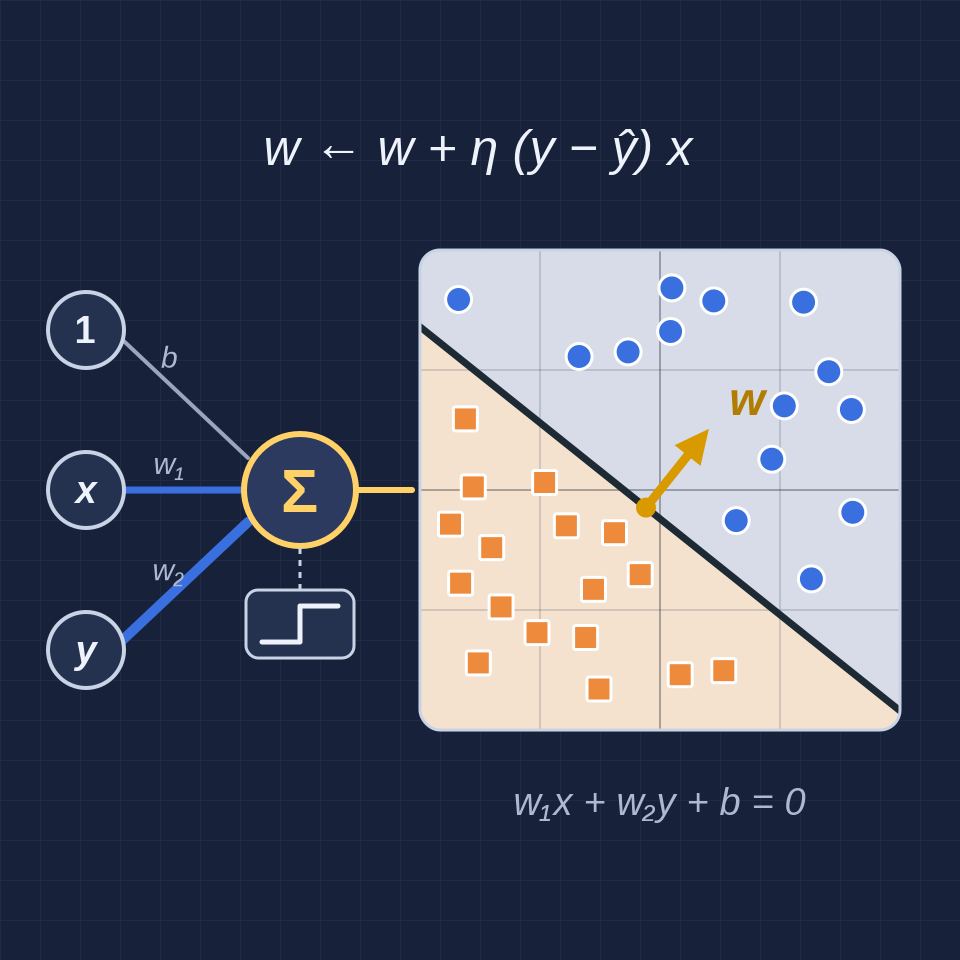
Train Rosenblatt's perceptron in your browser: step through the learning rule one sample at a time, watch the decision boundary and the weight vector move, and see why AND and OR are learned but XOR never is.
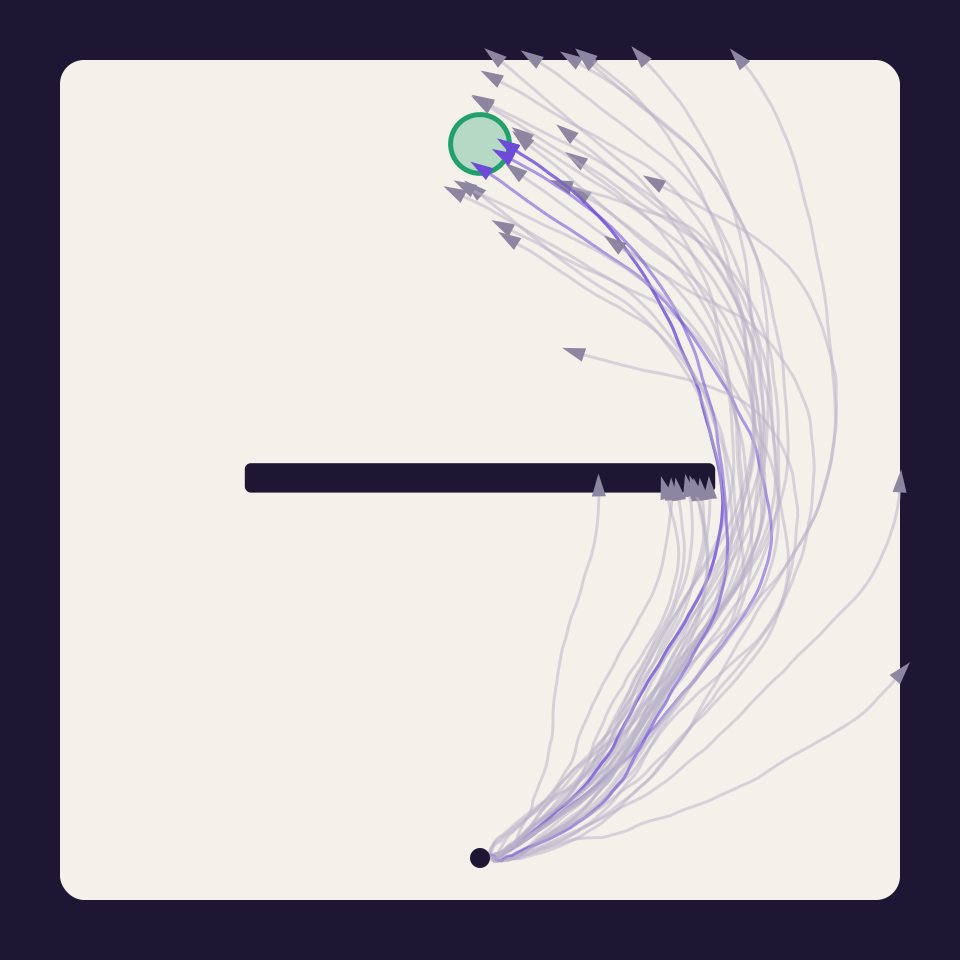
Watch rockets evolve to reach a target round walls. Change population, mutation rate, lifespan and selection, draw your own obstacles, and follow how many arrive in each generation.
Watch k-means clustering half a step at a time: points join their nearest centroid, centroids move to the means and the inertia falls until it converges. Compare k-means++ with random starts, escape local minima, pick k with the elbow and the silhouette, see where k-means fails and quantise a picture's colours.
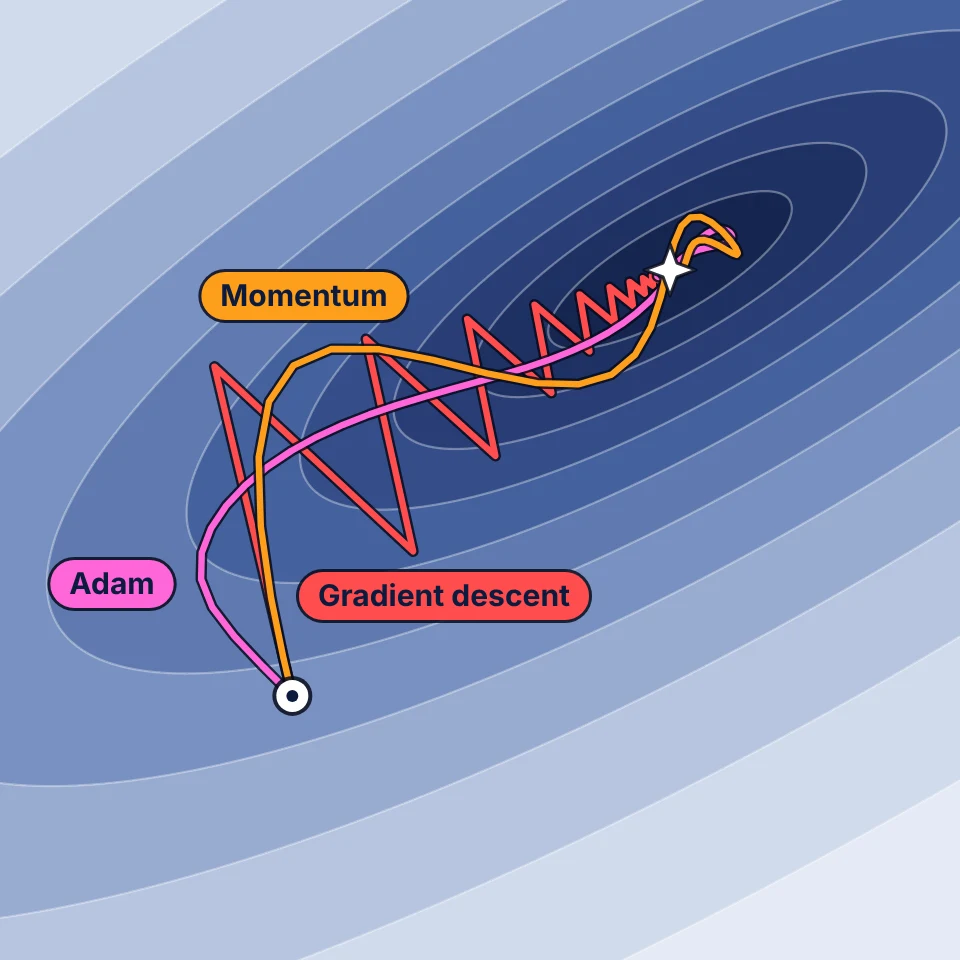
Watch gradient descent, momentum, Nesterov, RMSProp and Adam race downhill on a loss surface from a start point you drag. Zigzag in a narrow bowl, crawl along Rosenbrock's valley, stall at a saddle point, pick one of Himmelblau's four minima, get trapped in Rastrigin's local minima and push the learning rate until it diverges.
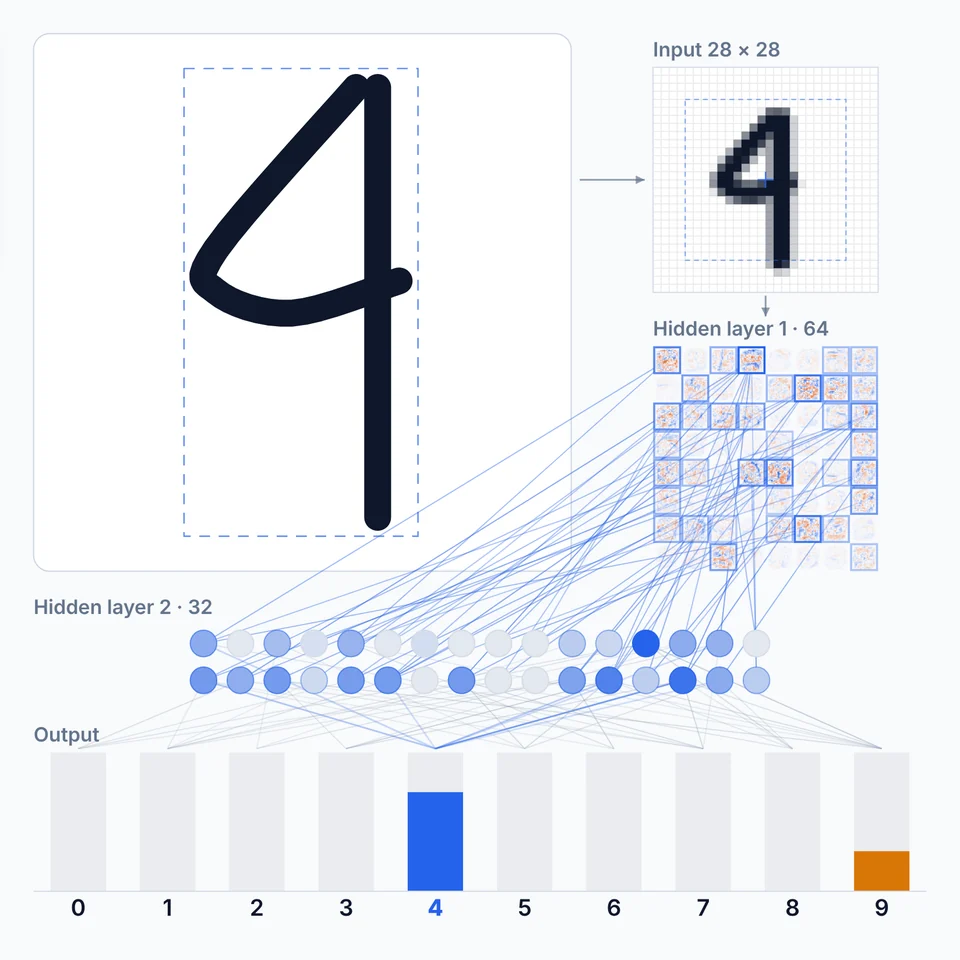
Draw a digit from 0 to 9 and watch a small neural network trained on MNIST read it: see your drawing shrink to the 28 × 28 input, the hidden layers light up as their learned weight images, and the probability of every digit. Try a 4 that looks like a 9 and a 1 that looks like a 7.
Watch an agent learn by trial and error in a grid world you paint: Q-learning, SARSA, Expected SARSA and value iteration, with ε, α and γ, a value heat map, policy arrows and a reward chart. See SARSA take the safe path on the cliff while Q-learning walks the edge.
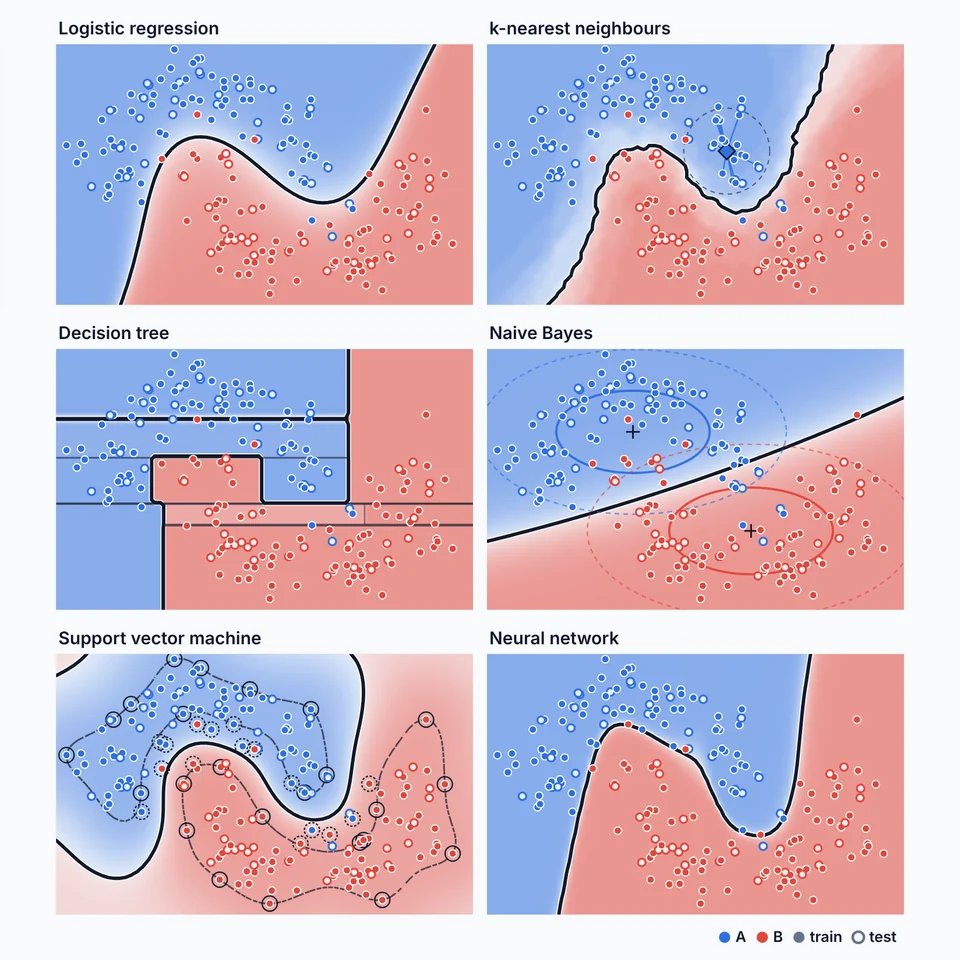
Watch six classifiers learn the same points and see where each draws its decision boundary: logistic regression, k-nearest neighbours, a decision tree, naive Bayes, an SVM with support vectors and a small neural network, on moons, circles, spirals, XOR and blobs, with train and test accuracy.
Developer Tools
Developer tools help programmers read, check, and share code and data. Format and validate JSON, test regular expressions, send API requests, build SQL queries, and keep your code snippets in one place.
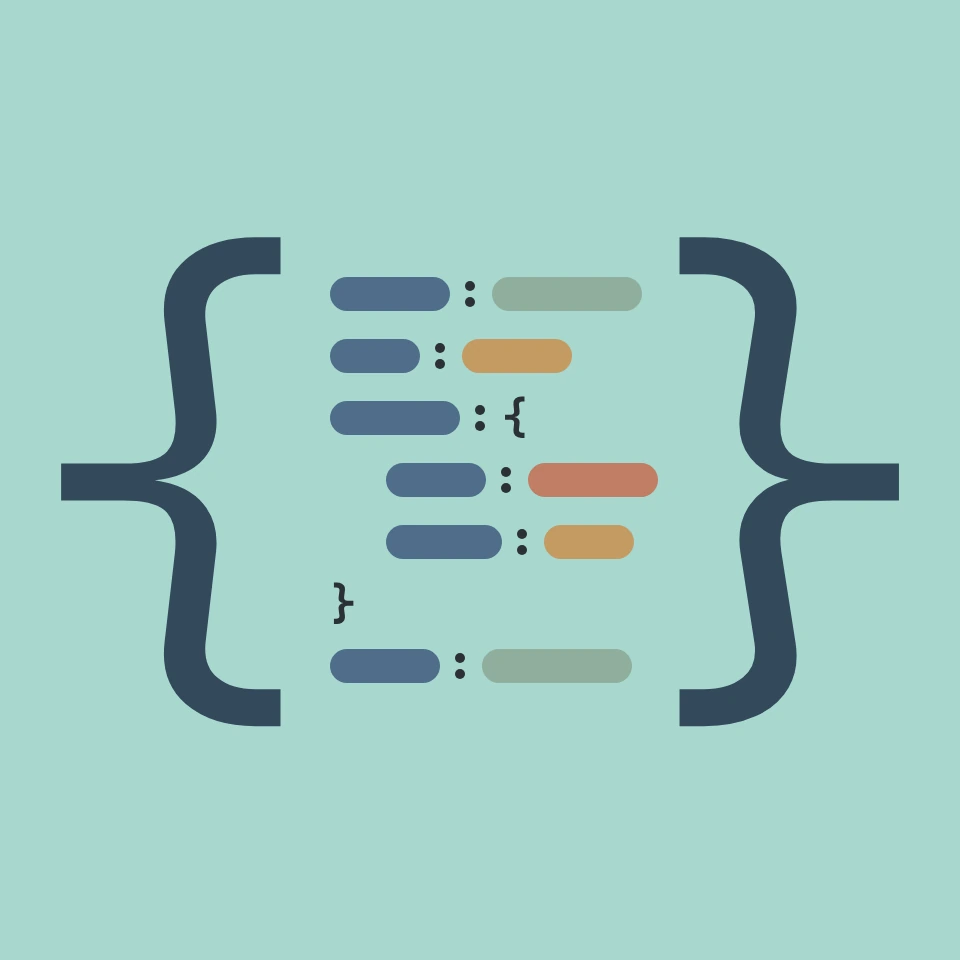
A free JSON formatter and validator: beautify or minify JSON, find the exact line and column of an error, sort keys, browse a collapsible tree, copy paths and convert arrays to CSV, all in your browser.

A free online regex tester: see every match and capture group as you type, try a replacement with $1 or $<name>, split text, and read your pattern explained piece by piece, with JavaScript flags and examples.
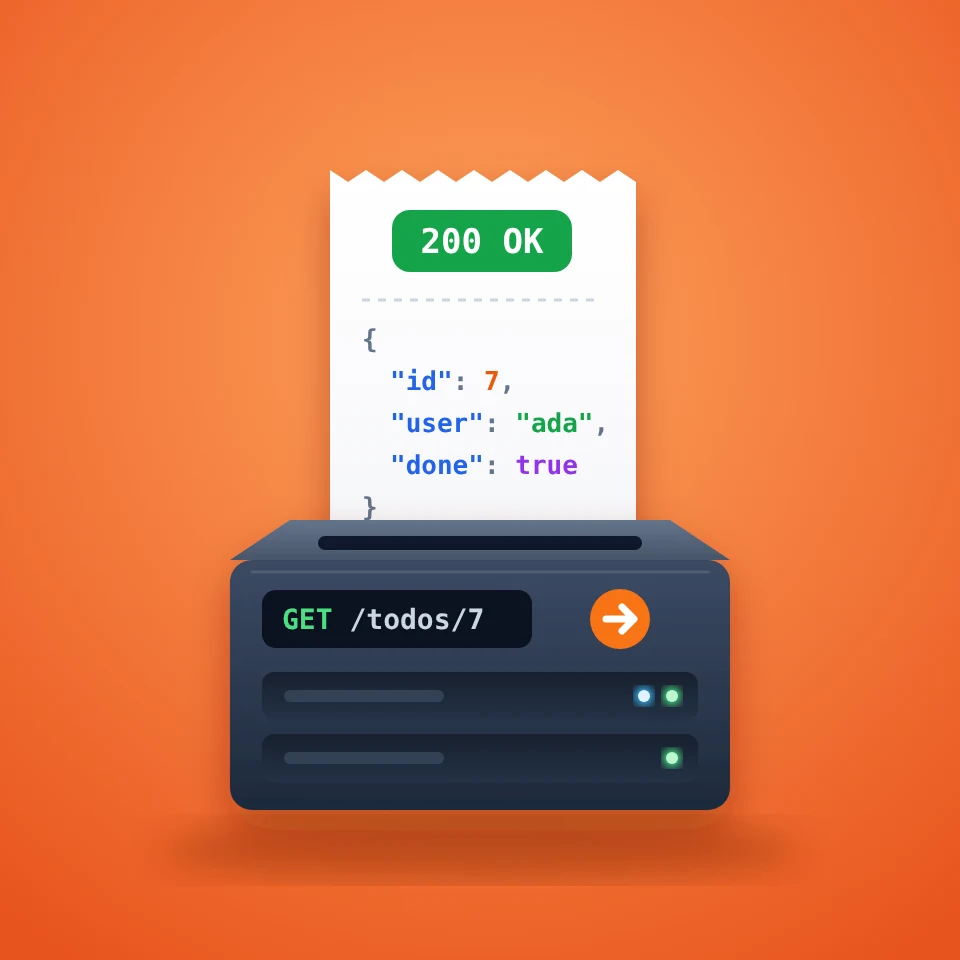
A free online API tester: send GET, POST, PUT, PATCH and DELETE requests from your browser with query parameters, headers, a JSON body and auth, then read the status, time, headers and formatted response.
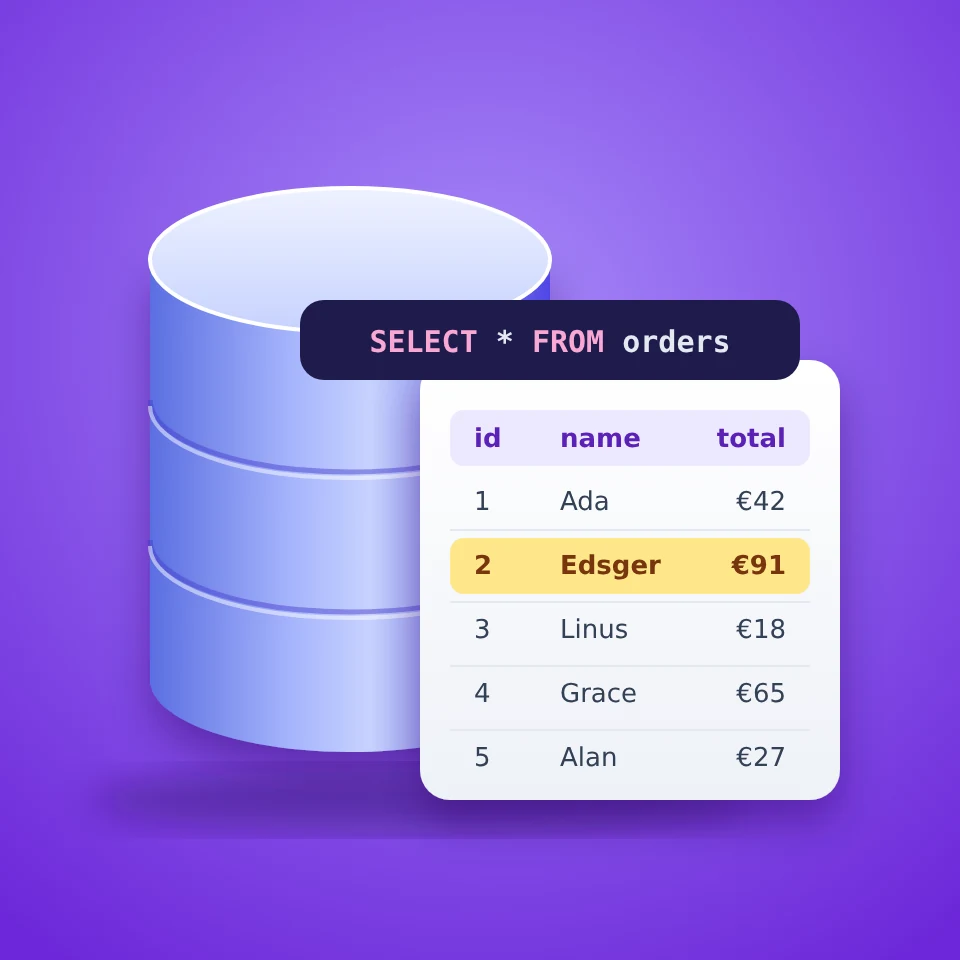
A free visual SQL query builder: pick tables, columns, joins, filters, grouping and sorting, get formatted SQL for MySQL, PostgreSQL, SQLite or SQL Server, and run it on sample data or your own CSV in the browser.
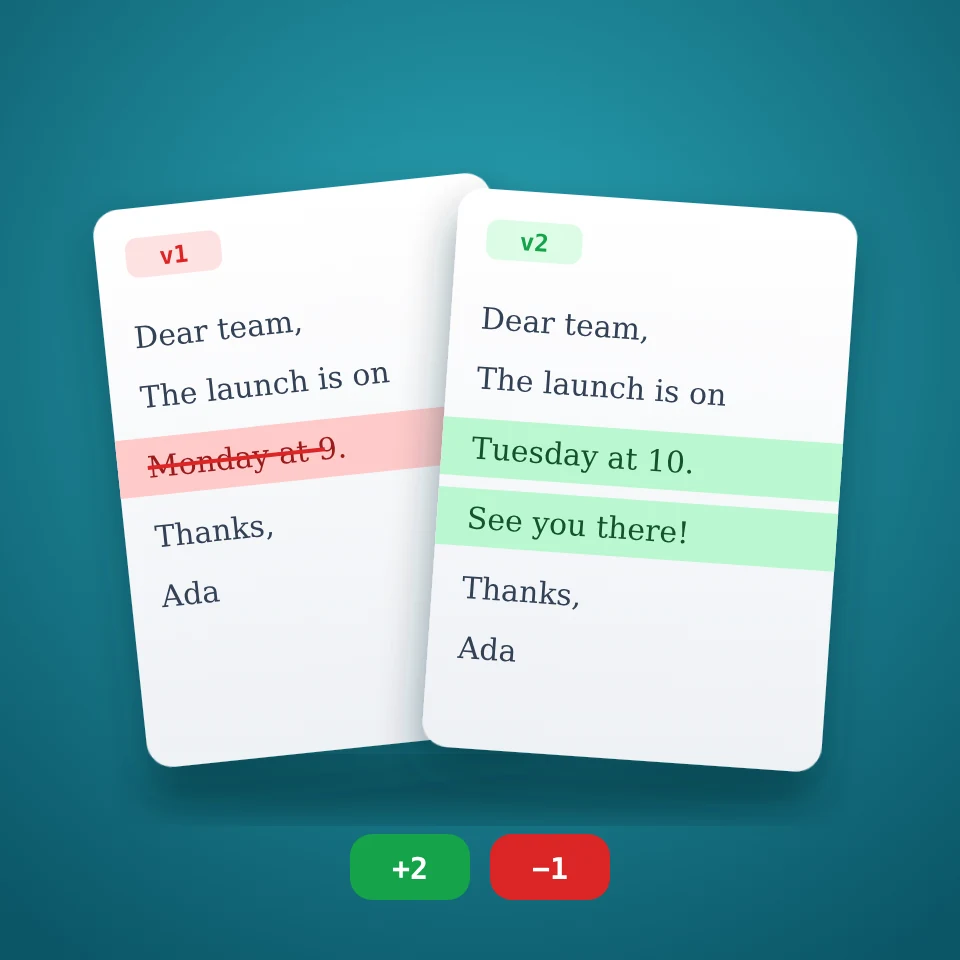
A free text diff checker: compare two texts or files side by side or inline, see added, removed and changed lines with the changed words marked, ignore case or whitespace, and copy a unified diff.
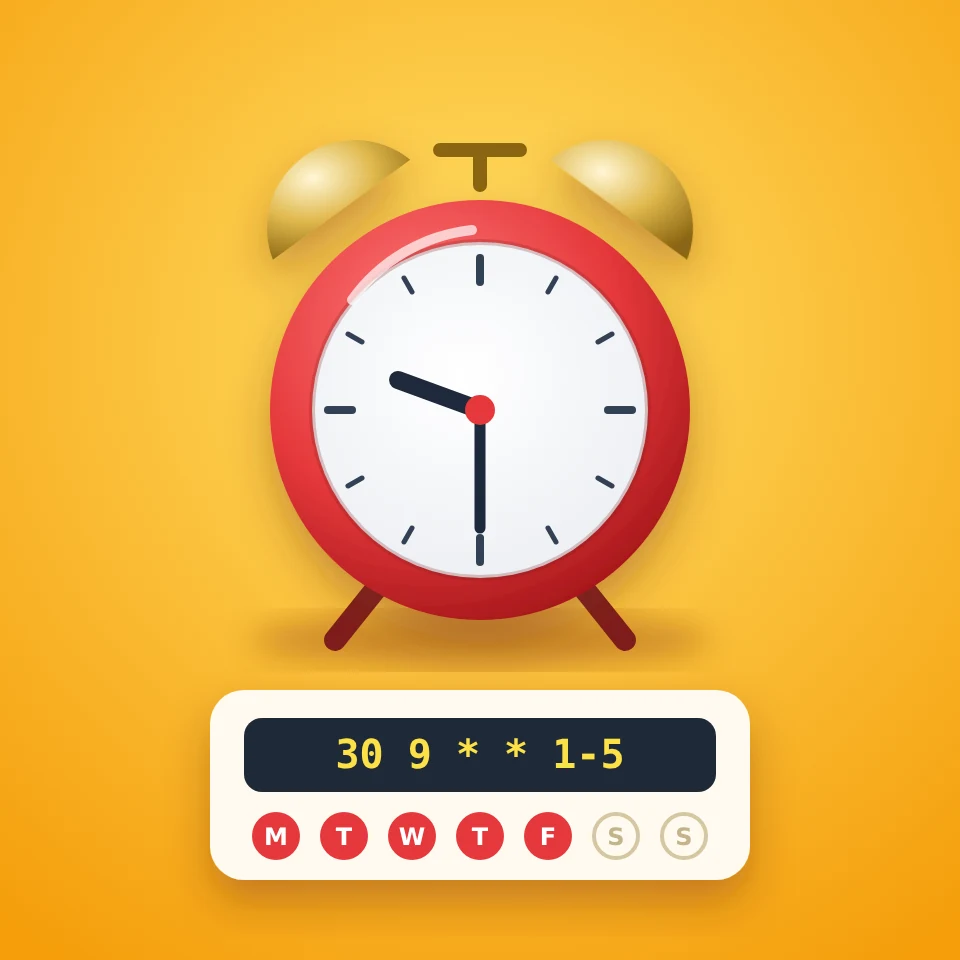
A free cron expression builder: pick minutes, hours, days and months or paste an expression, read it in plain words, check each field and see the next 10 run times in your time zone.

A free code snippet manager in your browser: save snippets with a title, language and tags, search and filter them, read them with syntax highlighting, copy them in one click, and export or import the library as JSON.
Encoding & Formats
Encoding turns data into a form that survives the trip: text into Base64 or a URL, a login into a signed token, a moment into a number. Encode and decode, convert between data formats, and generate unique IDs.
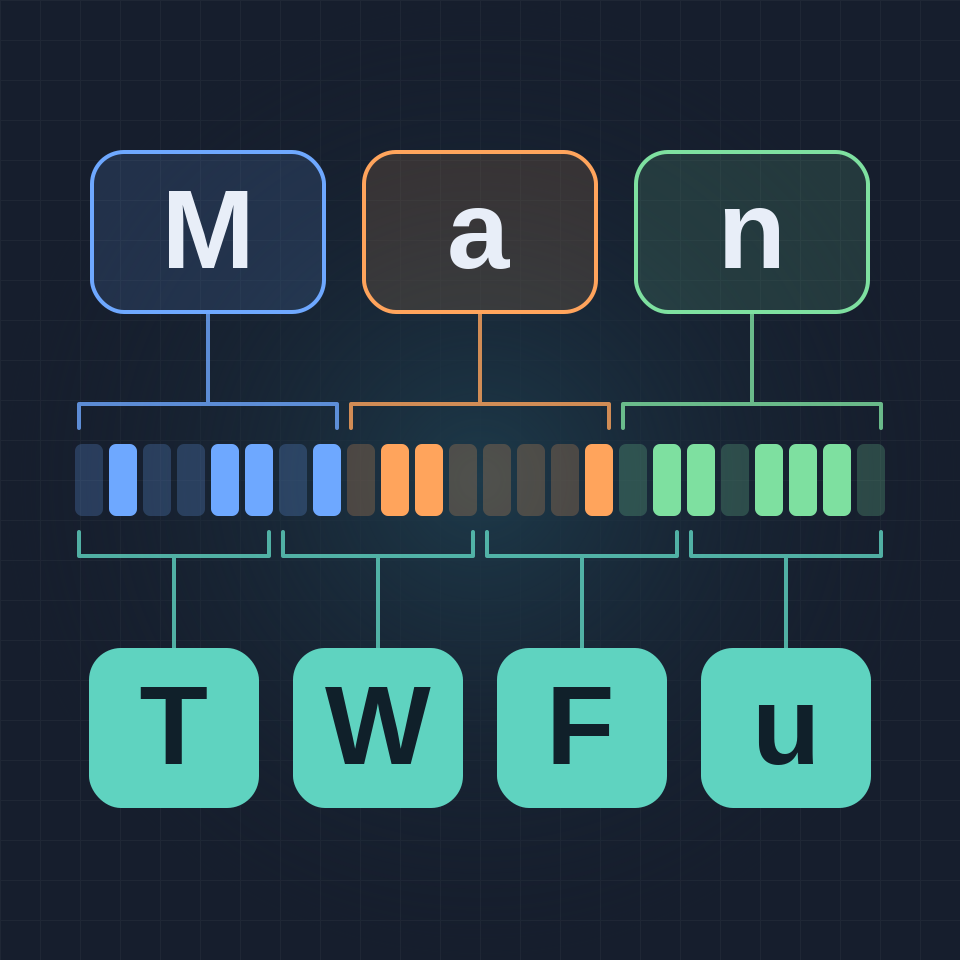
A free online Base64 encoder and decoder: convert text to Base64 and back as you type, with UTF-8, URL-safe Base64, padding, MIME line breaks, files to data URIs and a preview of decoded images.
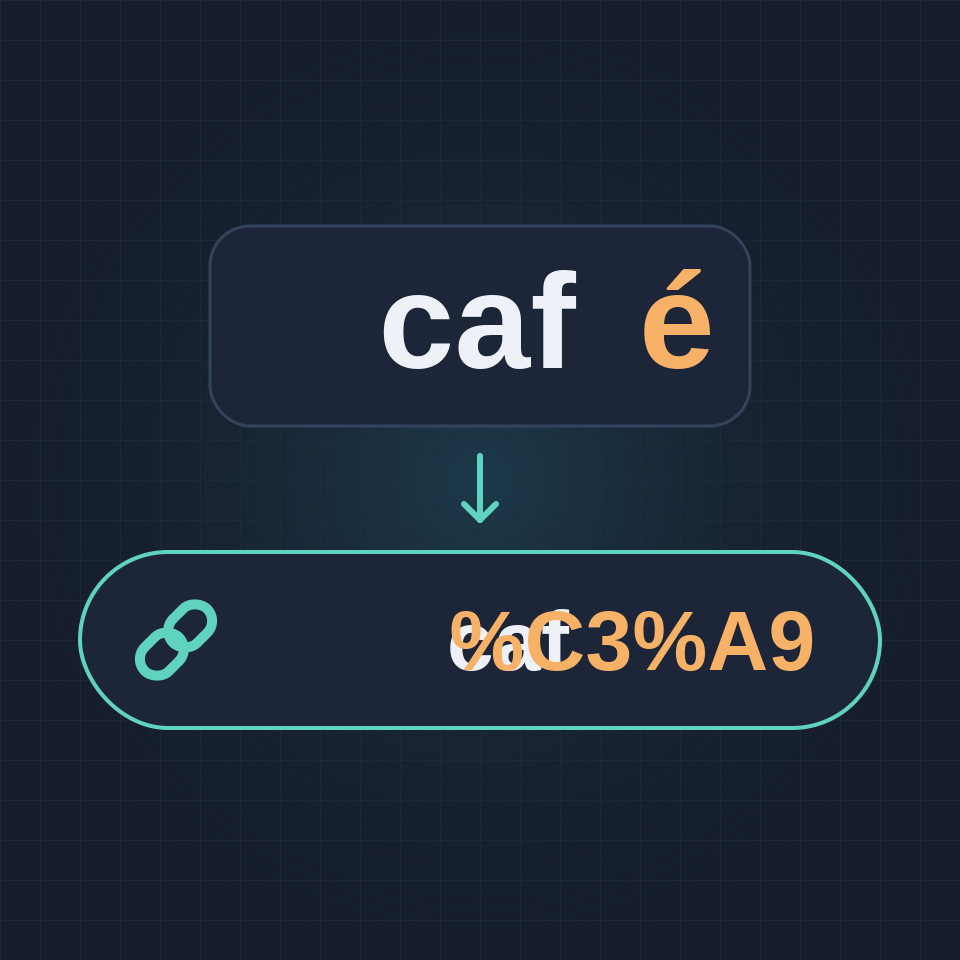
A free URL encoder and decoder: percent-encode text for a query value, a whole URL or form data, decode it back with errors pointed out, see each character's UTF-8 bytes, and take a URL apart.

A free JWT decoder: paste a JSON Web Token to read its header and payload, see the claims explained and when it expires, and verify an HS256, HS384 or HS512 signature with your secret, all in your browser.
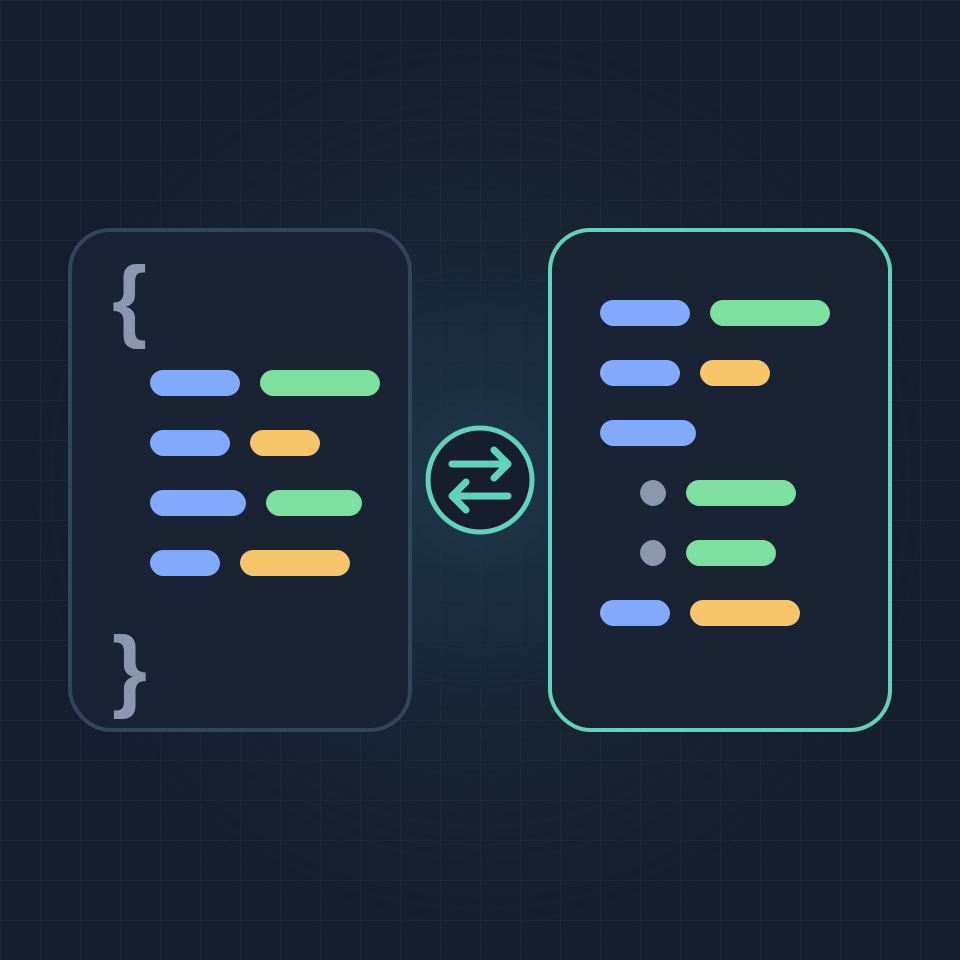
A free data format converter: convert between JSON, YAML, XML and CSV as you type, in your browser, with errors shown at their line and column, a choice of indent, sorted keys, and copy or download.
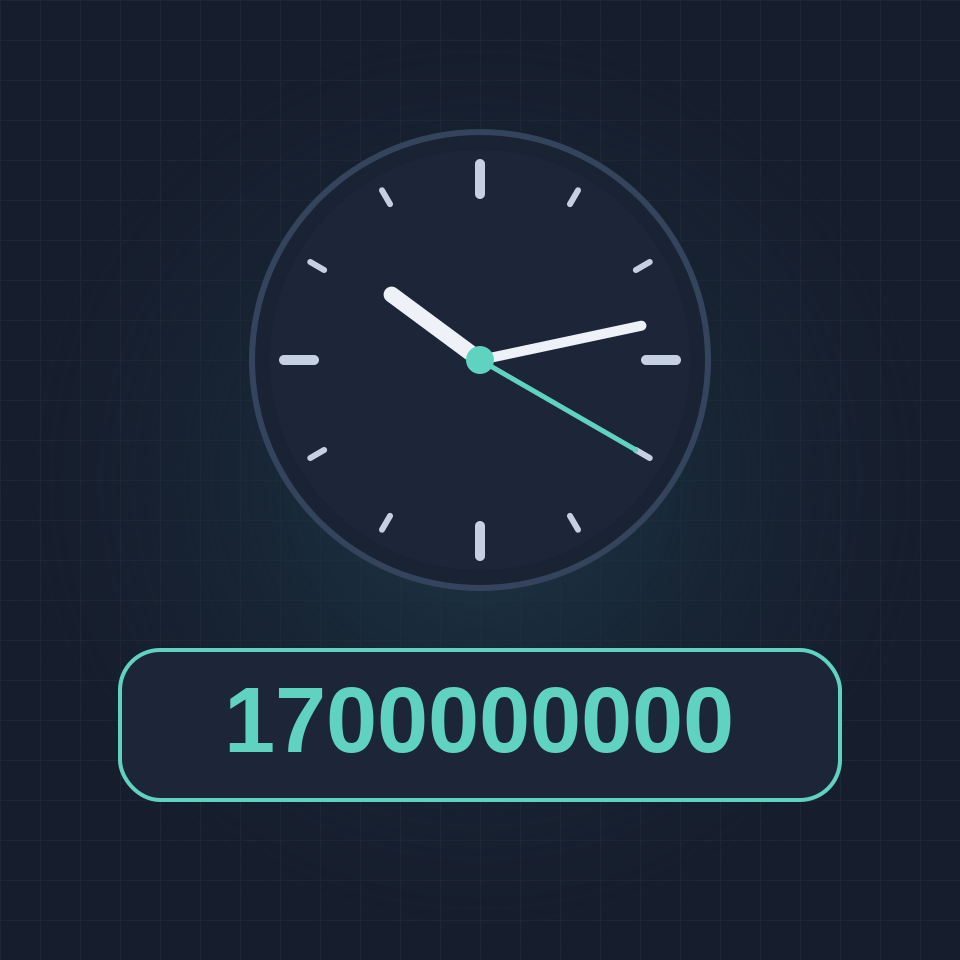
A free Unix timestamp converter: turn epoch time in seconds, milliseconds, microseconds or nanoseconds into a date in UTC, your local time or any time zone, and dates back into timestamps, with a live clock.
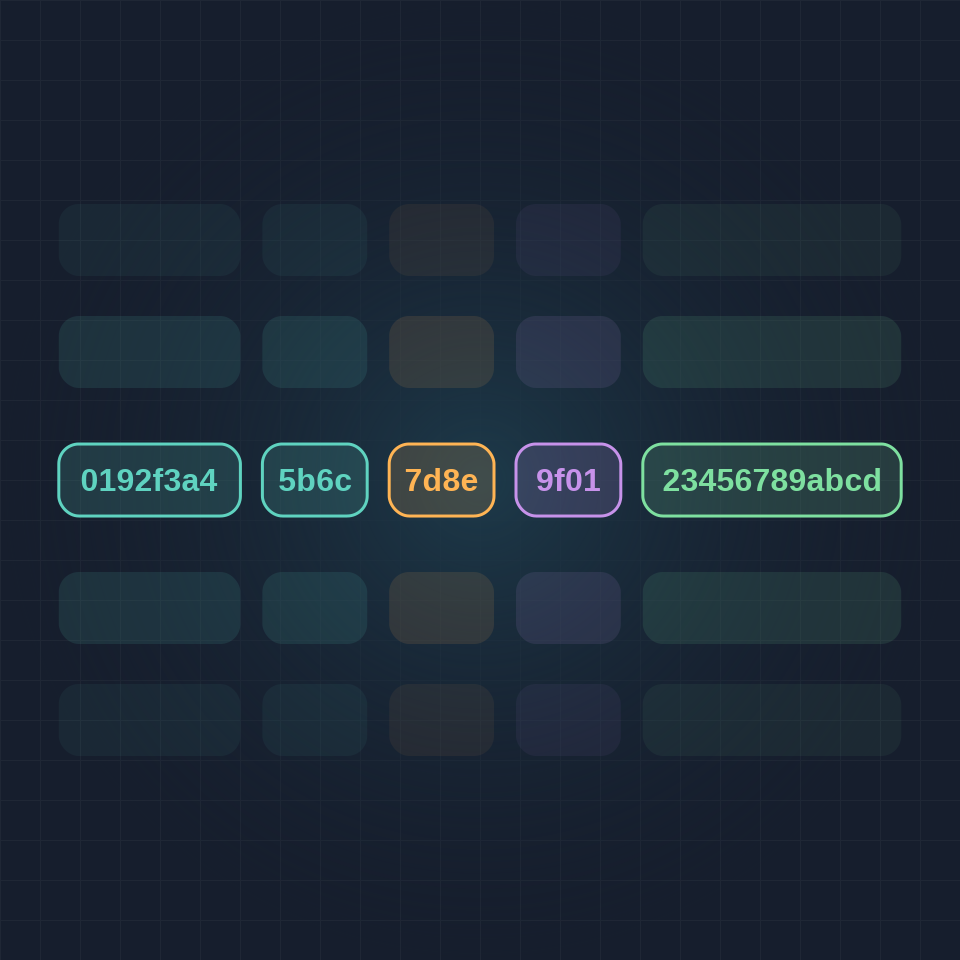
A free UUID generator: make random version 4 or time-ordered version 7 UUIDs, up to 1000 at once and in any format, and inspect any UUID or GUID for its version, variant, timestamp and bits.