
Impressionism
Read more about Impressionism—the movement of Monet, Renoir, Degas, Pissarro, Sisley and Morisot, who left the studio to paint passing light, colour and modern life in quick, visible brushstrokes—and turn a photo into a water-lily pond, a misty sunrise, a poppy field, a Renoir afternoon, a Degas pastel or a Morisot sketch in PictorX.
What is Impressionism?
Impressionism is the style of painting that grew up in France in the 1860s and 1870s around Claude Monet, Pierre-Auguste Renoir, Camille Pissarro, Alfred Sisley, Edgar Degas and Berthe Morisot. Instead of polished history scenes painted in the studio, they painted the world around them—boulevards and railway stations, cafés and dance halls, gardens, rivers and the seaside—and tried to catch a passing moment: the light of one hour, the shimmer of water, a gust of wind in the grass. Their pictures are made of quick, visible strokes of bright colour that look rough up close and come together into light and air when you step back.
Paris 1874: the first exhibition
In 19th-century France an artist's career depended on the Salon, the official exhibition in Paris, whose jury preferred smooth, finished pictures of history, myth and religion. In 1863 so many works were rejected that Emperor Napoleon III allowed a Salon des Refusés, where crowds laughed at Édouard Manet's Le Déjeuner sur l'herbe. Tired of rejection, Monet, Renoir, Degas, Pissarro, Sisley, Morisot, Cézanne and others formed their own cooperative society and, on 15 April 1874, opened an independent exhibition in the former studio of the photographer Nadar at 35 boulevard des Capucines. Around thirty artists showed more than 160 works. Ten days later the critic Louis Leroy mocked the show in the satirical paper Le Charivari under the title “The Exhibition of the Impressionists”—and the joke became the name of the movement. It was the first of eight group exhibitions held until 1886.
Impression, Sunrise
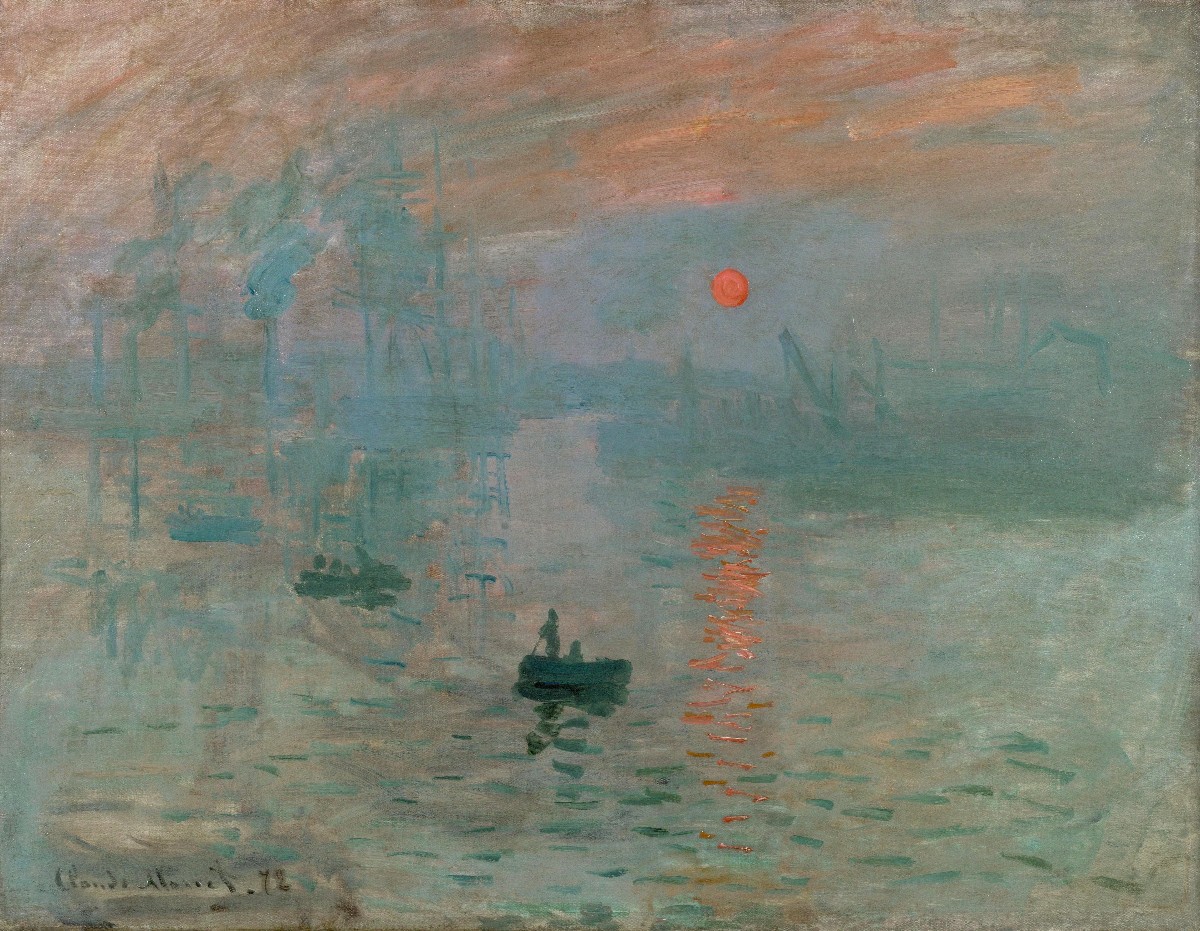
The painting that gave the movement its name is Monet's Impression, Sunrise, a view of the harbour of Le Havre dated 1872. In a grey-blue morning mist the shapes of ships, cranes and chimneys dissolve; in front, small rowing boats are dark silhouettes, and an orange sun sends a broken streak of reflection across the water. It was painted quickly, wet into wet, with thin washes and a few strokes of pure colour. When he was asked for a title for the catalogue, Monet later recalled, the picture could not really pass as a view of Le Havre, so he said: “Put Impression.” Leroy turned the word into an insult. Today the painting hangs in the Musée Marmottan Monet in Paris; it was stolen in 1985 and recovered in 1990.
Painting in the open air
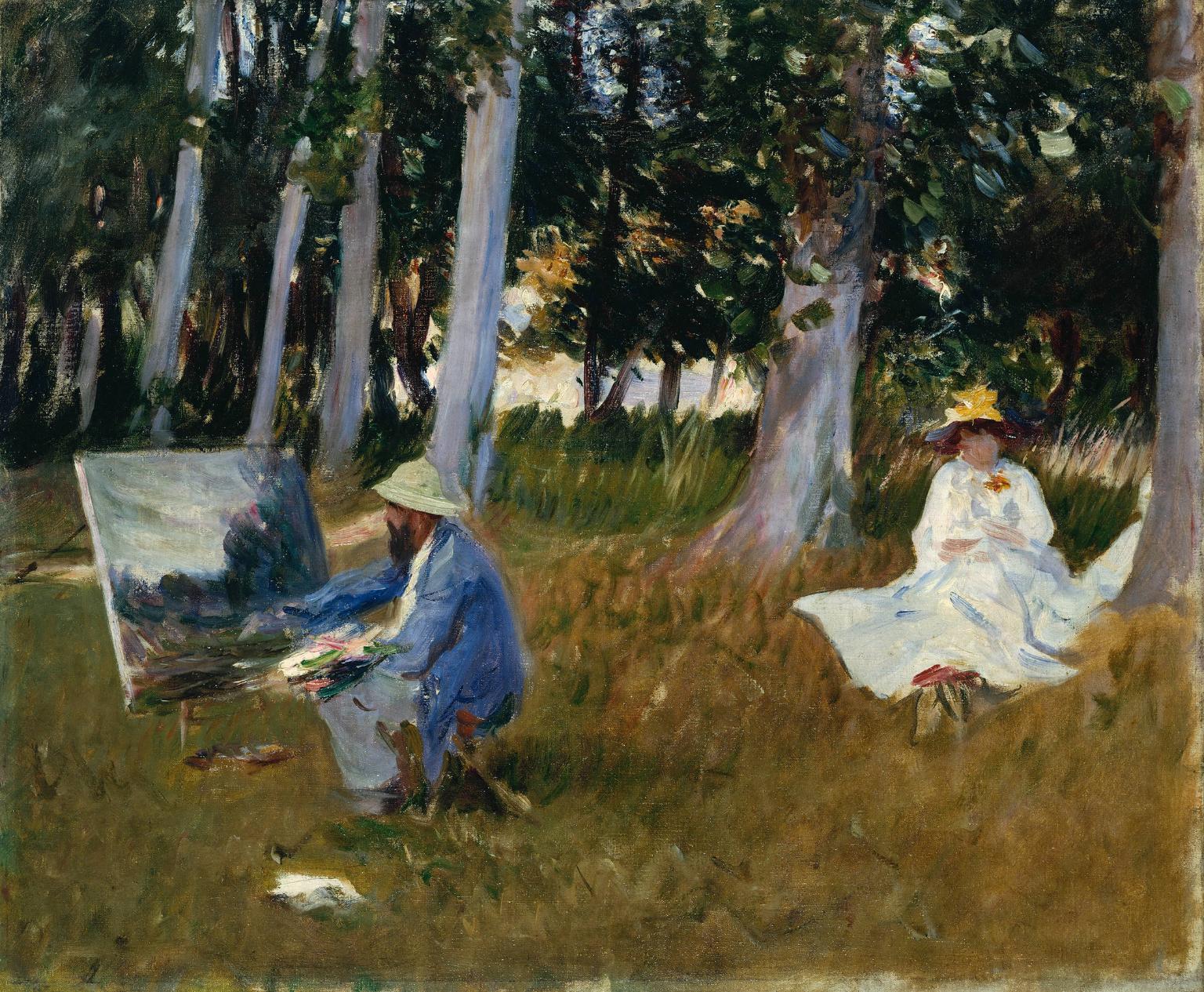
The Impressionists did not invent painting outdoors, but they made it their way of working. Two inventions helped: the collapsible metal paint tube, patented by the American portrait painter John Goffe Rand in 1841, and the light, folding box easel. Paint no longer had to be ground and mixed in the studio, and the new railways carried painters from Paris to the riverbanks of Argenteuil and Bougival, the forest of Fontainebleau and the coast of Normandy. Renoir is said to have told his son that without colours in tubes there would have been no Cézanne, no Monet, no Sisley or Pissarro and no Impressionism. Working en plein air meant working fast before the light changed—sometimes on several canvases in turn—which is one reason for the loose, sketch-like brushwork. Monet's Poppies (1873), a summer field near Argenteuil with his wife Camille and son Jean walking through red flowers, was shown at the 1874 exhibition.
Monet's water lilies at Giverny
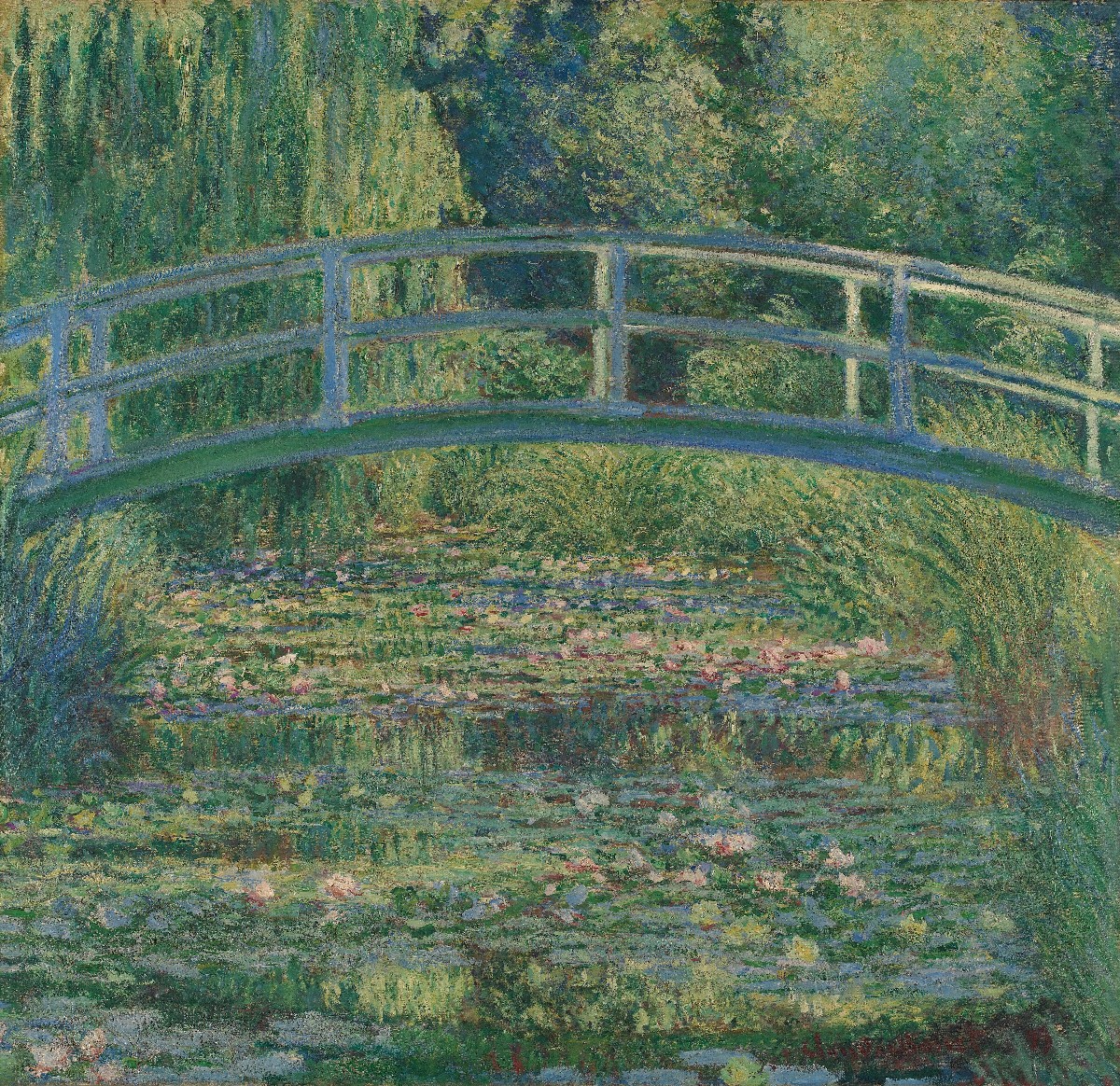
Monet painted the same subject again and again at different hours and seasons to show how light changes it: the Haystacks (1890–91), the Poplars and the façade of Rouen Cathedral (1892–94). In 1883 he settled at Giverny, a village on the Seine, and from 1893 he dug a pond, diverted a stream, planted willows, irises and water lilies and built a green Japanese footbridge. For the last thirty years of his life the water garden was his main subject: he painted some 250 pictures of water lilies, in which the horizon disappears and the canvas becomes only water, flowers and the reflections of sky and trees. Even as cataracts clouded his sight he worked on huge panels, the Grandes Décorations, which he gave to the French state; they were installed in two oval rooms at the Musée de l'Orangerie in Paris and opened to the public in 1927, a few months after his death.
Renoir: light through the leaves
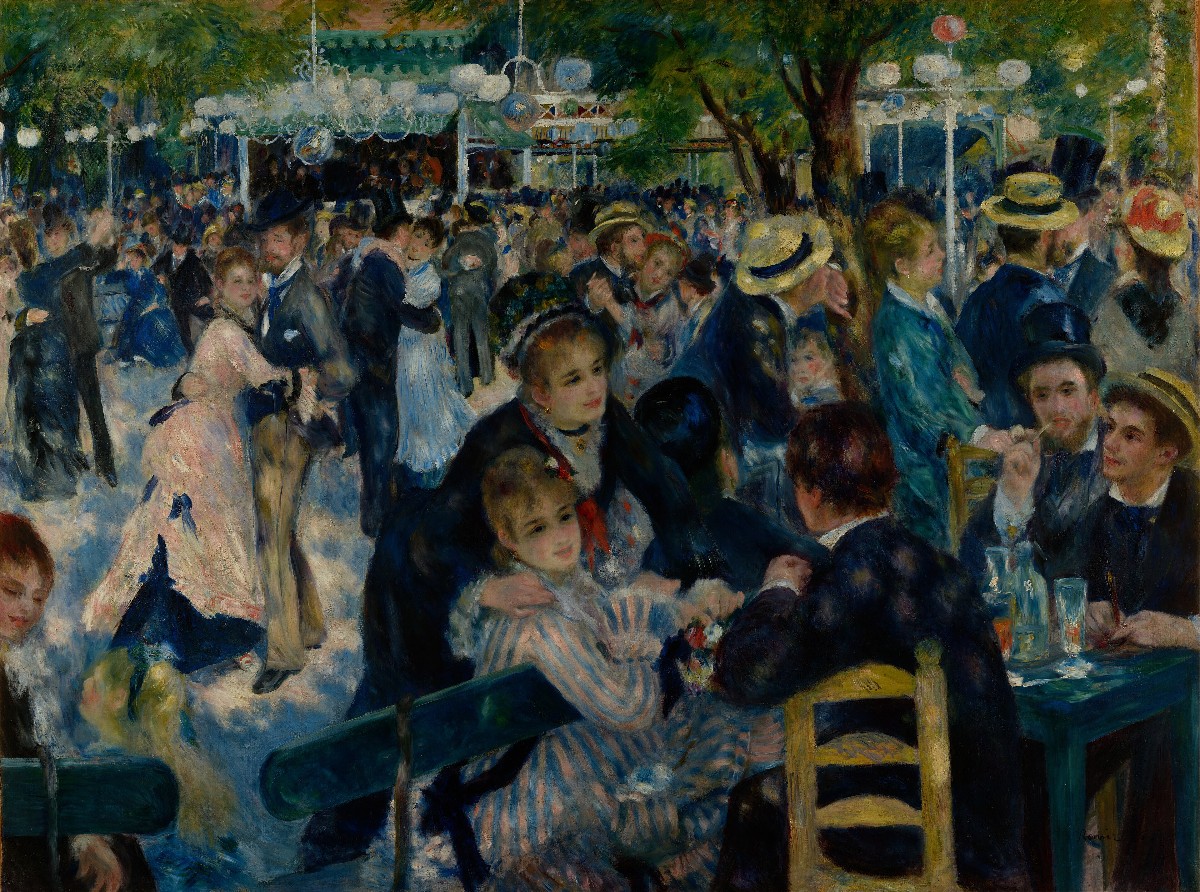
Pierre-Auguste Renoir started out as a painter of porcelain and loved painting people more than landscapes. His Bal du moulin de la Galette (1876) shows a Sunday afternoon dance in Montmartre, with sunlight falling through the trees in round patches on hats, faces and jackets; Luncheon of the Boating Party (1880–81) shows his friends on a restaurant terrace by the Seine. Renoir painted skin in warm pinks, peaches and creams, with soft, feathery strokes and shadows in blue and violet instead of brown. Not everyone liked it: in 1876 a critic in Le Figaro complained that one of his nudes looked like decomposing flesh covered in green and violet spots—which is simply how dappled sunlight looks. Late in life, crippled by rheumatoid arthritis, he kept painting at Cagnes-sur-Mer with the brush placed between his stiffened fingers.
Degas: dancers and the stage
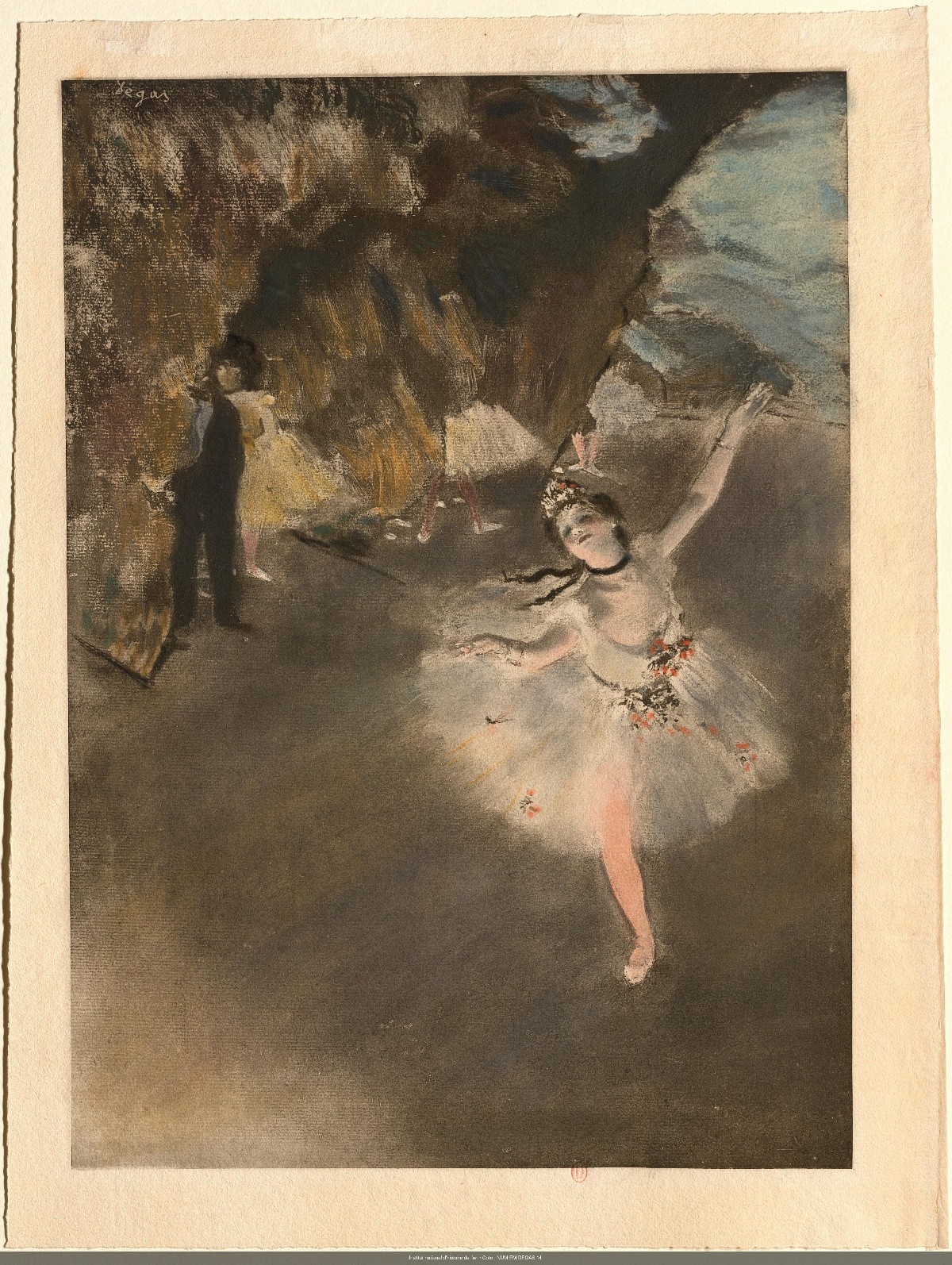
Edgar Degas helped to organise the Impressionist exhibitions and showed at seven of the eight, but he disliked the name, called himself a realist and rarely painted outdoors. His world was the city indoors: cafés, laundries, milliners' shops, the racecourse and above all the ballet of the Paris Opéra, which he drew and painted hundreds of times—dancers rehearsing, stretching, waiting and bowing in the glare of the footlights. Degas worked from memory and drawings, cropped his scenes like a snapshot or a Japanese print, and looked down from a box or up from the orchestra pit. He was a master of pastel, building colour in layers of strokes and hatching over strong contour lines, as in L'Étoile (The Star), and used it more and more as his eyesight weakened. His wax sculpture Little Dancer Aged Fourteen caused a scandal at the 1881 exhibition.
Berthe Morisot and the women Impressionists
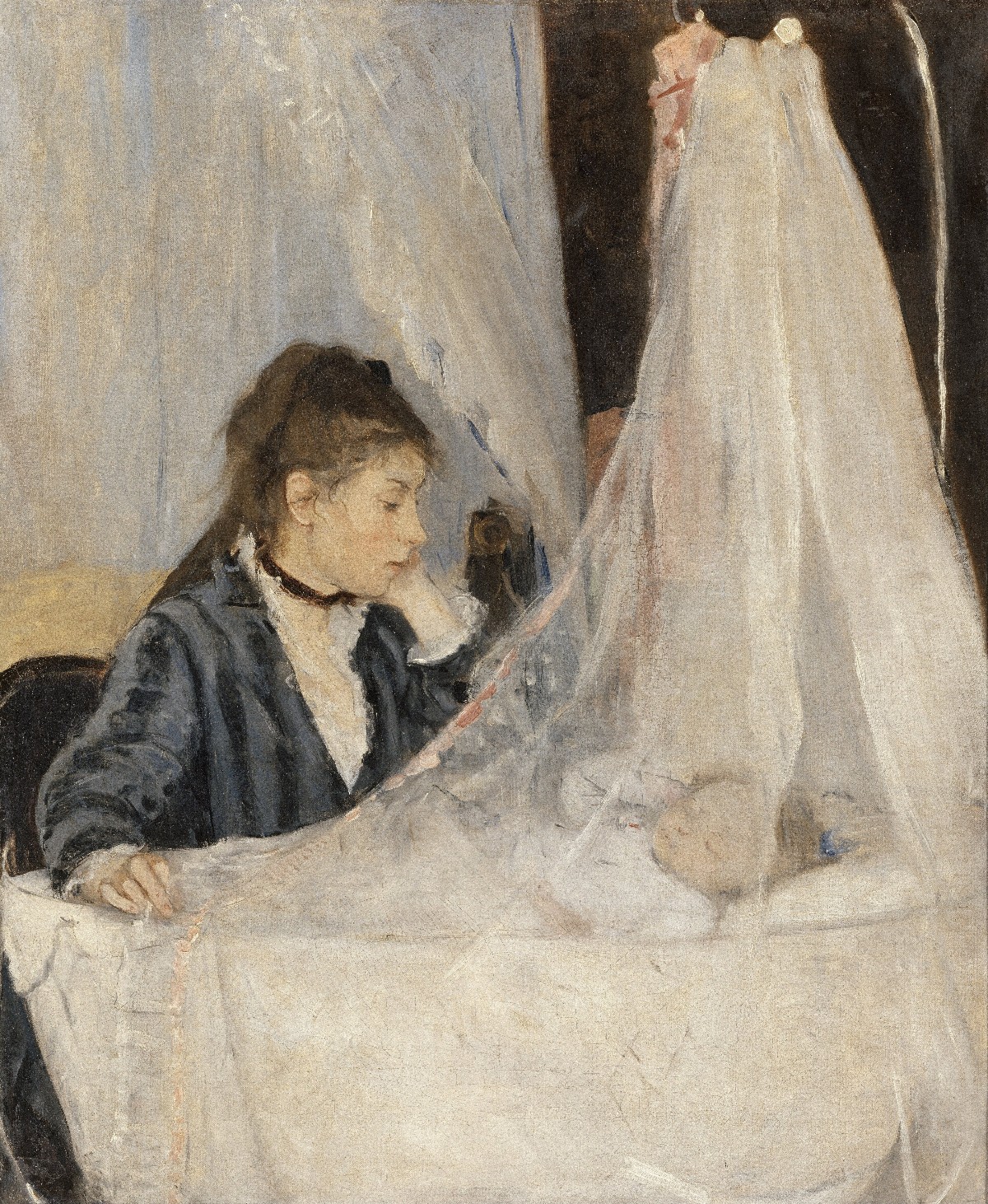
Berthe Morisot was a founding member of the group and showed at every Impressionist exhibition but one—she missed 1879, the year after her daughter Julie was born. Women could not study at the École des Beaux-Arts and could not easily paint alone in cafés or on the boulevards, so she painted the life she knew: mothers and children, women dressing, gardens, balconies and holidays by the sea. Her Cradle (1872), in which her sister Edma watches over her sleeping baby, hung in the 1874 exhibition. Morisot's brushwork is the quickest and lightest of all the Impressionists: long zigzag and slashing strokes in white, pale pink, blue and green, with corners and edges left unfinished. In 1874 she married Eugène Manet, Édouard's brother. The American Mary Cassatt, invited by Degas, joined the group in 1879, and Marie Bracquemond showed with them too.
Broken colour and coloured shadows
The Impressionists changed how a picture is built. They painted on canvases primed in white or pale grey instead of dark brown, so that light seemed to come from within. They laid strokes of fairly pure colour side by side—“broken colour”—instead of blending them smoothly, so that the touches mix in the eye and seem to vibrate. They knew the colour theory of the chemist Michel-Eugène Chevreul, who showed that colours placed next to each other change one another, and they set complementary colours together: orange against blue, red against green. Shadows were no longer brown or black but blue, violet or green, coloured by the sky and the light around them; Monet and Pissarro avoided black almost entirely. New, bright pigments—cobalt blue, synthetic ultramarine, chrome yellow, emerald green and viridian—made it possible. Paint was used thickly, wet into wet, and every stroke stayed visible.
From scandal to the world's favourite art
For years the Impressionists were poor and mocked, and they survived thanks to a few supporters: the dealer Paul Durand-Ruel, who bought their pictures in bulk and in 1886 took about 300 of them to New York, where American collectors were quicker to buy than the French; and the painter Gustave Caillebotte, who bought his friends' works and left his collection to the French state, which, after much argument, accepted only part of it. Camille Pissarro, the father figure of the group, was the only one to show at all eight exhibitions. At the last one, in 1886, Georges Seurat showed the dots of Pointillism, and soon Paul Cézanne, Vincent van Gogh and Paul Gauguin—later called the Post-Impressionists—pushed colour and form further still. Impressionism opened the way to almost all modern art, and today it is among the best-loved art in the world: the Musée d'Orsay in Paris holds the largest collection, and in 2019 one of Monet's Haystacks sold at auction for 110.7 million dollars.
A digital homage in PictorX
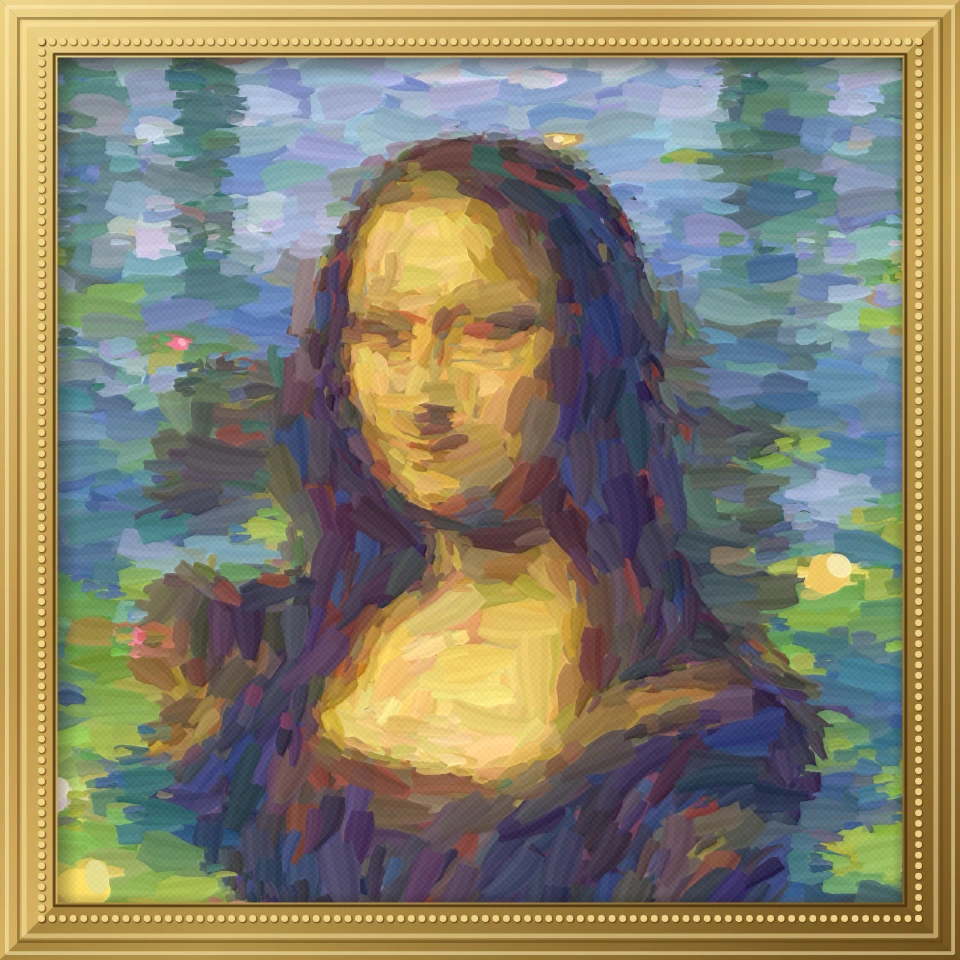
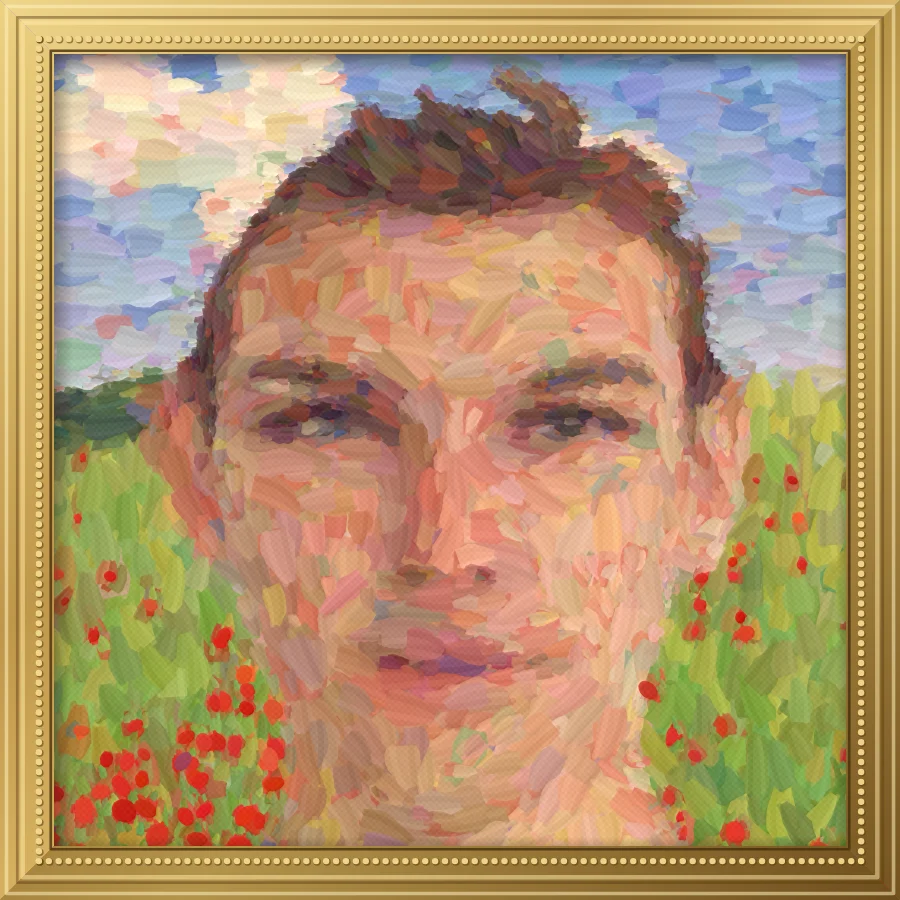
PictorX Impressionism is a filter inspired by Monet's water lilies, Impression, Sunrise and poppy fields, Renoir's dappled light, Degas's pastel dancers and Morisot's quick, airy brushwork. It imitates the way an Impressionist picture is built: layers of tapered brush dabs, from broad strokes to fine ones, that follow the shapes of your photo, broken colour, coloured shadows instead of black, thick paint on a canvas weave or pastel on paper, and an optional gilded frame. It is not a reproduction of any painting, not an AI copy of a masterpiece and not a claim of authenticity: each picture is made from your own photo. The originals are best seen in places such as the Musée d'Orsay, the Musée de l'Orangerie and the Musée Marmottan Monet in Paris, the National Gallery in London, the Art Institute of Chicago, the Metropolitan Museum of Art in New York and the Phillips Collection in Washington—and Monet's garden can still be visited at Giverny.
Make your own Impressionist painting in PictorX
Open the Impressionism effect, load a photo—a portrait or a landscape with a clear subject works best—and pick a Style: Water Lilies, Sunrise, Poppies, Renoir, Degas or Morisot. Choose a Palette—Daylight, Photo, Morning, Sunset or Twilight—then use Brush Size for the size of the strokes, Detail for how finely faces and edges are painted, Broken Colour for the touches of pure colour in each stroke, and Light for how strongly the warm light and the coloured shadows are painted. Turn the gilded Frame on or off, then export, or keep editing in PictorX.
Frequently asked questions
Why is it called Impressionism?
After Claude Monet's painting Impression, Sunrise (1872). At the first group exhibition in 1874 the critic Louis Leroy used its title to mock the whole show as “The Exhibition of the Impressionists”, and the painters soon took up the name themselves.
Who were the main Impressionist painters?
Claude Monet, Pierre-Auguste Renoir, Camille Pissarro, Alfred Sisley, Edgar Degas, Berthe Morisot, Mary Cassatt and Gustave Caillebotte. Édouard Manet inspired them but never showed at their exhibitions, and Paul Cézanne showed with them before going his own way.
What are the main features of an Impressionist painting?
Quick, visible brushstrokes; bright colours placed side by side instead of blended; coloured shadows instead of black or brown; everyday modern subjects; and above all the effect of light and atmosphere at one moment, often painted outdoors.
Where can I see Monet's water lilies?
The largest are the eight panels of the Grandes Décorations at the Musée de l'Orangerie in Paris. Other water-lily paintings hang in the Musée Marmottan Monet, the Musée d'Orsay, the National Gallery in London, the Museum of Modern Art in New York and many other museums, and the garden itself can be visited at Giverny.
Is the PictorX filter a real Impressionist painting?
No. It is a digital homage made from your own photo, not a copy of any painting. The original Impressionist pictures remain works of art in museums and collections.
Related tools
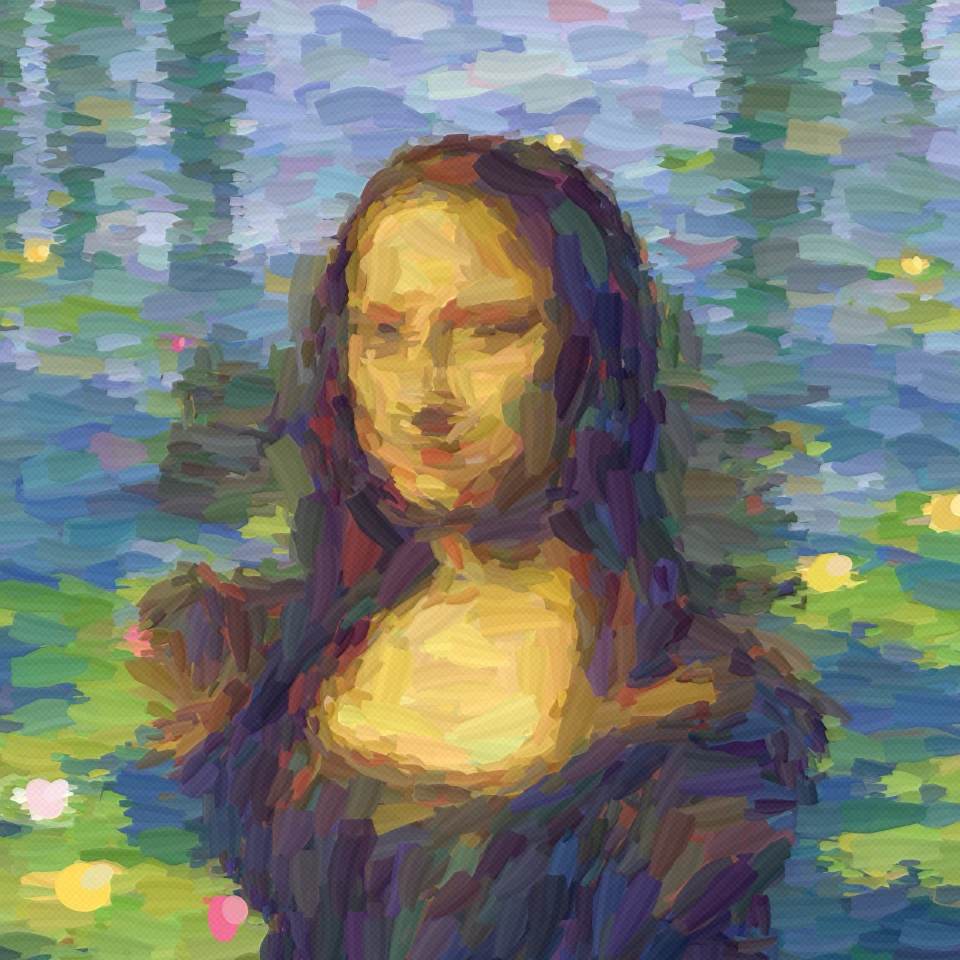
Impressionism photo filter
Turn a photo into an Impressionist painting in your browser: among Monet's water lilies, in the misty harbour of Impression, Sunrise or a field of poppies, in Renoir's dappled light, as a Degas pastel or with Morisot's quick strokes.
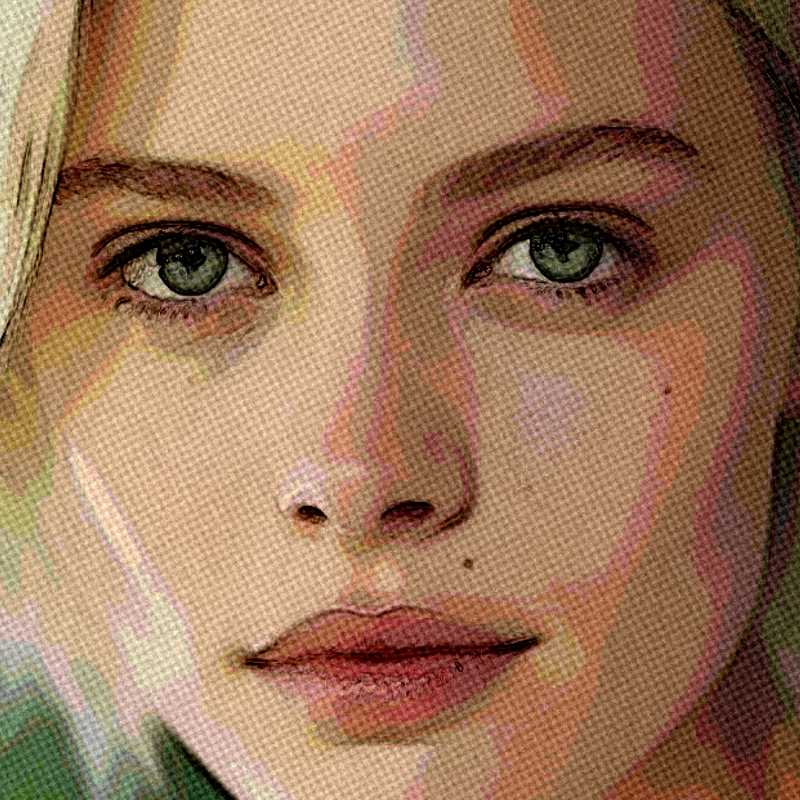
Artistic effects
Transform photos with oil painting, watercolor, pencil, comic ink, pastels, paper cut-out, and other studio art looks.
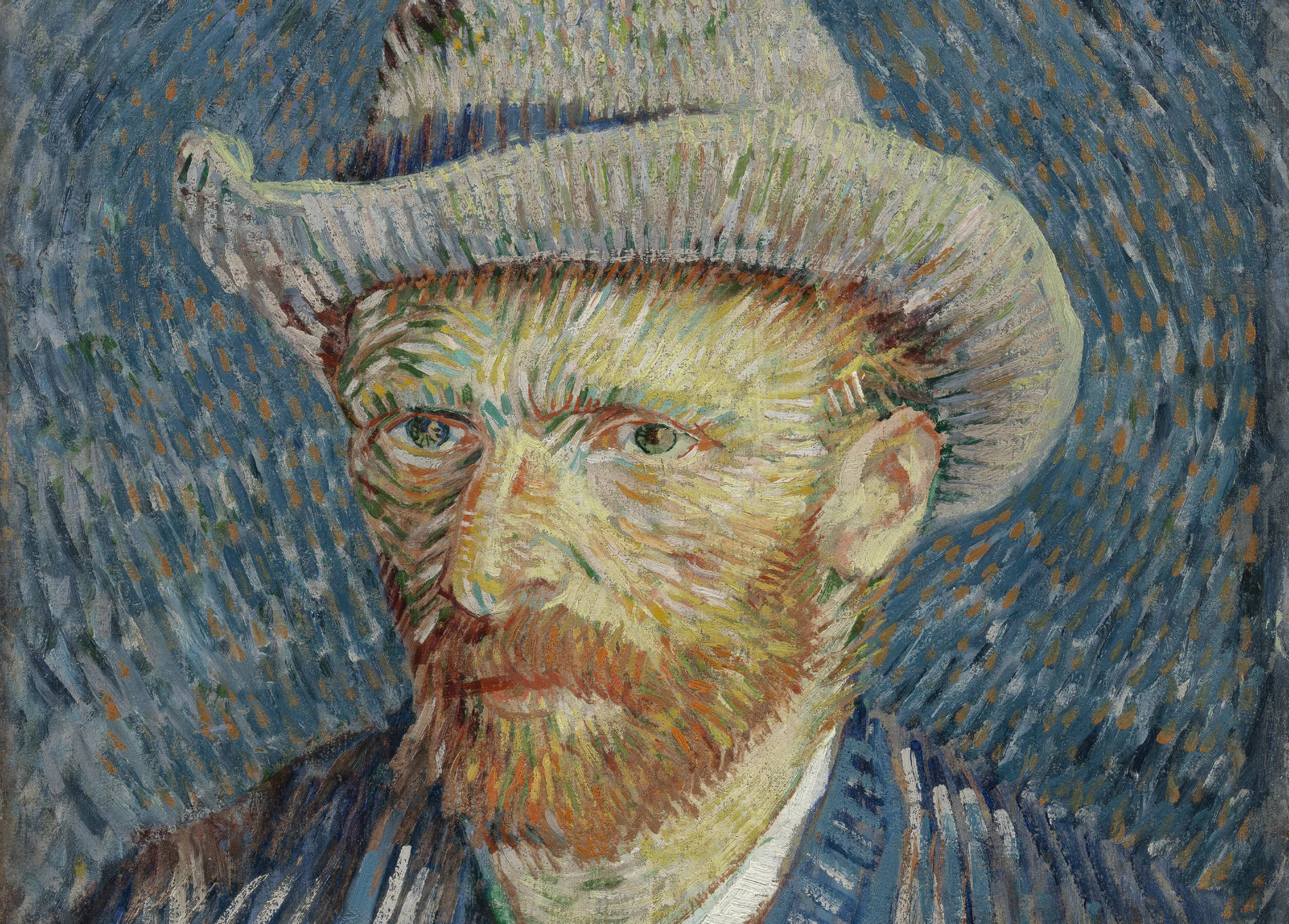
Vincent van Gogh
A short guide to Vincent van Gogh: Dutch Post-Impressionism, swirling brushwork, Starry Night and sunflowers, and a respectful digital homage you can try in PictorX.
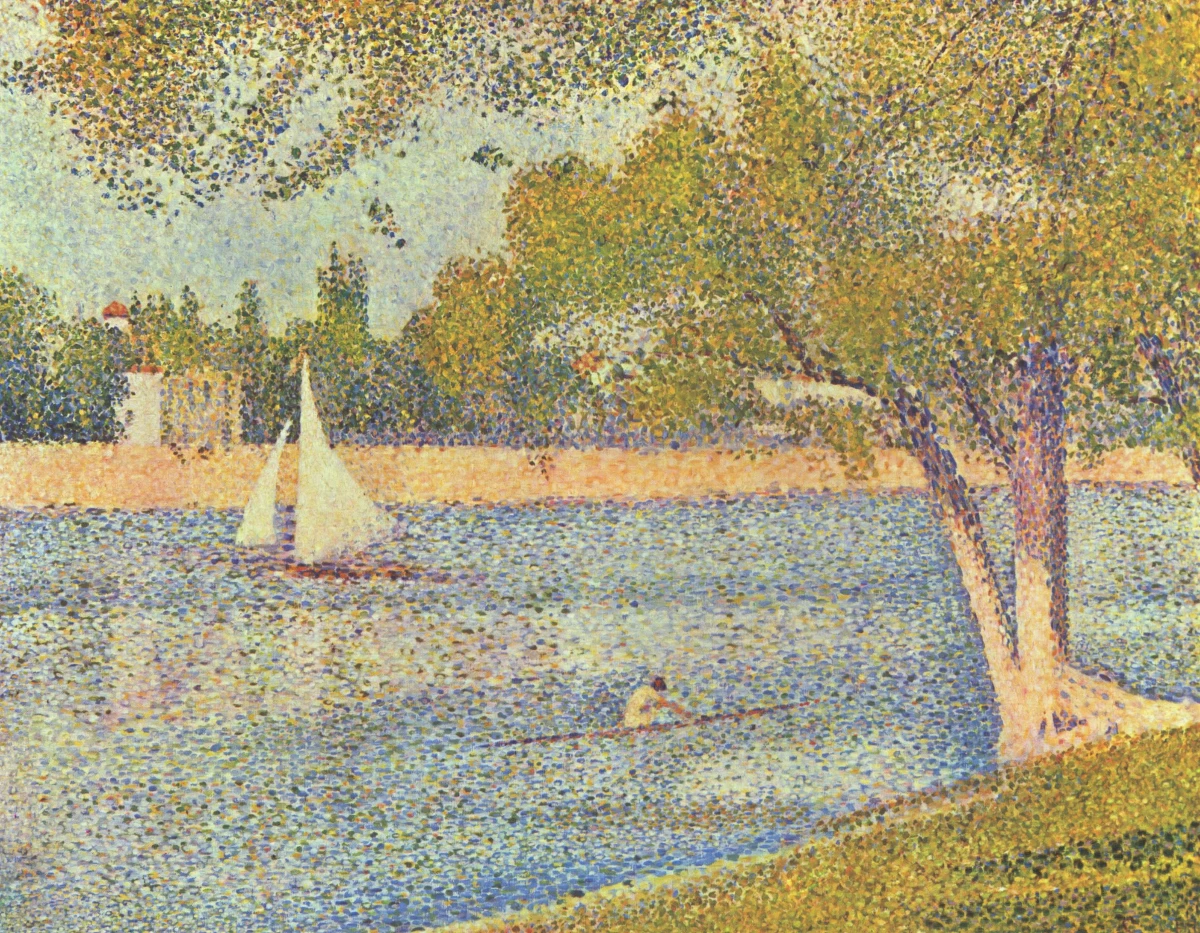
Pointillism
A short guide to Pointillism: Seurat and Signac, Neo-Impressionism, optical colour mixture with dots, and a digital homage you can try in PictorX.
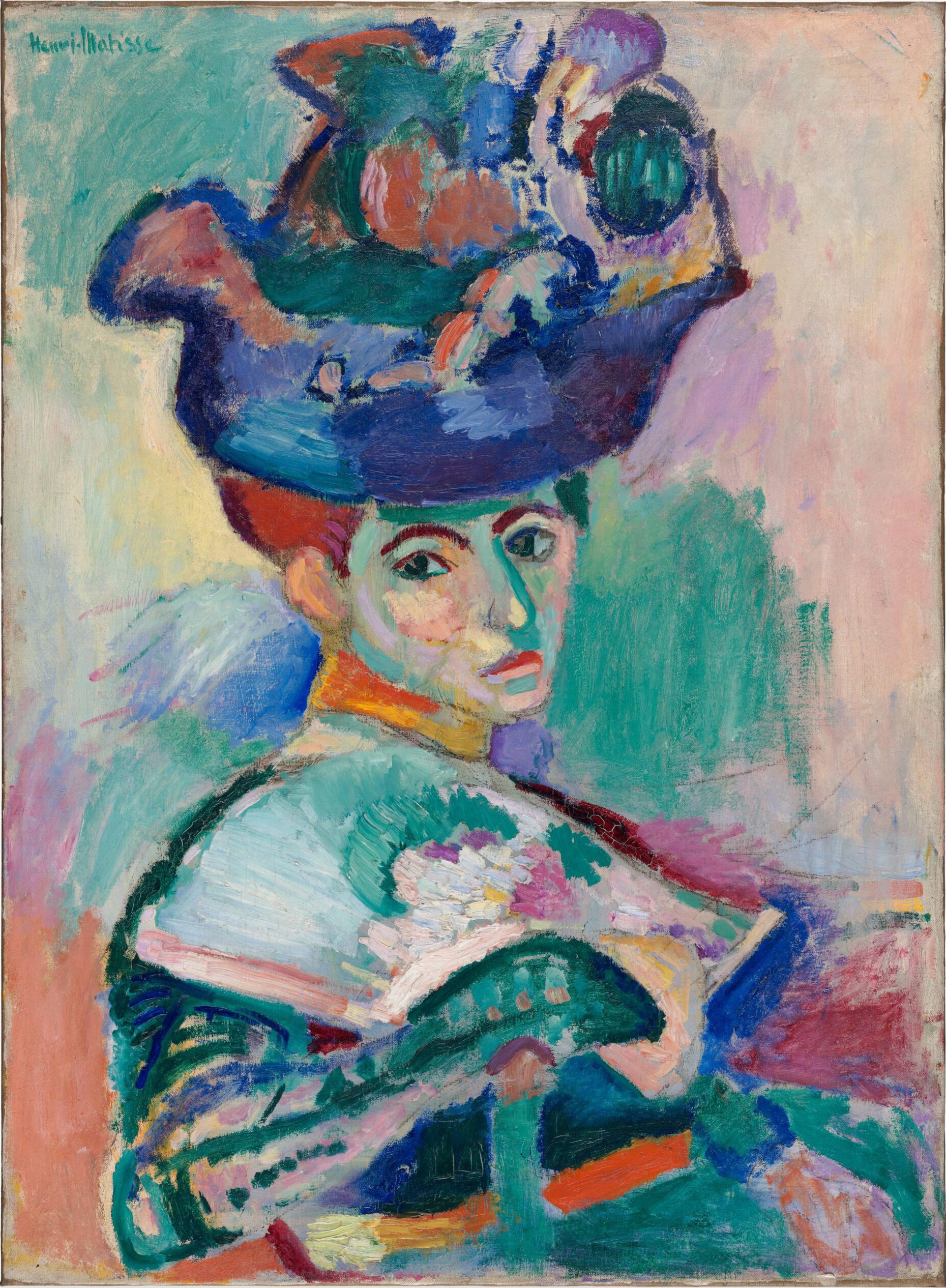
Fauvism
A short guide to Fauvism: the Salon d'Automne of 1905 and the “wild beasts”, its roots in Van Gogh, Gauguin and Signac, Matisse and Derain at Collioure, Derain in London, Vlaminck at Chatou, the end of the movement, and a digital homage you can try in PictorX.
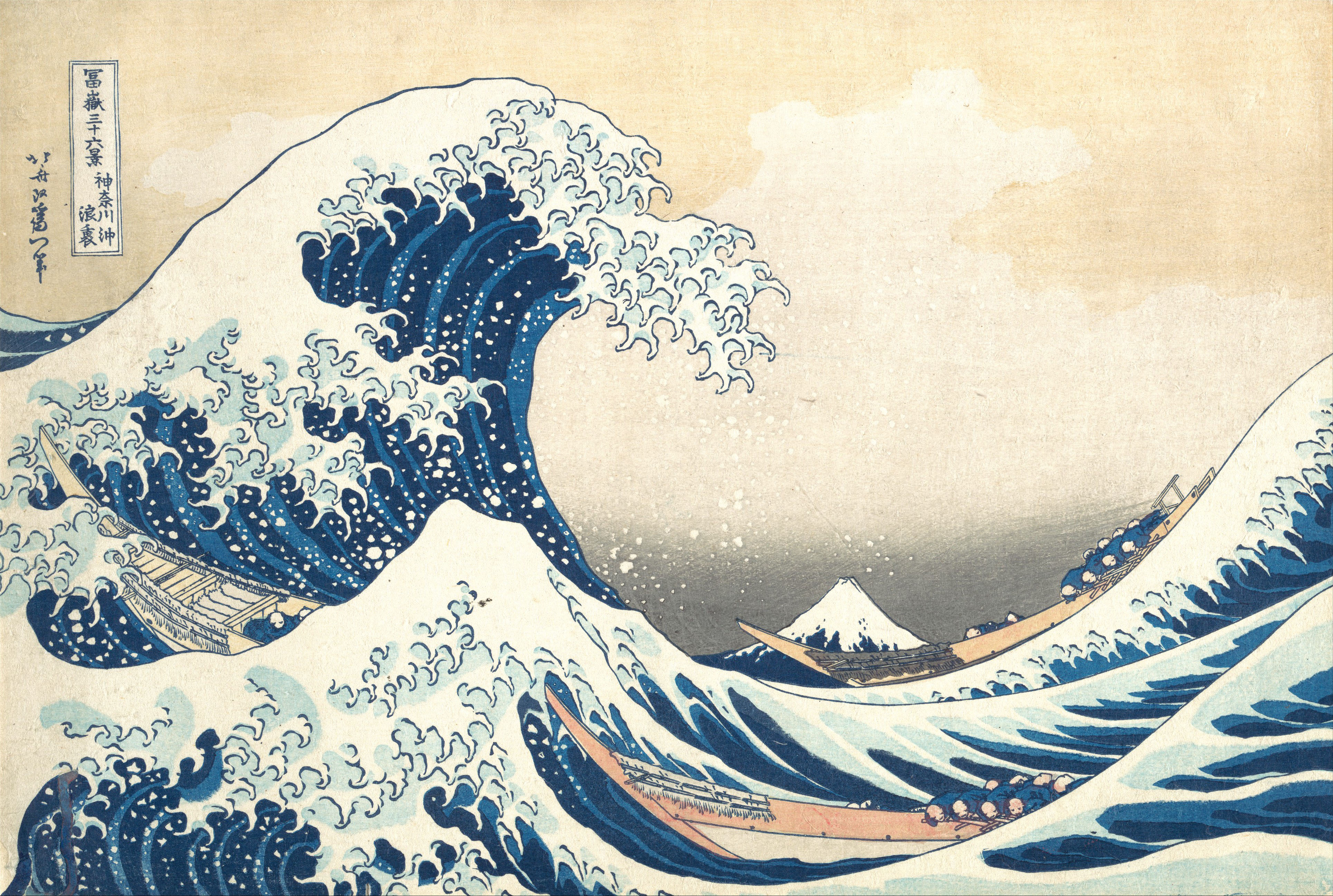
Ukiyo-e
A short guide to ukiyo-e: the floating world of Edo, how a woodblock print was made by publisher, artist, carver and printer, Hokusai and the Great Wave, Hiroshige's rain and roads, Utamaro's beauties, Sharaku's actors, Kuniyoshi's warriors, birds and flowers, Japonisme, and a digital homage you can try in PictorX.
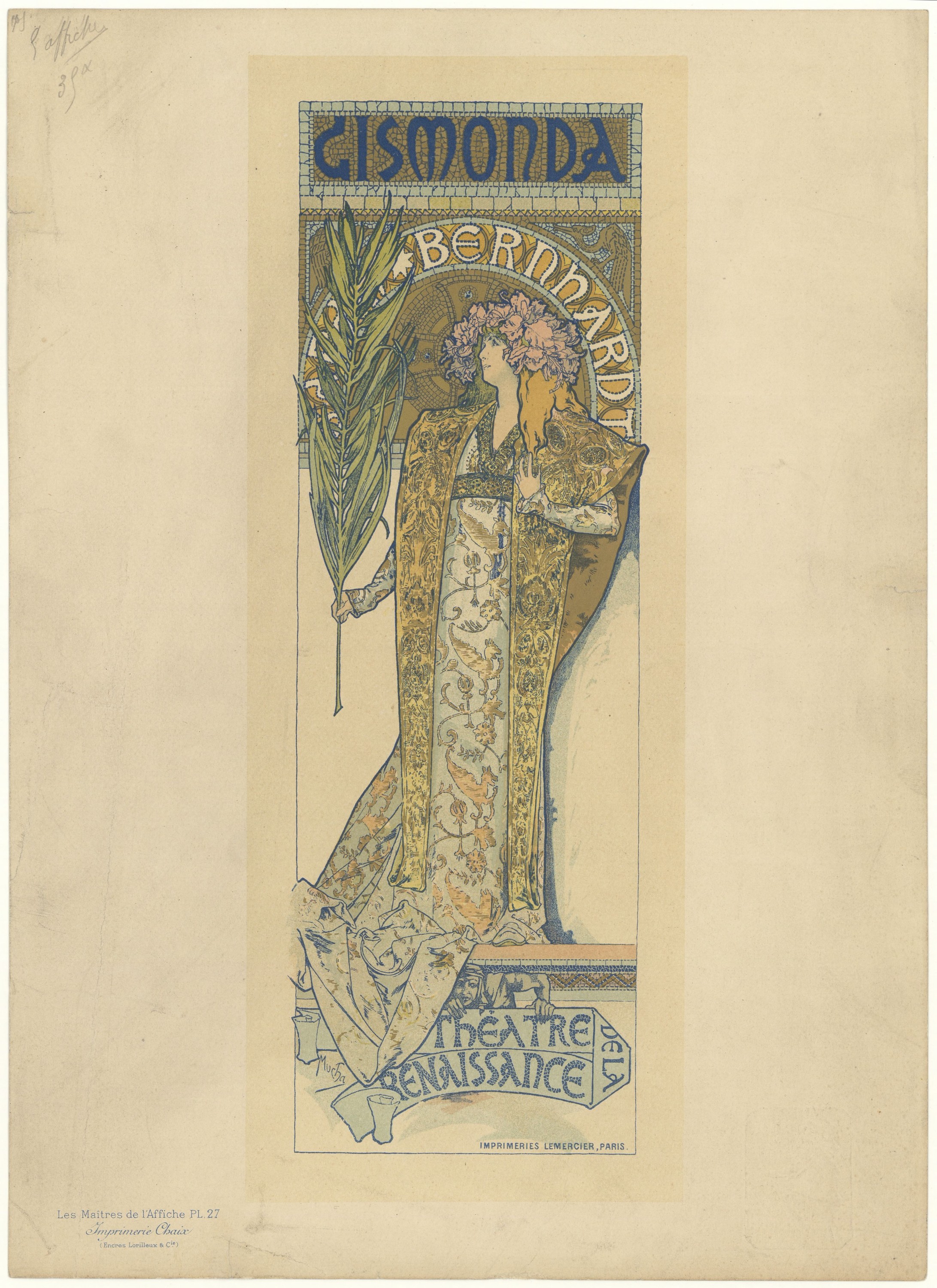
Art Nouveau
A short guide to Art Nouveau: where the name came from, Mucha's posters, the whiplash line and the buildings of Horta, Guimard and Gaudí, Klimt and the Vienna Secession, Tiffany glass and Lalique jewels, Beardsley's ink drawings, the end of the style and its revival, and a digital homage you can try in PictorX.
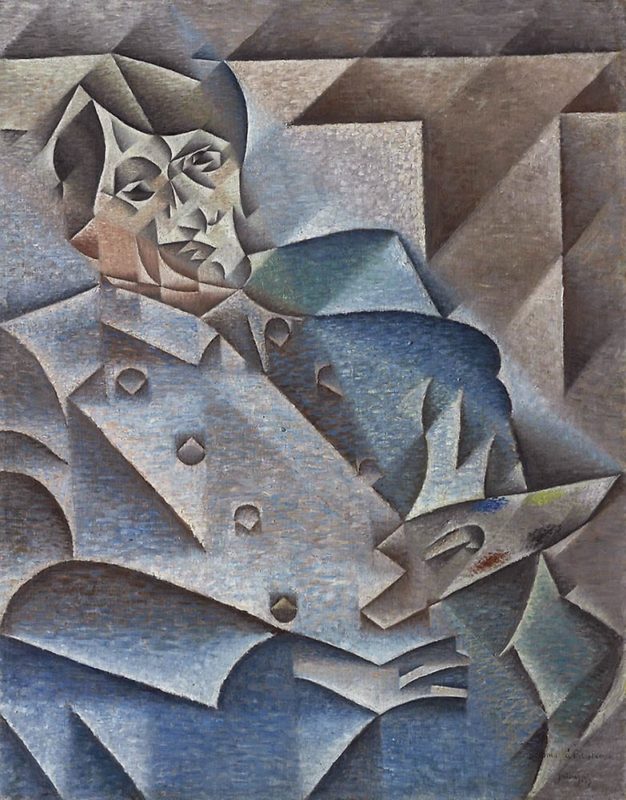
Cubism
A short guide to Cubism: Picasso and Braque, Analytic and Synthetic Cubism, fragmented planes, multiple viewpoints, and a digital homage you can try in PictorX.
Ready to try it?
Open PictorX in your browser — no install, no credit card required to start.
Try Impressionism