
Art Nouveau
Read more about Art Nouveau—the international style of about 1890 to 1910 that covered posters, buildings, glass and jewellery in flowing lines, flat colour and ornament taken from plants—and turn a photo into a Mucha poster, Klimt gold, Tiffany glass or Beardsley ink in PictorX.
What was Art Nouveau?
Art Nouveau—“new art”—was an international style that flourished from about 1890 to 1910. It set out to break with the copying of historical styles and to bring beauty into everyday life, so it appeared everywhere: on posters and book pages, in buildings and metro stations, in furniture, lamps, vases, jewellery and fabrics. Its signs are long, flowing, curving lines, flat areas of colour, and ornament taken from nature—lilies, irises, peacock feathers, dragonflies and women with streaming hair.
Many names for one style
The style grew out of William Morris and the British Arts and Crafts movement, which wanted well-made, beautiful things for daily use, and out of the craze for Japanese woodblock prints, with their flat colour and bold outlines. Its name comes from the Maison de l'Art Nouveau, the gallery that the dealer Siegfried Bing opened in Paris in 1895. Elsewhere it had other names: Jugendstil in Germany, after the Munich magazine Jugend (1896); Secession style in Vienna; Modernisme in Barcelona; and Stile Liberty in Italy, after the London shop Liberty & Co.
Mucha and the poster
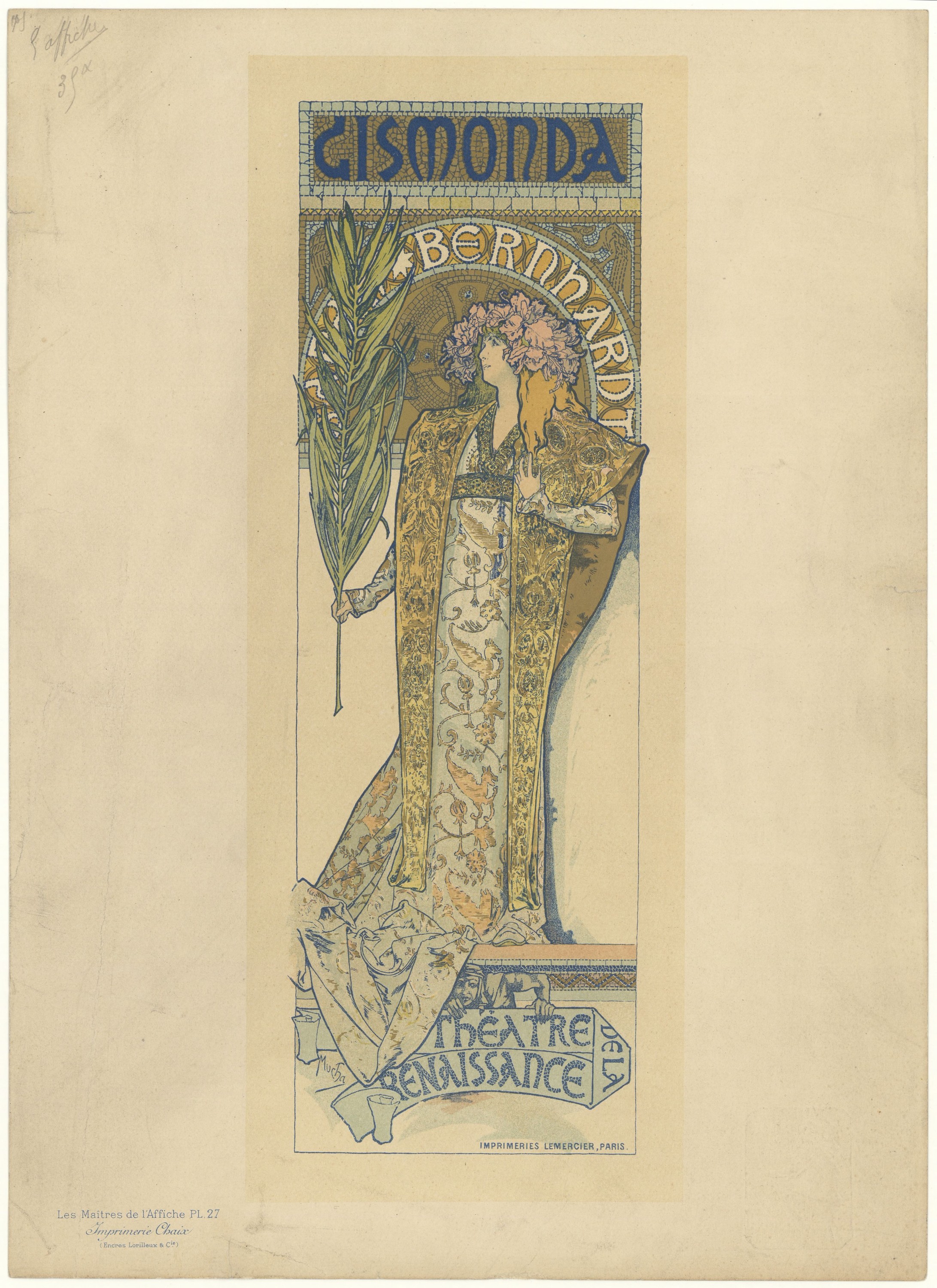
No one shaped the look of Art Nouveau in Paris more than the Czech artist Alphonse Mucha. At the end of 1894 he designed a poster for the actress Sarah Bernhardt in the play Gismonda—tall, narrow, in soft pastel colours—and it made him famous overnight; Bernhardt gave him a six-year contract. His posters for Job cigarette papers, the Seasons and many other subjects show a young woman with swirling hair, framed by a round halo, flowers and decorative borders, drawn with firm, flowing outlines. People simply called it le style Mucha.
The whiplash line and the buildings
The most famous Art Nouveau motif is the whiplash: a long S-shaped curve that ends in a sudden curl. It takes its name from an embroidery by Hermann Obrist (1895) that a critic compared to the crack of a whip. Architects bent iron, stone and glass into the same lines. Victor Horta's Hôtel Tassel in Brussels (1893) has columns and stair rails that sprout like stems; Hector Guimard's entrances to the Paris Métro (from 1900) grow from the pavement like plants; and in Barcelona Antoni Gaudí built houses such as Casa Batlló (1904–06) without a single straight line.
Klimt and the Vienna Secession
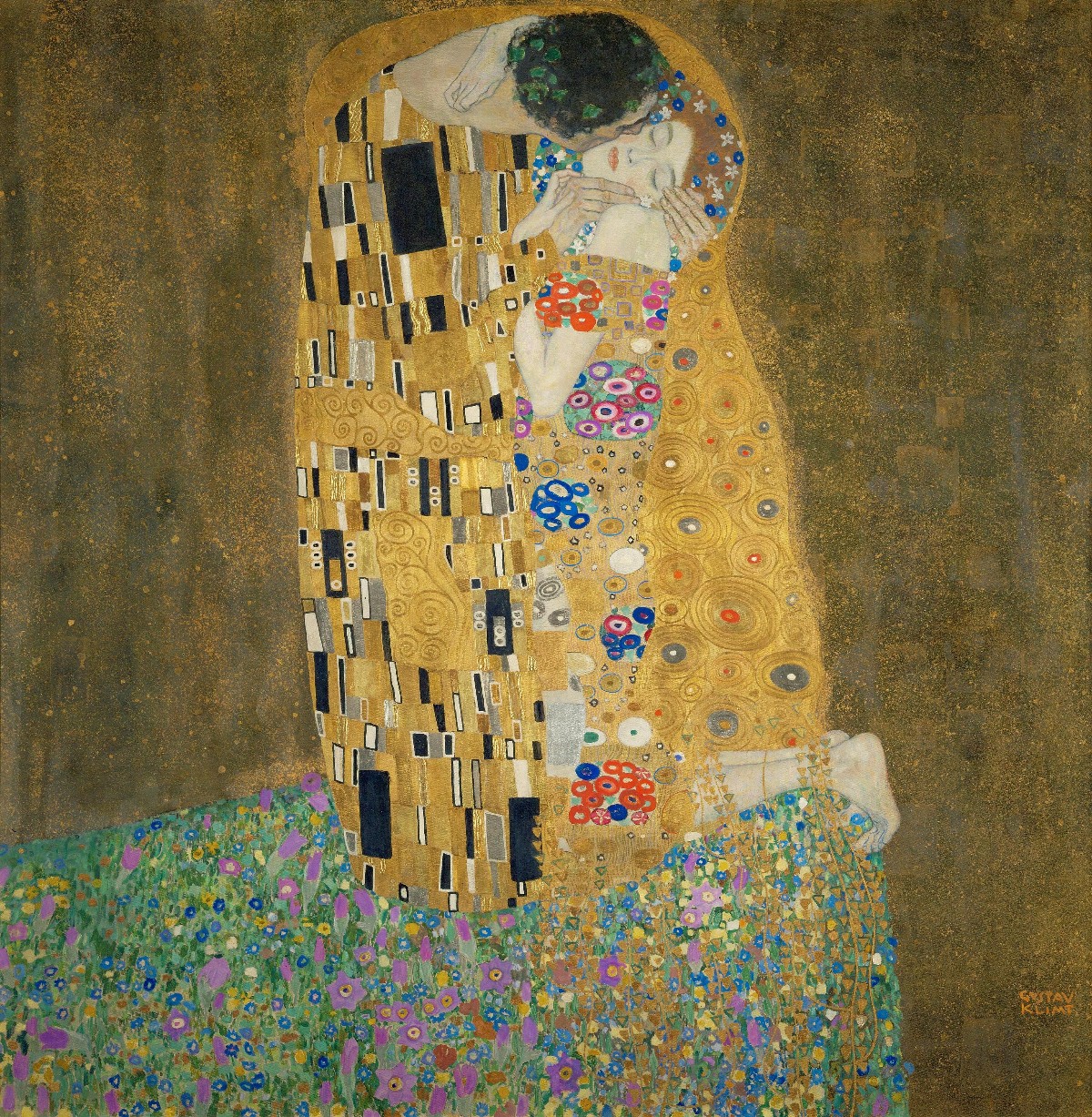
In 1897 a group of Viennese artists broke away from the official academy and founded the Vienna Secession, with Gustav Klimt as its first president. Klimt, whose father had been a gold engraver, began to use real gold leaf in his paintings, inspired in part by the Byzantine mosaics he saw in Ravenna in 1903. In his golden phase—the Portrait of Adele Bloch-Bauer I (1907) and The Kiss (1907–08, Belvedere, Vienna)—faces and hands are softly painted, while clothes and backgrounds dissolve into gold patterns of squares, circles, spirals and eyes.
Glass and jewels: Tiffany, Gallé and Lalique
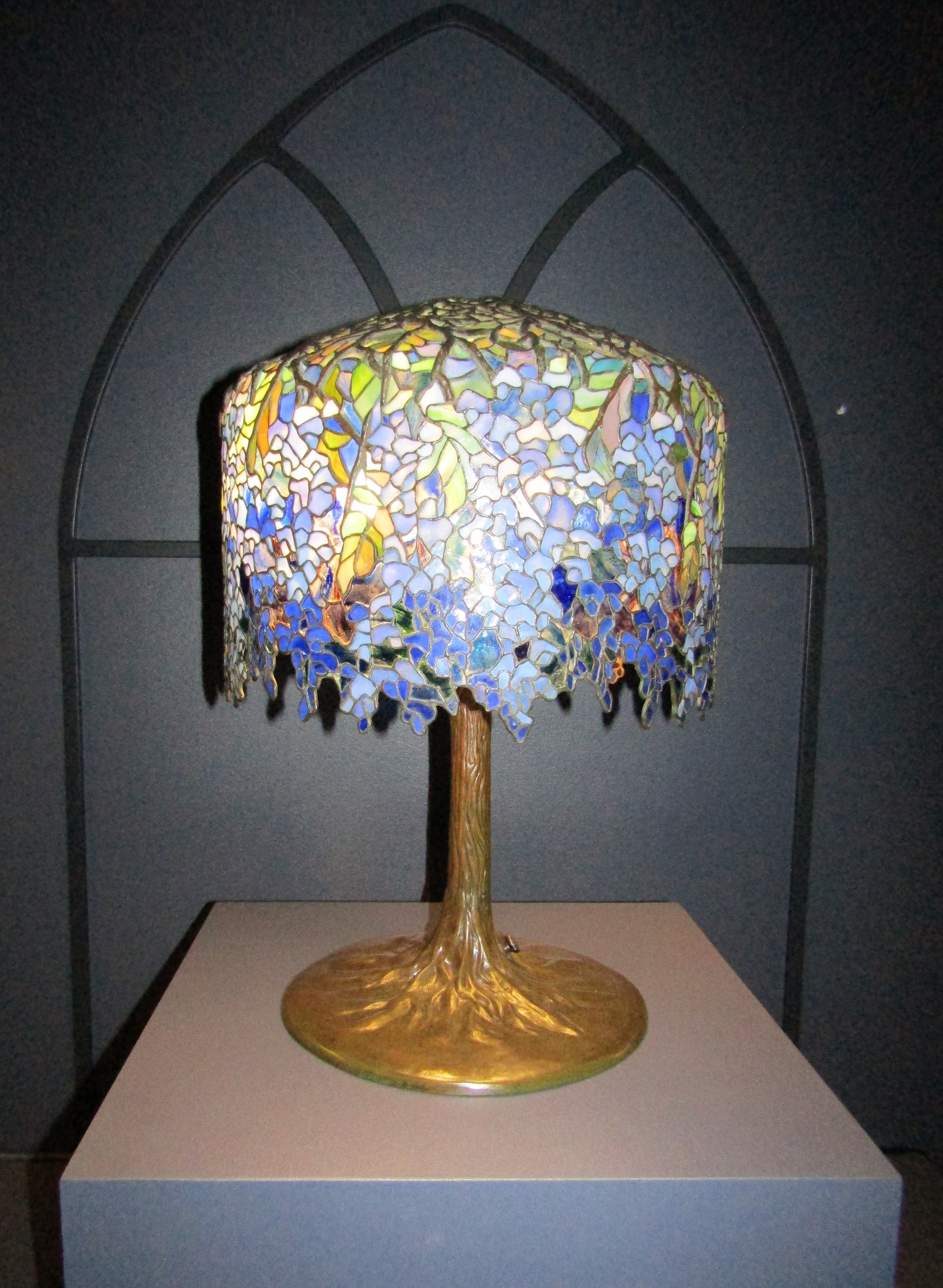
Art Nouveau was as much about objects as pictures. In New York, Louis Comfort Tiffany's studios made windows and lamps of iridescent Favrile glass, leaded into dragonflies, wisteria and landscapes; many of the most famous lamps were designed by Clara Driscoll. In Nancy, Émile Gallé carved vases with flowers, insects and lines of poetry, and in Paris René Lalique made jewellery of gold, enamel, glass and horn in the shape of dragonfly-women, orchids and peacocks.
Beardsley and the black line
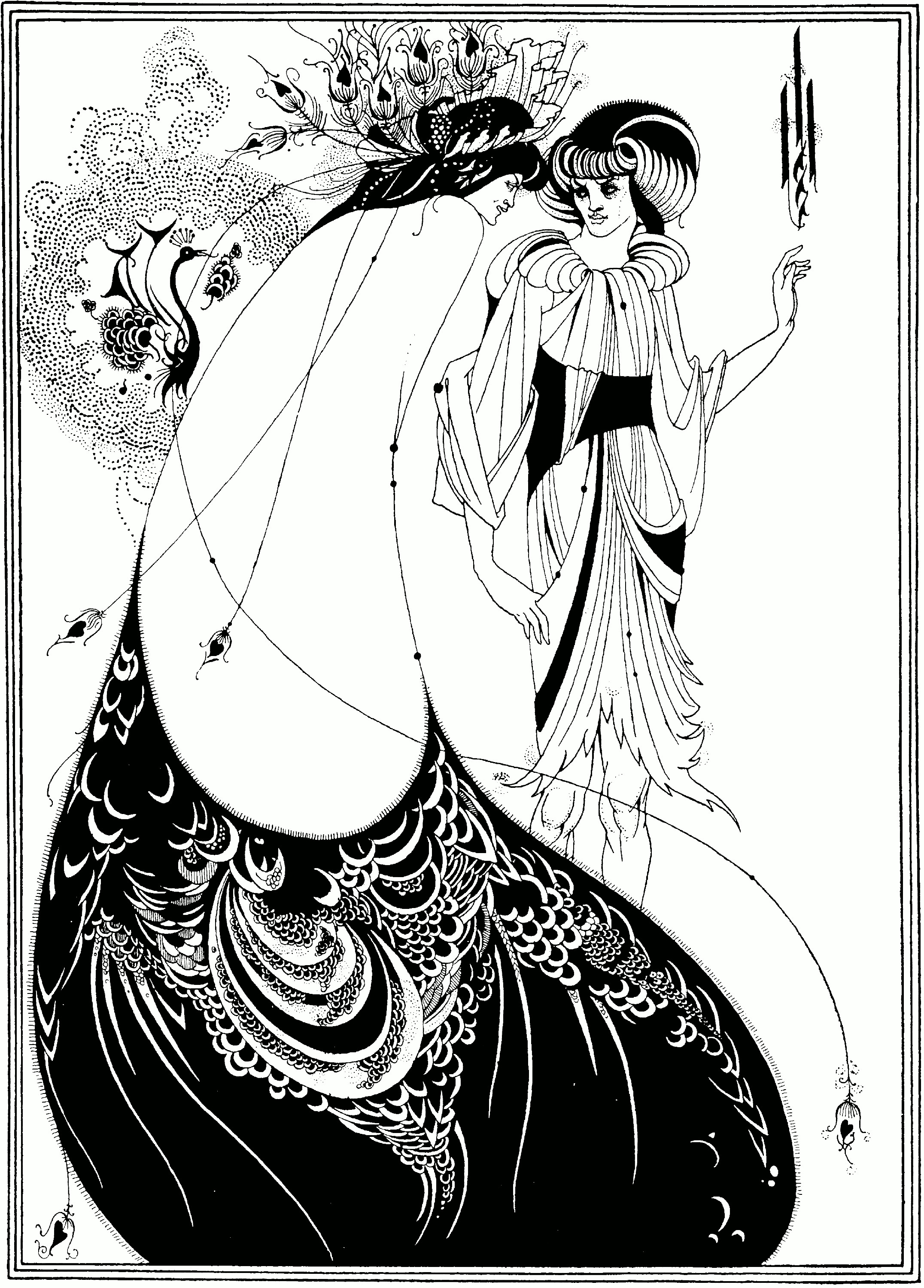
In London, Aubrey Beardsley took Art Nouveau into black and white. In just six years before his death from tuberculosis at the age of 25, he drew illustrations for Oscar Wilde's Salome (1894), such as The Peacock Skirt, and covers for The Yellow Book, where he was art editor. Influenced by Japanese prints, he balanced large flat areas of black against bare white paper, joined by fine, flowing lines, peacock feathers and stippled patterns—shocking and elegant at the same time.
The end of the style and its revival
By about 1910 Art Nouveau looked overdecorated to many people. The architect Adolf Loos attacked ornament itself, and the style gave way to modernism and, in the 1920s, to the cleaner geometry of Art Deco. It came back in the 1960s, when psychedelic concert posters in San Francisco borrowed Mucha's swirling hair and lettering, and its curves still live on in fantasy illustration, manga, tattoos, fashion and packaging.
A digital homage in PictorX
PictorX Art Nouveau is a filter inspired by Mucha's posters, Klimt's golden phase, Tiffany glass, Beardsley's drawings, Gallé's cameo glass, Mackintosh's Glasgow Style, Toorop's flowing lines and Toulouse-Lautrec's posters. It is not a reproduction of any museum work, not an AI copy of an Art Nouveau design, and not a claim of authenticity: each picture is made from your own photo. The pictures on this page are the original works; the originals are best seen in places such as the Mucha Museum in Prague, the Belvedere in Vienna, the Musée d'Orsay in Paris, the Victoria and Albert Museum in London, the Horta Museum in Brussels and the Morse Museum of American Art in Florida, home to a great Tiffany collection.
Make your own Art Nouveau in PictorX
Open the Art Nouveau effect, load a photo—a portrait with a clear subject works best—and pick a Style: Mucha, Klimt, Tiffany, Beardsley, Gallé, Mackintosh, Toorop or Lautrec. Choose a Palette, then use Line Weight for the thickness of outlines and lead, Ornament for flowers, motifs and curls, Detail for the number of tones, mosaic pieces or glass cells, and Shimmer for gold flecks, the glow of the glass or the amount of black ink. Turn the Frame on or off, then export, or keep editing in PictorX.
Frequently asked questions
What is Art Nouveau?
An international style of about 1890 to 1910 that used long, flowing lines, flat colour and ornament from nature in posters, buildings, furniture, glass and jewellery.
Why is it called Art Nouveau?
After the Maison de l'Art Nouveau, the Paris gallery opened by Siegfried Bing in 1895. In German-speaking countries it was called Jugendstil, in Vienna Secession style, in Barcelona Modernisme and in Italy Stile Liberty.
Who were the most famous Art Nouveau artists?
Among the best known are Alphonse Mucha, Gustav Klimt, Louis Comfort Tiffany, Aubrey Beardsley, René Lalique, Émile Gallé, Victor Horta, Hector Guimard and Antoni Gaudí.
What is the difference between Art Nouveau and Art Deco?
Art Nouveau (about 1890–1910) is curving and organic, based on plants and flowing lines. Art Deco (1920s–1930s) is geometric and streamlined, with zigzags, sunbursts and machine-age shapes.
Is the PictorX filter a real Art Nouveau work?
No. It is a digital homage made from your own photo, not a copy of any poster, painting or window. The original works remain unique pieces in museums and buildings.
Related tools
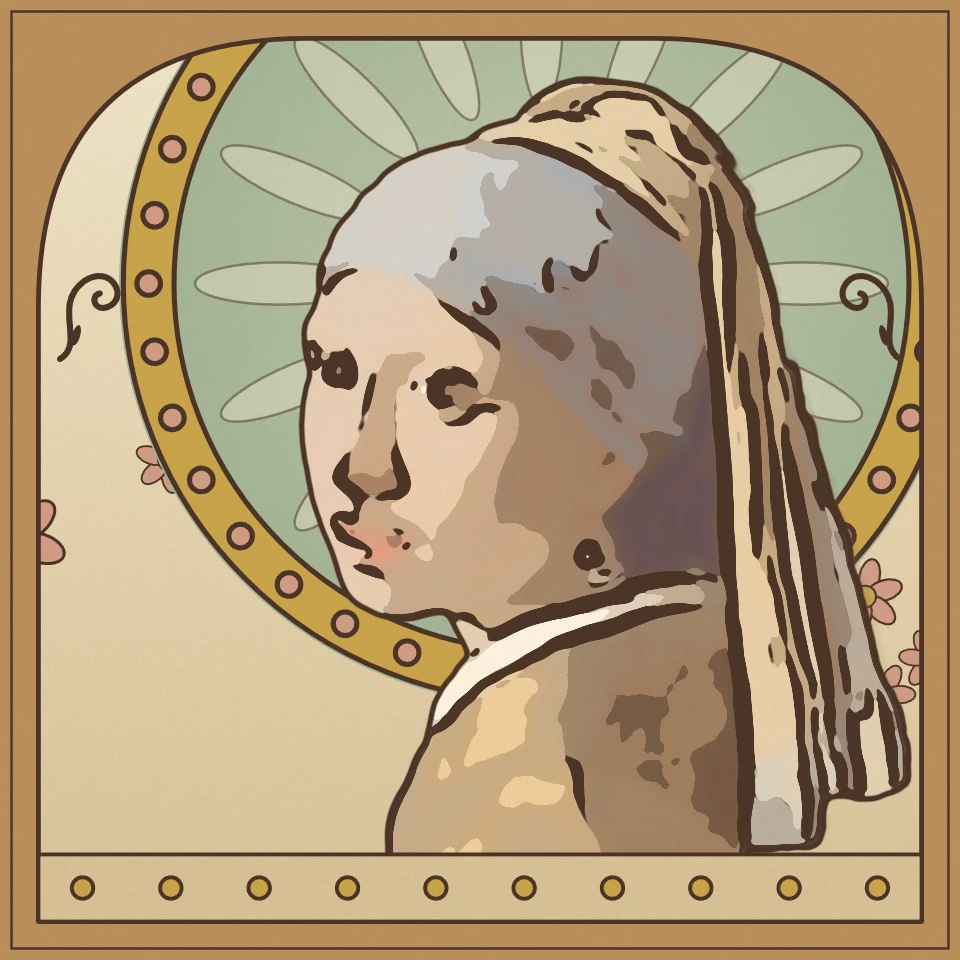
Art Nouveau photo filter
Turn a photo into Art Nouveau in your browser: a Mucha poster with a halo and arched frame, Klimt's gold-leaf mosaic, Tiffany stained glass, or Beardsley's black-and-white ink with whiplash curves.
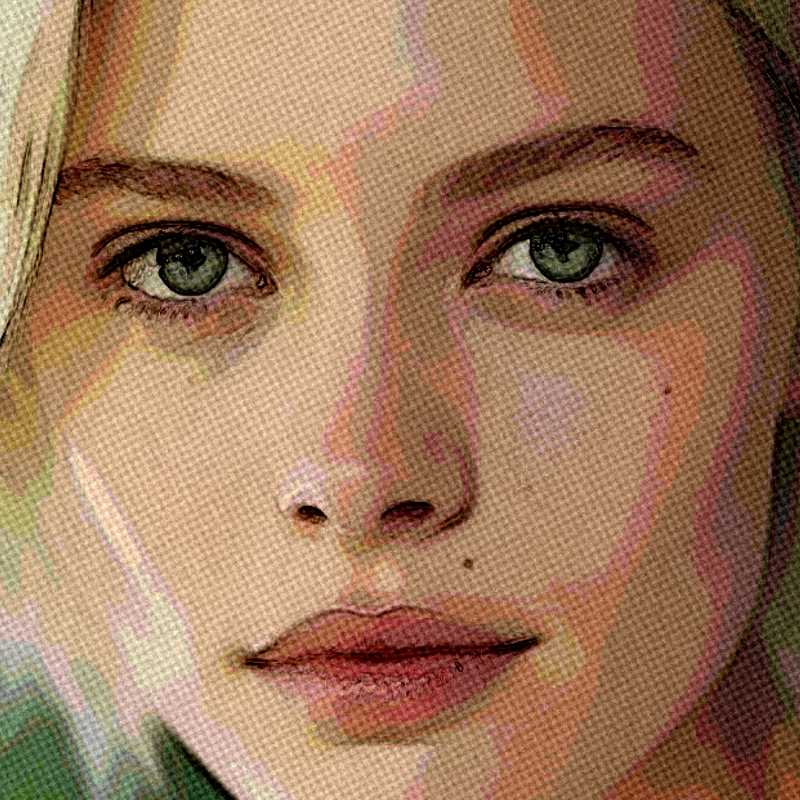
Artistic effects
Transform photos with oil painting, watercolor, pencil, comic ink, pastels, paper cut-out, and other studio art looks.
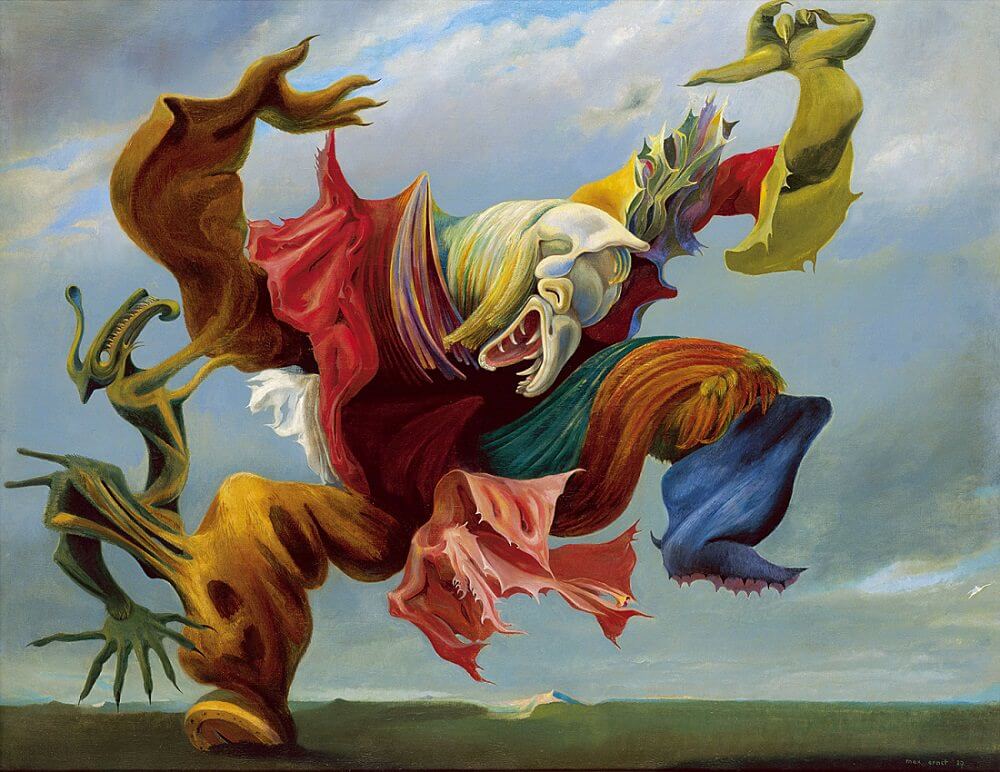
Surrealism
A short guide to Surrealism: André Breton's manifesto of 1924, De Chirico's metaphysical squares, Dalí's soft watches, Magritte's apples and pipes, Ernst, Miró and the Exquisite Corpse, the women and photographers of the movement, its legacy, and a digital homage you can try in PictorX.
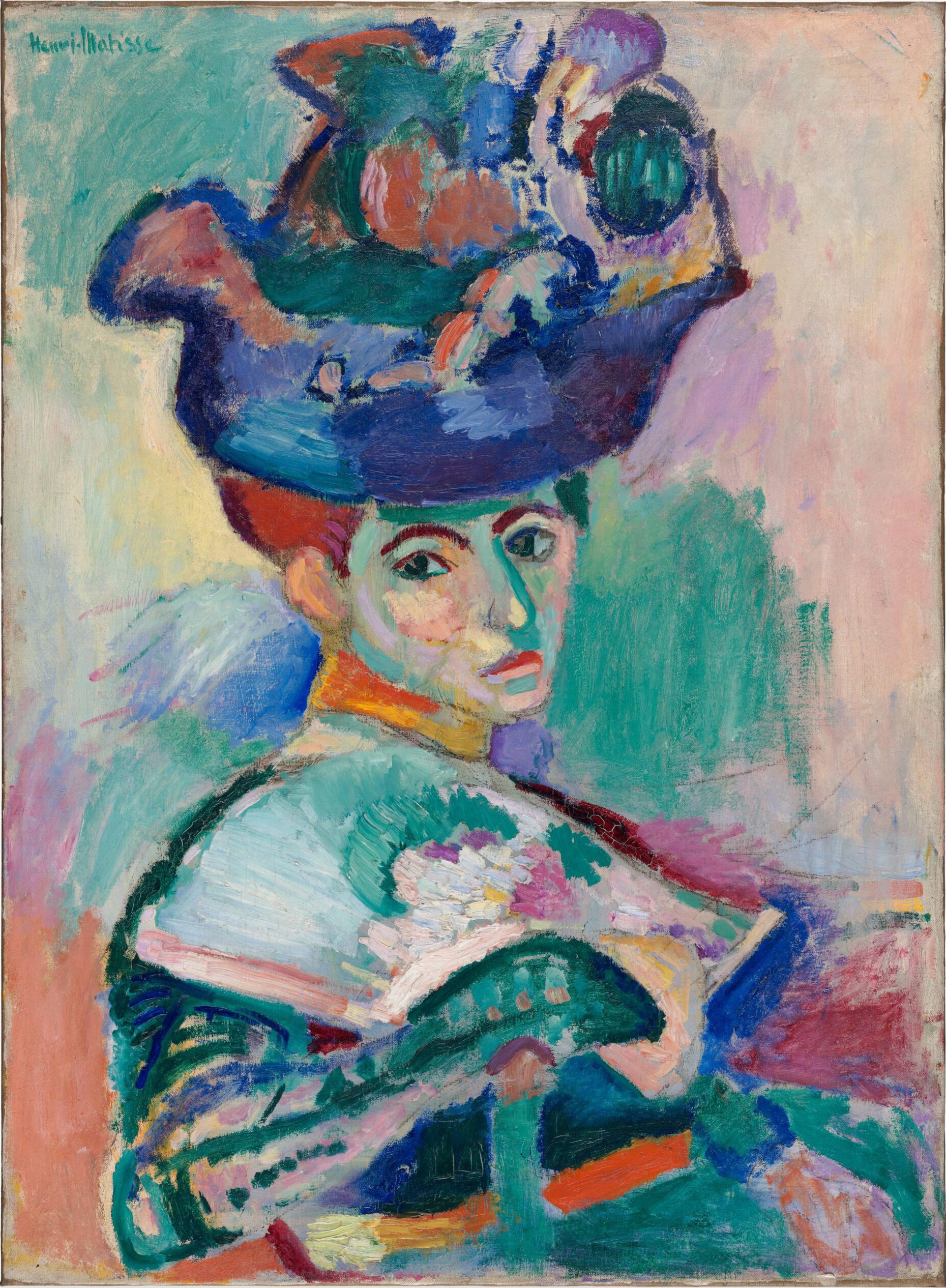
Fauvism
A short guide to Fauvism: the Salon d'Automne of 1905 and the “wild beasts”, its roots in Van Gogh, Gauguin and Signac, Matisse and Derain at Collioure, Derain in London, Vlaminck at Chatou, the end of the movement, and a digital homage you can try in PictorX.
Henri Matisse
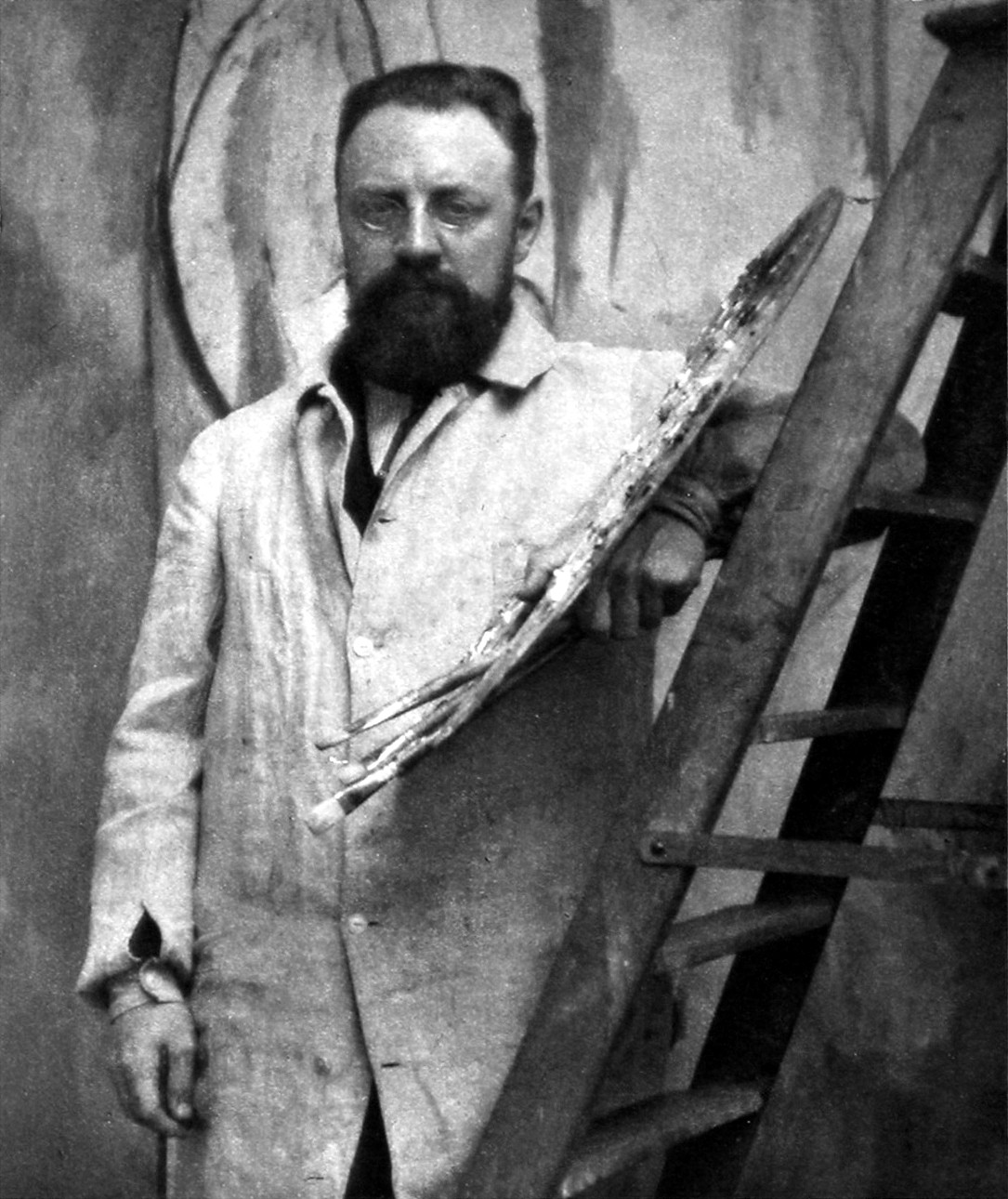
A short guide to Henri Matisse: from law clerk to painter, the Fauves of 1905, Harmony in Red and Dance, the Nice years, his line drawings, drawing with scissors in the cut-outs, and a digital homage you can try in PictorX.
Pop Art
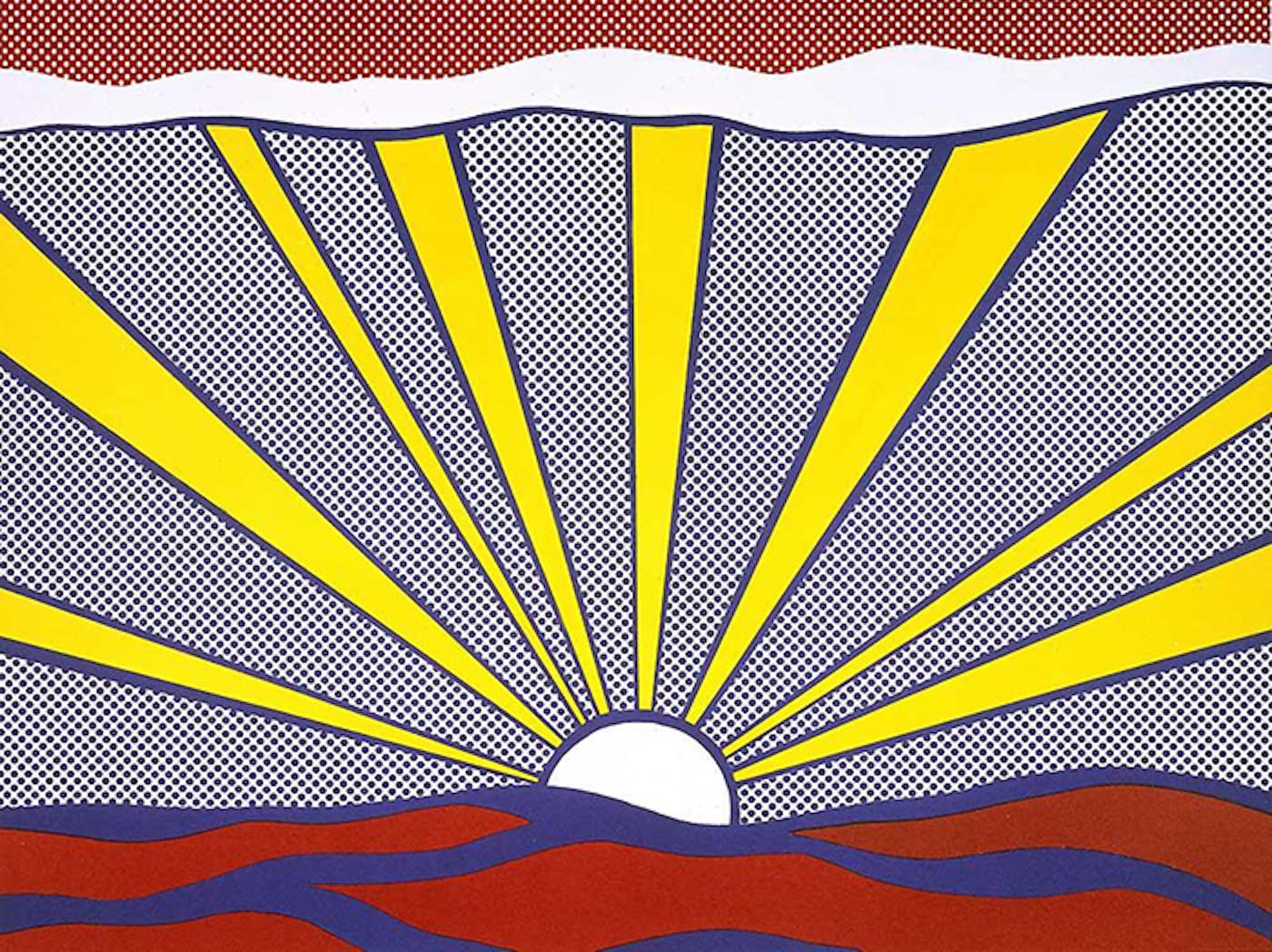
Learn how Pop Art turned advertising, comics, and consumer products into art—Andy Warhol, Roy Lichtenstein, silkscreen, and the rise of mass culture.
Vincent van Gogh
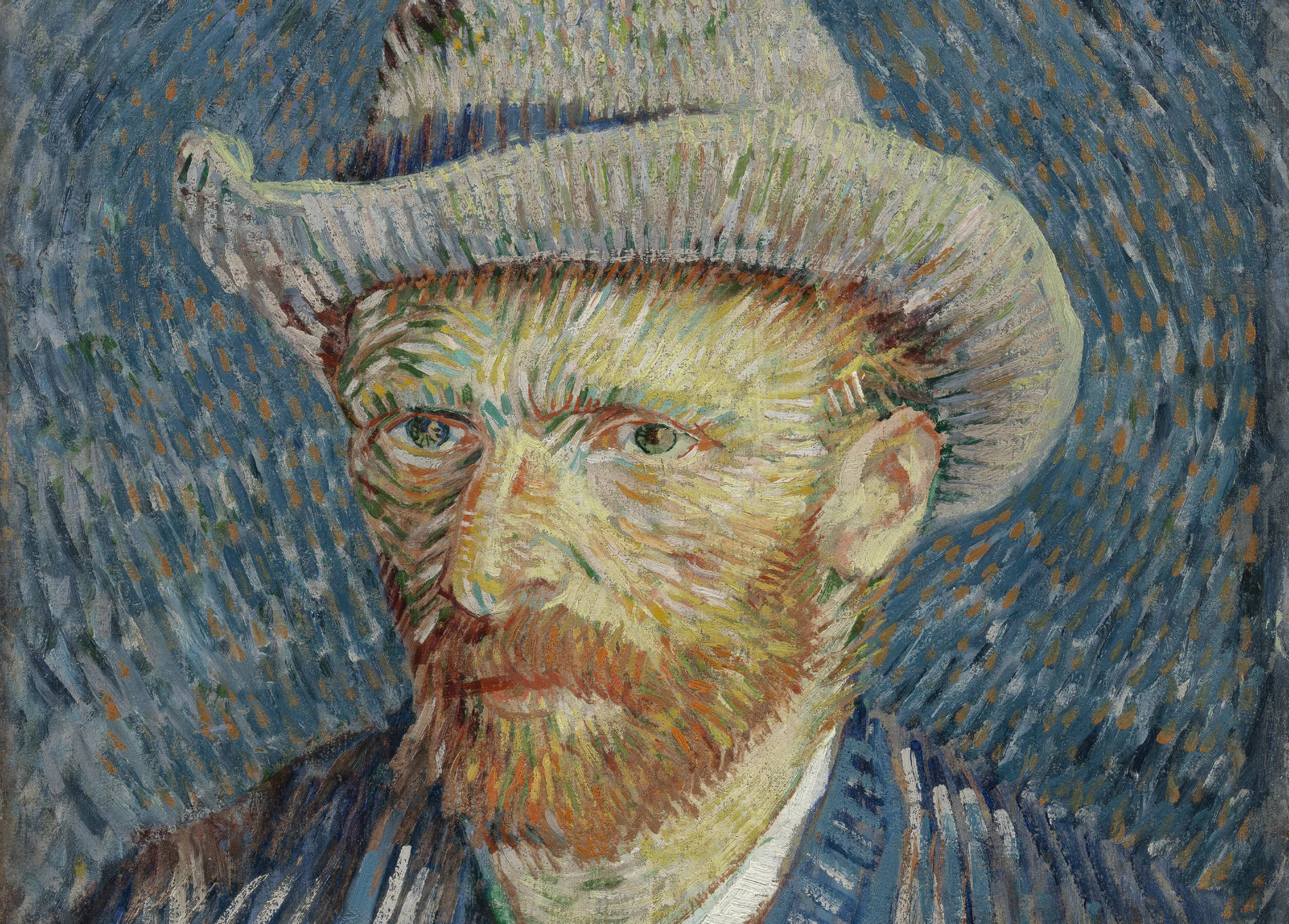
A short guide to Vincent van Gogh: Dutch Post-Impressionism, swirling brushwork, Starry Night and sunflowers, and a respectful digital homage you can try in PictorX.
Mixed Media
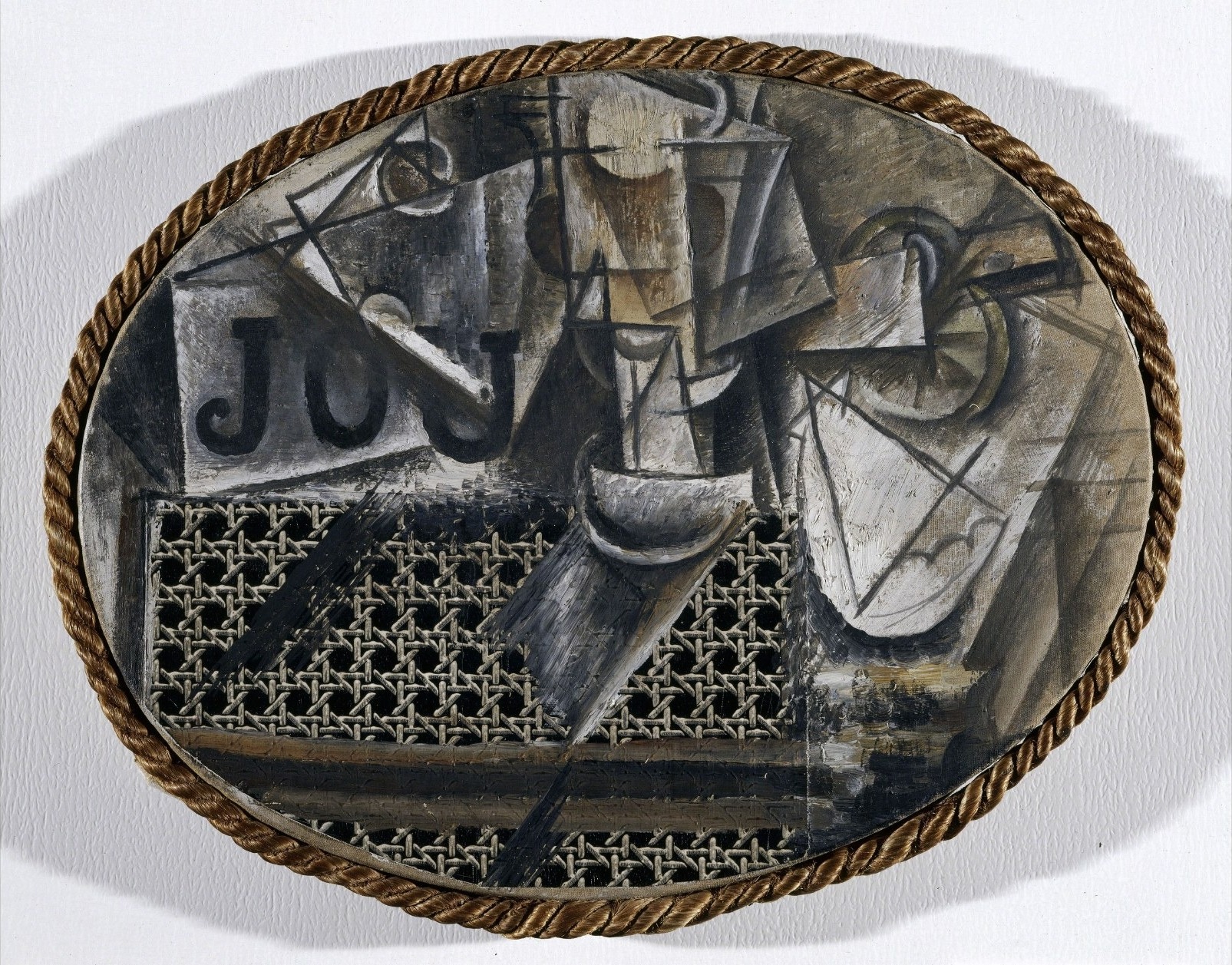
A short guide to mixed media: collage and assemblage, print textures like halftone and dotscreen, and a digital collage homage you can try in PictorX.
Art Deco
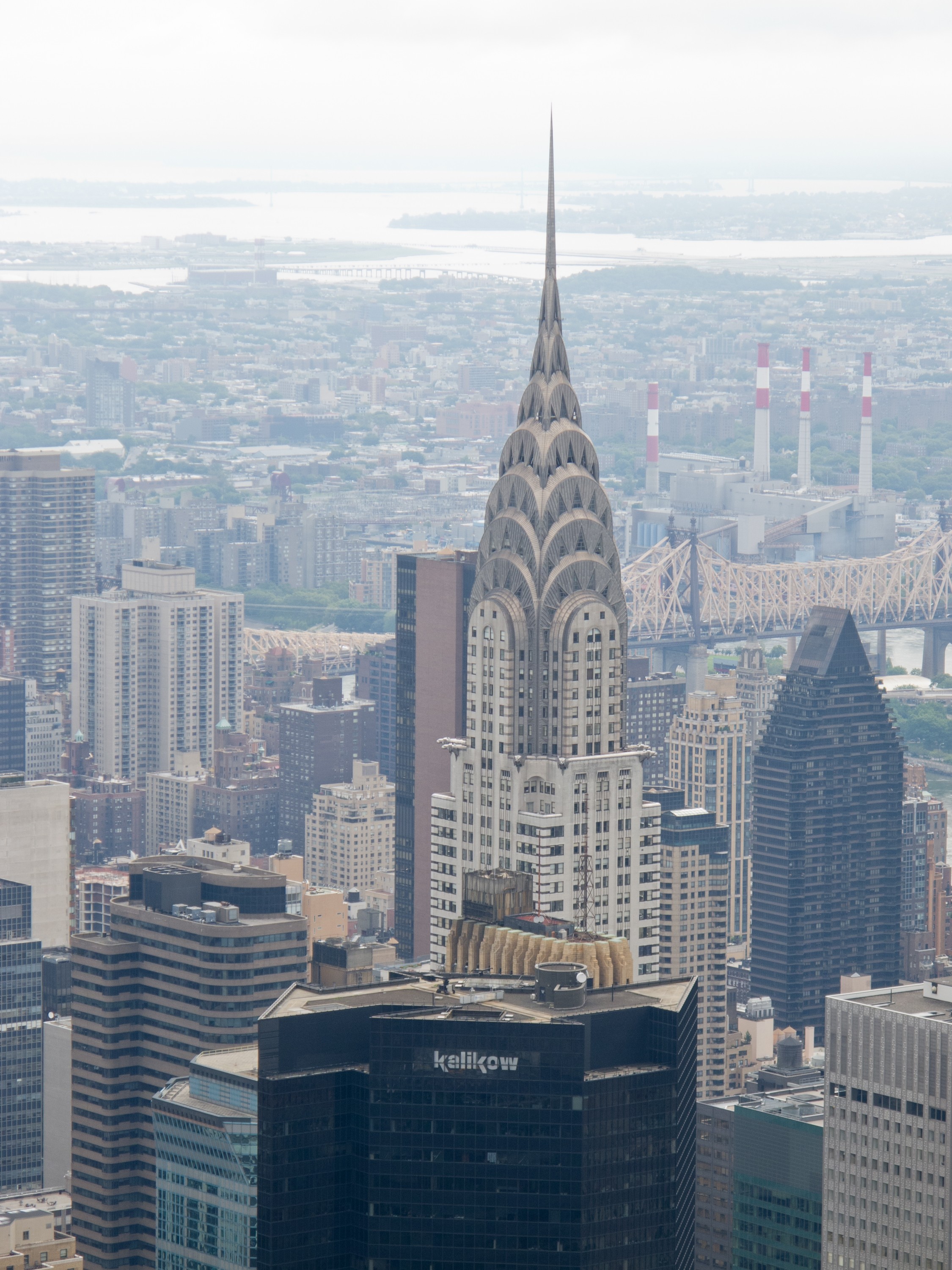
A short guide to Art Deco: the 1925 Paris exhibition and where the name came from, Cassandre's posters, Tamara de Lempicka, the Chrysler Building and the skyscraper age, the luxury and ornament of the Jazz Age, Streamline Moderne, the end of the style and its revival, and a digital homage you can try in PictorX.
Ready to try it?
Open PictorX in your browser — no install, no credit card required to start.
Try Art Nouveau