
Fauvism
Read more about Fauvism—the movement of 1905–1908 in which Henri Matisse, André Derain, Maurice de Vlaminck and their friends set colour free from nature—and try a digital Fauve look in PictorX.
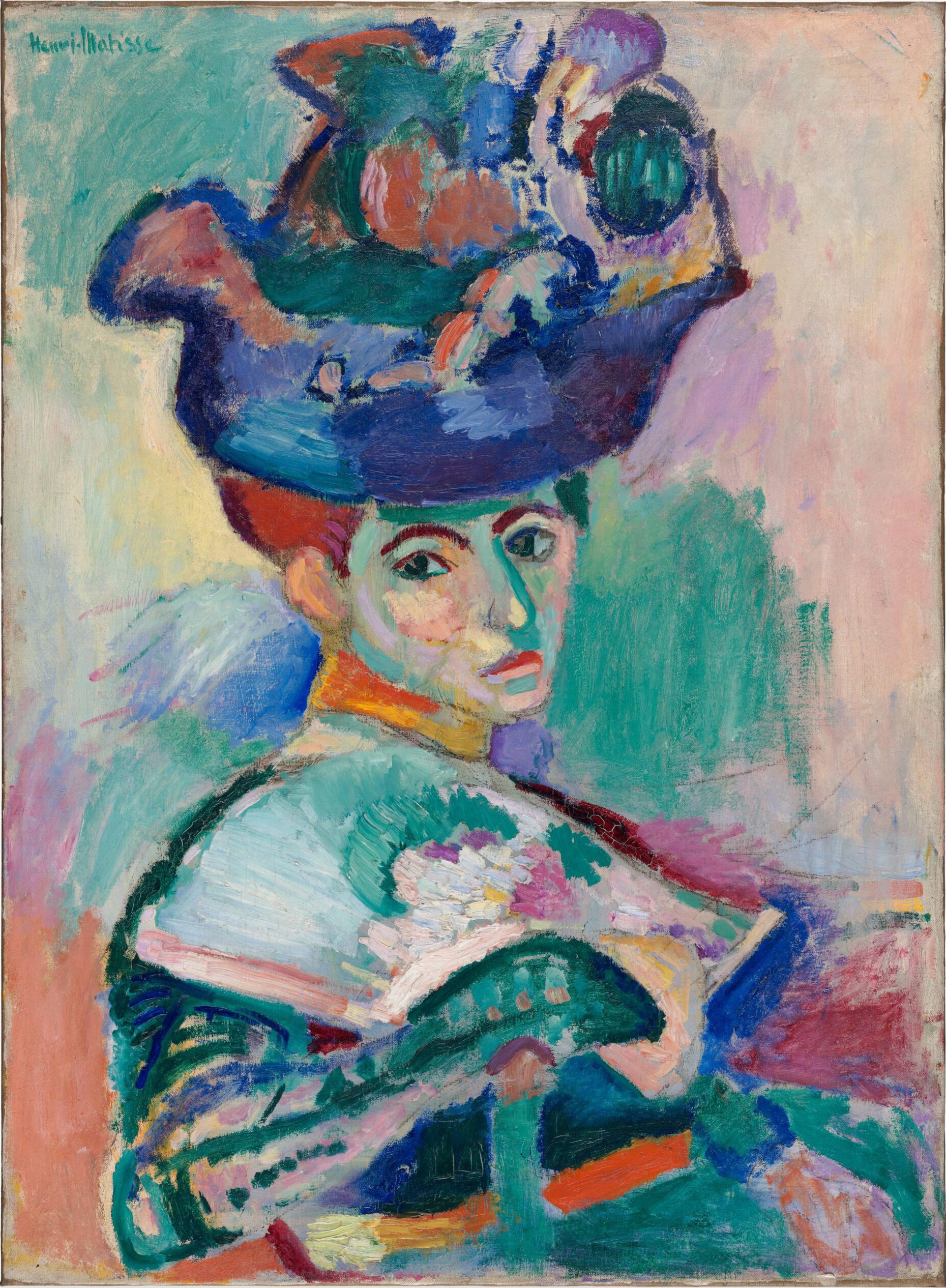
What was Fauvism?
Fauvism was a short-lived movement in French painting, at its height from about 1905 to 1908. Its painters—Henri Matisse, André Derain and Maurice de Vlaminck, joined by Albert Marquet, Henri Manguin, Raoul Dufy, Georges Braque, Kees van Dongen and others—used pure, intense colour that no longer had to match what they saw. A face could be green, a tree red, a shadow violet. Colour was there to express feeling and to build the picture, not to describe the world.
The wild beasts of 1905
In October 1905 these painters hung their work together in one room of the Salon d'Automne in Paris. The colours caused a scandal. Seeing a classical-looking sculpture in the middle of the room, the critic Louis Vauxcelles wrote “Donatello among the wild beasts”—“Donatello chez les fauves”—and the name stuck. The most mocked picture was Matisse's Woman with a Hat, a portrait of his wife in slashes of green, violet and orange; it was bought by the American collectors Leo and Gertrude Stein.
Roots: Van Gogh, Gauguin and Signac
The Fauves did not come from nowhere. Vincent van Gogh had used colour for emotion and laid it on in vigorous strokes; Paul Gauguin had painted flat areas of unnatural colour; Paul Signac and the Neo-Impressionists had built pictures from separate touches of pure colour. In the summer of 1904 Matisse worked with Signac in Saint-Tropez and painted Luxe, calme et volupté in mosaic-like dabs. Within a year he loosened that method into something freer and much wilder.
Collioure, summer 1905
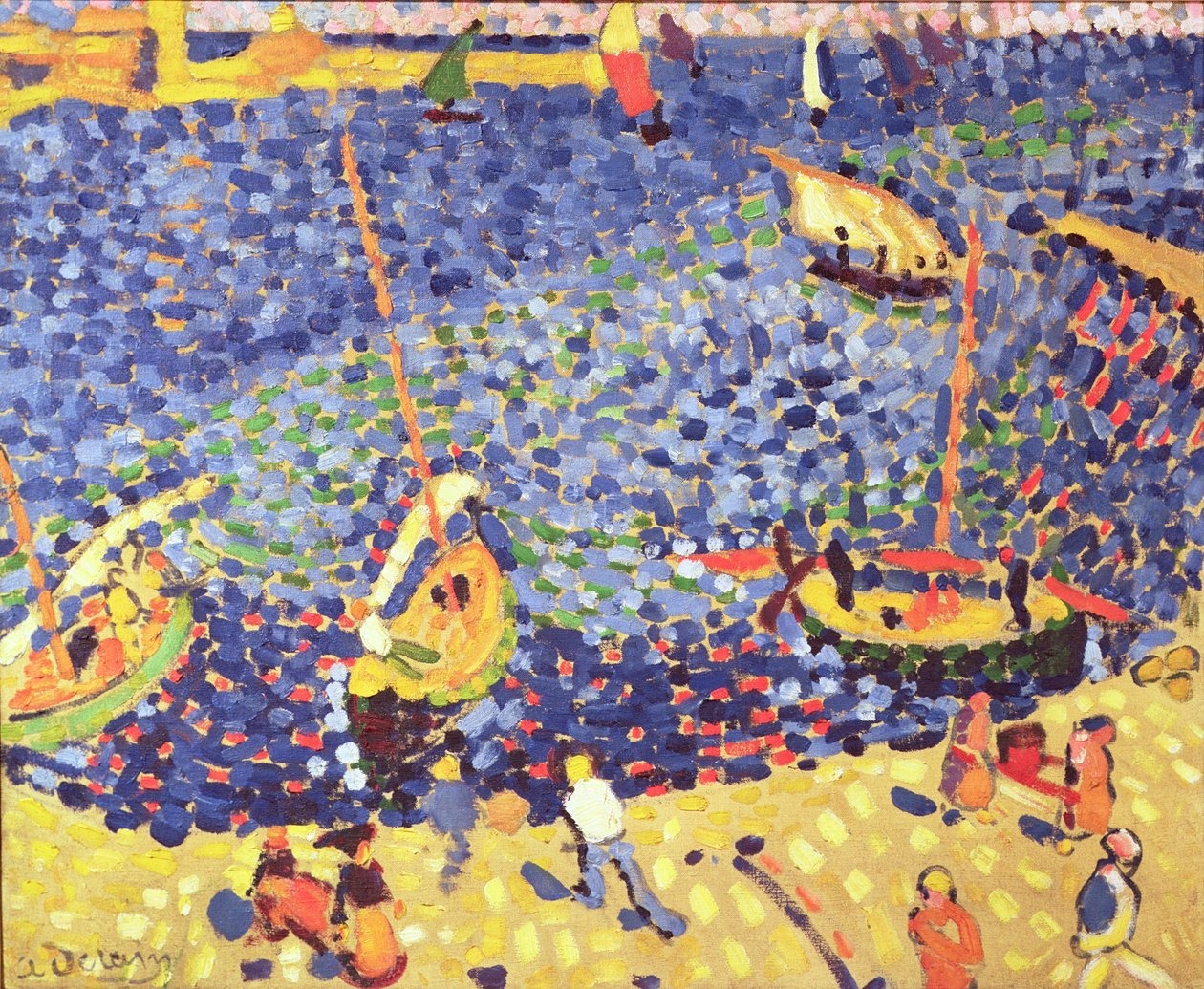
Matisse spent the summer of 1905 in Collioure, a fishing port on the Mediterranean near the Spanish border, and invited the young André Derain to join him. In the blazing southern light they painted boats, the harbour and the hills in separate dabs and strokes of pure colour, often leaving the white canvas visible between them. Derain wrote that the light there was blond and golden and suppressed shadows. The pictures they brought back to Paris that autumn became the core of the Fauve room.
Derain in London
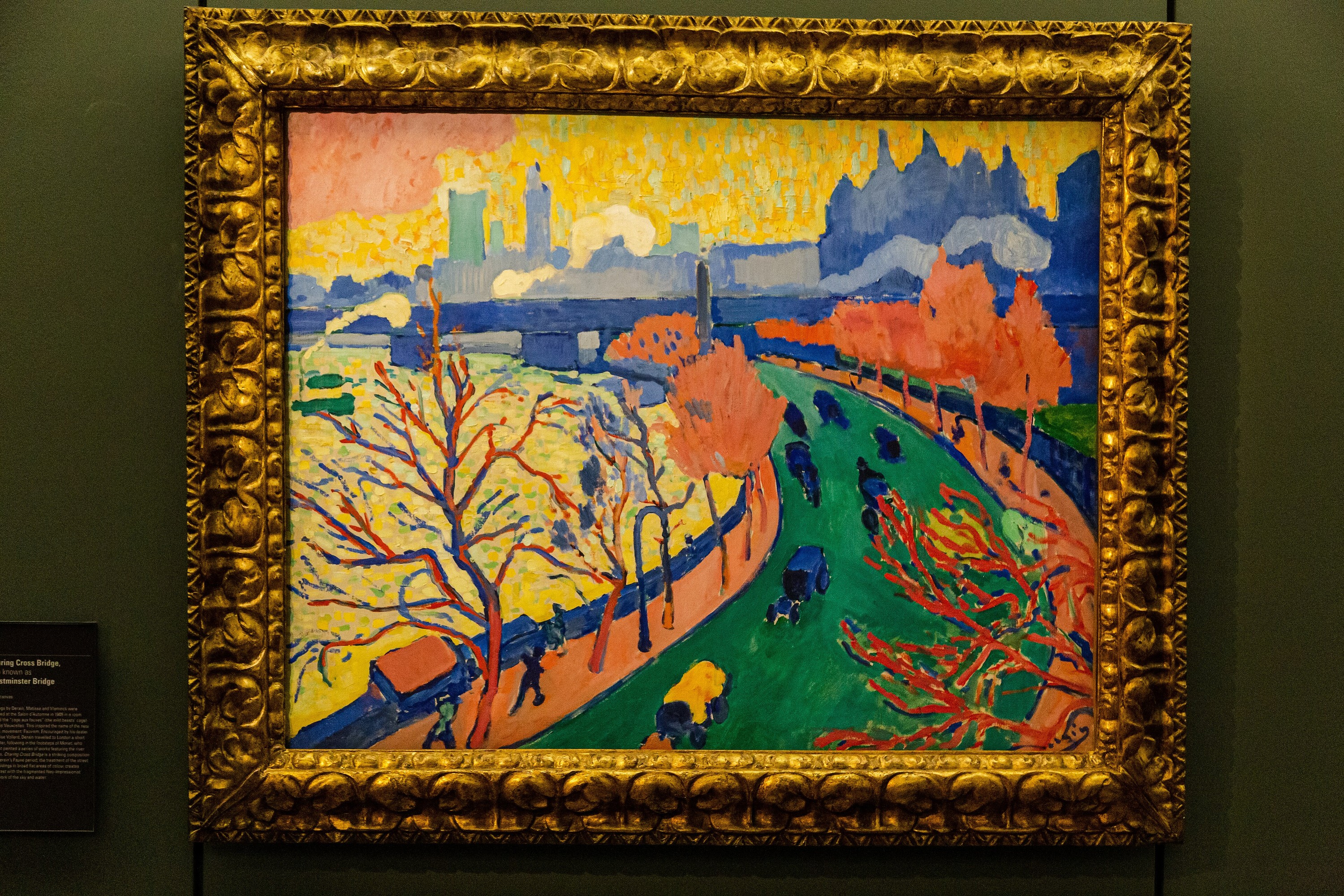
Encouraged by the dealer Ambroise Vollard, Derain went to London in 1905 and 1906 and painted some thirty views of the city: the Thames, Westminster, Big Ben, Charing Cross Bridge and Hyde Park. Where Claude Monet had painted London in fog, Derain filled it with clashing yellows, greens, pinks and blues, flat blocks of colour, broken reflections on the water and strong dark contours. Paintings such as Charing Cross Bridge (1906) remain some of the best-known Fauve works.
Vlaminck and the school of Chatou
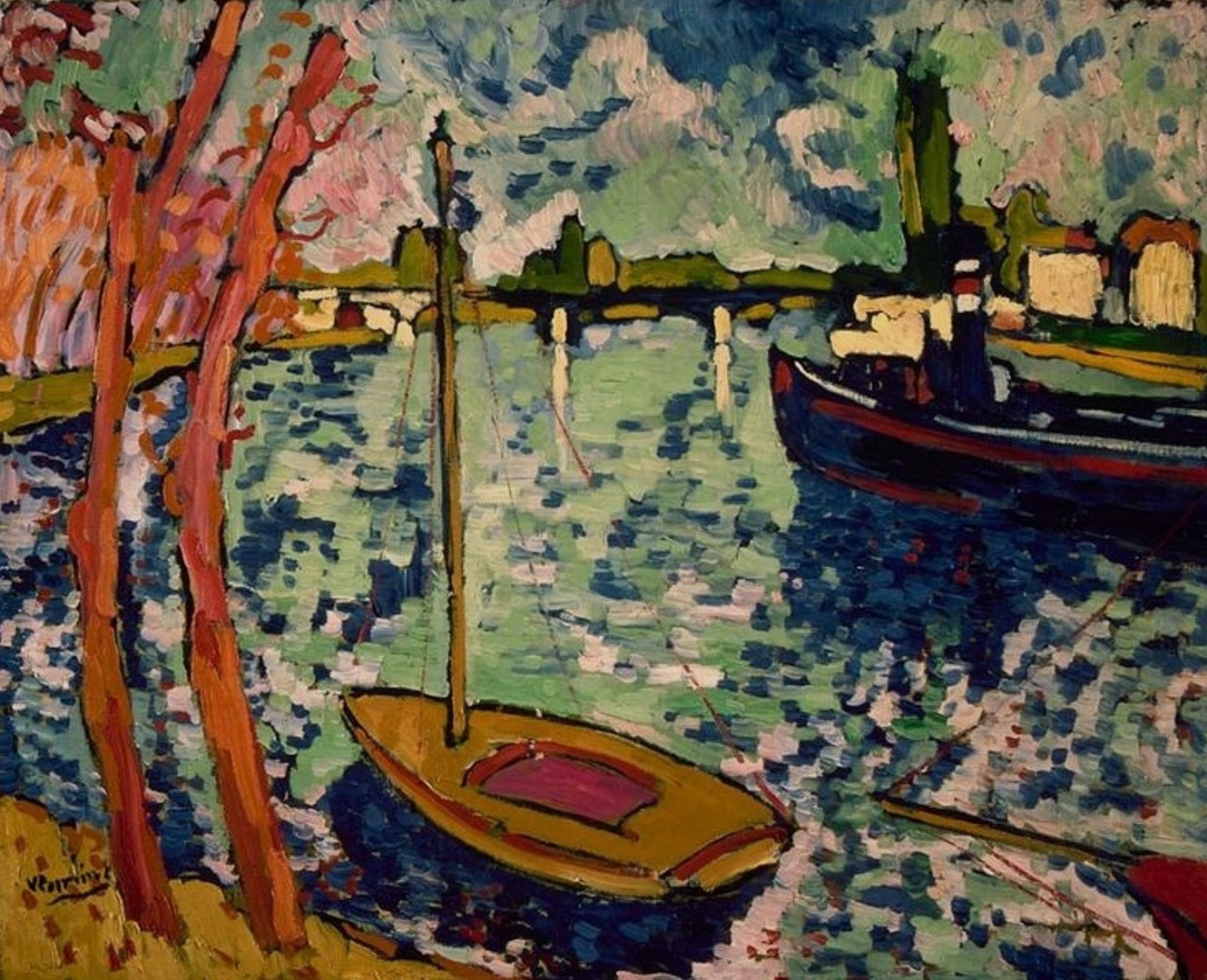
Maurice de Vlaminck, a self-taught painter, racing cyclist and violinist, shared a studio with Derain at Chatou on the Seine west of Paris from 1900. After seeing a Van Gogh exhibition in 1901 he said he loved Van Gogh more than his own father. He squeezed paint straight from the tube in thick, swirling strokes of vermilion, cobalt and orange, and boasted that he wanted to burn down the École des Beaux-Arts with his cobalts and vermilions. Views of the river, tugboats and villages around Chatou are his Fauve signature.
A brief, explosive movement
Fauvism never had a manifesto, and it burned out quickly. By 1907–1908 Braque had turned to Cézanne and, with Picasso, to Cubism; Derain moved towards a more classical style; Dufy developed his own light, decorative manner; Matisse went on to the calm, flat colour of The Joy of Life, Harmony in Red and Dance. But the idea that colour could be free spread across Europe, to the German Expressionists of Die Brücke and Der Blaue Reiter, and on into abstract art.
A digital homage in PictorX
PictorX Fauvism is a browser photo effect inspired by Matisse's Woman with a Hat, the Collioure pictures of Matisse and Derain, Derain's London and the work of Vlaminck. It is not a reproduction of any museum painting, not an AI forgery of a Fauve picture, and not a claim of authenticity. The pictures on this page are the artists' own works; the Fauves' own works are best seen in museums such as the Musée d'Orsay and the Centre Pompidou in Paris, the Musée d'Art moderne de Troyes, SFMOMA in San Francisco and the National Gallery of Art in Washington.
Try the look in PictorX
Open artistic effects, choose Fauvism, and load a photo—portraits suit Woman with a Hat, beaches and harbours suit Collioure, streets and rivers suit London, and trees, fields and villages suit Vlaminck. Pick a Style and Palette, then tune Brush Size, Color Boldness, Brushwork, Outlines and Bare Canvas. Keep editing with Matisse, Van Gogh, Pointillism or other looks in the same workspace.
Frequently asked questions
What is Fauvism?
A French painting movement of about 1905–1908, led by Henri Matisse, André Derain and Maurice de Vlaminck, that used pure, arbitrary colour and bold brushwork to express feeling rather than to describe nature.
Why are they called the Fauves?
At the 1905 Salon d'Automne in Paris, the critic Louis Vauxcelles saw a classical-style sculpture among the brightly coloured paintings and wrote “Donatello among the wild beasts” (fauves). The nickname became the name of the movement.
Who were the main Fauve painters?
Henri Matisse, André Derain and Maurice de Vlaminck, with Albert Marquet, Henri Manguin, Charles Camoin, Raoul Dufy, Georges Braque, Othon Friesz and Kees van Dongen.
What are the most famous Fauve paintings?
Among the best known are Matisse's Woman with a Hat (1905) and The Joy of Life (1905–06), Derain's views of Collioure (1905) and Charing Cross Bridge (1906), and Vlaminck's river scenes around Chatou.
Is the PictorX Fauvism filter a real Fauve painting?
No. It is a digital photo effect inspired by the colour and brushwork of the Fauves. Their original works remain unique museum pieces.
Related tools
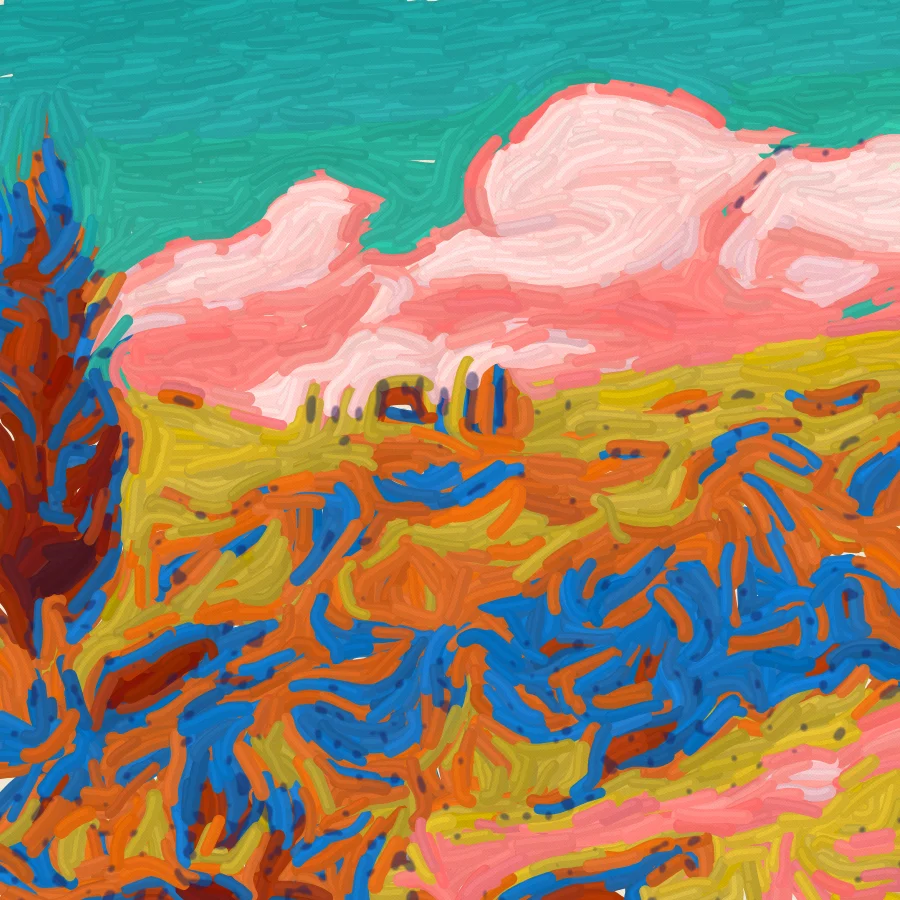
Fauvism photo filter - wild colour like Matisse, Derain and Vlaminck
Turn a photo into a Fauvist painting in your browser: arbitrary, blazing colour in bold strokes, like Matisse's Woman with a Hat, Derain and Matisse at Collioure, Derain's London or Vlaminck's thick impasto.
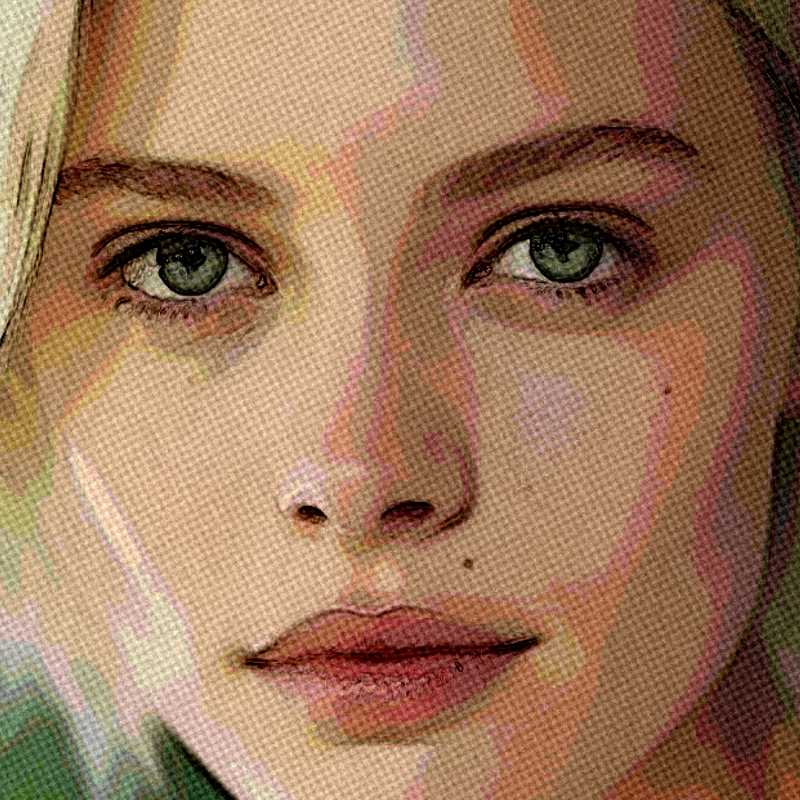
Artistic effects
Transform photos with oil painting, watercolor, pencil, comic ink, pastels, paper cut-out, and other studio art looks.
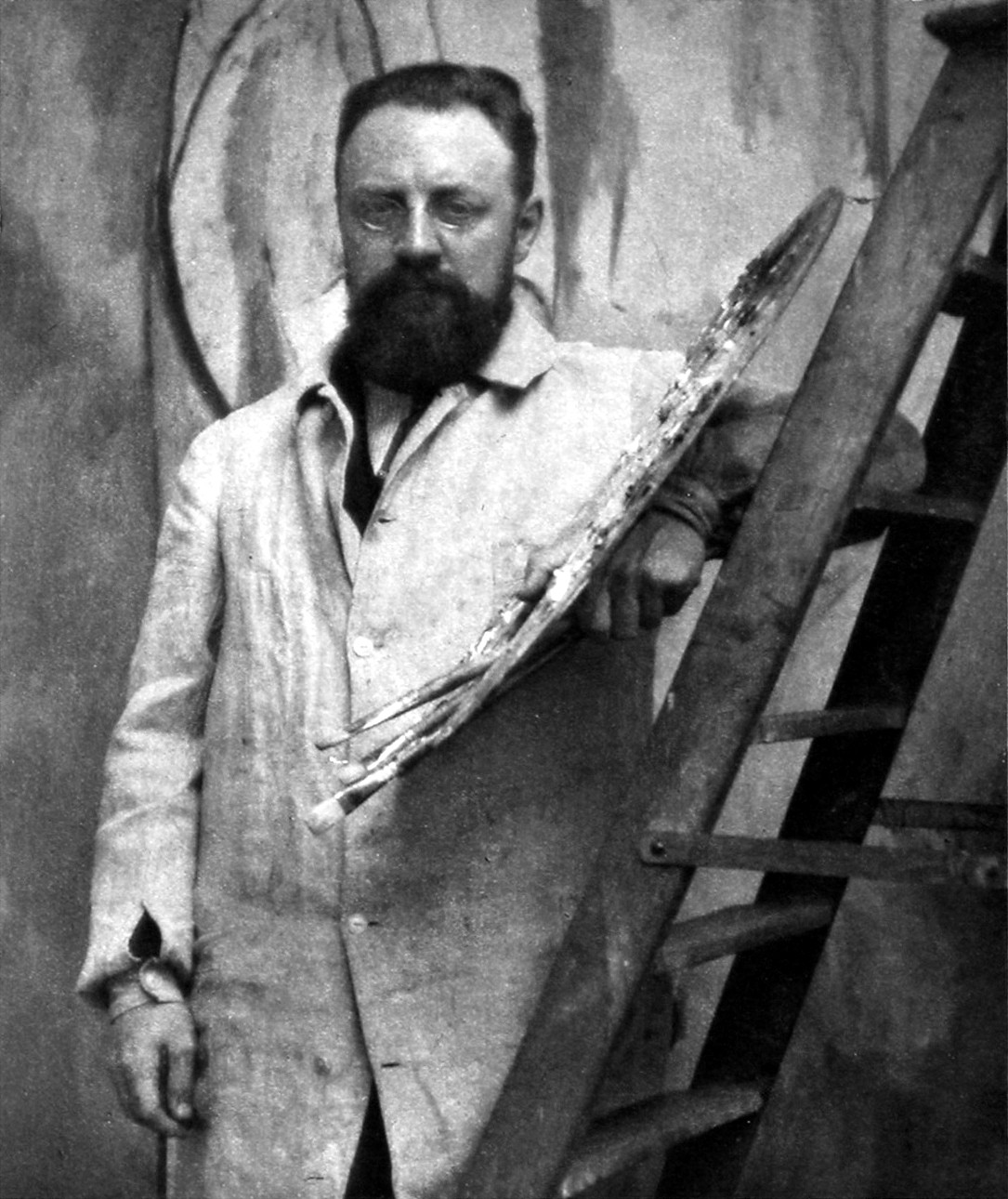
Henri Matisse
A short guide to Henri Matisse: from law clerk to painter, the Fauves of 1905, Harmony in Red and Dance, the Nice years, his line drawings, drawing with scissors in the cut-outs, and a digital homage you can try in PictorX.
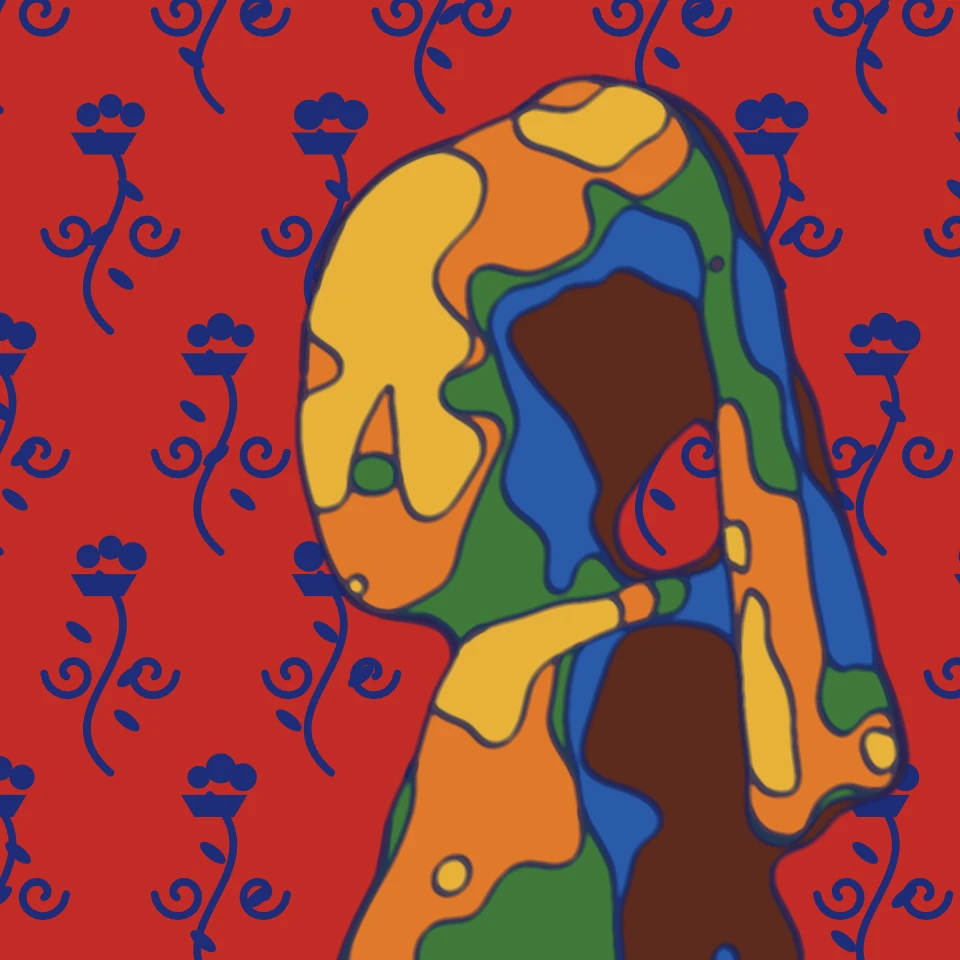
Matisse photo filter - cut-outs, Fauve colour and line
Turn a photo into a Henri Matisse-style picture in your browser: paper cut-outs like Jazz and the Blue Nudes, vivid Fauve colour, Harmony in Red with blue arabesques, or a flowing line drawing.
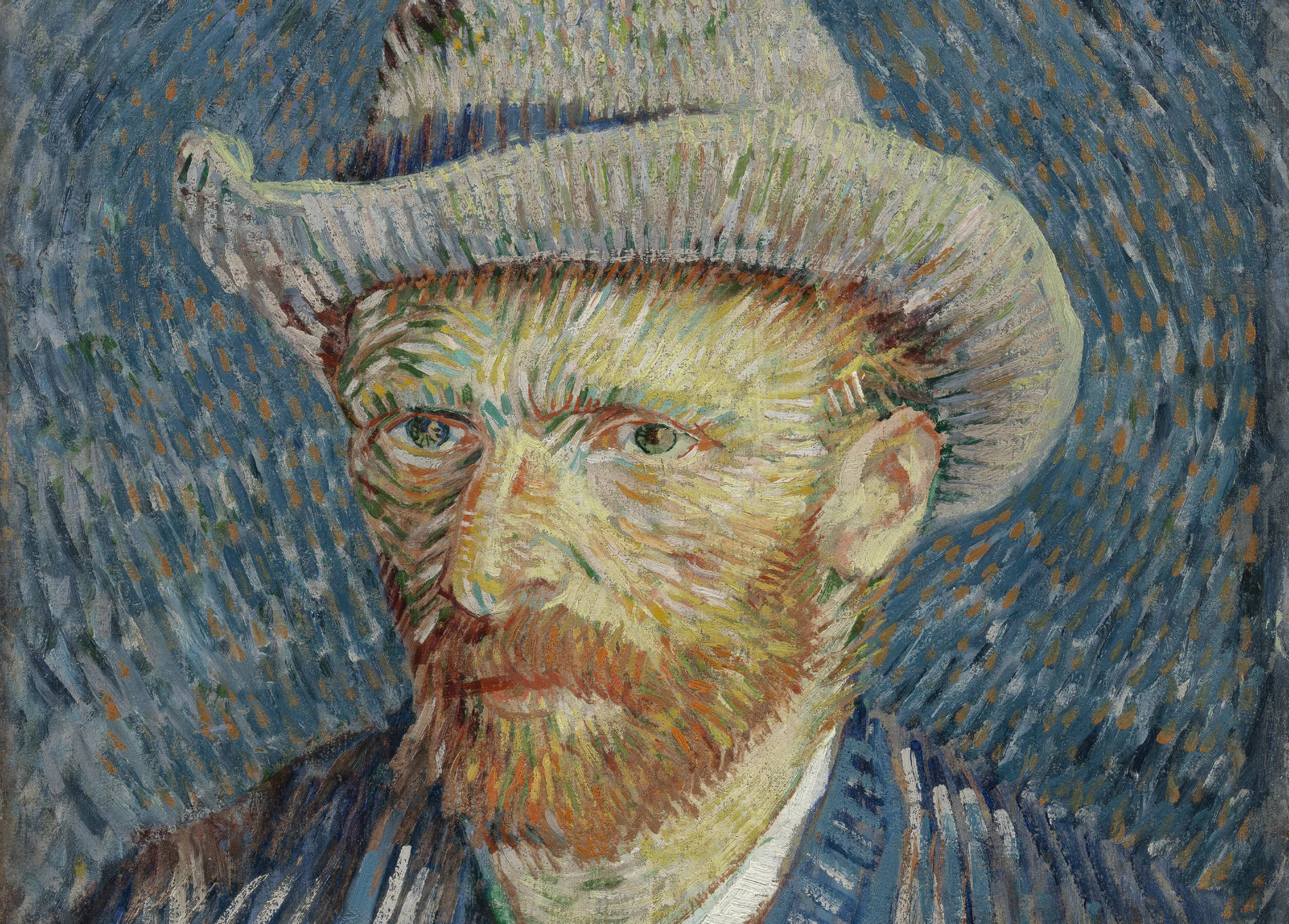
Vincent van Gogh
A short guide to Vincent van Gogh: Dutch Post-Impressionism, swirling brushwork, Starry Night and sunflowers, and a respectful digital homage you can try in PictorX.
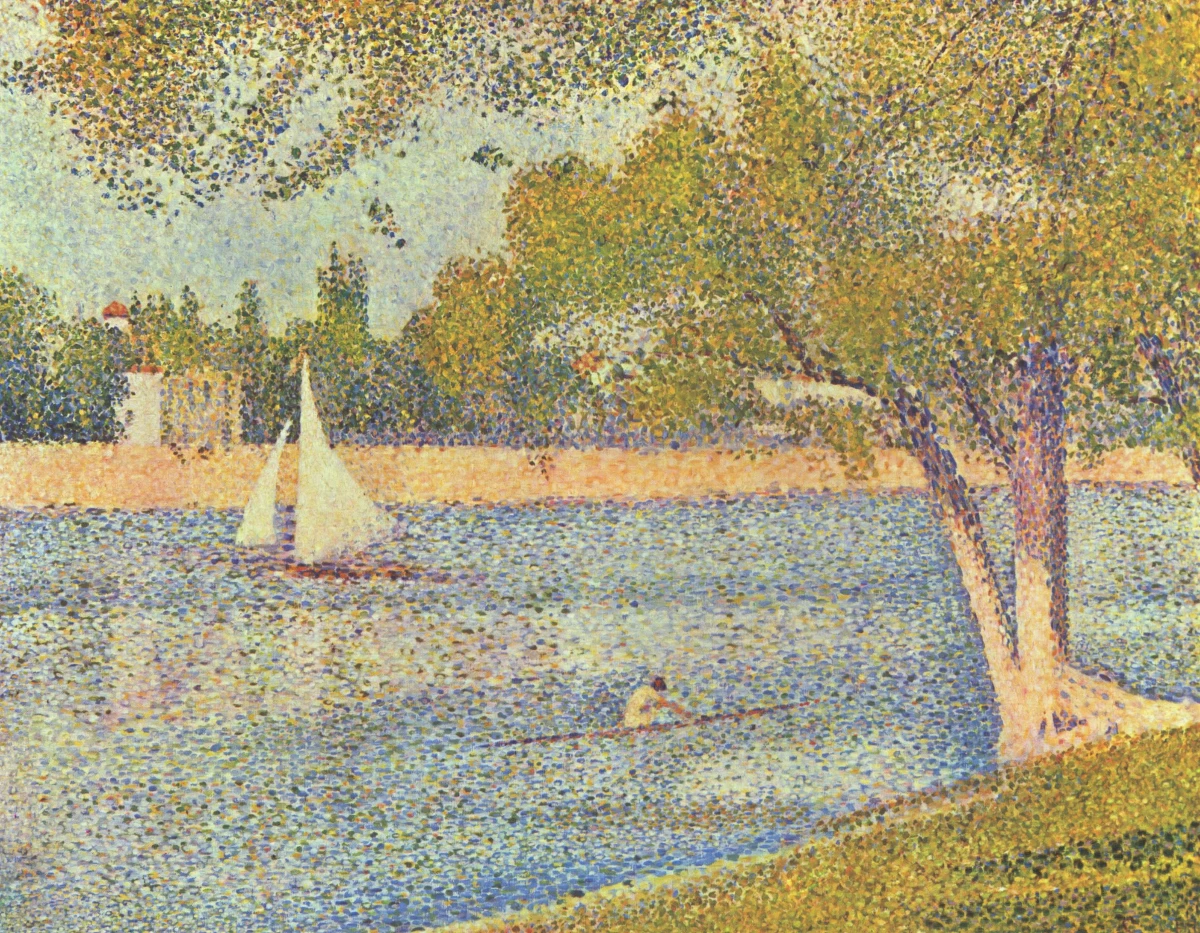
Pointillism
A short guide to Pointillism: Seurat and Signac, Neo-Impressionism, optical colour mixture with dots, and a digital homage you can try in PictorX.
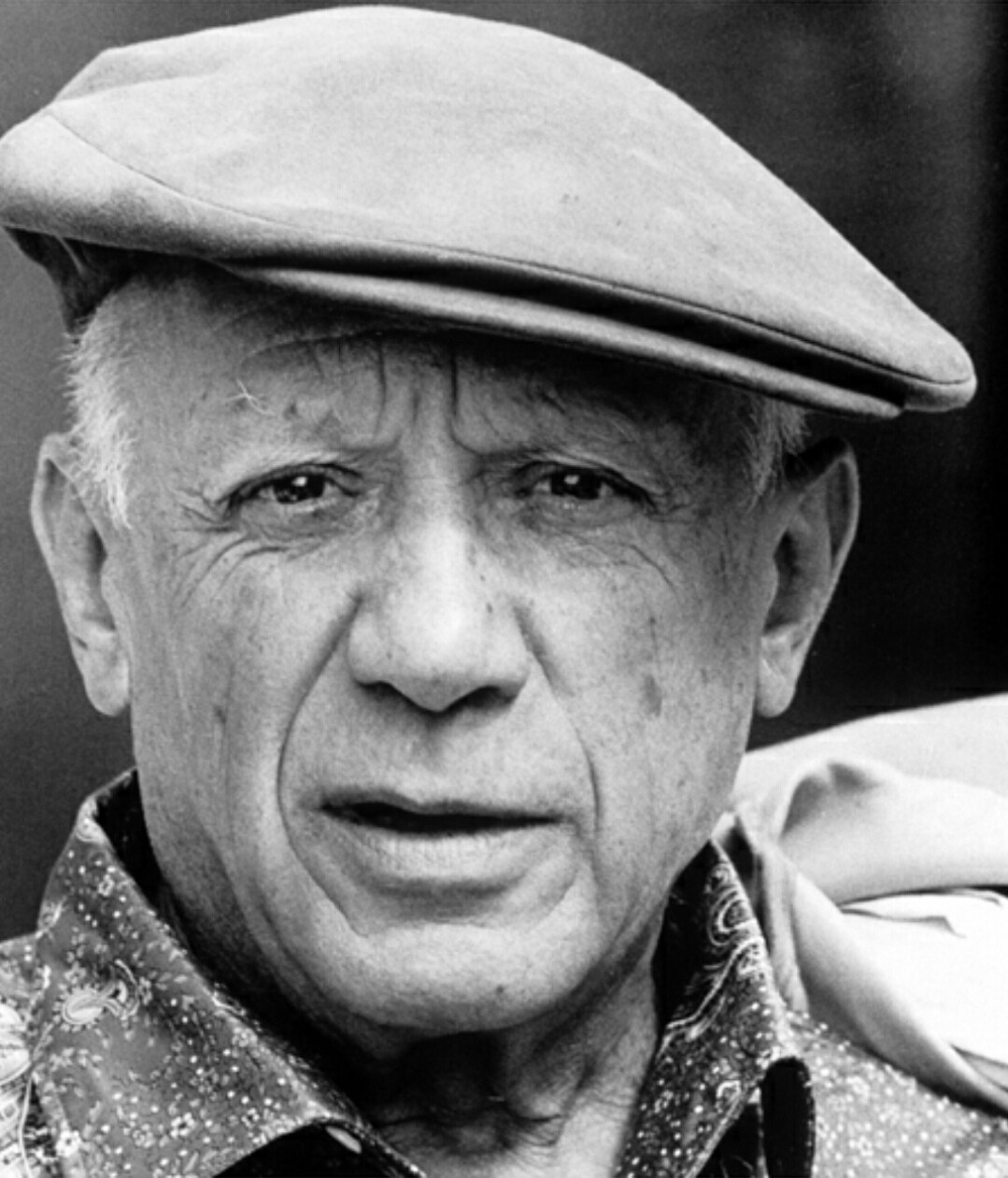
Pablo Picasso
A short guide to Pablo Picasso: the prodigy from Málaga, the Blue and Rose Periods, Les Demoiselles d'Avignon and Cubism with Braque, Guernica and The Weeping Woman, his endless reinventions, and a digital homage you can try in PictorX.
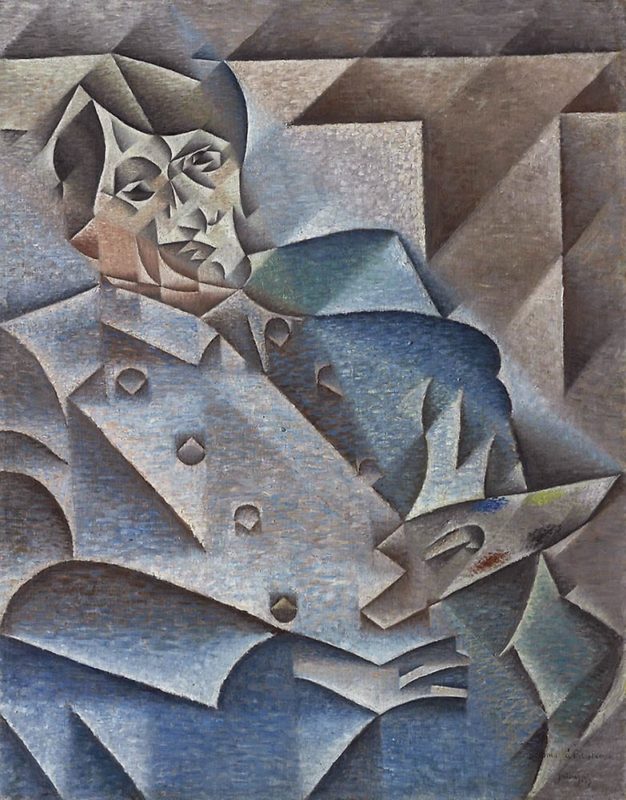
Cubism
A short guide to Cubism: Picasso and Braque, Analytic and Synthetic Cubism, fragmented planes, multiple viewpoints, and a digital homage you can try in PictorX.
Ready to try it?
Open PictorX in your browser — no install, no credit card required to start.
Try Fauvism