
Surrealism
Read more about Surrealism—the movement that set out to paint dreams, chance and the unconscious, from Salvador Dalí's melting watches to René Magritte's floating apples—and put a photo into a dream of your own in PictorX.
What was Surrealism?
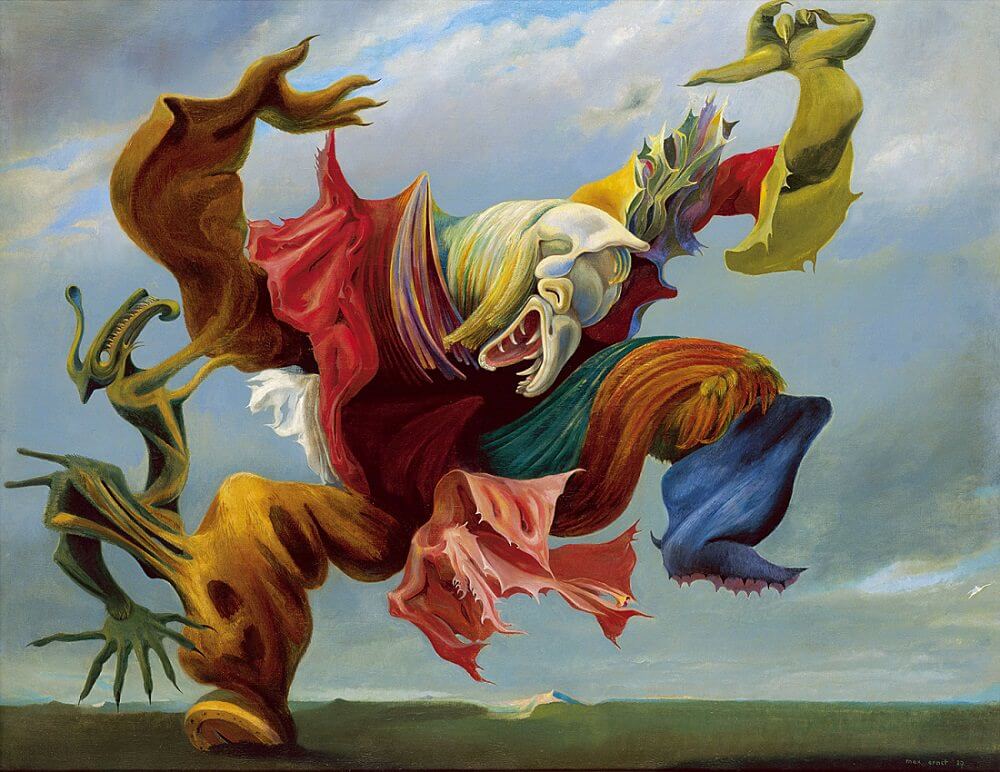
Surrealism was an art and literary movement founded in Paris in the 1920s. Its members wanted to free the imagination from logic and habit and to reach what they called a higher reality, where dream and waking life meet. Some painted impossible scenes with the precision of an old master, so that the strangest things looked real; others let chance and the unconscious guide the hand. Its best-known painters include Salvador Dalí, René Magritte, Max Ernst and Joan Miró.
André Breton and the manifesto of 1924
Surrealism grew out of Dada, the anti-art movement born during the First World War. In October 1924 the poet André Breton published the Manifesto of Surrealism, defining it as “psychic automatism in its pure state”: thought expressed without the control of reason. Inspired by Sigmund Freud, the group recorded dreams, practised automatic writing and opened a Bureau of Surrealist Research in Paris. They loved a line by the poet Lautréamont: “beautiful as the chance meeting on a dissecting table of a sewing machine and an umbrella.”
De Chirico and metaphysical painting
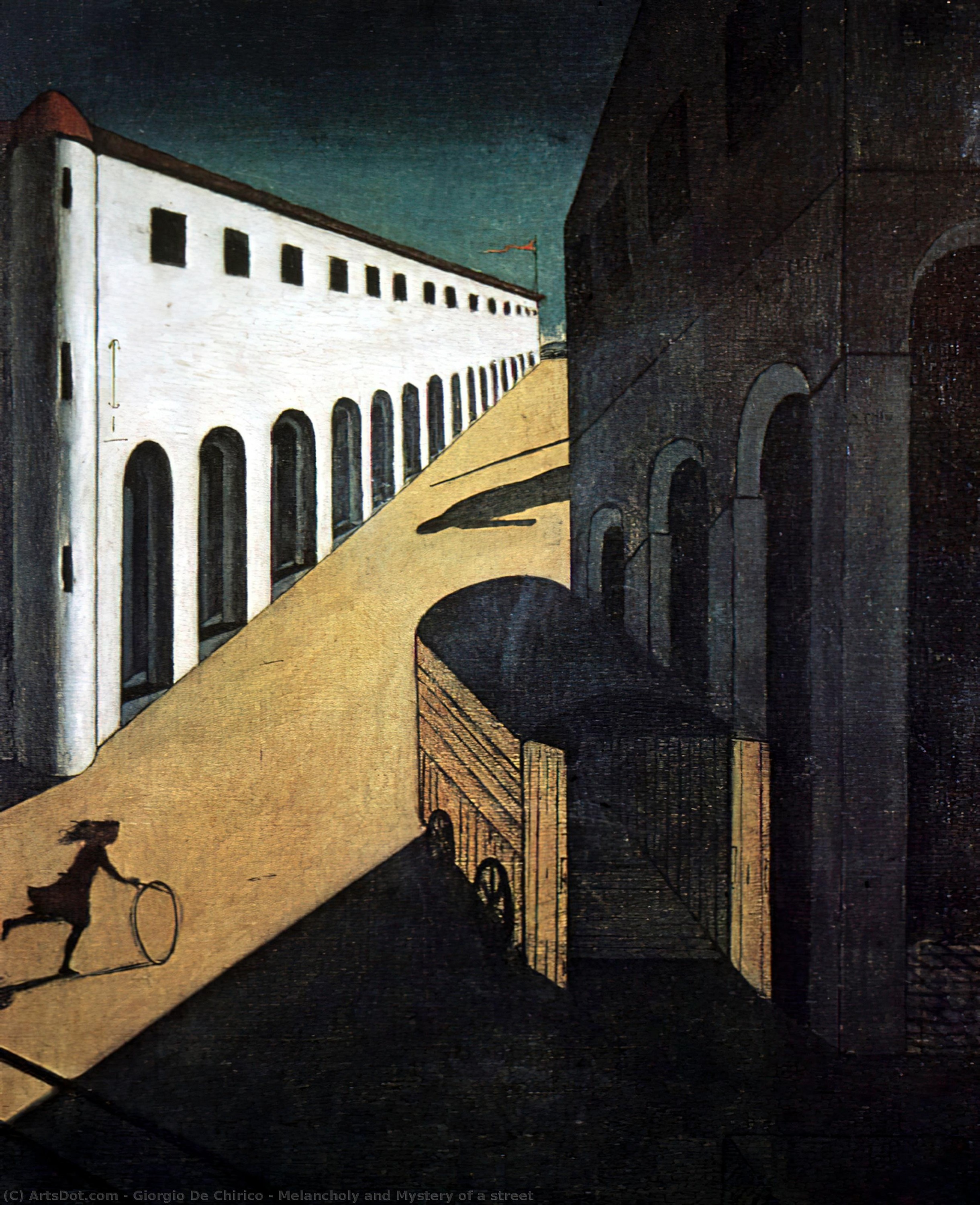
Before Surrealism existed, the Italian painter Giorgio de Chirico had painted its mood. In his “metaphysical” pictures of about 1910 to 1919—such as Mystery and Melancholy of a Street (1914) and The Song of Love (1914)—empty Italian squares, arcades and statues lie under green skies, cut by long shadows, with a distant train or a tall chimney. Nothing happens, yet everything feels uncanny. Breton, Max Ernst, Yves Tanguy and Magritte all admired these works.
Dalí and the soft watches
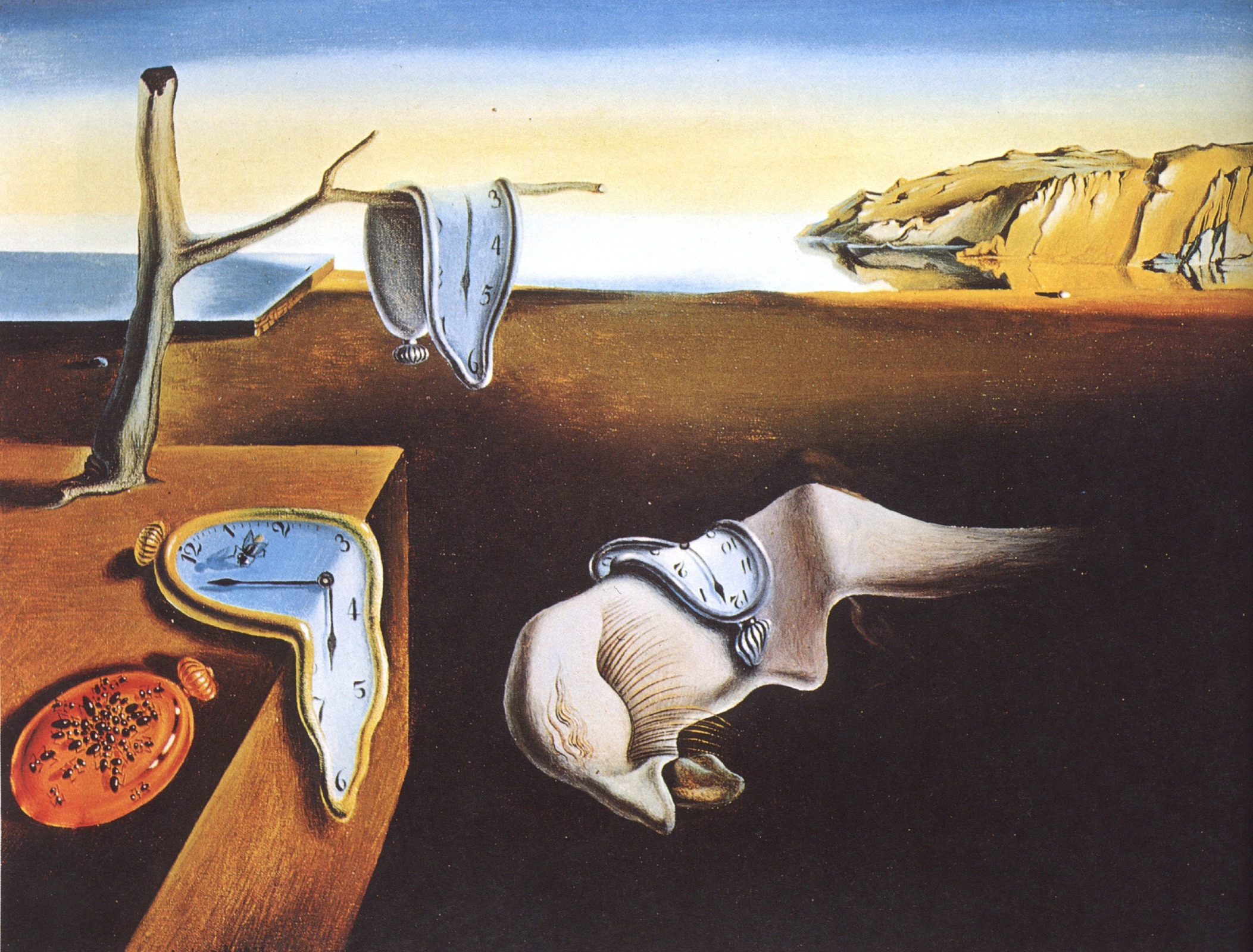
The Catalan painter Salvador Dalí joined the Surrealists in 1929 and became the most famous of them. The Persistence of Memory (1931, Museum of Modern Art, New York) shows pocket watches melting over a branch, a ledge and a strange sleeping creature, in the bare light of the coast near his home at Port Lligat. Dalí called his method “paranoiac-critical”: painting the images of delirium with photographic exactness. With the film-maker Luis Buñuel he also made the film Un Chien Andalou (1929).
Magritte: apples, pipes and bowler hats
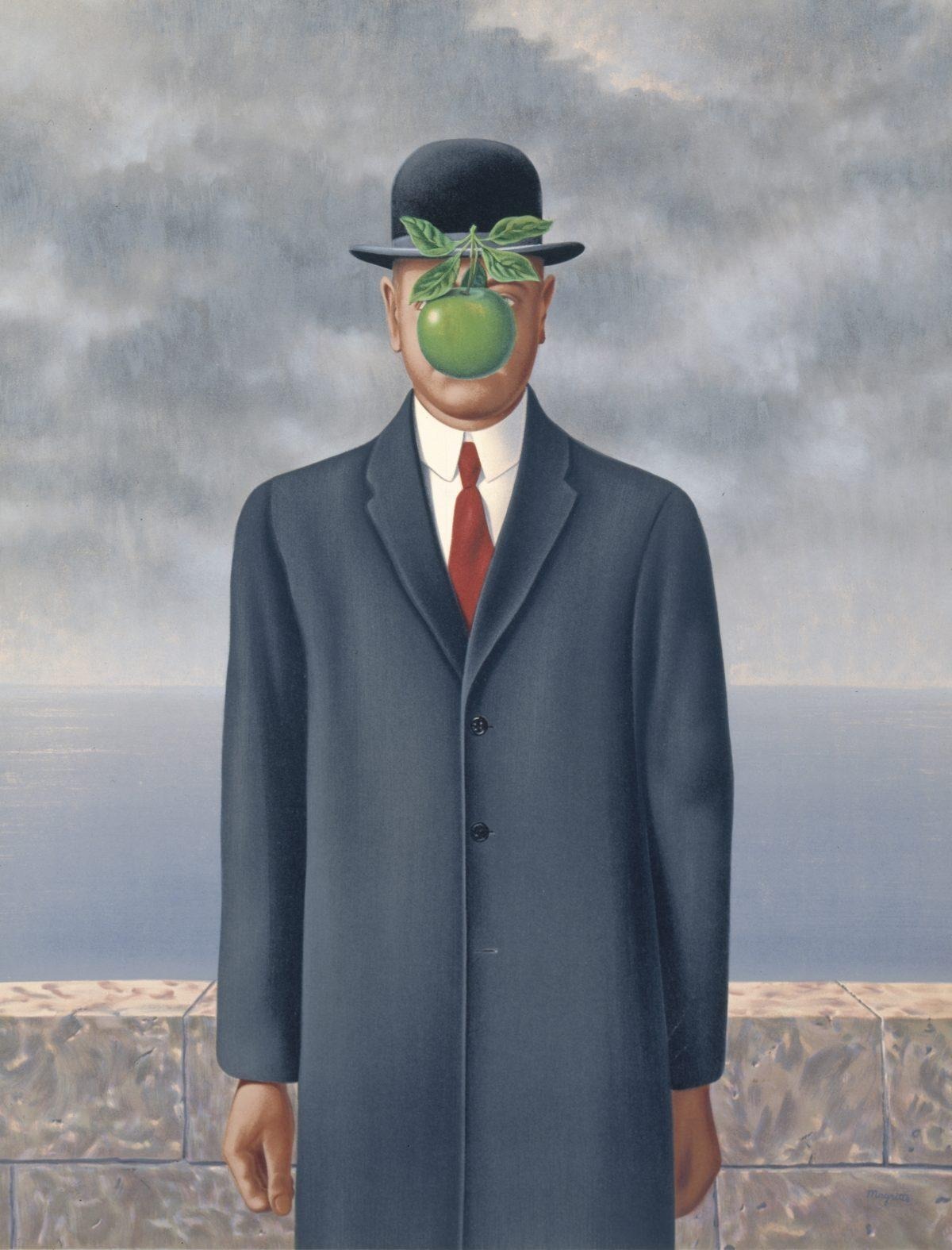
The Belgian René Magritte painted ordinary things—apples, pipes, clouds, men in bowler hats—in a calm, flat manner, then put them where they do not belong. The Treachery of Images (1929) shows a pipe above the words “Ceci n'est pas une pipe”, “This is not a pipe”: it is only a picture of one. In Golconda (1953) bowler-hatted men hang in the sky like rain, and in The Son of Man (1964) a green apple floats in front of a man's face, hiding exactly what we most want to see.
Ernst, Miró and the Exquisite Corpse
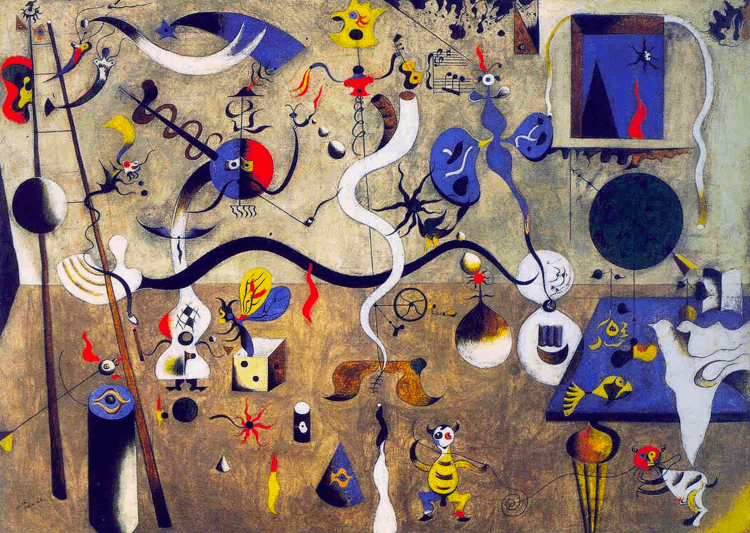
Other Surrealists let chance do the work. Max Ernst rubbed pencil over wood grain and leaves to make frottages, scraped paint off canvas and pressed paint between sheets to make strange textures. Joan Miró drew and painted freely until shapes appeared, filling pictures such as Harlequin's Carnival (1924–25) with floating, playful creatures. The group also played the Exquisite Corpse: each player added a word or a part of a figure on a folded sheet without seeing the rest. The name comes from the first sentence it produced: “The exquisite corpse will drink the new wine.”
Women, photographers and a lasting legacy
Surrealism was never only painting, and never only men. Meret Oppenheim covered a cup, saucer and spoon in fur (Object, 1936); Leonora Carrington and Remedios Varo painted magical worlds in Mexico; Dorothea Tanning, Leonor Fini and Kay Sage made dreamlike pictures of their own; and Man Ray, Lee Miller, Dora Maar and Claude Cahun brought Surrealism into photography. After the great exhibitions in London (1936) and Paris (1938), many Surrealists fled the war to New York, where automatism inspired Jackson Pollock and the Abstract Expressionists. Breton died in 1966, but Surrealist ideas live on in film, advertising, fashion and music videos.
A digital homage in PictorX
PictorX Surrealism is a filter inspired by De Chirico, Max Ernst, Yves Tanguy, Leonora Carrington, Remedios Varo, Man Ray and the Exquisite Corpse game; Dalí and Magritte have effects of their own, Salvador Dalí and René Magritte. None of them is a reproduction of a museum painting, an AI copy of a Surrealist work or a claim of authenticity: each scene is built from your own photo. The images made with these filters on this page are PictorX homages; the Surrealists' own works are best seen in museums such as the Museum of Modern Art in New York, the Centre Pompidou in Paris, the Magritte Museum in Brussels, the Dalí Theatre-Museum in Figueres, Tate Modern in London and the Museo de Arte Moderno in Mexico City.
Put a photo into a dream in PictorX
Open the Surrealism effect, load a photo—a portrait with a clear subject works best—and pick a Style: Metaphysical, Europe after the Rain, Exquisite Corpse, Indefinite Divisibility, The Giantess, Embroidering the Earth's Mantle or Solarization. Choose a Palette, then use Distortion to make the scene stranger, Dreaminess to smooth the photo into glazed paint, Detail to add arches, crusts, bands, forms, geese or threads, and Shadows to lengthen the shadows. Turn Floating Objects on or off, use Remove background so the subject stands out cleanly, then export, or keep editing in PictorX. For soft watches, long-legged elephants and crutches, open the Salvador Dalí effect; for green apples, bowler hats and blue skies, open the René Magritte effect.
Frequently asked questions
What is Surrealism?
An art and literary movement founded in Paris in 1924 by André Breton and his friends. It explored dreams, chance and the unconscious, often painting impossible scenes in a very realistic way.
Who are the most famous Surrealist artists?
Among the best known are Salvador Dalí, René Magritte, Max Ernst, Joan Miró, Yves Tanguy, Man Ray, Leonora Carrington, Meret Oppenheim and Dorothea Tanning; Giorgio de Chirico's earlier metaphysical paintings were a major influence.
What is the most famous Surrealist painting?
Salvador Dalí's The Persistence of Memory (1931), with its melting watches, is probably the best known. René Magritte's The Son of Man (1964) and The Treachery of Images (1929) are close behind.
What is an Exquisite Corpse?
A Surrealist game in which several people add words or parts of a drawing on a folded sheet without seeing what the others have done. The result never quite fits together—which is the point.
Is the PictorX filter a real Surrealist painting?
No. It is a digital homage built from your own photo, not a copy of any Surrealist work. The original paintings remain unique museum pieces.
Related tools
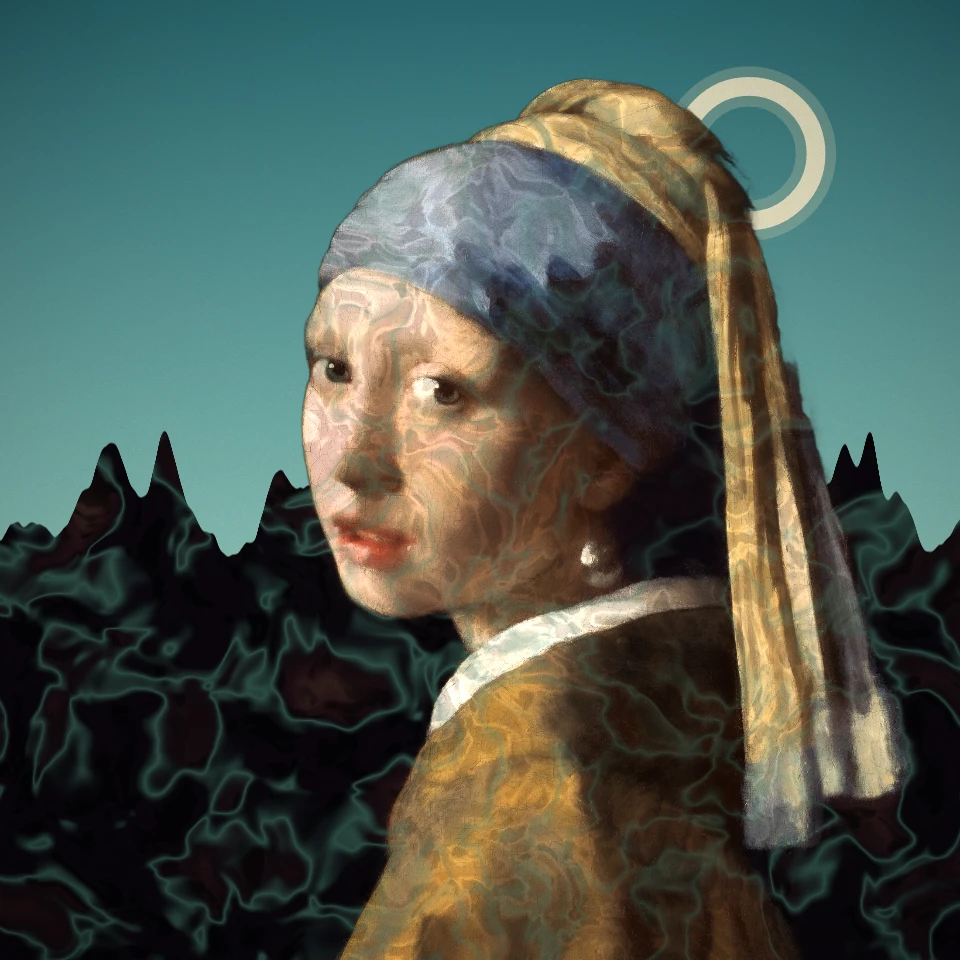
Surrealism photo filter
Turn a photo into a Surrealist dream: De Chirico's empty piazza, Ernst's decalcomania, an Exquisite Corpse, Tanguy's endless plain, Varo's tower or a Man Ray solarization. Dalí and Magritte have their own effects.
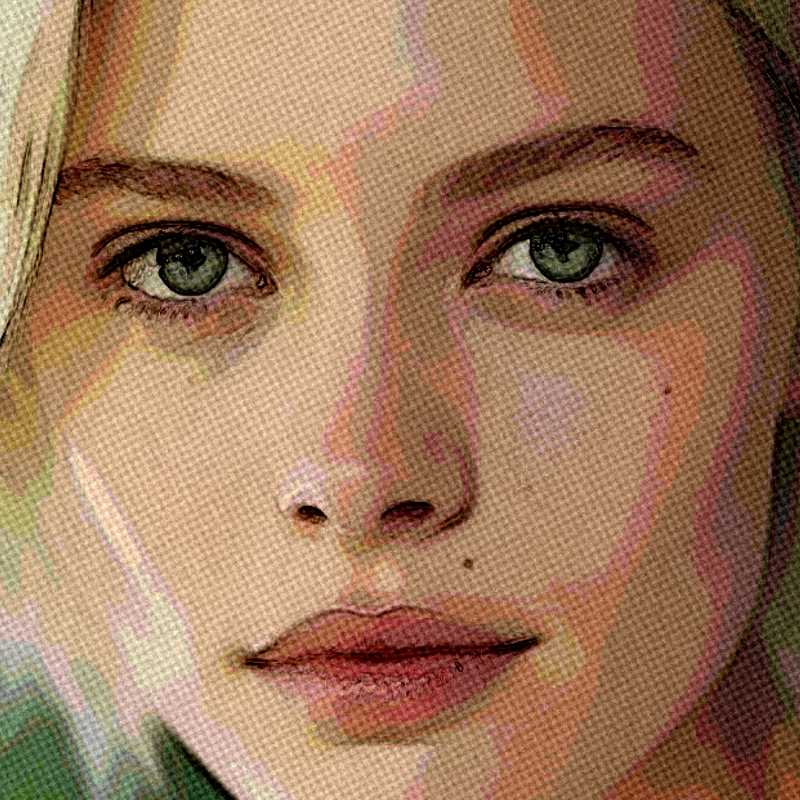
Artistic effects
Transform photos with oil painting, watercolor, pencil, comic ink, pastels, paper cut-out, and other studio art looks.
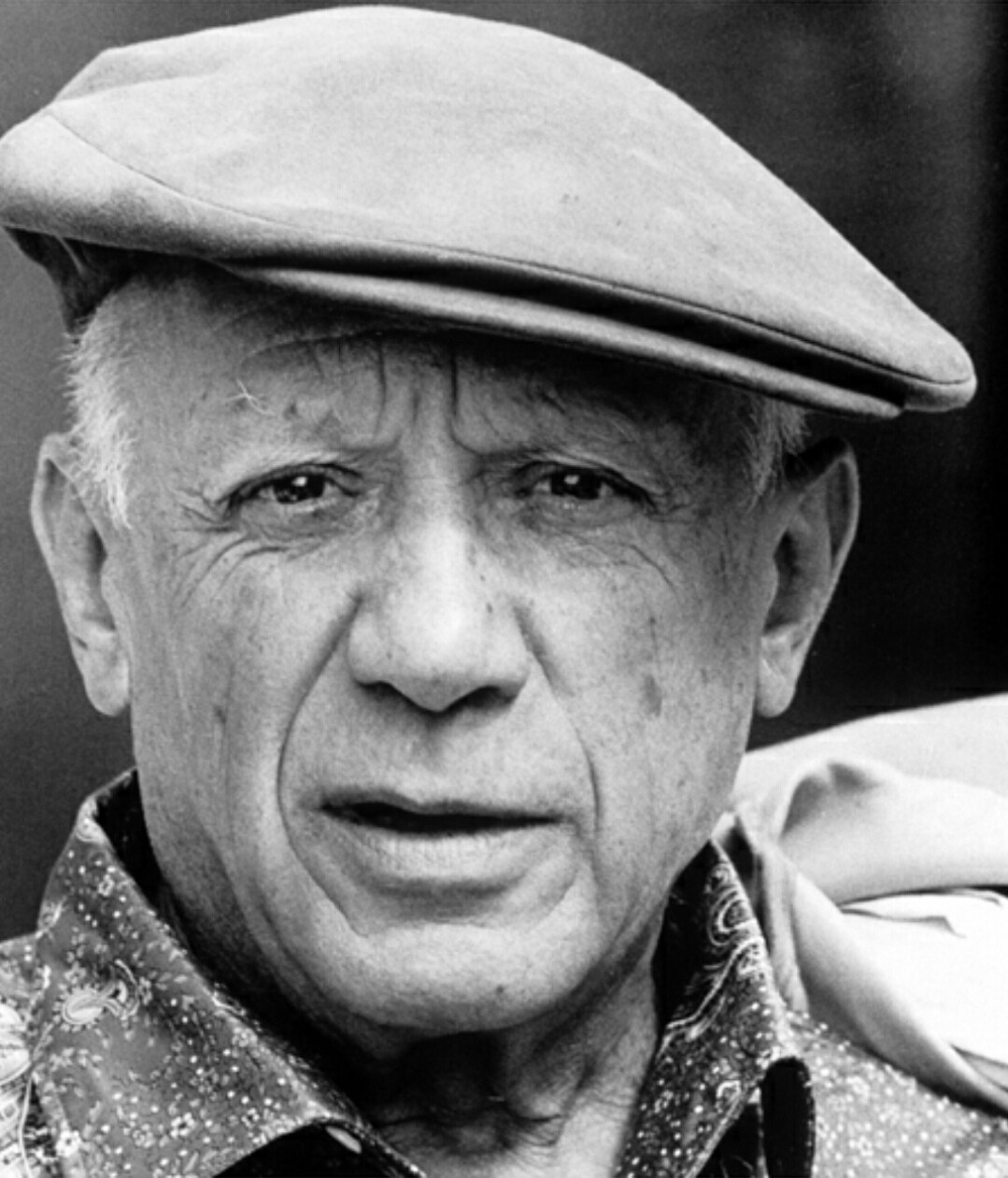
Pablo Picasso
A short guide to Pablo Picasso: the prodigy from Málaga, the Blue and Rose Periods, Les Demoiselles d'Avignon and Cubism with Braque, Guernica and The Weeping Woman, his endless reinventions, and a digital homage you can try in PictorX.
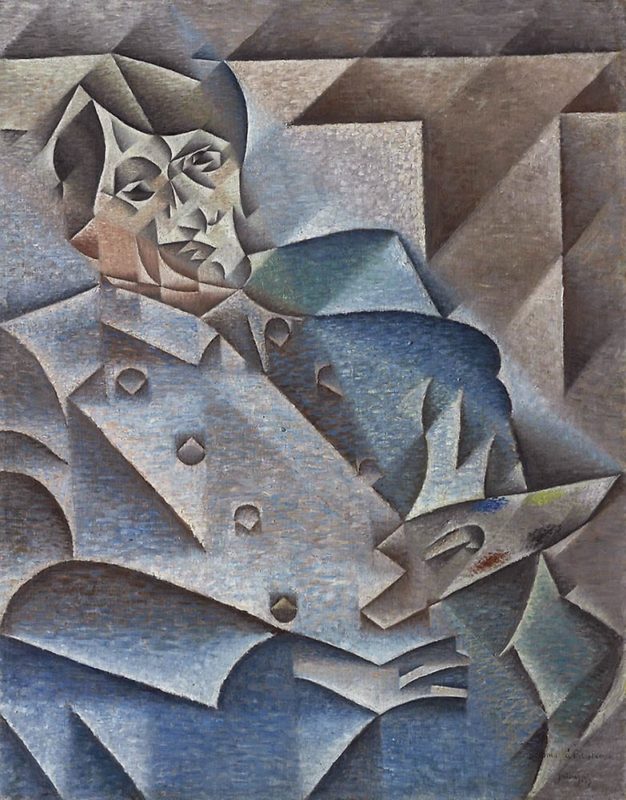
Cubism
A short guide to Cubism: Picasso and Braque, Analytic and Synthetic Cubism, fragmented planes, multiple viewpoints, and a digital homage you can try in PictorX.
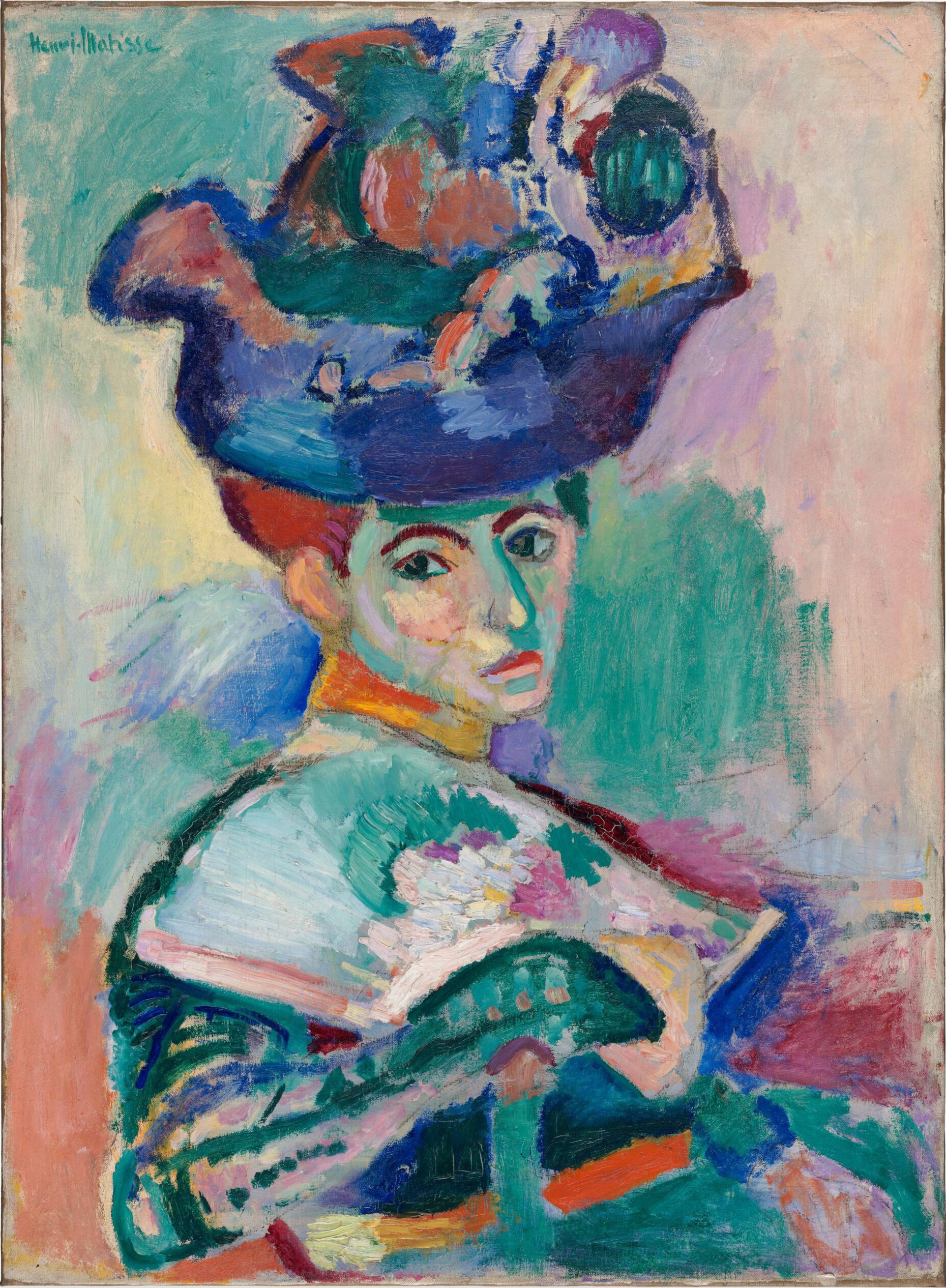
Fauvism
A short guide to Fauvism: the Salon d'Automne of 1905 and the “wild beasts”, its roots in Van Gogh, Gauguin and Signac, Matisse and Derain at Collioure, Derain in London, Vlaminck at Chatou, the end of the movement, and a digital homage you can try in PictorX.
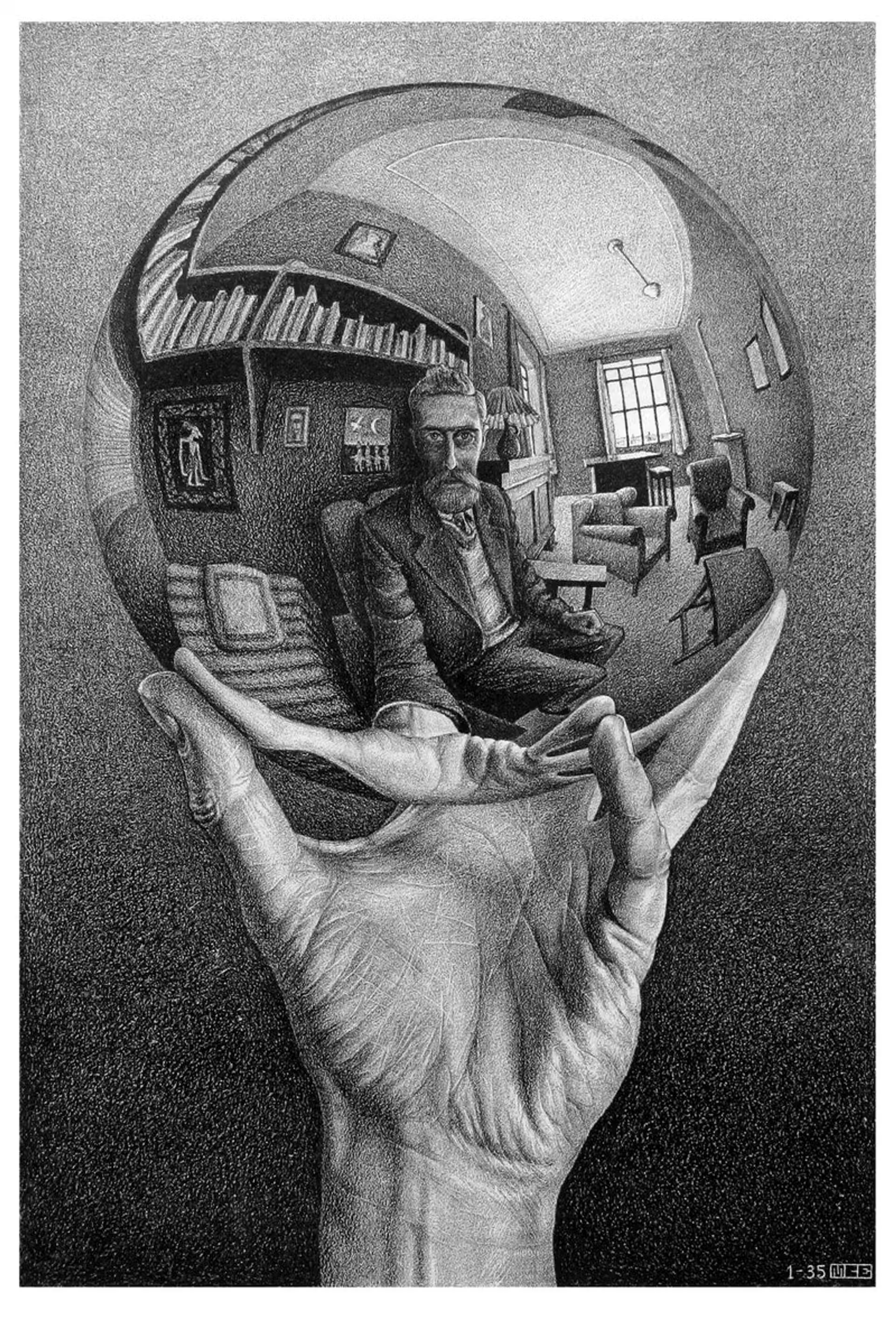
M.C. Escher
M.C. Escher’s regular divisions of the plane: Alhambra tessellations, translation, rotation and reflection, metamorphosis, hyperbolic infinity, and figure–ground duality—plus PictorX M.C. Escher.
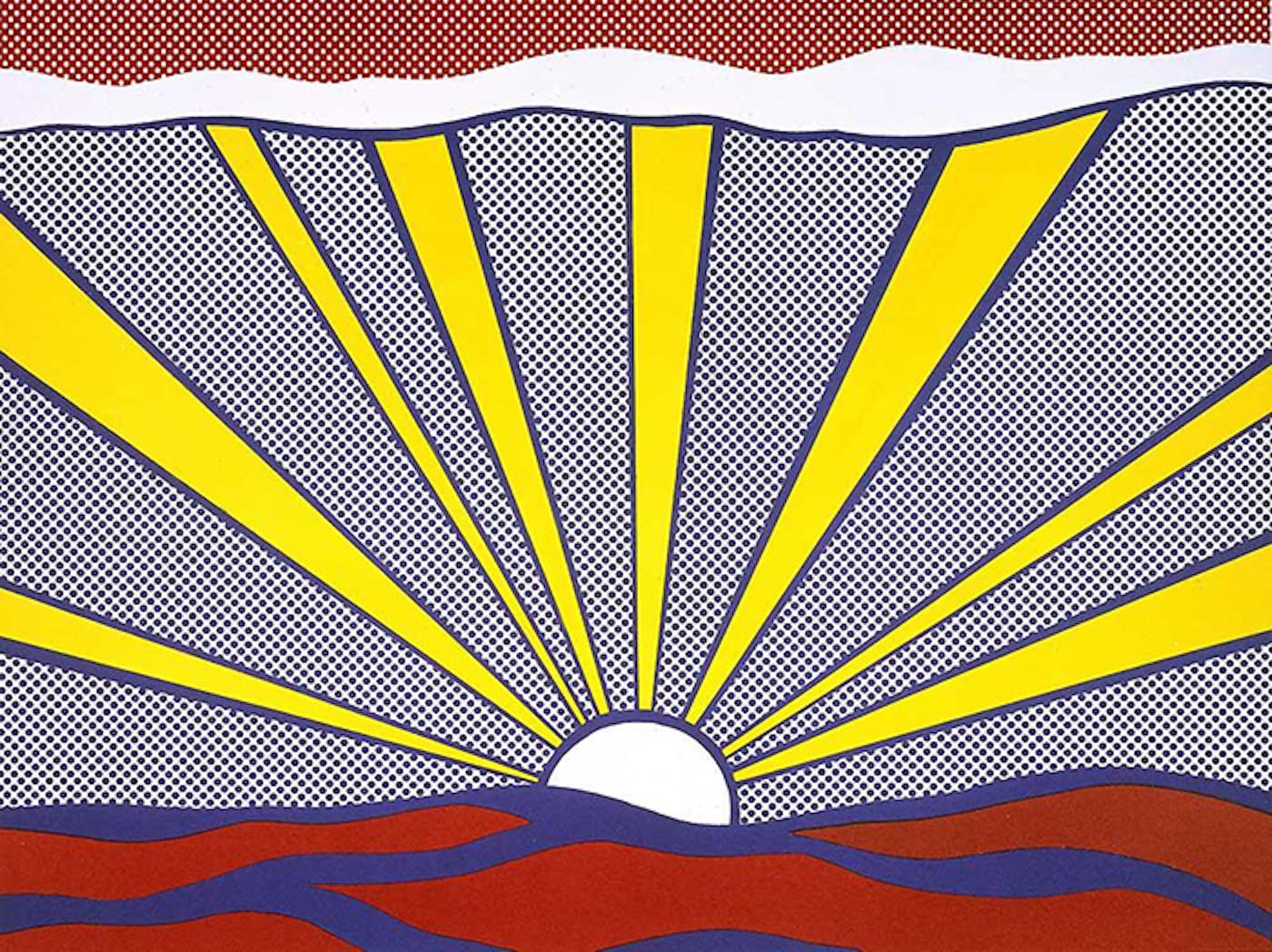
Pop Art
Learn how Pop Art turned advertising, comics, and consumer products into art—Andy Warhol, Roy Lichtenstein, silkscreen, and the rise of mass culture.
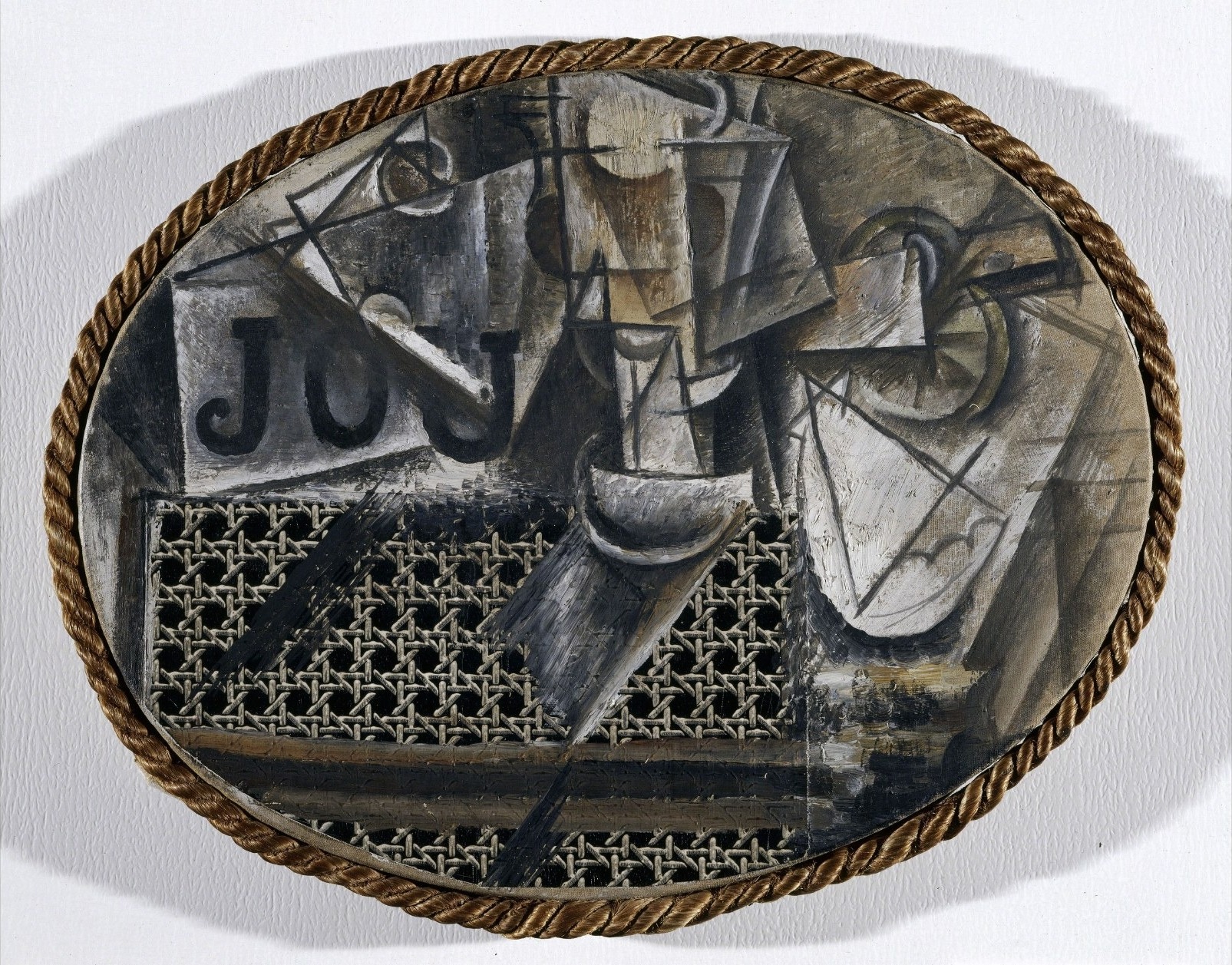
Mixed Media
A short guide to mixed media: collage and assemblage, print textures like halftone and dotscreen, and a digital collage homage you can try in PictorX.
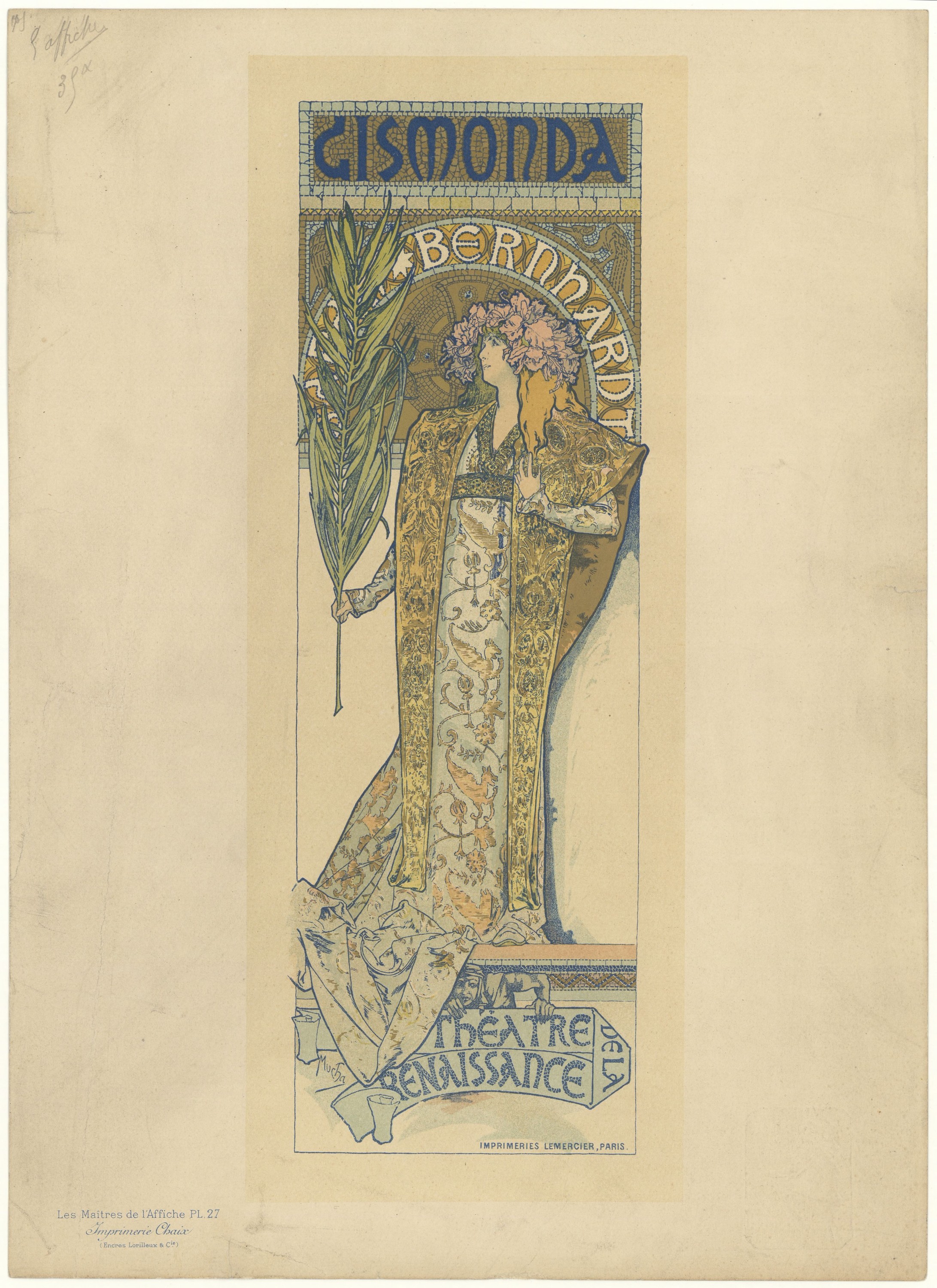
Art Nouveau
A short guide to Art Nouveau: where the name came from, Mucha's posters, the whiplash line and the buildings of Horta, Guimard and Gaudí, Klimt and the Vienna Secession, Tiffany glass and Lalique jewels, Beardsley's ink drawings, the end of the style and its revival, and a digital homage you can try in PictorX.
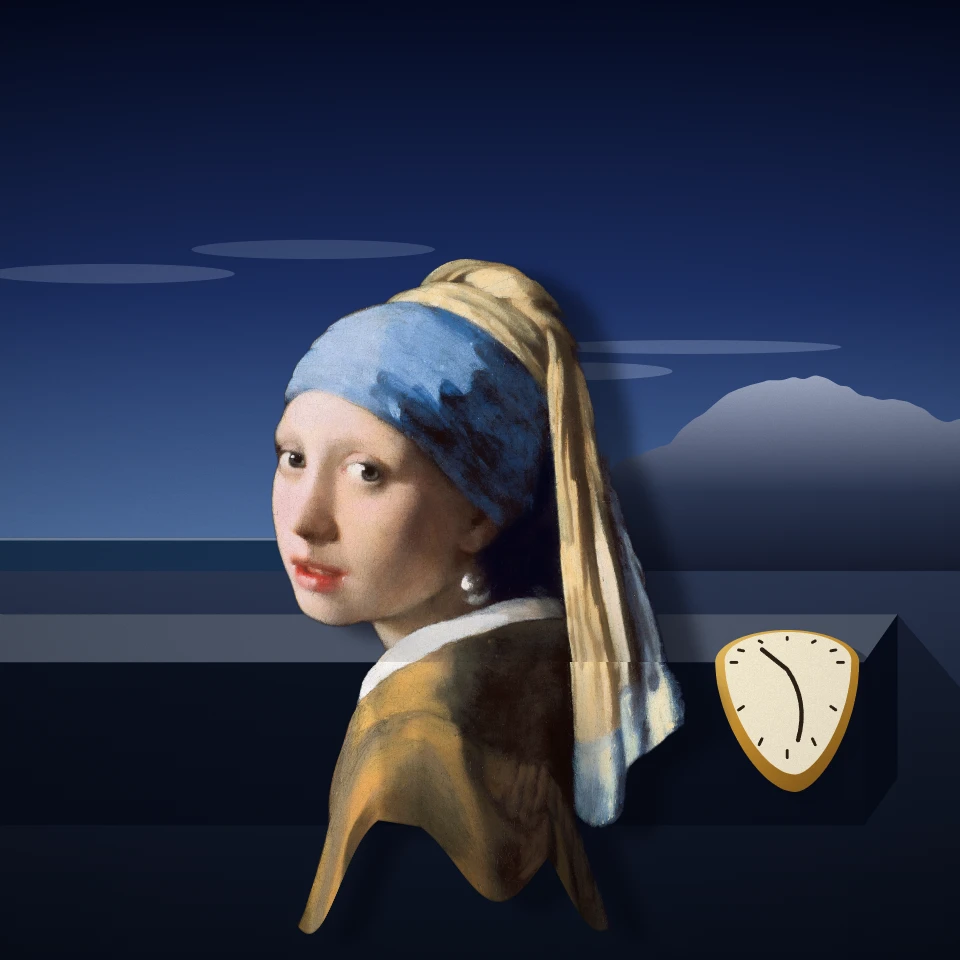
Salvador Dalí photo filter
Put a photo into a painting after Salvador Dalí in your browser: melt it like The Persistence of Memory, stand it among the long-legged Elephants, rebuild it from spheres, reflect it in a swan lake, open drawers in it, prop it up on crutches or let it float like Leda Atomica.
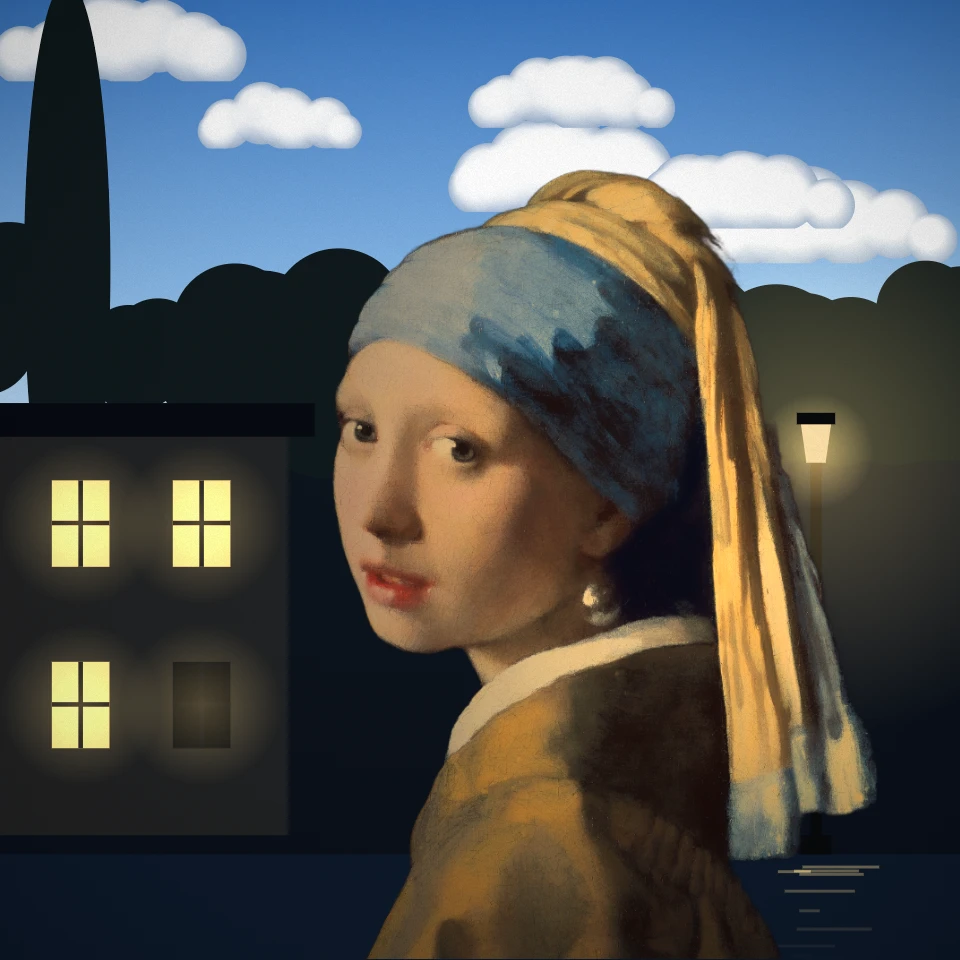
René Magritte photo filter
Put a photo into a painting after René Magritte in your browser: an apple before the face as in The Son of Man, raining men in Golconda, The Empire of Light, Decalcomania, The Lovers, “Ceci n'est pas une photo”, The Great Family or The Castle of the Pyrenees.
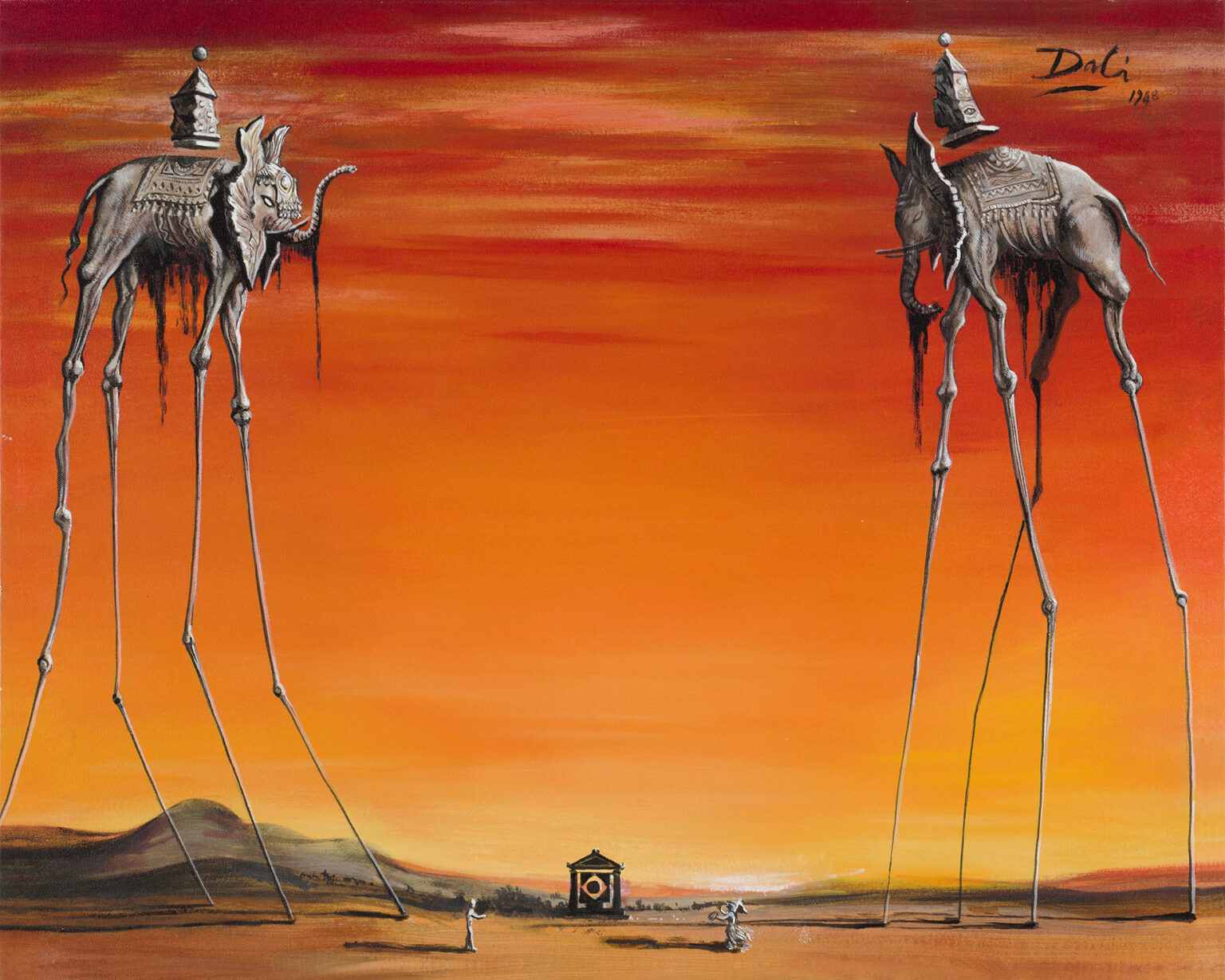
Salvador Dalí
A short guide to Salvador Dalí: his childhood in Figueres and Cadaqués, Lorca and Buñuel, Gala and the Surrealists, The Persistence of Memory, double images, crutches, drawers and a lobster telephone, Hollywood and Disney, Leda Atomica, his Theatre-Museum, and a digital homage you can try in PictorX.
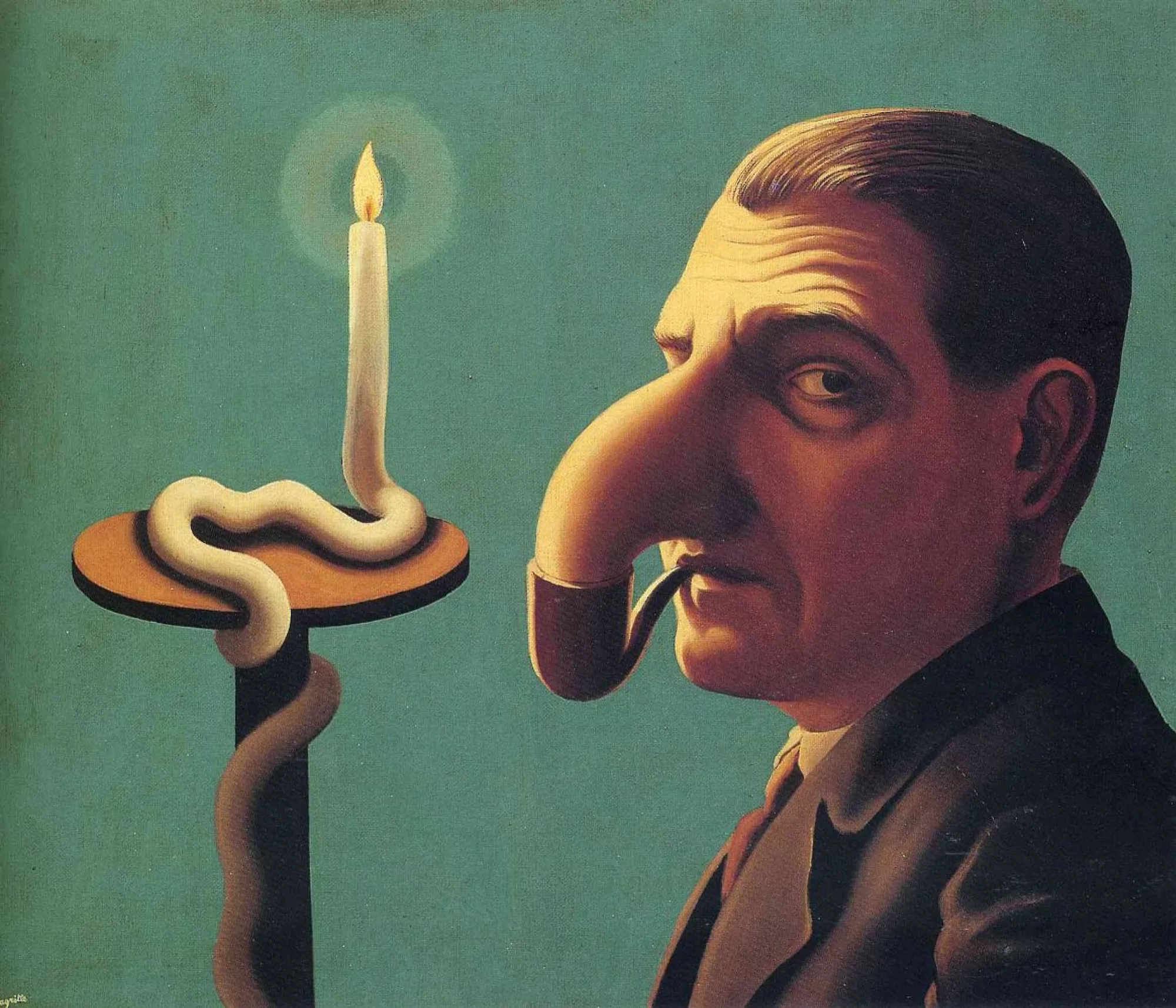
René Magritte
A short guide to René Magritte: his childhood by the Sambre, wallpaper, posters and De Chirico's Song of Love, Paris and the Surrealists, The Treachery of Images, bowler hats and green apples, Golconda and The Empire of Light, his house and museum in Brussels, his influence on Pop Art, and a digital homage you can try in PictorX.
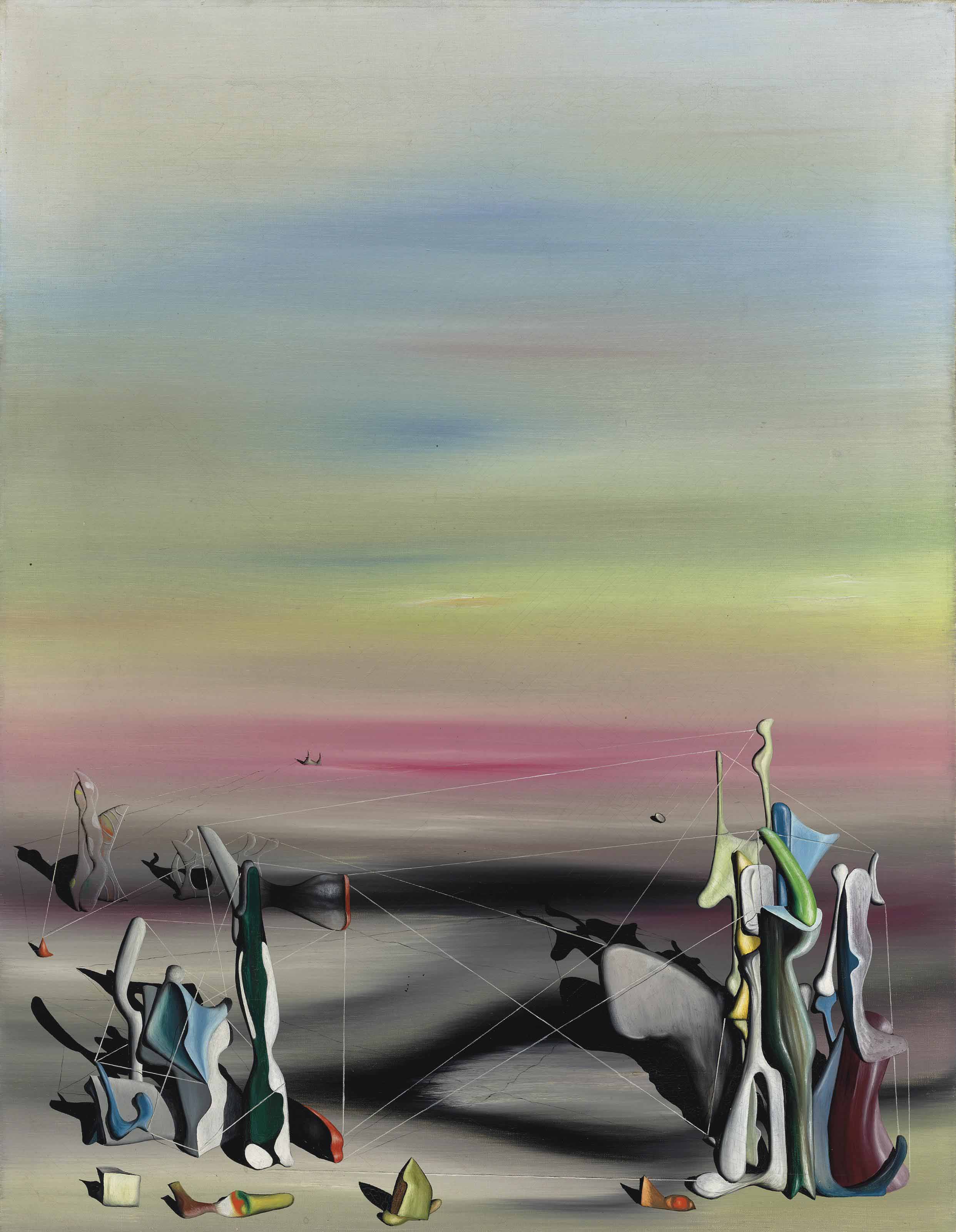
Yves Tanguy
A short guide to Yves Tanguy: his childhood in Paris and Brittany, the merchant navy, the De Chirico painting he saw from a bus, the Surrealists of the rue du Château, Mama, Papa is Wounded!, plains without a horizon, Kay Sage and America, Indefinite Divisibility, Multiplication of the Arcs, and a digital homage you can try in PictorX.
Ready to try it?
Open PictorX in your browser — no install, no credit card required to start.
Try Surrealism