
Henri Matisse
Read more about Henri Matisse—the French painter who freed colour with the Fauves, filled rooms with red and arabesques, and in his last years drew with scissors—and try a digital Matisse look in PictorX.
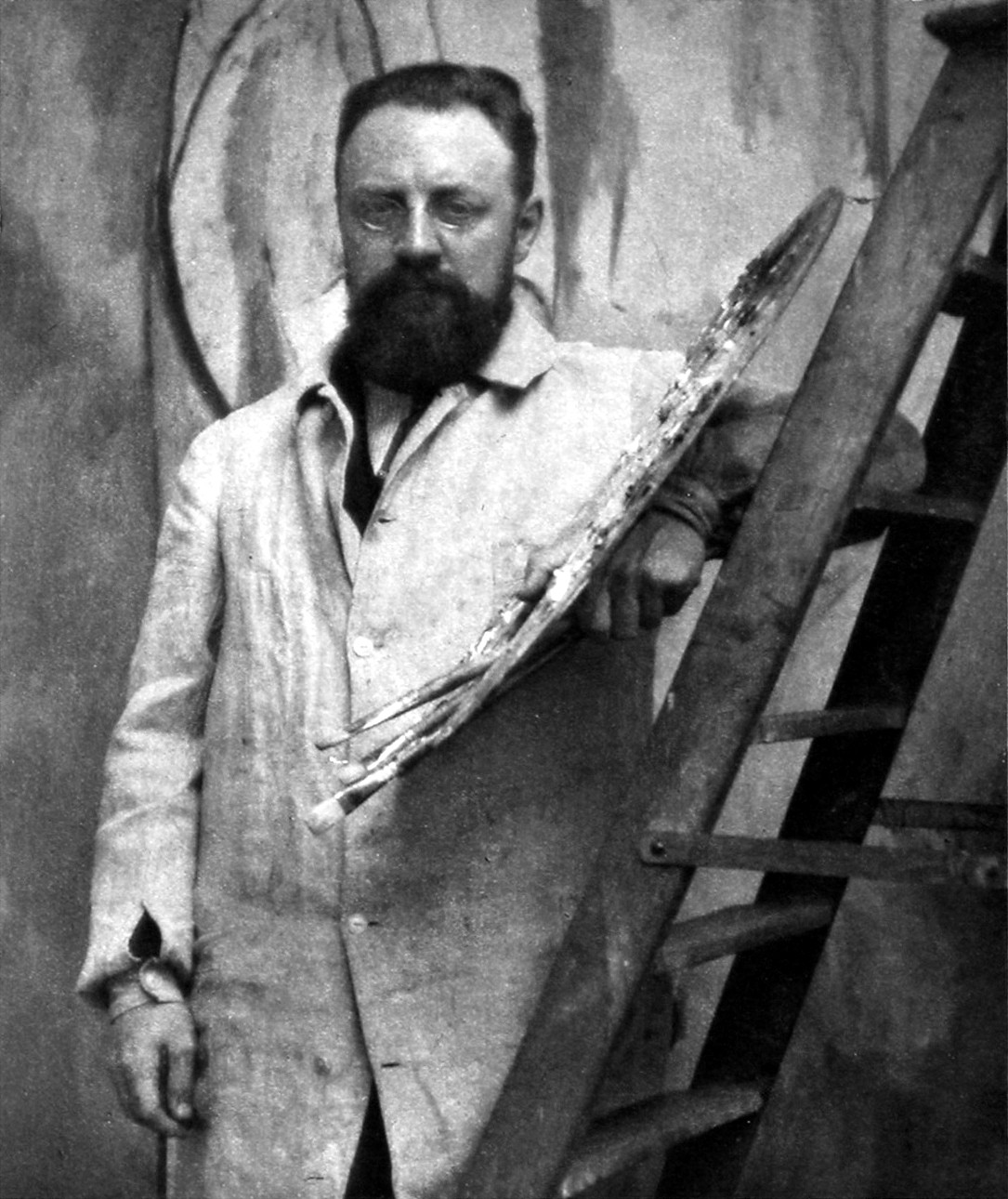
Who was Henri Matisse?
Henri Matisse (1869–1954) was a French painter, draughtsman, sculptor and designer, and with Picasso one of the two giants of modern art. He spent his life simplifying: fewer colours, larger areas, firmer outlines, until a picture could be built from a few flat shapes that sing against each other. His career runs from the wild colour of Fauvism through the decorative interiors of Nice to the paper cut-outs of his last years.
From law clerk to painter
Matisse was born in northern France and trained in law, working as a clerk. Around the age of twenty, while recovering from an illness, he was given a box of paints by his mother—and later said he felt as if he had found a kind of paradise. He moved to Paris, studied in the studio of the Symbolist painter Gustave Moreau, and spent years learning from the old masters, Cézanne and the Neo-Impressionists before finding his own voice.
Fauvism: the wild beasts
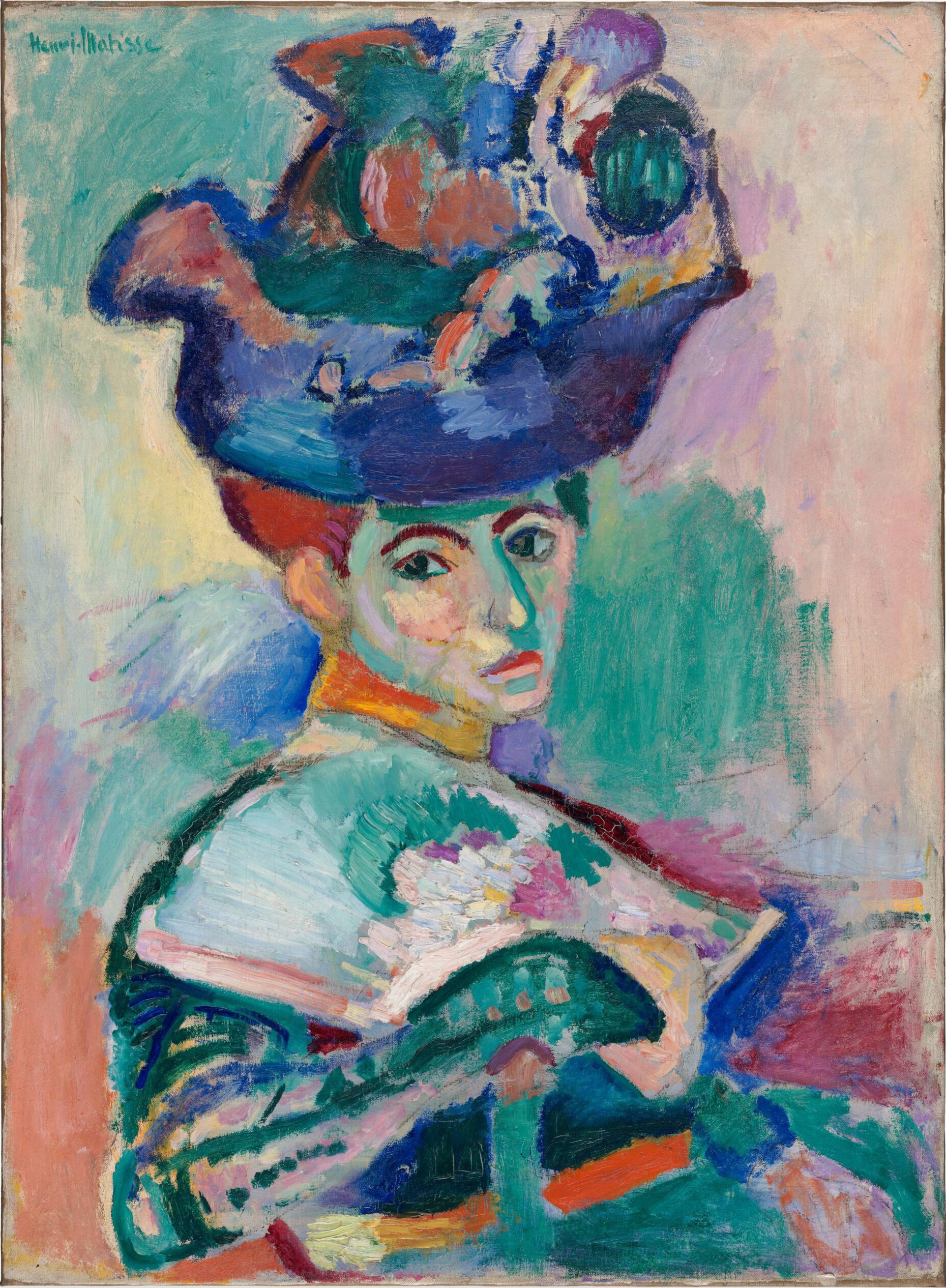
In the summer of 1905 Matisse painted in the fishing port of Collioure with André Derain. Their pictures, shown that autumn at the Salon d'Automne in Paris, used pure, arbitrary colour—a green stripe down a face, red trees, violet shadows—so violently that the critic Louis Vauxcelles called the painters “fauves”, wild beasts. Woman with a Hat (1905) caused a scandal; Matisse became the leader of the first great avant-garde movement of the century.
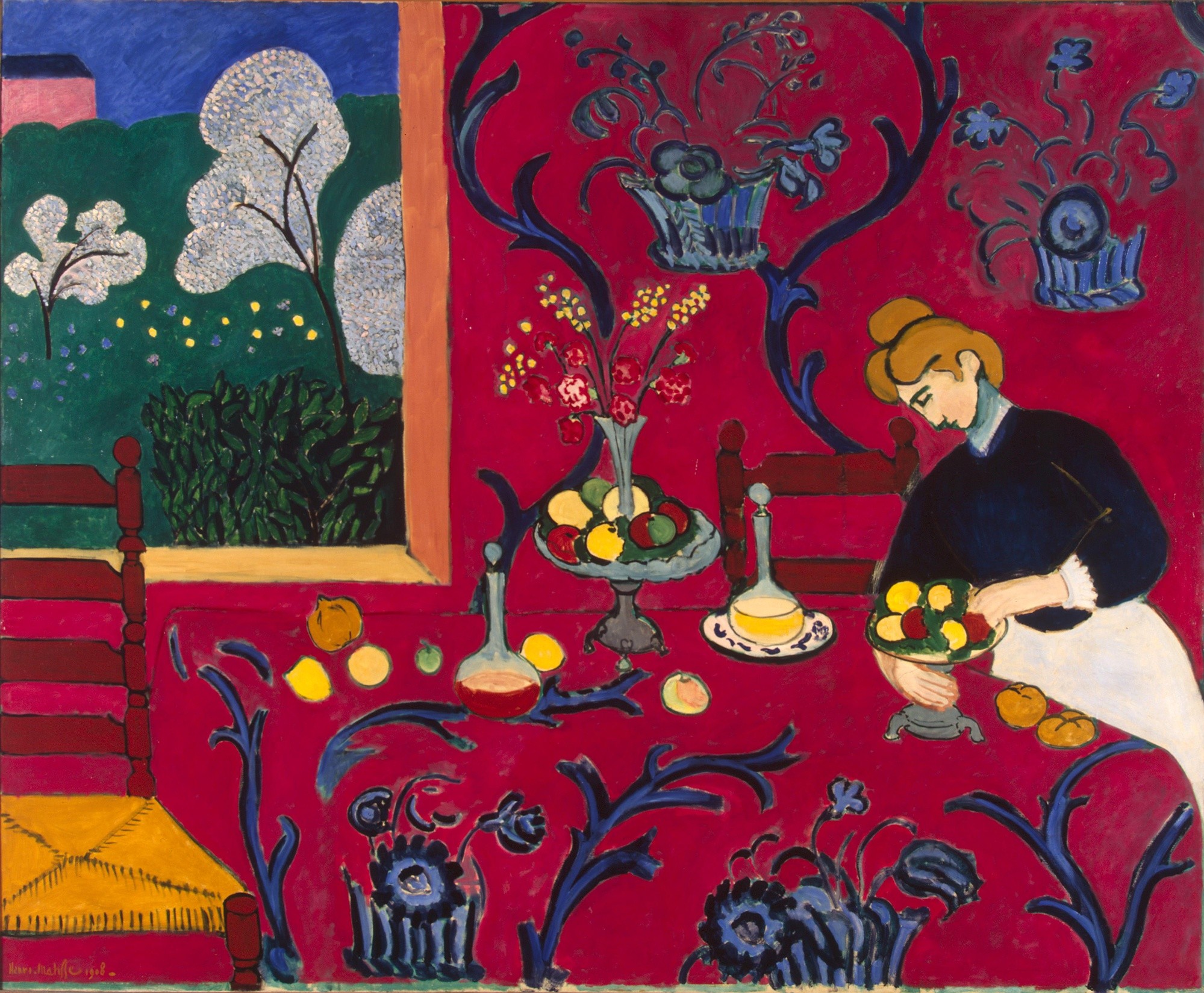
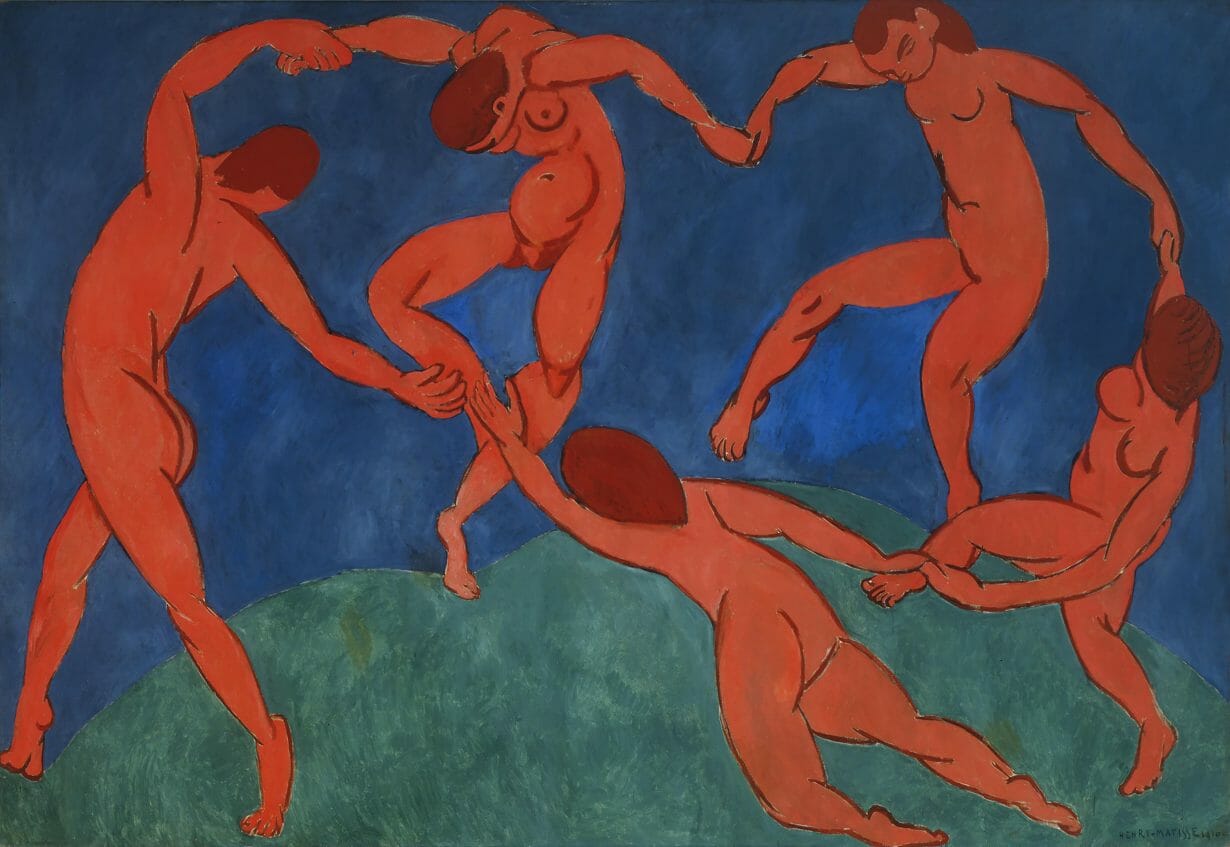
Harmony in Red and Dance
The Russian collector Sergei Shchukin commissioned some of Matisse's boldest works. In The Dessert: Harmony in Red (1908), the wall and the tablecloth merge into one flat red field covered with blue arabesques, so the room becomes pattern and the picture a single decorative surface. Dance (1910), with five red figures circling on blue and green, reduced painting to three colours and pure movement. Both are now in the Hermitage in St Petersburg.
An art of balance: the Nice years
In his “Notes of a Painter” (1908) Matisse wrote that he dreamed of an art of balance, purity and serenity, something like a good armchair that rests the mind. From 1917 he lived in Nice, where the Mediterranean light, patterned fabrics, screens and open windows fill the interiors and odalisques of the 1920s. Colour, pattern and the human figure are woven together into one calm, decorative order.
Drawing with a single line
Matisse was also one of the great draughtsmen of the century. In pen, pencil and brush he could capture a face or a body in a few unbroken lines, leaving most of the paper white so that the space around the line carries volume and light. He worked through many studies to arrive at a drawing that looks effortless—the simplicity is the result, not the starting point.
Drawing with scissors: the cut-outs
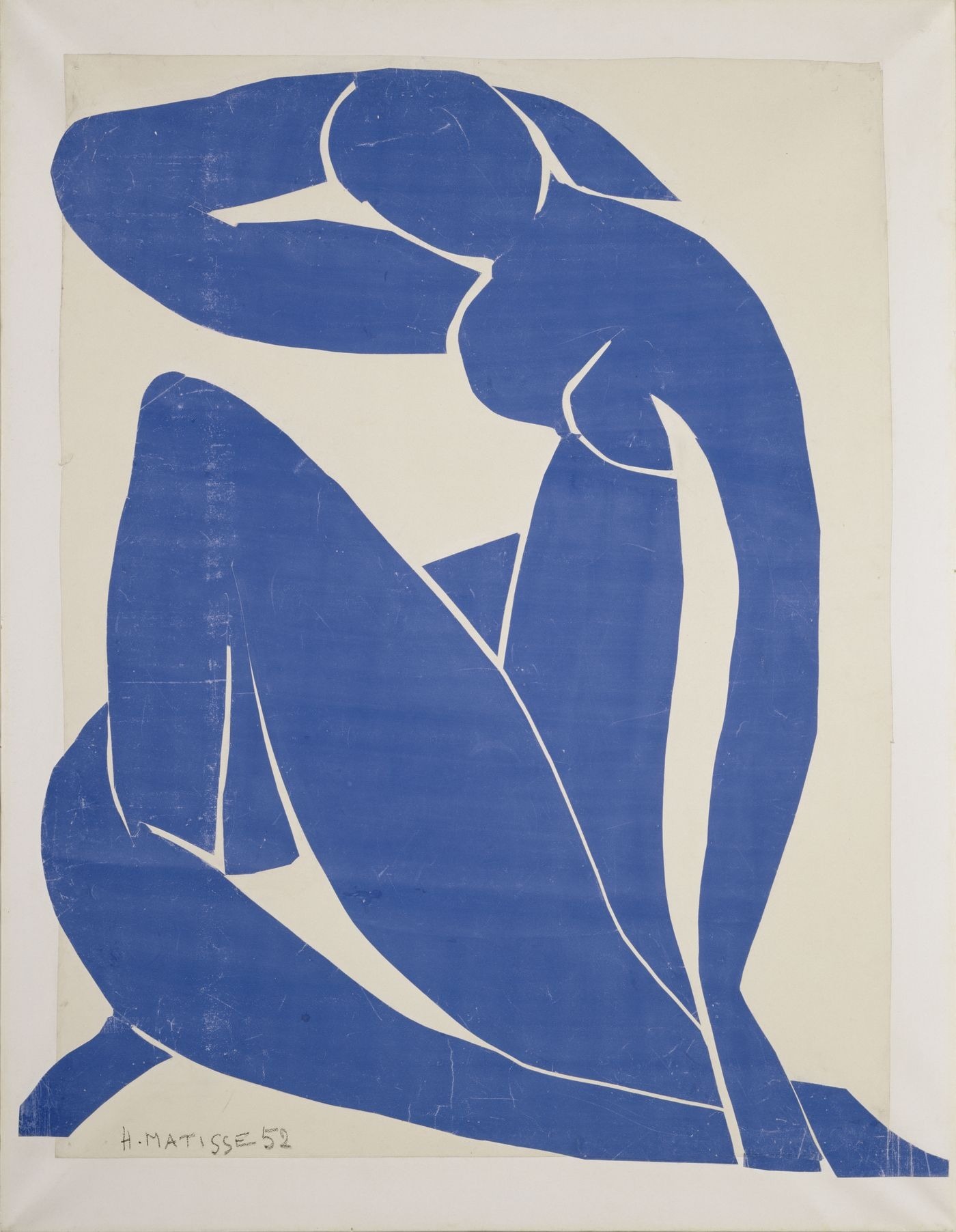
After major surgery in 1941, Matisse often worked from his bed or a wheelchair. He turned to cutting shapes from paper his assistants had painted with gouache and pinning them to the walls—“drawing with scissors”, as he called it. The book Jazz (1947), the Blue Nudes (1952) and The Snail (1953) came from this technique, and he designed the Chapel of the Rosary in Vence, from its stained glass to the priests' vestments.
A digital homage in PictorX
PictorX Matisse is a browser photo effect inspired by the cut-outs, Fauvism, Harmony in Red and Matisse's line drawings. It is not a reproduction of any museum painting, not an AI forgery of a Matisse, and not a claim of authenticity. The pictures on this page are the artists' own works; Matisse's own works are best seen in museums such as the Musée Matisse in Nice, the Centre Pompidou in Paris and the Museum of Modern Art in New York.
Try the look in PictorX
Open artistic effects, choose Matisse, and load a photo—landscapes and plants suit Cut-Outs, portraits suit Fauve and Line Drawing, and interiors or still lifes suit Harmony in Red. Pick a Style and Palette, then tune Shape Size, Colors, Ornaments, Line Work and Paper Texture. Keep editing with Kandinsky, Paul Klee, Pointillism or other looks in the same workspace.
Frequently asked questions
Who was Henri Matisse?
A French painter, draughtsman and designer (1869–1954), leader of the Fauves and one of the most influential artists of the twentieth century, known for bold colour, flat decorative shapes and his late paper cut-outs.
What are Matisse's most famous works?
Among the best known are Woman with a Hat (1905), The Joy of Life (1905–06), The Dessert: Harmony in Red (1908), Dance (1910), Jazz (1947), the Blue Nudes (1952) and The Snail (1953).
What is Fauvism?
A short-lived movement around 1905–1908, led by Matisse and André Derain, that used pure, arbitrary colour for expression rather than description. A critic called its painters “fauves”—wild beasts.
Why did Matisse make cut-outs?
After surgery in 1941 he found painting at an easel difficult. Cutting shapes from painted paper let him draw directly in colour—“drawing with scissors”—and became the great achievement of his last years.
Is the PictorX Matisse filter a real Matisse?
No. It is a digital photo effect inspired by Matisse's cut-outs, colour and line. His original works remain unique museum pieces.
Related tools
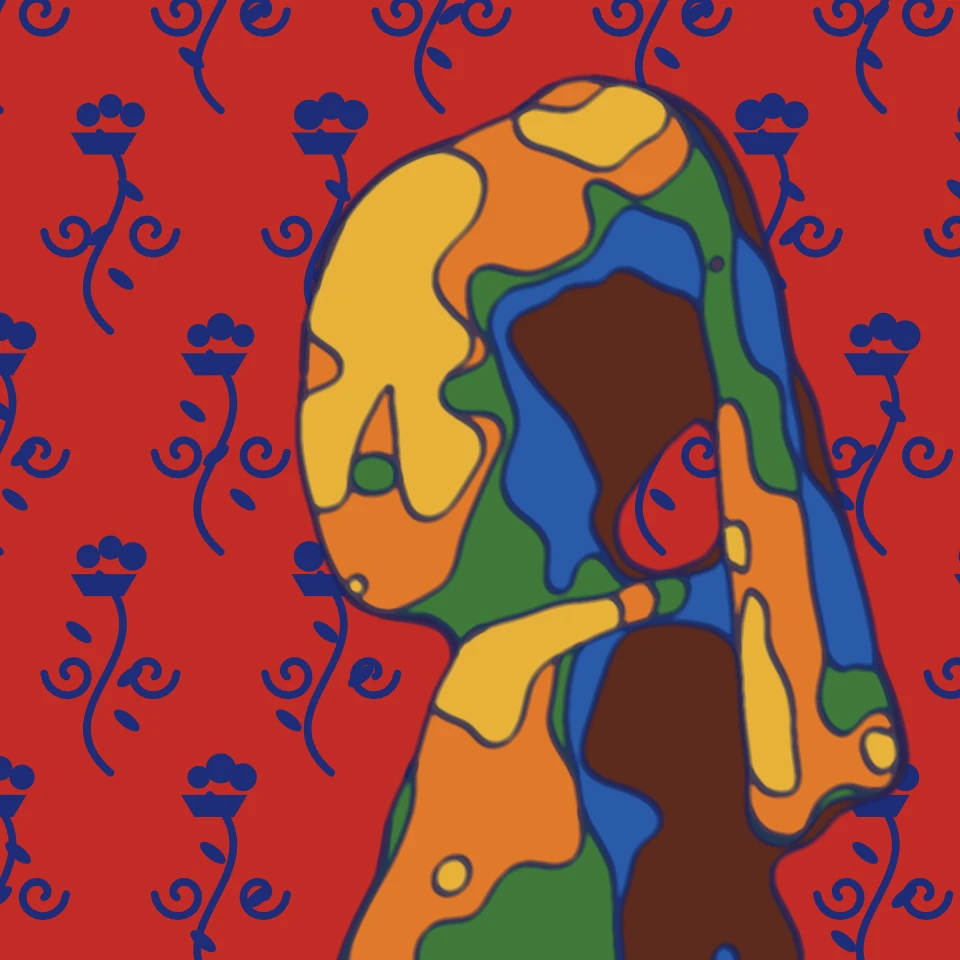
Matisse photo filter - cut-outs, Fauve colour and line
Turn a photo into a Henri Matisse-style picture in your browser: paper cut-outs like Jazz and the Blue Nudes, vivid Fauve colour, Harmony in Red with blue arabesques, or a flowing line drawing.
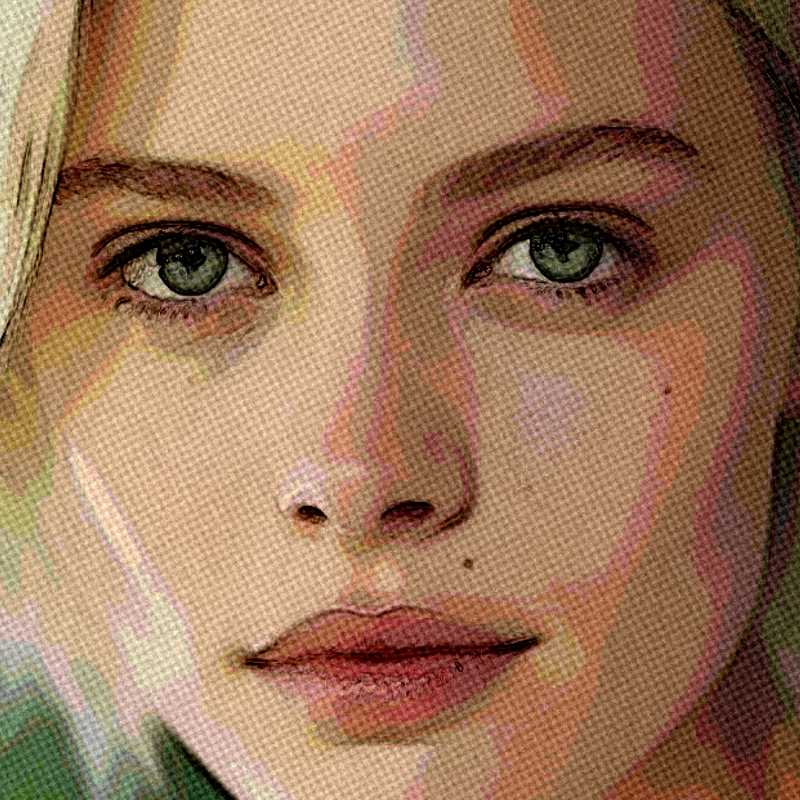
Artistic effects
Transform photos with oil painting, watercolor, pencil, comic ink, pastels, paper cut-out, and other studio art looks.
Fauvism
A short guide to Fauvism: the Salon d'Automne of 1905 and the “wild beasts”, its roots in Van Gogh, Gauguin and Signac, Matisse and Derain at Collioure, Derain in London, Vlaminck at Chatou, the end of the movement, and a digital homage you can try in PictorX.
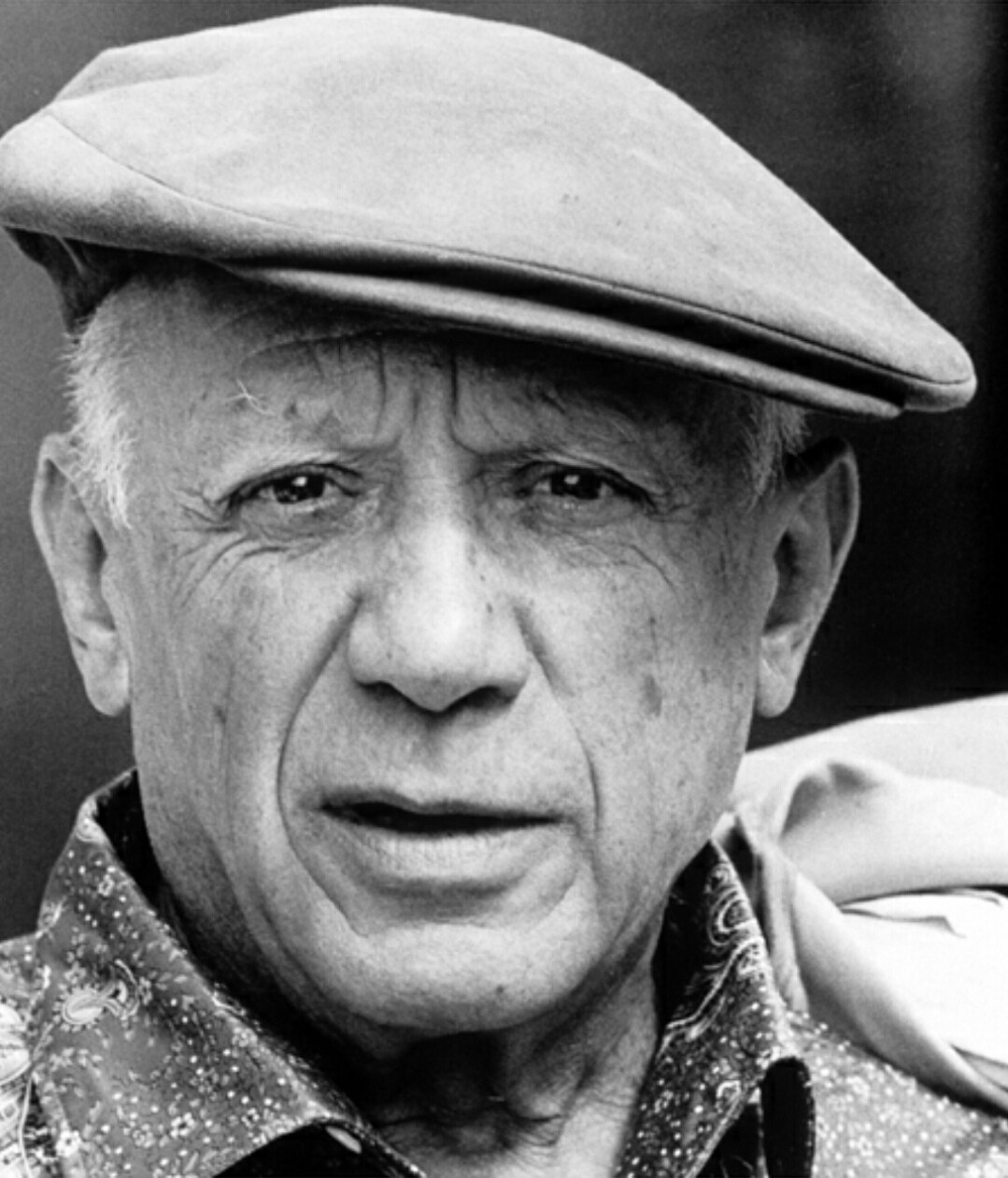
Pablo Picasso
A short guide to Pablo Picasso: the prodigy from Málaga, the Blue and Rose Periods, Les Demoiselles d'Avignon and Cubism with Braque, Guernica and The Weeping Woman, his endless reinventions, and a digital homage you can try in PictorX.
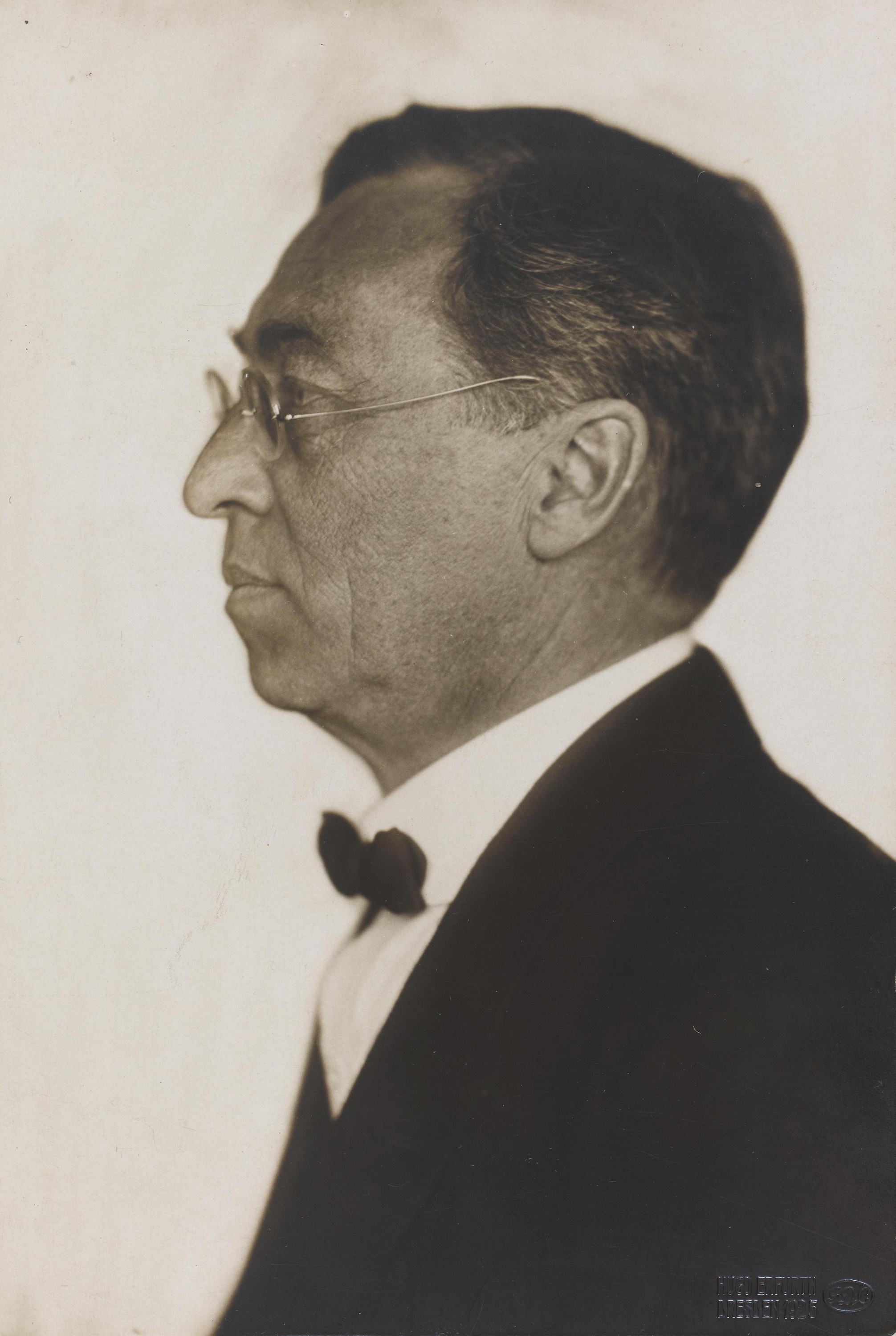
Wassily Kandinsky
A short guide to Wassily Kandinsky: from Moscow to Munich, Murnau and the Blue Rider, colour as music, Squares with Concentric Circles, the Bauhaus and Composition VIII, Several Circles, and a digital homage you can try in PictorX.
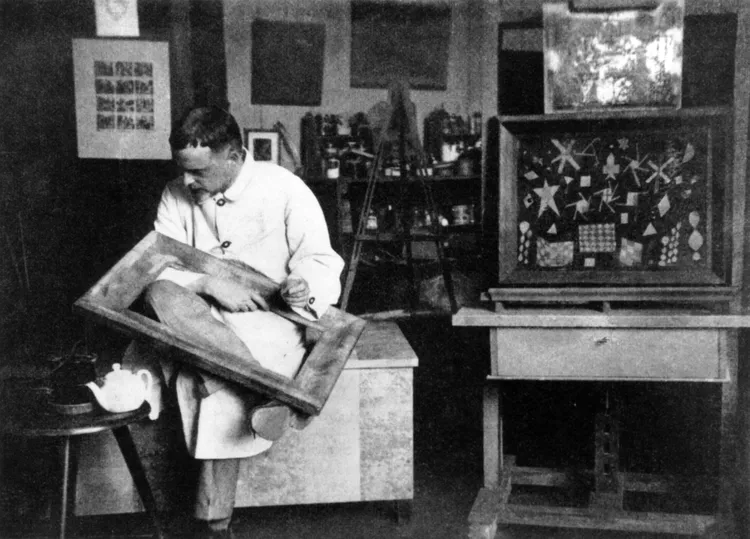
Paul Klee
A short guide to Paul Klee: Bern and the Blue Rider, the 1914 Tunisia trip, magic squares of colour, taking a line for a walk, the Bauhaus years, and a digital homage you can try in PictorX.
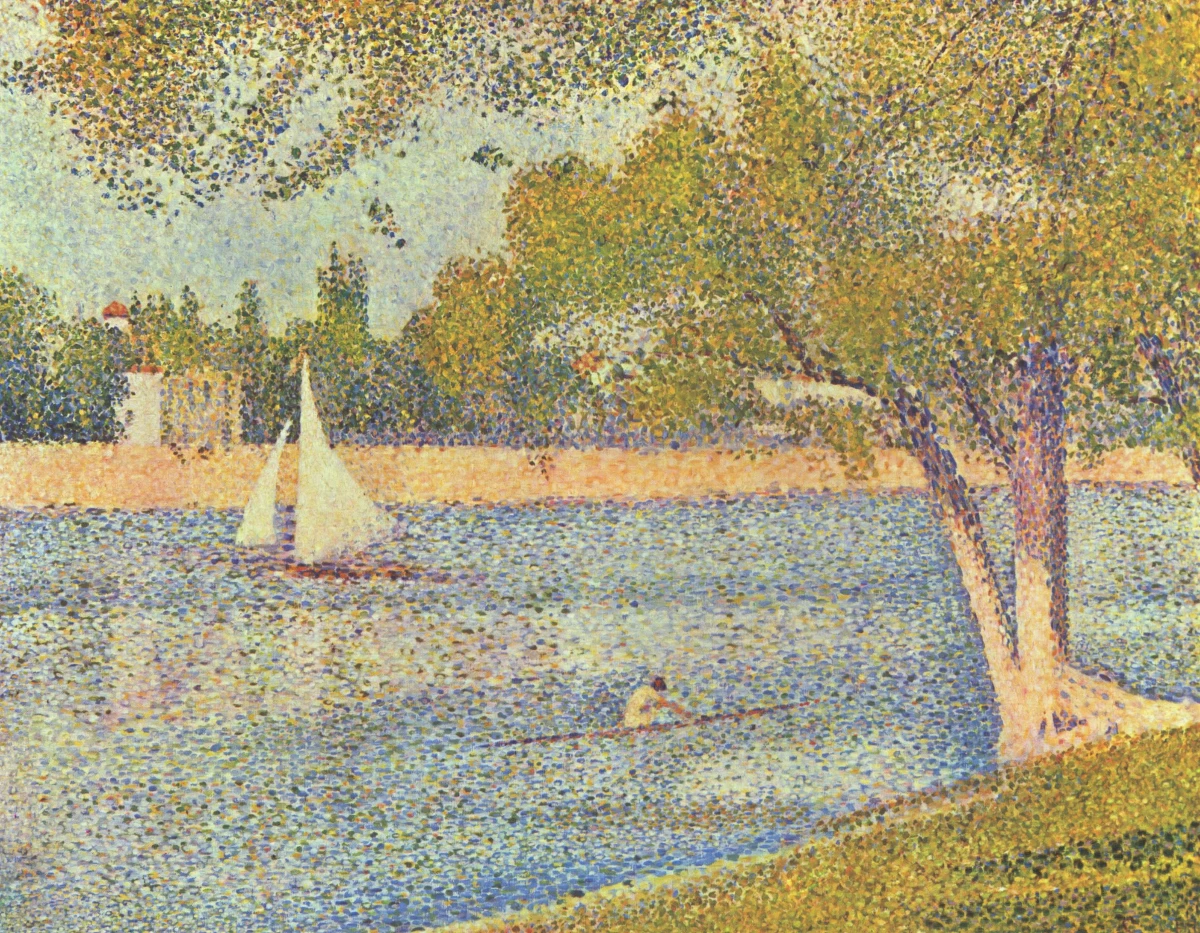
Pointillism
A short guide to Pointillism: Seurat and Signac, Neo-Impressionism, optical colour mixture with dots, and a digital homage you can try in PictorX.
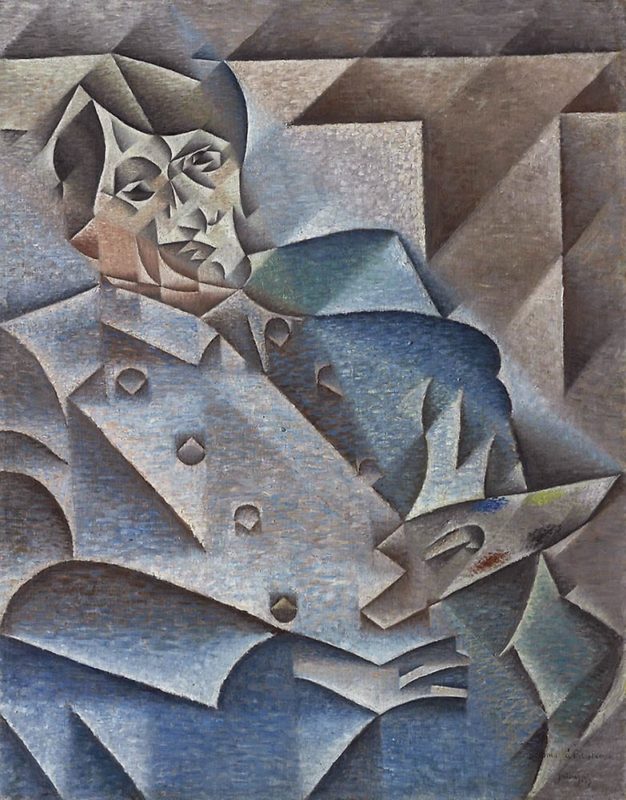
Cubism
A short guide to Cubism: Picasso and Braque, Analytic and Synthetic Cubism, fragmented planes, multiple viewpoints, and a digital homage you can try in PictorX.
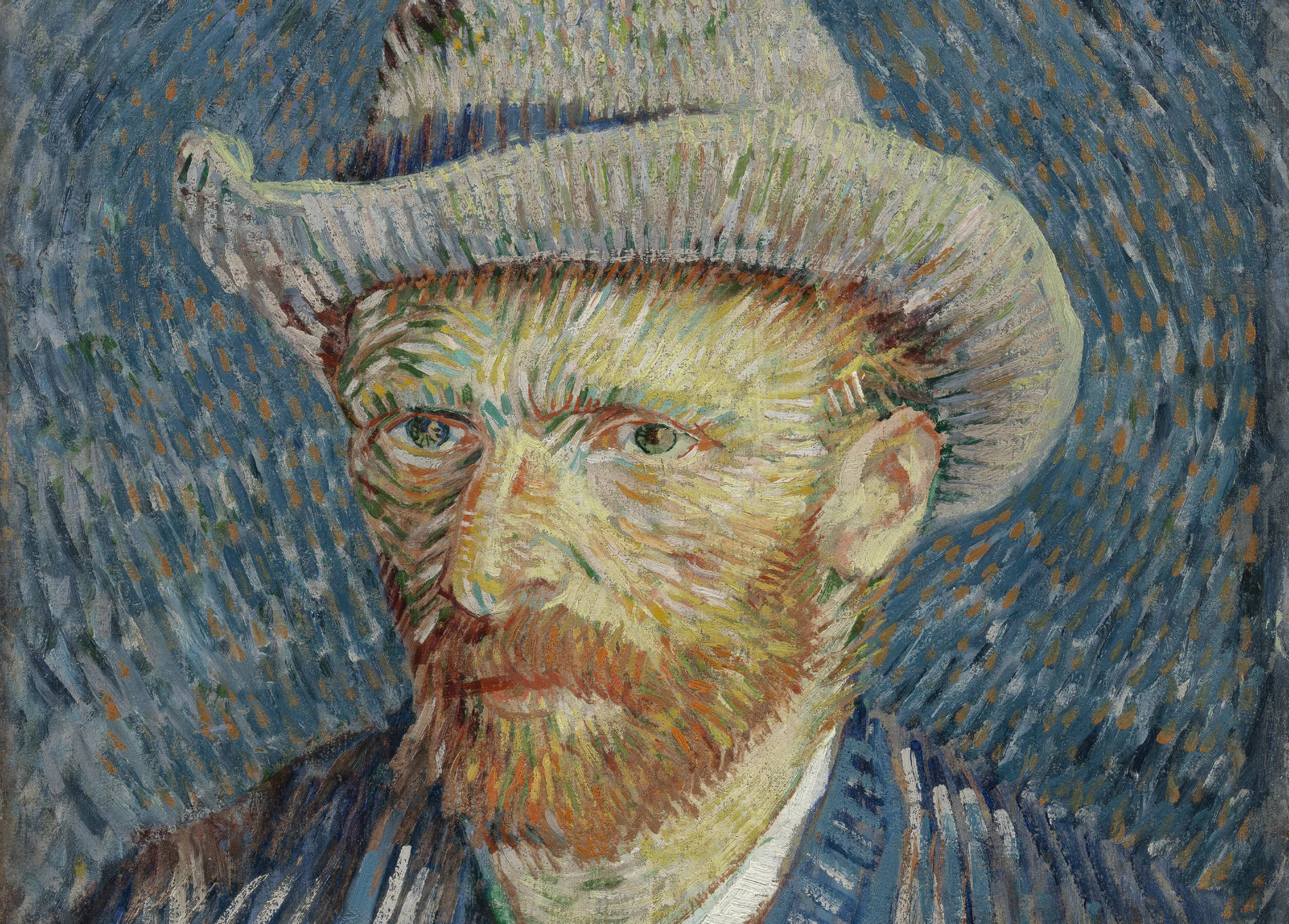
Vincent van Gogh
A short guide to Vincent van Gogh: Dutch Post-Impressionism, swirling brushwork, Starry Night and sunflowers, and a respectful digital homage you can try in PictorX.
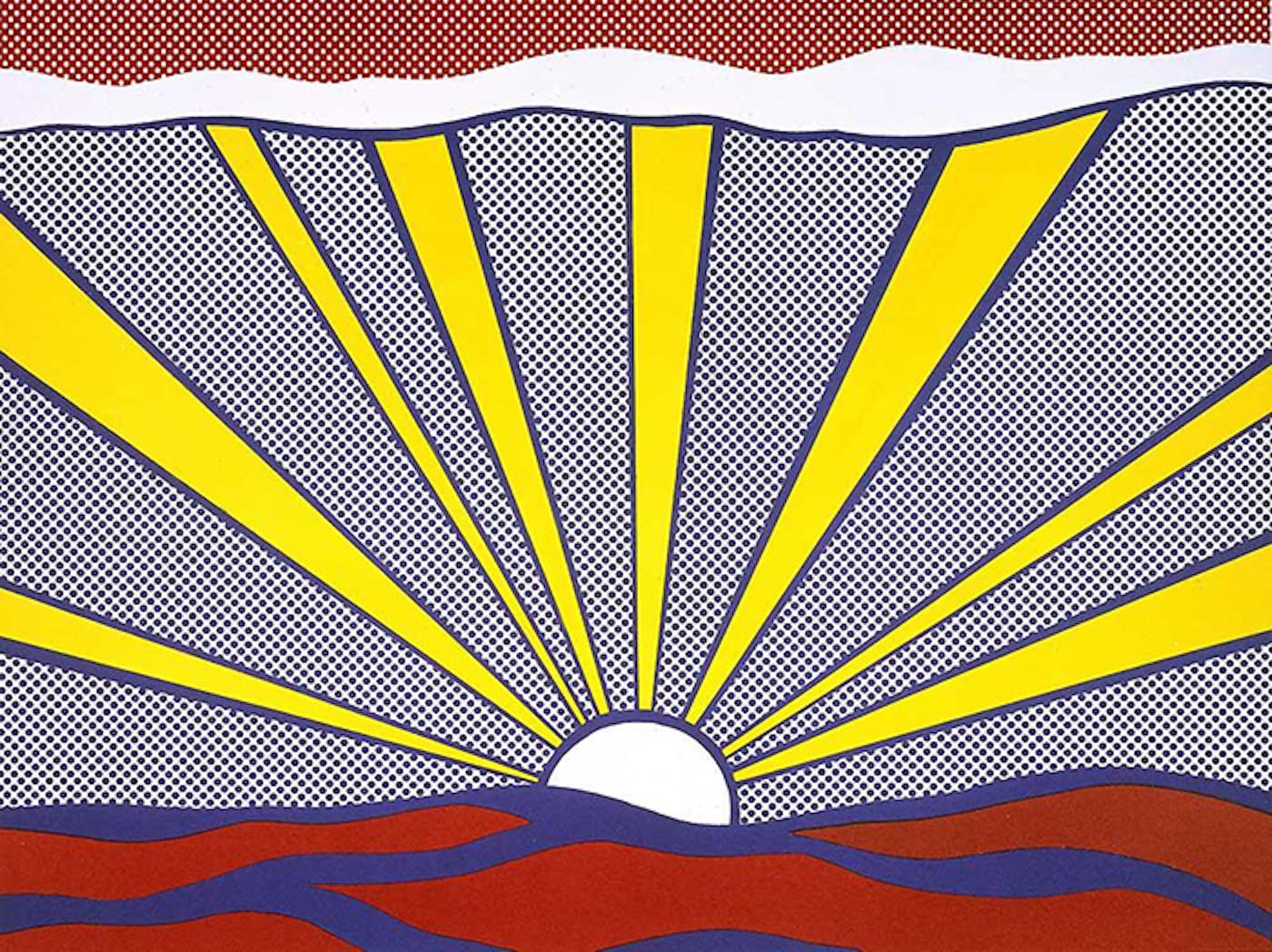
Pop Art
Learn how Pop Art turned advertising, comics, and consumer products into art—Andy Warhol, Roy Lichtenstein, silkscreen, and the rise of mass culture.
Ready to try it?
Open PictorX in your browser — no install, no credit card required to start.
Try Matisse