
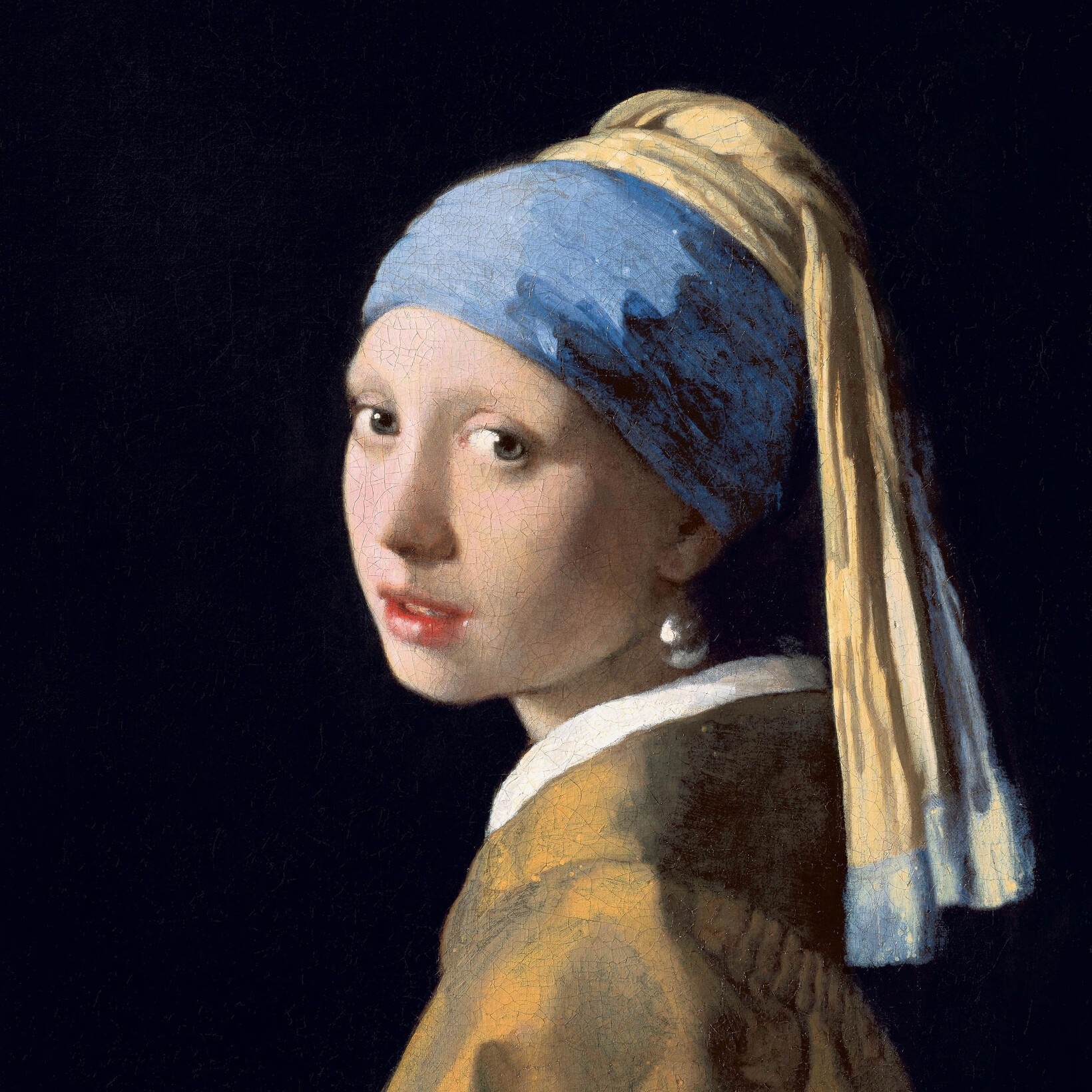
Turn a photo into Art Nouveau — a Mucha poster, Klimt gold, Tiffany stained glass or Beardsley ink — pick a Style and Palette, then adjust Line Weight and Ornament.
Art Nouveau photo filter
Around 1900 Art Nouveau turned everything—posters, jewellery, windows, book pages—into flowing lines, flat colour and ornament taken from plants. This filter does the same to your photo: it flattens it into soft tones with curving outlines, sets it against a halo or gold leaf, leads it like stained glass, or draws it in black ink, and frames it with whiplash curves. All processed on-device. Turn a photo into Art Nouveau — a Mucha poster, Klimt gold, Tiffany stained glass or Beardsley ink — pick a Style and Palette, then adjust Line Weight and Ornament.
How it works
- Open PictorX in your browser and load a photo — portraits work best.
- Choose Art Nouveau, then pick a Style (Mucha, Klimt, Tiffany, Beardsley, Gallé, Mackintosh, Toorop or Lautrec) and a Palette, and adjust Line Weight, Ornament, Detail, Shimmer and Frame.
- Export the result, or keep editing with layers and other effects in the same workspace.
Four Art Nouveau looks in one filter
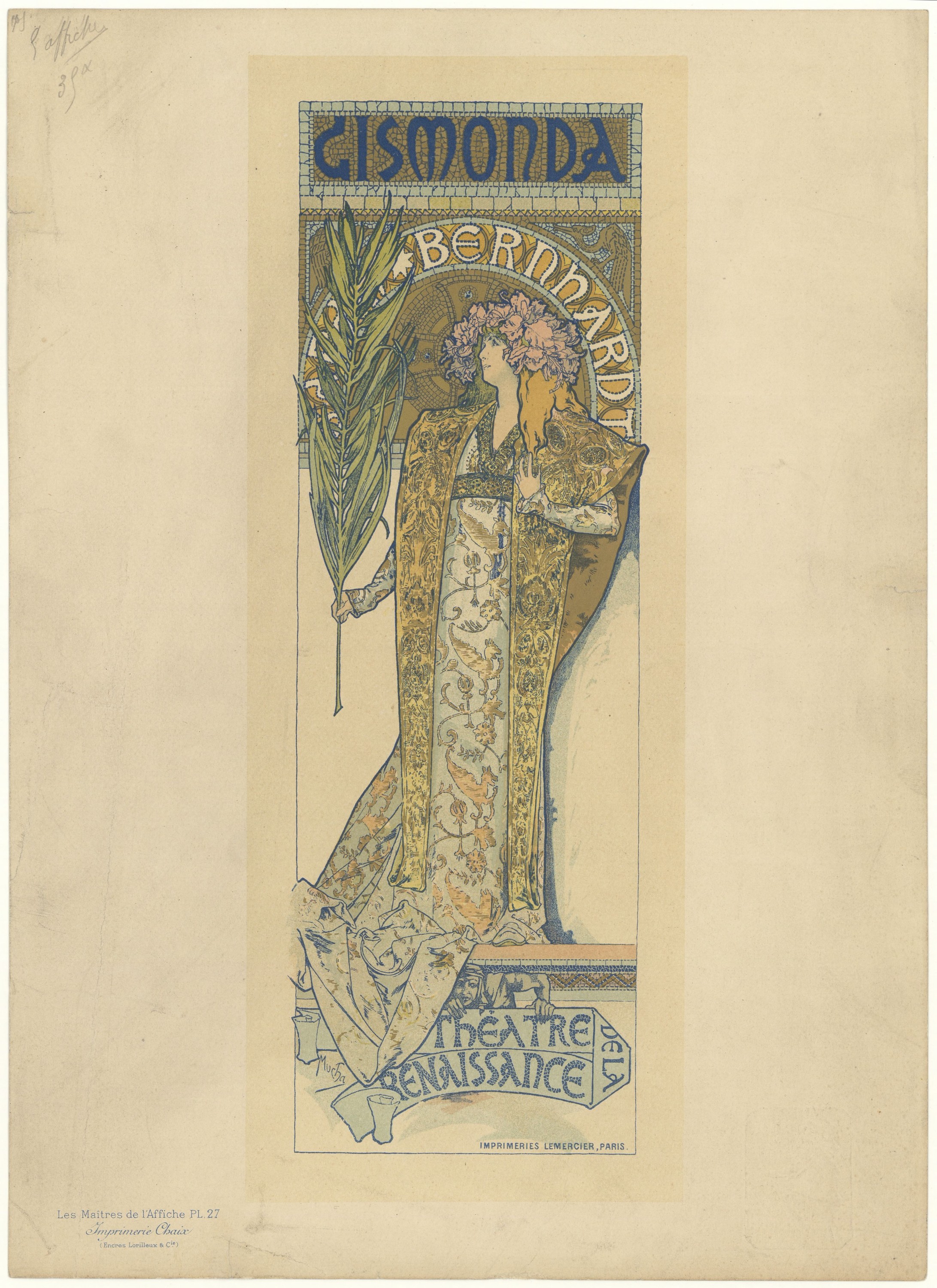
Mucha follows Alphonse Mucha's Paris posters: soft, flat colour in a few tones, flowing dark outlines, a great round halo with petals and dots behind the head, flowers and an arched frame with a plate at the bottom. Klimt follows Gustav Klimt's golden phase: the face stays painted while clothes and background turn into gold leaf with squares, rings, spirals and eyes. Tiffany leads the photo into organic pieces of glowing stained glass, and Beardsley draws it in Aubrey Beardsley's black ink, with flat black areas, fine lines and whiplash curves.
Glass, Glasgow, flowing lines and the Moulin Rouge
Four more styles follow other masters of the movement. Gallé carves the subject in layers of dark glass over a glowing, mottled base, like Émile Gallé's cameo vases, with plants and dragonflies rising around it. Mackintosh follows the Glasgow Style of Charles Rennie Mackintosh and Margaret Macdonald: pale washes and fine outlines between tall groups of lines topped with Glasgow roses and little grids of squares. Toorop sets a pale figure in a sea of flowing parallel lines that follow its outline like long hair, as in Jan Toorop's Delftsche Slaolie poster. Lautrec follows Toulouse-Lautrec's Moulin Rouge posters: flat colour, solid black, spattered half-tones and bold brush outlines, before a crowd in silhouette and yellow lamps.
Lines, ornament and gold
Line Weight sets the thickness of outlines and lead; Ornament adds flowers, petals, gold motifs, curls and peacock eyes; Detail sets how many tones, mosaic pieces or glass cells there are; and Shimmer controls the flecks of gold leaf, the glow of the glass and how much of an ink drawing is solid black. Palette chooses the colours—Period for each artist's own, Photo to keep your hues, Pastel, Gold or Peacock—and Frame adds the arched poster frame, the gold border, the glass border or the inked border. In the newer styles, Line Weight also sets the carved edges, the flowing lines and the brush outlines; Ornament the plants and dragonflies, roses and lines, the ripple of the flowing lines and the crowd and lamps; Detail the number of glass layers, tones and lines; and Shimmer the glow of the glass, the watercolour wash, the stripe colour and the spatter.
Privacy and keep editing
Processing stays in your browser—photos are not uploaded to PictorX servers for this filter. After Art Nouveau, continue with layers, text, Surrealism, Fauvism, Pop Art, or export.
Frequently asked questions
What does the Art Nouveau filter do?
It turns a photo into one of eight Art Nouveau looks: a Mucha poster, Klimt's gold mosaic, Tiffany stained glass, Beardsley's ink drawing, Gallé cameo glass, Mackintosh's Glasgow Style, Toorop's flowing lines or a Toulouse-Lautrec poster, with decorative frames and whiplash curves. It is built from your photo, not a copy of any museum work. Style, Palette, Line Weight, Ornament, Detail, Shimmer and Frame shape the look.
What was Art Nouveau?
An international style of about 1890–1910 that brought flowing, plant-like lines and ornament to posters, architecture, furniture, glass and jewellery. It was called Jugendstil in Germany, Sezessionsstil in Vienna, Modernisme in Barcelona and Stile Liberty in Italy.
Who were the best-known Art Nouveau artists?
Among them are Alphonse Mucha, Gustav Klimt, Louis Comfort Tiffany, Aubrey Beardsley, René Lalique, Émile Gallé, Victor Horta, Hector Guimard and Antoni Gaudí.
What photos work best?
Portraits with one clear subject suit Mucha, Klimt, Mackintosh, Toorop and Lautrec, which cut out the figure and keep the face. Tiffany, Beardsley and Gallé work with any photo; raise Detail for smaller glass pieces, finer stipple or more layers of glass.
Related tools
Art Nouveau
A short guide to Art Nouveau: where the name came from, Mucha's posters, the whiplash line and the buildings of Horta, Guimard and Gaudí, Klimt and the Vienna Secession, Tiffany glass and Lalique jewels, Beardsley's ink drawings, the end of the style and its revival, and a digital homage you can try in PictorX.
Surrealism photo filter
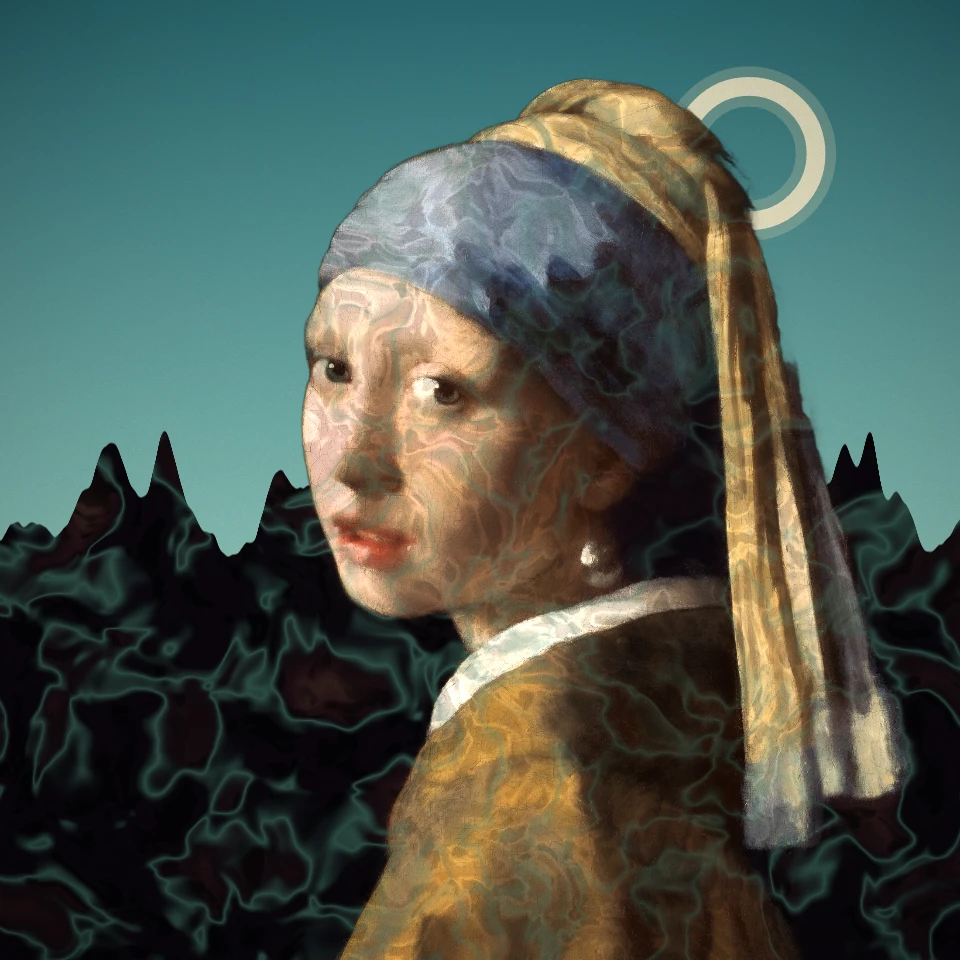
Turn a photo into a Surrealist dream: De Chirico's empty piazza, Ernst's decalcomania, an Exquisite Corpse, Tanguy's endless plain, Varo's tower or a Man Ray solarization. Dalí and Magritte have their own effects.
Fauvism photo filter - wild colour like Matisse, Derain and Vlaminck
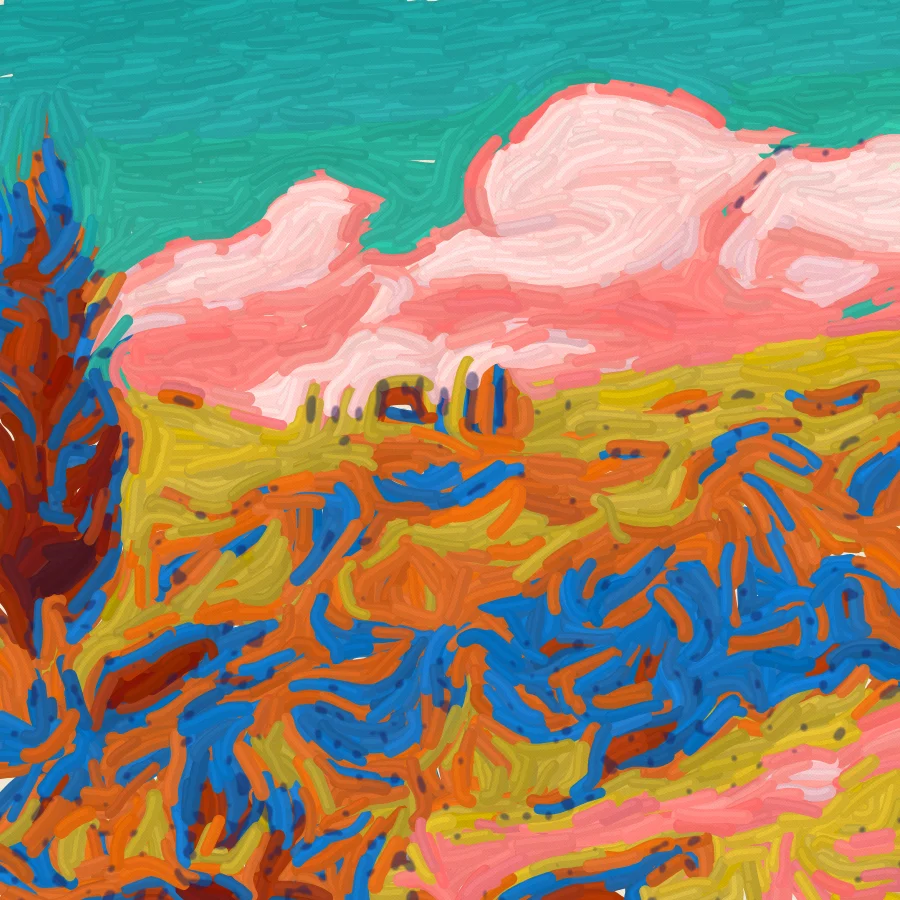
Turn a photo into a Fauvist painting in your browser: arbitrary, blazing colour in bold strokes, like Matisse's Woman with a Hat, Derain and Matisse at Collioure, Derain's London or Vlaminck's thick impasto.
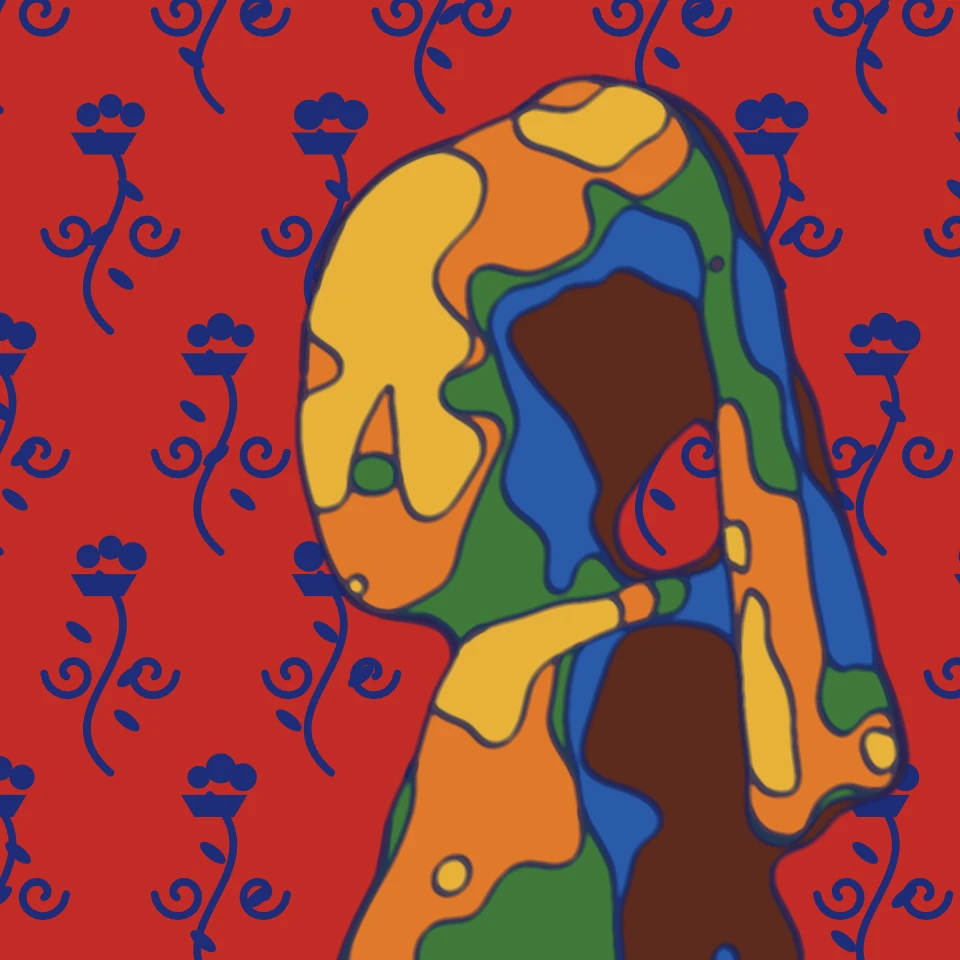
Matisse photo filter - cut-outs, Fauve colour and line
Turn a photo into a Henri Matisse-style picture in your browser: paper cut-outs like Jazz and the Blue Nudes, vivid Fauve colour, Harmony in Red with blue arabesques, or a flowing line drawing.
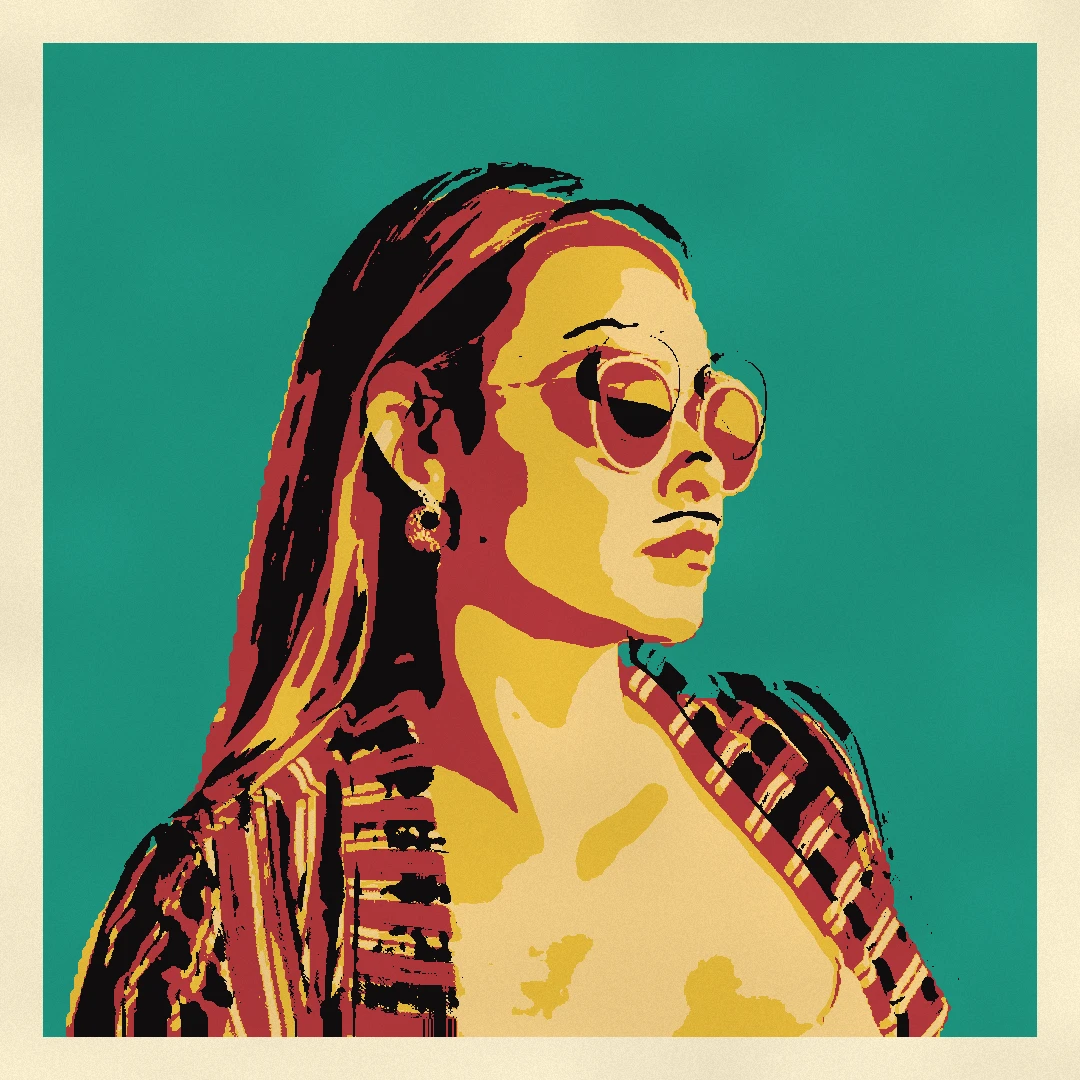
Pop Art photo filter
Turn a photo into pop art in your browser: Lichtenstein comics with Ben-Day dots and a WHAAM! burst, Warhol silkscreen grids, CMYK halftones, Riso duotones and pop stickers.
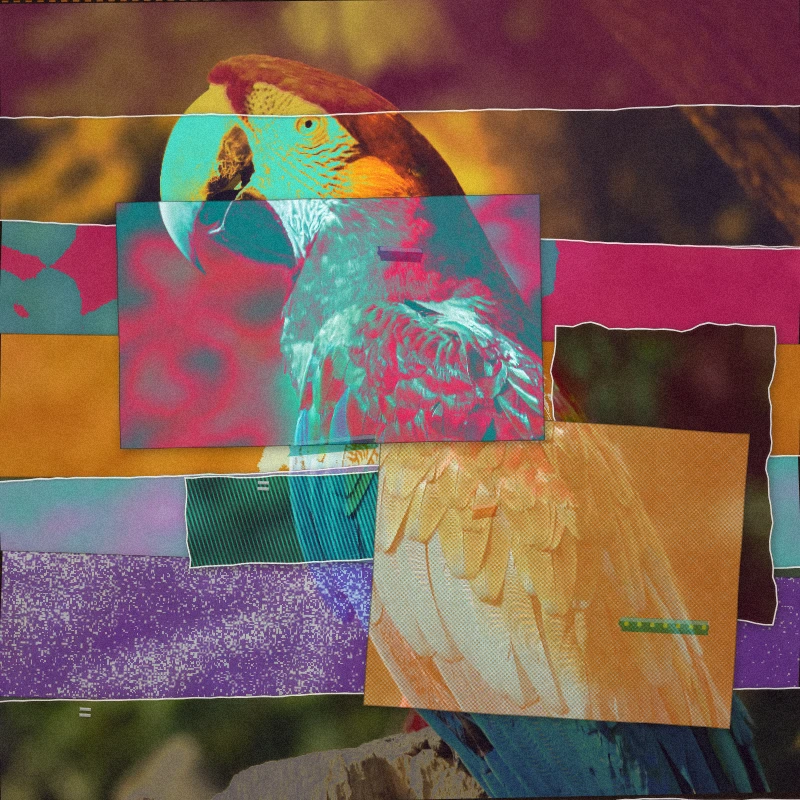
Turn a photo into a mixed-media collage
Rebuild a photo as a mixed-media collage in your browser—torn scraps, print textures, tape, and xerox.
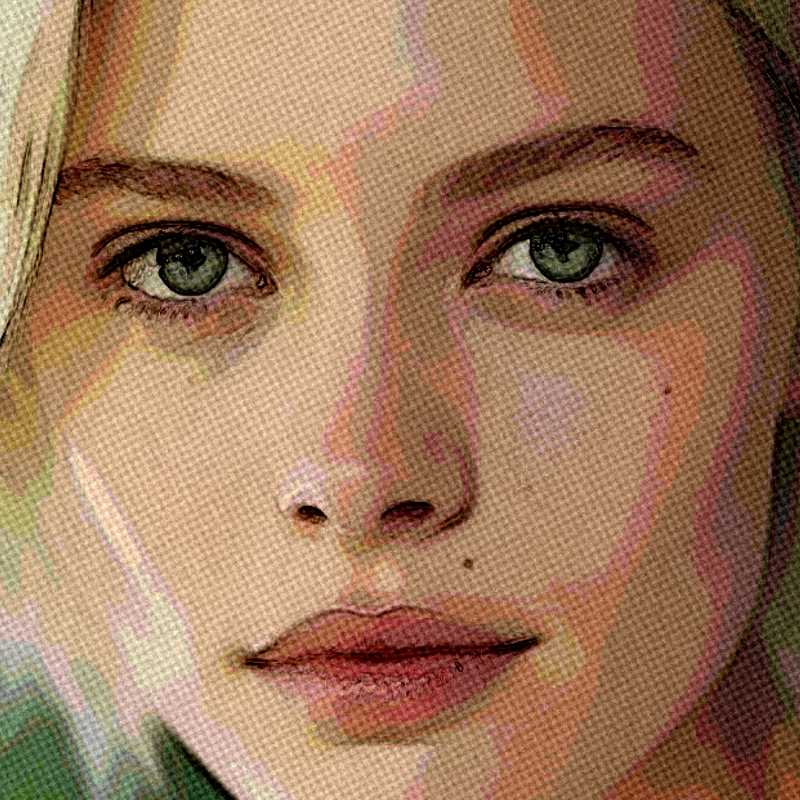
Artistic effects
Transform photos with oil painting, watercolor, pencil, comic ink, pastels, paper cut-out, and other studio art looks.
Ready to try it?
Open PictorX in your browser — no install, no credit card required to start.
Go to Editor