
Art Deco
Read more about Art Deco—the style of the 1920s and 1930s that gave the machine age its glamour, with sunbursts, zigzags, stepped skyscrapers, chrome, lacquer and gold—and turn a photo into a Cassandre poster, a Lempicka portrait, Gatsby gold or Streamline chrome in PictorX.
What was Art Deco?
Art Deco was the leading style of design and architecture in the 1920s and 1930s. Where Art Nouveau had curved like a plant, Art Deco was geometric and confident: sunbursts and fans, zigzags and chevrons, stepped outlines like ziggurats, bold symmetry and sleek, machine-made lines. It shaped skyscrapers and cinemas, ocean liners and trains, posters, furniture, jewellery, fashion and type, and became the look of the Jazz Age.
Paris 1925 and the name
The style took its name from the International Exhibition of Modern Decorative and Industrial Arts held in Paris in 1925—the “Exposition des Arts Décoratifs”. Designers there showed a new, modern luxury that borrowed from Cubism's facets, the bright costumes of the Ballets Russes, the Vienna workshops, African and Aztec art and, after the opening of Tutankhamun's tomb in 1922, ancient Egypt. At the time it was simply called “modern” or style moderne; the short name Art Deco only became common in the 1960s, after a Paris exhibition in 1966 and Bevis Hillier's book of 1968.
Cassandre and the poster
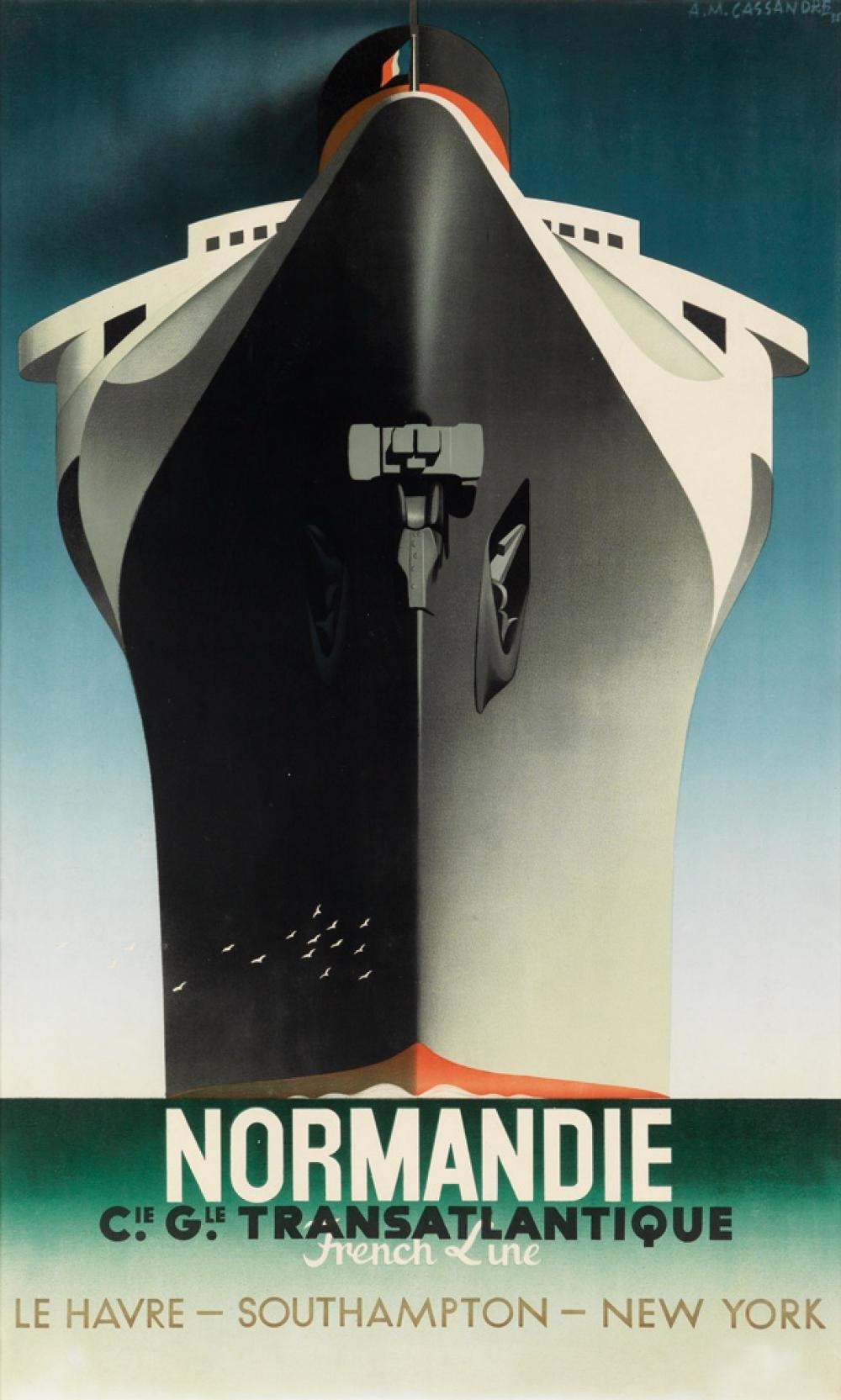
The poster artist A. M. Cassandre, born Adolphe Mouron, turned trains and ships into icons. In Étoile du Nord (1927) the railway lines run to a single bright star; in Normandie (1935) the bow of the great French liner towers over a tiny tugboat. Cassandre built his posters from bold geometry, a few flat colours, smooth airbrushed gradients and strong lettering—he also designed typefaces such as Bifur—so that a picture could be read in a second from a moving bus.
Tamara de Lempicka
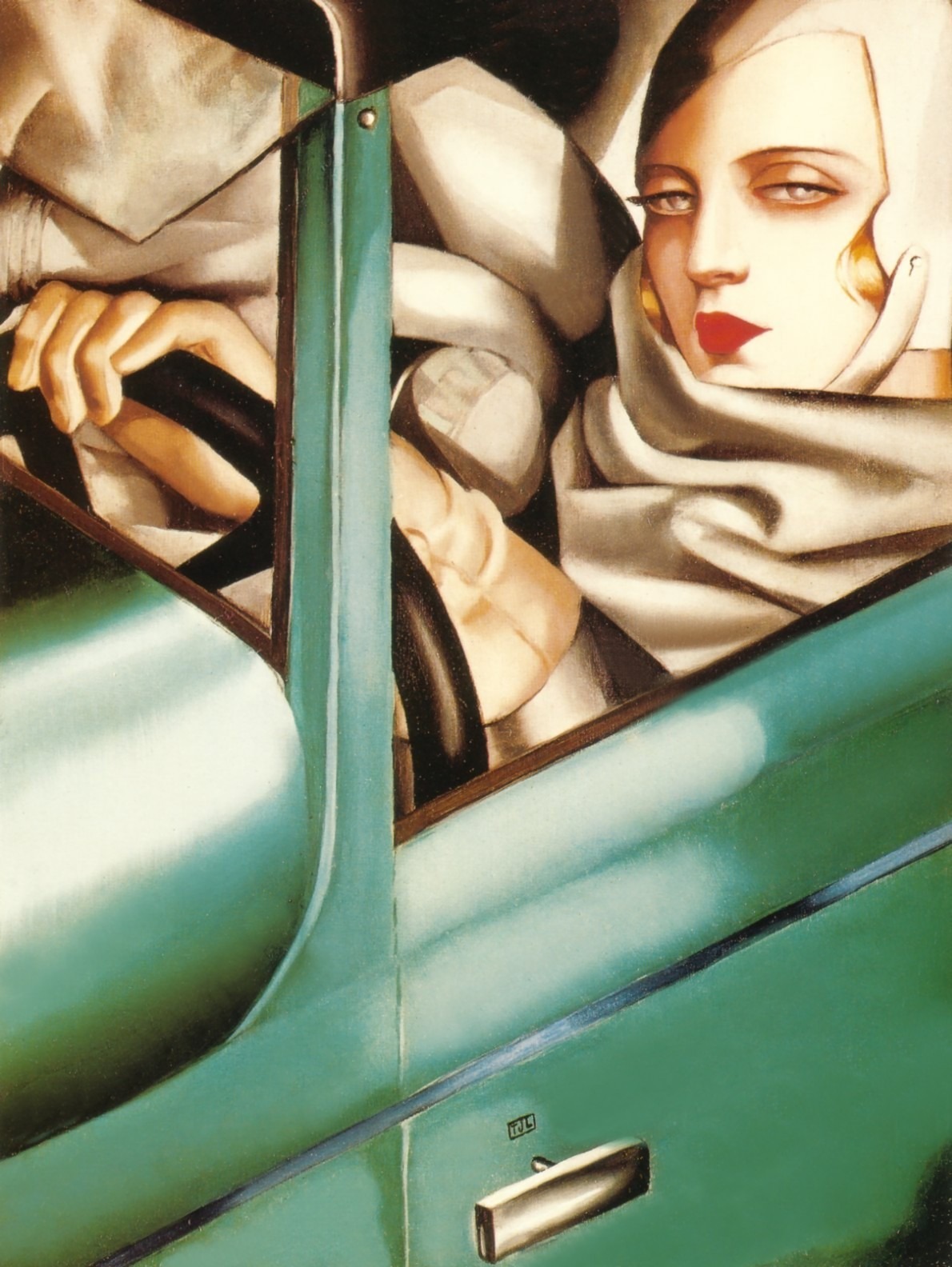
The Polish-born painter Tamara de Lempicka became the portraitist of the age in Paris. Her figures are smooth, glossy and sculptural, with hard highlights as if made of metal, set against stepped skyscrapers and sharp-edged fabrics. Her Self-Portrait (Tamara in the Green Bugatti), painted in 1929 for the cover of the German magazine Die Dame, shows her in leather helmet and gloves at the wheel of a racing car—a perfect image of the modern, independent woman of the 1920s.
The skyscraper age
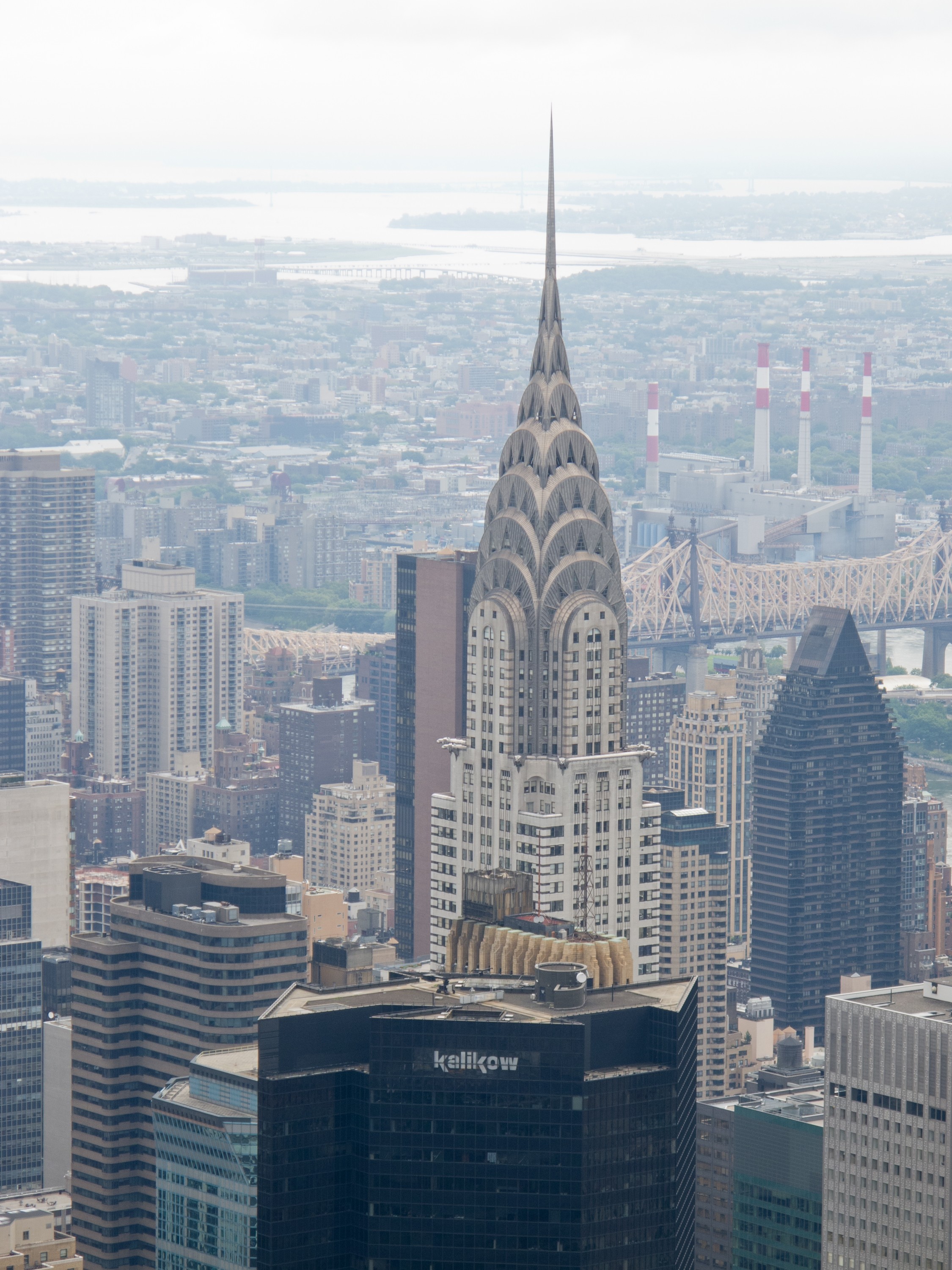
In New York, Art Deco went up. The Chrysler Building (1930), designed by William Van Alen, ends in a crown of stainless-steel arches with triangular windows like a sunburst, and its corners carry eagle heads and radiator caps. The Empire State Building (1931) and Rockefeller Center followed. The style spread around the world: to the pastel hotels of Miami Beach, to the seafront of Marine Drive in Mumbai, to Shanghai's Bund, and to Napier in New Zealand, rebuilt in Art Deco after an earthquake in 1931.
Luxury, jazz and Gatsby
Art Deco loved precious and exotic materials: black lacquer, ebony, ivory, shagreen, chrome, mirror glass and gold. Jean Dunand made lacquered screens, Émile-Jacques Ruhlmann luxurious furniture, Cartier geometric jewellery and René Lalique moulded glass. It was the setting of the Jazz Age that F. Scott Fitzgerald described in The Great Gatsby (1925): cocktails, flappers, big bands and parties beneath sunburst ceilings and fan-shaped mirrors.
Streamline Moderne
In the 1930s, during the Great Depression, Art Deco became smoother and faster. Streamline Moderne borrowed the aerodynamic curves of planes and racing cars: rounded corners, long horizontal lines, porthole windows, polished chrome and groups of three “speed lines”. Industrial designers such as Raymond Loewy and Henry Dreyfuss—whose Twentieth Century Limited train of 1938 is a classic—streamlined everything from locomotives to radios, toasters and pencil sharpeners.
The end of the style and its revival
The Second World War ended the age of Art Deco, and after it architects turned to the plain glass boxes of the International Style. Art Deco came back in the 1960s and 1970s as collectors and exhibitions rediscovered it; in 1979 the Miami Beach Architectural District became the first twentieth-century historic district on the US National Register. Its sunbursts and gold still return in fashion, film—such as Baz Luhrmann's The Great Gatsby (2013)—hotels, packaging and video games.
A digital homage in PictorX
PictorX Art Deco is a filter inspired by Cassandre's posters, Lempicka's portraits, the gold-and-black glamour of the Jazz Age, Streamline Moderne, Lalique's glass, Dunand's lacquer, Ruhlmann's marquetry and terrazzo floors. It is not a reproduction of any museum work, not an AI copy of an Art Deco design, and not a claim of authenticity: each picture is made from your own photo. The pictures on this page are the original works; the originals are best seen in places such as the Musée des Arts Décoratifs in Paris, the Victoria and Albert Museum in London, the Chrysler Building's lobby in New York, the Art Deco district of Miami Beach and the town of Napier.
Make your own Art Deco in PictorX
Open the Art Deco effect, load a photo—a portrait with a clear subject works best—and pick a Style: Poster, Lempicka, Gatsby, Chrome, Lalique, Lacquer, Marquetry or Terrazzo. Choose a Palette, then use Line Weight for the outlines, Ornament for the rays, skyscrapers, fans, speed lines and stepped corners, Detail for the number of tones and the fineness of the engraving, and Gloss for the airbrush blend, the shine on Lempicka's planes and the polish of gold and chrome. Turn the Frame on or off, then export, or keep editing in PictorX.
Frequently asked questions
What is Art Deco?
A style of design and architecture of the 1920s and 1930s, known for geometric forms—sunbursts, zigzags, chevrons and stepped shapes—luxurious materials and the sleek lines of the machine age.
Why is it called Art Deco?
After the 1925 Paris Exposition des Arts Décoratifs. The short name only became common in the 1960s; at the time people spoke of style moderne or simply “modern”.
What are famous examples of Art Deco?
The Chrysler and Empire State Buildings in New York, Cassandre's posters, Tamara de Lempicka's portraits, the ocean liner Normandie, the hotels of Miami Beach and the town of Napier in New Zealand.
What is the difference between Art Deco and Art Nouveau?
Art Nouveau (about 1890–1910) is curving and organic, based on plants. Art Deco (1920s–1930s) is geometric and streamlined, with straight lines, symmetry and machine-age shapes.
Is the PictorX filter a real Art Deco work?
No. It is a digital homage made from your own photo, not a copy of any poster, painting or building. The originals remain unique works in museums and cities.
Related tools
Art Deco photo filter
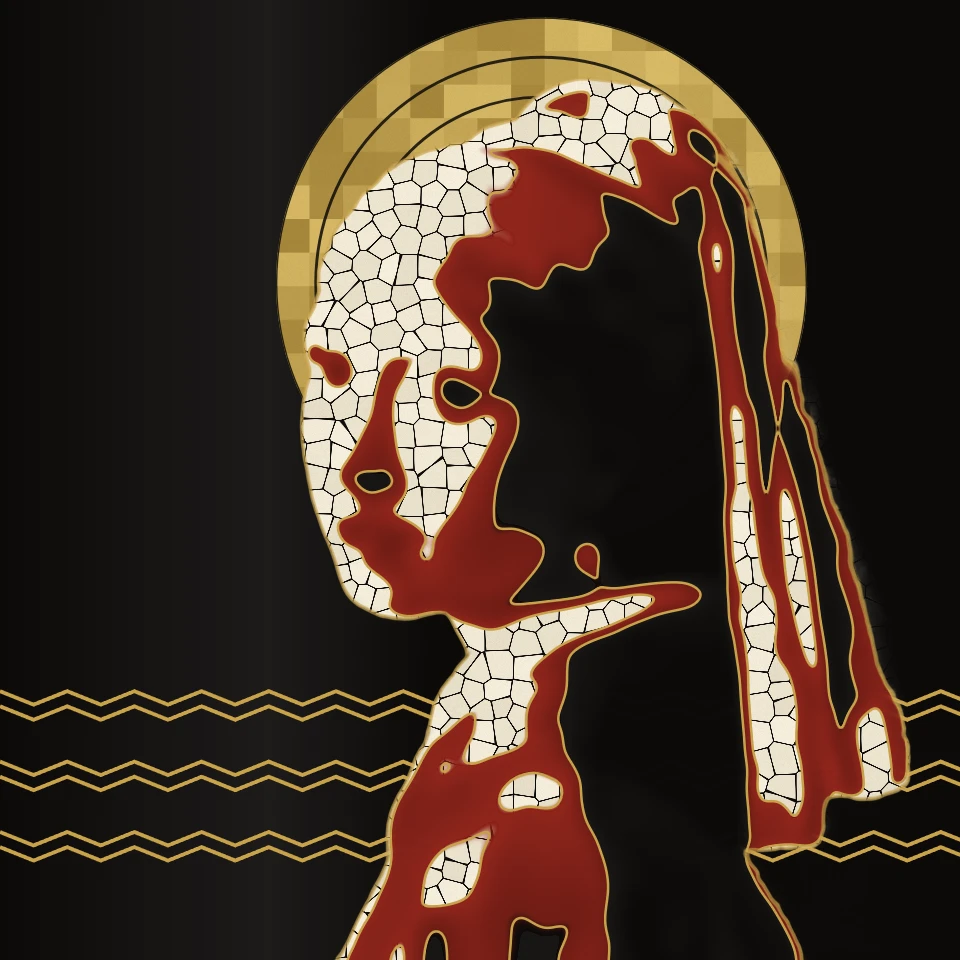
Turn a photo into Art Deco in your browser: a Cassandre-style poster with sunburst rays, a glossy Lempicka portrait before skyscrapers, Gatsby gold engraving on black, or Streamline chrome, in a stepped geometric frame.
Artistic effects
Transform photos with oil painting, watercolor, pencil, comic ink, pastels, paper cut-out, and other studio art looks.
Art Nouveau
A short guide to Art Nouveau: where the name came from, Mucha's posters, the whiplash line and the buildings of Horta, Guimard and Gaudí, Klimt and the Vienna Secession, Tiffany glass and Lalique jewels, Beardsley's ink drawings, the end of the style and its revival, and a digital homage you can try in PictorX.
Ukiyo-e
A short guide to ukiyo-e: the floating world of Edo, how a woodblock print was made by publisher, artist, carver and printer, Hokusai and the Great Wave, Hiroshige's rain and roads, Utamaro's beauties, Sharaku's actors, Kuniyoshi's warriors, birds and flowers, Japonisme, and a digital homage you can try in PictorX.
Cubism
A short guide to Cubism: Picasso and Braque, Analytic and Synthetic Cubism, fragmented planes, multiple viewpoints, and a digital homage you can try in PictorX.
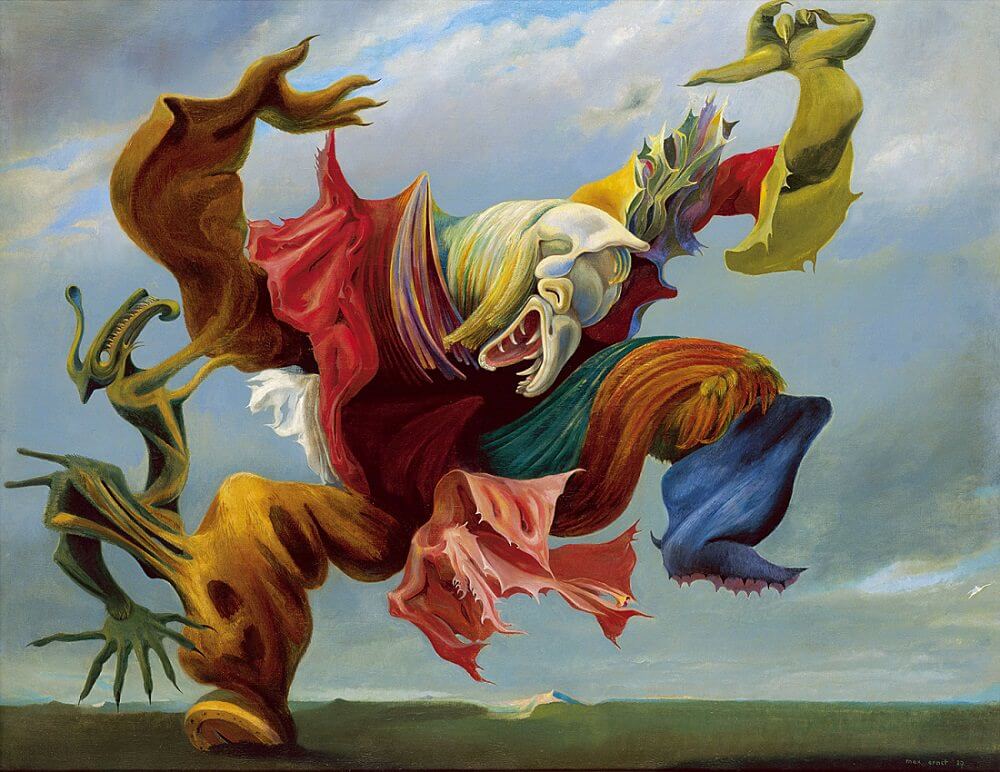
Surrealism
A short guide to Surrealism: André Breton's manifesto of 1924, De Chirico's metaphysical squares, Dalí's soft watches, Magritte's apples and pipes, Ernst, Miró and the Exquisite Corpse, the women and photographers of the movement, its legacy, and a digital homage you can try in PictorX.
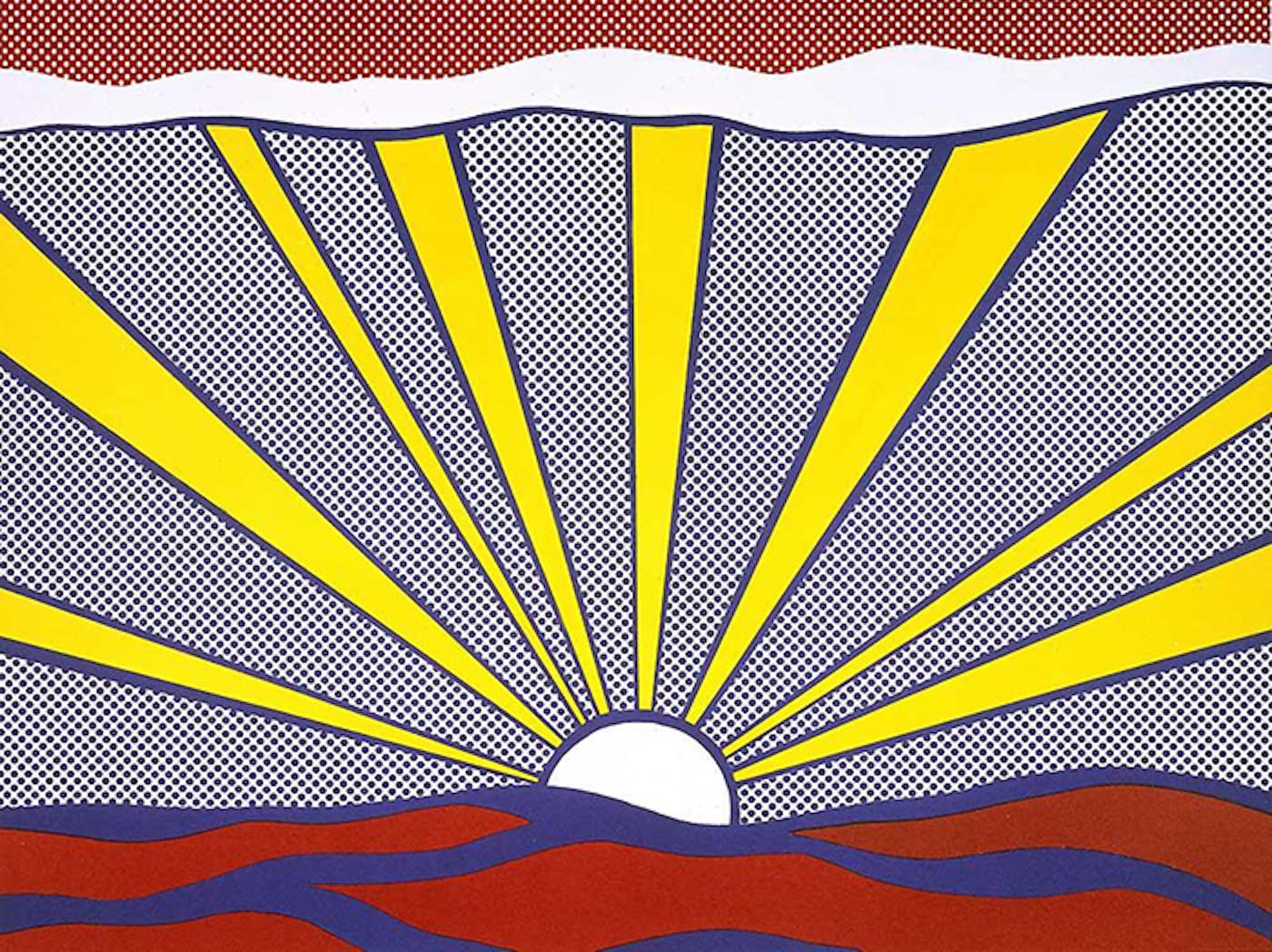
Pop Art
Learn how Pop Art turned advertising, comics, and consumer products into art—Andy Warhol, Roy Lichtenstein, silkscreen, and the rise of mass culture.
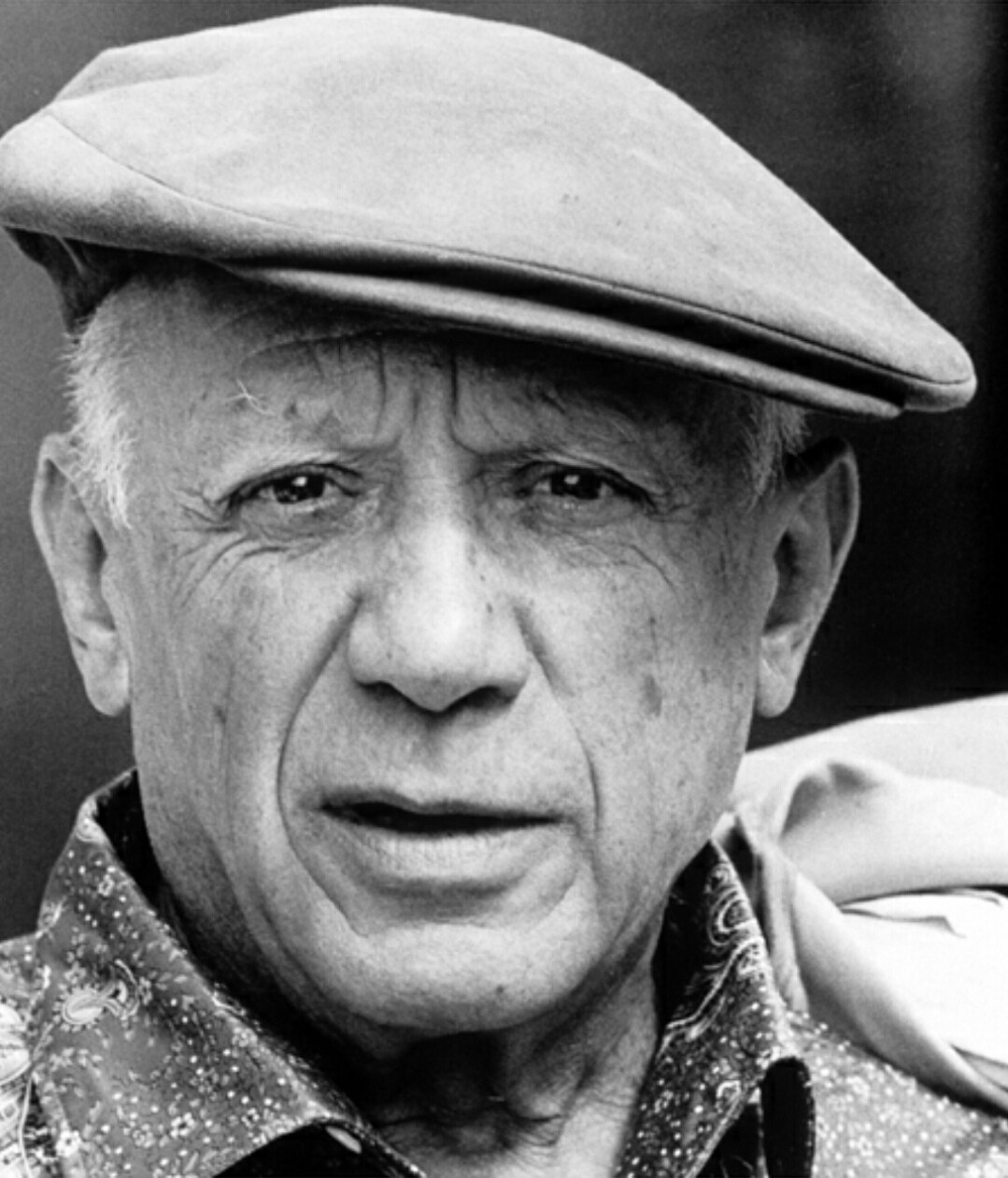
Pablo Picasso
A short guide to Pablo Picasso: the prodigy from Málaga, the Blue and Rose Periods, Les Demoiselles d'Avignon and Cubism with Braque, Guernica and The Weeping Woman, his endless reinventions, and a digital homage you can try in PictorX.
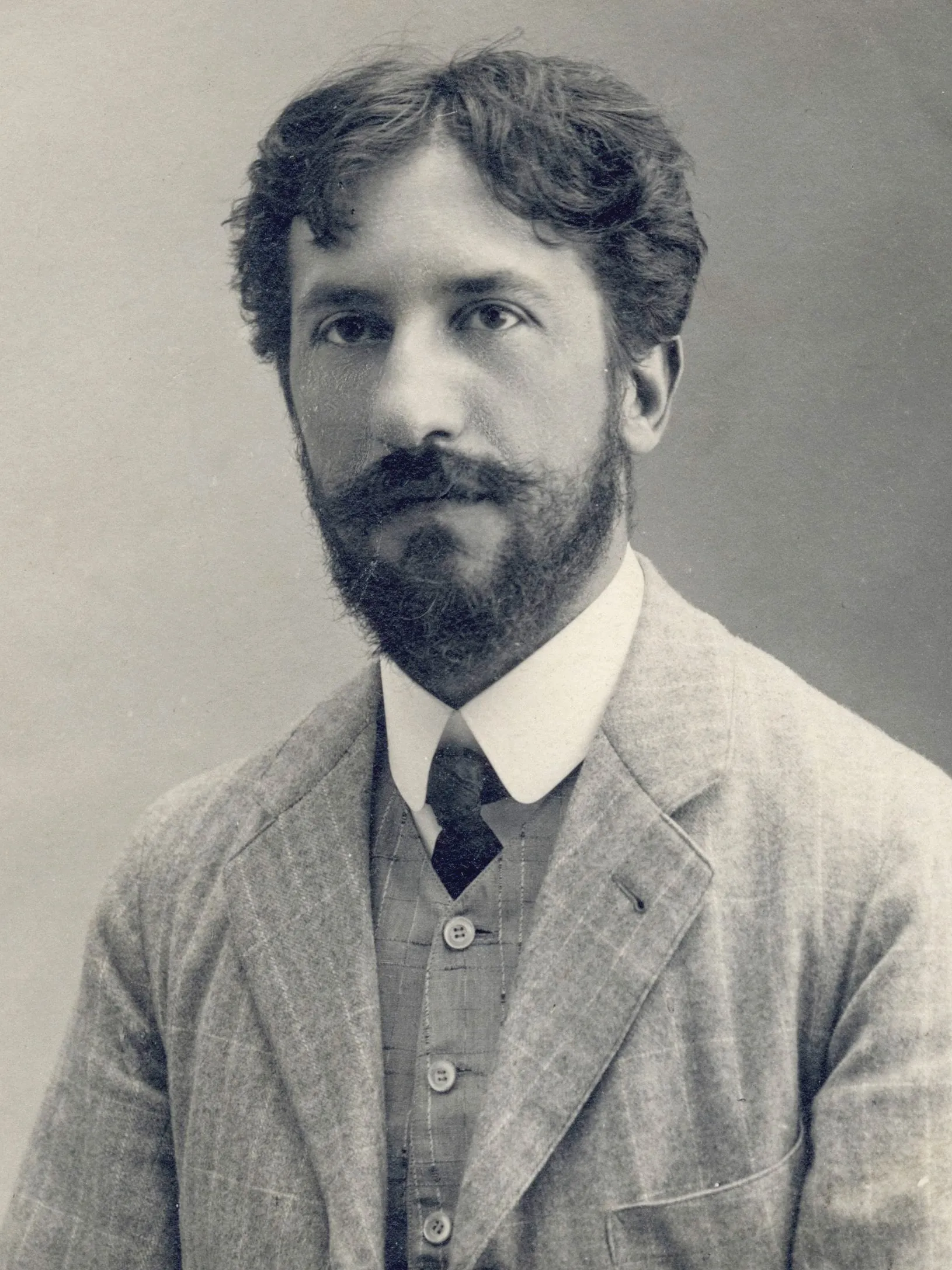
Piet Mondriaan
Piet Mondriaan’s life and art: from The Red Tree to Victory Boogie Woogie, De Stijl and neoplasticism, and how PictorX Mondriaan lets you compose grids in the browser.
Ready to try it?
Open PictorX in your browser — no install, no credit card required to start.
Try Art Deco