
Pablo Picasso
Read more about Pablo Picasso—the Spanish artist who painted in blue and rose, broke the picture apart with Cubism and answered the bombing of Guernica with a mural in black and white—and try a digital Picasso look in PictorX.
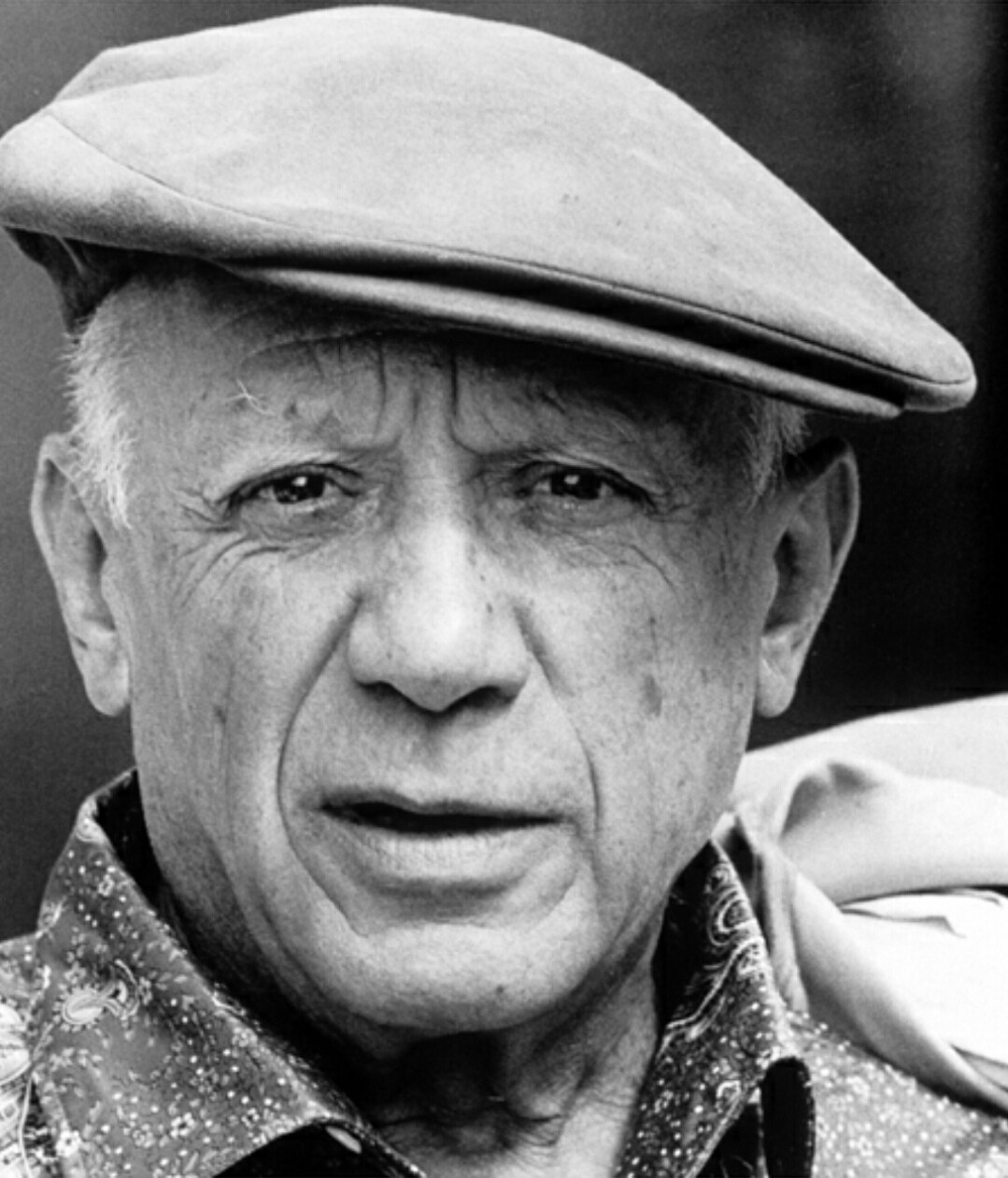
Who was Pablo Picasso?
Pablo Picasso (1881–1973) was a Spanish painter, sculptor, printmaker and ceramicist who spent most of his life in France. Over more than seventy years of work he reinvented his style again and again—from the melancholy Blue Period to Cubism, classicism, Surrealist-tinged distortion and the playful ceramics of his old age—and became the best-known artist of the twentieth century. He left behind an enormous body of work, tens of thousands of paintings, drawings, prints and objects.
A prodigy from Málaga
Picasso was born in Málaga, in the south of Spain, the son of the painter and art teacher José Ruiz Blasco. He drew before he could talk properly, and as a teenager he was already painting academic pictures with complete assurance. He studied in Barcelona and briefly at the Royal Academy in Madrid, joined the avant-garde circle of the Els Quatre Gats café in Barcelona, and from 1900 travelled to Paris, where he settled for good in 1904.
The Blue Period
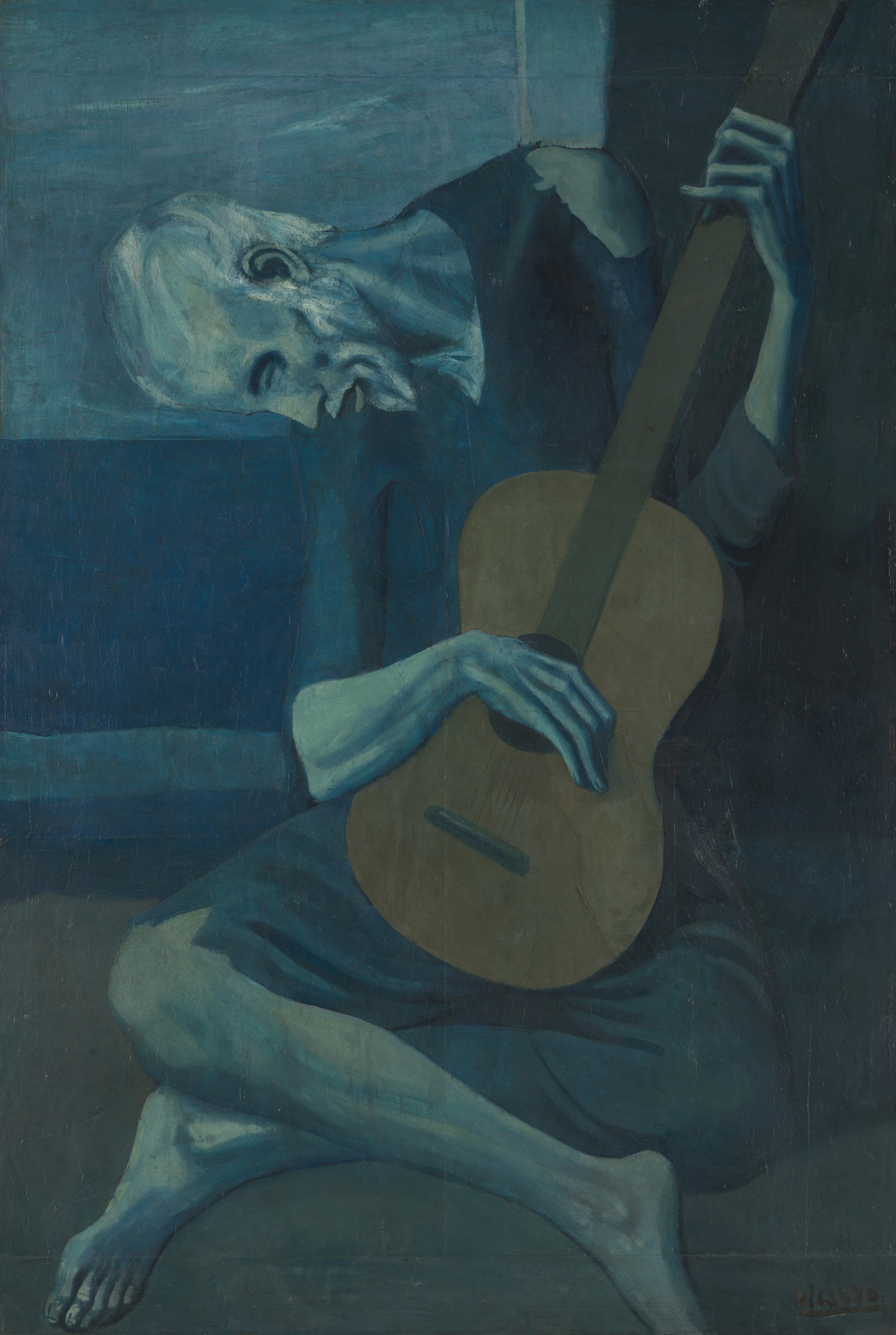
After the suicide of his close friend Carles Casagemas in 1901, Picasso began to paint almost entirely in shades of blue and blue-green. For about three years he painted the poor, the blind, beggars, mothers and the lonely, with elongated bodies and mournful faces, in works such as La Vie (1903) and The Old Guitarist (1903–04). The pictures sold badly at the time; today they are among his most loved.
The Rose Period
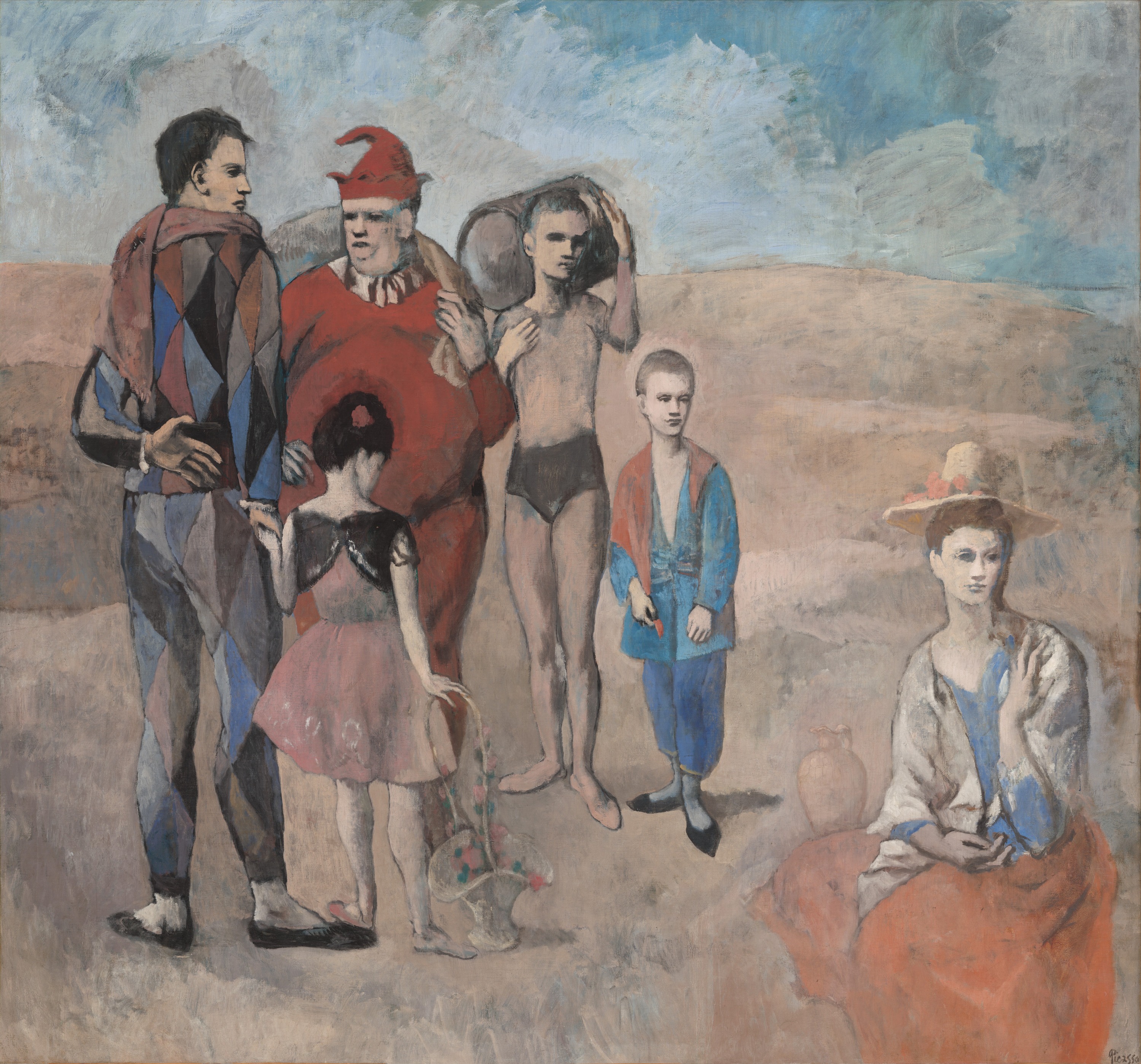
Living in the Bateau-Lavoir studio building in Montmartre, and in love with Fernande Olivier, Picasso turned to warmer pinks, ochres and earth reds from around 1904 to 1906. Harlequins, acrobats and travelling circus performers became his subjects, painted with tenderness rather than despair, as in Family of Saltimbanques (1905) and Boy with a Pipe (1905).
Les Demoiselles d'Avignon and Cubism
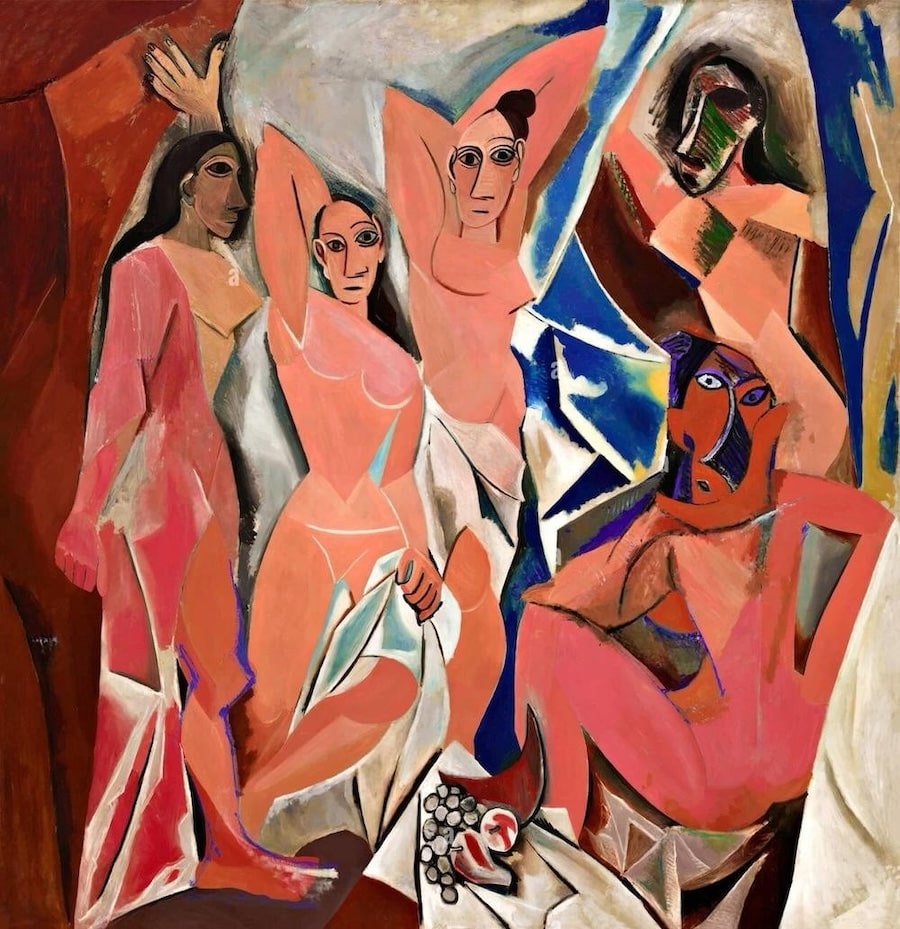
In 1907 Picasso painted Les Demoiselles d'Avignon, five figures built from sharp, flattened planes, with faces inspired by Iberian sculpture and African masks. Even his friends were shocked. Together with Georges Braque he then developed Cubism: objects are taken apart and shown from several viewpoints at once, first in muted, splintered Analytic Cubism, then in Synthetic Cubism and the first collages, such as Still Life with Chair Caning (1912).
Guernica
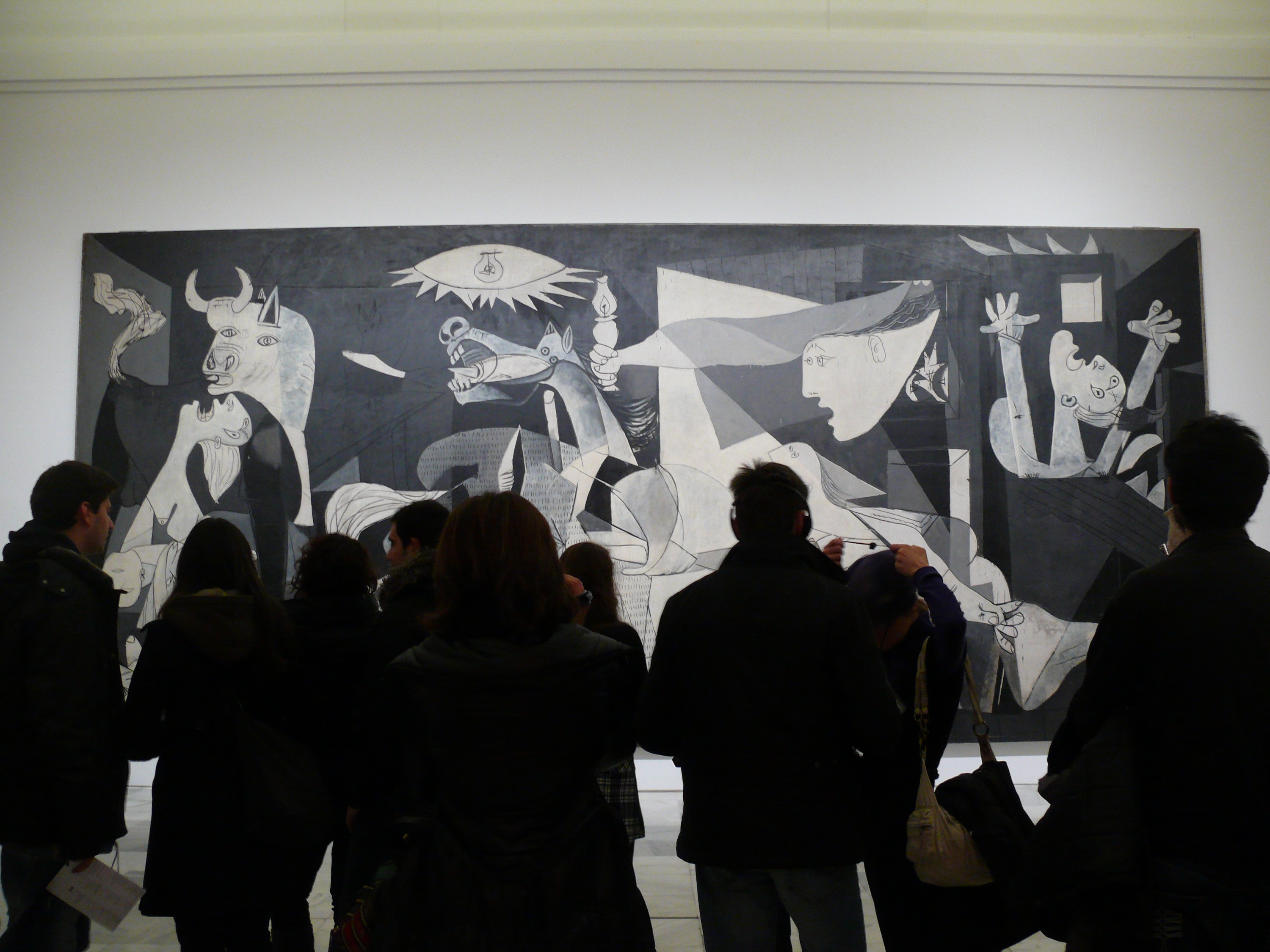
On 26 April 1937, during the Spanish Civil War, German and Italian aircraft bombed the Basque town of Guernica. Picasso, who had been asked to paint a mural for the pavilion of the Spanish Republic at the Paris International Exposition, answered with Guernica: a canvas almost eight metres wide, painted only in black, white and grey, full of a screaming horse, a bull, a mother with a dead child and broken bodies. It became one of the most powerful anti-war images ever made and now hangs in the Museo Reina Sofía in Madrid.
The Weeping Woman and a restless career
In the months after Guernica Picasso painted a series of weeping women, modelled on the photographer Dora Maar. In The Weeping Woman (1937, Tate) her face is cut into acid greens, yellows and blues, with eyes and a handkerchief seen from different angles at once. Picasso never stopped changing: he designed for the Ballets Russes, painted monumental classical figures, made sculpture from found objects, and from the late 1940s worked with potters in Vallauris. He died in Mougins in 1973.
A digital homage in PictorX
PictorX Picasso is a browser photo effect inspired by the Blue and Rose Periods, Cubism, The Weeping Woman and Guernica. It is not a reproduction of any museum painting, not an AI forgery of a Picasso, and not a claim of authenticity. The pictures on this page are the artists' own works; Picasso's own works are best seen in museums such as the Museu Picasso in Barcelona, the Musée national Picasso-Paris, the Museo Picasso Málaga and the Museo Reina Sofía in Madrid.
Try the look in PictorX
Open artistic effects, choose Picasso, and load a photo—portraits work best for every style. Pick Blue Period or Rose Period for a moody monochrome painting, or Weeping Woman and Guernica for fractured shards with black outlines. Then tune Shape Size, Distortion, Line Work, Color Intensity, Palette and Canvas Texture. Keep editing with Matisse, Kandinsky, Cubism or other looks in the same workspace.
Frequently asked questions
Who was Pablo Picasso?
A Spanish painter, sculptor and printmaker (1881–1973) who lived mostly in France, co-founded Cubism with Georges Braque and is widely seen as the most influential artist of the twentieth century.
What are Picasso's most famous works?
Among the best known are La Vie (1903), The Old Guitarist (1903–04), Family of Saltimbanques (1905), Les Demoiselles d'Avignon (1907), Guernica (1937) and The Weeping Woman (1937).
What were the Blue and Rose Periods?
The Blue Period (about 1901–1904) was a time of sombre blue paintings of poverty and grief; the Rose Period (about 1904–1906) followed with warmer pinks and earth tones and subjects such as harlequins and circus performers.
What is Guernica about?
It is Picasso's response to the bombing of the Basque town of Guernica on 26 April 1937 during the Spanish Civil War, painted in black, white and grey for the Spanish Republic's pavilion at the 1937 Paris Exposition.
Is the PictorX Picasso filter a real Picasso?
No. It is a digital photo effect inspired by Picasso's periods and Cubist fragmentation. His original works remain unique museum pieces.
Related tools
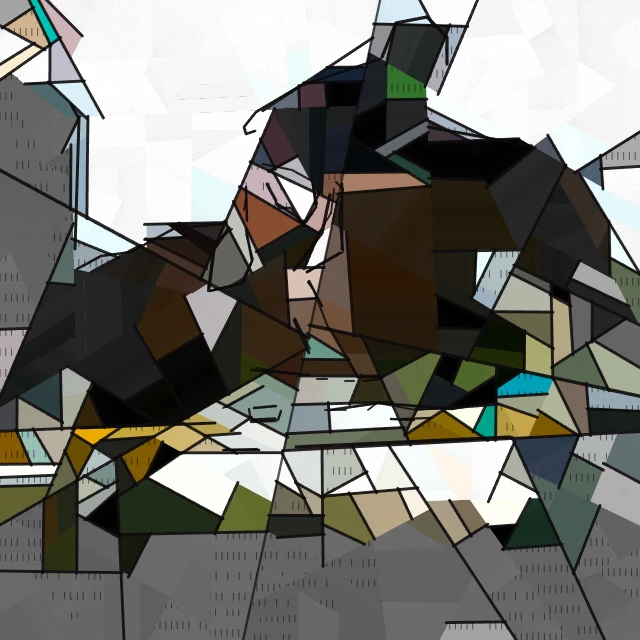
Picasso photo filter - Blue Period, Rose Period and fractured portraits
Turn a photo into a Pablo Picasso-style painting in your browser: the Blue Period, the Rose Period, the fractured multi-view portraits of the Weeping Woman, or the black-and-white shards of Guernica.
Artistic effects
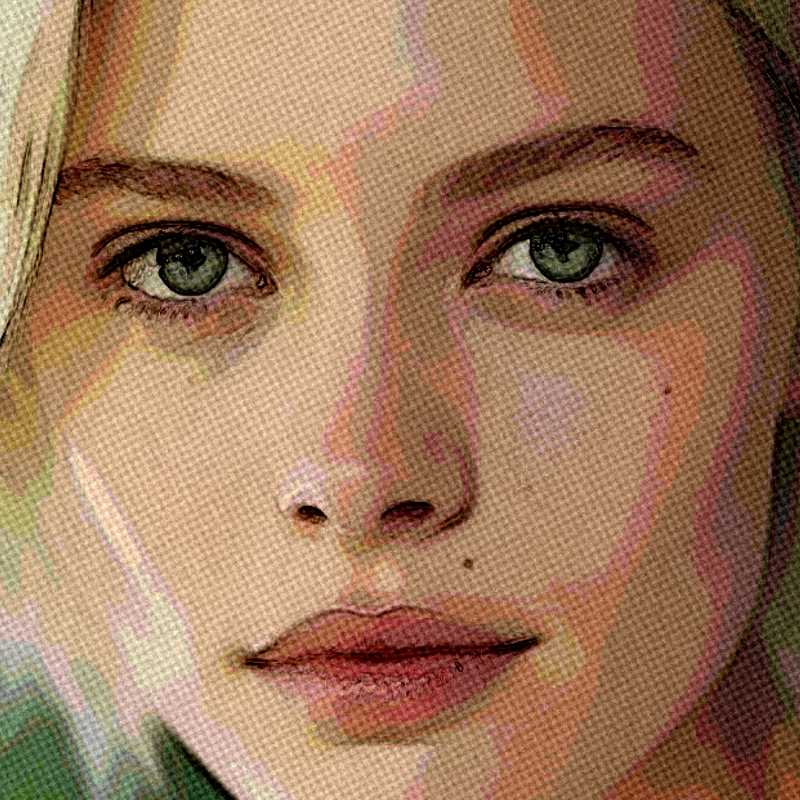
Transform photos with oil painting, watercolor, pencil, comic ink, pastels, paper cut-out, and other studio art looks.
Cubism
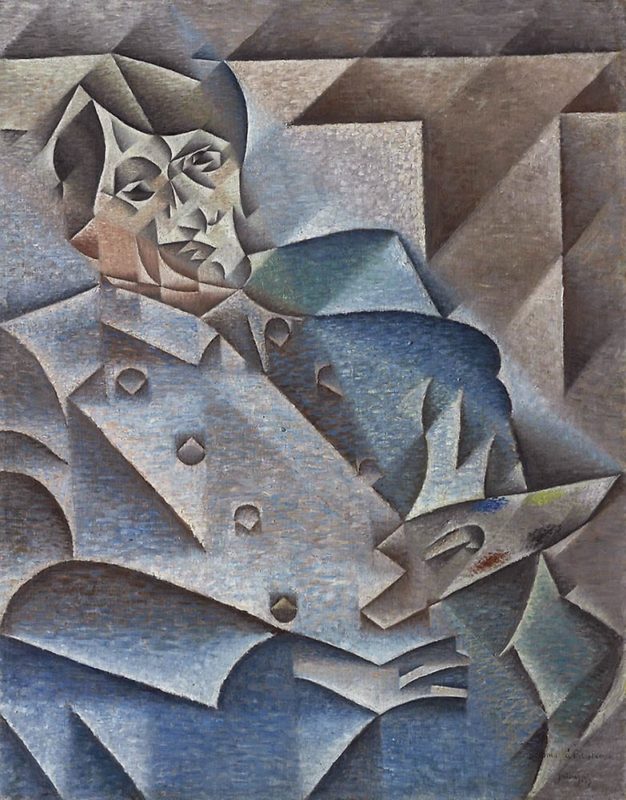
A short guide to Cubism: Picasso and Braque, Analytic and Synthetic Cubism, fragmented planes, multiple viewpoints, and a digital homage you can try in PictorX.
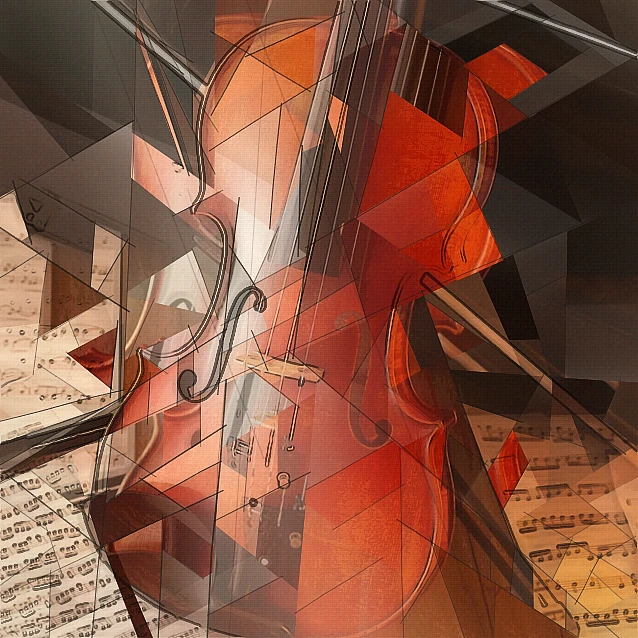
Cubism photo filter - geometric facets
Turn a photo into Analytic Cubism-inspired geometric facets in your browser. Adjust Facet Size, Perspectives, Flattening, Contour, and Contrast.
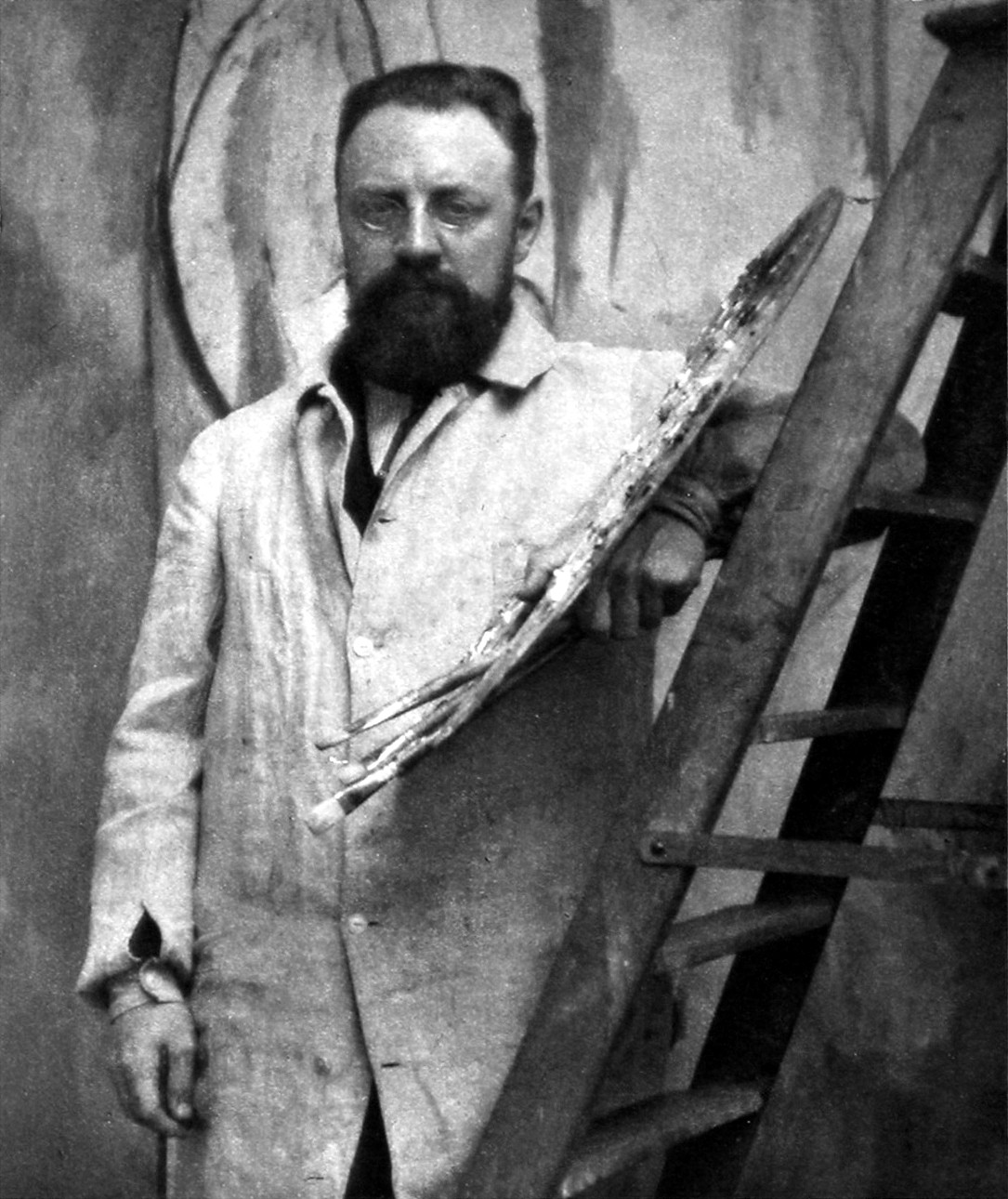
Henri Matisse
A short guide to Henri Matisse: from law clerk to painter, the Fauves of 1905, Harmony in Red and Dance, the Nice years, his line drawings, drawing with scissors in the cut-outs, and a digital homage you can try in PictorX.
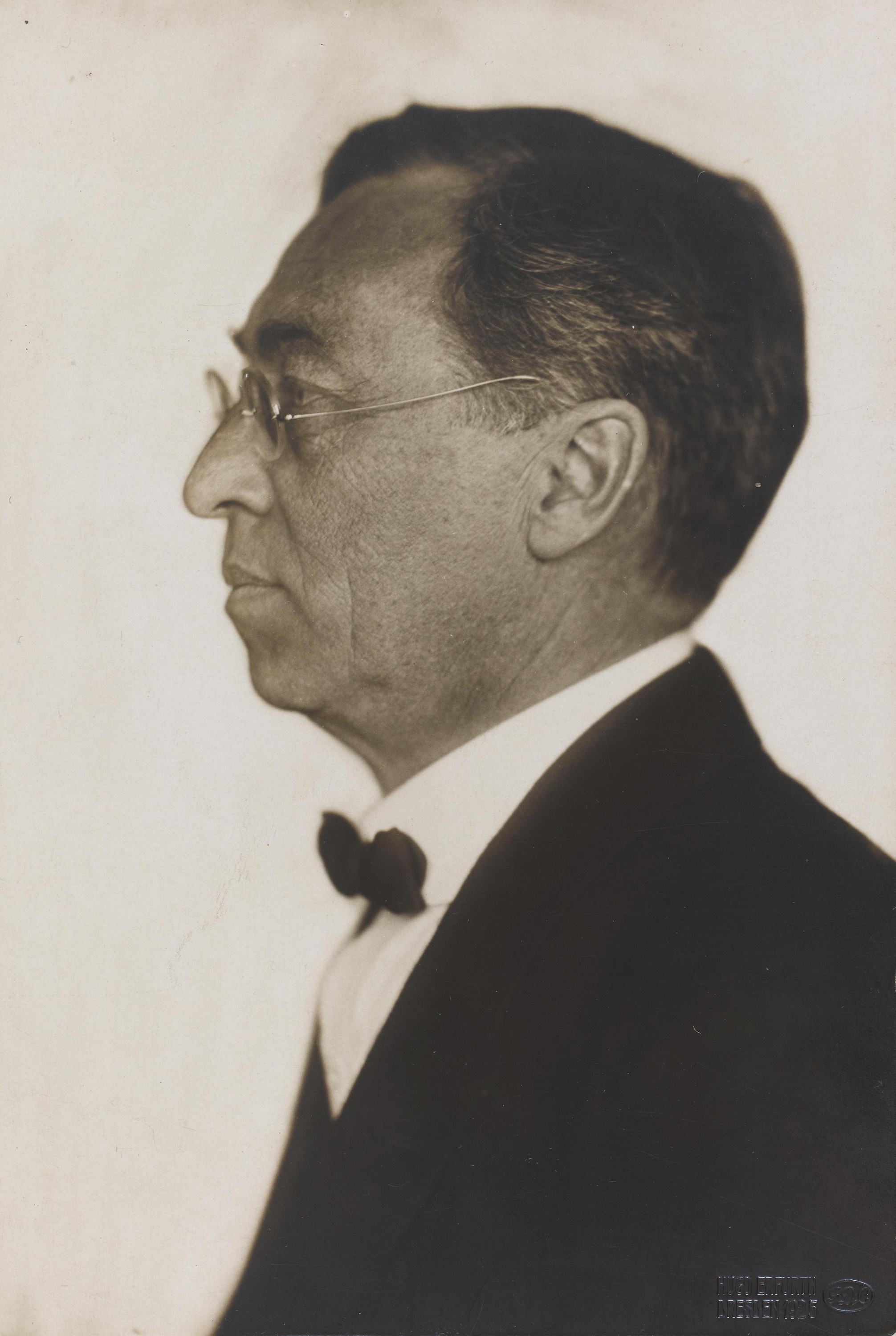
Wassily Kandinsky
A short guide to Wassily Kandinsky: from Moscow to Munich, Murnau and the Blue Rider, colour as music, Squares with Concentric Circles, the Bauhaus and Composition VIII, Several Circles, and a digital homage you can try in PictorX.
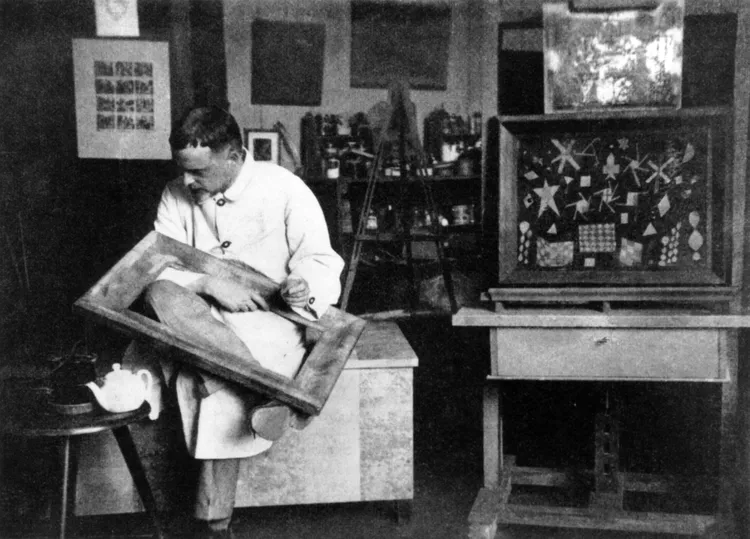
Paul Klee
A short guide to Paul Klee: Bern and the Blue Rider, the 1914 Tunisia trip, magic squares of colour, taking a line for a walk, the Bauhaus years, and a digital homage you can try in PictorX.
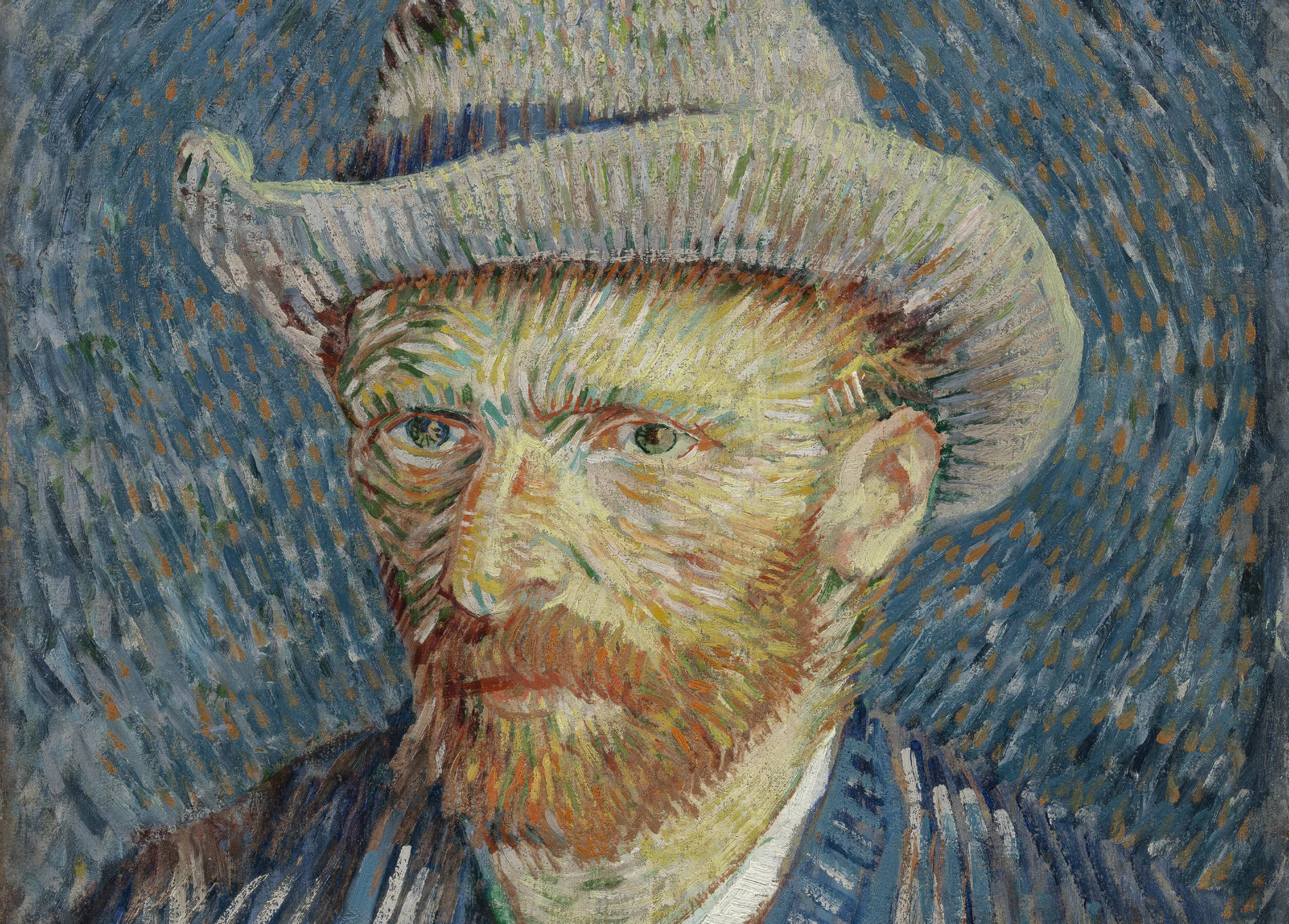
Vincent van Gogh
A short guide to Vincent van Gogh: Dutch Post-Impressionism, swirling brushwork, Starry Night and sunflowers, and a respectful digital homage you can try in PictorX.
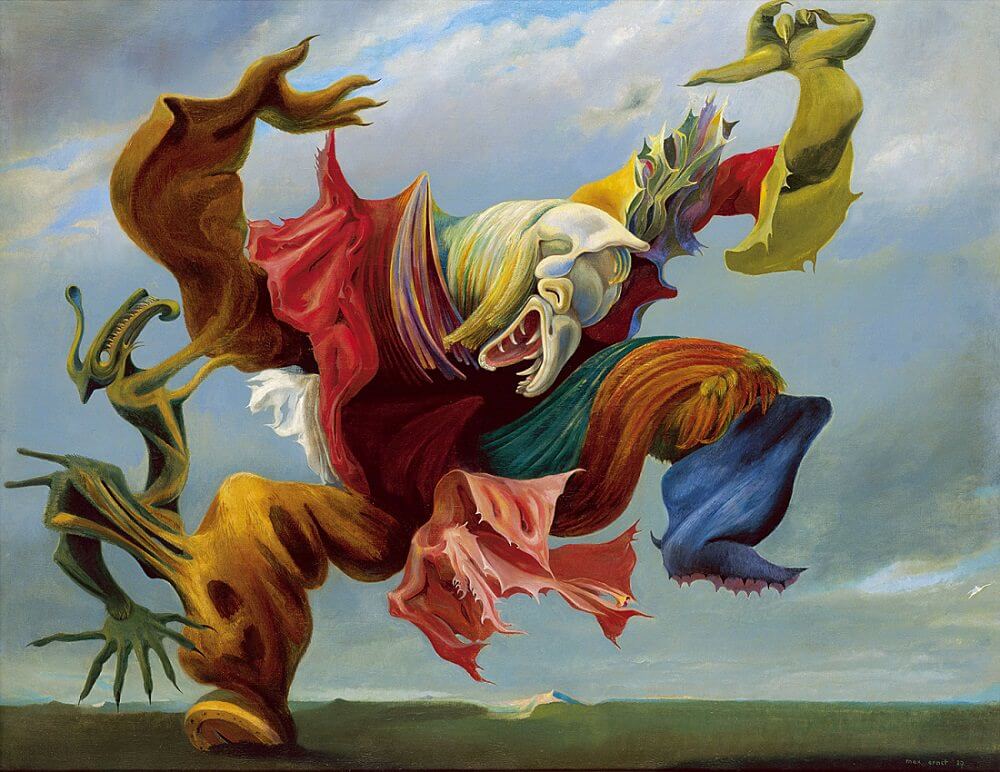
Surrealism
A short guide to Surrealism: André Breton's manifesto of 1924, De Chirico's metaphysical squares, Dalí's soft watches, Magritte's apples and pipes, Ernst, Miró and the Exquisite Corpse, the women and photographers of the movement, its legacy, and a digital homage you can try in PictorX.
Ready to try it?
Open PictorX in your browser — no install, no credit card required to start.
Try Picasso