
Salvador Dalí
Read more about Salvador Dalí—the Catalan painter of melting watches, long-legged elephants and crutches, who painted his dreams with the precision of an old master and turned his own life into a performance—and put a photo into a dream after his pictures in PictorX.
Who was Salvador Dalí?
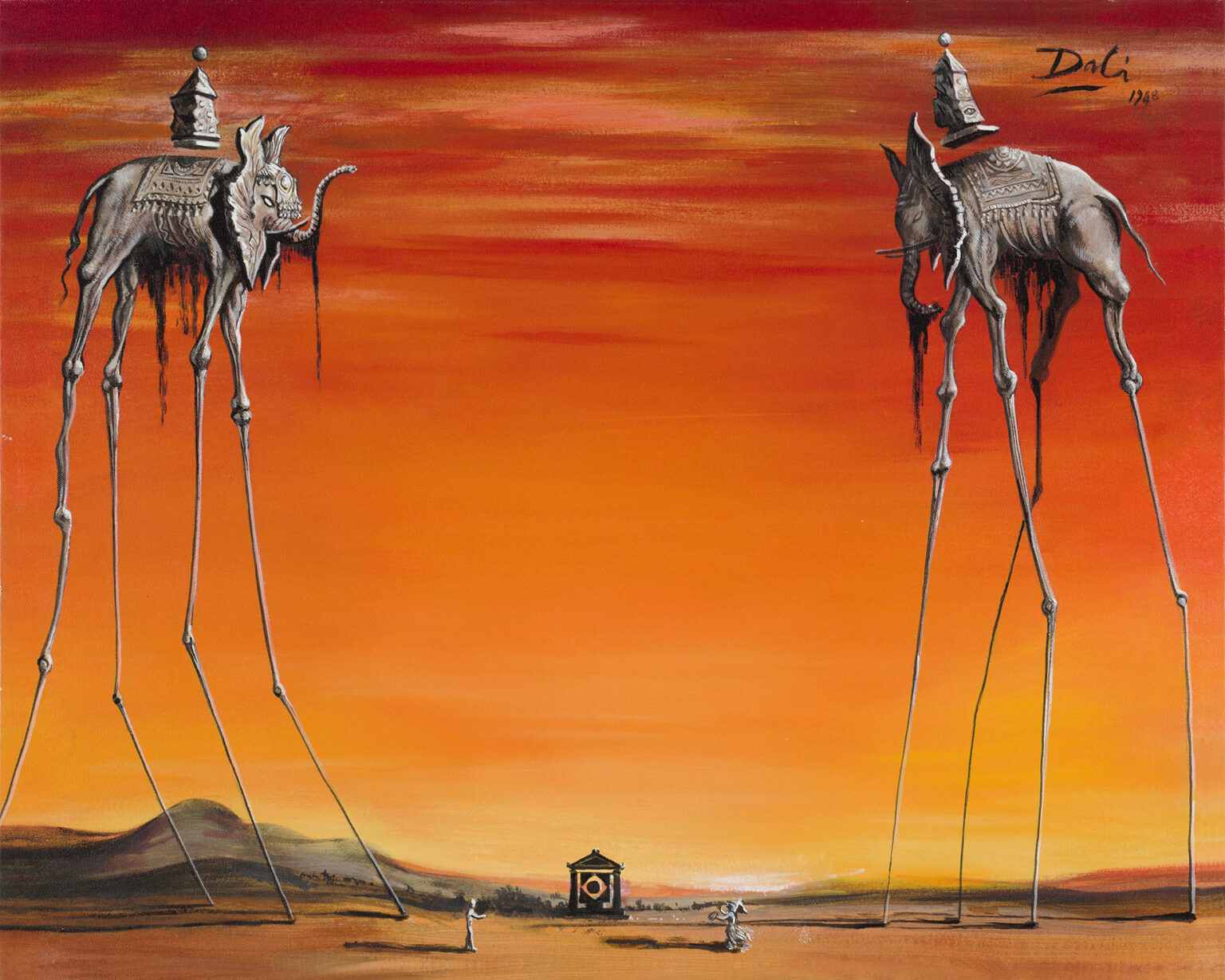
Salvador Dalí (1904–1989) was a Spanish painter from Catalonia and the most famous of the Surrealists. He painted the images of dreams and obsessions—soft watches, burning giraffes, elephants on legs as thin as stilts—with the patience and precision of the old masters he admired, Velázquez and Vermeer among them, so that the impossible looks completely real. He also made films, objects, jewellery, books and advertisements, and with his waxed, upturned moustache and his outrageous sayings he made himself as famous as his pictures.
Figueres, Cadaqués and Cap de Creus
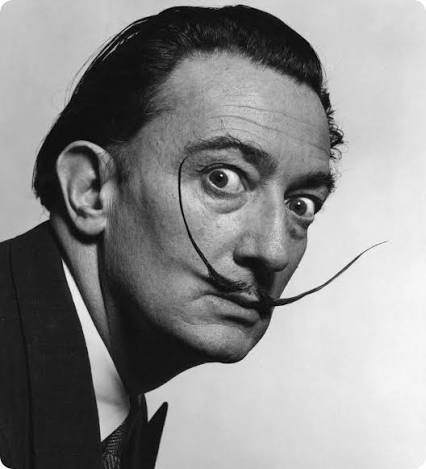
Dalí was born on 11 May 1904 in Figueres, a town in the north of Catalonia, the son of a notary. An elder brother, also called Salvador, had died nine months before he was born, and Dalí later said that his parents told him he was his brother come back to life. The family spent its summers in Cadaqués, a fishing village on the coast, and the bare, wind-carved rocks of Cap de Creus, the clear light and the flat sea became the landscape of almost all his dreams. In 1930 he bought a fisherman's hut in the bay of Portlligat next to Cadaqués and slowly turned it into the house where he lived and worked for fifty years.
Madrid, Lorca and Buñuel
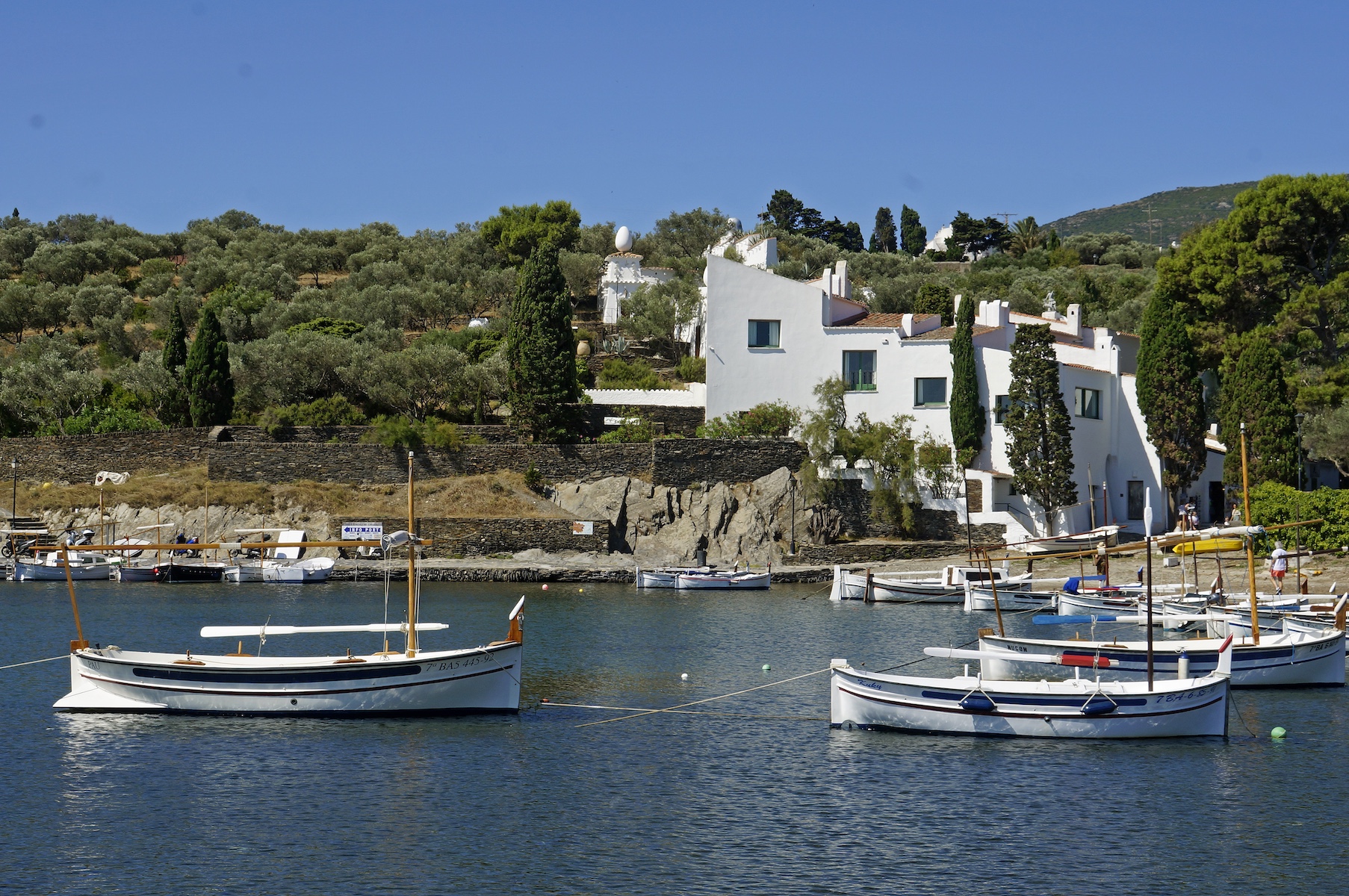
In 1922 Dalí went to study at the Royal Academy of Fine Arts of San Fernando in Madrid and lived at the Residencia de Estudiantes, where he became close friends with the poet Federico García Lorca and the future film-maker Luis Buñuel. He tried out Cubism and Futurism, painted his sister Ana María at a window in Cadaqués in a calm, clear realism, and in 1926 was expelled from the Academy after declaring that none of his teachers was competent to examine him. That year he also visited Picasso in Paris. In 1929 he and Buñuel made the short film Un Chien Andalou, a string of dream images that opens with a razor and an eye.
Gala and the Surrealists
In 1929 Dalí joined the Surrealists in Paris, led by the poet André Breton, and that summer he met Gala—Elena Diakonova, the Russian-born wife of the poet Paul Éluard. She left Éluard for Dalí and became his wife, his model, his business manager and his muse, and he often signed his pictures with both their names. The Surrealists admired his images but were less sure of the man: he courted scandal, loved money and refused to take sides in politics, and at the end of the 1930s Breton broke with him for good, mocking him with the anagram “Avida Dollars”—greedy for dollars.
The Persistence of Memory
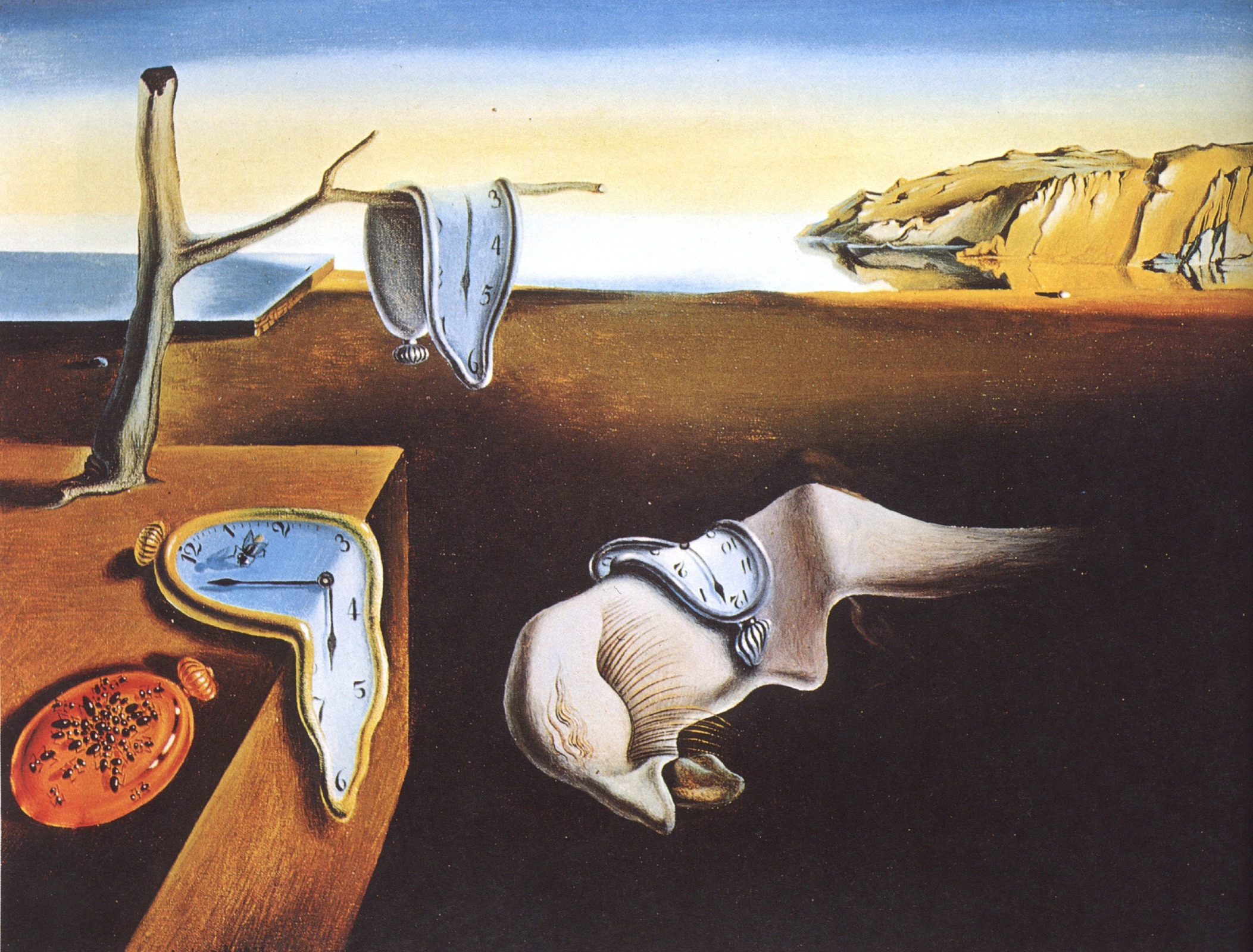
Dalí's best-known painting is small: The Persistence of Memory (1931) measures only 24 by 33 centimetres. In the clear light of Cap de Creus, three pocket watches hang soft and limp over a branch, the edge of a ledge and a strange sleeping face, while a fourth, closed watch is covered in ants. Dalí said the idea came to him after dinner while he looked at a Camembert cheese melting in the heat. The soft watches became a symbol of time that bends and dissolves in dreams and in memory. The Museum of Modern Art in New York has owned the painting since 1934, and twenty years later Dalí painted it again, broken into floating blocks, as The Disintegration of the Persistence of Memory.
Double images and the paranoiac-critical method
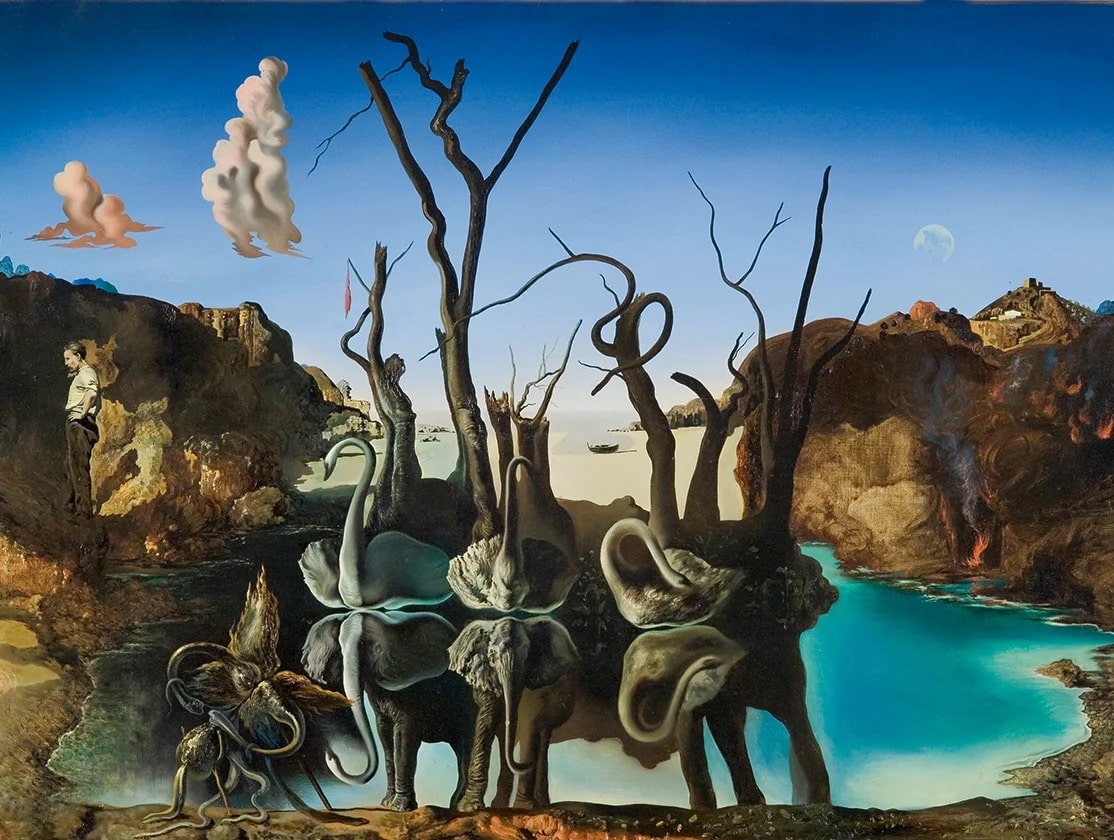
Dalí called his way of working the “paranoiac-critical method”: he trained himself to see one thing in another, as a person in the grip of paranoia might, and then painted both images with complete clarity. In Swans Reflecting Elephants (1937) three swans on a lake among bare trees are mirrored in the water as three elephants—the swans' necks become trunks and the trees become legs. In The Metamorphosis of Narcissus, from the same year, a kneeling youth is echoed by a stone hand holding an egg. Dalí took that picture to London in 1938 to meet Sigmund Freud, whose writings on dreams had shaped the whole Surrealist movement.
Crutches, drawers and a lobster telephone
Dalí filled his pictures with objects that return again and again, as if straight from his dreams: crutches propping up soft, sagging bodies and heads, as in Sleep (1937); drawers opening in a woman's body, as in Venus de Milo with Drawers (1936) and The Burning Giraffe (1937); ants, eggs, keys and long-legged elephants carrying obelisks. He also made real Surrealist objects, among them the Lobster Telephone (1936), with a plaster lobster for a receiver, and a sofa shaped like the lips of the film star Mae West, both with the English collector Edward James. In 1936, at the International Surrealist Exhibition in London, he gave a lecture in a diving suit and nearly suffocated.
Hollywood, Disney and the moustache
During the Second World War Dalí and Gala lived in the United States, where he became a celebrity. He designed the dream sequence of Alfred Hitchcock's film Spellbound (1945), full of eyes painted on curtains and a faceless figure, and worked with Walt Disney on Destino, a short animated film that was put aside and only finished in 2003. He painted portraits of wealthy patrons, designed shop windows, jewellery and perfume bottles, and in 1948 posed for the photographer Philippe Halsman in Dalí Atomicus, leaping in the air beside flying cats, a chair and a stream of water. His moustache, waxed into two thin points, became a work of art in its own right.
Atoms, spheres and the return to Spain
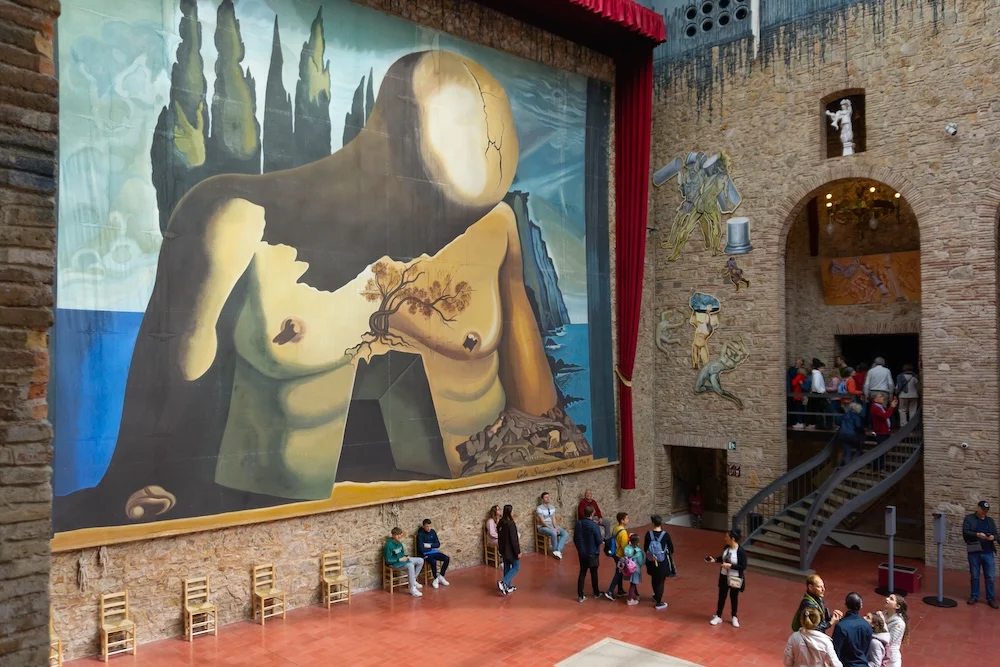
In 1948 Dalí returned to Spain and settled again at Portlligat. Shaken by the atomic bomb and fascinated by the new physics, he announced a “nuclear mysticism” that mixed science, religion and the art of the Renaissance. In Leda Atomica (1949) Gala appears as Leda with the swan, and nothing touches anything else—even the sea floats above the shore—because, Dalí said, nothing touches inside the atom either. Galatea of the Spheres (1952) builds Gala's face from floating spheres, and Christ of Saint John of the Cross (1951), now in Glasgow, shows the cross from high above, hanging over the bay of Portlligat.
The Theatre-Museum in Figueres
In the 1960s Figueres offered Dalí the ruins of its municipal theatre, which had burned at the end of the Spanish Civil War and where his first exhibition had been held when he was a teenager. He turned it into the Dalí Theatre-Museum, which opened in 1974: a red building crowned with giant eggs and a glass dome, full of his paintings, objects and installations, including a room whose sofa, fireplace and pictures form the face of Mae West when seen from the right spot. In 1969 he gave Gala a castle at Púbol, where she was buried in 1982. Dalí spent his last years in Figueres, died there on 23 January 1989 and lies in a crypt beneath the stage of his museum.
A digital homage in PictorX
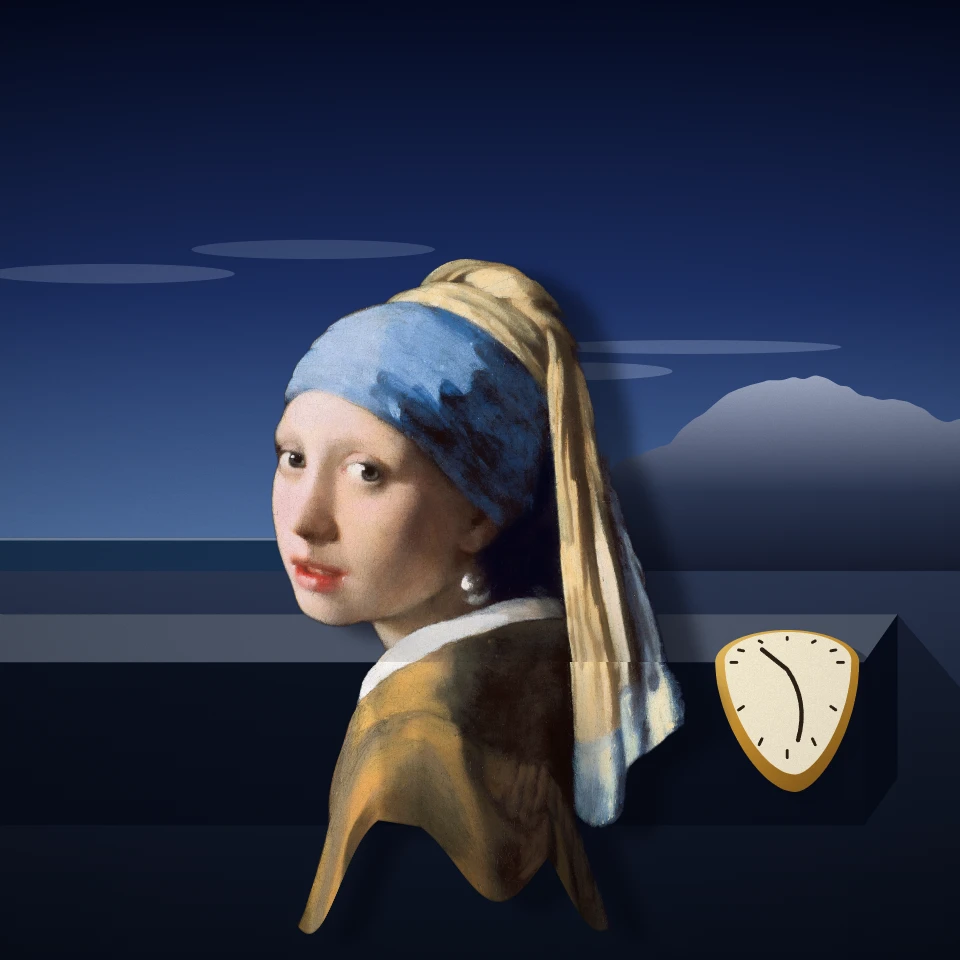
PictorX Salvador Dalí is a filter inspired by The Persistence of Memory, The Elephants, Galatea of the Spheres, Swans Reflecting Elephants, The Burning Giraffe, Sleep and Leda Atomica. It is not a reproduction of any of Dalí's paintings, not an AI copy of his work and not connected with the Gala-Salvador Dalí Foundation: each scene is built from your own photo, with its own watches, elephants, swans, drawers and crutches. Dalí's own pictures are best seen in the Dalí Theatre-Museum in Figueres, his house at Portlligat and Gala's castle at Púbol, the Salvador Dalí Museum in St. Petersburg, Florida, the Museo Reina Sofía in Madrid, the Museum of Modern Art in New York and Tate Modern in London.
Make your own Dalí dream in PictorX
Open the Salvador Dalí effect, load a photo—a portrait with a clear subject works best—and pick a Style: Persistence of Memory, Elephants, Galatea of the Spheres, Swans Reflecting Elephants, Burning Giraffe, Sleep or Leda Atomica. Choose a Palette—Dream, Photo, Dusk, Night or Desert—then use Distortion to make the scene stranger, Dreaminess to smooth the photo into glazed paint, Detail to add clouds, swans, drawers and crutches, and Shadows to deepen the shadows. Turn Floating Objects on or off, use Remove background so the subject stands out cleanly, then export, or keep editing in PictorX.
Frequently asked questions
Why did Dalí paint melting clocks?
In The Persistence of Memory (1931) the soft watches suggest that time is not fixed but bends and melts, as it does in dreams and in memory. Dalí himself said the idea came from a Camembert cheese melting in the summer heat.
What is Dalí's most famous painting?
The Persistence of Memory (1931), with its melting watches, in the Museum of Modern Art in New York. Other famous works include Swans Reflecting Elephants, The Elephants, The Burning Giraffe, Christ of Saint John of the Cross and the Lobster Telephone.
Who was Gala?
Elena Ivanovna Diakonova (1894–1982), known as Gala, was born in Russia and was first married to the French poet Paul Éluard. She became Dalí's wife, model, muse and manager, and appears in many of his paintings, including Leda Atomica and Galatea of the Spheres.
Where can I see Dalí's work?
The largest collections are in the Dalí Theatre-Museum in Figueres, the Salvador Dalí Museum in St. Petersburg, Florida, and the Museo Reina Sofía in Madrid. His house at Portlligat and Gala's castle at Púbol can also be visited, and the Museum of Modern Art in New York owns The Persistence of Memory.
Is the PictorX filter a real Dalí painting?
No. It is a digital homage made from your own photo, not a copy of any of his paintings, and it is not connected with the Gala-Salvador Dalí Foundation. Dalí's own works remain works of art in museums and collections.
Related tools
Salvador Dalí photo filter
Put a photo into a painting after Salvador Dalí in your browser: melt it like The Persistence of Memory, stand it among the long-legged Elephants, rebuild it from spheres, reflect it in a swan lake, open drawers in it, prop it up on crutches or let it float like Leda Atomica.
Op Art: your photo as an optical illusion
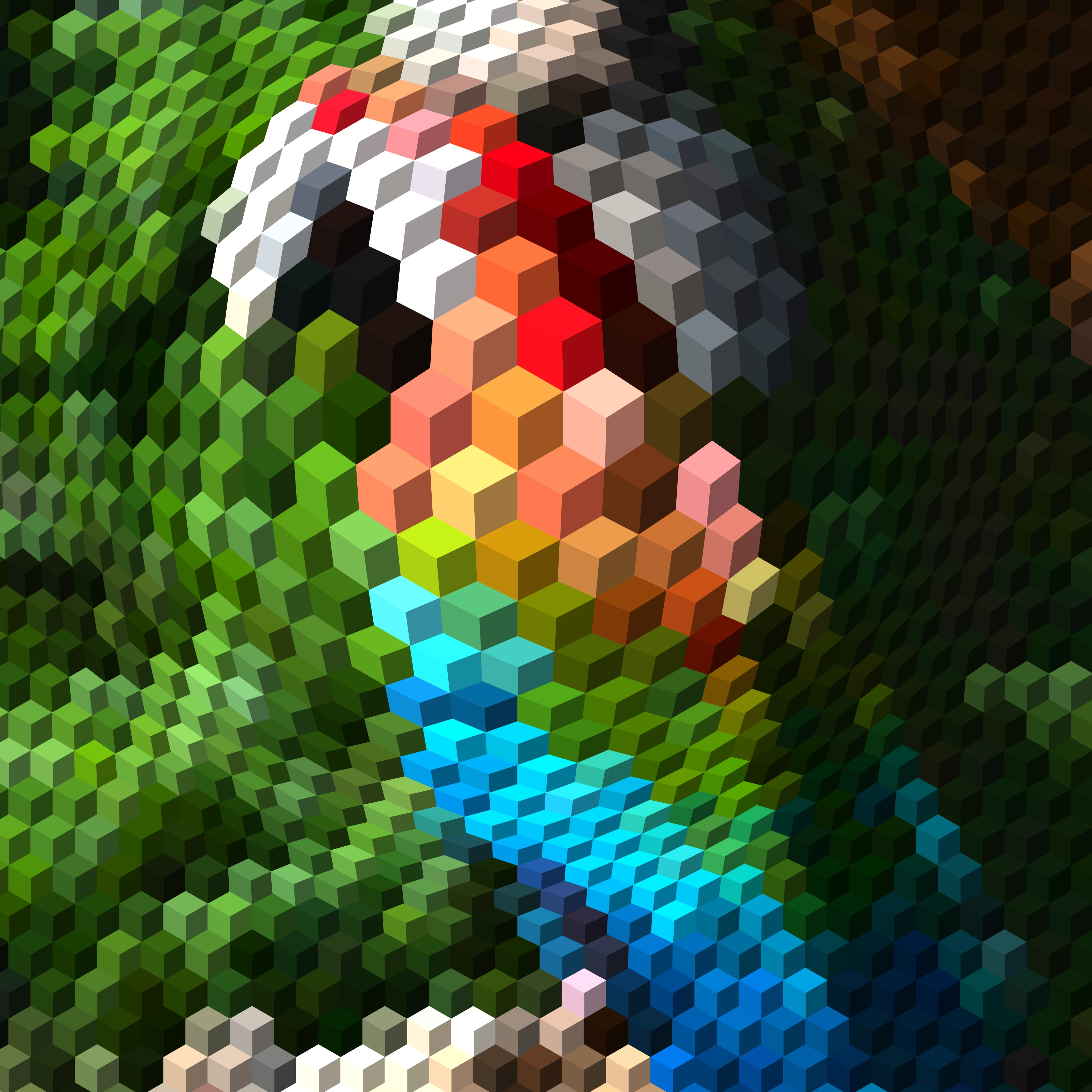
Turn a photo into op art in your browser: Dalí's Galatea of the Spheres, Vasarely's Vega, Bridget Riley waves, relief lines, moiré, spirals and warped grids — in your subject or a shape, still or animated.
Artistic effects
Transform photos with oil painting, watercolor, pencil, comic ink, pastels, paper cut-out, and other studio art looks.
René Magritte
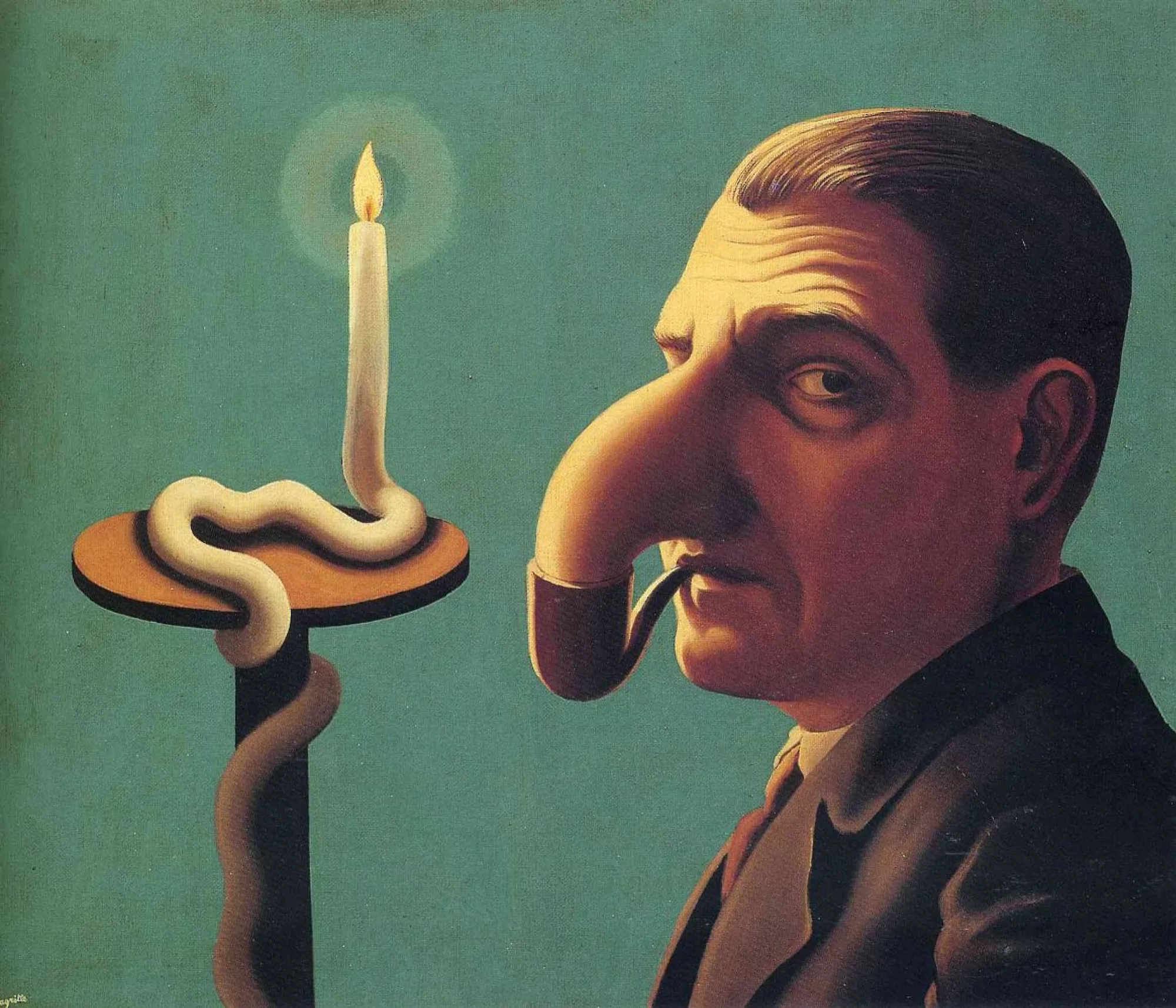
A short guide to René Magritte: his childhood by the Sambre, wallpaper, posters and De Chirico's Song of Love, Paris and the Surrealists, The Treachery of Images, bowler hats and green apples, Golconda and The Empire of Light, his house and museum in Brussels, his influence on Pop Art, and a digital homage you can try in PictorX.
Yves Tanguy
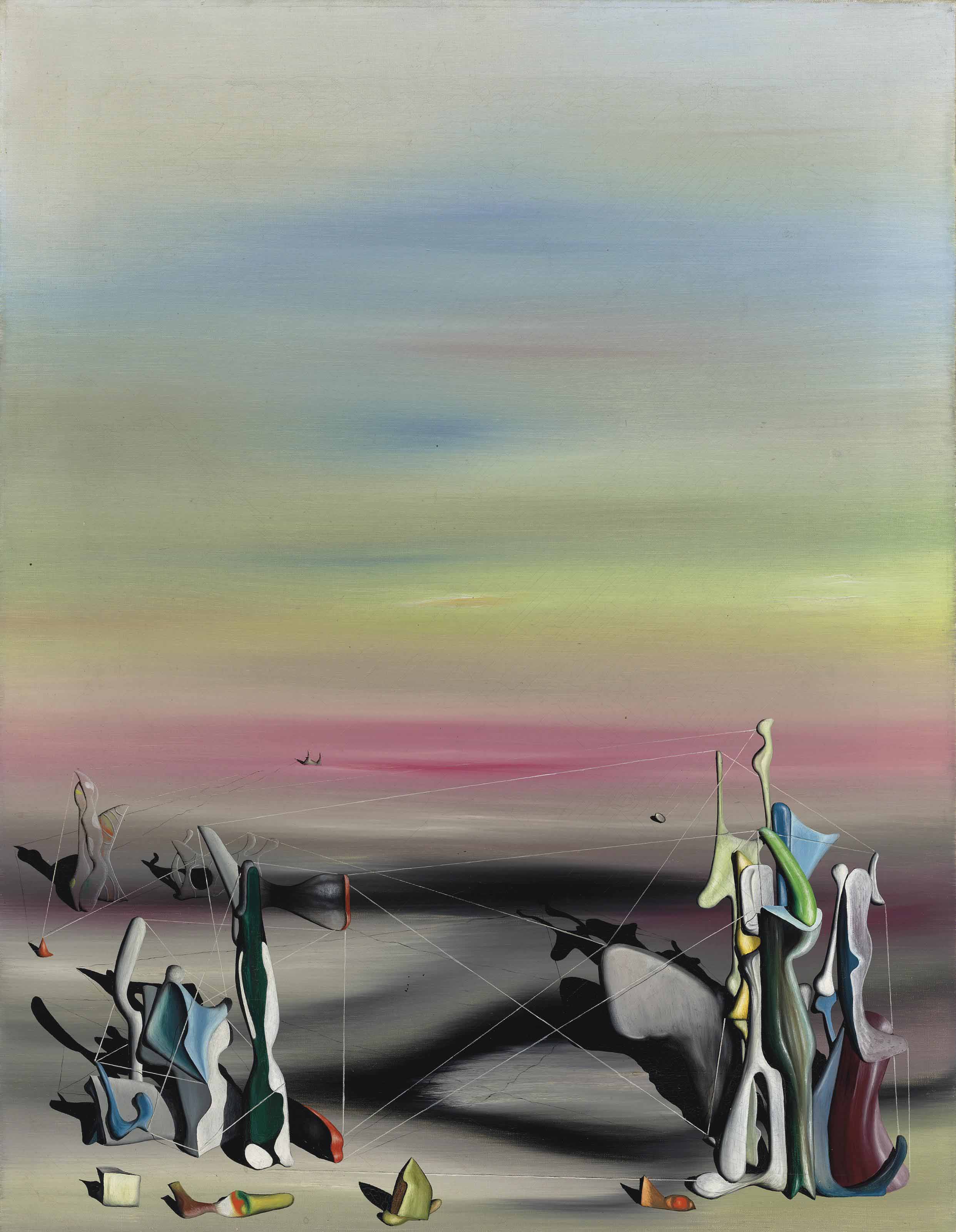
A short guide to Yves Tanguy: his childhood in Paris and Brittany, the merchant navy, the De Chirico painting he saw from a bus, the Surrealists of the rue du Château, Mama, Papa is Wounded!, plains without a horizon, Kay Sage and America, Indefinite Divisibility, Multiplication of the Arcs, and a digital homage you can try in PictorX.
Surrealism
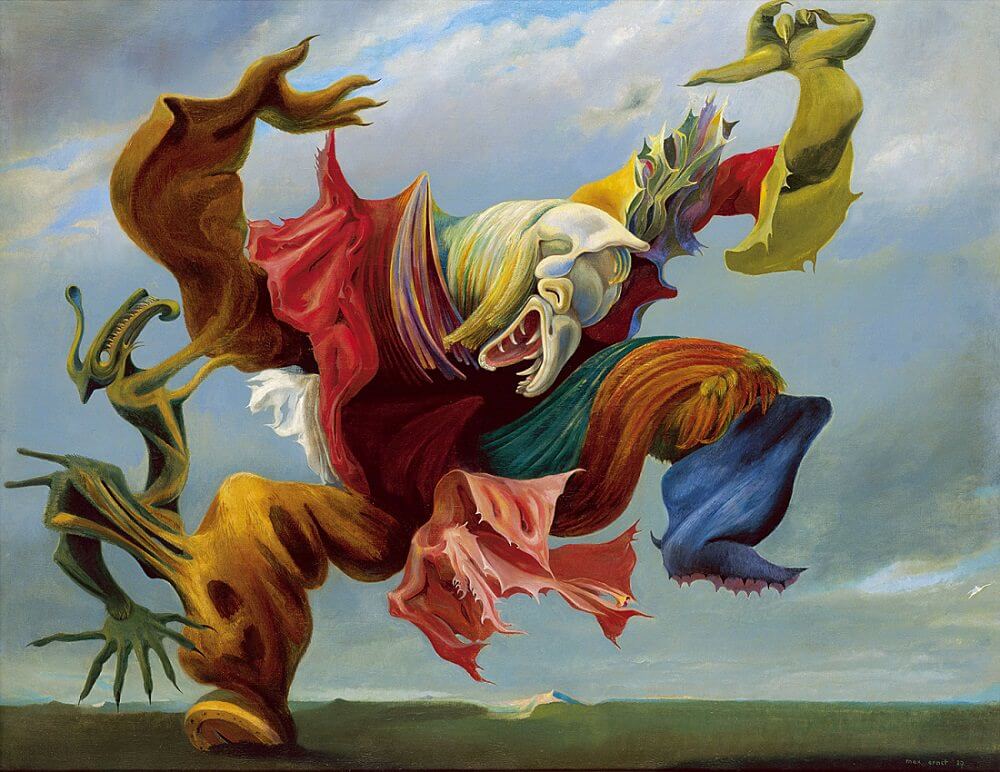
A short guide to Surrealism: André Breton's manifesto of 1924, De Chirico's metaphysical squares, Dalí's soft watches, Magritte's apples and pipes, Ernst, Miró and the Exquisite Corpse, the women and photographers of the movement, its legacy, and a digital homage you can try in PictorX.
Pablo Picasso
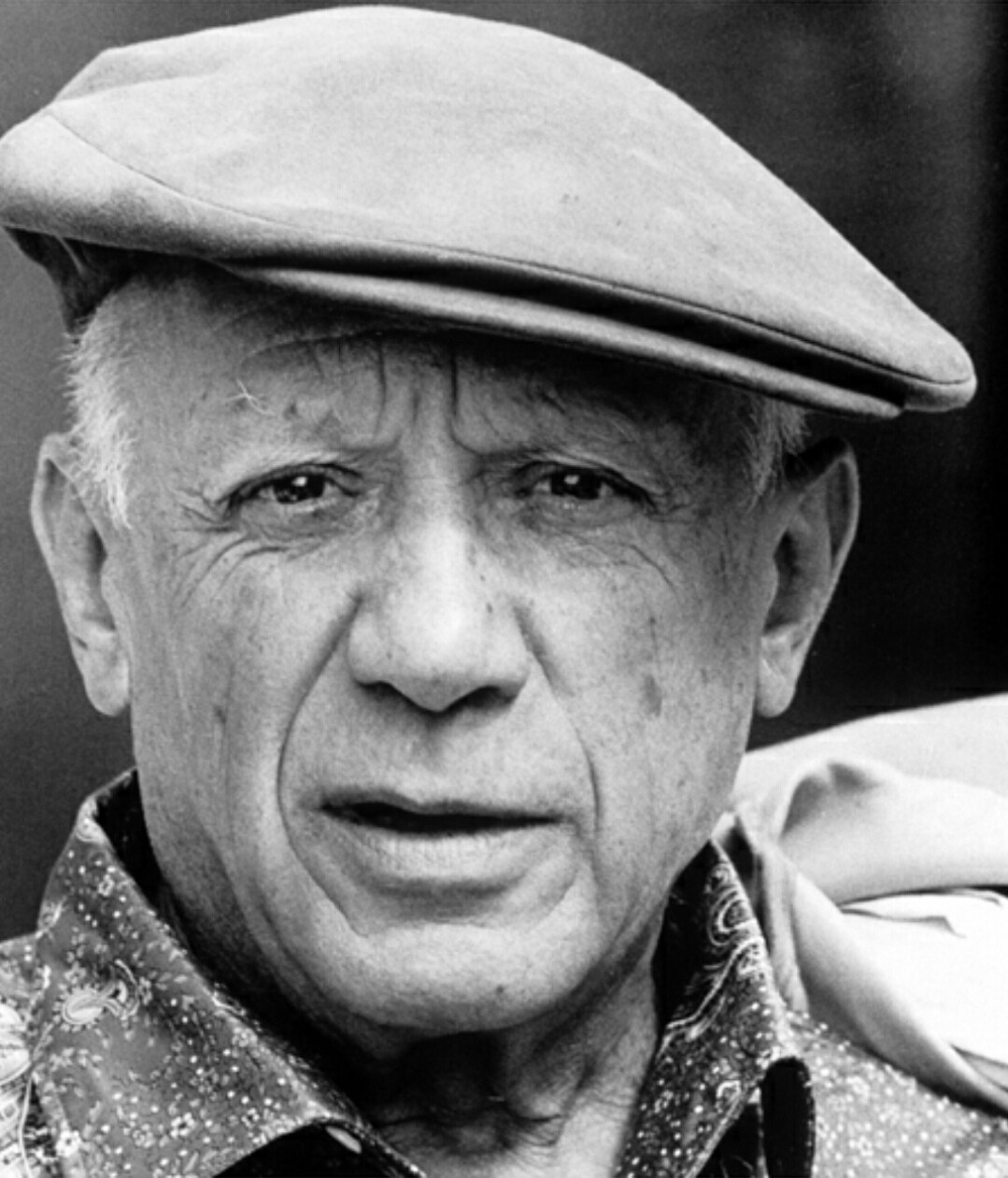
A short guide to Pablo Picasso: the prodigy from Málaga, the Blue and Rose Periods, Les Demoiselles d'Avignon and Cubism with Braque, Guernica and The Weeping Woman, his endless reinventions, and a digital homage you can try in PictorX.
Vincent van Gogh
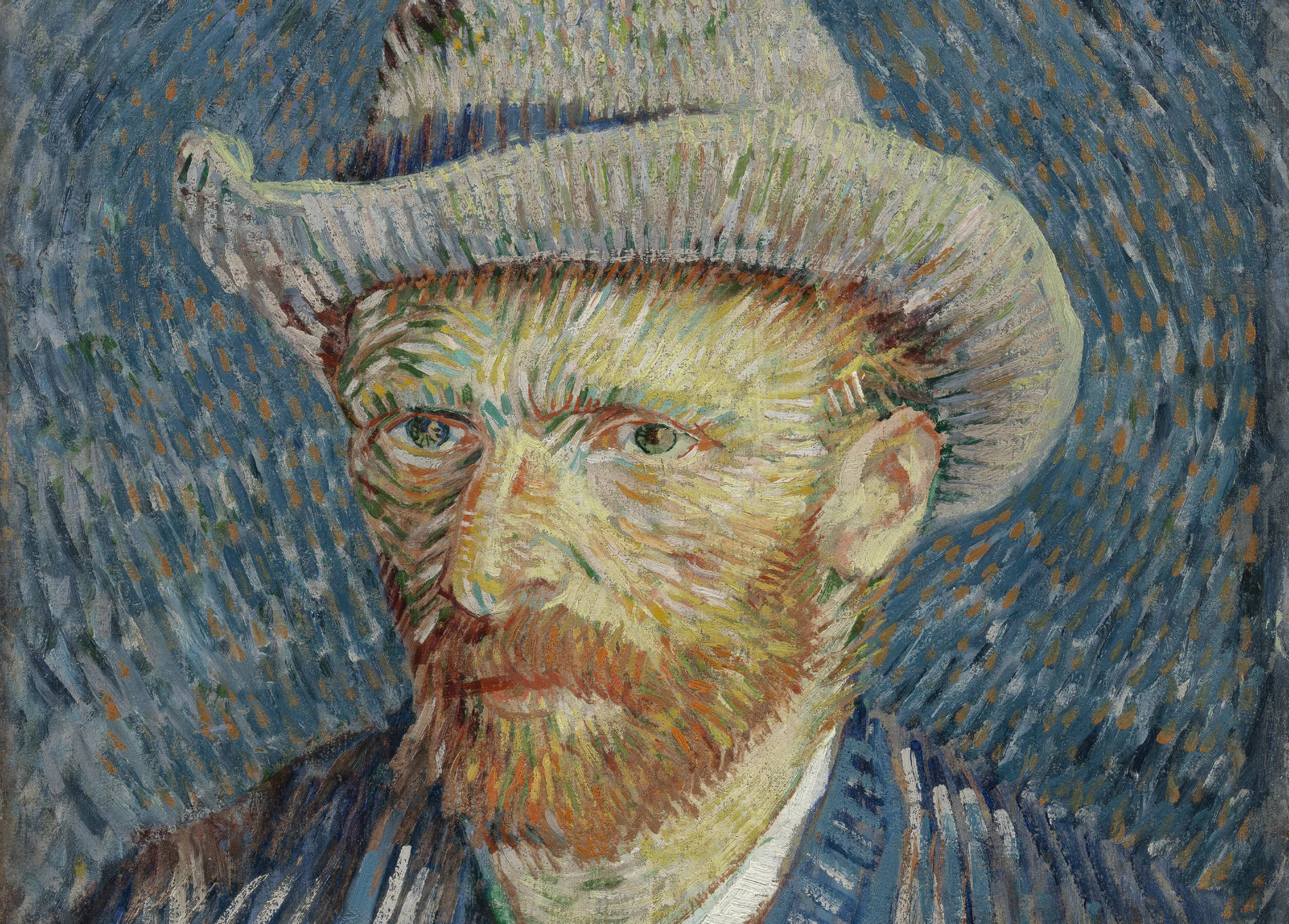
A short guide to Vincent van Gogh: Dutch Post-Impressionism, swirling brushwork, Starry Night and sunflowers, and a respectful digital homage you can try in PictorX.
Impressionism
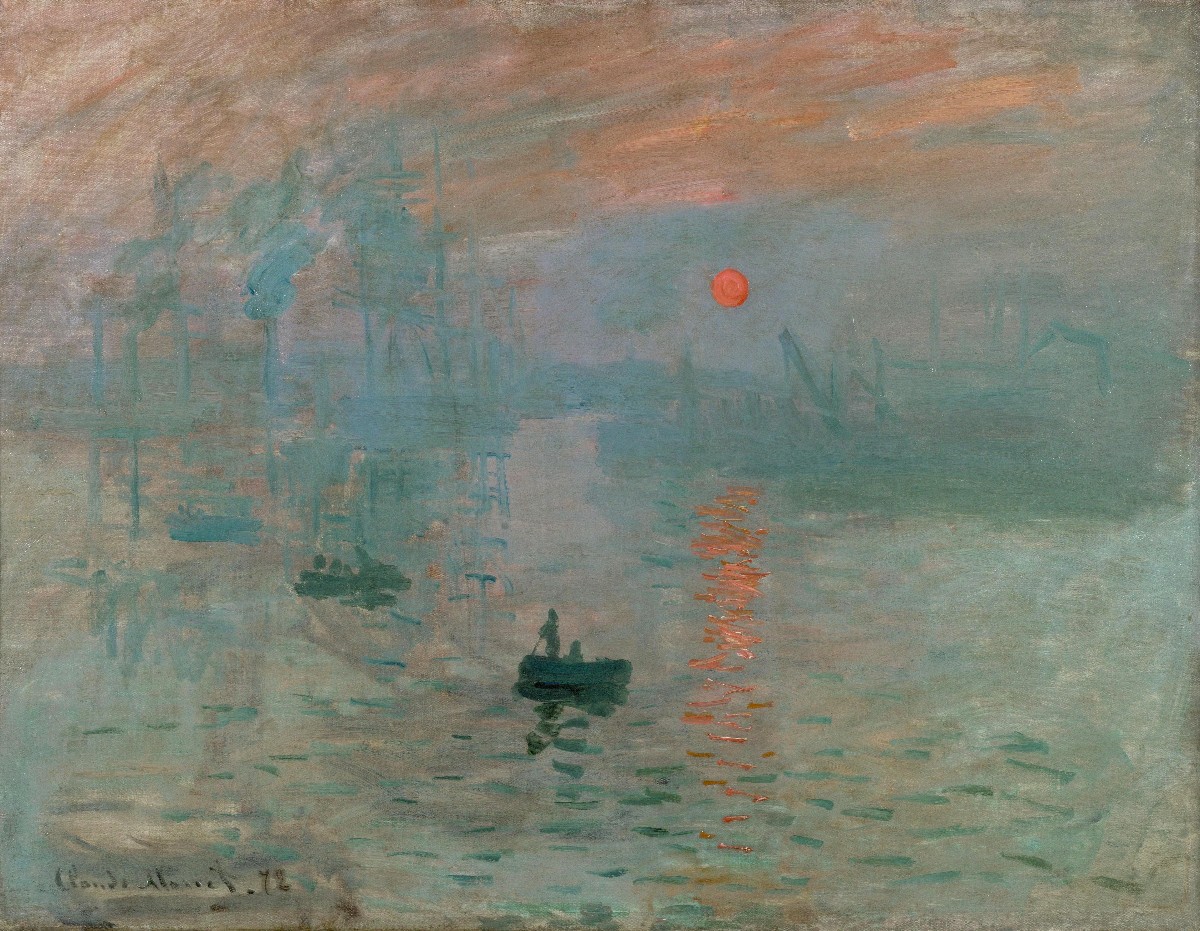
A short guide to Impressionism: the 1874 exhibition in Paris, Monet's Impression, Sunrise, painting in the open air, the water lilies at Giverny, Renoir's dappled light, Degas's dancers, Berthe Morisot and the women Impressionists, broken colour and coloured shadows, and a digital homage you can try in PictorX.
Pop Art
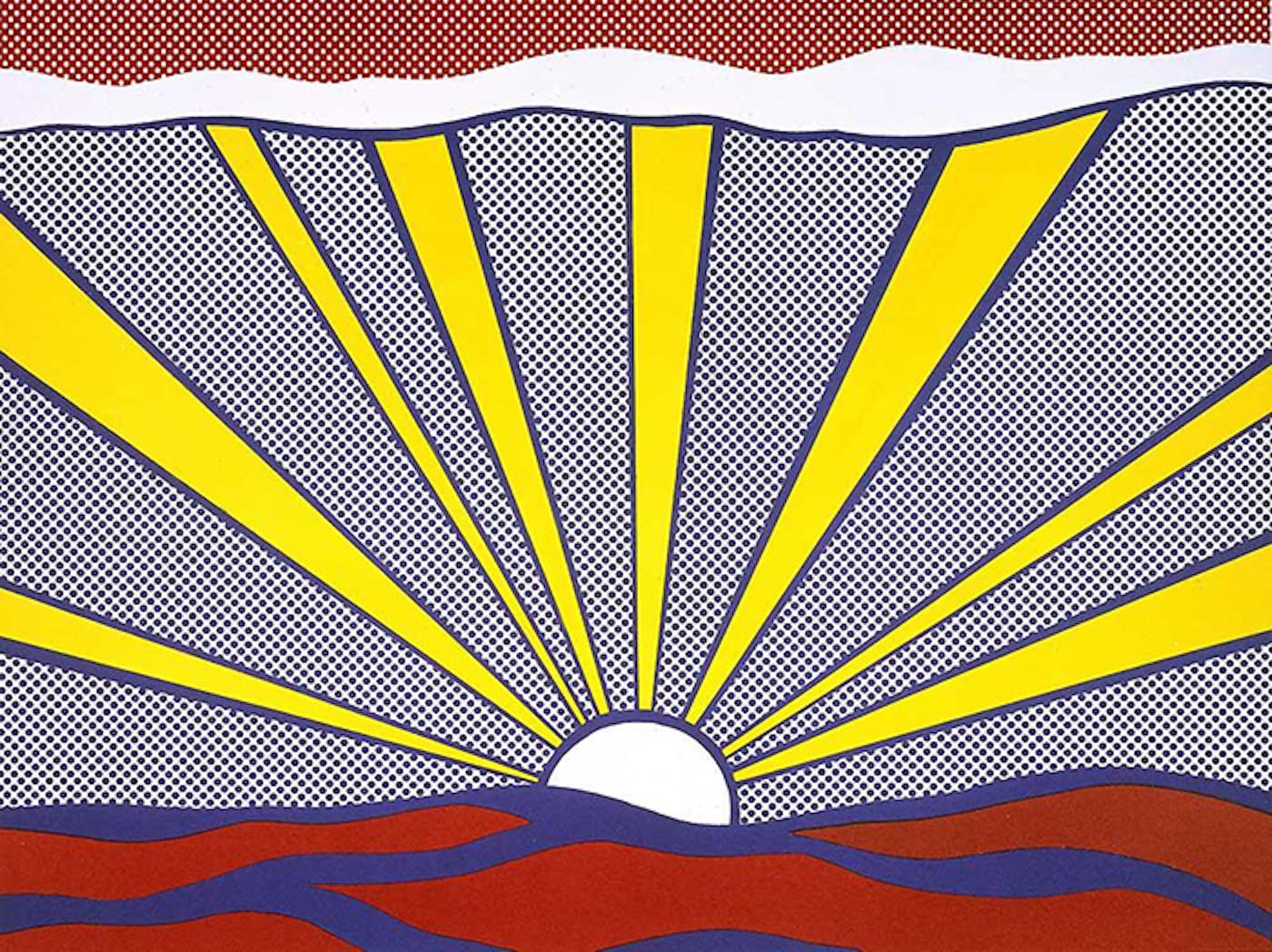
Learn how Pop Art turned advertising, comics, and consumer products into art—Andy Warhol, Roy Lichtenstein, silkscreen, and the rise of mass culture.
Op Art
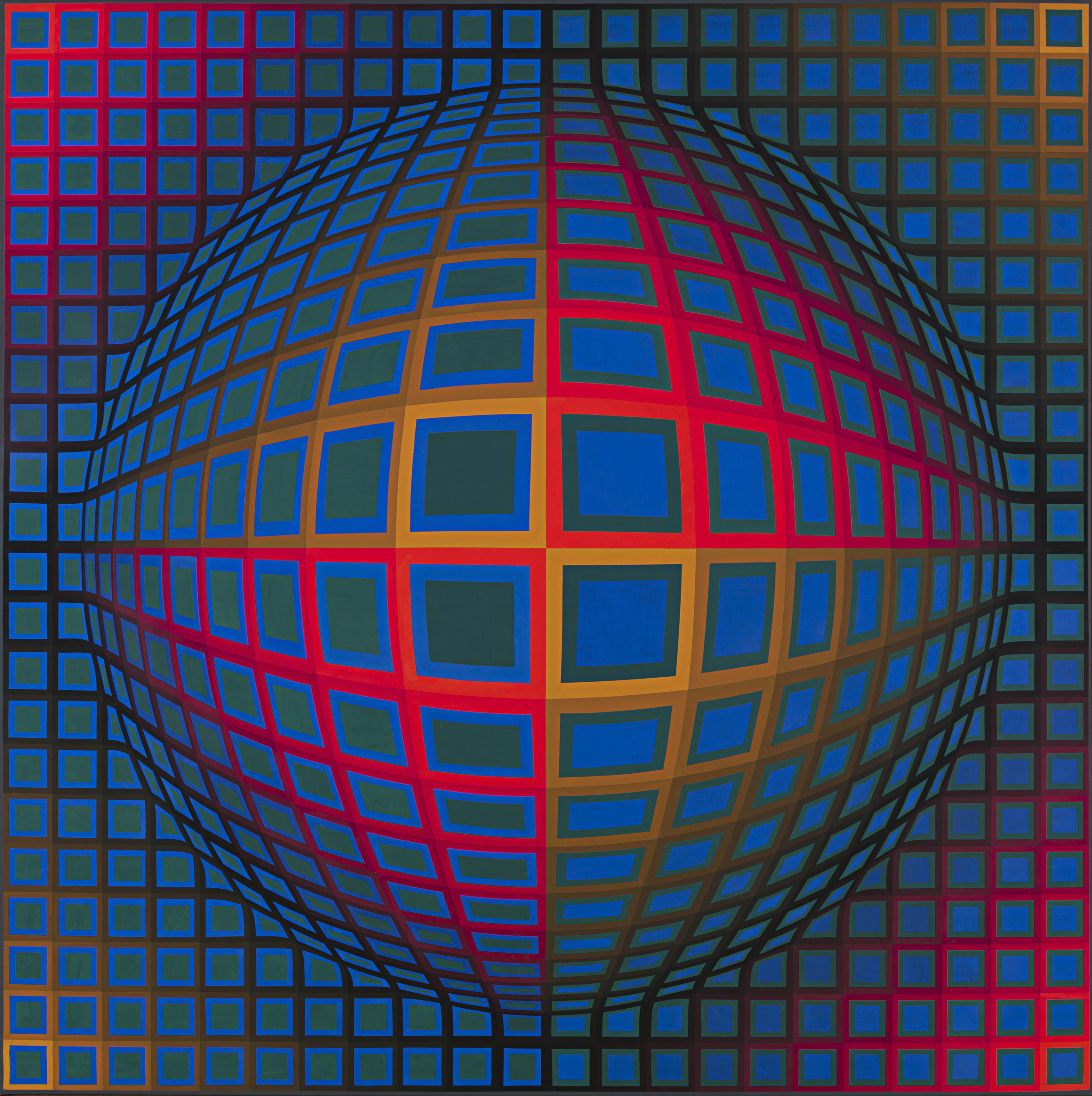
A short guide to Op Art: its roots in old optical illusions and the Bauhaus, Victor Vasarely's Zebras and Vega, Bridget Riley's black and white paintings, The Responsive Eye at MoMA, Soto and Cruz-Diez, why the pictures seem to move, Op Art in fashion and design, and a digital homage you can try in PictorX.
Ready to try it?
Open PictorX in your browser — no install, no credit card required to start.
Try Salvador Dalí