
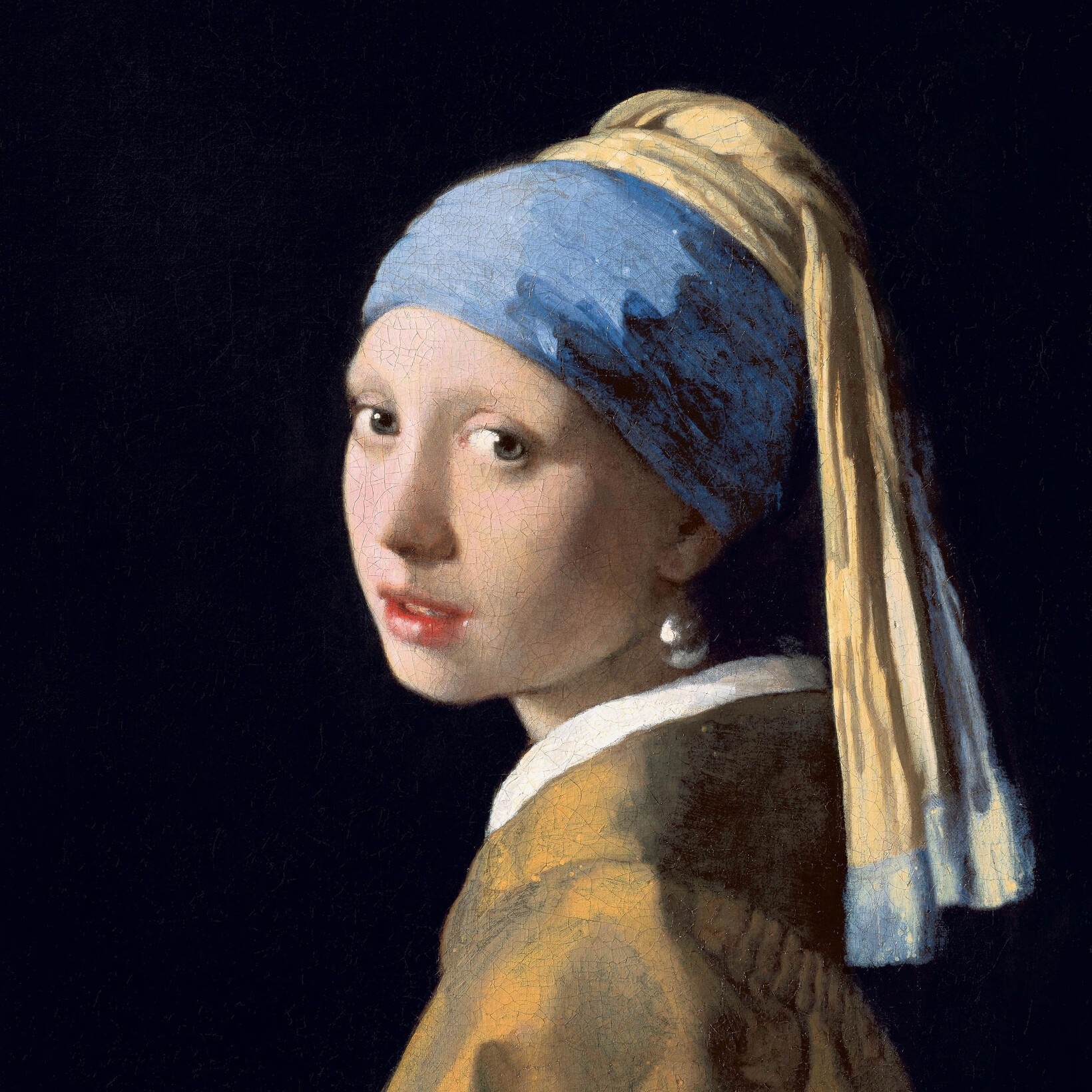
Put a photo into a Surrealist dream — Dalí's soft watches, Magritte's bowler hats or De Chirico's piazza — pick an Artist and a Style, then adjust Distortion and Dreaminess.
Surrealism, Dalí and Magritte
The Surrealists painted dreams with the precision of a photograph, or let chance take over. This app puts your photo into one of their pictures: choose Salvador Dalí for soft watches, elephants on stilt legs and crutches, René Magritte for green apples, bowler hats and blue skies, or Other for De Chirico's empty squares, Max Ernst's crusts, Tanguy's endless plains, Carrington's giantess, Varo's tower and Man Ray's solarized prints. All processed on-device. Put a photo into a Surrealist dream — Dalí's soft watches, Magritte's bowler hats or De Chirico's piazza — pick an Artist and a Style, then adjust Distortion and Dreaminess.
How it works
- Open PictorX in your browser and load a photo — portraits with a clear subject work best.
- Pick an Artist—Salvador Dalí, René Magritte or Other for the rest of the Surrealists—then one of their Styles and a Palette, and adjust Distortion, Dreaminess, Detail, Shadows and Floating Objects. Turn on Remove background for a cleaner cutout of the subject.
- Export the painting, or keep editing with layers and other effects in the same workspace.
Salvador Dalí, René Magritte or another Surrealist
The Artist list at the top of the panel chooses whose dream you step into, and the Style list below it shows that artist's pictures. Salvador Dalí has seven: Persistence of Memory, Elephants, Galatea of the Spheres, Swans Reflecting Elephants, Burning Giraffe, Sleep and Leda Atomica. René Magritte has eight: Son of Man, Golconda, Empire of Light, Decalcomania, The Lovers, Treachery of Images, Great Family and Castle of the Pyrenees. Other gathers the rest of the movement: De Chirico's Metaphysical, Max Ernst's Europe after the Rain, the Exquisite Corpse, Yves Tanguy's Indefinite Divisibility, Leonora Carrington's The Giantess, Remedios Varo's Embroidering the Earth's Mantle and Man Ray's Solarization.
Seven dreams after Dalí
Persistence of Memory follows the painting of 1931: your photo goes soft and droops over the edge of a ledge beside a melting watch, in a bare landscape of golden cliffs and a calm sea. Elephants sets the subject on a plain at sunset between elephants on impossibly long, thin legs that carry obelisks. Galatea of the Spheres rebuilds the subject from shaded spheres floating in space. Swans Reflecting Elephants stands it on the shore of a still lake among the rocks of Cap de Creus, where swans float on the water and their reflections are elephants. Burning Giraffe opens drawers in the figure, props it up with crutches and sets a giraffe on fire far off on a blue evening plain. Sleep turns it into a huge soft mass hanging in the air on crutches, and Leda Atomica lets everything float: the figure in separate slabs, the sea above the beach, and an egg, a book and a stool in the air.
Eight impossible pictures after Magritte
Son of Man sets the subject before a low wall, a grey sea and a blue sky of cumulus clouds, with a green apple floating before the face and bowler hats drifting overhead. Golconda fills the air with men in bowler hats before plain houses with red roofs. Empire of Light puts a bright day sky over a street already deep in the night, with a street lamp and lit windows. Decalcomania stands the subject beside a curtain with their silhouette cut out of it, through which the sea and sky continue. The Lovers wraps the head in a white cloth, in a room with a red wall and a wall painted as sky. Treachery of Images paints the subject plainly on a bare ground above the handwritten words “Ceci n'est pas une photo.” Great Family fills the subject's silhouette with a bright day sky against a stormy sea, and Castle of the Pyrenees sets the subject on a huge rock floating over the waves, beside a small castle.
De Chirico, Max Ernst and the Exquisite Corpse
Metaphysical follows Giorgio de Chirico, setting the subject as a statue on a plinth in an empty square with an arcade, a green sky, long shadows, a red chimney and a little train. Europe after the Rain follows Max Ernst, pressing the photo into decalcomania crusts of rust and verdigris under a clear sky and a ring-shaped sun. Exquisite Corpse cuts the picture into bands drawn in ink, pencil, watercolour and halftone, like the Surrealists' folding game in which each player adds a part without seeing the others.
Tanguy, Carrington, Varo and Man Ray
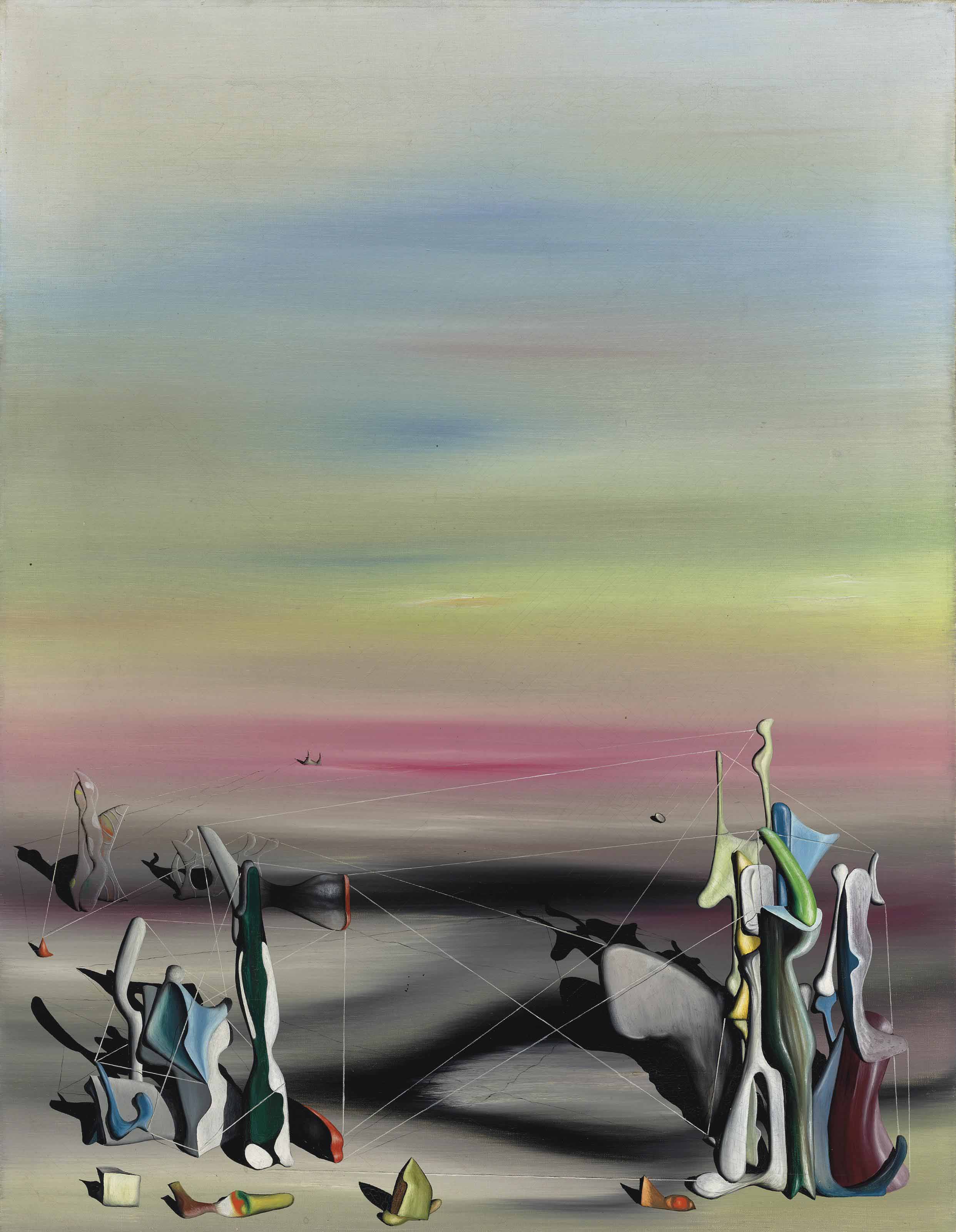
Indefinite Divisibility follows Yves Tanguy, turning the subject into a smooth stone form on an endless plain that melts into the sky without a horizon, among bone-like shapes that throw long, crisp shadows. The Giantess follows Leonora Carrington: the subject towers over a tiny landscape of sea, ships and wheat in a long pale cloak, guarding an egg while geese fly from her cloak and little people look up at her feet. Embroidering the Earth's Mantle follows Remedios Varo, setting the subject in the window of a round tower while threads spill down and become an embroidered landscape, all covered in her fine, hair-thin brushstrokes. Solarization follows Man Ray's photographs of about 1930: a silver print whose highlights fold over into dark, with pale lines glowing along the edges, and rayograph objects—a key, a spiral, a comb, a pair of lips—around it.
From a hint to a strange dream
Distortion sets how strange the scene becomes: how far Dalí's photo melts or his elephants' legs grow, how high Magritte's subject floats or how far his night rises into the day sky, how steep De Chirico's perspective is or how far the Exquisite Corpse's bands shift. Dreaminess smooths the photo into glazed paint and tones it towards the palette; Detail adds clouds, swans, hats, arches, crusts, forms or threads; Shadows deepens the shadows. Palette chooses the light—Dream for each painter's own colours, Photo to keep your hues, Dusk, Night or Desert—and Floating Objects adds the watches, crutches, apples, bowler hats, castle, caption, the chimney and the train, Carrington's geese or Man Ray's rayograph objects. Remove background cuts out the subject first, so it stands cleanly in the scene.
Privacy and keep editing
Processing stays in your browser—photos are not uploaded to PictorX servers for this filter. After Surrealism, Dalí and Magritte, continue with layers, text, Picasso and Cubism, Matisse and Fauvism, Pop Art, or export.
Frequently asked questions
What does the Surrealism, Dalí and Magritte app do?
It turns a photo into a dream-like painting after the Surrealists. Pick an Artist: Salvador Dalí melts it like the soft watches of The Persistence of Memory, stands it among long-legged elephants or props it up on crutches; René Magritte puts a green apple before the face, fills the sky with men in bowler hats or writes “Ceci n'est pas une photo” beneath it; Other sets it in De Chirico's empty piazza, Max Ernst's crusts, an Exquisite Corpse, Tanguy's endless plain, Carrington's giantess, Varo's tower or a Man Ray solarization. It is built from your photo, not a copy of a museum painting.
What was Surrealism?
An art and literary movement founded in Paris in 1924, when André Breton published the Surrealist Manifesto. Its painters, among them Salvador Dalí, René Magritte, Max Ernst and Joan Miró, drew on dreams, chance and the unconscious, often painting impossible scenes with great realism. Giorgio de Chirico's earlier metaphysical paintings were a major influence.
Who were Salvador Dalí and René Magritte?
The two best-known painters of Surrealism. Salvador Dalí (1904–1989), from Catalonia in Spain, painted dream images with the precision of an old master—melting watches, elephants on stilt legs, crutches, drawers and double images—and was as famous for his waxed moustache and his showmanship as for his pictures. René Magritte (1898–1967), a Belgian who worked mostly in Brussels, painted ordinary things with great clarity and put them in impossible situations: his men in bowler hats, green apples and blue skies with white clouds are known all over the world.
Who were Tanguy, Carrington, Varo and Man Ray?
Yves Tanguy (1900–1955) was a French painter of endless dream plains scattered with smooth, bone-like forms. Leonora Carrington (1917–2011), born in England, and Remedios Varo (1908–1963), born in Spain, became close friends in Mexico City and painted magical worlds of giantesses, towers, alchemists and travellers. Man Ray (1890–1976), an American in Paris, brought Surrealism into photography with his camera-less rayographs and his solarized portraits.
What is an Exquisite Corpse?
A Surrealist game in which several people add to a drawing or a sentence on a folded sheet without seeing what the others have done, so the parts never quite match. The Exquisite Corpse style imitates it by drawing each band of your photo in a different technique and shifting it out of line.
What does “Ceci n'est pas une photo” mean?
“This is not a photo.” It echoes Magritte's painting The Treachery of Images (1929), in which the words “Ceci n'est pas une pipe” stand under a picture of a pipe: a picture is only an image of a thing, not the thing itself.
Is this an official Dalí or Magritte product?
No. The PictorX Surrealism, Dalí and Magritte app is a digital homage inspired by their paintings. It is not connected with the Gala-Salvador Dalí Foundation, the Magritte Foundation or the artists' estates, it does not reproduce any of their works, and every picture it makes comes from your own photo.
What photos work best?
Portraits and photos with one clear subject, because most styles cut the subject out and set it into a new scene—turn on Remove background for the cleanest outline. Dalí's Persistence of Memory, and Europe after the Rain, Exquisite Corpse and Solarization under Other, work with any photo, including landscapes and buildings.
Related tools
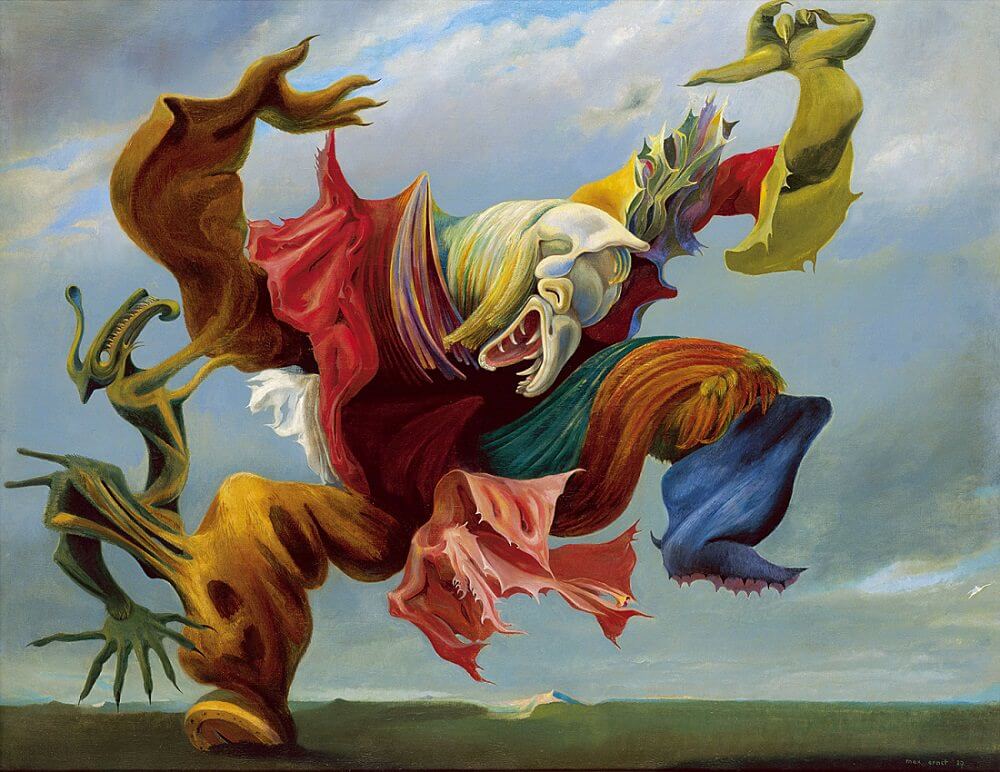
Surrealism
What was Surrealism? Breton's 1924 manifesto, De Chirico, Dalí's soft watches, Magritte's apples and pipes, Ernst, Miró, the Exquisite Corpse and its legacy.
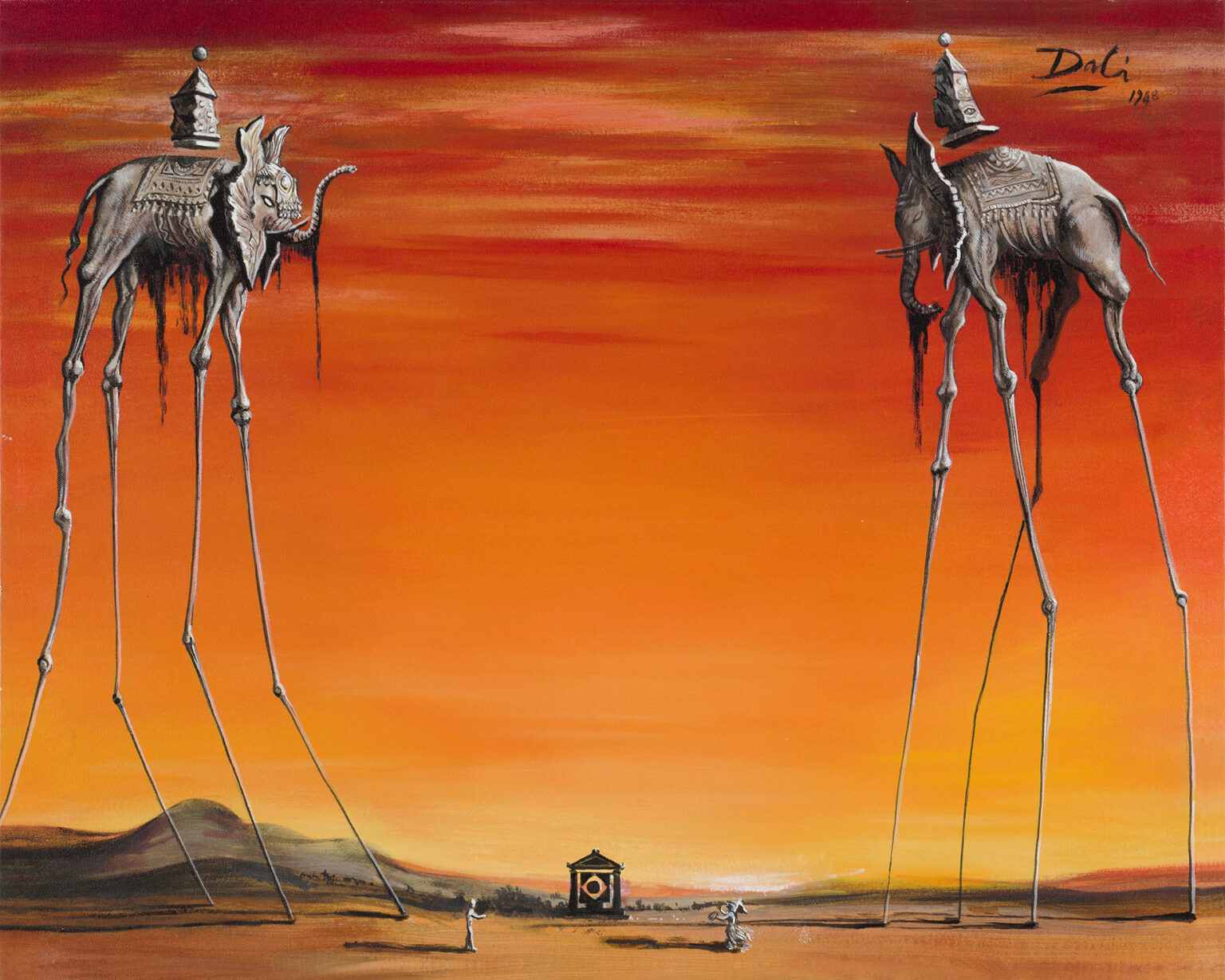
Salvador Dalí
Who was Salvador Dalí? The surrealist behind the melting clocks of The Persistence of Memory, the elephants, the lobster telephone and his museum in Figueres.
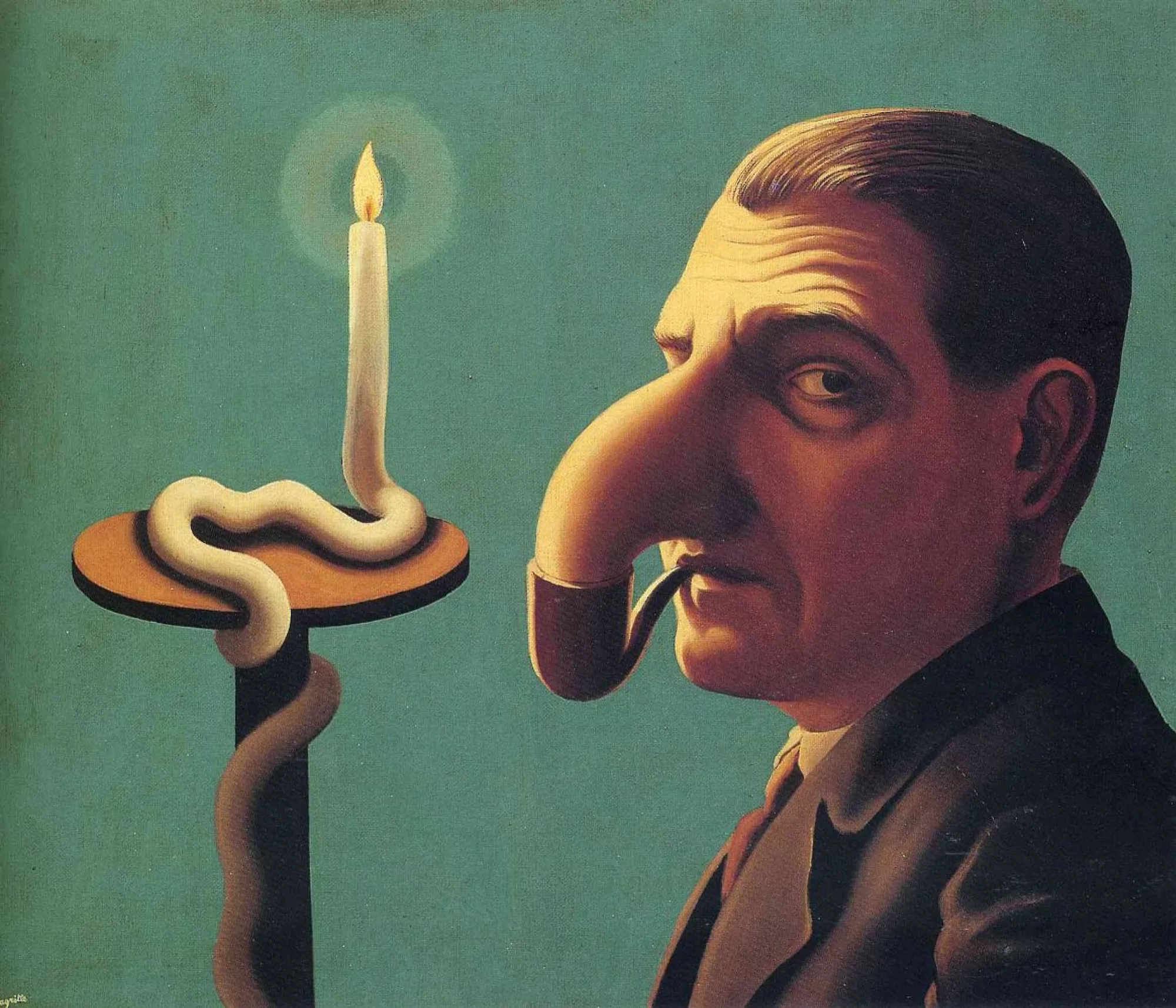
René Magritte
Who was René Magritte? The Belgian surrealist behind The Son of Man, Ceci n'est pas une pipe, the bowler hats and The Empire of Light, and what they mean.
Yves Tanguy
Who was Yves Tanguy? The self-taught Breton Surrealist: a De Chirico seen from a bus, Mama, Papa is Wounded!, plains without a horizon, Kay Sage and America.
Op Art: your photo as an optical illusion
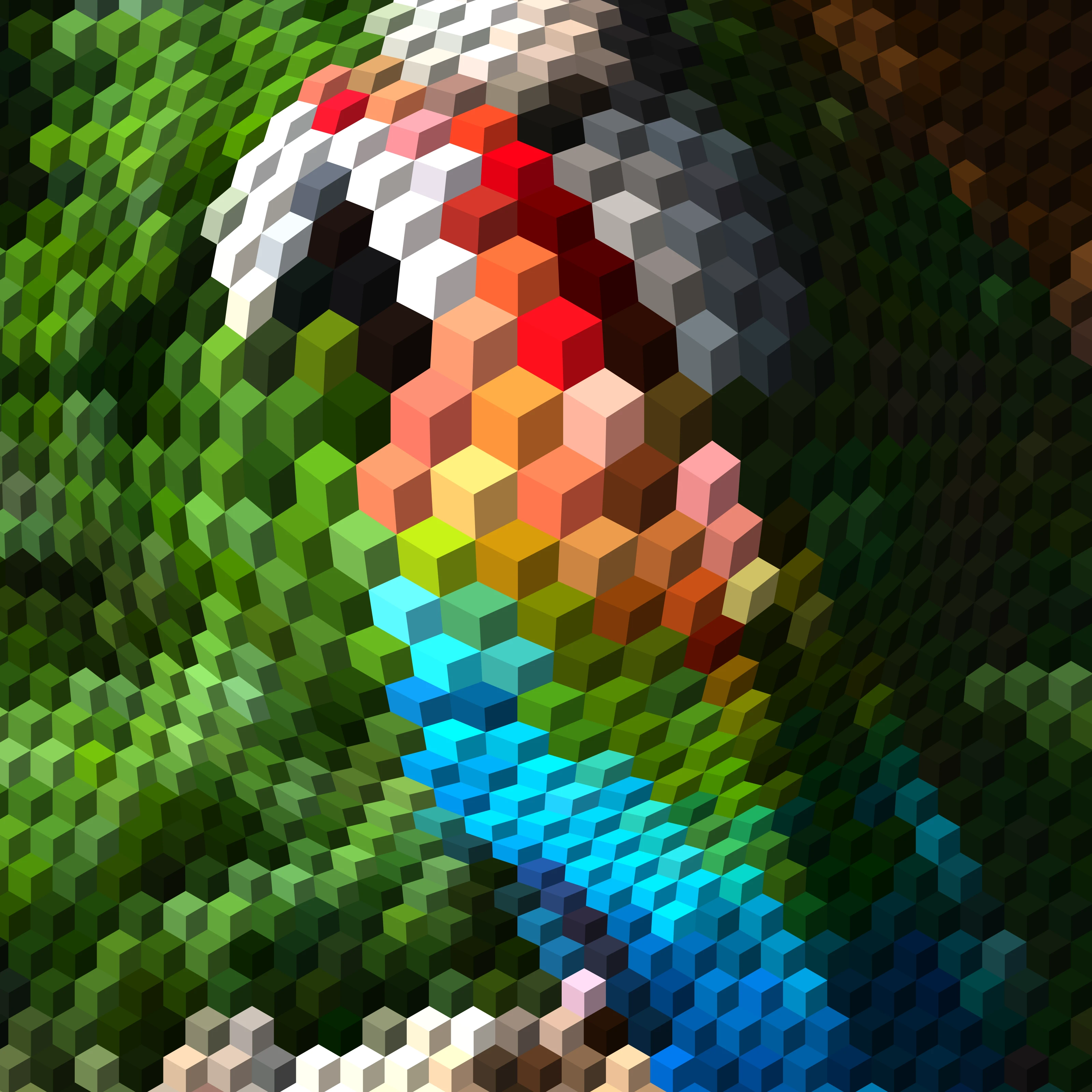
Turn a photo into op art in your browser: Dalí's Galatea of the Spheres, Vasarely's Vega, Bridget Riley waves, relief lines, moiré, spirals and warped grids — in your subject or a shape, still or animated.
Henri Matisse and Fauvism
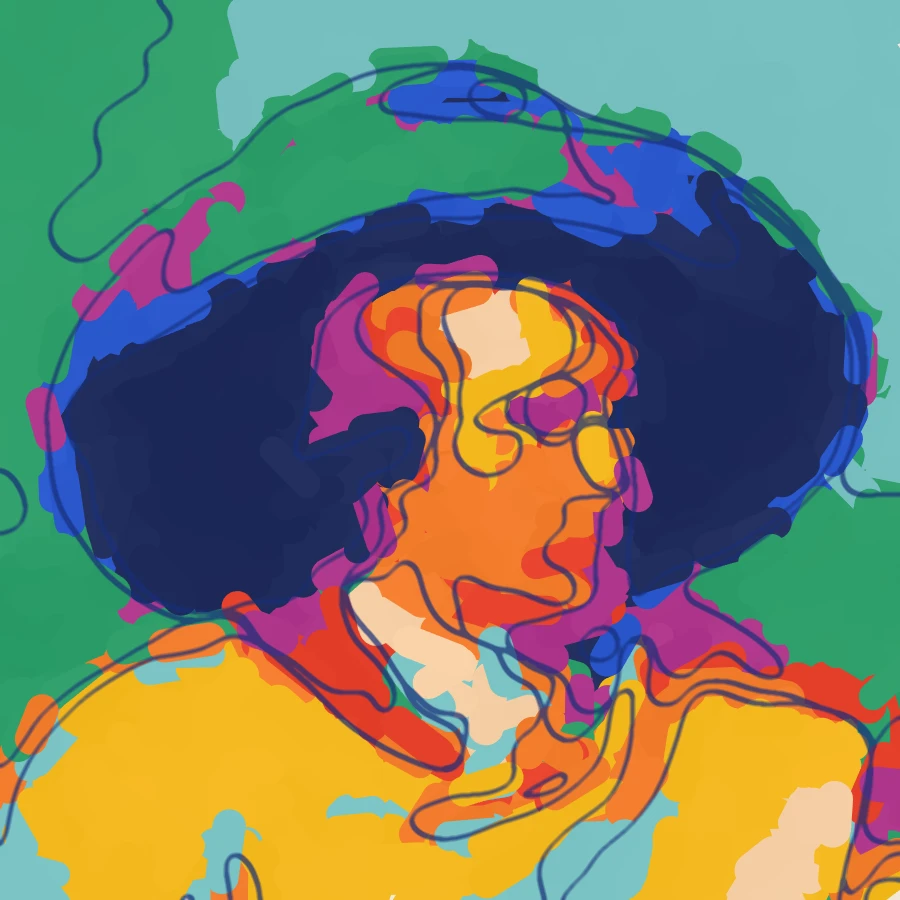
Turn a photo into Henri Matisse and Fauvism in your browser: paper cut-outs like Jazz and the Blue Nudes, Harmony in Red, a flowing line drawing, or the wild Fauve colour of Matisse's Woman with a Hat, Collioure, Derain's London and Vlaminck.
Pablo Picasso and Cubism
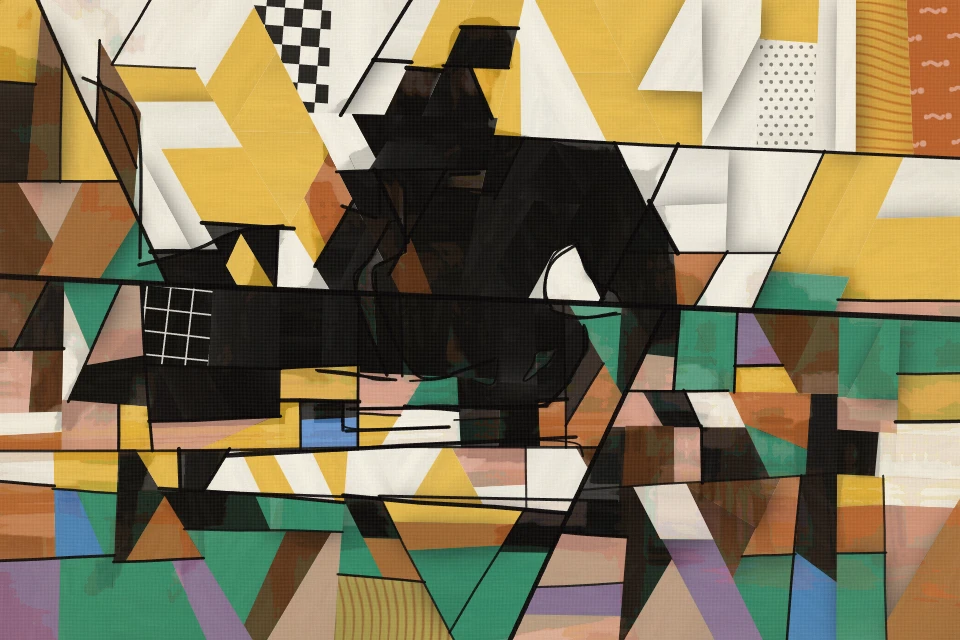
Turn a photo into Pablo Picasso and Cubism in your browser: the Blue and Rose Periods, Analytic or Synthetic Cubism, a Cubist portrait, papier collé, Crystal Cubism, the fractured portraits of the Weeping Woman or the black-and-white shards of Guernica.
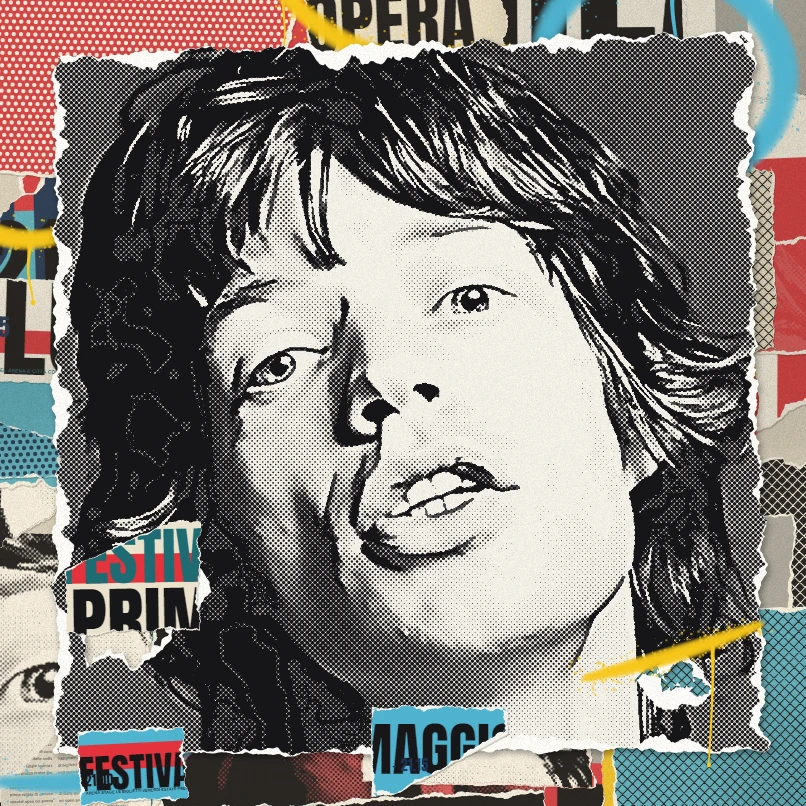
Pop Art photo filter
Turn a photo into pop art in your browser: a retro pop poster, a pop pattern, a WPAP portrait in rainbow facets, a street collage, an ink splash, gold leaf, a silhouette, a sunburst or a grid of pop emblems.
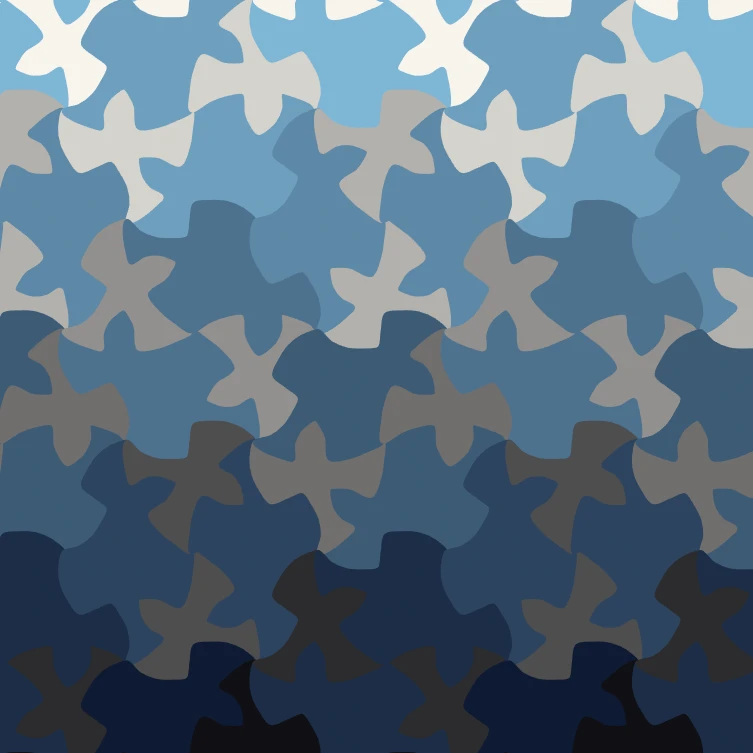
M.C. Escher tessellation maker
Make M.C. Escher-style tessellations online: interlocking lizards, birds, fish, Pegasus and more. Reshape the motif, recolour it and save PNG or SVG.
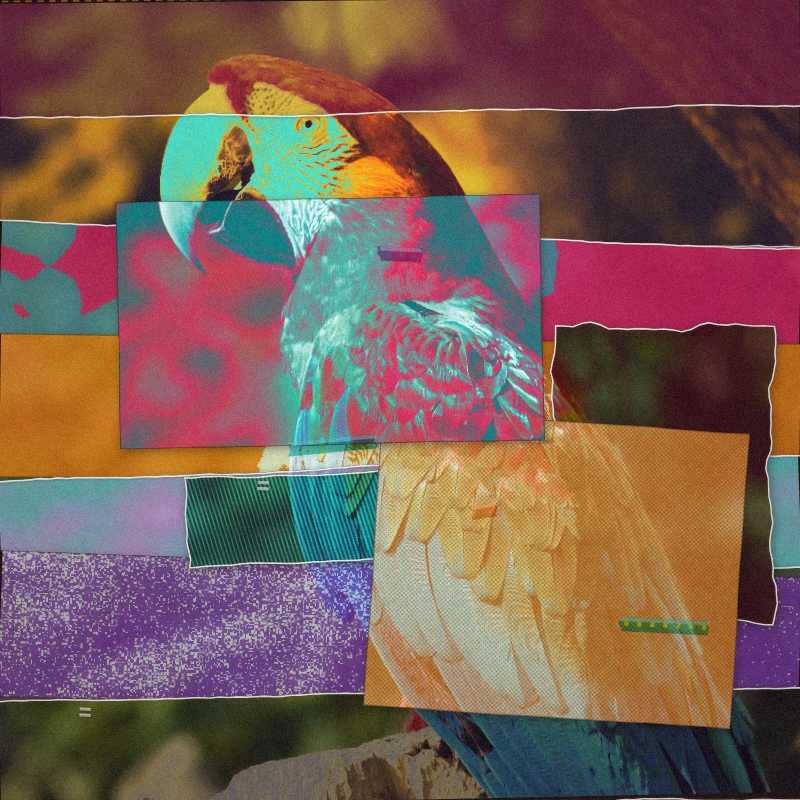
Turn a photo into a mixed-media collage
Rebuild a photo as a mixed-media collage in your browser—torn scraps, print textures, tape, and xerox.
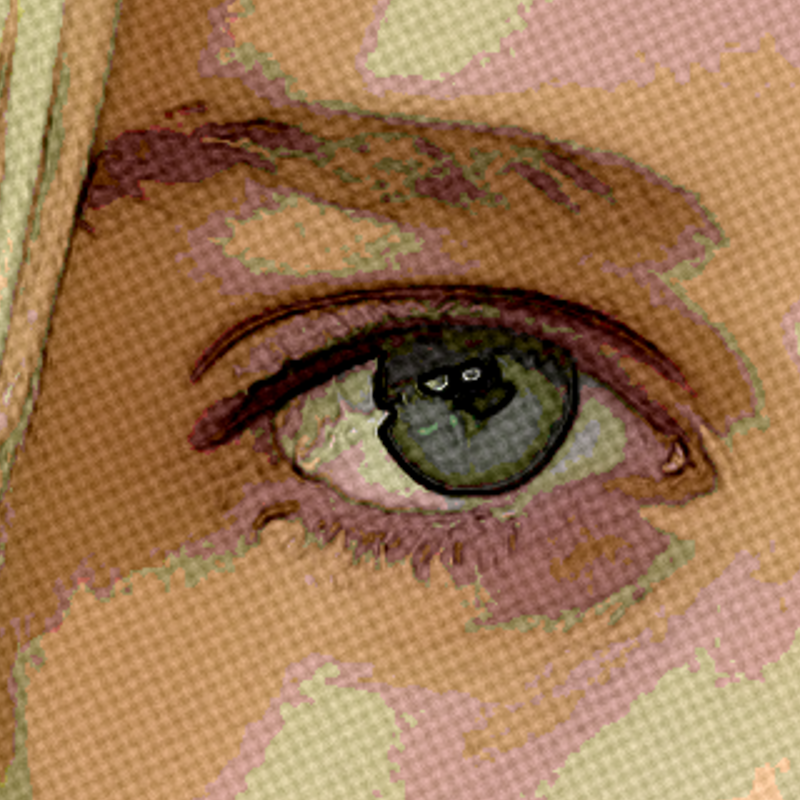
Artistic effects
Transform photos with oil painting, watercolor, pencil, comic ink, pastels, paper cut-out, and other studio art looks.
Ready to try it?
Open PictorX in your browser — no install, no credit card required to start.
Go to Editor