
Yves Tanguy
Read more about Yves Tanguy—the self-taught Breton painter of endless dream plains, where smooth stones, bones and strange beings stand in a light without a horizon and throw long shadows—and turn a photo into one of his landscapes with the Surrealism effect in PictorX.
Who was Yves Tanguy?
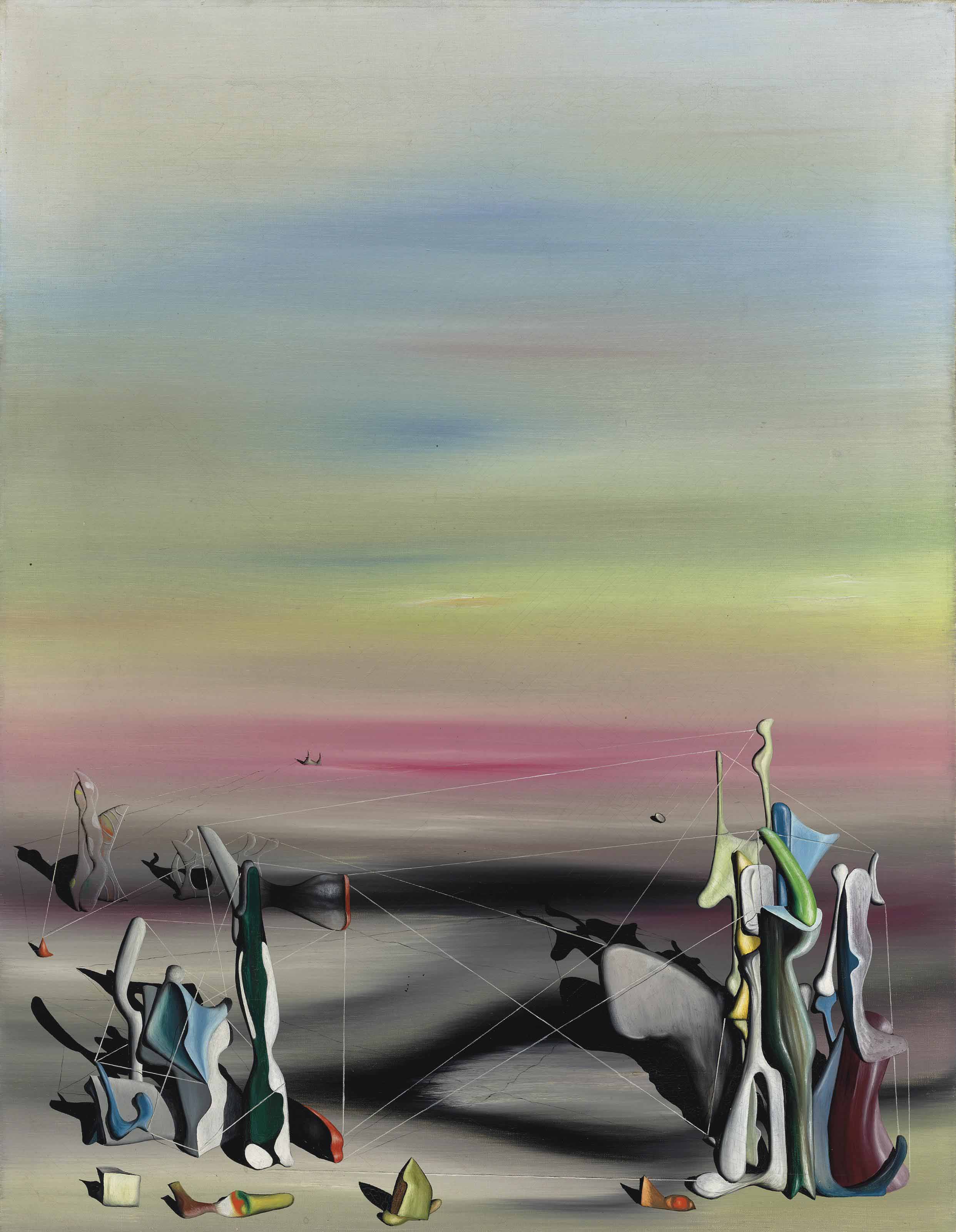
Yves Tanguy (1900–1955) was a French painter, later an American citizen, and one of the purest painters of Surrealism. He never went to art school. From the late 1920s until his death he painted, again and again, the same strange world: a smooth plain that melts into the sky without a horizon, scattered with polished stones, bones, pebbles and soft, nameless forms that cast long, sharp shadows. Nothing in his pictures can be named, yet everything is painted with such calm precision that it looks completely real. André Breton, the leader of the movement, admired him deeply and wrote about his work several times.
Paris, Brittany and the sea
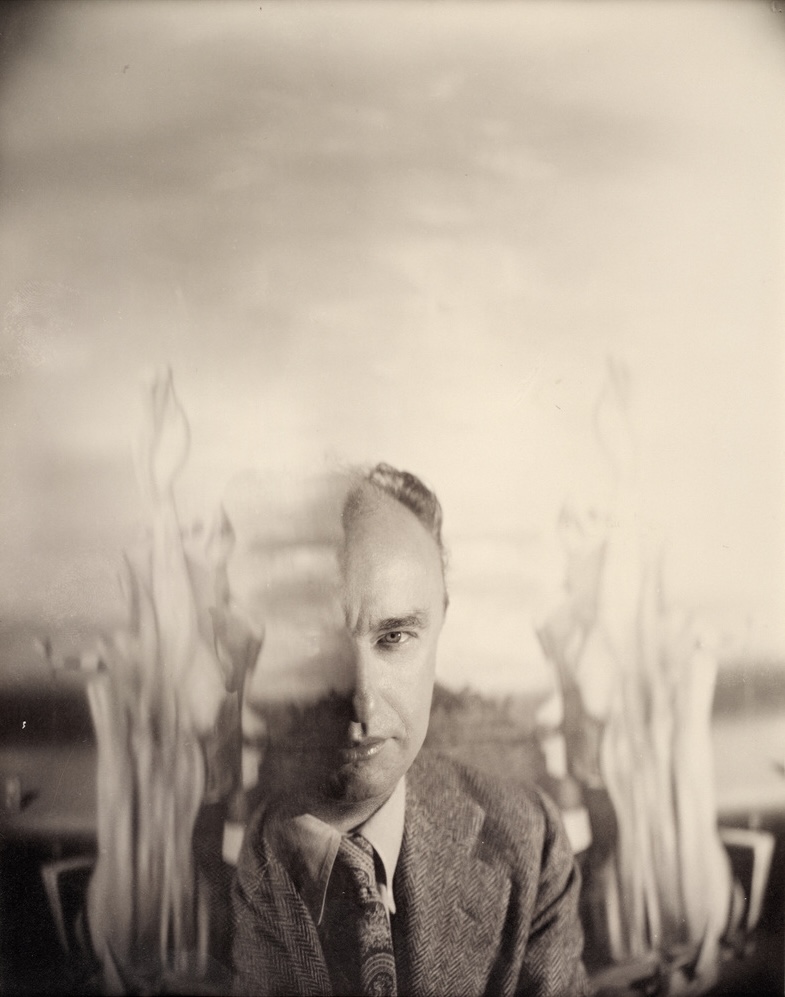
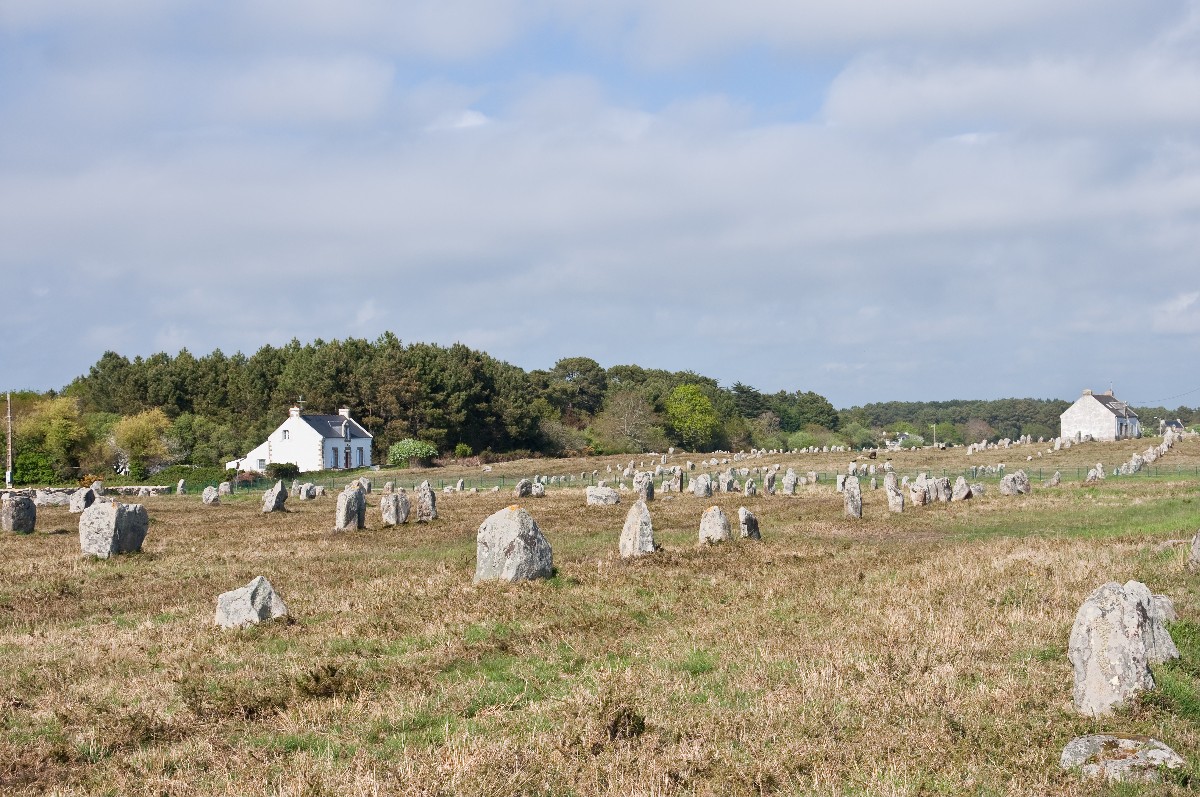
Tanguy was born on 5 January 1900 in Paris, in the building of the Ministry of the Navy on the Place de la Concorde, where his father, a retired naval captain, worked. The family came from Brittany, and he spent his childhood summers at Locronan in Finistère, among granite rocks, standing stones and long beaches at low tide—landscapes that many have seen again in his paintings. At school in Paris one of his friends was Pierre Matisse, the son of Henri Matisse, who would later become his dealer in New York. At eighteen Tanguy joined the merchant navy and sailed to Africa and South America.
A painting seen from a bus
During his military service Tanguy met the poet Jacques Prévert, and after it the two friends lived a carefree life in Paris. In 1923, so the story goes, Tanguy saw a painting by Giorgio de Chirico in the window of Paul Guillaume's gallery from the platform of a bus, jumped off to look at it, and decided on the spot to become a painter. He taught himself. With Prévert and Marcel Duhamel he shared a house at 54 rue du Château in Montparnasse, which became a meeting place of the Surrealists—it was there that they invented the game of the Exquisite Corpse.
Joining the Surrealists
In 1925 Tanguy met André Breton and joined the Surrealist group. His first pictures were clumsy and full of figures, but within two years he found a world of his own. In 1927 he held his first solo exhibition, at the Galerie Surréaliste in Paris. From then on the figures disappeared, and in their place came pale, empty spaces like the floor of the sea or a desert under fog, inhabited by forms that seem half mineral and half alive. Tanguy rarely explained his work; many of his titles were chosen, often with friends, from books, and they hint at a mood rather than describe what is shown.
Mama, Papa is Wounded!
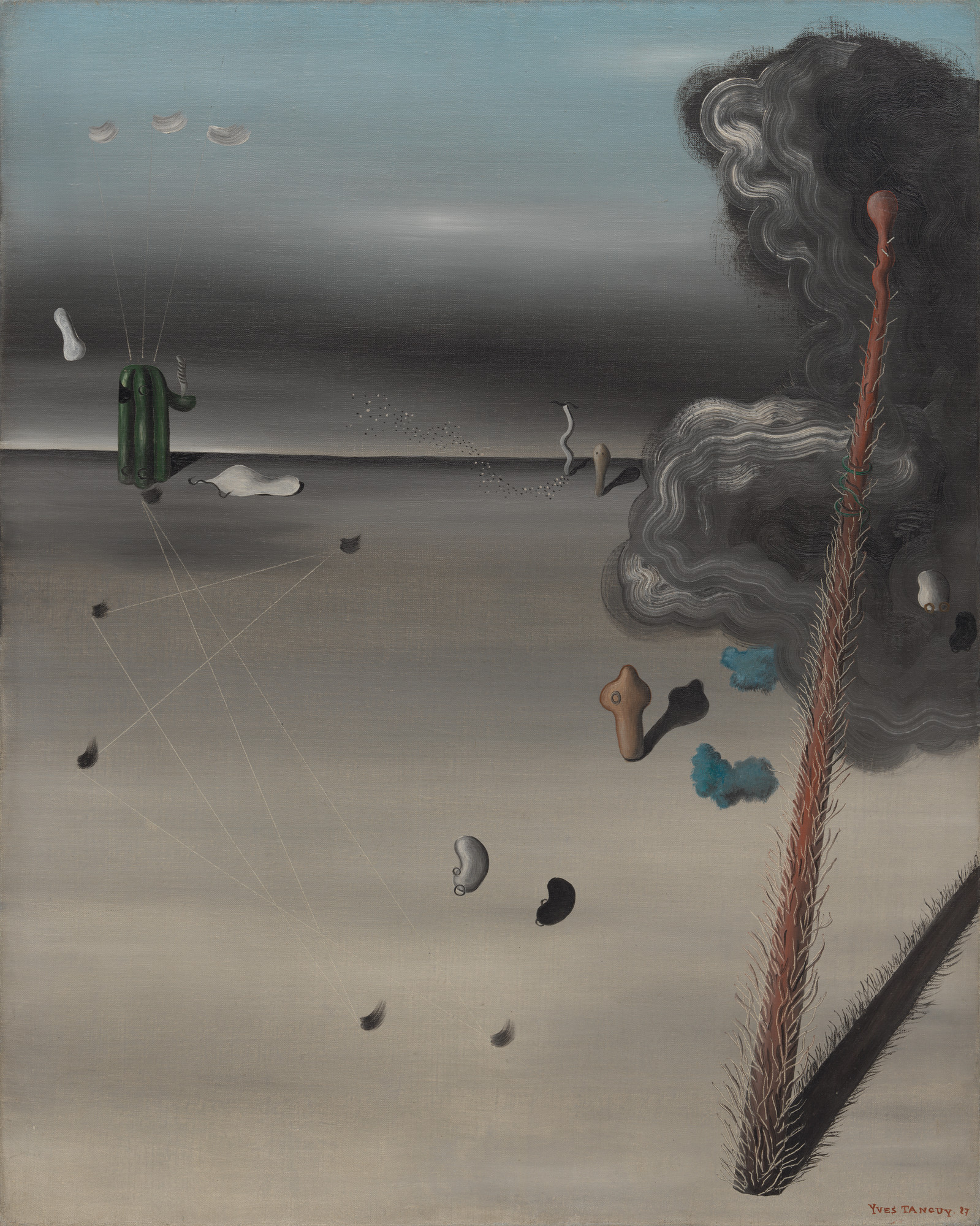
One of the first great pictures of this new world is Mama, Papa is Wounded! (1927), now in the Museum of Modern Art in New York. On a dark green-brown plain that fades into a cloudy sky, a few strange shapes stand far apart: a tall, hairy stem, a small flat figure, a puff of smoke, a thin line like a thread, each with a shadow stretching across the empty ground. The title, said to come from a case history in a book on psychiatry, sounds like a cry from a nightmare, and the picture feels like a scene just after something terrible has happened—though nothing in it can be identified.
Landscapes of the mind
Tanguy's paintings look like landscapes, but they show no place on earth. The ground and the sky flow into each other through bands of mist, so that we never know how far away anything is. On this floor stand his forms: smooth like stones washed by the sea, curved like bones, soft like wax or seaweed, sometimes stacked, sometimes floating in the air, sometimes tied together by thin threads. He painted them slowly and smoothly, without visible brushstrokes, with a clear light falling from one side, so that every form has a sharp highlight and a long, dark shadow. The effect is silent, timeless and strangely calm.
Kay Sage and America
In 1938 Tanguy met the American painter Kay Sage, herself a Surrealist, in Paris. When the Second World War began he followed her to the United States, and they married in 1940. In 1941 they settled in an old farmhouse in Woodbury, Connecticut, where they each had a studio. Tanguy became an American citizen in 1948. Exhibitions at Pierre Matisse's gallery in New York made him well known, and his work deeply impressed younger American painters. Kay Sage's own paintings, with their empty scaffolding and draped shapes in a grey light, became a kind of quiet conversation with his.
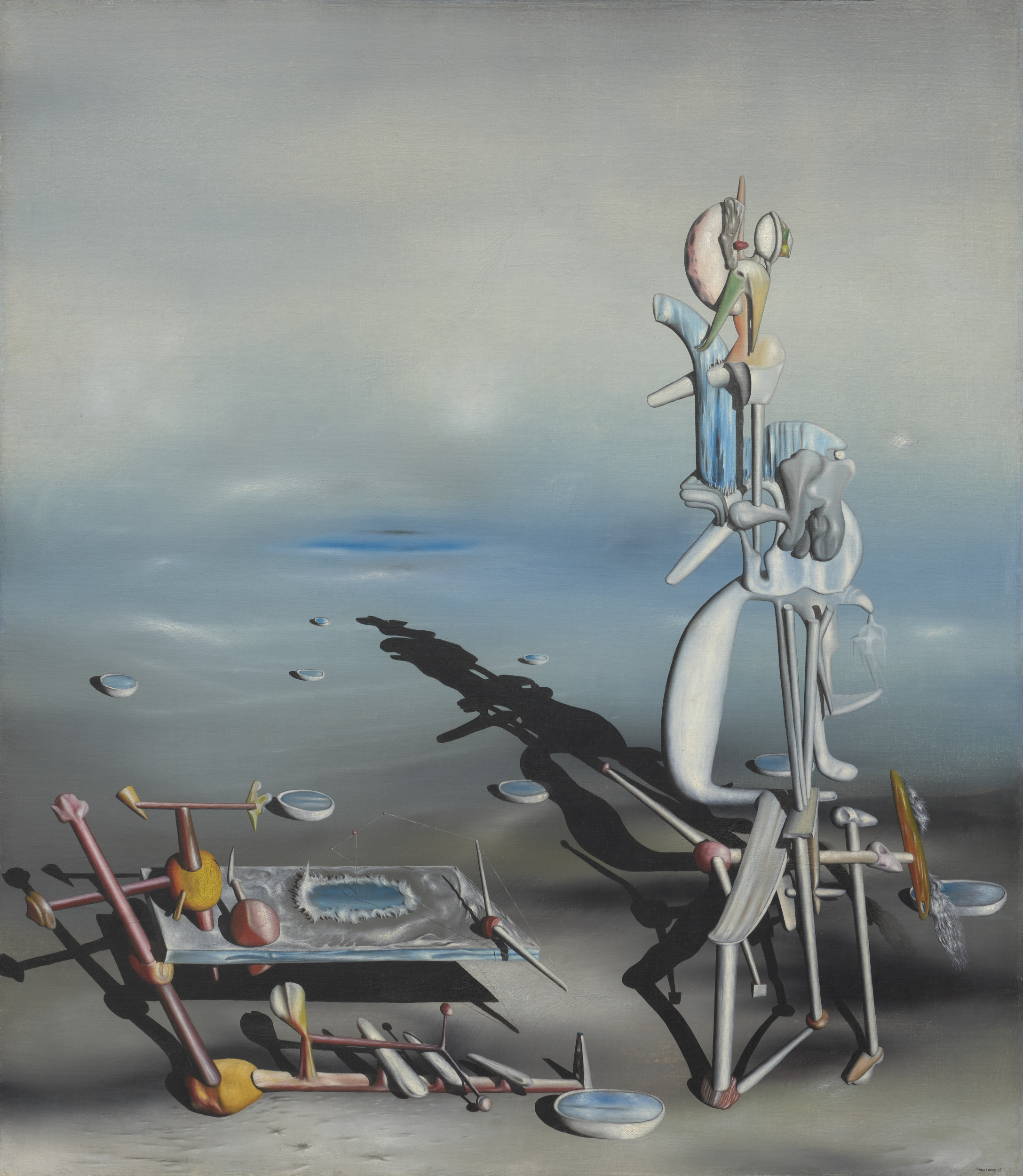
Indefinite Divisibility
In America Tanguy's pictures changed. The light grew brighter and harder, the colours stronger, and the forms larger, more solid and more numerous, as if the bright, open landscape of his new country had entered the dream. Indefinite Divisibility (1942), now in the Buffalo AKG Art Museum, shows a pale plain that melts into a clear sky, where smooth white, grey and coloured forms—some upright like bones or totems, some lying down, one floating above the ground—cast crisp shadows. The title suggests that the world can be divided again and again, without end, into ever smaller pieces.
Multiplication of the Arcs
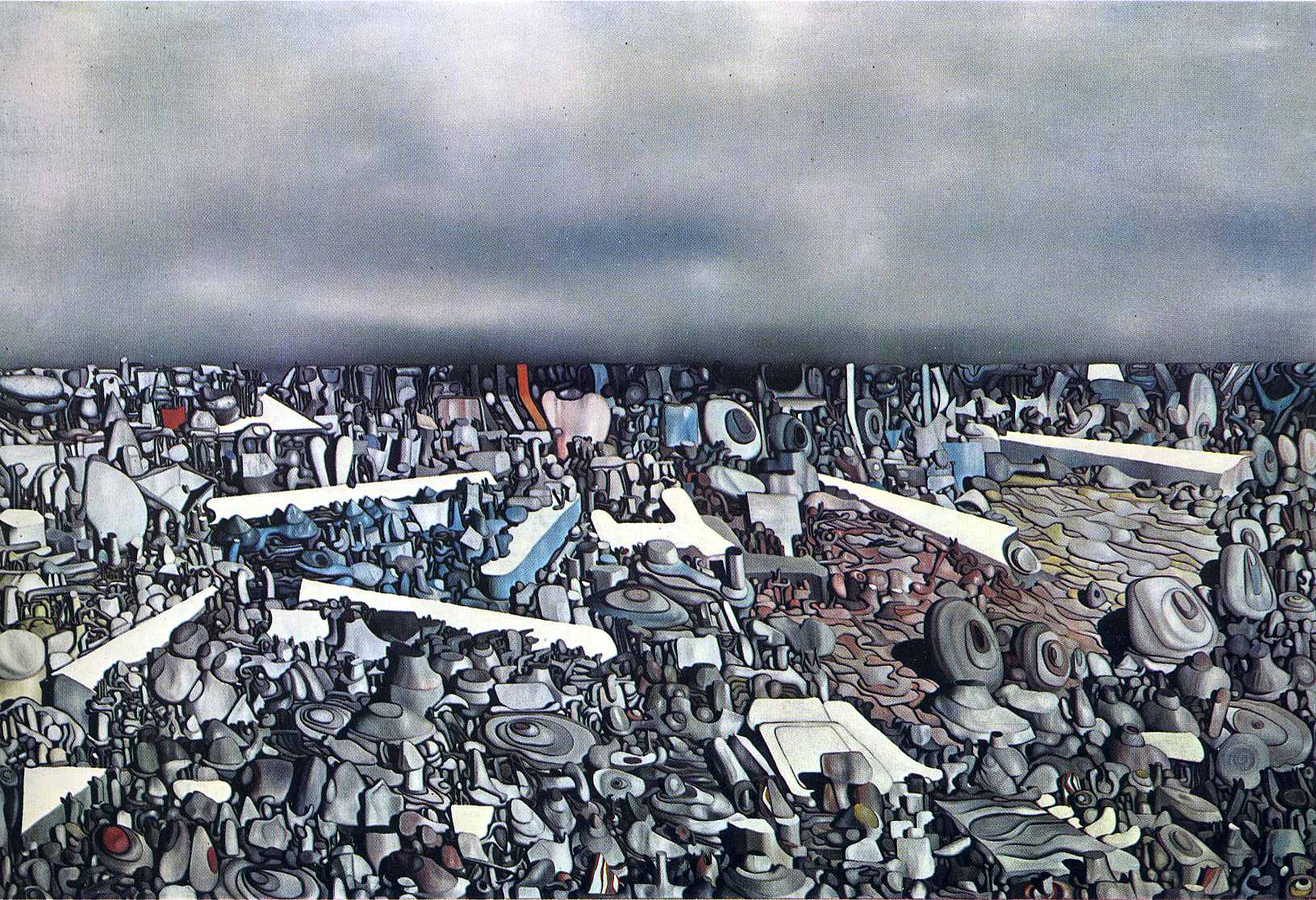
In his last years Tanguy's forms multiplied until they filled the whole canvas. In Multiplication of the Arcs (1954), now in the Museum of Modern Art in New York, a vast field of countless stones, bones and fragments stretches into the distance like a beach after a storm, or a city of rubble, under a pale grey sky. It is one of his largest paintings and was finished only months before his death. Tanguy died suddenly in Woodbury on 15 January 1955, at the age of fifty-five. A retrospective of his work opened at the Museum of Modern Art later that year.
Back to Brittany
Kay Sage died in 1963. Following their wishes, their friend Pierre Matisse scattered the ashes of both painters on the bay of Douarnenez in Brittany, not far from the beaches and stones of Tanguy's childhood. His quiet, mysterious worlds influenced many artists: Salvador Dalí's early dream beaches owe a great deal to them, and their empty plains and unknown forms have since found echoes in science fiction, film sets and the landscapes of other planets. Since 2026, seventy years after his death, his paintings have entered the public domain in Europe.
A digital homage in PictorX
The Indefinite Divisibility style of the PictorX Surrealism effect is inspired by Tanguy's dream plains. It is not a reproduction of any of his paintings and not an AI copy of his work: each scene is built from your own photo, which is turned into a smooth stone form standing among bone-like shapes that the filter draws itself, on a plain that melts into the sky, with long shadows. Tanguy's own paintings are best seen in the Museum of Modern Art and the Metropolitan Museum of Art in New York, the Buffalo AKG Art Museum, the Centre Pompidou in Paris, Tate Modern in London, the Peggy Guggenheim Collection in Venice and the Wadsworth Atheneum in Hartford.
Make your own Tanguy plain in PictorX
Open the Surrealism effect, load a photo—a portrait with a clear subject works best—and choose the Style Indefinite Divisibility. Pick a Palette—Dream for Tanguy's own grey-blue sky and sandy ground, Photo to keep your colours, or Dusk, Night or Desert—then use Distortion to stretch and warp the forms, Dreaminess to widen the band of haze and turn the photo further into stone, Detail to add more forms to the plain, and Shadows to lengthen and darken the shadows. Turn Floating Objects on for forms that hover above the ground, use Remove background so the subject stands cleanly, then export, or keep editing in PictorX.
Frequently asked questions
What is Yves Tanguy known for?
For his dream landscapes: smooth, endless plains that melt into the sky without a horizon, scattered with polished stones, bones and soft, nameless forms that cast long shadows. He was one of the leading painters of Surrealism.
Did Yves Tanguy go to art school?
No. He was self-taught. According to a famous story, he decided to become a painter in 1923 after seeing a painting by Giorgio de Chirico in a gallery window from a bus.
Who was Kay Sage?
Kay Sage (1898–1963) was an American Surrealist painter. She met Tanguy in Paris in 1938, married him in 1940, and lived with him in Woodbury, Connecticut, where both painted until his death in 1955.
Where can I see Tanguy's paintings?
The Museum of Modern Art in New York owns Mama, Papa is Wounded! and Multiplication of the Arcs, and Indefinite Divisibility is in the Buffalo AKG Art Museum. Other works are in the Metropolitan Museum of Art, the Centre Pompidou, Tate Modern, the Peggy Guggenheim Collection and the Wadsworth Atheneum.
Is the PictorX filter a real Tanguy painting?
No. It is a digital homage made from your own photo, not a copy of any of his paintings. Tanguy's own works remain works of art in museums and collections.
Related tools
Surrealism photo filter
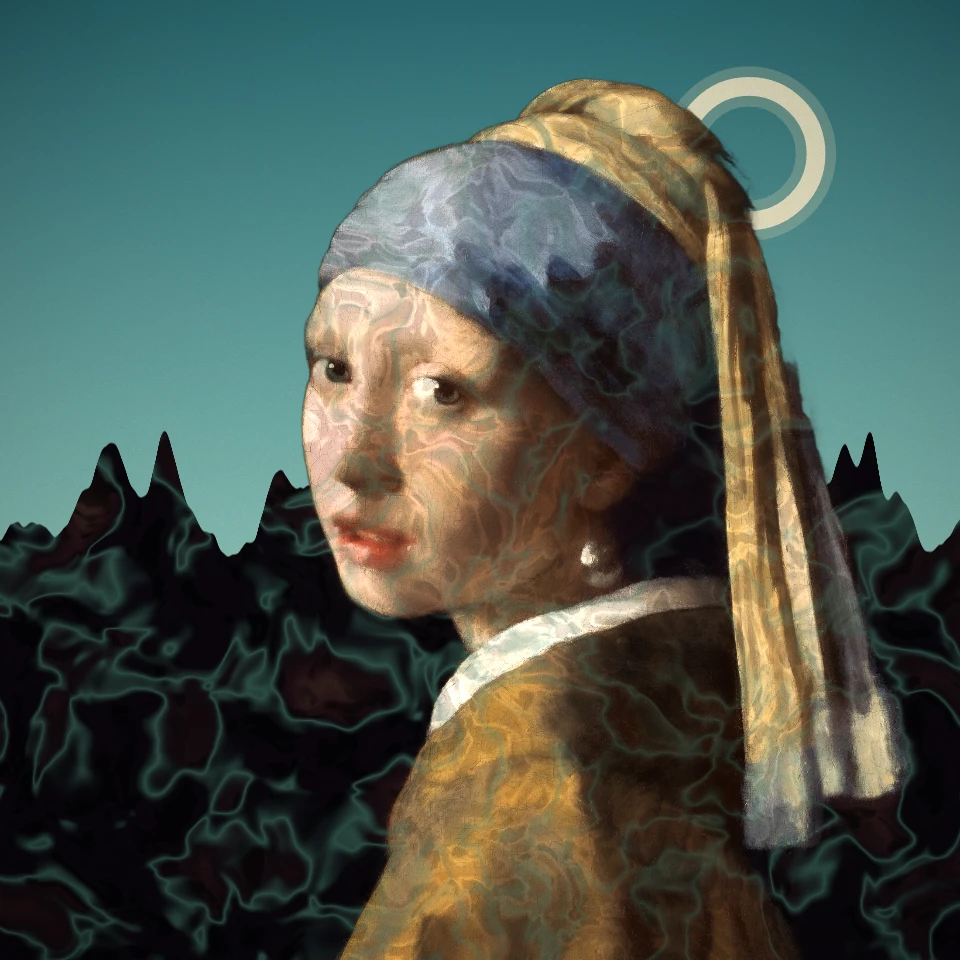
Turn a photo into a Surrealist dream: De Chirico's empty piazza, Ernst's decalcomania, an Exquisite Corpse, Tanguy's endless plain, Varo's tower or a Man Ray solarization. Dalí and Magritte have their own effects.
Artistic effects
Transform photos with oil painting, watercolor, pencil, comic ink, pastels, paper cut-out, and other studio art looks.
Surrealism
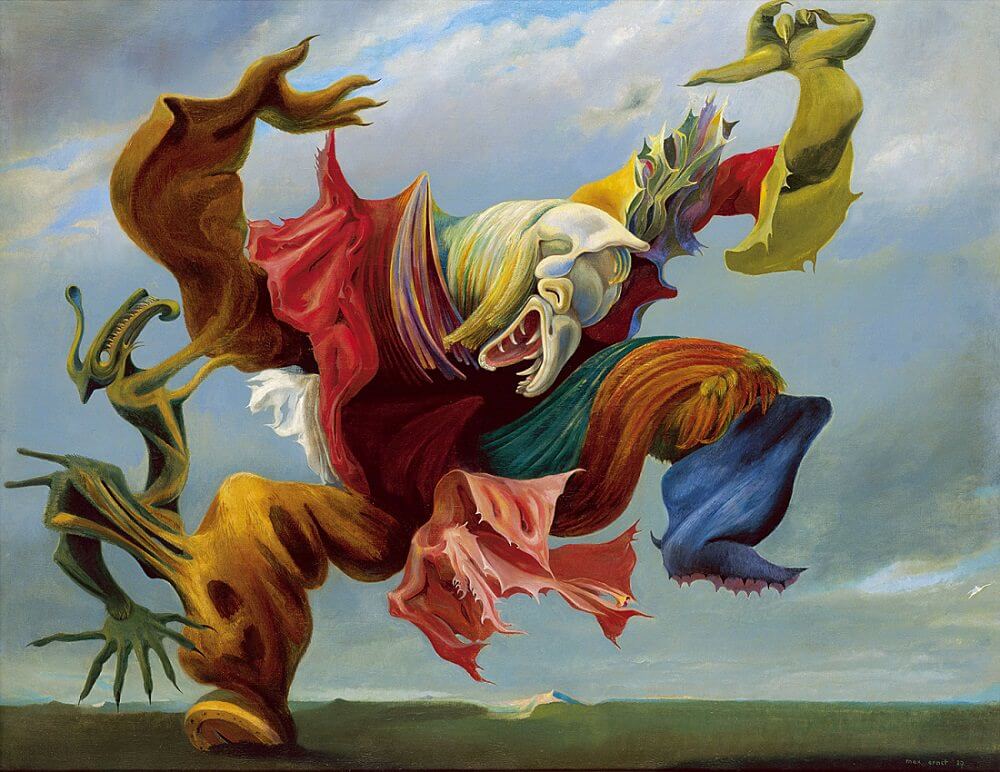
A short guide to Surrealism: André Breton's manifesto of 1924, De Chirico's metaphysical squares, Dalí's soft watches, Magritte's apples and pipes, Ernst, Miró and the Exquisite Corpse, the women and photographers of the movement, its legacy, and a digital homage you can try in PictorX.
Salvador Dalí
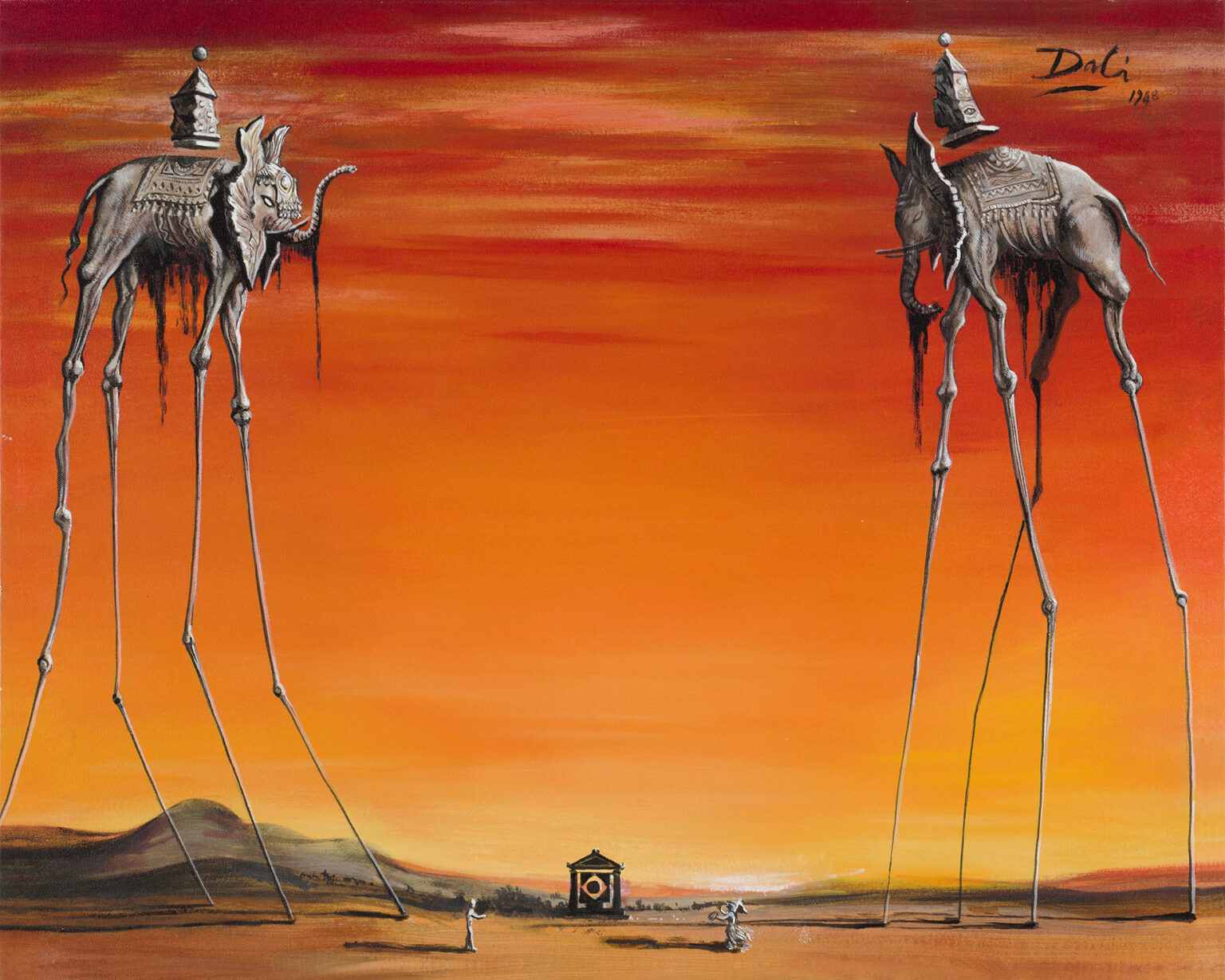
A short guide to Salvador Dalí: his childhood in Figueres and Cadaqués, Lorca and Buñuel, Gala and the Surrealists, The Persistence of Memory, double images, crutches, drawers and a lobster telephone, Hollywood and Disney, Leda Atomica, his Theatre-Museum, and a digital homage you can try in PictorX.
René Magritte
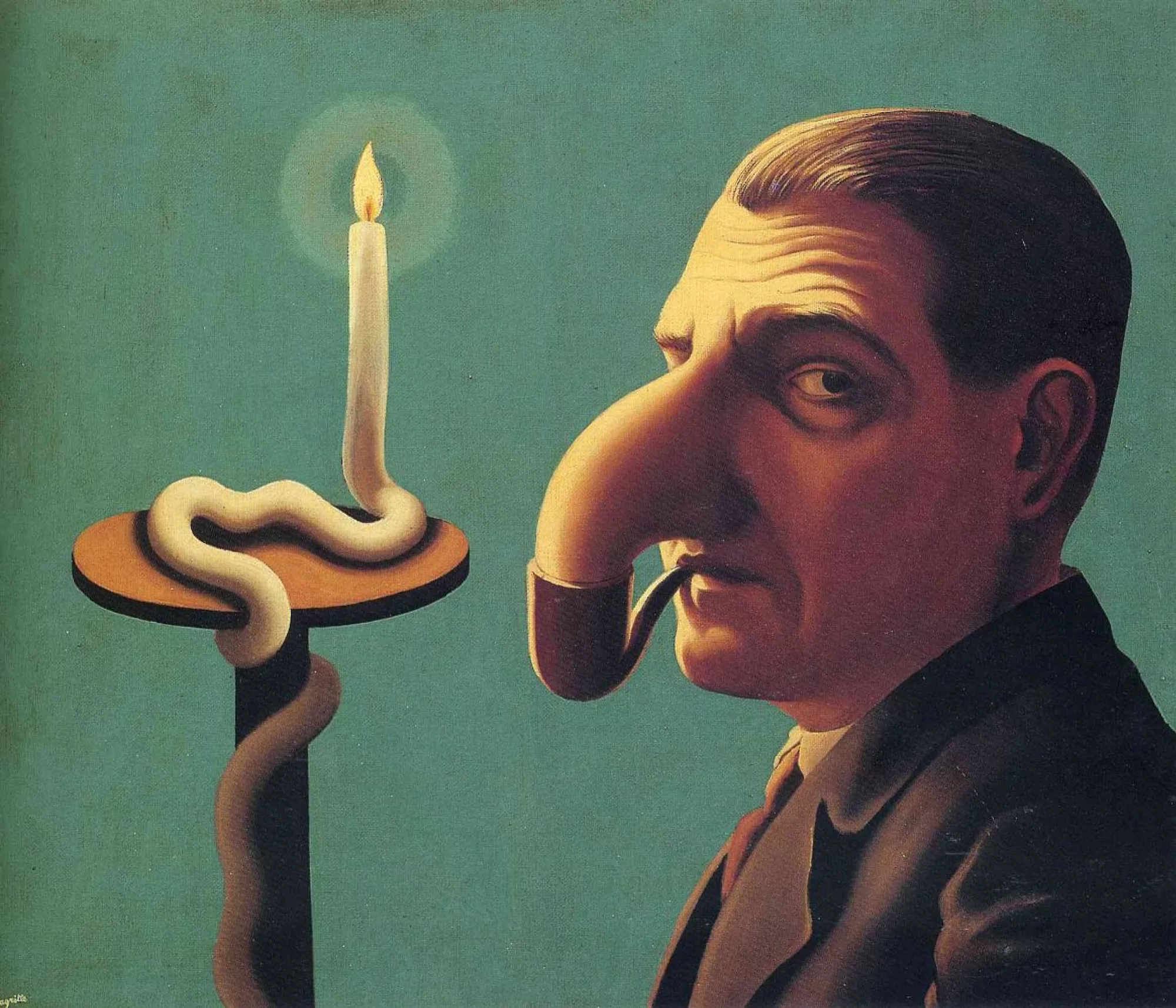
A short guide to René Magritte: his childhood by the Sambre, wallpaper, posters and De Chirico's Song of Love, Paris and the Surrealists, The Treachery of Images, bowler hats and green apples, Golconda and The Empire of Light, his house and museum in Brussels, his influence on Pop Art, and a digital homage you can try in PictorX.
Pablo Picasso
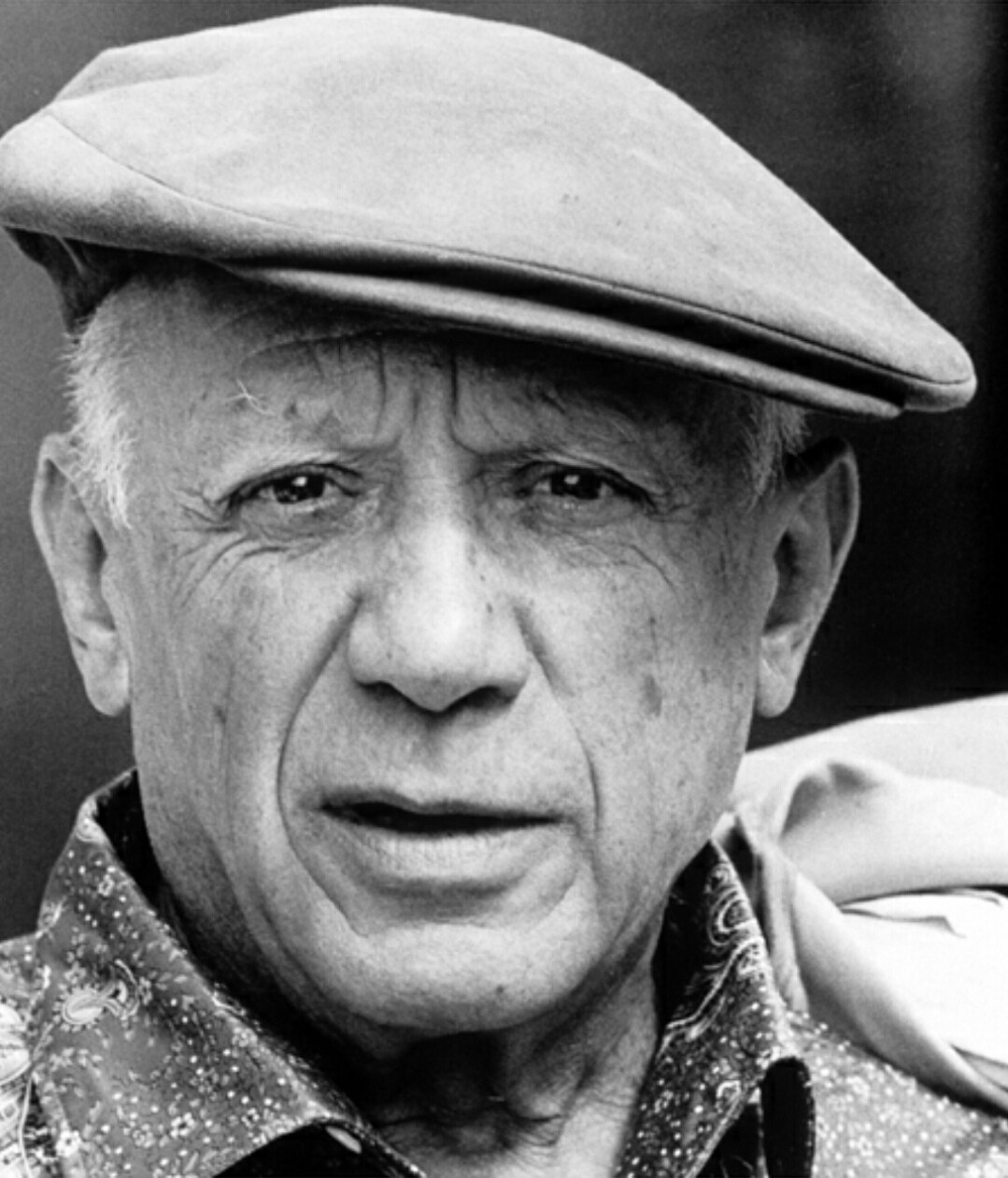
A short guide to Pablo Picasso: the prodigy from Málaga, the Blue and Rose Periods, Les Demoiselles d'Avignon and Cubism with Braque, Guernica and The Weeping Woman, his endless reinventions, and a digital homage you can try in PictorX.
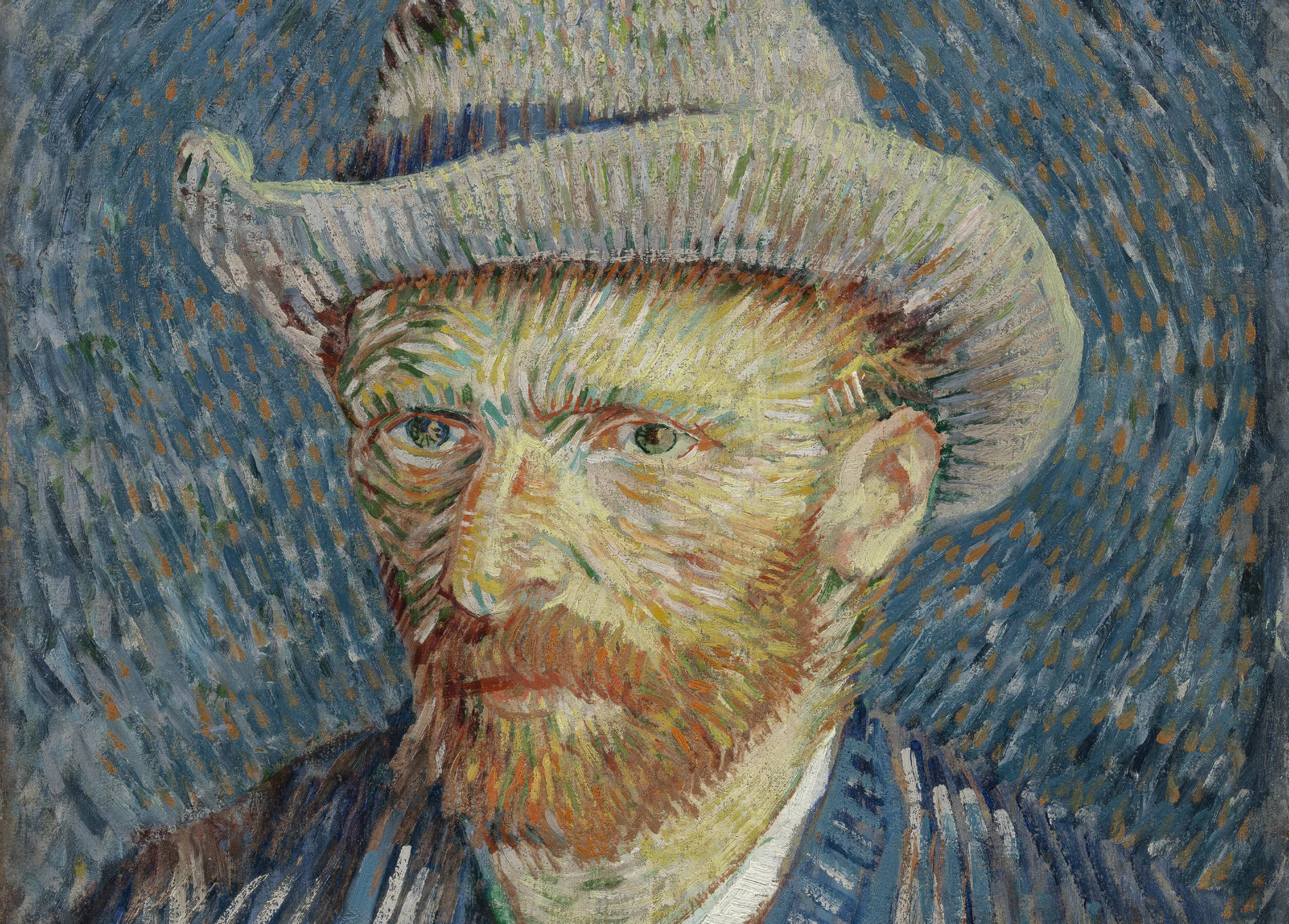
Vincent van Gogh
A short guide to Vincent van Gogh: Dutch Post-Impressionism, swirling brushwork, Starry Night and sunflowers, and a respectful digital homage you can try in PictorX.
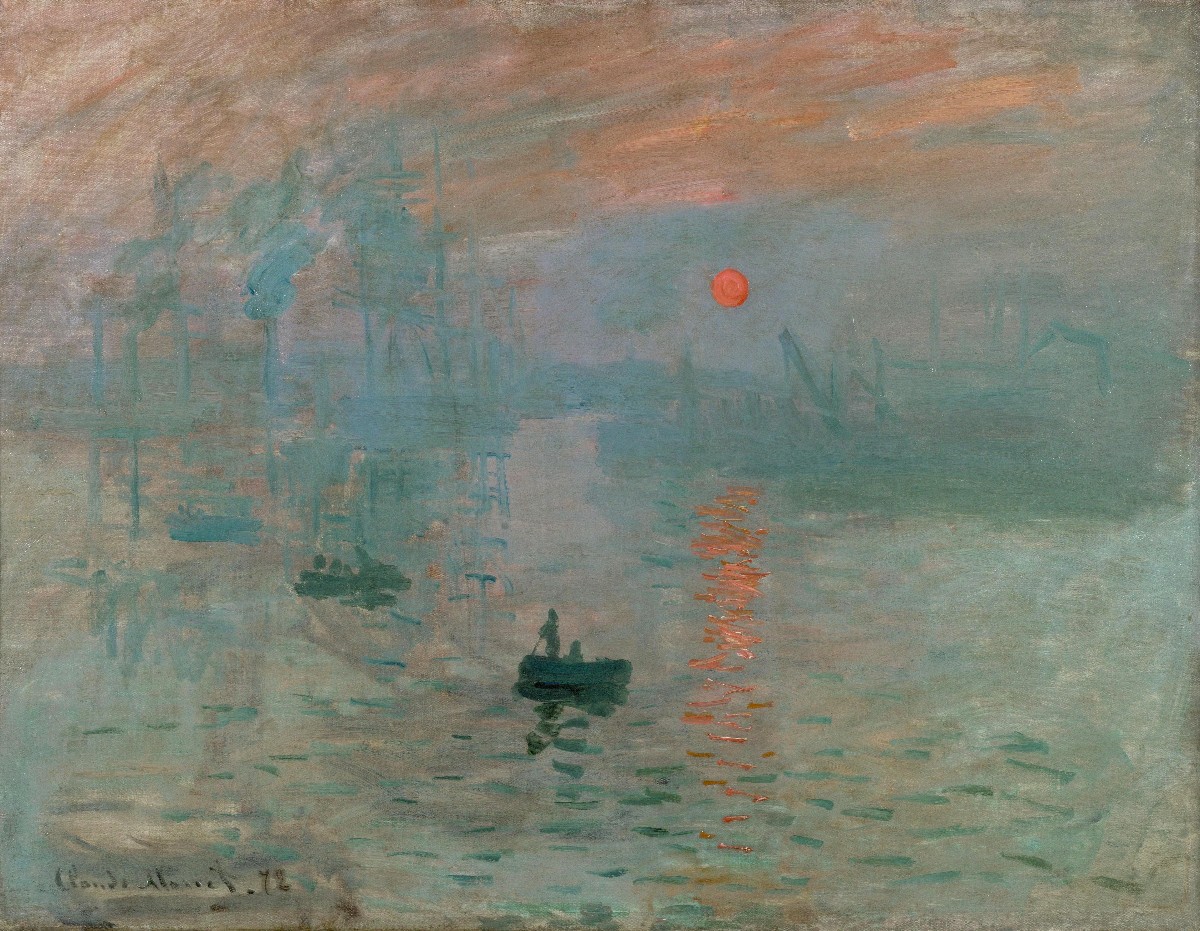
Impressionism
A short guide to Impressionism: the 1874 exhibition in Paris, Monet's Impression, Sunrise, painting in the open air, the water lilies at Giverny, Renoir's dappled light, Degas's dancers, Berthe Morisot and the women Impressionists, broken colour and coloured shadows, and a digital homage you can try in PictorX.
Ready to try it?
Open PictorX in your browser — no install, no credit card required to start.
Try Surrealism