
About Reversi - History, Rules, Othello and Computers
Reversi takes a minute to learn and a lifetime to master. Every move turns discs over, so the lead can change hands right up to the last move. This page tells how the game came about, how Othello made it famous, what good players think about, and how computers came to play it better than any human.
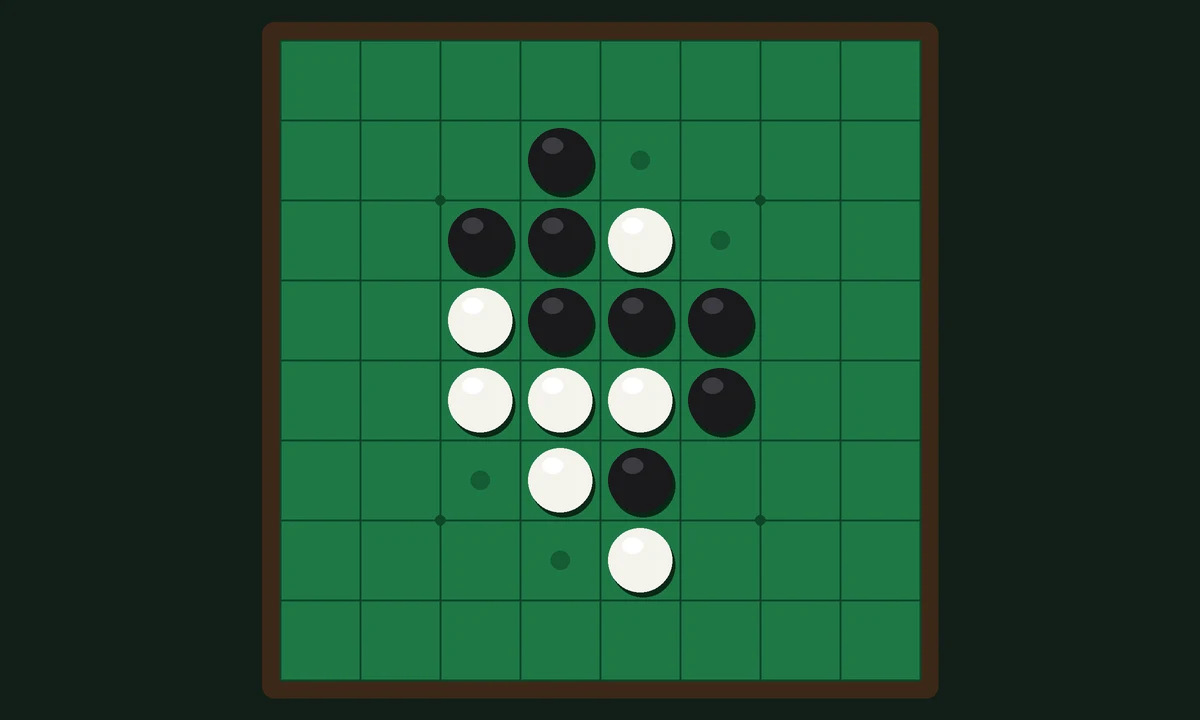
A short history
Reversi was invented in England in 1883. Two Londoners, Lewis Waterman and John W. Mollett, each claimed it, and Reversi was sold in the late 1880s by Jaques of London and became popular across Victorian Britain and in Germany. In the early versions, players had a fixed number of discs and the starting position was not fixed.
Othello
In 1971 Goro Hasegawa in Japan published a version he called Othello, after Shakespeare's play, with its black and white characters and changes of fortune. Othello fixed the crossed start in the centre and a green board, and was marketed worldwide by Tsukuda Original from 1973. Today Othello is a trademark and the name of the game played at the World Othello Championship.
The rules
The board has 8×8 squares and the game starts with four discs in the centre, two of each colour on the diagonals. Black moves first. A move places a disc that traps one or more lines of the opponent's discs between it and another disc of the mover's colour, and every trapped disc flips. A player without a move passes, and the game ends when neither player can move.
Strategy
Good players think about mobility, not material: they try to leave the opponent few moves and keep many of their own. Corners can never be flipped and anchor whole edges, so the squares next to an empty corner are dangerous. Near the end, parity matters, which means trying to make the last move in each region of the board, and the last few moves are calculated exactly.
How the computer plays, Logistello and the 2023 proof
The computer on PictorX uses an alpha-beta search that deepens step by step until its time runs out, remembers positions it has already scored and judges a position by square values, corners, mobility, stable discs and parity. In the last fourteen empty squares, it calculates the result exactly. In 1997 the program Logistello, written by Michael Buro, beat the world champion Takeshi Murakami by six games to none, and in 2023 Hiroki Takizawa showed with a large computer search that with perfect play by both sides the game is a draw.
Frequently asked questions
What is the difference between Reversi and Othello?
They are essentially the same game. Othello is the 1971 version with a fixed starting position and standard rules, and its name is a trademark. Reversi is the older name and is used for the game in general.
Is Reversi solved?
Yes, weakly. In 2023 Hiroki Takizawa showed that with perfect play by both sides 8×8 Othello ends in a draw, 32 discs each.
Who moves first?
Black moves first in the standard rules.
Can a game end before the board is full?
Yes. The game ends as soon as neither player can move, which can happen with empty squares left. In tournament scoring, the empty squares go to the winner.
Related tools
Reversi
Play Reversi, also known as Othello, in your browser. Place discs to flip your opponent's, see every legal move, and play the computer from Easy to Hard, a friend, or watch the computer play itself.
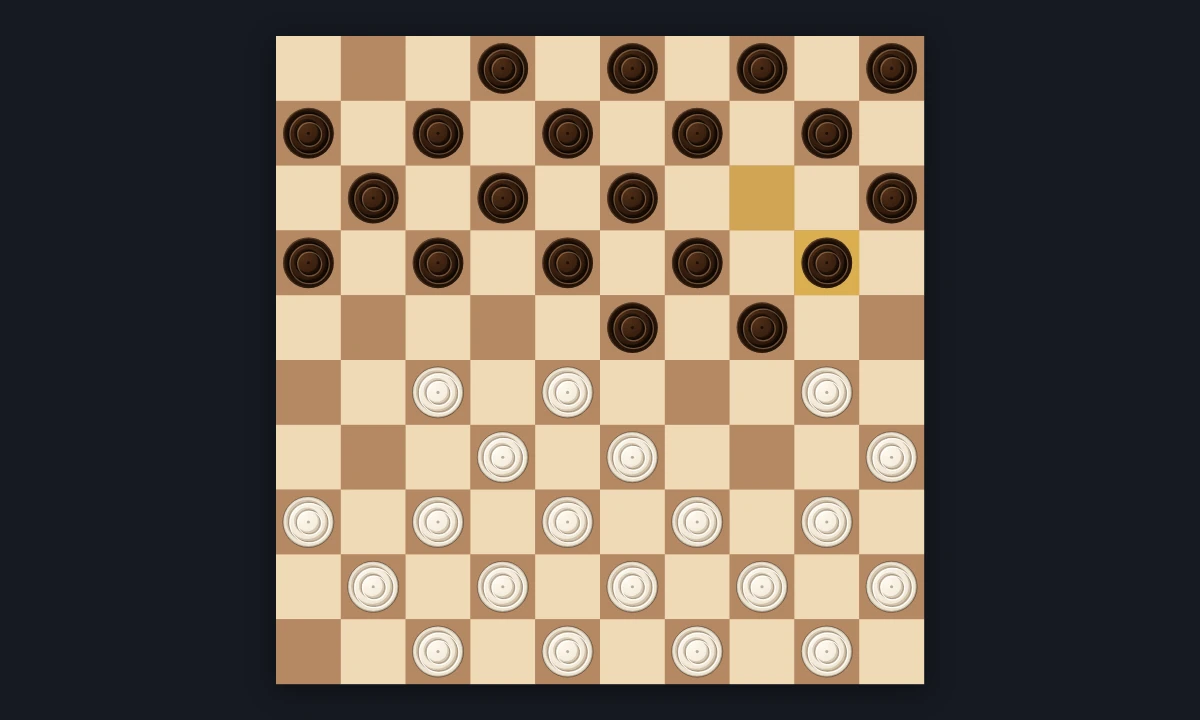
About Checkers - History, Rules, Variants and Chinook
A short guide to checkers and draughts: where the game came from, the rules of English checkers and International draughts, how the computer plays, and how Chinook proved in 2007 that checkers is a draw.
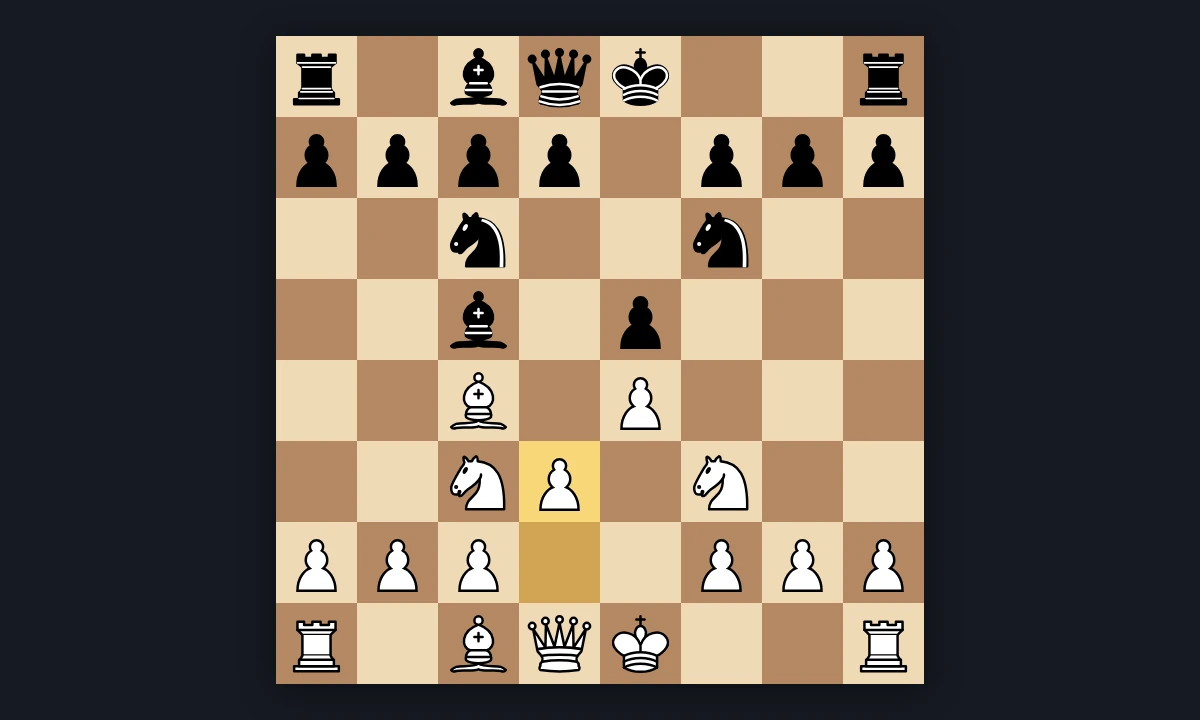
About Chess - History, Rules and How the Computer Plays
A short guide to chess: where it came from, how the pieces move, the special moves and draws, and how a simple chess computer chooses its moves with minimax and alpha-beta search.
Checkers
Play checkers in your browser: English checkers on 8×8 or International draughts on 10×10, with compulsory captures, multi-jumps and kings. Play the computer from Easy to Hard, a friend, or watch the computer play itself.
Chess
Play chess in your browser with all the rules: castling, en passant, promotion, check and checkmate. Play the computer from Easy to Expert, a friend on the same screen, or watch the computer play itself.
Ready to try it?
Open PictorX in your browser — no install, no credit card required to start.
Play Reversi