
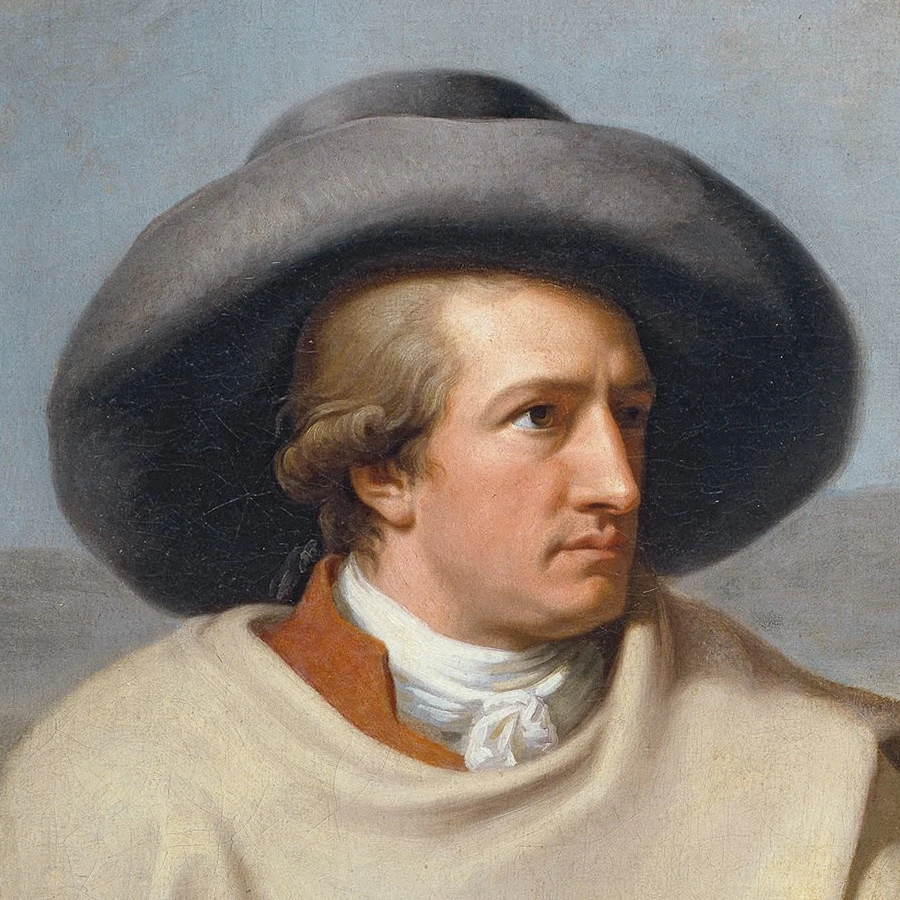
Zamień zdjęcie w wycinanki, fowistyczny kolor lub jedną płynną linię Matisse’a — wybierz styl i paletę, a potem dostosuj rozmiar kształtów.
Kobieta w kapeluszu – Henri Matisse i fowizm
Matisse simplified the world into a few flat, singing shapes, and in 1905 he led the Fauves—the “wild beasts” who set colour free from nature. This app follows both: it reduces your photo to a handful of colour shapes and cuts them from painted paper, sets them in a red room or draws them with a single brush line, or repaints it in the bold, arbitrary colour of Matisse, Derain and Vlaminck, with cool shadows, hot lights and visible strokes. All processed on-device. Zamień zdjęcie w wycinanki, fowistyczny kolor lub jedną płynną linię Matisse’a — wybierz styl i paletę, a potem dostosuj rozmiar kształtów.
Jak to działa
- Open PictorX in your browser and load a photo — portraits, landscapes and still lifes with a few clear shapes work best.
- Pick a Style—Matisse's Cut-Outs, Fauve, Harmony in Red or Line Drawing, or the Fauvism styles Woman with a Hat, Collioure, London or Vlaminck—and a Palette, then adjust Shape Size, Colors, Ornaments and Line Work for Matisse, or Brush Size, Color Boldness, Brushwork and Outlines for Fauvism.
- Export the picture, or keep editing with layers and other effects in the same workspace.
From Fauve colour to the cut-outs in one app
The Style list holds two effects. Henri Matisse follows the painter through his whole career, from Fauve colour and the red room of 1908 to his line drawings and the paper cut-outs of his last years. Fauvism follows the movement he led in 1905 with André Derain and Maurice de Vlaminck, with styles after each of them; pick one of its styles and the panel switches to its own sliders.
Why few, flat shapes read as Matisse
Matisse spent his life simplifying: fewer colours, larger areas, firmer outlines. The filter groups your photo into a handful of colour shapes and smooths every outline into a calm curve, so the picture keeps its composition while losing photographic detail. Colors sets how many shapes there are; Shape Size sets how simple their outlines become.
Four Matisse styles and six palettes
Cut-Outs cuts the shapes from gouache-painted paper with scissor-like edges and scatters seaweed and leaf forms on the ground, as in Jazz and the late cut-outs. Fauve paints in broad strokes of arbitrary colour, after Woman with a Hat (1905). Harmony in Red sets the shapes in a flat red room with dark-blue arabesques, after The Dessert: Harmony in Red (1908), and Line Drawing reduces everything to a few fluent brush lines. Palettes: Photo, Jazz, Blue Nudes, Fauve, Harmony in Red and Nice.
Four Fauve painters
Woman with a Hat follows Matisse's scandalous portrait of 1905: broad patches of arbitrary colour, green and violet shadows across the face and loose blue-green contours. Collioure follows the summer Matisse and André Derain spent in that harbour, building pictures from separate dabs of pure colour with the canvas showing between them. London follows Derain's views of the Thames, with flat complementary blocks, horizontal broken strokes and dark outlines, and Vlaminck lays on long, thick, swirling strokes of hot reds, oranges and blues.
Colour that describes feeling, not nature
Color Boldness sets how far the colours depart from the photo: at low values the photo's own hues are simply intensified; at high values every zone receives an arbitrary Fauve colour, lights turn warm and shadows cool and complementary. Palette chooses the pigments—Fauve for each painter's own colours, Photo to keep your hues, Hot, Cool, or Complementary to flip every colour to its opposite. Brush Size, Brushwork and Outlines control the stroke size, how loose the hand is, and the weight of the painted contours.
Privacy and keep editing
Processing stays in your browser—photos are not uploaded to PictorX servers for this filter. After Henri Matisse and Fauvism, continue with layers, text, Kandinsky, Paul Klee, Vincent van Gogh, Pointillism, or export.
Często zadawane pytania
Co robi aplikacja Henri Matisse i fowizm?
Zamienia zdjęcie w obraz w manierze Henriego Matisse'a – wycinanki z papieru, fowistyczny kolor, „Harmonia w czerwieni” albo rysunek linearny – lub przemalowuje je dzikim, umownym kolorem fowistów, którym przewodził: „Kobieta w kapeluszu” Matisse'a, Collioure, „Londyn” Deraina albo Vlaminck. Powstaje z kształtów Twojego zdjęcia i nie jest kopią obrazu muzealnego.
Czym był fowizm?
Krótkotrwały ruch z lat około 1905–1908, który używał czystego, nienaturalnego koloru, aby wyrażać uczucia, a nie opisywać rzeczy. Na Salonie Jesiennym w Paryżu w 1905 roku krytyk Louis Vauxcelles nazwał jego malarzy „fauves”, czyli dzikimi bestiami.
Jakie style fowistyczne są dostępne?
„Kobieta w kapeluszu”, na wzór portretu Matisse'a z 1905 roku; „Collioure”, nawiązujący do lata, które Matisse i André Derain spędzili w tym porcie; „Londyn”, według widoków Tamizy Deraina; oraz „Vlaminck”, z jego grubymi, gorącymi pociągnięciami. Każdy ma własne suwaki – „Rozmiar pędzla”, „Śmiałość koloru”, „Faktura pędzla” i „Kontury” – oraz palety „Fowizm”, „Zdjęcie”, „Gorący”, „Chłodny” i „Dopełniające”.
Czy to prawdziwy Matisse albo Derain?
Nie. To cyfrowy hołd dla Twoich własnych zdjęć. Prace samego Matisse'a znajdują się w muzeach takich jak Centre Pompidou w Paryżu, Musée Matisse w Nicei i Museum of Modern Art w Nowym Jorku; fowistyczne obrazy Deraina i Vlamincka wiszą w muzeach i kolekcjach na całym świecie.
Jakie zdjęcia sprawdzają się najlepiej?
Zdjęcia z kilkoma dużymi, wyraźnymi kształtami: portretom pasują „Rysunek linearny”, „Fowizm” i „Kobieta w kapeluszu”, krajobrazom i roślinom – „Wycinanki” i „Collioure”, miastom i rzekom – „Londyn”, drzewom i wioskom – „Vlaminck”, a wnętrzom i martwym naturom – „Harmonia w czerwieni”. Zdjęcia z wyraźnym światłem i cieniem dają najmocniejszy fowistyczny kolor.
Czy mogę dalej edytować po zastosowaniu Henri Matisse i fowizmu?
Tak. Pracuj dalej z warstwami, tekstem i innymi stylami artystycznymi albo wyeksportuj wynik z tego samego obszaru roboczego PictorX.
Powiązane narzędzia
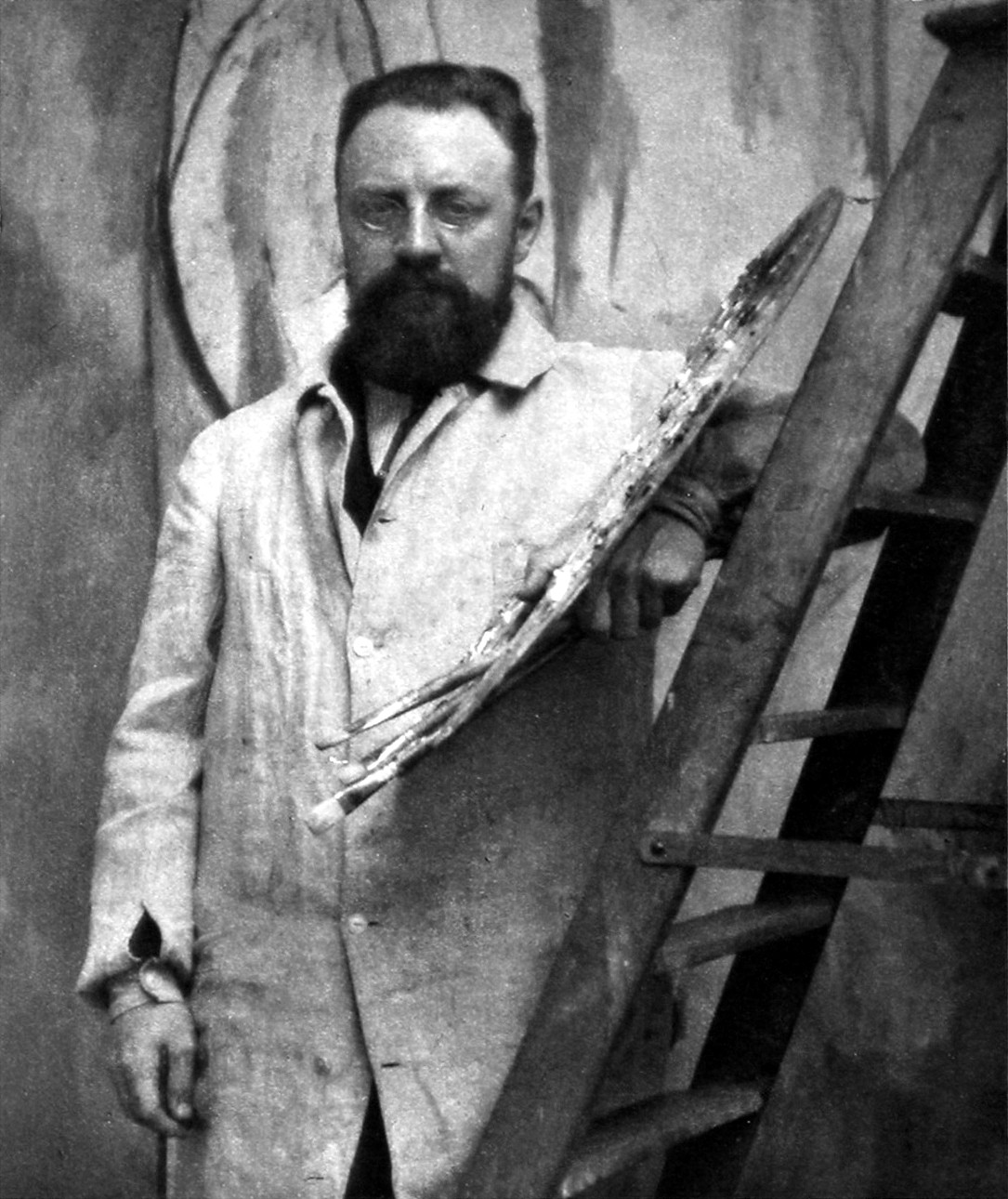
Henri Matisse
Kim był Henri Matisse? Od aplikanta do malarza, fowiści w 1905 roku, Harmonia w czerwieni i Taniec, lata w Nicei, rysunki jedną linią i wycinanki z papieru.
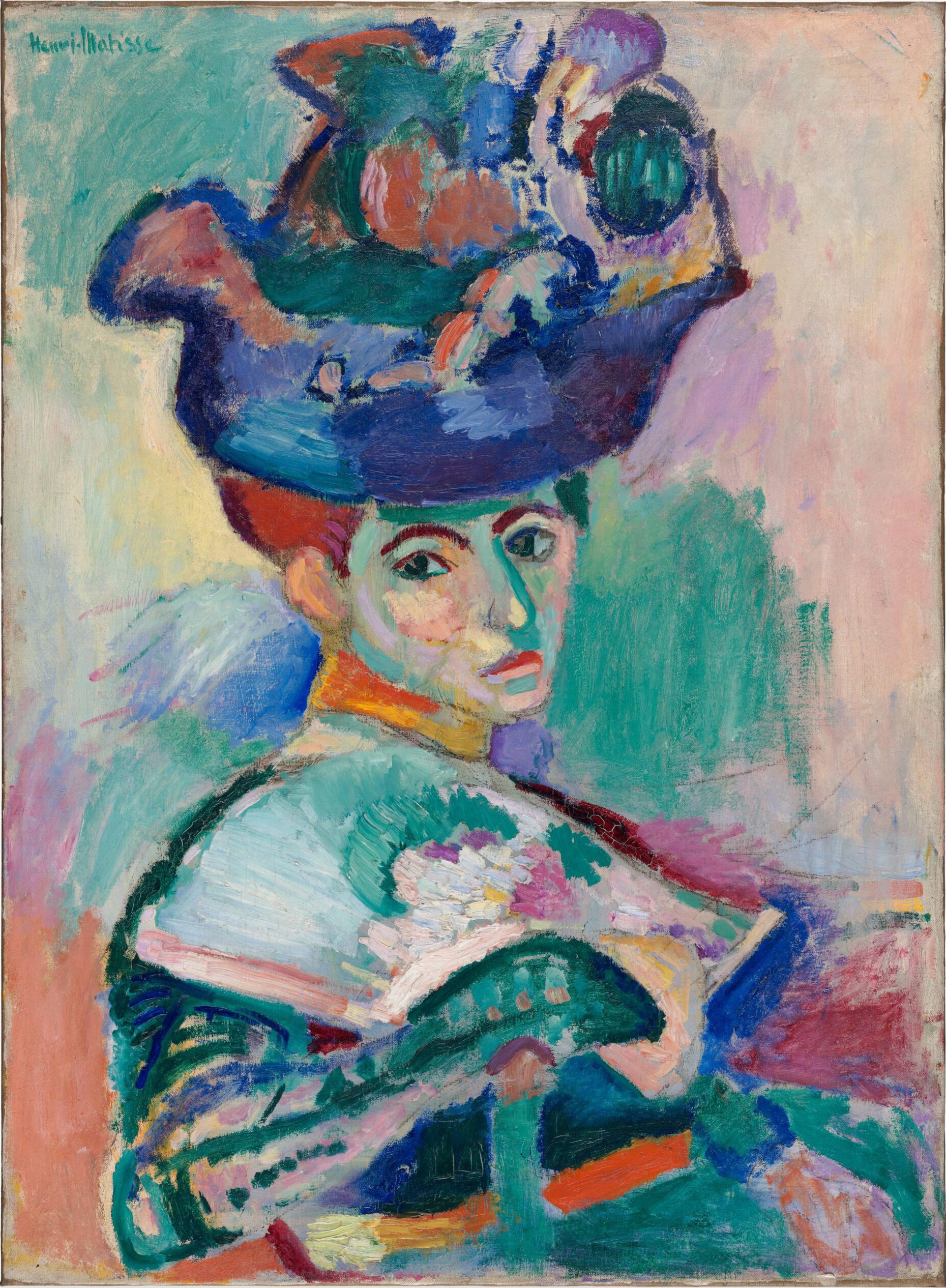
Fowizm
Czym był fowizm? „Dzikie bestie” z 1905 roku i ich czyste, jaskrawe barwy: korzenie u Van Gogha i Gauguina, Matisse i Derain w Collioure, kluczowe obrazy.
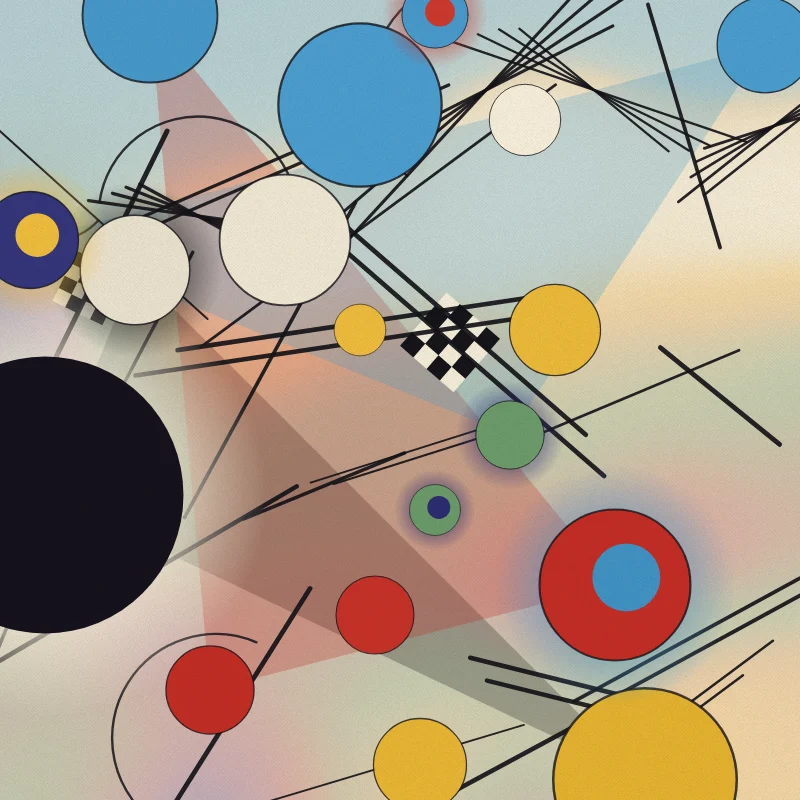
Filtr zdjęć Kandinsky - koła, linie i kolor
Zamień zdjęcie w abstrakcję w stylu Wassily’ego Kandinsky’ego w przeglądarce: koła i linie z Kompozycji VIII, kwadraty z koncentrycznymi okręgami, Kilka kół na czerni lub swobodna Improwizacja.
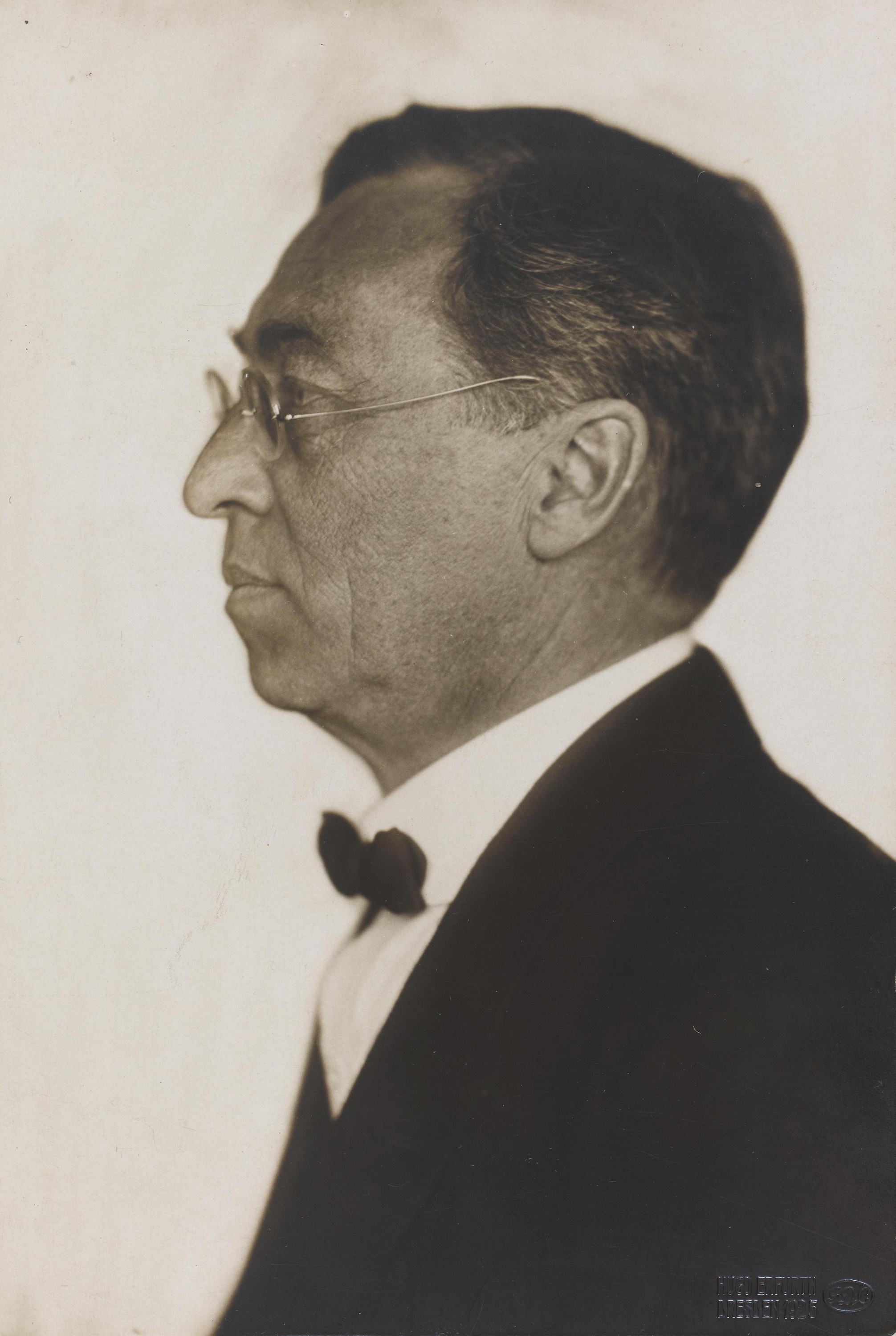
Wassily Kandinsky
Kim był Wassily Kandinsky? Pionier sztuki abstrakcyjnej: Der Blaue Reiter, kolor jako muzyka, Kwadraty z koncentrycznymi okręgami, Kompozycja VIII i Kilka kół.
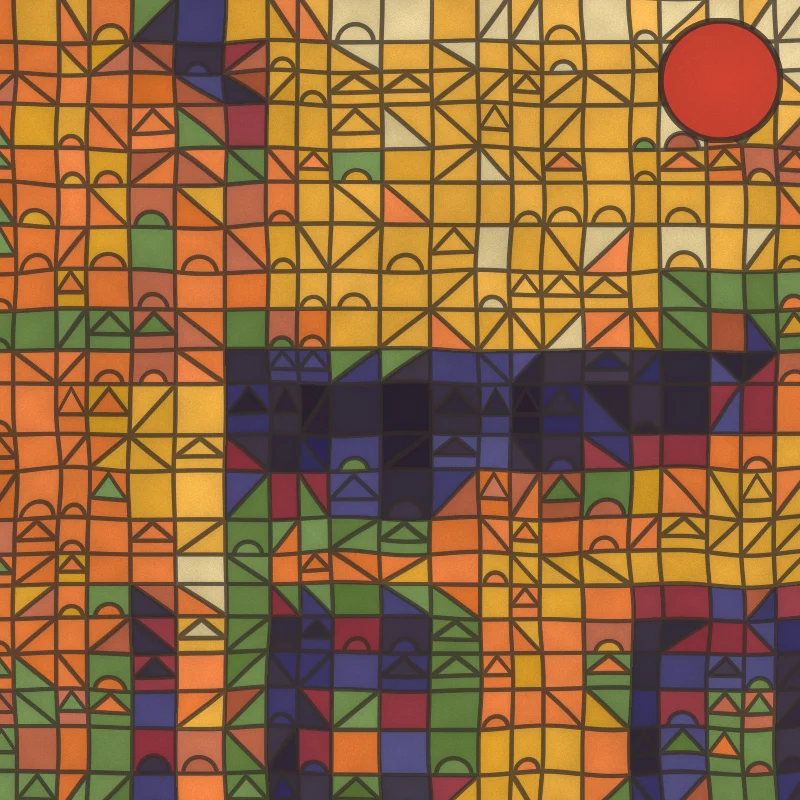
Filtr zdjęć Paul Klee - magiczne kwadraty, zamki i linie
Zamień zdjęcie w obraz w stylu Paula Klee w przeglądarce: magiczne kwadraty koloru, kafle Zamku i słońca, kropki Ad Parnassum, linia na spacerze lub tunezyjskie akwarele.
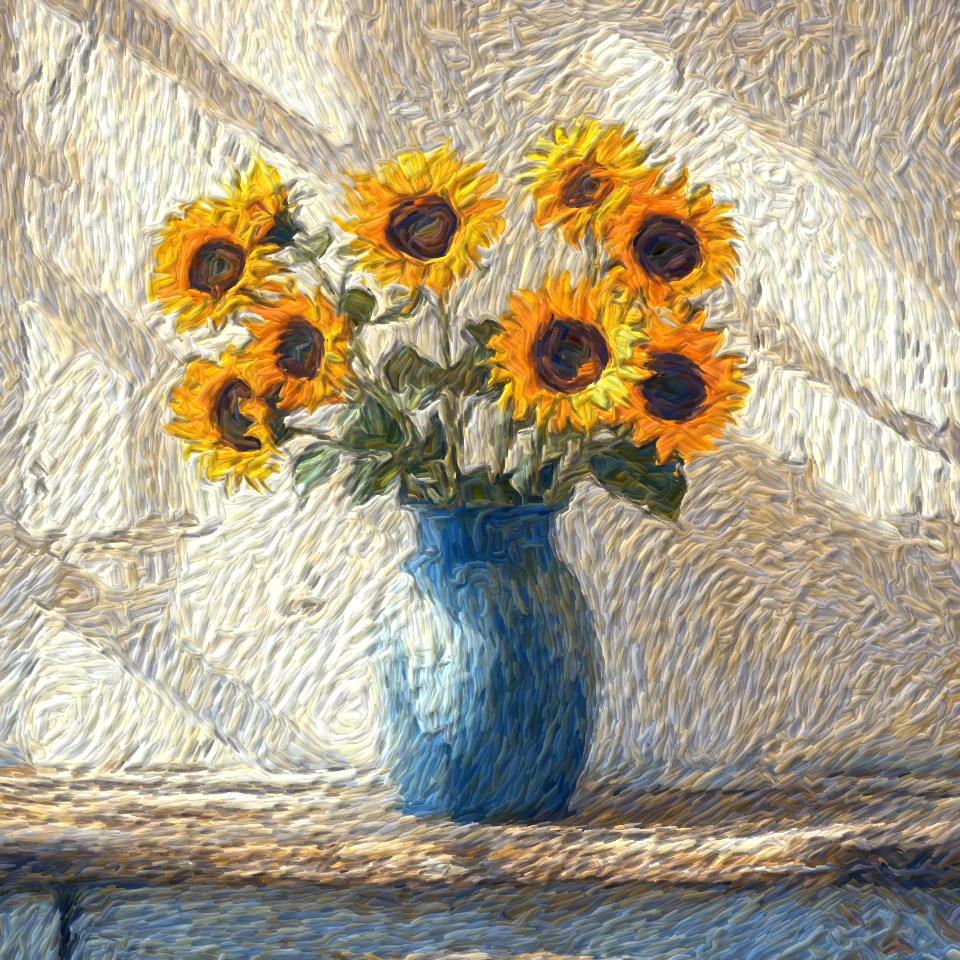
Namaluj zdjęcie pociągnięciami Van Gogha
Zamień zdjęcie w przeglądarce na wirujące pociągnięcia w stylu Gwiaździstej nocy. Cyfrowy hołd dla impastu Van Gogha—nie reprodukcja muzealna.
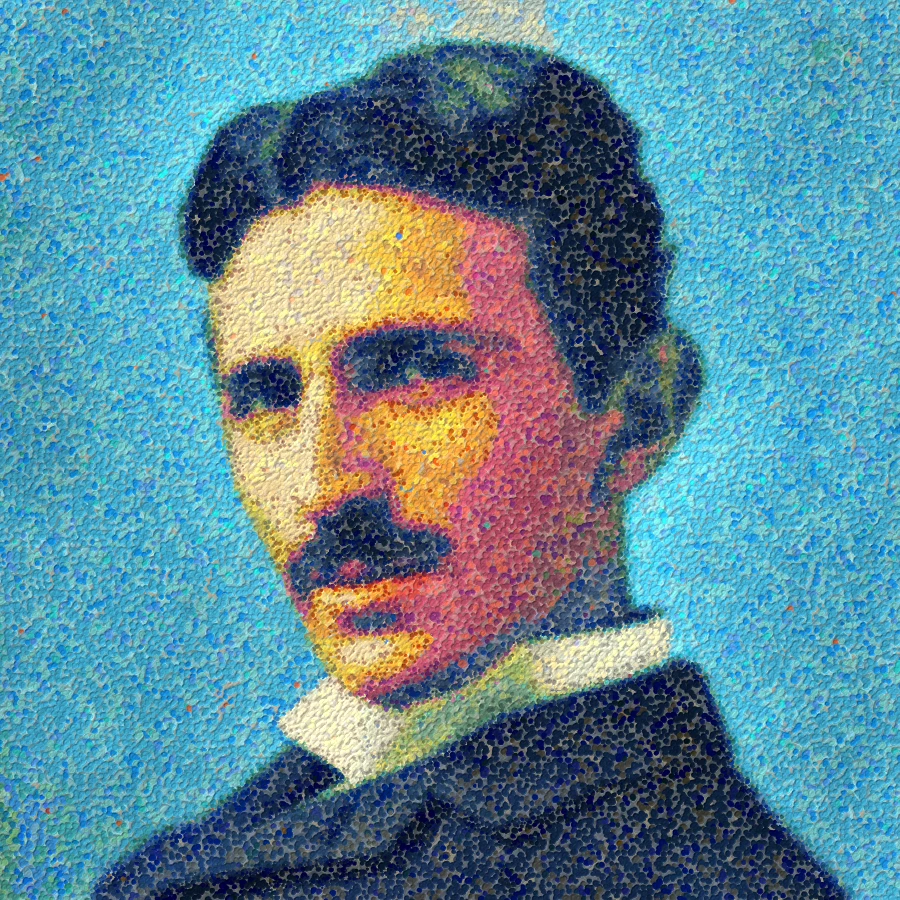
Filtr puentylizm (Pointylizm)
Zamień zdjęcie w obraz puentylistyczny w stylu Seurata, Signaca, Crossa lub fowistów. Wybierz paletę, ustaw Rozmiar kropek i Mieszanie optyczne, a potem zapisz.
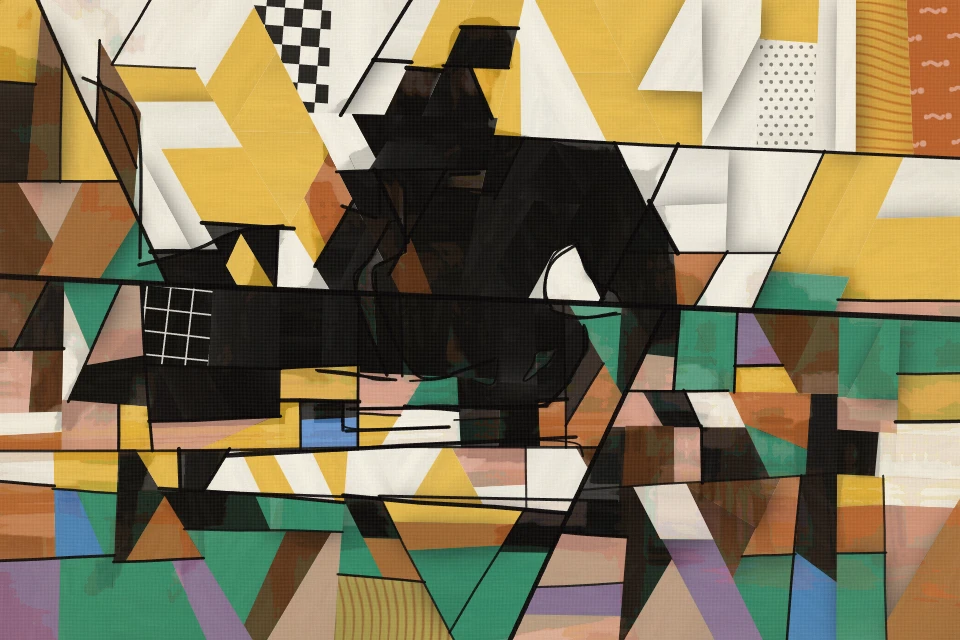
Pablo Picasso i kubizm
Zamień zdjęcie w przeglądarce w Pabla Picassa i kubizm: okres błękitny i różowy, kubizm analityczny lub syntetyczny, portret kubistyczny, papier collé, kubizm krystaliczny, rozbite portrety Płaczącej kobiety lub czarno-białe odłamki Guerniki.
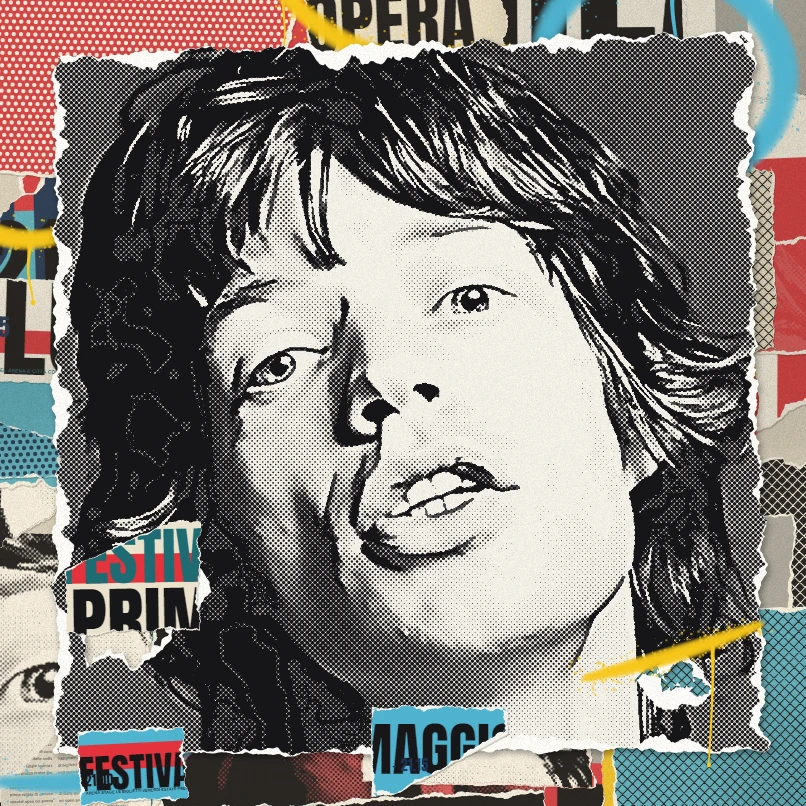
Filtr zdjęć pop-art
Zamień zdjęcie w pop-art w przeglądarce: plakat pop w stylu retro, wzór pop, portret WPAP z tęczowych faset, kolaż uliczny, rozprysk tuszu, płatki złota, sylwetkę, promienie słońca albo siatkę popowych emblematów.
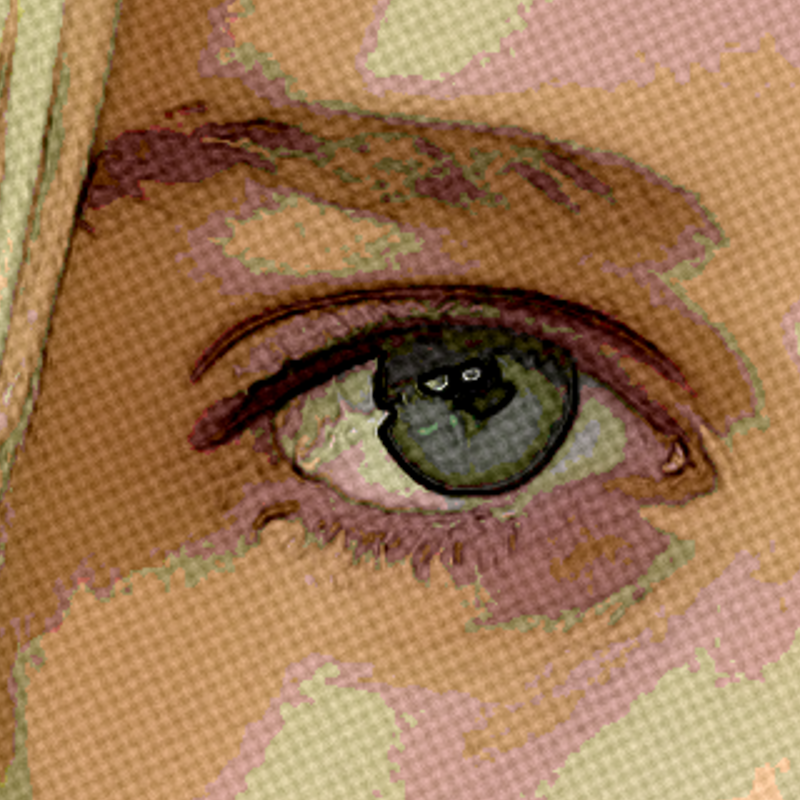
Efekty artystyczne
Przekształcaj zdjęcia za pomocą malarstwa olejnego, akwareli, ołówka, tuszu komiksowego, pasteli, wycinanek z papieru i innych dzieł sztuki studyjnej.
Chcesz wypróbować?
Otwórz PictorX w swojej przeglądarce — do uruchomienia nie jest wymagana żadna instalacja ani karta kredytowa.
Przejdź do edytora