
Transformă o fotografie în decupaje, culoare fovistă sau o singură linie fluidă Matisse — alege stilul și paleta, apoi ajustează dimensiunea formelor.
Femeie cu pălărie – Henri Matisse și fovismul
Matisse simplified the world into a few flat, singing shapes, and in 1905 he led the Fauves—the “wild beasts” who set colour free from nature. This app follows both: it reduces your photo to a handful of colour shapes and cuts them from painted paper, sets them in a red room or draws them with a single brush line, or repaints it in the bold, arbitrary colour of Matisse, Derain and Vlaminck, with cool shadows, hot lights and visible strokes. All processed on-device. Transformă o fotografie în decupaje, culoare fovistă sau o singură linie fluidă Matisse — alege stilul și paleta, apoi ajustează dimensiunea formelor.
Cum funcționează
- Open PictorX in your browser and load a photo — portraits, landscapes and still lifes with a few clear shapes work best.
- Pick a Style—Matisse's Cut-Outs, Fauve, Harmony in Red or Line Drawing, or the Fauvism styles Woman with a Hat, Collioure, London or Vlaminck—and a Palette, then adjust Shape Size, Colors, Ornaments and Line Work for Matisse, or Brush Size, Color Boldness, Brushwork and Outlines for Fauvism.
- Export the picture, or keep editing with layers and other effects in the same workspace.
From Fauve colour to the cut-outs in one app
The Style list holds two effects. Henri Matisse follows the painter through his whole career, from Fauve colour and the red room of 1908 to his line drawings and the paper cut-outs of his last years. Fauvism follows the movement he led in 1905 with André Derain and Maurice de Vlaminck, with styles after each of them; pick one of its styles and the panel switches to its own sliders.
Why few, flat shapes read as Matisse
Matisse spent his life simplifying: fewer colours, larger areas, firmer outlines. The filter groups your photo into a handful of colour shapes and smooths every outline into a calm curve, so the picture keeps its composition while losing photographic detail. Colors sets how many shapes there are; Shape Size sets how simple their outlines become.
Four Matisse styles and six palettes
Cut-Outs cuts the shapes from gouache-painted paper with scissor-like edges and scatters seaweed and leaf forms on the ground, as in Jazz and the late cut-outs. Fauve paints in broad strokes of arbitrary colour, after Woman with a Hat (1905). Harmony in Red sets the shapes in a flat red room with dark-blue arabesques, after The Dessert: Harmony in Red (1908), and Line Drawing reduces everything to a few fluent brush lines. Palettes: Photo, Jazz, Blue Nudes, Fauve, Harmony in Red and Nice.
Four Fauve painters
Woman with a Hat follows Matisse's scandalous portrait of 1905: broad patches of arbitrary colour, green and violet shadows across the face and loose blue-green contours. Collioure follows the summer Matisse and André Derain spent in that harbour, building pictures from separate dabs of pure colour with the canvas showing between them. London follows Derain's views of the Thames, with flat complementary blocks, horizontal broken strokes and dark outlines, and Vlaminck lays on long, thick, swirling strokes of hot reds, oranges and blues.
Colour that describes feeling, not nature
Color Boldness sets how far the colours depart from the photo: at low values the photo's own hues are simply intensified; at high values every zone receives an arbitrary Fauve colour, lights turn warm and shadows cool and complementary. Palette chooses the pigments—Fauve for each painter's own colours, Photo to keep your hues, Hot, Cool, or Complementary to flip every colour to its opposite. Brush Size, Brushwork and Outlines control the stroke size, how loose the hand is, and the weight of the painted contours.
Privacy and keep editing
Processing stays in your browser—photos are not uploaded to PictorX servers for this filter. After Henri Matisse and Fauvism, continue with layers, text, Kandinsky, Paul Klee, Vincent van Gogh, Pointillism, or export.
Întrebări frecvente
Ce face aplicația Henri Matisse și fovismul?
Transformă o fotografie într-o imagine în maniera lui Henri Matisse – decupaje din hârtie, culoare fovistă, „Armonie în roșu” sau un desen liniar – ori o repictează în culorile sălbatice și arbitrare ale foviștilor pe care i-a condus: „Femeie cu pălărie” de Matisse, Collioure, „Londra” lui Derain sau Vlaminck. Este construit din formele fotografiei tale, nu este o copie a unui tablou de muzeu.
Ce a fost fovismul?
O mișcare de scurtă durată, din perioada aproximativ 1905–1908, care folosea culoarea pură, nenaturală, pentru a exprima sentimente, nu pentru a descrie lucruri. La Salon d'Automne din Paris, în 1905, criticul Louis Vauxcelles i-a numit pe pictorii ei „fauves”, adică fiare sălbatice.
Ce stiluri foviste sunt incluse?
„Femeie cu pălărie”, după portretul pictat de Matisse în 1905; „Collioure”, după vara petrecută de Matisse și André Derain în acel port; „Londra”, după vederile Tamisei pictate de Derain; și „Vlaminck”, cu tușele lui groase și fierbinți. Fiecare are propriile glisoare – „Dimensiune pensulă”, „Îndrăzneala culorii”, „Tușă” și „Contururi” – și paletele „Fovism”, „Foto”, „Cald”, „Rece” și „Complementar”.
Este un Matisse sau un Derain autentic?
Nu. Este un omagiu digital pentru propriile tale fotografii. Lucrările lui Matisse se află în muzee precum Centre Pompidou din Paris, Musée Matisse din Nisa și Museum of Modern Art din New York; picturile foviste ale lui Derain și Vlaminck sunt expuse în muzee și colecții din întreaga lume.
Ce fotografii funcționează cel mai bine?
Fotografiile cu câteva forme mari și clare: portretele se potrivesc cu „Desen liniar”, „Fovism” și „Femeie cu pălărie”, peisajele și plantele cu „Decupaje” și „Collioure”, orașele și râurile cu „Londra”, copacii și satele cu „Vlaminck”, iar interioarele sau naturile statice cu „Armonie în roșu”. Fotografiile cu lumină și umbră clare dau cea mai puternică culoare fovistă.
Pot continua editarea după Henri Matisse și fovism?
Da. Continuați cu straturi, text și alte stiluri artistice sau exportați din același spațiu de lucru PictorX.
Unelte conexe
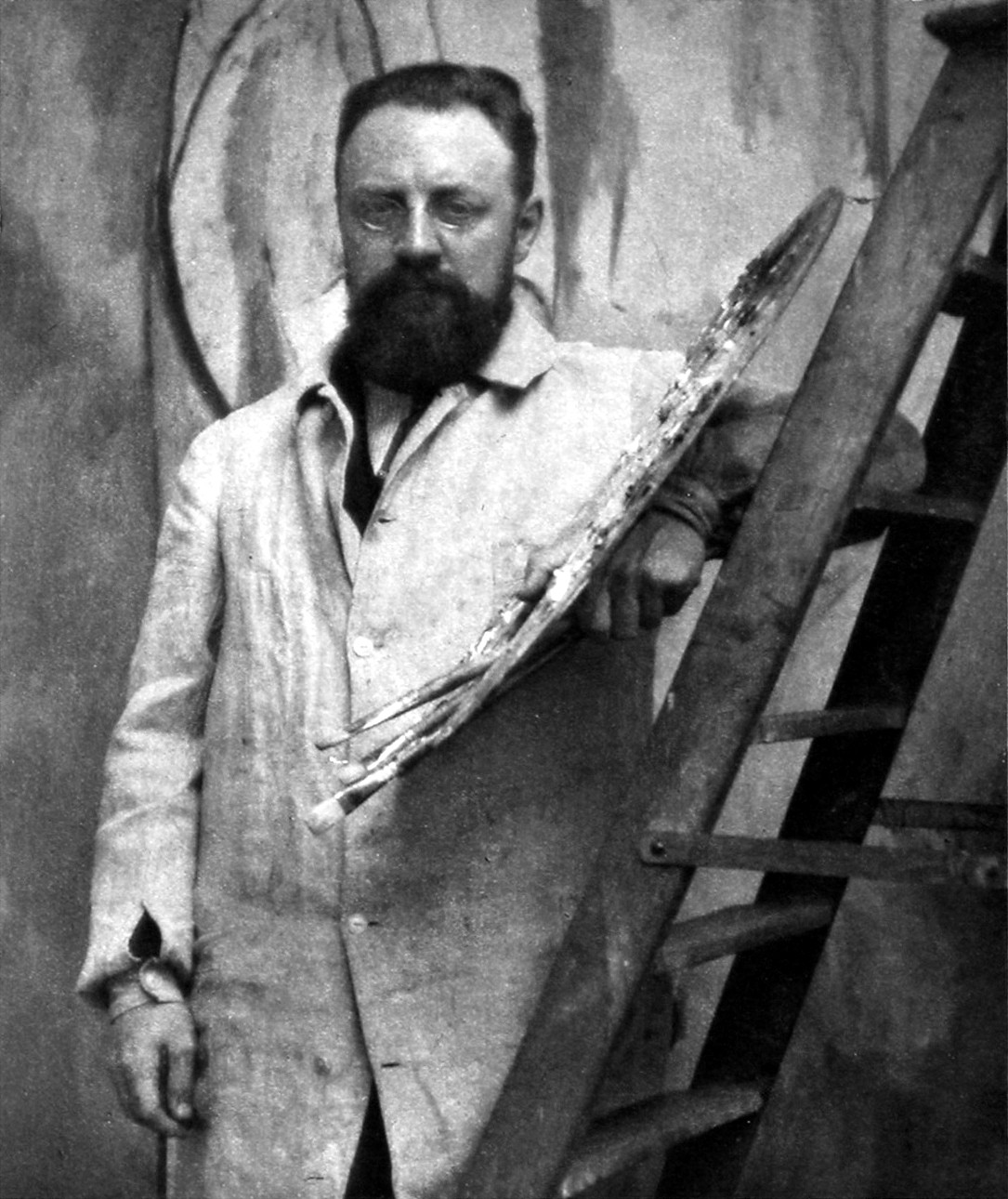
Henri Matisse
Cine a fost Henri Matisse? De la grefier la pictor, fovii din 1905, Armonie în roșu și Dansul, anii de la Nisa, desenele dintr-o linie și decupajele din hârtie.
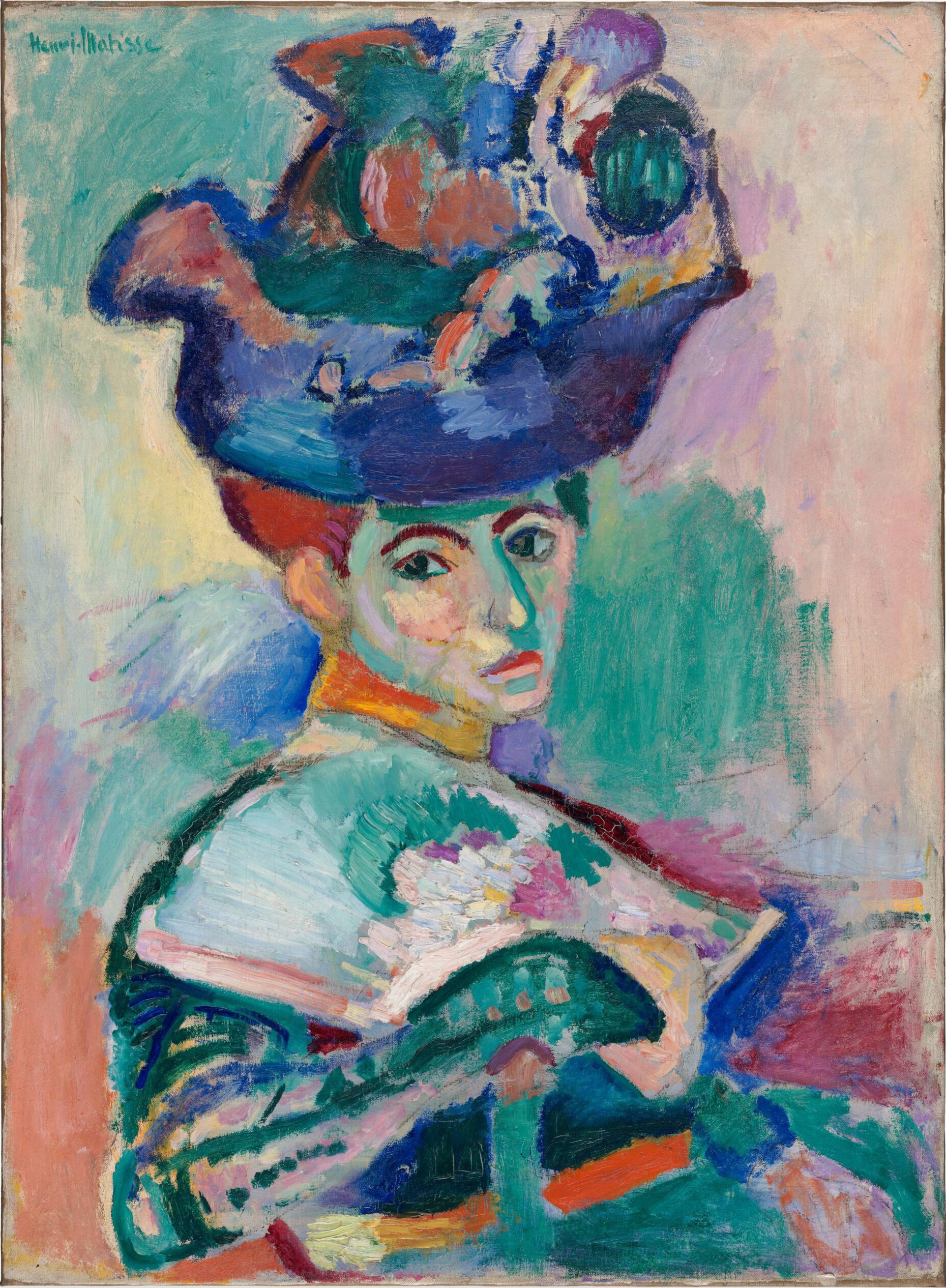
Fovismul
Ce a fost fovismul? „Fiarele” din 1905, care pictau cu culoare pură și vie: rădăcini la Van Gogh și Gauguin, Matisse și Derain la Collioure, picturi-cheie.
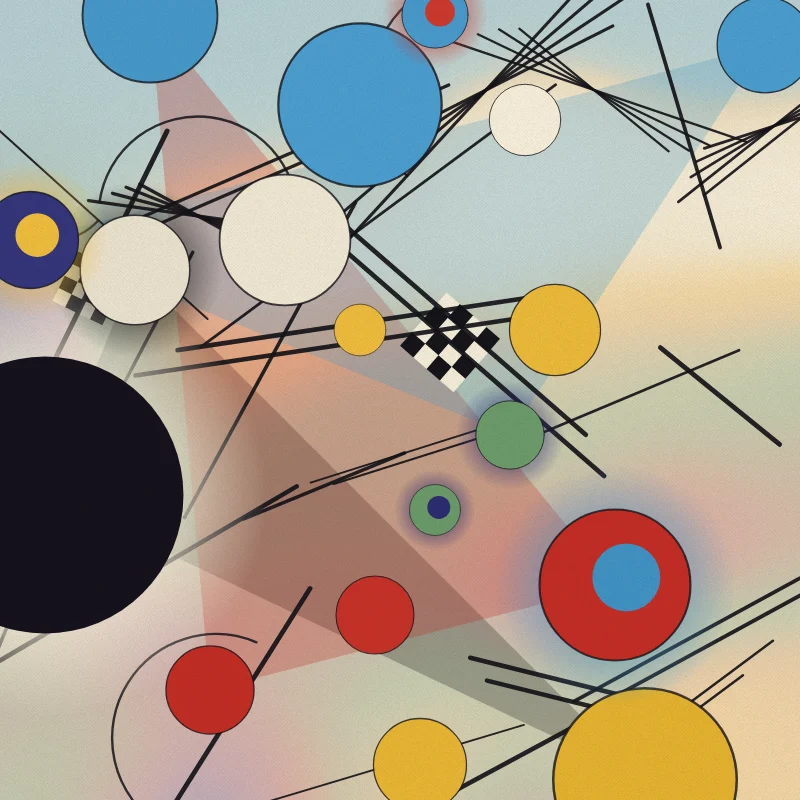
Filtru foto Kandinsky - cercuri, linii și culoare
Transformă o fotografie într-o abstracție în stilul lui Wassily Kandinsky în browser: cercuri și linii din Compoziția VIII, pătrate cu cercuri concentrice, Câteva cercuri pe negru sau o Improvizație liberă.
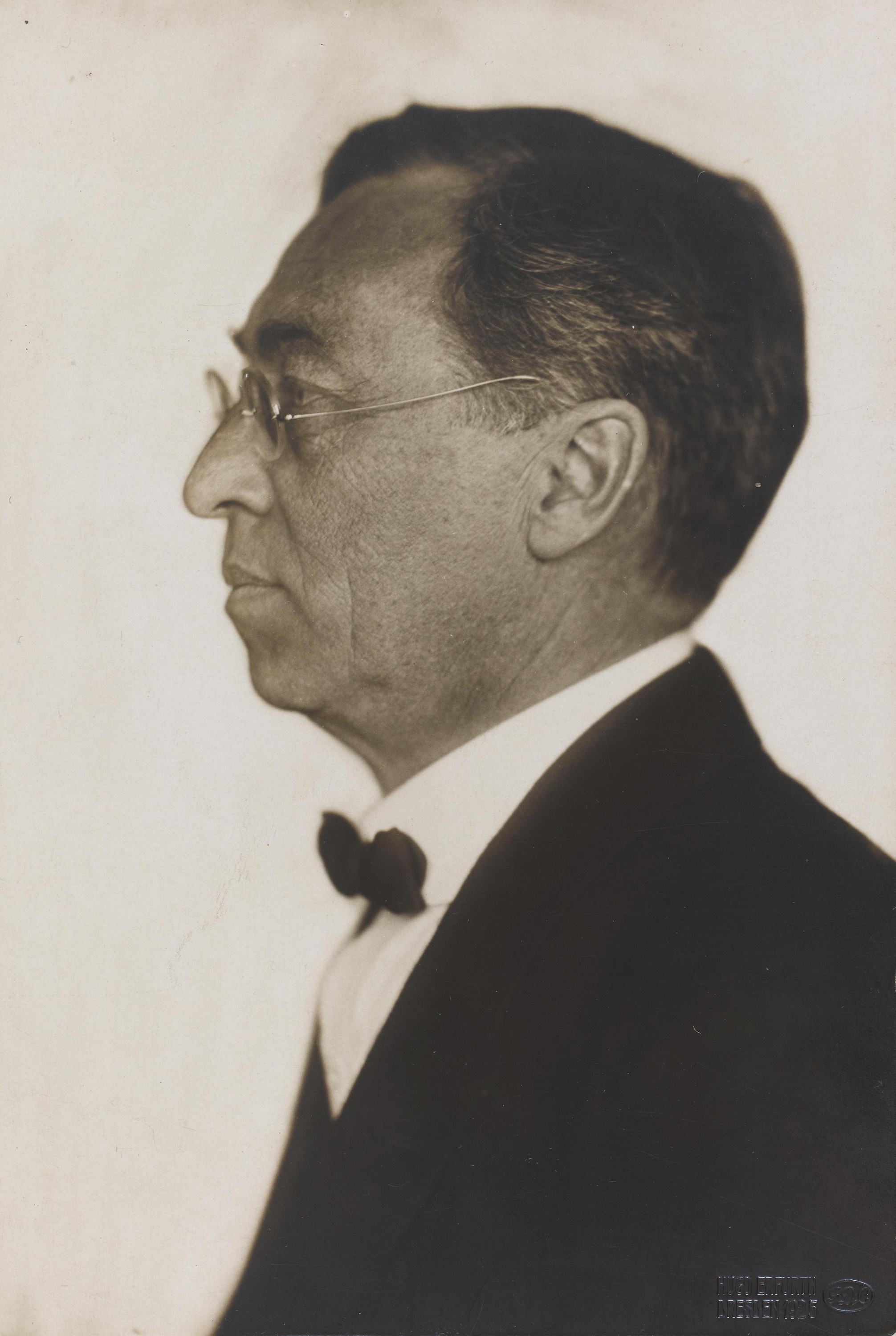
Wassily Kandinsky
Cine a fost Vasili Kandinski (Wassily Kandinsky)? Un pionier al artei abstracte: Der Blaue Reiter, culoarea ca muzică, Compoziția VIII și Câteva cercuri.
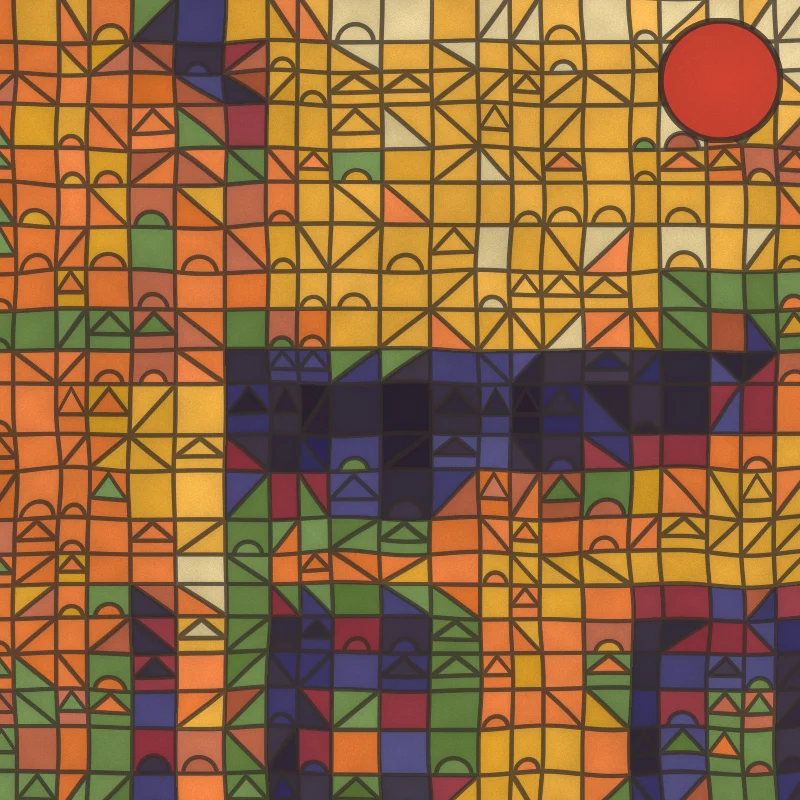
Filtru foto Paul Klee - pătrate magice, castele și linii
Transformă o fotografie într-o pictură în stilul lui Paul Klee în browser: pătrate magice de culoare, plăci Castel și soare, puncte Ad Parnassum, o linie la plimbare sau acuarele tunisiene.
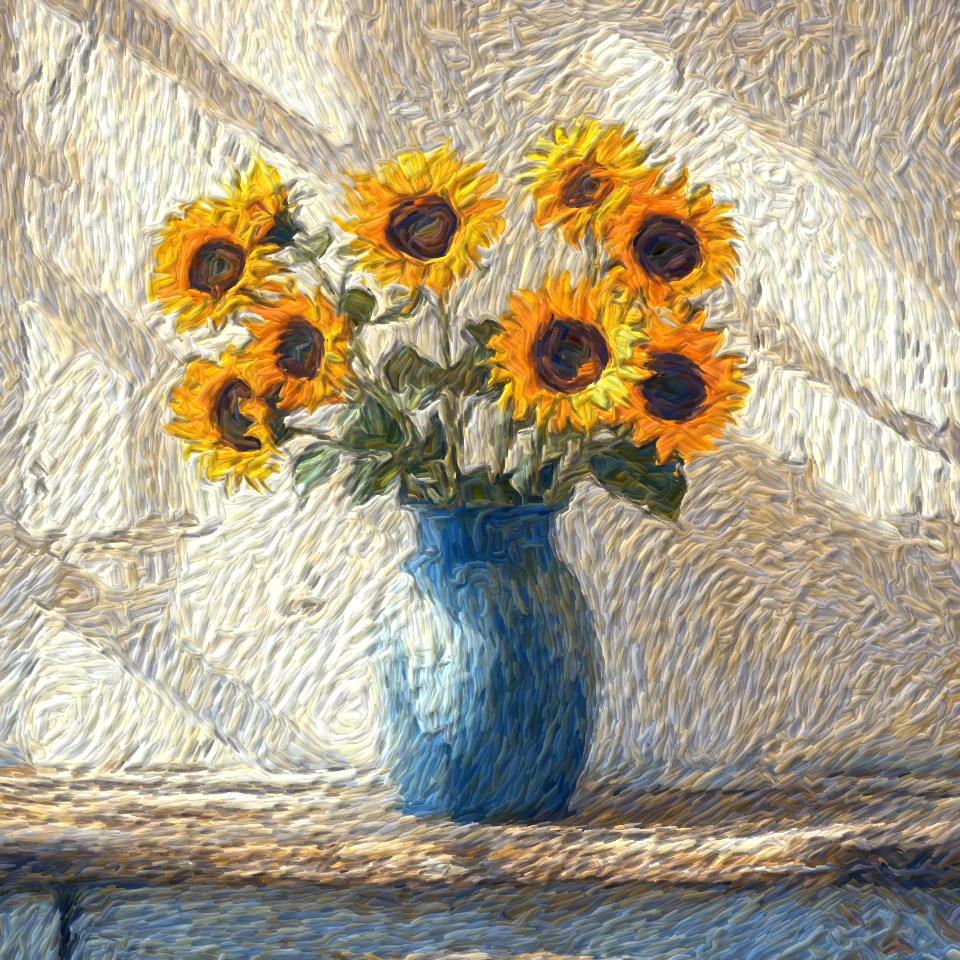
Pictează o fotografie în tușe Van Gogh
Transformă o fotografie în tușe învârtite în stil Noaptea înstelată în browser. Un omagiu digital pentru impasto-ul lui Van Gogh—nu o reproducere de muzeu.
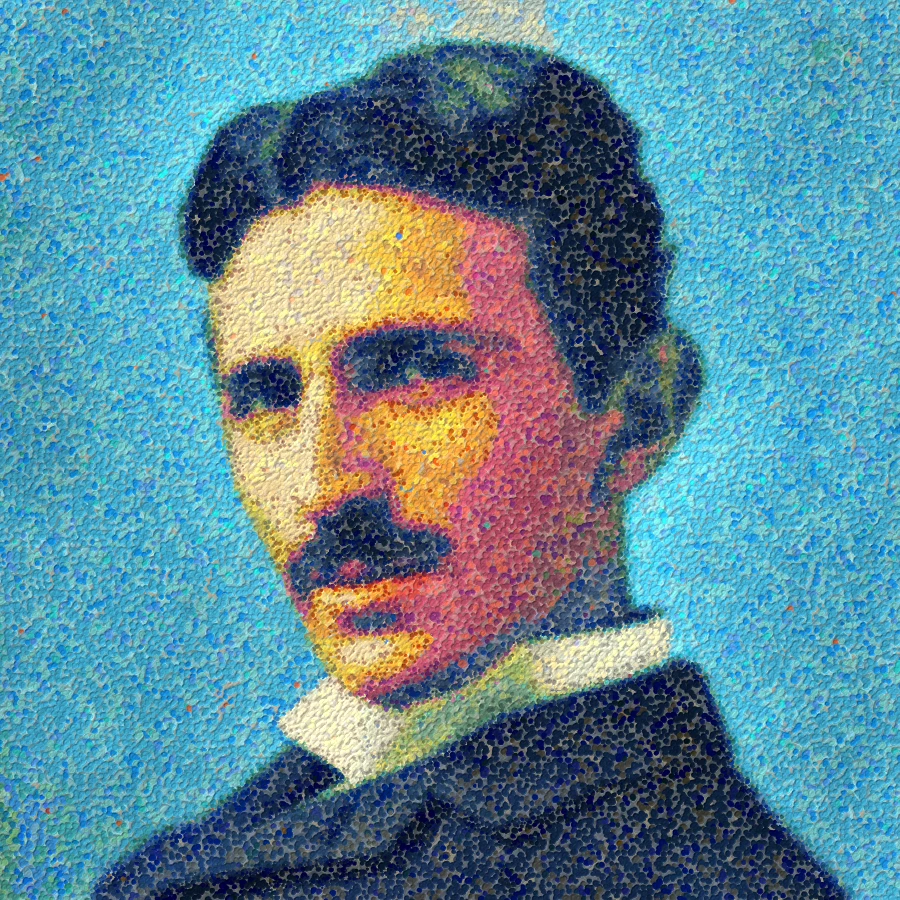
Filtru pointilism
Transformă o poză într-o pictură pointilistă în stilul Seurat, Signac, Cross sau al foviștilor. Alege o paletă, setează Mărime punct și Amestec optic, salvează.
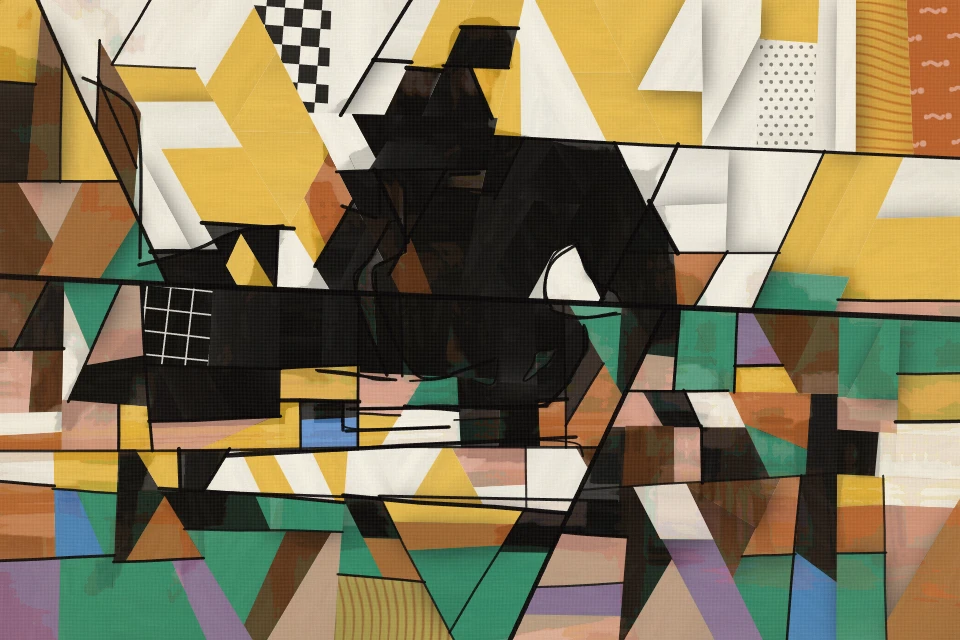
Pablo Picasso și cubismul
Transformă o fotografie în Pablo Picasso și cubism în browser: perioadele albastră și roz, cubismul analitic sau sintetic, un portret cubist, papier collé, cubism cristal, portretele fragmentate ale Femeii plângând sau cioburile alb-negru din Guernica.
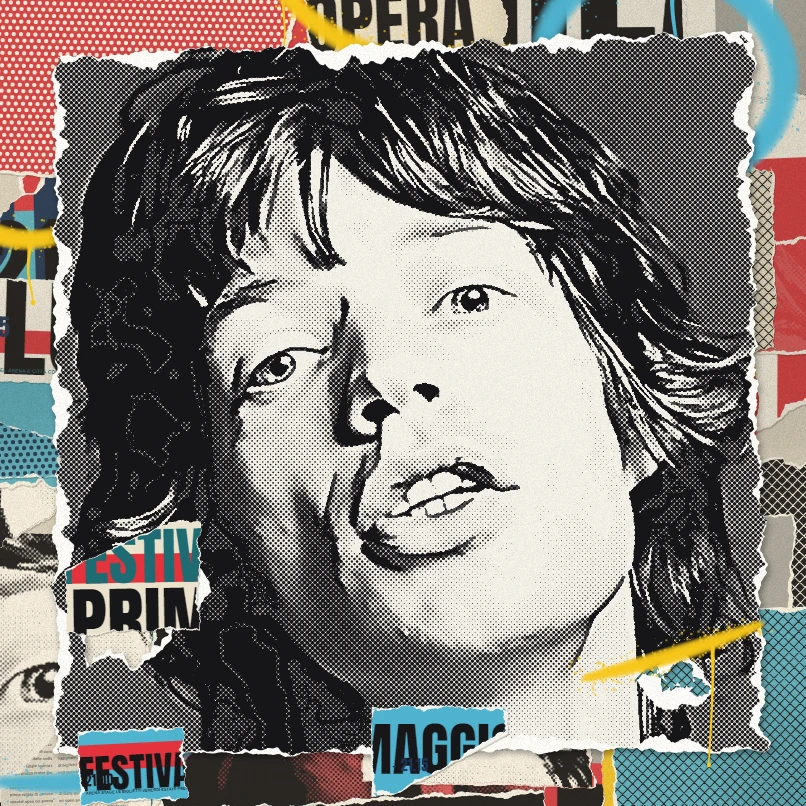
Filtru foto pop art
Transformă o fotografie în pop art în browser: un afiș pop retro, un model pop, un portret WPAP din fațete în culorile curcubeului, un colaj stradal, stropi de cerneală, foiță de aur, o siluetă, raze de soare sau o grilă de embleme pop.
Efecte artistice
Transformă fotografiile cu pictură în ulei, acuarelă, creion, cerneală de benzi desenate, pasteluri, decupaje din hârtie și alte stiluri artistice de studio.
Ești gata să încerci?
Deschide PictorX în browser – fără instalare și fără card de credit.
Mergi la editor