
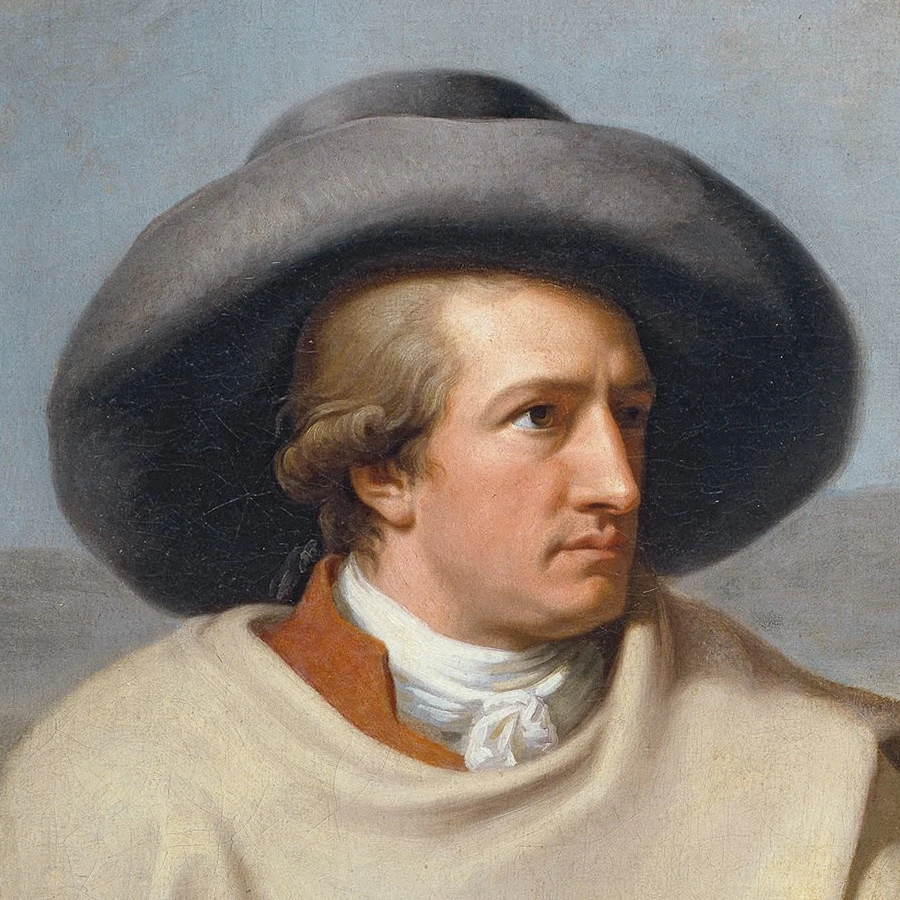
حوّل صورة إلى قصاصات ماتيس أو ألوانه الوحشية أو خط واحد انسيابي — اختر النمط ولوحة الألوان، ثم اضبط حجم الأشكال.
امرأة بقبعة – هنري ماتيس والوحشية
Matisse simplified the world into a few flat, singing shapes, and in 1905 he led the Fauves—the “wild beasts” who set colour free from nature. This app follows both: it reduces your photo to a handful of colour shapes and cuts them from painted paper, sets them in a red room or draws them with a single brush line, or repaints it in the bold, arbitrary colour of Matisse, Derain and Vlaminck, with cool shadows, hot lights and visible strokes. All processed on-device. حوّل صورة إلى قصاصات ماتيس أو ألوانه الوحشية أو خط واحد انسيابي — اختر النمط ولوحة الألوان، ثم اضبط حجم الأشكال.
كيف يعمل
- Open PictorX in your browser and load a photo — portraits, landscapes and still lifes with a few clear shapes work best.
- Pick a Style—Matisse's Cut-Outs, Fauve, Harmony in Red or Line Drawing, or the Fauvism styles Woman with a Hat, Collioure, London or Vlaminck—and a Palette, then adjust Shape Size, Colors, Ornaments and Line Work for Matisse, or Brush Size, Color Boldness, Brushwork and Outlines for Fauvism.
- Export the picture, or keep editing with layers and other effects in the same workspace.
From Fauve colour to the cut-outs in one app
The Style list holds two effects. Henri Matisse follows the painter through his whole career, from Fauve colour and the red room of 1908 to his line drawings and the paper cut-outs of his last years. Fauvism follows the movement he led in 1905 with André Derain and Maurice de Vlaminck, with styles after each of them; pick one of its styles and the panel switches to its own sliders.
Why few, flat shapes read as Matisse
Matisse spent his life simplifying: fewer colours, larger areas, firmer outlines. The filter groups your photo into a handful of colour shapes and smooths every outline into a calm curve, so the picture keeps its composition while losing photographic detail. Colors sets how many shapes there are; Shape Size sets how simple their outlines become.
Four Matisse styles and six palettes
Cut-Outs cuts the shapes from gouache-painted paper with scissor-like edges and scatters seaweed and leaf forms on the ground, as in Jazz and the late cut-outs. Fauve paints in broad strokes of arbitrary colour, after Woman with a Hat (1905). Harmony in Red sets the shapes in a flat red room with dark-blue arabesques, after The Dessert: Harmony in Red (1908), and Line Drawing reduces everything to a few fluent brush lines. Palettes: Photo, Jazz, Blue Nudes, Fauve, Harmony in Red and Nice.
Four Fauve painters
Woman with a Hat follows Matisse's scandalous portrait of 1905: broad patches of arbitrary colour, green and violet shadows across the face and loose blue-green contours. Collioure follows the summer Matisse and André Derain spent in that harbour, building pictures from separate dabs of pure colour with the canvas showing between them. London follows Derain's views of the Thames, with flat complementary blocks, horizontal broken strokes and dark outlines, and Vlaminck lays on long, thick, swirling strokes of hot reds, oranges and blues.
Colour that describes feeling, not nature
Color Boldness sets how far the colours depart from the photo: at low values the photo's own hues are simply intensified; at high values every zone receives an arbitrary Fauve colour, lights turn warm and shadows cool and complementary. Palette chooses the pigments—Fauve for each painter's own colours, Photo to keep your hues, Hot, Cool, or Complementary to flip every colour to its opposite. Brush Size, Brushwork and Outlines control the stroke size, how loose the hand is, and the weight of the painted contours.
Privacy and keep editing
Processing stays in your browser—photos are not uploaded to PictorX servers for this filter. After Henri Matisse and Fauvism, continue with layers, text, Kandinsky, Paul Klee, Vincent van Gogh, Pointillism, or export.
الأسئلة المتداولة
ماذا يفعل تطبيق هنري ماتيس والوحشية؟
يحوّل الصورة إلى لوحة على طريقة هنري ماتيس: قصاصات ورقية، أو ألوان وحشية، أو «تناغم بالأحمر»، أو رسم خطي، أو يعيد رسمها بالألوان الجامحة الاعتباطية للوحشيين الذين قادهم: «امرأة بقبعة» لماتيس، أو «كوليور»، أو «لندن» لديران، أو فلامينك. وهو مبني من أشكال صورتك نفسها، لا نسخة من لوحة في متحف.
ما الوحشية؟
حركة قصيرة العمر امتدت نحو 1905–1908، استخدمت ألوانًا نقية غير طبيعية للتعبير عن المشاعر لا لوصف الأشياء. وفي صالون الخريف في باريس عام 1905 سمّى الناقد لوي فوكسيل رساميها «fauves»، أي الوحوش.
ما الأنماط الوحشية المضمّنة؟
«امرأة بقبعة»، مستوحى من بورتريه ماتيس عام 1905؛ و«كوليور»، مستوحى من الصيف الذي قضاه ماتيس وأندريه ديران في ذلك الميناء؛ و«لندن»، مستوحى من مناظر ديران لنهر التايمز؛ و«فلامينك» بضرباته الكثيفة الحارة. ولكل منها شرائح تمرير خاصة، هي «حجم الفرشاة» و«جرأة اللون» و«ضربات الفرشاة» و«الحدود»، ولوحات الألوان «الوحشية» و«صورة» و«حار» و«بارد» و«متكامل».
هل هذه لوحة حقيقية لماتيس أو ديران؟
لا. إنها تحية رقمية لصورك. أما أعمال ماتيس نفسه فموجودة في متاحف مثل مركز بومبيدو في باريس ومتحف ماتيس في نيس ومتحف الفن الحديث في نيويورك، بينما تُعرض اللوحات الوحشية لديران وفلامينك في متاحف ومجموعات حول العالم.
ما الصور الأنسب؟
الصور التي فيها أشكال كبيرة وواضحة قليلة: تناسب الصور الشخصية «رسم خطي» و«الوحشية» و«امرأة بقبعة»، وتناسب المناظر الطبيعية والنباتات «قصاصات ورقية» و«كوليور»، وتناسب المدن والأنهار «لندن»، وتناسب الأشجار والقرى «فلامينك»، وتناسب المشاهد الداخلية أو الطبيعة الصامتة «تناغم بالأحمر». والصور ذات الضوء والظل الواضحين تعطي أقوى الألوان الوحشية.
هل يمكنني متابعة التحرير بعد تطبيق هنري ماتيس والوحشية؟
نعم. تابع العمل بالطبقات والنصوص والأنماط الفنية الأخرى، أو صدّر النتيجة من مساحة عمل PictorX نفسها.
الأدوات ذات الصلة
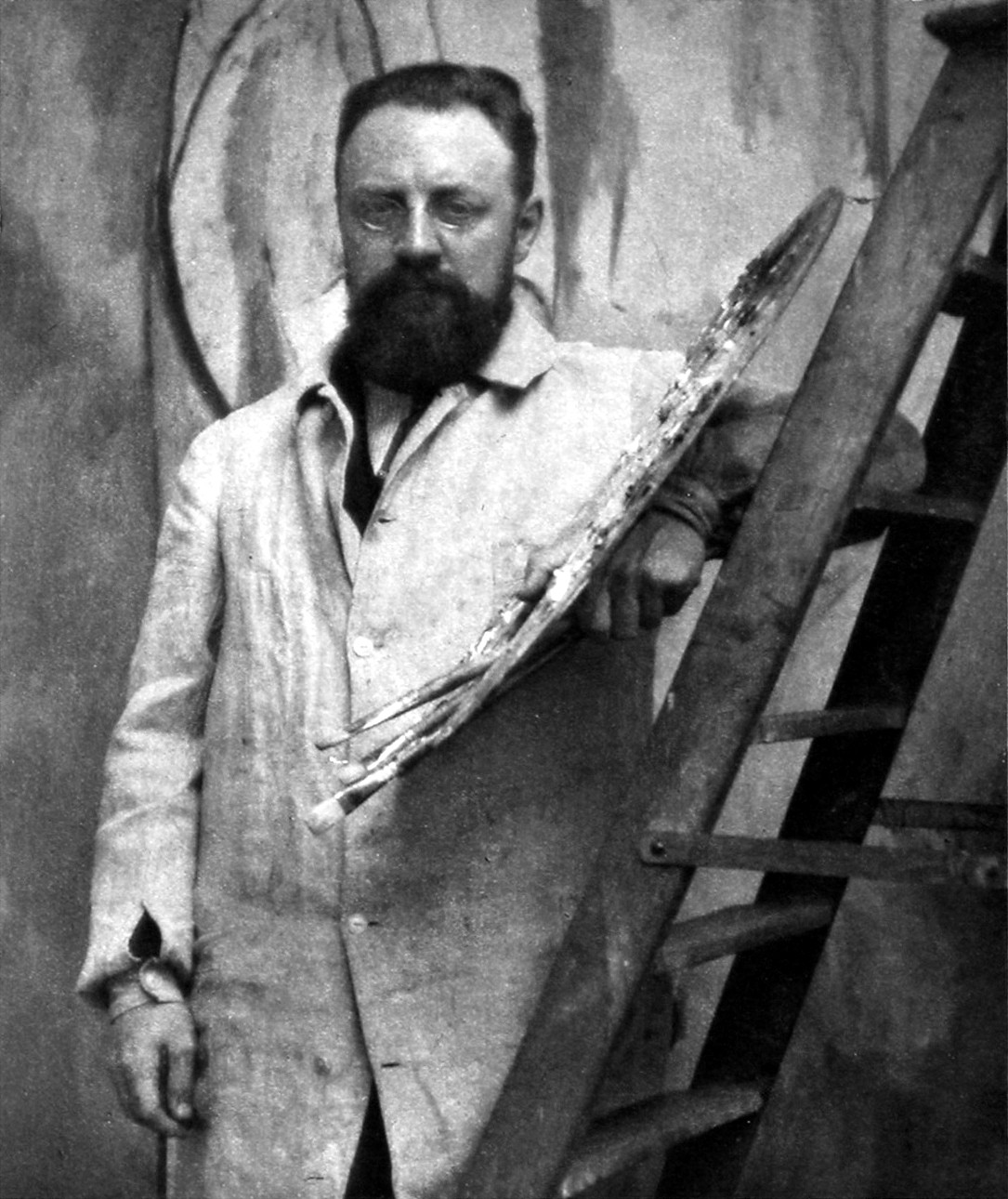
هنري ماتيس
من هو هنري ماتيس؟ من كاتب محاماة إلى رسام، والوحشيون عام 1905، و«تناغم بالأحمر» و«الرقص»، وسنوات نيس، ورسوم الخط الواحد، والقصاصات الورقية.
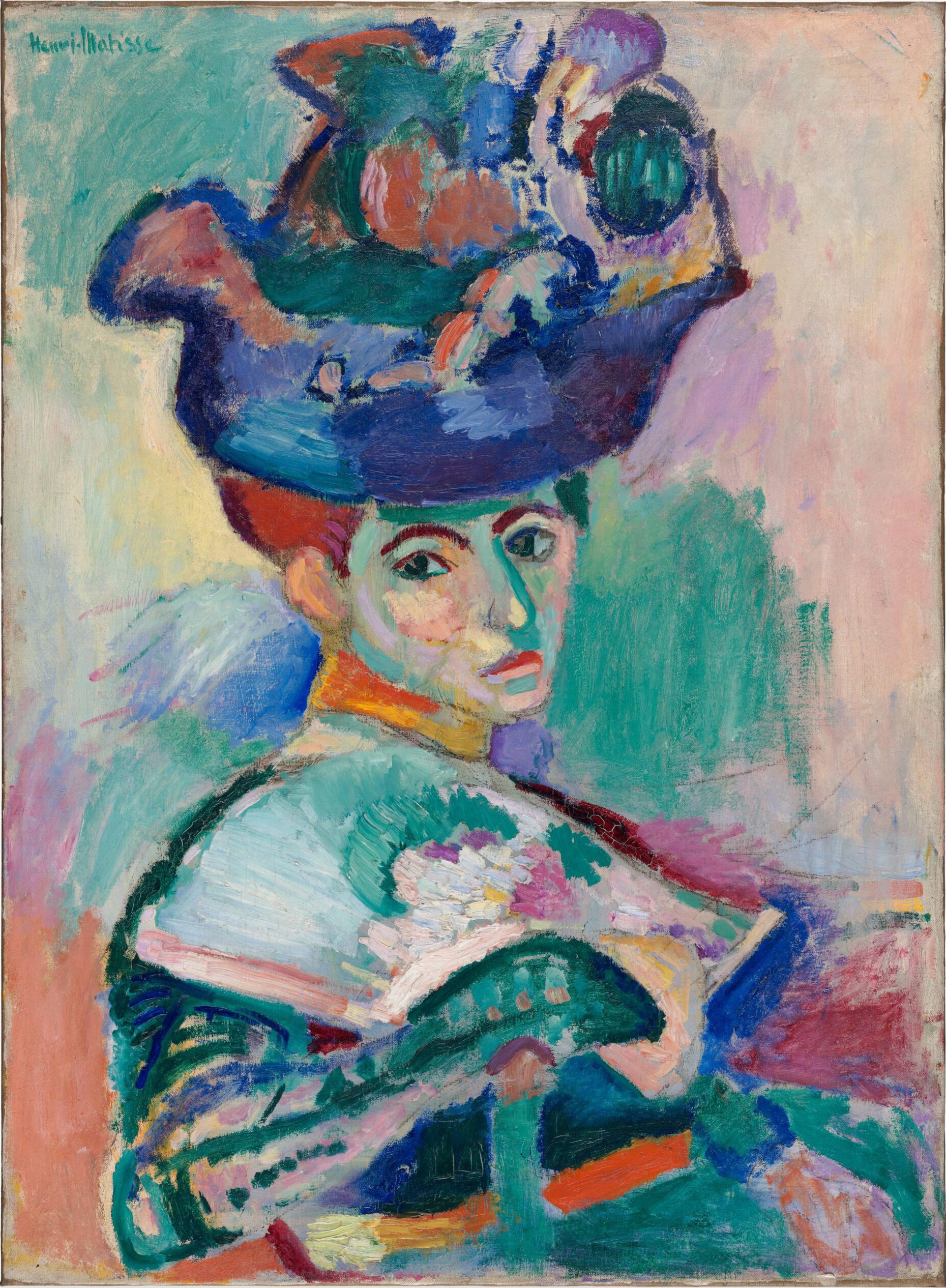
الوحشية
ما هي المدرسة الوحشية؟ «وحوش» عام 1905 الذين رسموا بألوان نقية زاهية: جذورها لدى فان غوخ وغوغان، وماتيس وديران في كوليور، وأهم اللوحات.
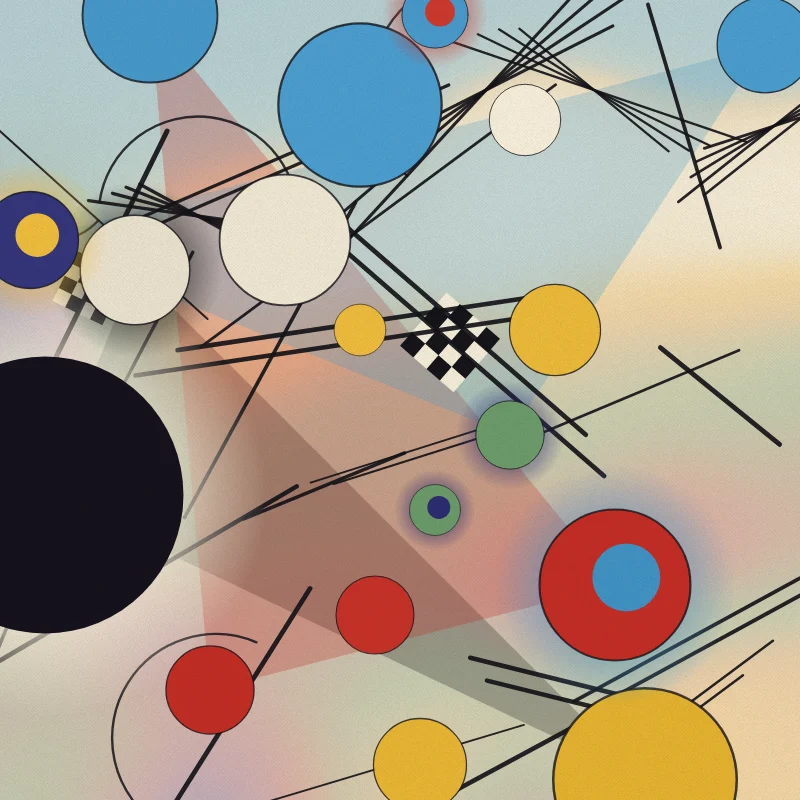
مرشح صور كاندينسكي - دوائر وخطوط وألوان
حوّل صورة إلى تجريد على طريقة فاسيلي كاندينسكي في متصفحك: دوائر وخطوط تكوين VIII، ومربعات بدوائر متحدة المركز، وعدة دوائر على الأسود، أو ارتجال حر.
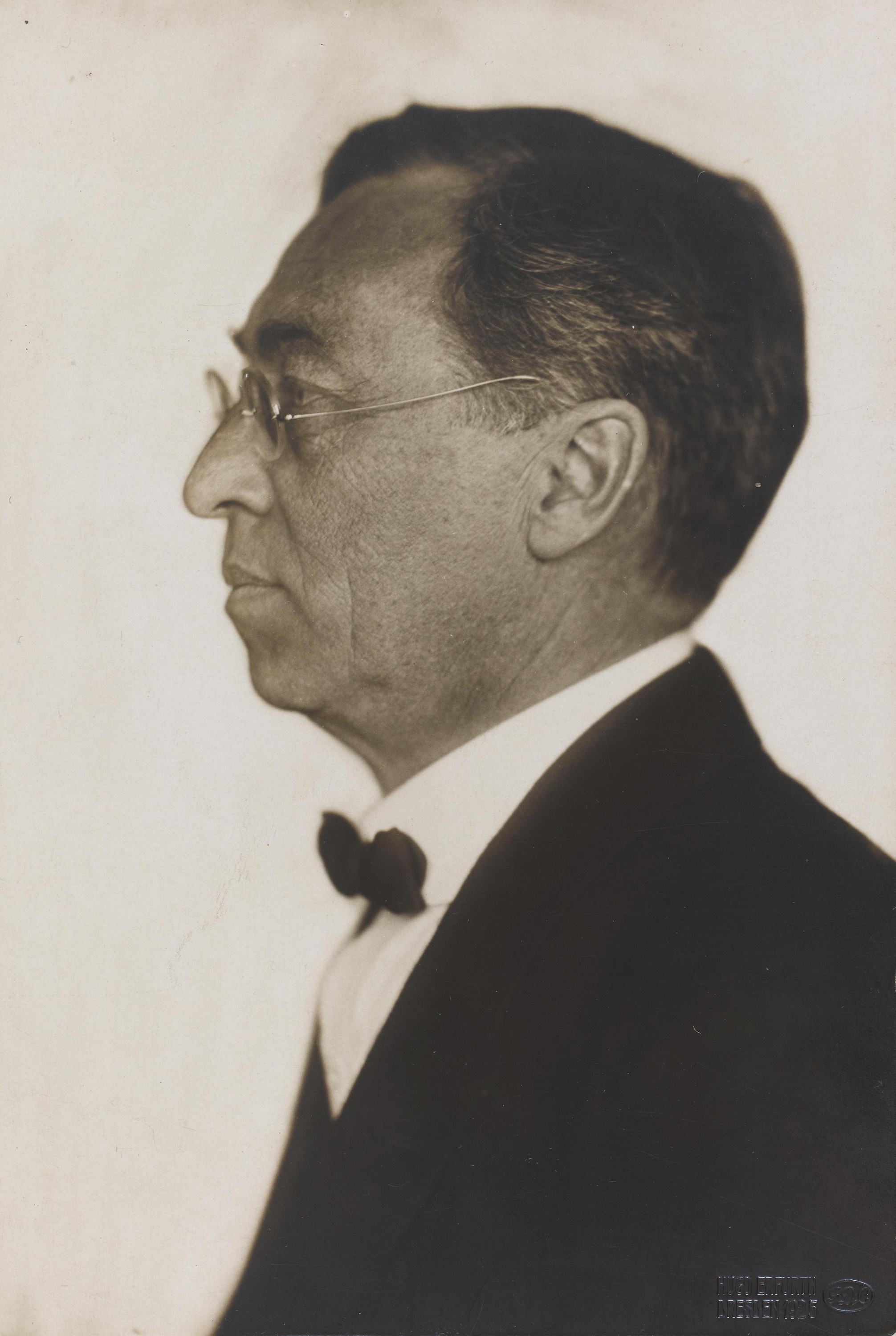
فاسيلي كاندينسكي
من هو فاسيلي كاندينسكي؟ رائد الفن التجريدي: جماعة الفارس الأزرق، واللون كموسيقى، و«مربعات بدوائر متحدة المركز»، و«تكوين VIII»، و«عدة دوائر».
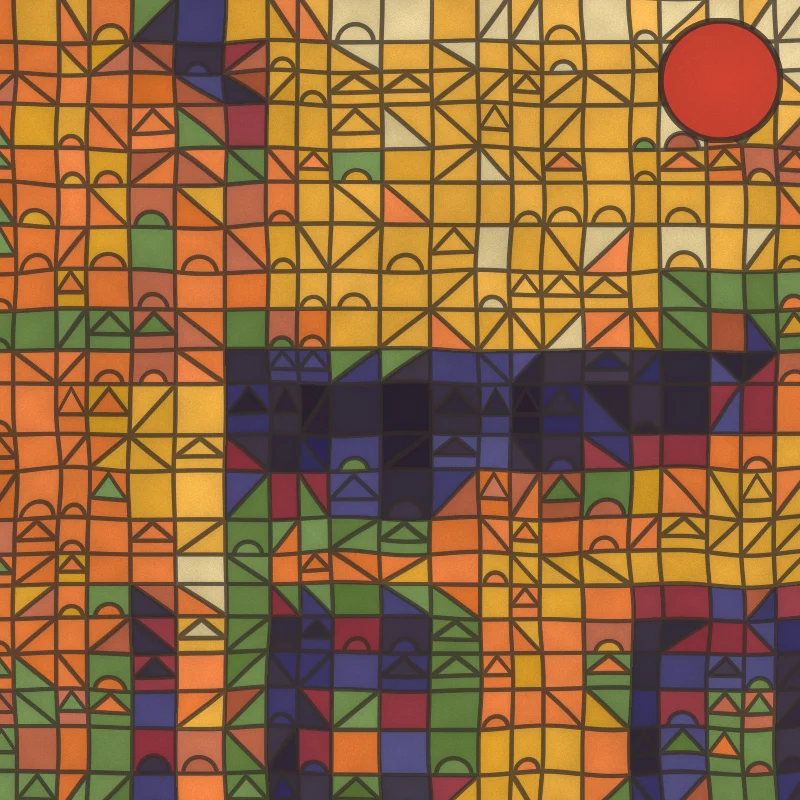
مرشح صور بول كلي - مربعات سحرية وقلاع وخطوط
حوّل صورة إلى لوحة على طريقة بول كلي في متصفحك: مربعات لونية سحرية، بلاطات القلعة والشمس، نقاط Ad Parnassum، خط يتنزه، أو ألوان مائية تونسية.
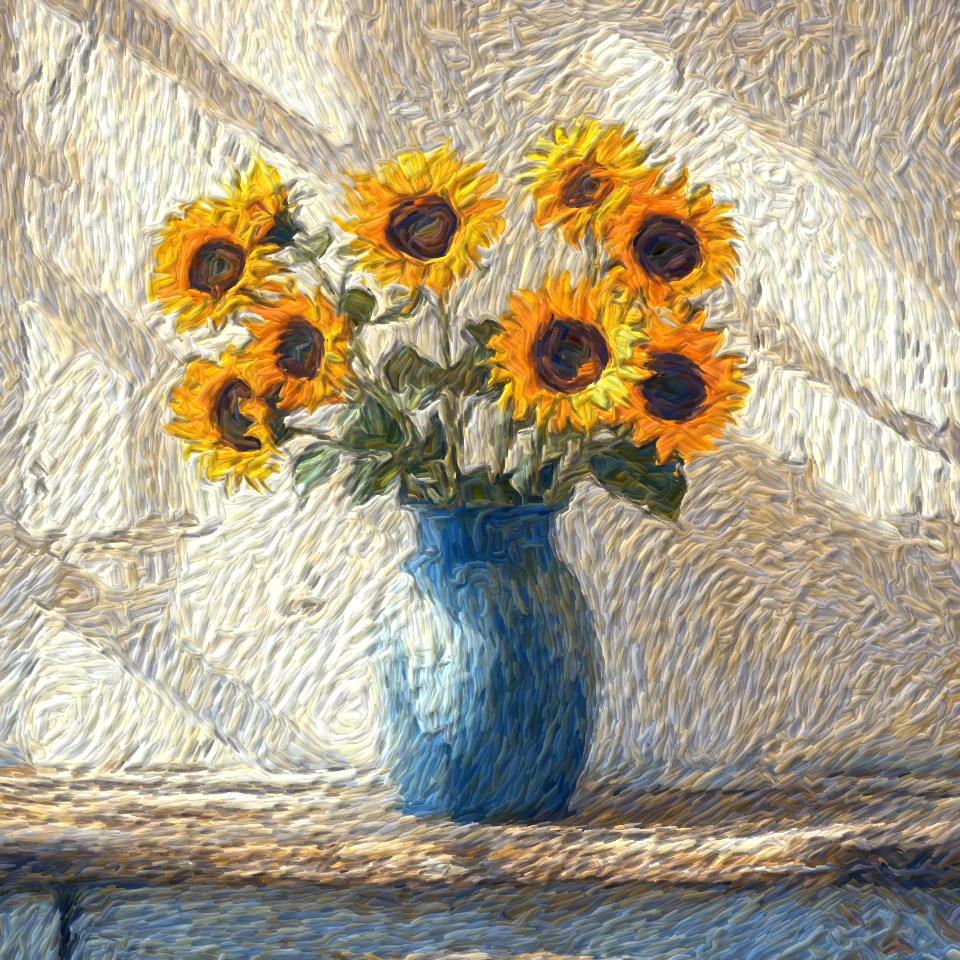
ارسم صورة بضربات فرشاة فان جوخ
حوّل صورة إلى ضربات فرشاة دوّارة بأسلوب ليلة النجوم في متصفحك. إشادة رقمية بإمباستو فان جوخ—وليست نسخة متحفية.
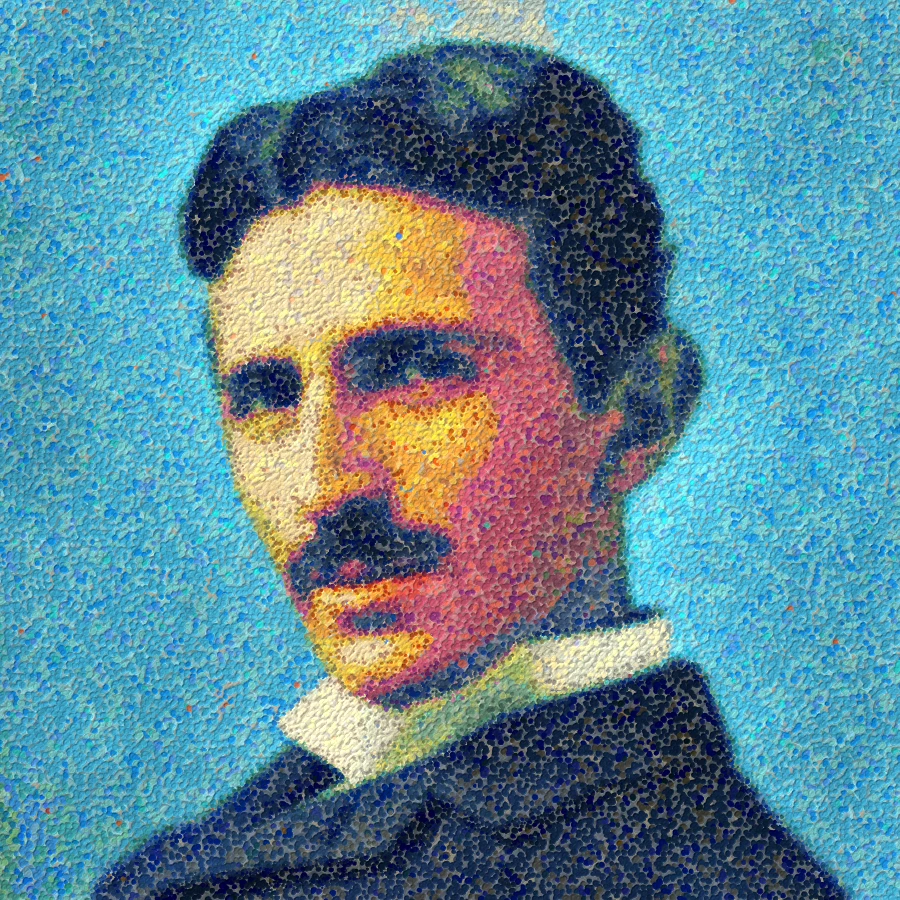
فلتر التنقيطية
حوّل صورة إلى لوحة تنقيطية بأسلوب سورا أو سينياك أو كروس أو الوحشيين. اختر لوحة ألوان، واضبط «حجم النقاط» و«المزج البصري»، ثم احفظ.
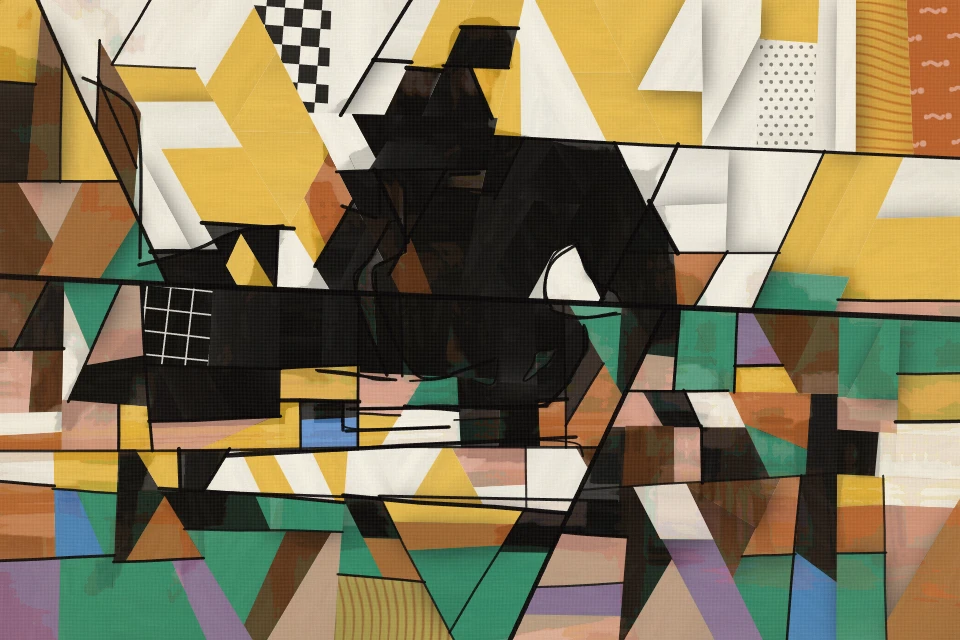
بابلو بيكاسو والتكعيبية
حوّل صورة إلى بابلو بيكاسو والتكعيبية في متصفحك: المرحلتان الزرقاء والوردية، والتكعيبية التحليلية أو التركيبية، وبورتريه تكعيبي، والورق الملصق، والتكعيبية البلورية، والبورتريهات المتشظية لـ«المرأة الباكية»، أو شظايا «غرنيكا» بالأبيض والأسود.
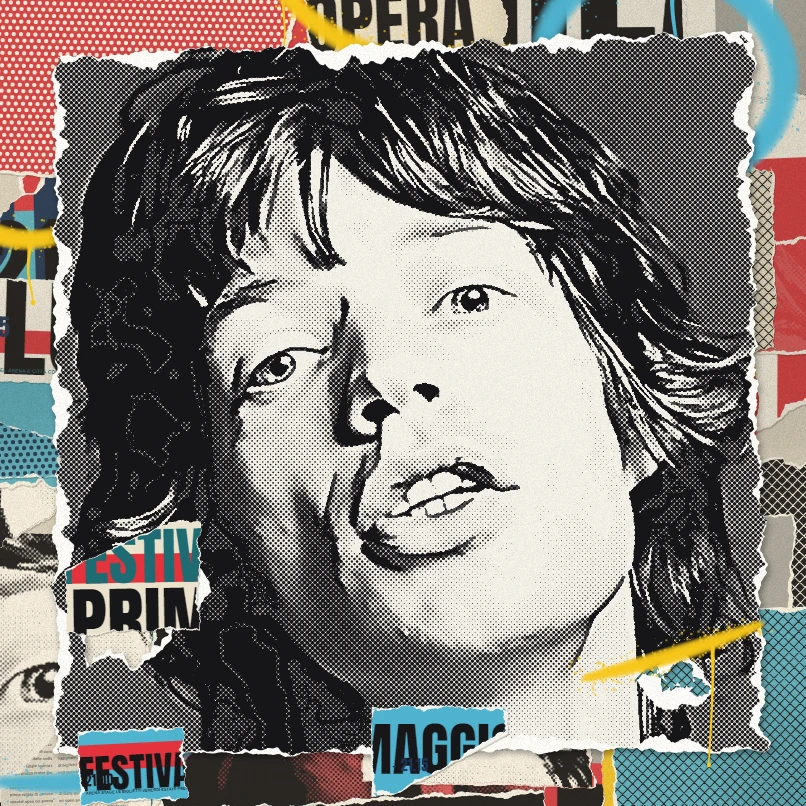
مرشح صور فن البوب
حوّل صورة إلى فن البوب في متصفحك: ملصق ريترو بطابع البوب، أو نقش بوب، أو بورتريه WPAP بأوجه بألوان قوس قزح، أو كولاج الشارع، أو رذاذ حبر، أو ورق الذهب، أو صورة ظلية، أو أشعة الشمس، أو شبكة من رموز البوب.
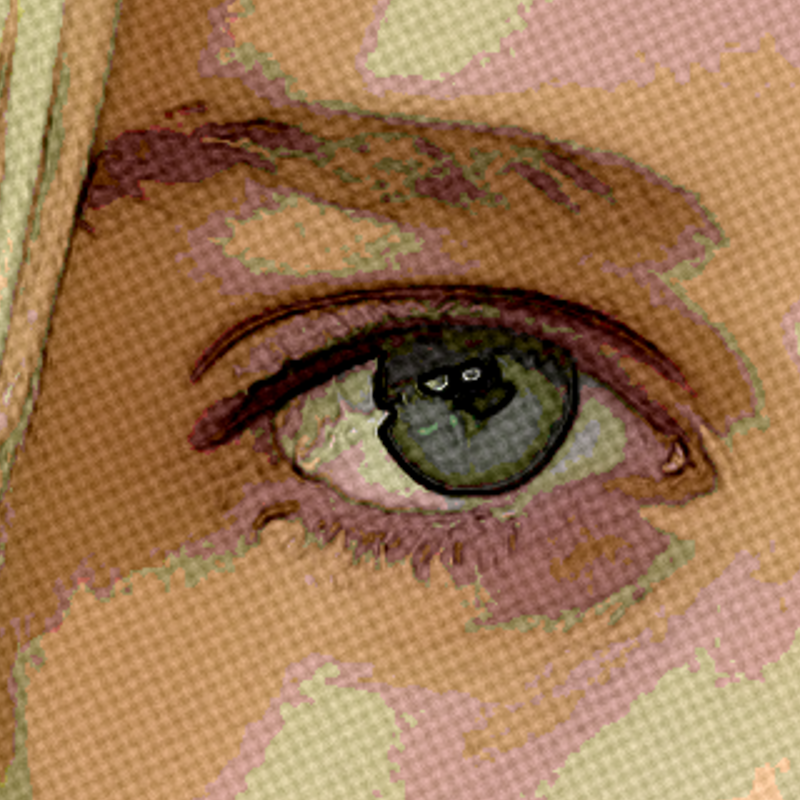
تأثيرات فنية
قم بتحويل الصور باستخدام الرسم الزيتي، والألوان المائية، والقلم الرصاص، وحبر الكوميك، والباستيل، وقصاصات الورق، وغيرها من مظاهر فن الاستوديو.
هل أنت مستعد لتجربتها؟
افتح PictorX في متصفحك - بدون تثبيت، ولا يلزم وجود بطاقة ائتمان للبدء.
الانتقال إلى المحرر