
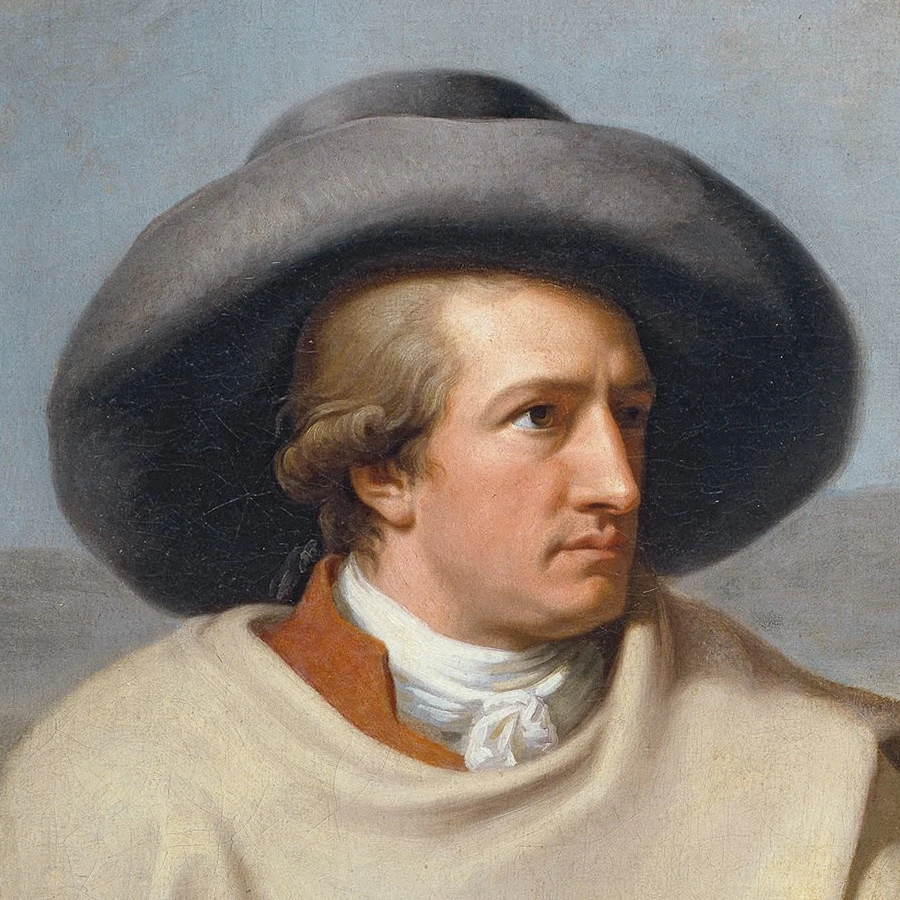
帽子の女 – アンリ・マティスとフォーヴィスム
Matisse simplified the world into a few flat, singing shapes, and in 1905 he led the Fauves—the “wild beasts” who set colour free from nature. This app follows both: it reduces your photo to a handful of colour shapes and cuts them from painted paper, sets them in a red room or draws them with a single brush line, or repaints it in the bold, arbitrary colour of Matisse, Derain and Vlaminck, with cool shadows, hot lights and visible strokes. All processed on-device. 写真をマティスの切り絵、フォーヴの色彩、一本の流れる線に変えます。スタイルとパレットを選び、形のサイズを調整してください。
使い方
- Open PictorX in your browser and load a photo — portraits, landscapes and still lifes with a few clear shapes work best.
- Pick a Style—Matisse's Cut-Outs, Fauve, Harmony in Red or Line Drawing, or the Fauvism styles Woman with a Hat, Collioure, London or Vlaminck—and a Palette, then adjust Shape Size, Colors, Ornaments and Line Work for Matisse, or Brush Size, Color Boldness, Brushwork and Outlines for Fauvism.
- Export the picture, or keep editing with layers and other effects in the same workspace.
From Fauve colour to the cut-outs in one app
The Style list holds two effects. Henri Matisse follows the painter through his whole career, from Fauve colour and the red room of 1908 to his line drawings and the paper cut-outs of his last years. Fauvism follows the movement he led in 1905 with André Derain and Maurice de Vlaminck, with styles after each of them; pick one of its styles and the panel switches to its own sliders.
Why few, flat shapes read as Matisse
Matisse spent his life simplifying: fewer colours, larger areas, firmer outlines. The filter groups your photo into a handful of colour shapes and smooths every outline into a calm curve, so the picture keeps its composition while losing photographic detail. Colors sets how many shapes there are; Shape Size sets how simple their outlines become.
Four Matisse styles and six palettes
Cut-Outs cuts the shapes from gouache-painted paper with scissor-like edges and scatters seaweed and leaf forms on the ground, as in Jazz and the late cut-outs. Fauve paints in broad strokes of arbitrary colour, after Woman with a Hat (1905). Harmony in Red sets the shapes in a flat red room with dark-blue arabesques, after The Dessert: Harmony in Red (1908), and Line Drawing reduces everything to a few fluent brush lines. Palettes: Photo, Jazz, Blue Nudes, Fauve, Harmony in Red and Nice.
Four Fauve painters
Woman with a Hat follows Matisse's scandalous portrait of 1905: broad patches of arbitrary colour, green and violet shadows across the face and loose blue-green contours. Collioure follows the summer Matisse and André Derain spent in that harbour, building pictures from separate dabs of pure colour with the canvas showing between them. London follows Derain's views of the Thames, with flat complementary blocks, horizontal broken strokes and dark outlines, and Vlaminck lays on long, thick, swirling strokes of hot reds, oranges and blues.
Colour that describes feeling, not nature
Color Boldness sets how far the colours depart from the photo: at low values the photo's own hues are simply intensified; at high values every zone receives an arbitrary Fauve colour, lights turn warm and shadows cool and complementary. Palette chooses the pigments—Fauve for each painter's own colours, Photo to keep your hues, Hot, Cool, or Complementary to flip every colour to its opposite. Brush Size, Brushwork and Outlines control the stroke size, how loose the hand is, and the weight of the painted contours.
Privacy and keep editing
Processing stays in your browser—photos are not uploaded to PictorX servers for this filter. After Henri Matisse and Fauvism, continue with layers, text, Kandinsky, Paul Klee, Vincent van Gogh, Pointillism, or export.
よくある質問
アンリ・マティスとフォーヴィスムのアプリは何をしますか?
アンリ・マティスの画風で写真を絵に変えます。切り絵、フォーヴの色彩、『赤の調和』、線画から選べるほか、彼が率いたフォーヴの画家たちの奔放で自由な色で描き直すこともできます。マティスの『帽子の女』、コリウール、ドランのロンドン、ヴラマンクです。どれもあなたの写真自体の形から作られ、美術館の絵画の複製ではありません。
フォーヴィスムとは何ですか?
1905〜1908年ごろの短い運動で、物を描写するためではなく感情を表すために、純粋で不自然な色を使いました。1905年のパリのサロン・ドートンヌで、批評家ルイ・ヴォークセルがその画家たちを「フォーヴ」、つまり野獣と呼びました。
どんなフォーヴのスタイルがありますか?
1905年のマティスの肖像画にならった「帽子の女」、マティスとアンドレ・ドランがその港町で過ごした夏にならった「コリウール」、ドランのテムズ川の風景にならった「ロンドン」、そして厚く熱い筆致の「ヴラマンク」です。それぞれに「ブラシサイズ」「色の大胆さ」「筆致」「輪郭」のスライダーと、「フォーヴィスム」「写真」「ホット」「クール」「補色」のパレットがあります。
これは本物のマティスやドランの作品ですか?
いいえ。あなたの写真のためのデジタルなオマージュです。マティス本人の作品は、パリのポンピドゥー・センター、ニースのマティス美術館、ニューヨーク近代美術館などに所蔵されています。ドランやヴラマンクのフォーヴの絵画は、世界中の美術館やコレクションにあります。
どんな写真が向いていますか?
大きくはっきりした形が少しある写真です。ポートレートは「線画」「フォーヴィスム」「帽子の女」に、風景や植物は「切り絵」と「コリウール」に、街や川は「ロンドン」に、木々や村は「ヴラマンク」に、室内や静物は「赤の調和」に向いています。光と影がはっきりした写真ほど、フォーヴの色が力強く出ます。
「アンリ・マティスとフォーヴィスム」を適用した後も編集を続けられますか?
はい。同じ PictorX のワークスペースで、レイヤー、テキスト、ほかのアート風エフェクトを続けて使ったり、書き出したりできます。
関連ツール
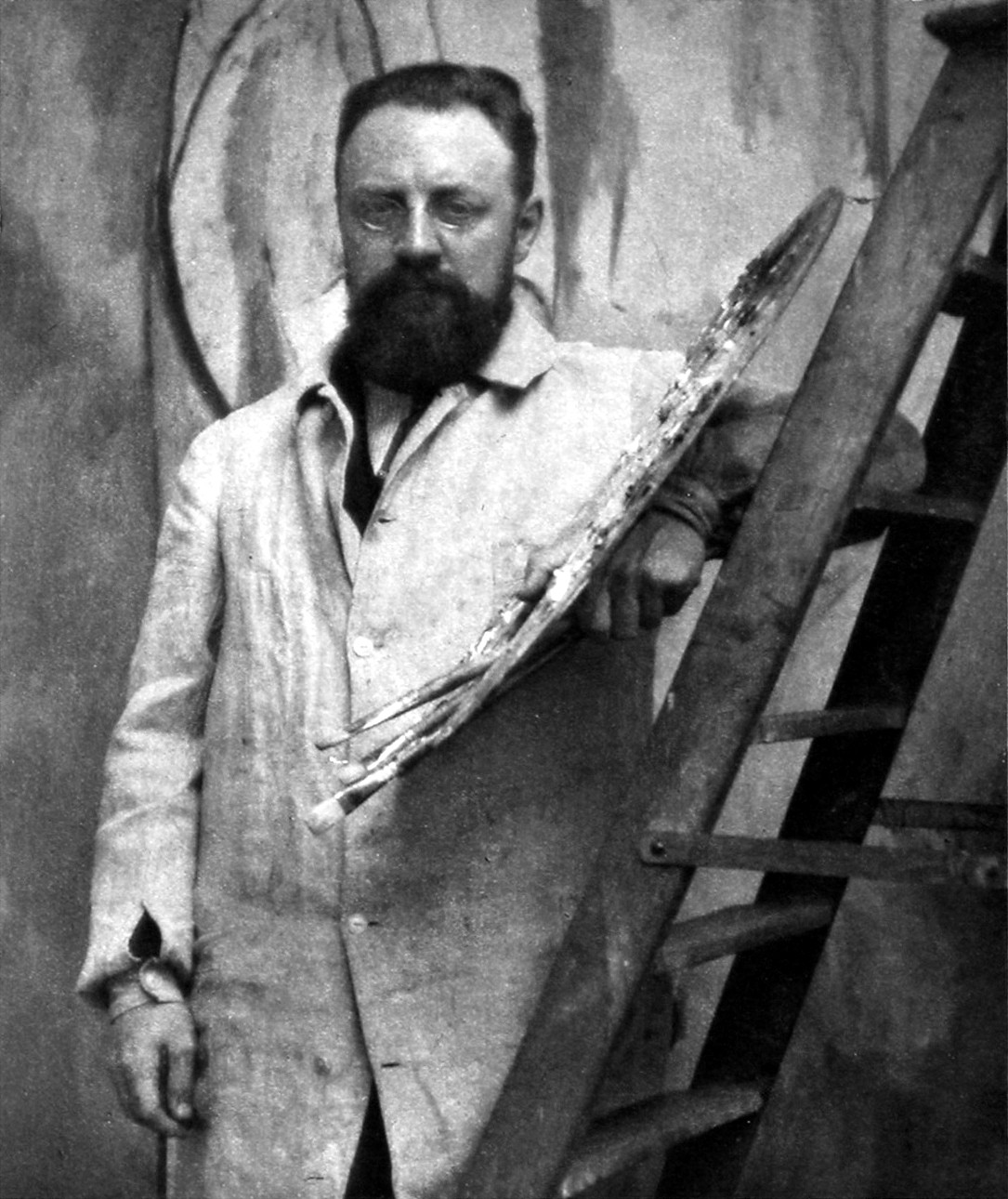
アンリ・マティス
アンリ・マティスとはどんな画家でしょうか?法律事務所の書記から画家へ、1905年のフォーヴ、『赤の調和』と『ダンス』、ニース時代、一筆描きのドローイング、切り絵を解説します。
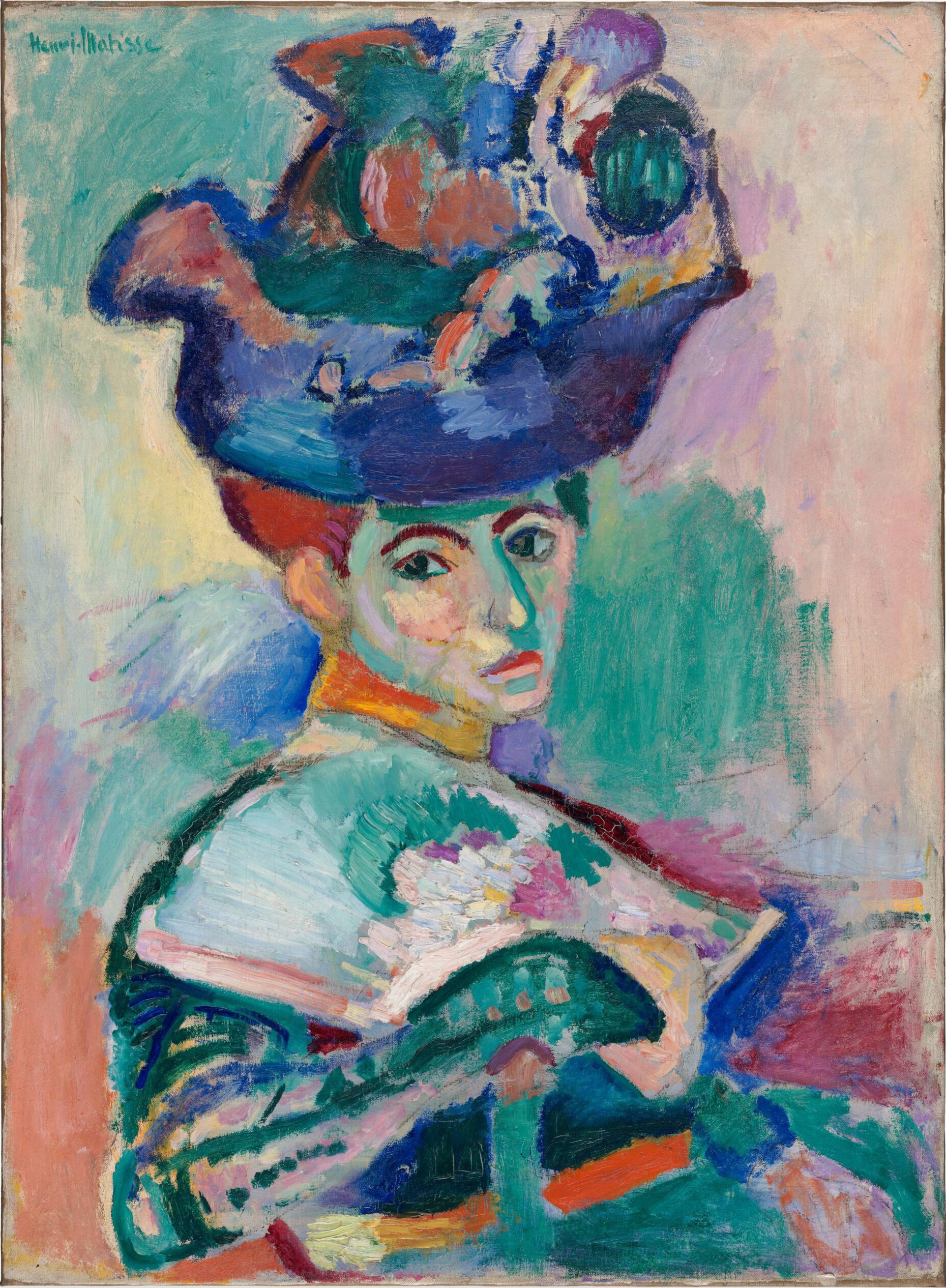
フォーヴィスム
フォーヴィスム(野獣派)とは何だったのでしょうか?純粋で鮮やかな色で描いた1905年の「野獣」たち、ゴッホとゴーギャンに連なる源流、コリウールのマティスとドラン、代表作を解説します。
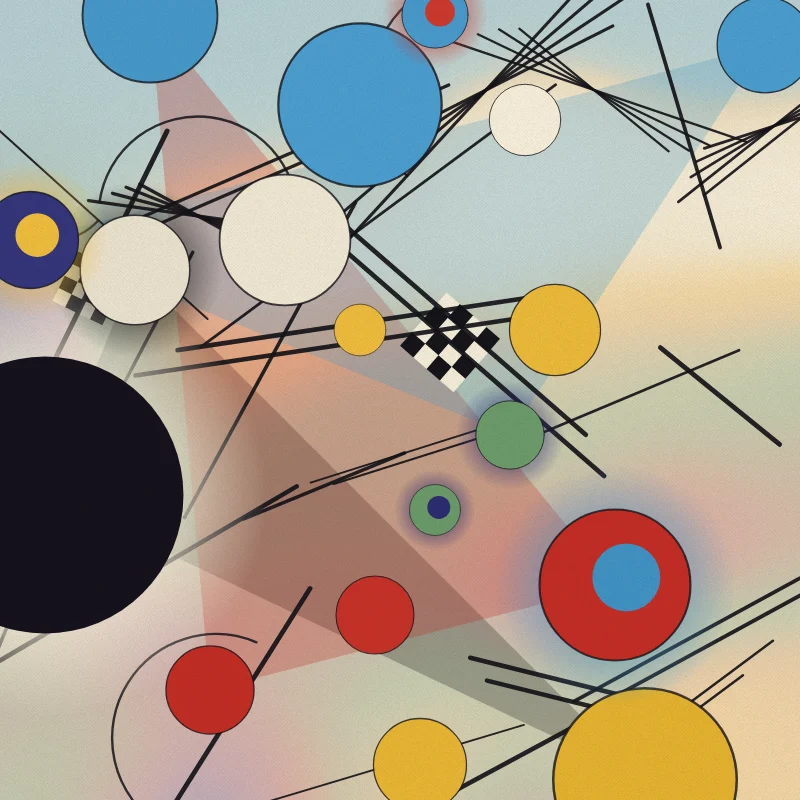
カンディンスキー風フォトフィルター - 円、線、色
ブラウザで写真をワシリー・カンディンスキー風の抽象画に変えます。『コンポジション VIII』の円と線、同心円の正方形、黒地の『いくつかの円』、自由な『インプロヴィゼーション』。
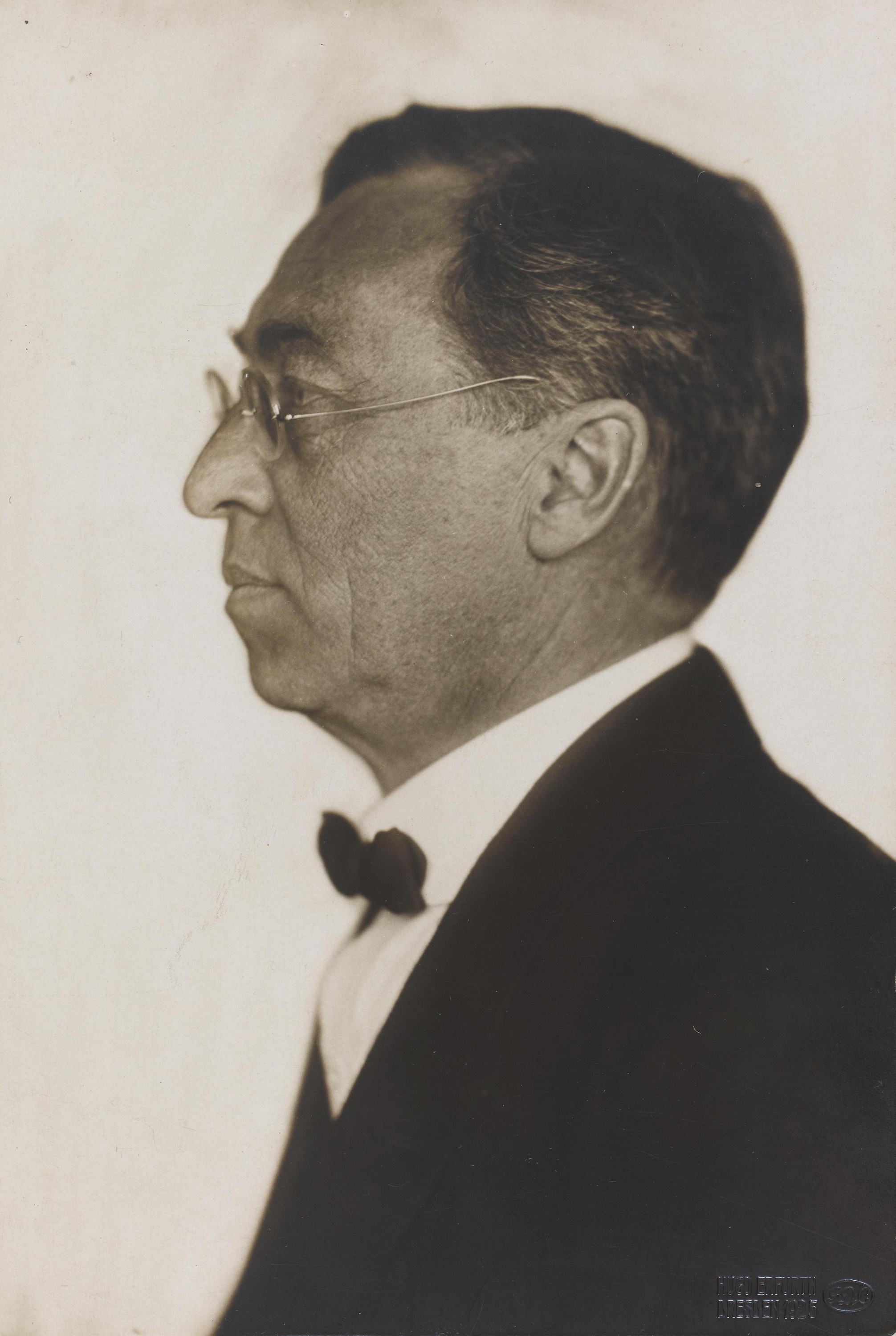
ワシリー・カンディンスキー
ワシリー・カンディンスキーとはどんな画家だったのでしょうか?抽象芸術の先駆者として、青騎士、音楽としての色彩、『同心円の正方形』、『コンポジション VIII』、『いくつかの円』を解説します。
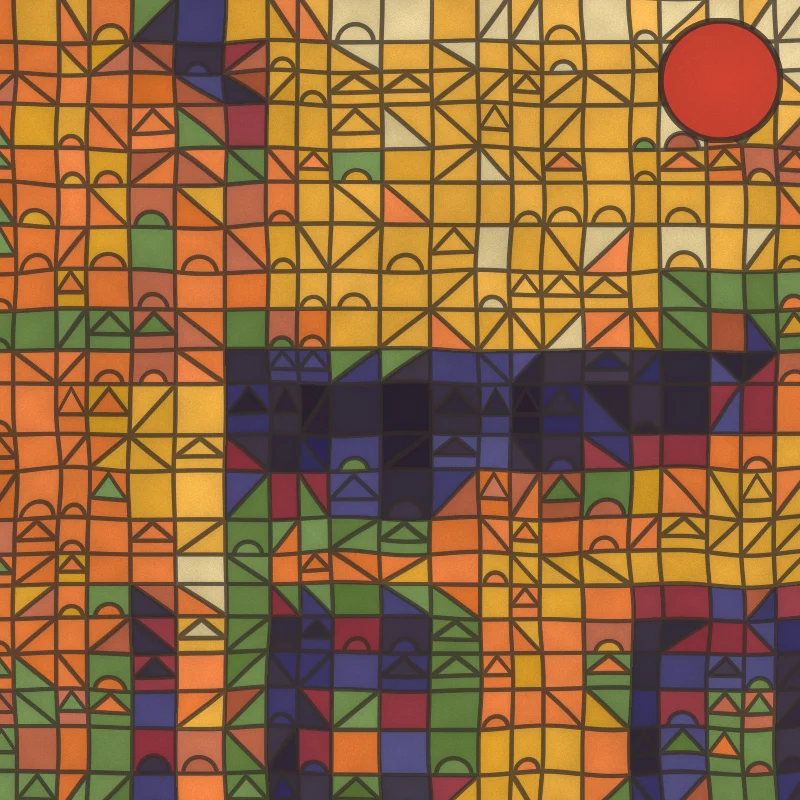
パウル・クレー風フォトフィルター - 魔方陣、城、線
ブラウザで写真をパウル・クレー風の絵画に変えます。色の魔方陣、『城と太陽』のタイル、『パルナッソスへ』の点描、散歩する線、チュニジアの水彩。
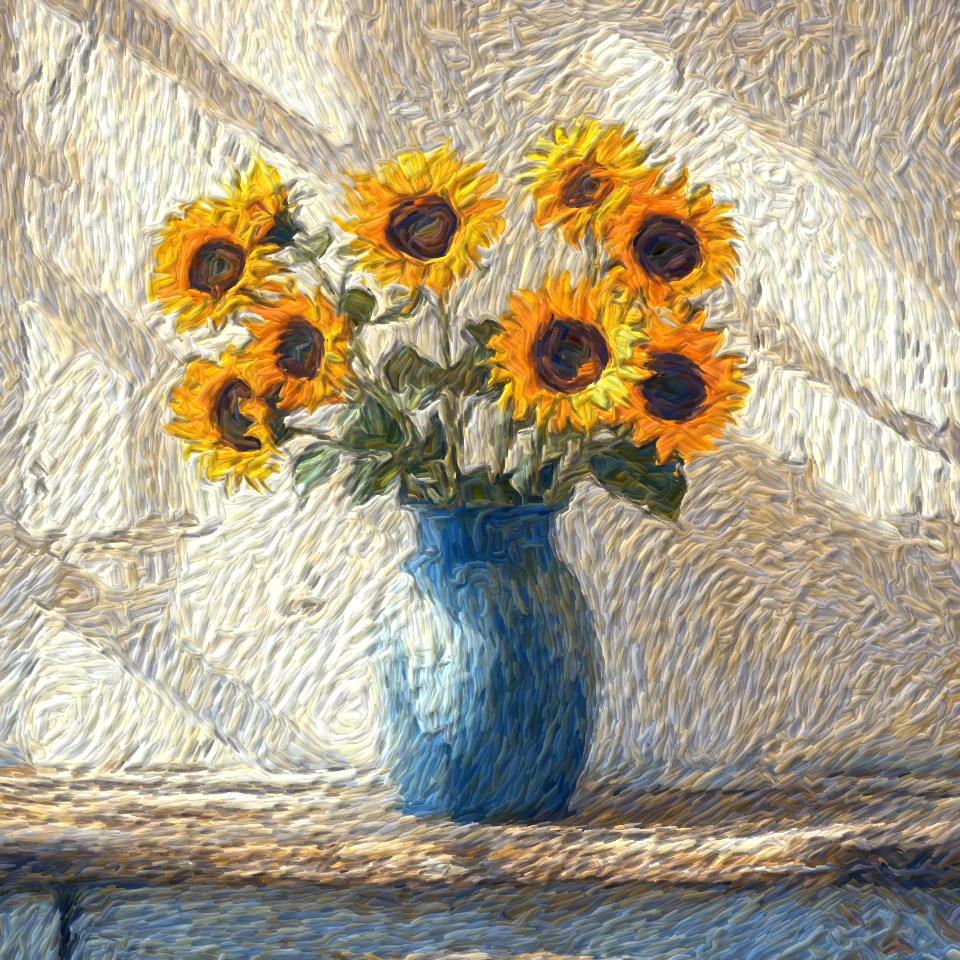
写真をゴッホの筆触で描く
ブラウザで写真を『星月夜』風の渦巻く筆触に。ゴッホのインパストへのデジタルなオマージュであり、美術館の複製ではありません。
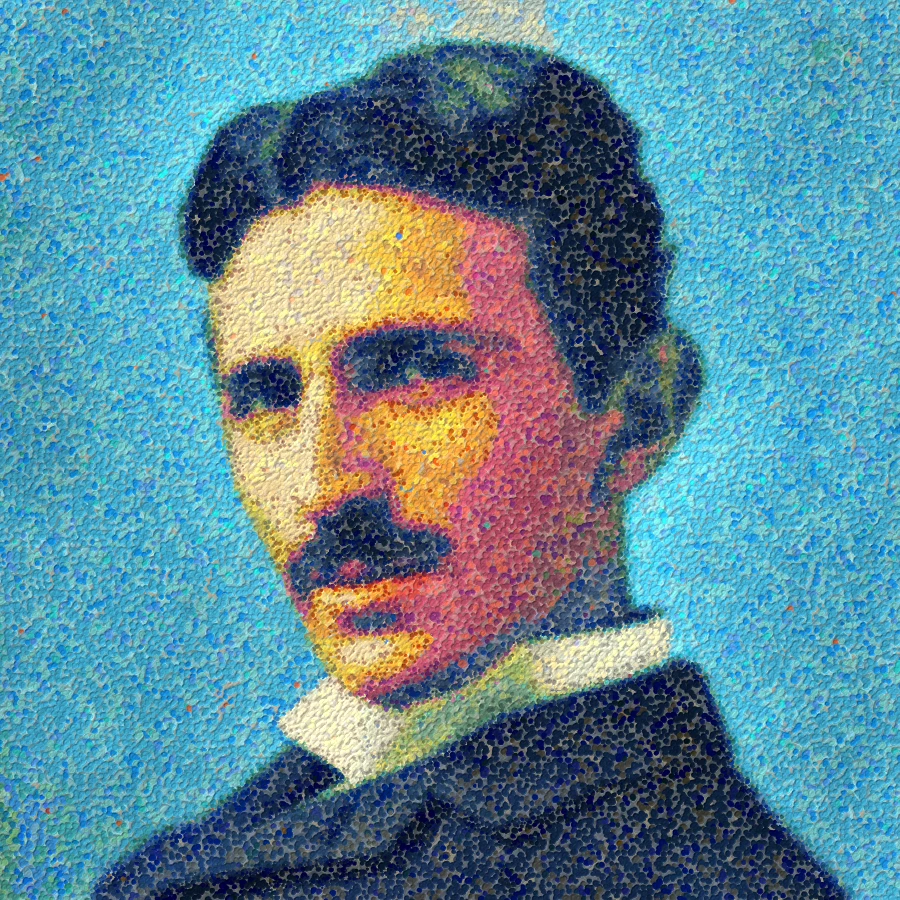
点描画フィルター
写真をスーラ、シニャック、クロス、フォーヴィスム風の点描画に。パレットを選び、ドットサイズと視覚混色を設定して保存できます。
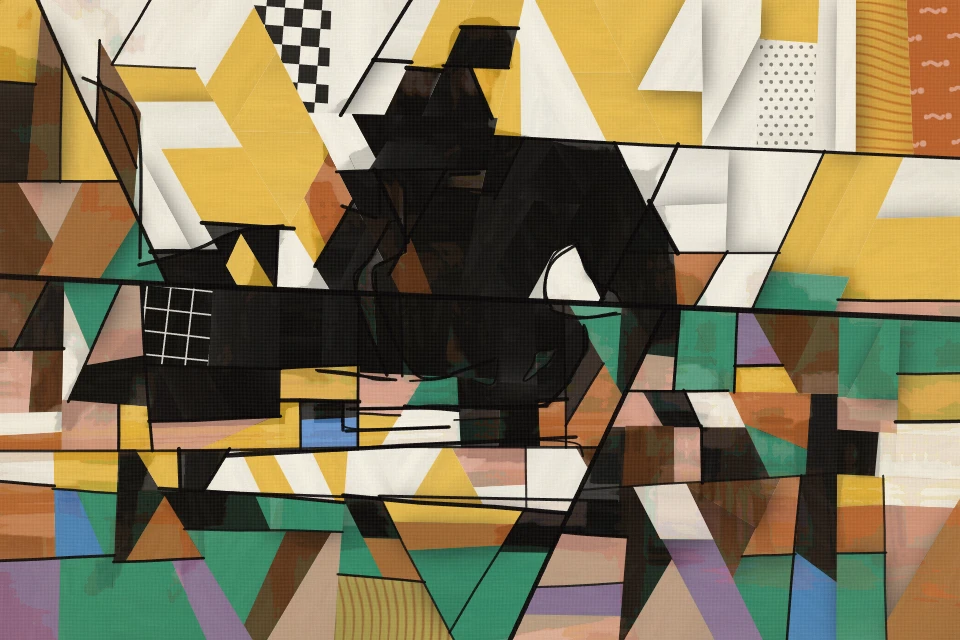
パブロ・ピカソとキュビスム
ブラウザで写真をパブロ・ピカソとキュビスムに変えます。青の時代とバラ色の時代、分析的・総合的キュビスム、キュビスムの肖像、パピエ・コレ、クリスタル・キュビスム、『泣く女』の砕けた肖像、または『ゲルニカ』の白黒の破片。
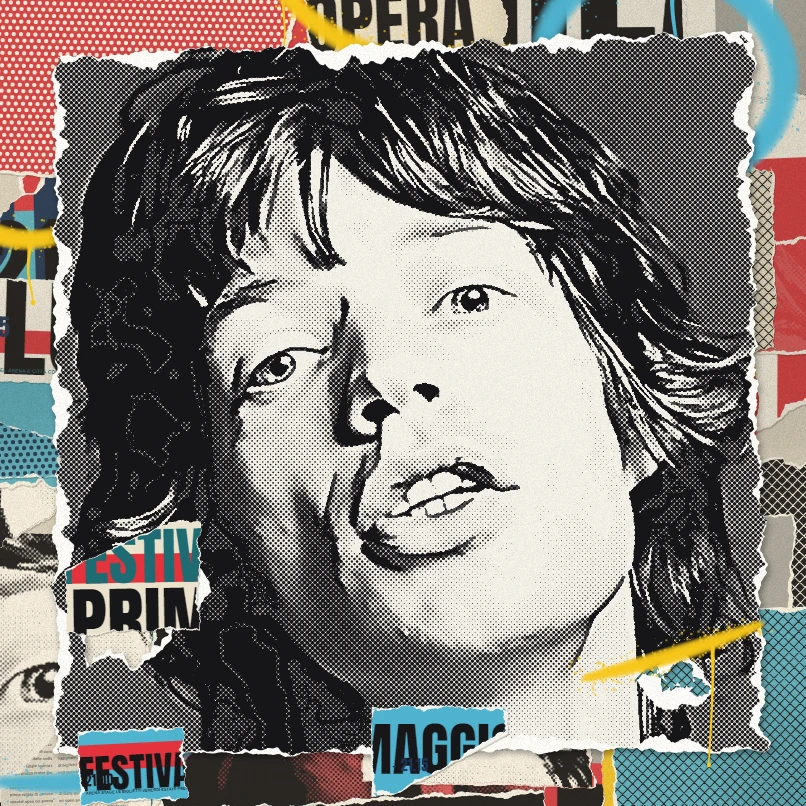
ポップアート写真フィルター
ブラウザで写真をポップアートに:レトロなポップポスター、ポップパターン、虹色のファセットで描く WPAP の肖像、ストリートコラージュ、インクのスプラッシュ、金箔、シルエット、サンバースト、ポップなモチーフのグリッド。
芸術的効果
油絵、水彩、鉛筆、コミックインク、パステル、切り絵などのスタジオアートの見た目で写真を変えます。
試してみますか?
ブラウザで PictorX を開きます。インストール不要、始めるのにクレジットカードも不要です。
エディターへ