
Wassily Kandinsky
Read more about Wassily Kandinsky—the Russian-born painter and Bauhaus teacher who was among the pioneers of abstract art and painted colour as if it were music—and try a digital Kandinsky look in PictorX.
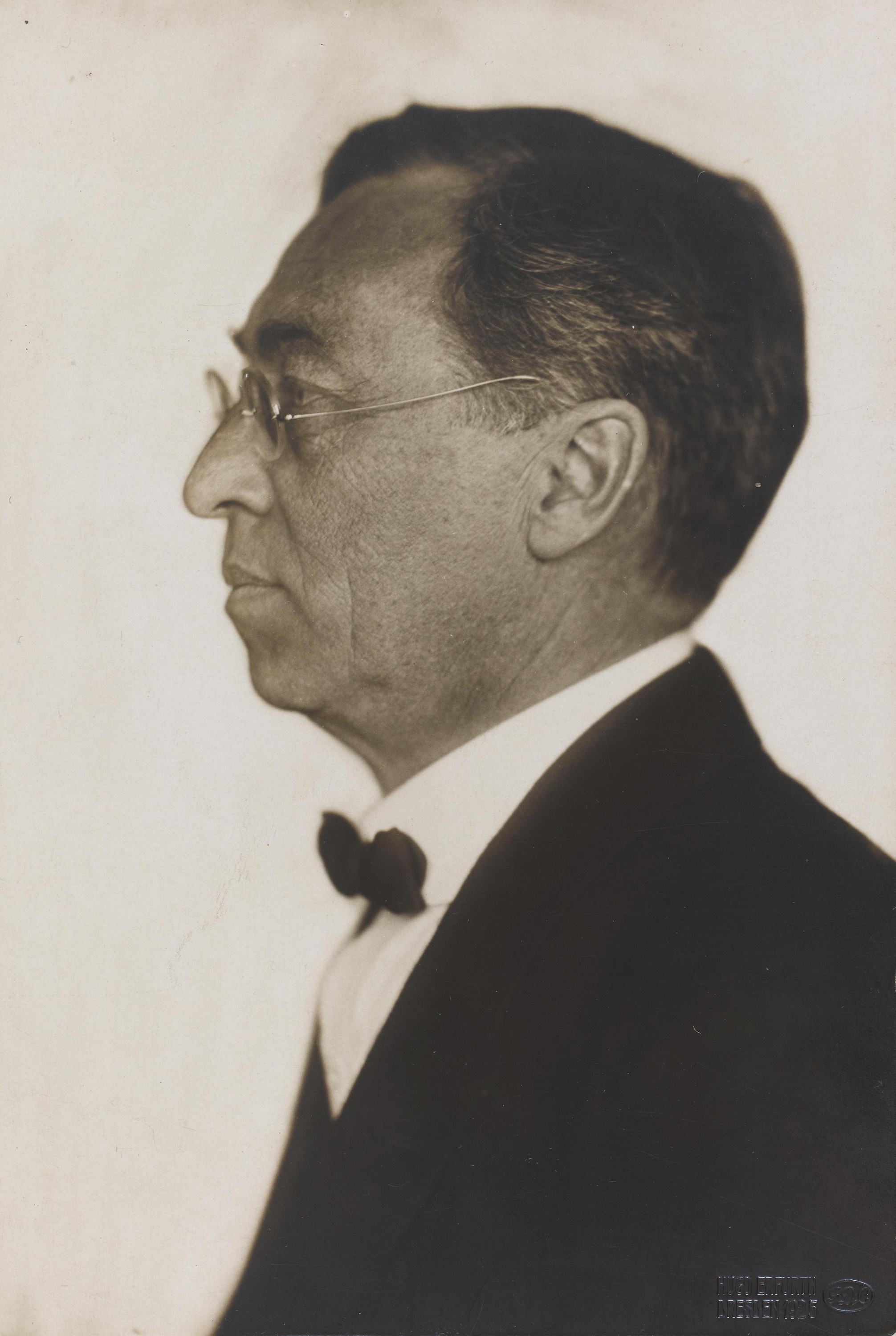
Who was Wassily Kandinsky?
Wassily Kandinsky (1866–1944) was a Russian-born painter and theorist and one of the pioneers of abstract art. Around 1910 he began to paint pictures in which recognisable objects dissolve into colour, line and shape, convinced that painting could move the viewer the way music does—without depicting anything at all. He worked in Russia, Germany and France, taught at the Bauhaus, and his books still shape how artists and designers think about colour and form.
From Moscow law to Munich painting
Kandinsky was born in Moscow and first studied law and economics, beginning a promising academic career. Two experiences in 1896 changed his course: at an exhibition in Moscow he saw one of Claude Monet's Haystacks and was struck that colour alone could carry a painting even before he recognised its subject, and at the Bolshoi he heard Wagner's Lohengrin and felt he could “see” the music. At thirty he gave up law and moved to Munich to study painting.
Murnau and the Blue Rider
From 1908 Kandinsky and the painter Gabriele Münter spent long periods in Murnau, a small town in the Bavarian foothills, where his landscapes became ever bolder fields of colour. In 1911 he published On the Spiritual in Art and, with Franz Marc, founded the Blue Rider (Der Blaue Reiter), whose exhibitions and 1912 almanac brought together painters, musicians and folk art. Paul Klee and August Macke were among the artists around them.
Colour as music
Kandinsky described colours in terms of sound: in On the Spiritual in Art, yellow can sound like a shrill trumpet, while deep blue recalls a cello or a double bass. He named his paintings like musical works. Impressions came from things he had seen, Improvisations were spontaneous expressions of inner feeling, and Compositions were large, carefully planned works—ten of them over three decades, the first three of which were destroyed in the Second World War.
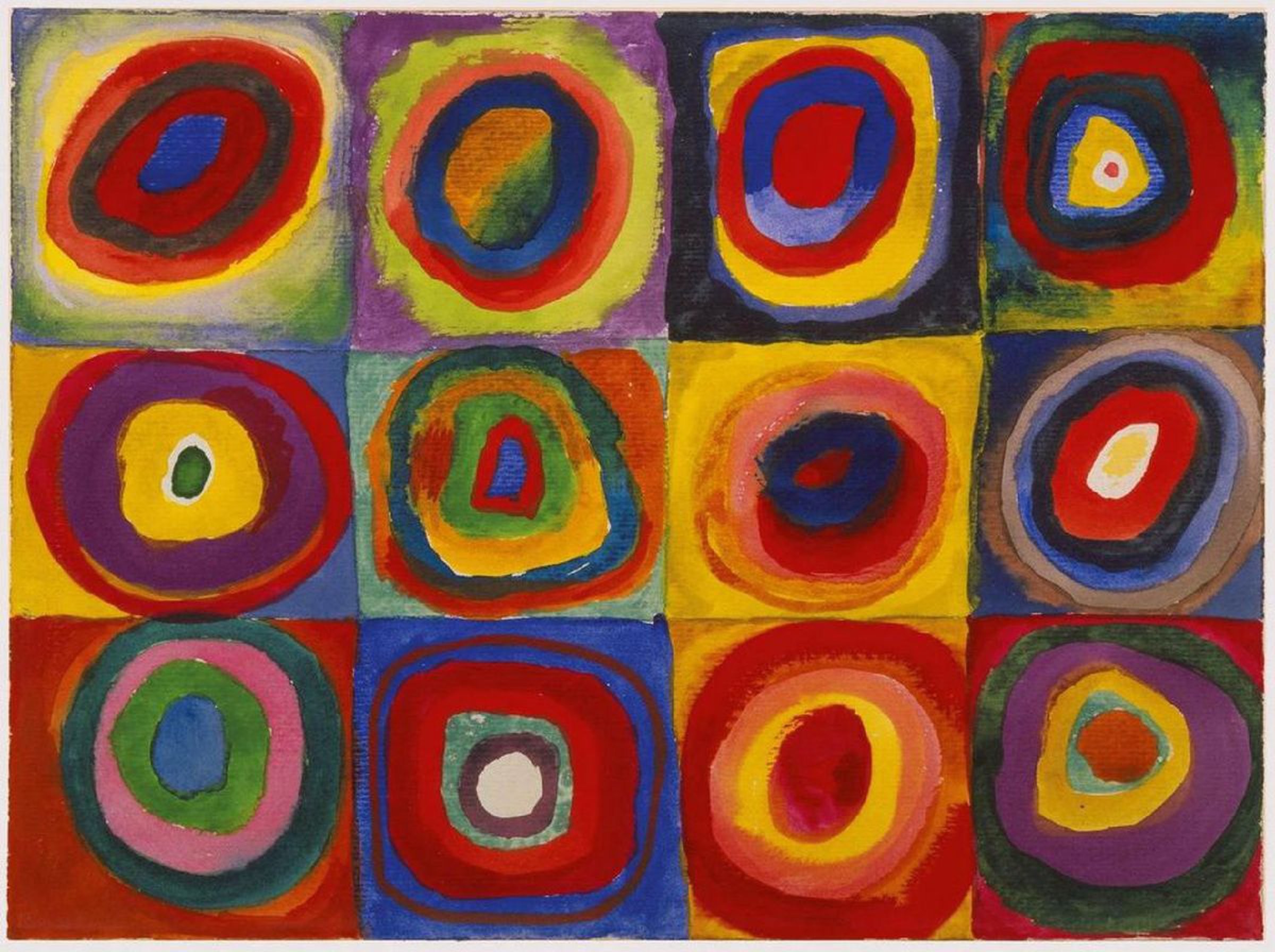
Squares with Concentric Circles
In 1913 Kandinsky painted a small colour study of twelve squares, each holding a set of concentric rings in contrasting colours. It was an exercise in how neighbouring colours change one another, not a finished painting, and it is now in the Lenbachhaus in Munich. Today it is one of the most reproduced images in modern art, seen on posters, in classrooms and in countless craft projects.
The Bauhaus: Point and Line to Plane
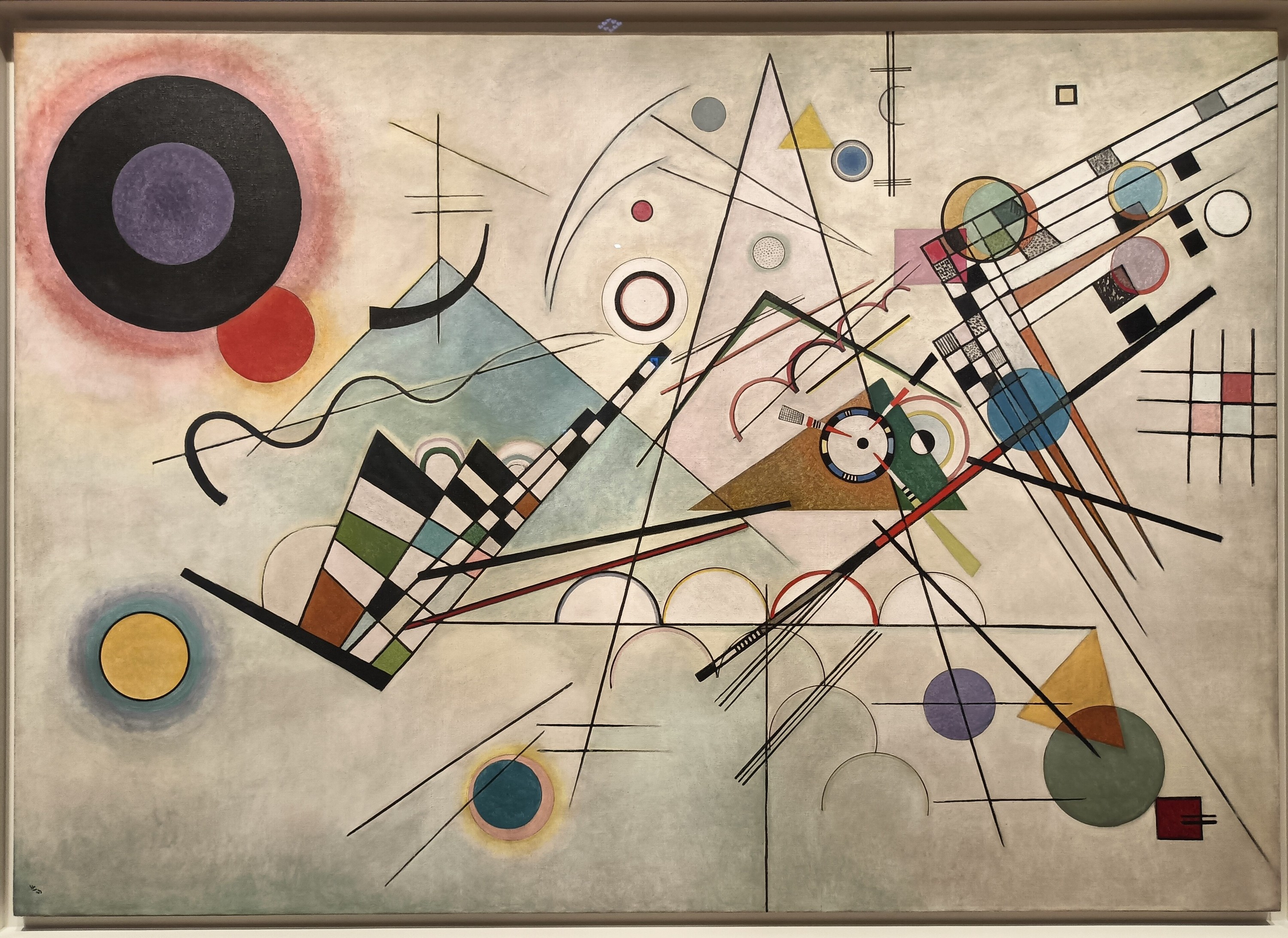
When the First World War began, Kandinsky returned to Russia. In 1922 he came back to Germany to teach at the Bauhaus, where he stayed until the school closed in 1933, working alongside his friend Paul Klee. His painting became more geometric: Composition VIII (1923, Guggenheim Museum, New York) arranges circles, triangles, lines and grids on a light ground. In his book Point and Line to Plane (1926) he analysed these elements one by one.
Several Circles and the late work
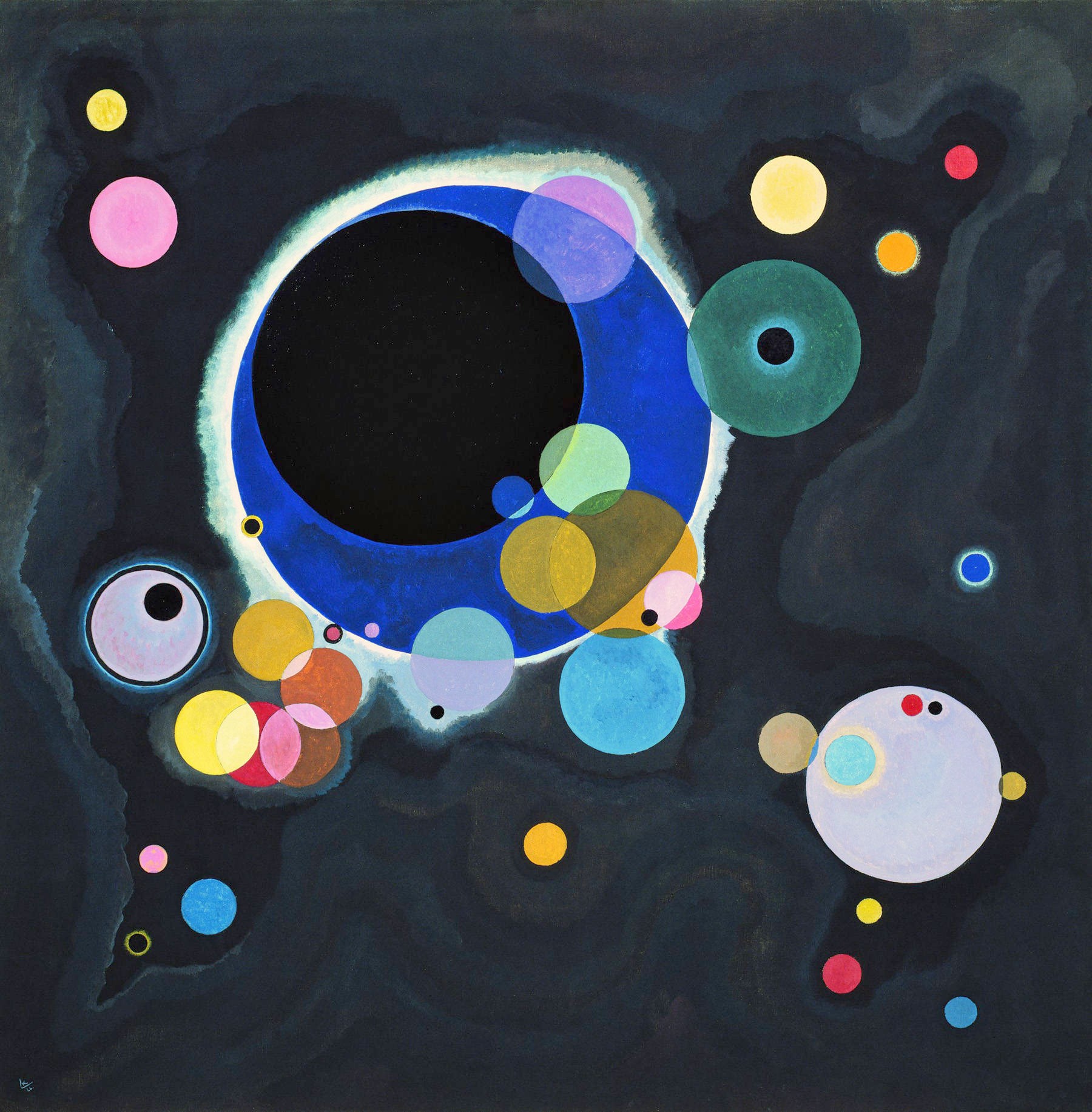
Several Circles (1926, Guggenheim Museum) floats translucent, overlapping discs in a dark space; Kandinsky described the circle as the most modest of forms and his link to the cosmic. In 1933 he moved to Neuilly-sur-Seine near Paris, and in 1937 his work was shown in the Nazi “Degenerate Art” exhibition. His last paintings mix soft colours with small, almost biological forms. He died in 1944.
A digital homage in PictorX
PictorX Kandinsky is a browser photo effect inspired by Composition VIII, Squares with Concentric Circles, Several Circles and the Improvisations. It is not a reproduction of any museum painting, not an AI forgery of a Kandinsky, and not a claim of authenticity. The pictures on this page are the artists' own works; Kandinsky's own works are best seen in museums such as the Centre Pompidou in Paris, the Lenbachhaus in Munich and the Guggenheim in New York.
Try the look in PictorX
Open artistic effects, choose Kandinsky, and load a photo—landscapes suit Composition and Concentric Circles, dark photos suit Several Circles, and colourful scenes suit Improvisation. Pick a Style and Palette, then tune Element Size, Elements, Line Work, Color Intensity and Canvas Texture. Keep editing with Paul Klee, Cubism, Pointillism or other looks in the same workspace.
Frequently asked questions
Who was Wassily Kandinsky?
A Russian-born painter, theorist and Bauhaus teacher (1866–1944), one of the pioneers of abstract art, known for paintings built from colour, line and geometric shapes.
What are Kandinsky's most famous works?
Among the best known are Composition VII (1913), Squares with Concentric Circles (1913), Composition VIII (1923), Several Circles (1926) and Composition X (1939).
Why is Kandinsky linked to music?
He described colours as sounds and believed painting could affect the viewer as directly as music. He even named his works Impressions, Improvisations and Compositions.
Did Kandinsky teach at the Bauhaus?
Yes. He taught there from 1922 until it closed in 1933, alongside Paul Klee, and published Point and Line to Plane as a Bauhaus book in 1926.
Is the PictorX Kandinsky filter a real Kandinsky painting?
No. It is a digital photo effect inspired by Kandinsky's circles, lines and colour. His original works remain unique museum pieces.
Related tools
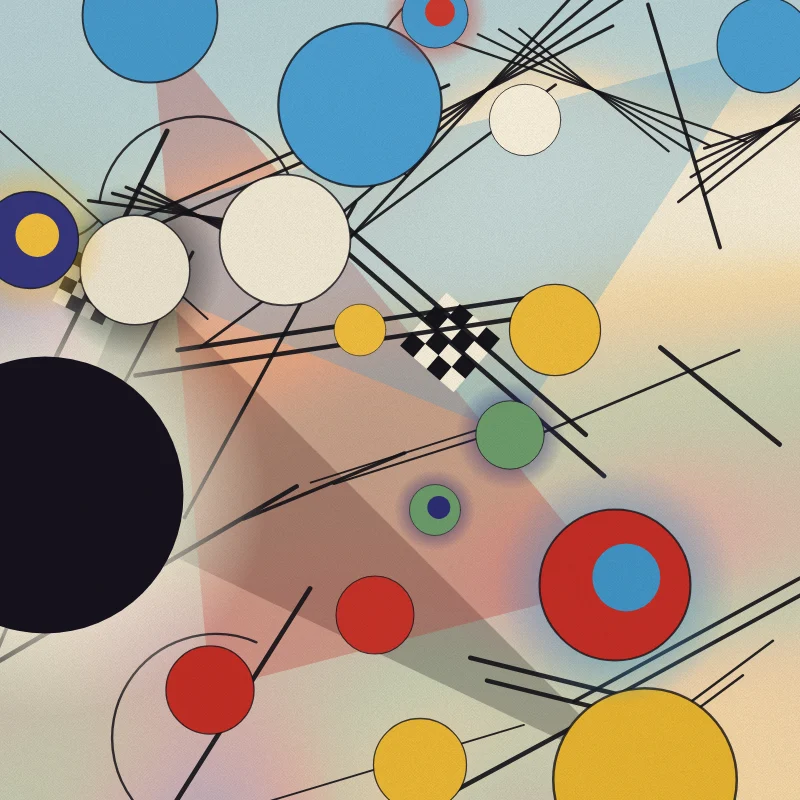
Kandinsky photo filter - circles, lines and colour
Turn a photo into a Wassily Kandinsky-style abstraction in your browser: Composition VIII circles and lines, Squares with Concentric Circles, Several Circles on black, or a free Improvisation.
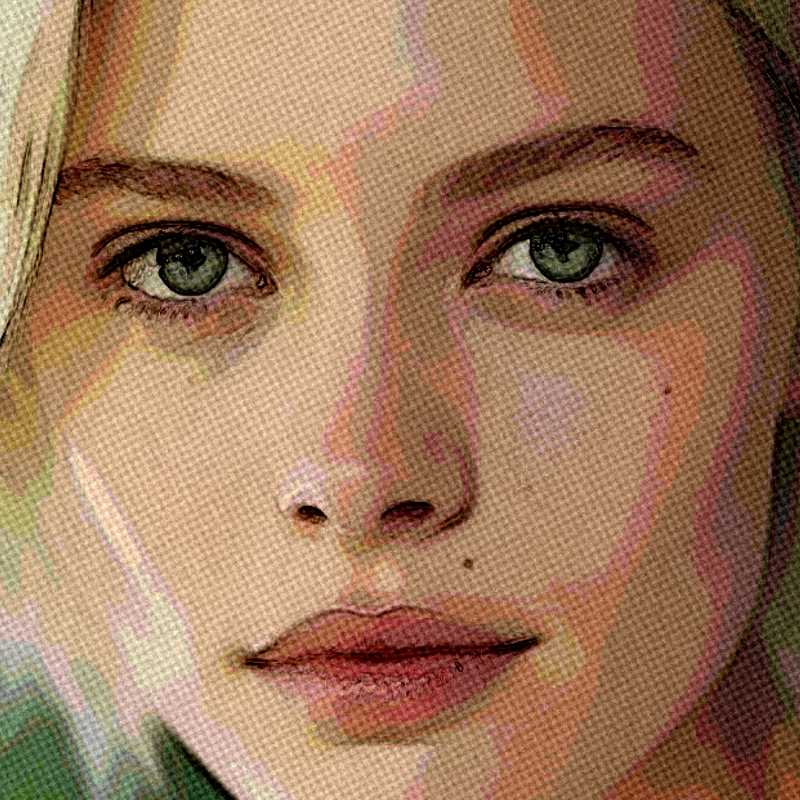
Artistic effects
Transform photos with oil painting, watercolor, pencil, comic ink, pastels, paper cut-out, and other studio art looks.
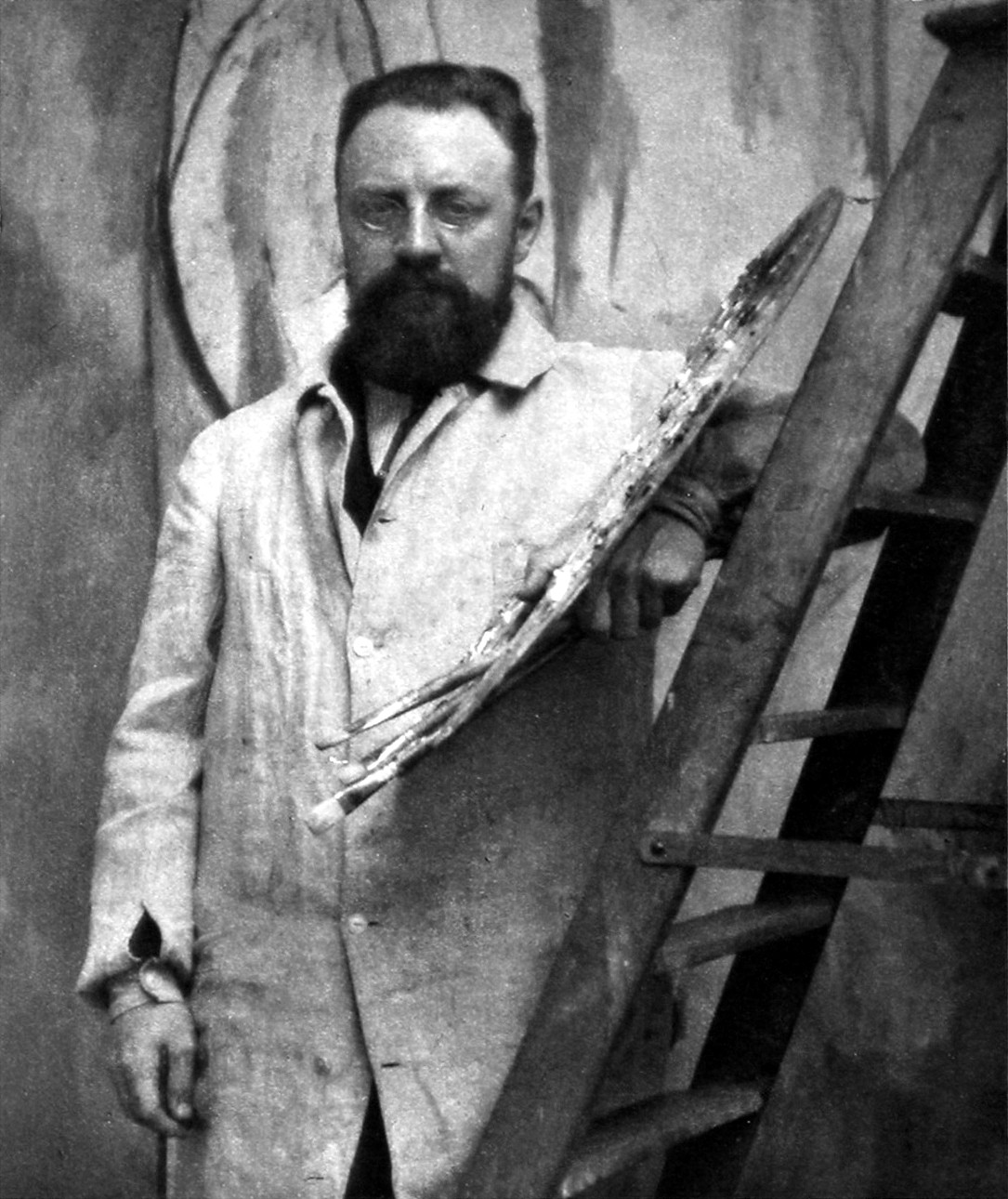
Henri Matisse
A short guide to Henri Matisse: from law clerk to painter, the Fauves of 1905, Harmony in Red and Dance, the Nice years, his line drawings, drawing with scissors in the cut-outs, and a digital homage you can try in PictorX.
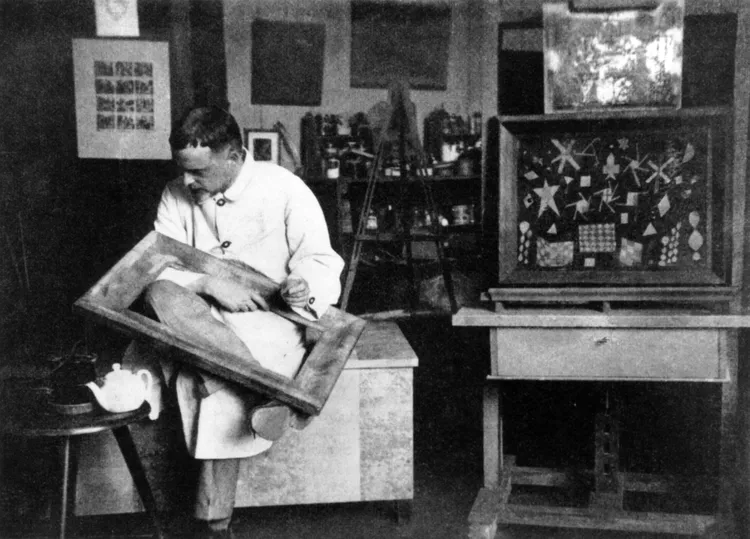
Paul Klee
A short guide to Paul Klee: Bern and the Blue Rider, the 1914 Tunisia trip, magic squares of colour, taking a line for a walk, the Bauhaus years, and a digital homage you can try in PictorX.
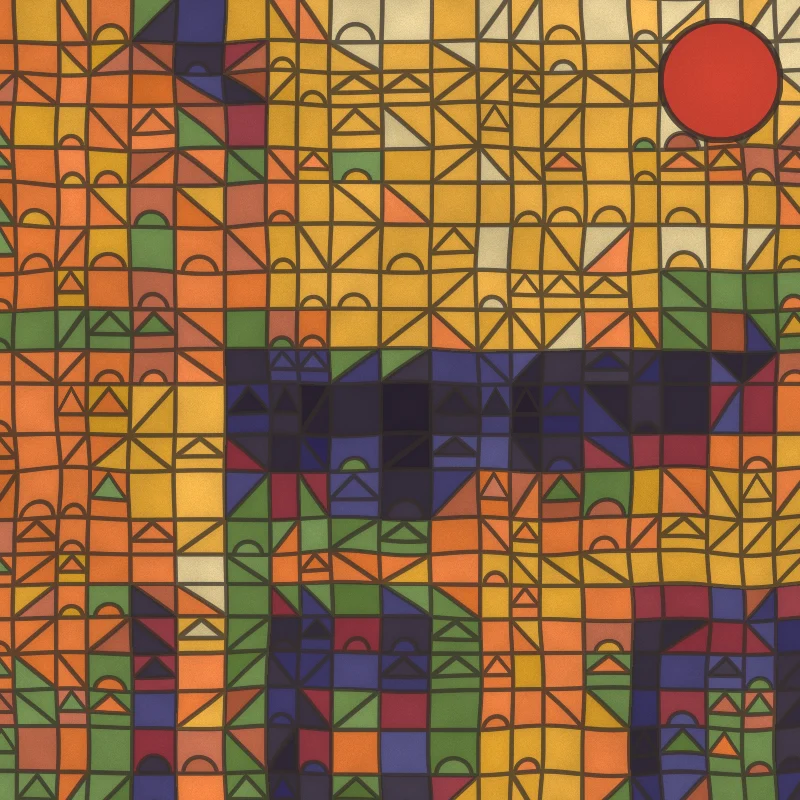
Paul Klee photo filter - magic squares, castles and lines
Turn a photo into a Paul Klee-style painting in your browser: magic squares of colour, Castle and Sun tiles, Ad Parnassum dots, a line taken for a walk, or Tunisian watercolours.
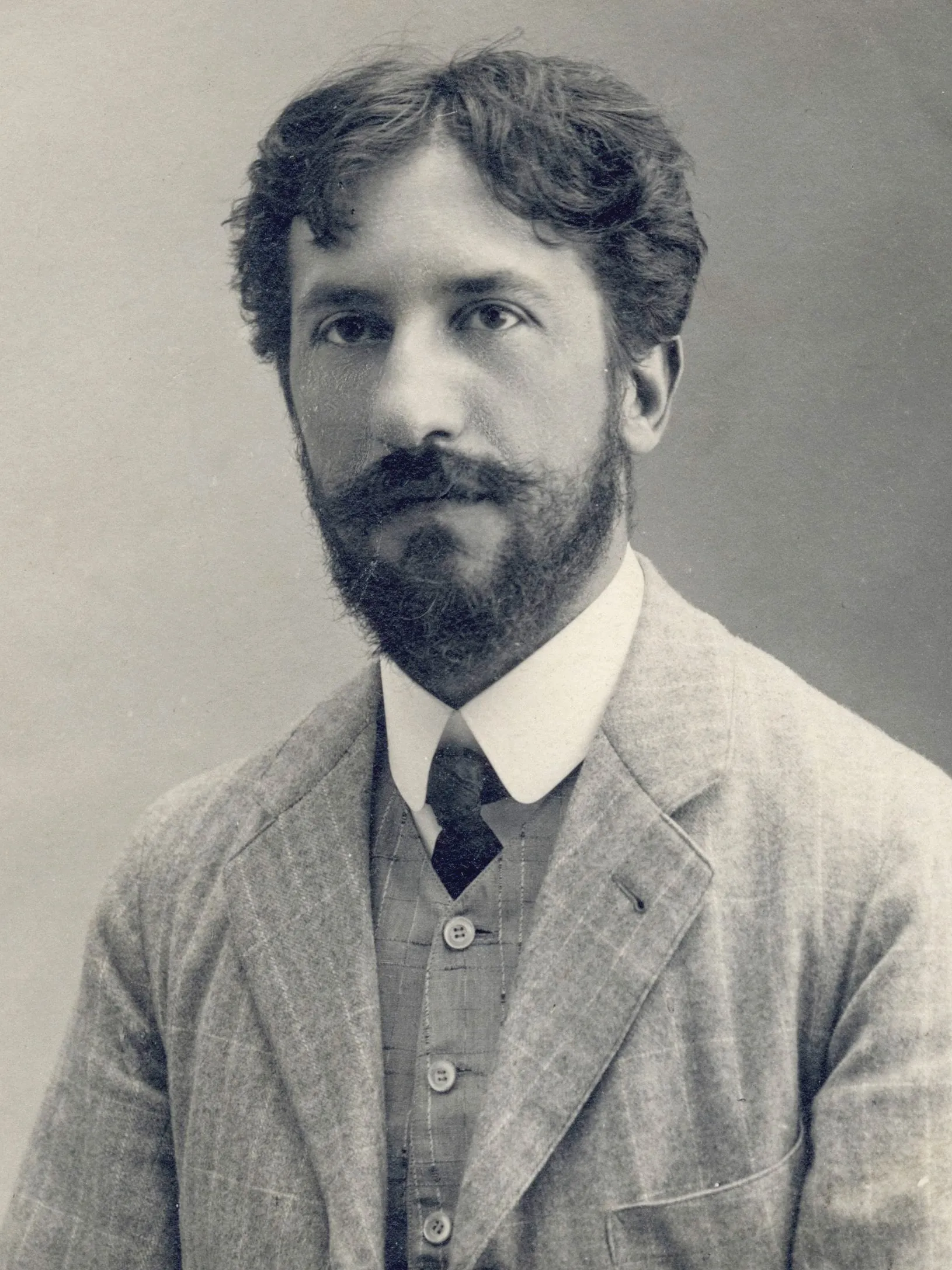
Piet Mondriaan
Piet Mondriaan’s life and art: from The Red Tree to Victory Boogie Woogie, De Stijl and neoplasticism, and how PictorX Mondriaan lets you compose grids in the browser.
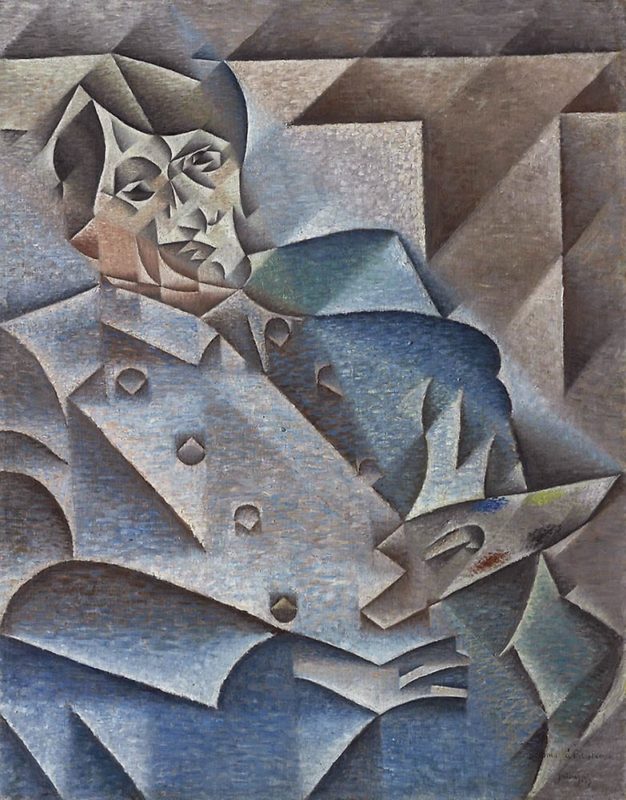
Cubism
A short guide to Cubism: Picasso and Braque, Analytic and Synthetic Cubism, fragmented planes, multiple viewpoints, and a digital homage you can try in PictorX.
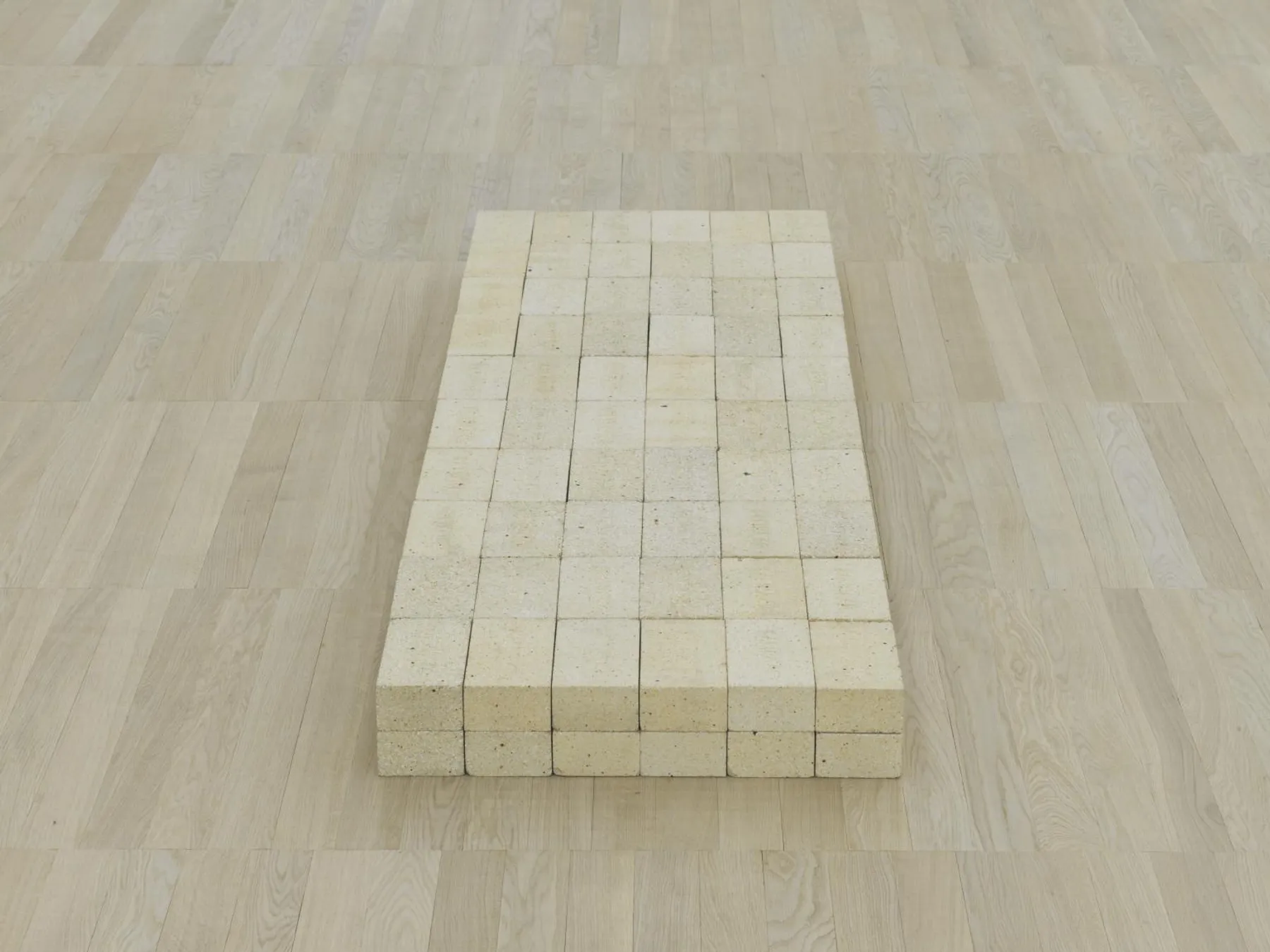
Minimalism
A short guide to Minimalism: late 1950s–60s reaction to Abstract Expressionism, geometry and industrial materials, Judd, Flavin, Stella, and a digital homage you can try in PictorX.

Mondriaan
Compose classic Mondriaan-style De Stijl grids in your browser. Adjust complexity, line thickness, and color fill — click cells to recolor, then save a PNG.
Ready to try it?
Open PictorX in your browser — no install, no credit card required to start.
Try Kandinsky