
Minimalism
Read more about Minimalism—the late-1950s and 1960s art movement that stripped painting and sculpture to geometry, material, and serial form—and try a digital Minimalism look from your own photo in PictorX.
What is Minimalism?
Minimalism is a late-modern art movement that took shape in the United States in the late 1950s and 1960s. Painters and sculptors reduced their work to simple geometric forms, industrial materials, and clear serial structures. The aim was not to depict a landscape or to pour out personal emotion, but to present the object as it is—shape, surface, colour, and the space around it—without illusion or narrative.
A reaction to Abstract Expressionism
A younger generation turned away from the gestural drama of Abstract Expressionism. Instead of heroic brushwork and existential angst, Minimalist artists favoured restraint: hard edges, flat colour, repeated units, and factory-like finishes. The work did not pretend to represent anything other than what it was. That refusal of metaphor—sometimes summarised as “what you see is what you see”—became a defining attitude of the decade.
Geometry, material, and the object
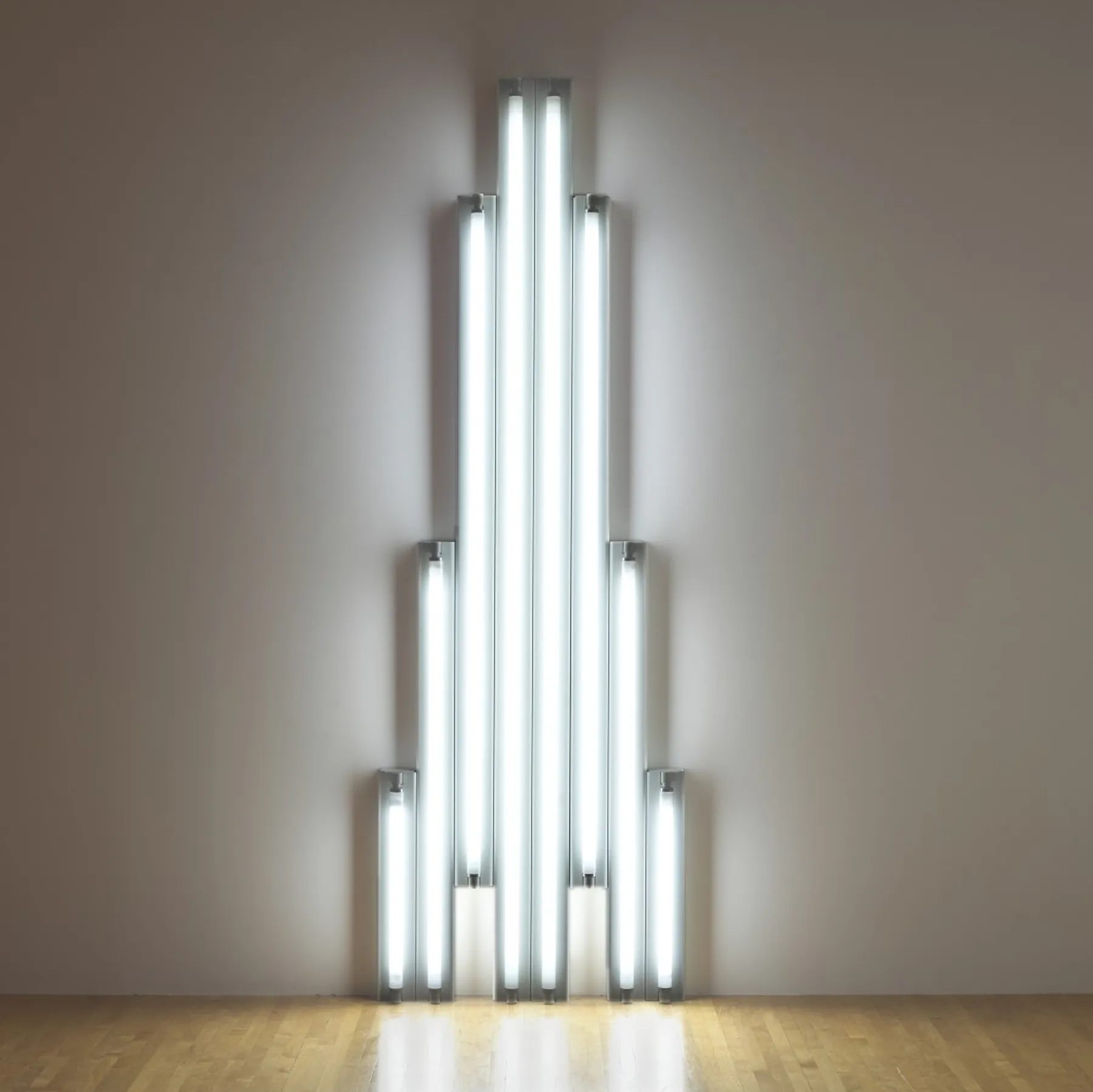
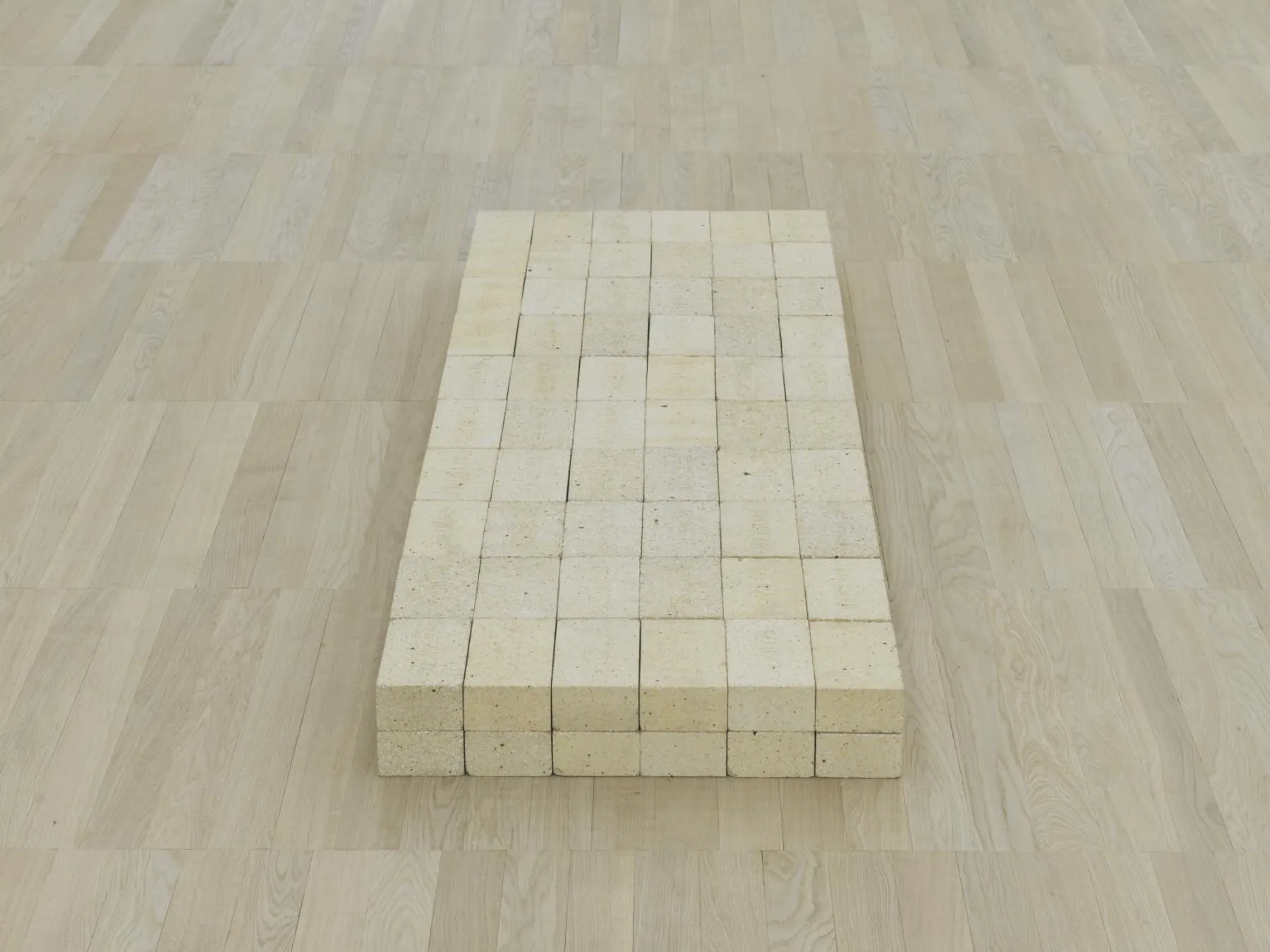
Geometry supplied the language: squares, rectangles, lines, grids, and modular stacks. Many sculptures used industrial materials—steel, aluminium, fluorescent tubes, bricks, Plexiglas—chosen for clarity rather than traditional “fine art” craft. Painting likewise stressed the flat surface: bands, fields, and hard-edged planes that sit on the canvas instead of opening a window into deep space. Attention falls on scale, proportion, finish, and how the piece occupies the room.
Key artists
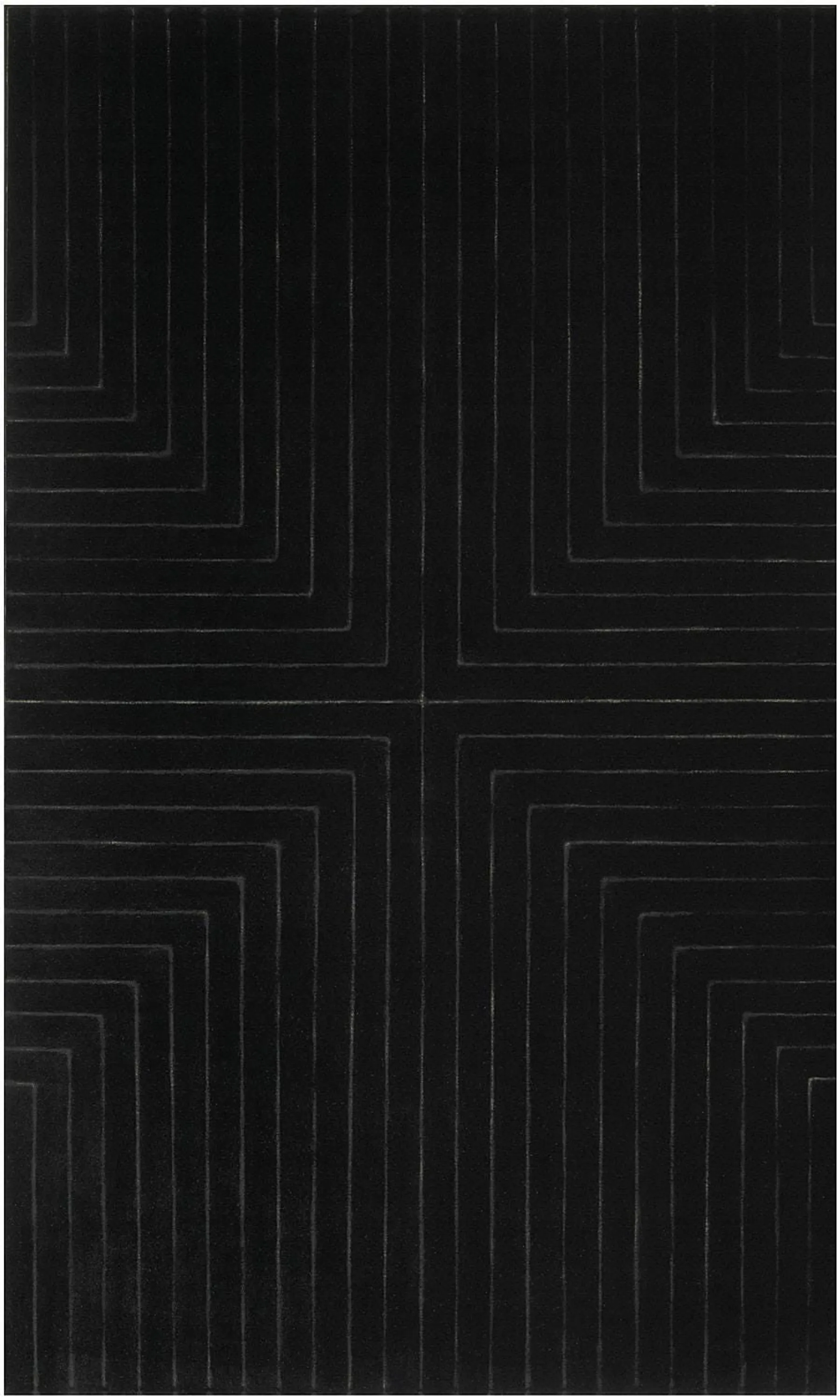
Donald Judd’s boxes and progressions made three-dimensional work that he preferred to call “specific objects.” Dan Flavin composed with fluorescent light. Frank Stella’s early stripe paintings declared the picture as a flat object. Carl Andre arranged metal plates and bricks on the floor; Sol LeWitt wrote instructions for structures and wall drawings; Agnes Martin refined grids and pale bands into quiet, rigorous fields. Robert Morris, Tony Smith, Anne Truitt, and others expanded the vocabulary of form, seriality, and viewer space.
Earlier reduction: Mondriaan and geometric abstraction
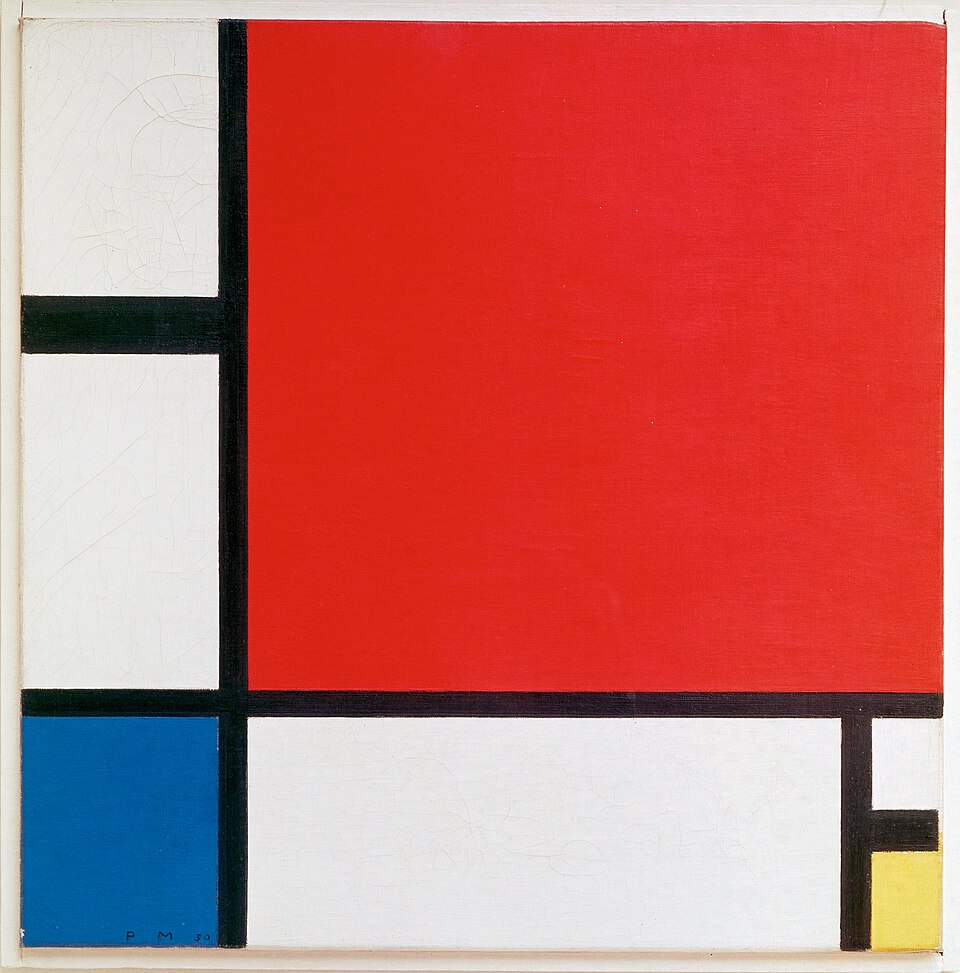
Minimalism was not the first art of less. Piet Mondriaan’s neoplastic grids—horizontal and vertical lines, primary colours, and white—had already pushed painting toward essential structure decades earlier. Cubism, De Stijl, Bauhaus design, and hard-edge abstraction all fed a climate in which clarity and geometry could stand alone. Minimalists worked in a different historical moment and often with industrial means, yet the shared interest in reduction links them to that longer modern story.
Why Minimalism still matters
Minimalism changed how galleries, architecture, and design think about emptiness, repetition, and material honesty. Serial units, negative space, and industrial surfaces show up in product design, UI layouts, and contemporary installation art. The movement also sharpened debates about authorship, fabrication, and whether art must “express” the artist—or can simply present a clear object in real space.
A digital homage in PictorX
PictorX Minimalism is a browser app inspired by hard-edged forms, silhouettes, single contours, colour fields, and block grids. It reads masses and colours from your photo and keeps only the essentials. It is not a reproduction of any museum piece, not an AI forgery of a Judd or Stella, and not a claim of authenticity. Use it to explore reduction with your own image—not to sell fake Minimalist masterpieces.
Try the look in PictorX
Open Minimalism, load a photo with clear shapes, and choose Forms, Silhouette, Line, Colour fields, or Blocks. Tune simplicity, palette, and negative space; optionally remove the background first. Nothing is uploaded to PictorX servers. Save a PNG or continue in the editor beside Mondriaan, Cubism, and other artist looks.
Frequently asked questions
What is Minimalism in art?
An art movement of the late 1950s and 1960s that reduced painting and sculpture to simple geometric forms, industrial materials, and serial structures, keeping personal expression to a minimum.
When did Minimalism begin?
It emerged in the late 1950s and became highly visible in the 1960s, especially in the United States, as a counter-move to Abstract Expressionism.
Who are key Minimalist artists?
Donald Judd, Dan Flavin, Frank Stella, Carl Andre, Sol LeWitt, Agnes Martin, Robert Morris, Tony Smith, and Anne Truitt are among the names most often associated with the movement.
Is the PictorX Minimalism app a real Judd or Stella?
No. It is a digital photo app inspired by hard-edged reduction. Original Minimalist works remain unique gallery and museum pieces.
How does Minimalism relate to Mondriaan?
Mondriaan’s neoplastic grids came earlier and inspired later geometric clarity. Minimalism belongs to a later, often more industrial and object-focused moment, but both pursue essential structure over narrative.
Related tools
Minimalism
Turn a photo into minimalist art in your browser: flat hard-edged forms, a silhouette, a single line, color fields, or blocks — all taken from your photo. Nothing is uploaded.
Mondriaan
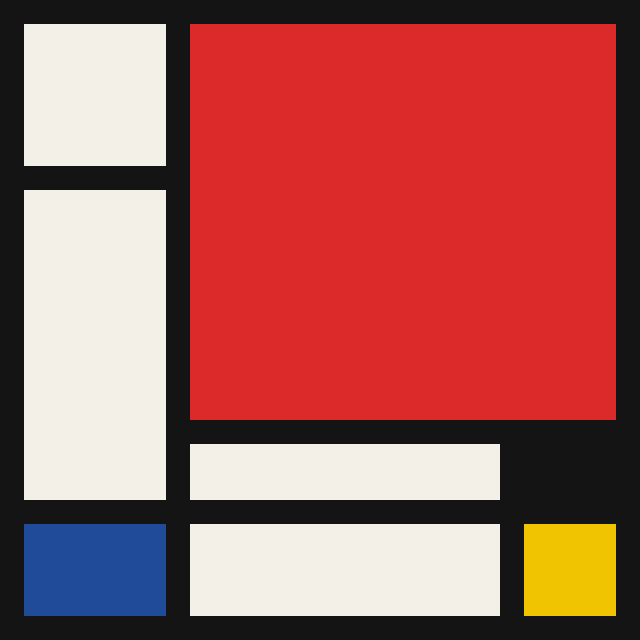
Compose classic Mondriaan-style De Stijl grids in your browser. Adjust complexity, line thickness, and color fill — click cells to recolor, then save a PNG. Nothing is uploaded.
Piet Mondriaan
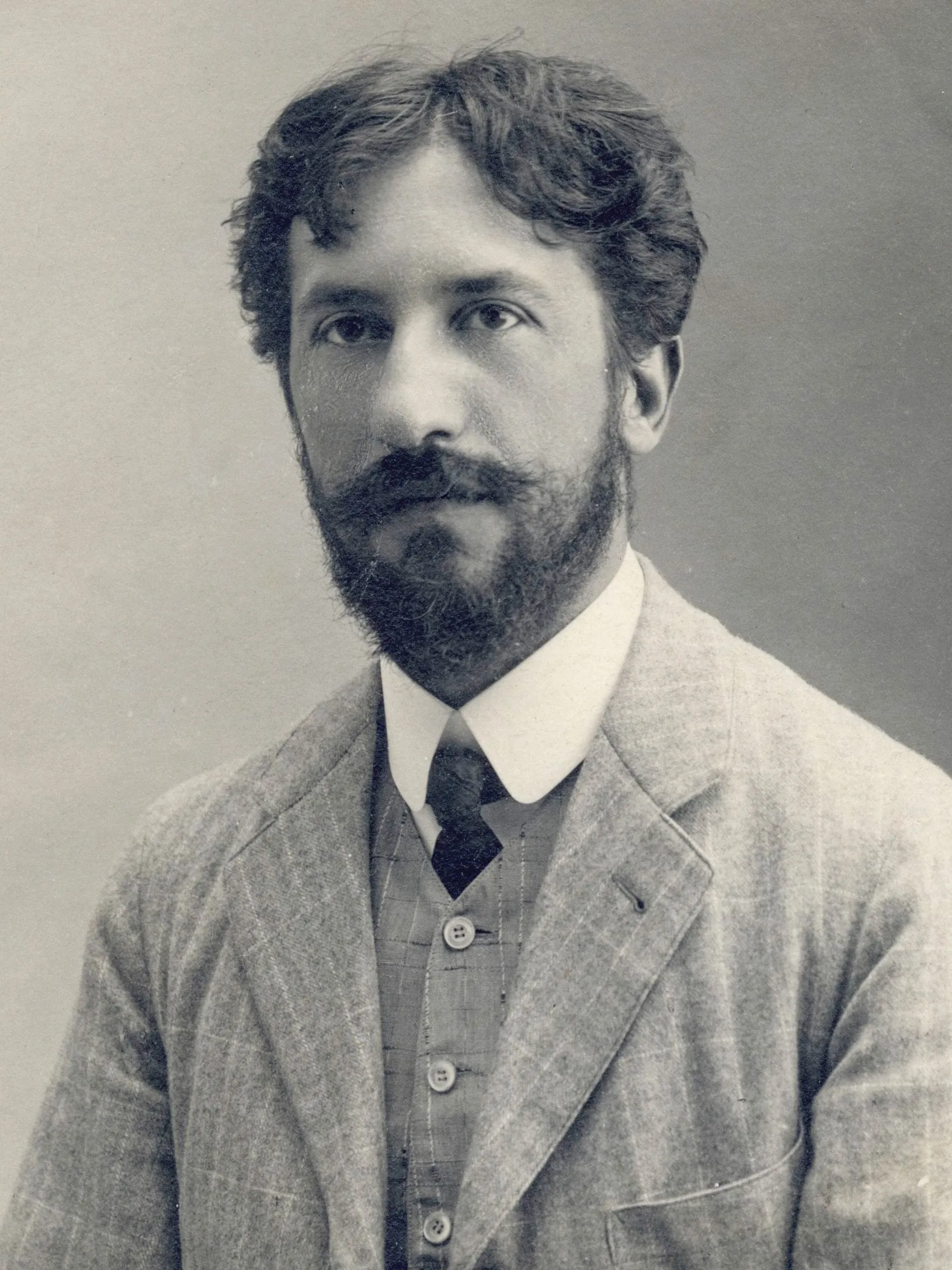
Piet Mondriaan’s life and art: from The Red Tree to Victory Boogie Woogie, De Stijl and neoplasticism, and how PictorX Mondriaan lets you compose grids in the browser.
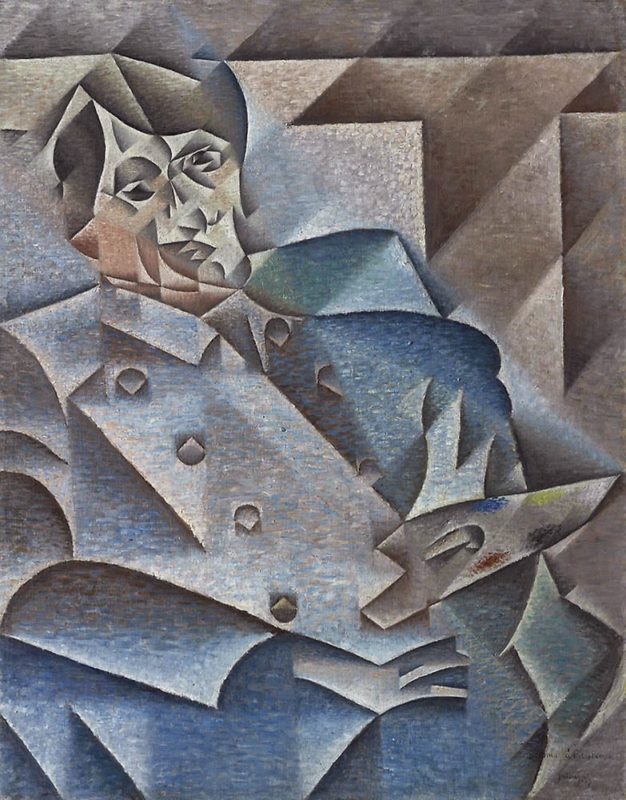
Cubism
A short guide to Cubism: Picasso and Braque, Analytic and Synthetic Cubism, fragmented planes, multiple viewpoints, and a digital homage you can try in PictorX.
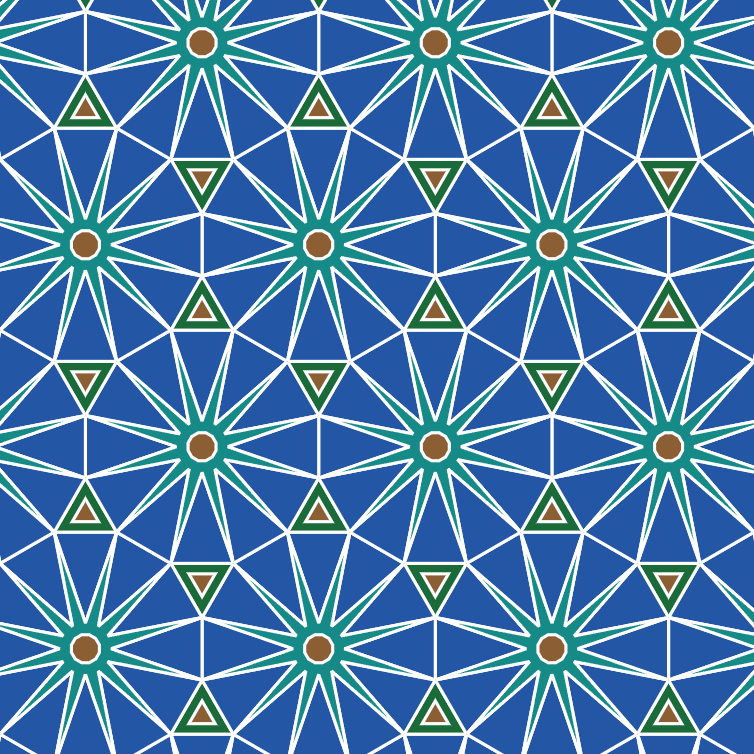
Tessellation
Cover the plane with regular and Archimedean tessellations. Tune scale, colours, and warp square edges Escher-style — then save a PNG. Nothing is uploaded.
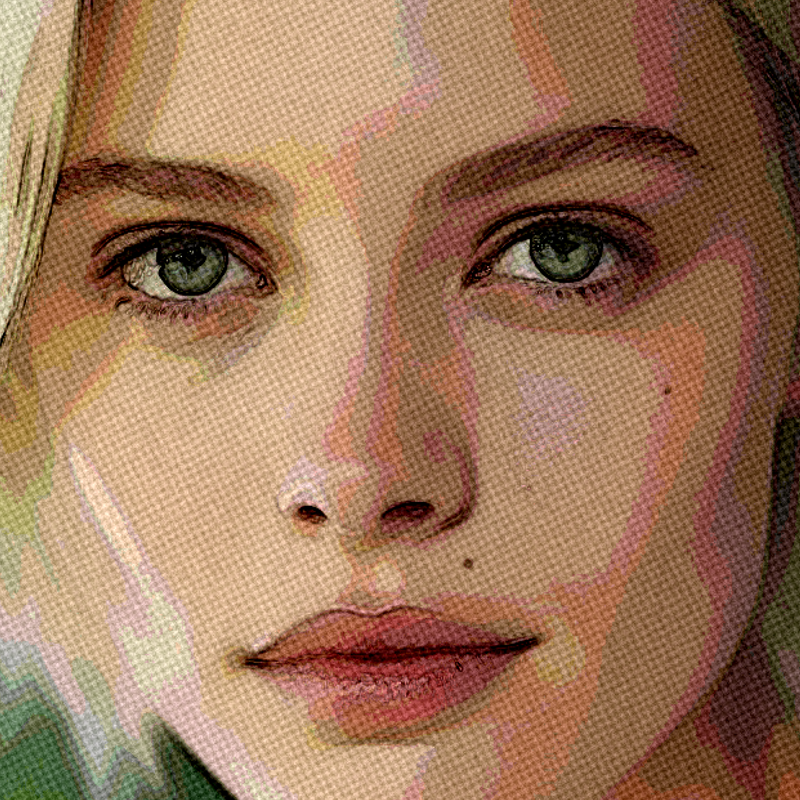
Artistic effects
Transform photos with oil painting, watercolor, pencil, comic ink, pastels, paper cut-out, and other studio art looks. Use PictorX free in your browser with no software install required.
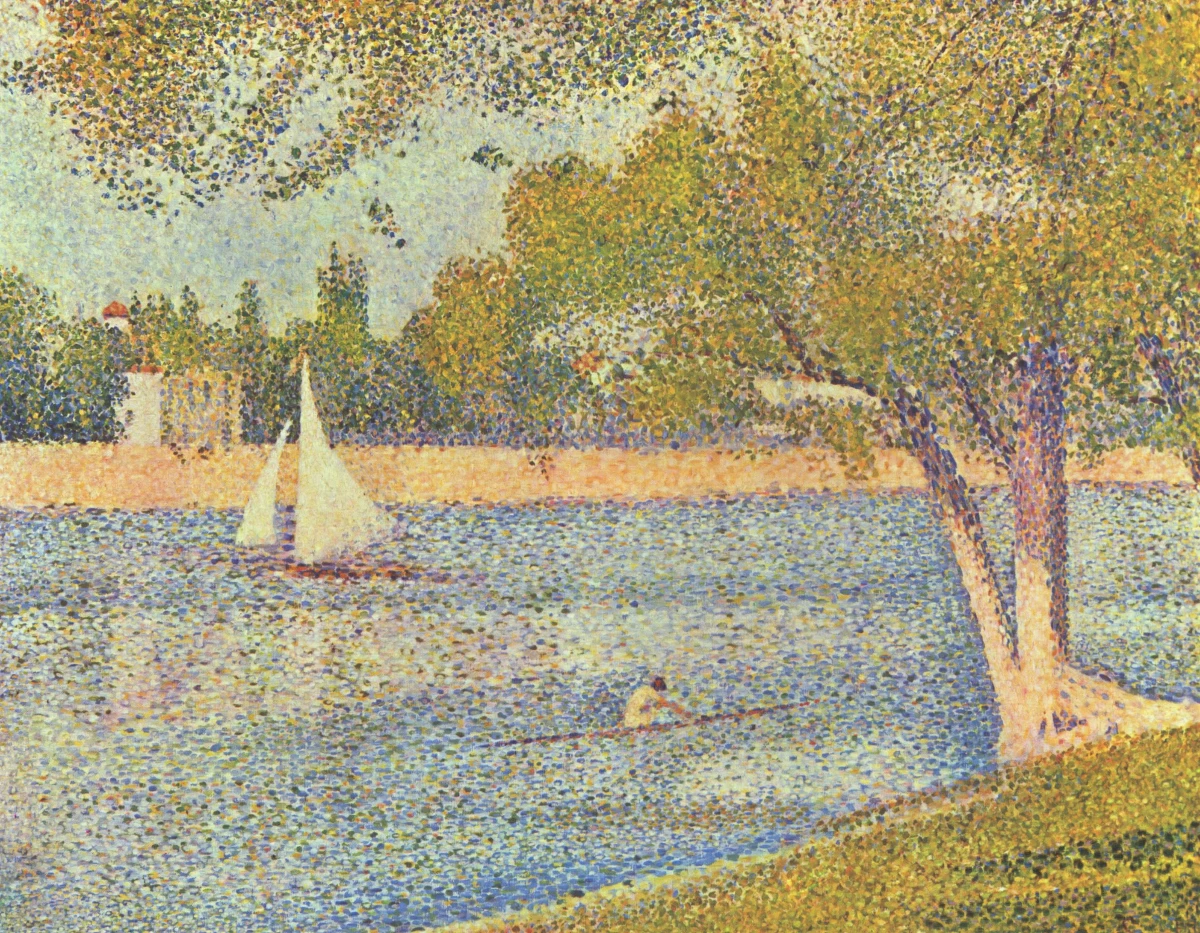
Pointillism
A short guide to Pointillism: Seurat and Signac, Neo-Impressionism, optical colour mixture with dots, and a digital homage you can try in PictorX.
Mixed Media
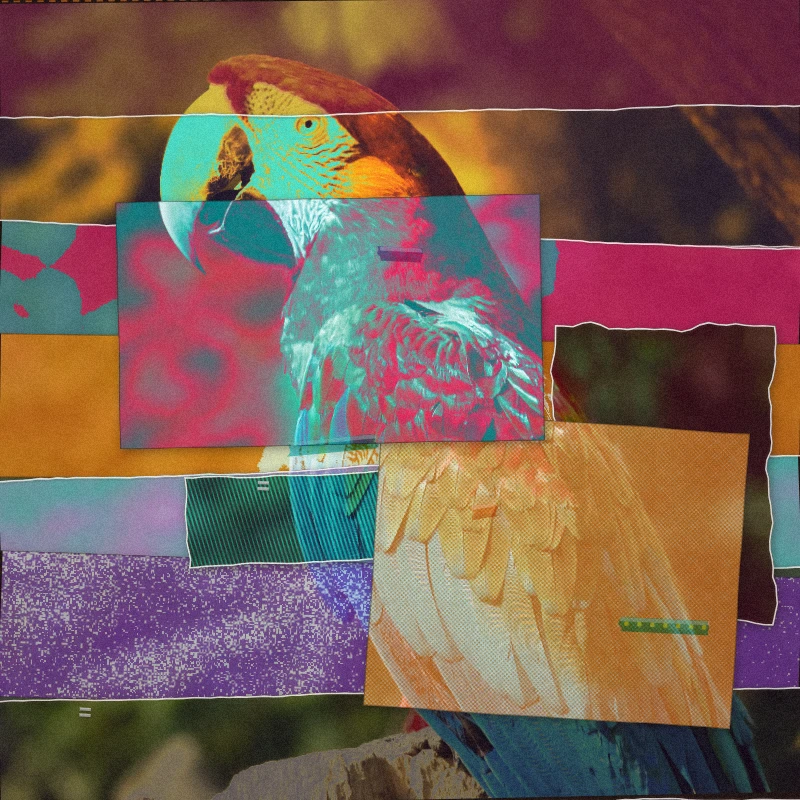
A short guide to mixed media: collage and assemblage, print textures like halftone and dotscreen, and a digital collage homage you can try in PictorX.
Ready to try it?
Open PictorX in your browser — no install, no credit card required to start.
Try Minimalism