
Paul Klee
Read more about Paul Klee—the Swiss-born painter, musician and Bauhaus teacher who built pictures from small fields of colour and wandering lines—and try a digital Paul Klee look in PictorX.
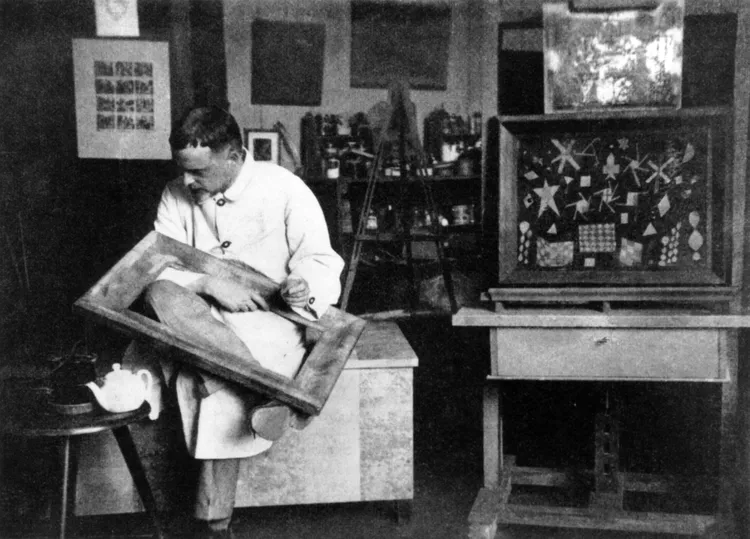
Who was Paul Klee?
Paul Klee (1879–1940) was a painter, draughtsman and teacher whose roughly ten thousand works are among the most inventive of the twentieth century. He belonged to no single movement: his pictures touch Expressionism, Cubism and Surrealism, yet look like nothing else. Small in size and full of humour, they mix colour fields, signs, arrows, letters and little figures, and their titles are often part of the poem.
From Bern to the Blue Rider
Klee was born near Bern, Switzerland, into a family of musicians, and played the violin to a professional standard all his life. He chose painting instead, studied in Munich, and for years worked mostly in black and white. In Munich he met Wassily Kandinsky and Franz Marc and exhibited with the Blue Rider (Der Blaue Reiter) circle, sharing their belief that art should express inner life rather than copy appearances.
Tunisia, 1914: “Colour and I are one”
In April 1914 Klee travelled to Tunisia with the painters August Macke and Louis Moilliet. The light of Tunis, Hammamet and Kairouan changed his work. He wrote in his diary: “Colour has taken possession of me… Colour and I are one. I am a painter.” The watercolours from the trip break houses, gardens and domes into transparent patches of colour—the start of the squares that would run through his work.
Magic squares and colour fields
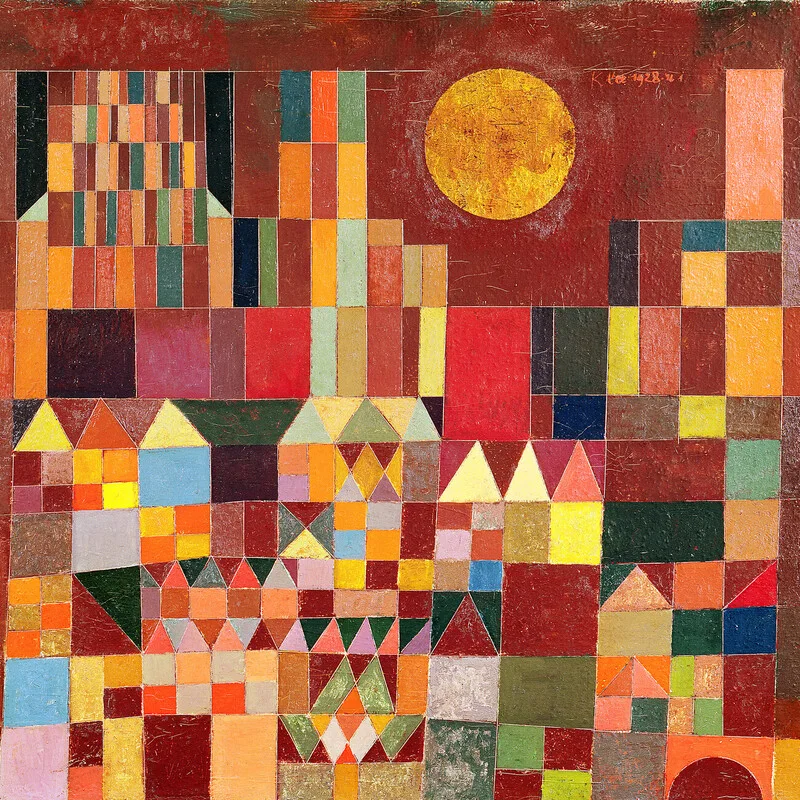
In the 1920s Klee painted many pictures made of nothing but small, slightly irregular rectangles of colour, often called his “magic squares”. Nothing is ruled: the lines wobble, the fields differ in size, and each colour is tuned against its neighbours like notes in a chord. Castle and Sun (1928) turns the same grid into a city of triangles, arches and roofs under a flat red sun.
Taking a line for a walk
Klee's best-known phrase comes from his Pedagogical Sketchbook (1925), which describes an active line “on a walk, moving freely, without goal”. Drawings such as Twittering Machine (1922, Museum of Modern Art, New York) show it: a single thin, trembling line builds machines, birds and faces. In his Creative Confession (1920) he summed up his aim: “Art does not reproduce the visible; rather, it makes visible.”
Teacher at the Bauhaus
From 1921 to 1931 Klee taught at the Bauhaus, first in Weimar and then in Dessau, alongside Kandinsky. His lectures on form, colour, rhythm and movement filled thousands of pages and still shape how design is taught. Faces such as Senecio (1922, Kunstmuseum Basel) reduce a head to a circle, a few planes of orange and two eyes—simple shapes carrying a great deal of character.
Ad Parnassum and the late work
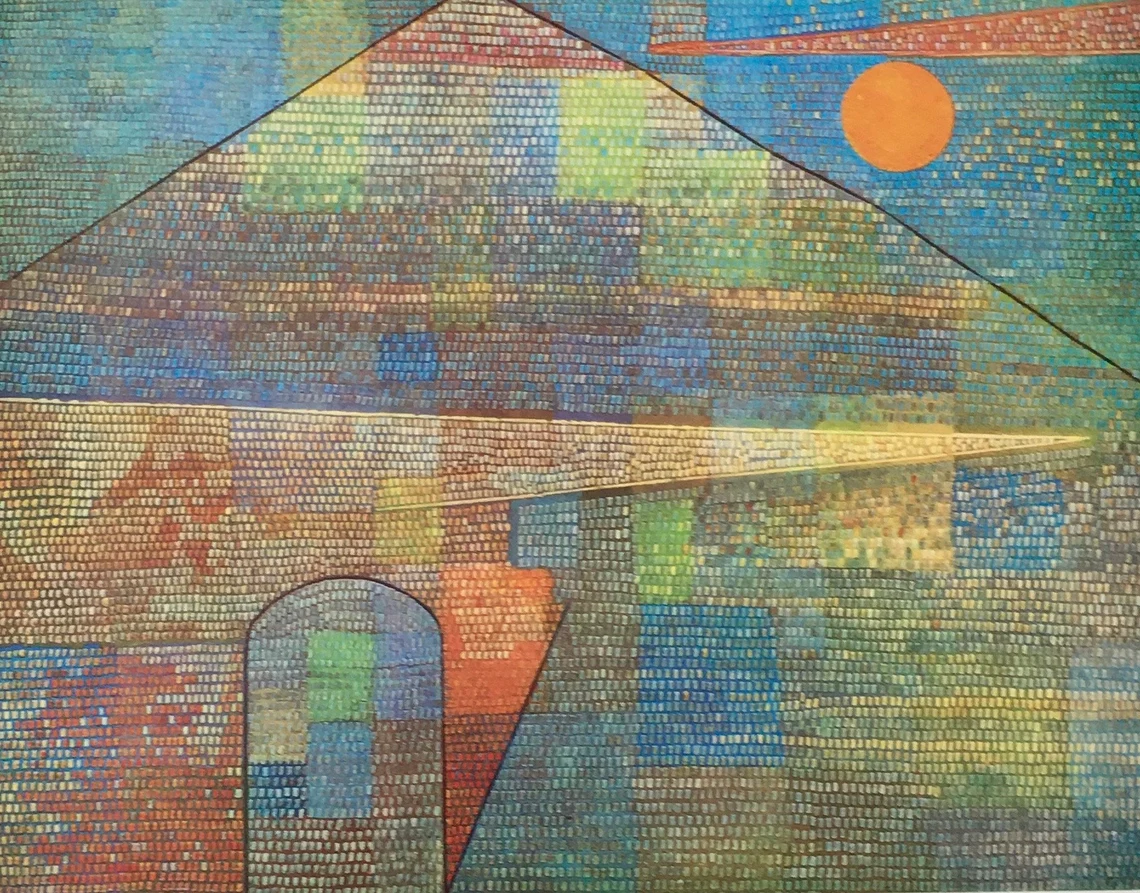
In 1931 Klee moved to the Düsseldorf academy. Two years later the Nazis dismissed him, and he returned to Bern; in 1937 his work was shown in the “Degenerate Art” exhibition. Ad Parnassum (1932, Kunstmuseum Bern) is built from thousands of painted dots over broad colour planes, crowned by a pyramid of lines. Despite a severe illness, his last years were his most productive, with more than a thousand works in 1939 alone.
A digital homage in PictorX
PictorX Paul Klee is a browser photo effect inspired by Klee's magic squares, Castle and Sun, Ad Parnassum, his wandering line and his Tunisian watercolours. It is not a reproduction of any museum painting, not an AI forgery of a Klee, and not a claim of authenticity. The pictures on this page are the artists' own works; Klee's own works are best seen at the Zentrum Paul Klee in Bern and in museums worldwide.
Try the look in PictorX
Open artistic effects, choose Paul Klee, and load a photo—towns suit Castle and Sun, landscapes suit Magic Squares and Tunisia, and portraits suit Line Walk. Pick a Style and Palette, then tune Cell Size, Irregularity, Line Work, Watercolor and Paper Texture. Keep editing with Cubism, Pointillism, Vincent van Gogh or other looks in the same workspace.
Frequently asked questions
Who was Paul Klee?
A Swiss-born painter, draughtsman and Bauhaus teacher (1879–1940), known for small, poetic pictures built from colour fields, signs and wandering lines.
What are Paul Klee's most famous works?
Among the best known are Senecio (1922), Twittering Machine (1922), Castle and Sun (1928), Ad Parnassum (1932) and the watercolours from his 1914 trip to Tunisia.
What does “taking a line for a walk” mean?
It paraphrases Klee's Pedagogical Sketchbook, where an active line moves freely without a goal. Drawing becomes a journey of one line rather than outlining objects.
Was Paul Klee part of the Bauhaus?
Yes. He taught at the Bauhaus from 1921 to 1931, in Weimar and Dessau, and his lectures on form and colour became a core part of its teaching.
Is the PictorX Paul Klee filter a real Klee painting?
No. It is a digital photo effect inspired by Klee's colour squares and lines. Klee's original works remain unique museum pieces.
Related tools
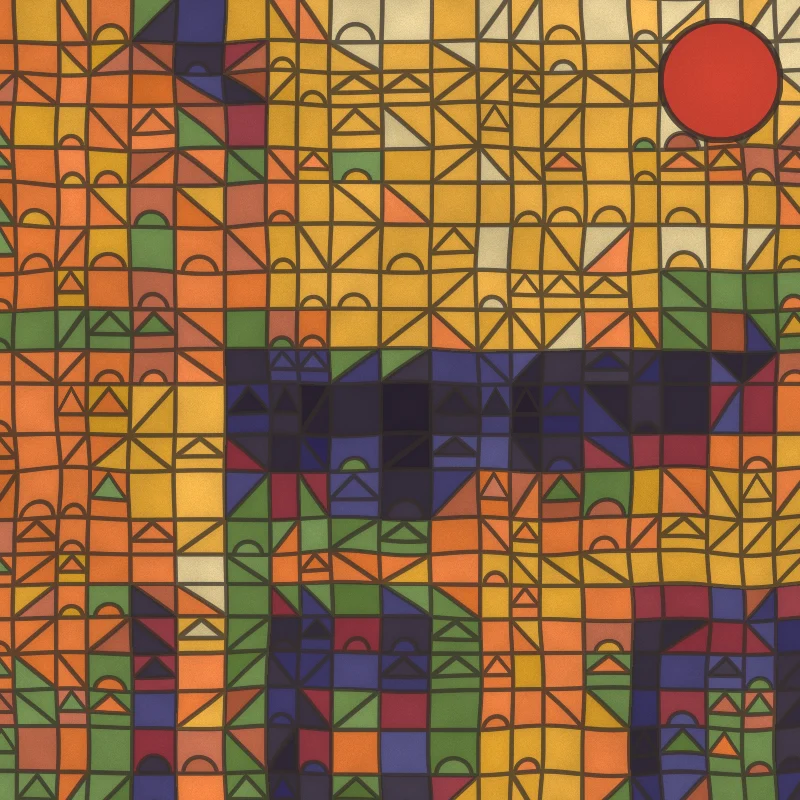
Paul Klee photo filter - magic squares, castles and lines
Turn a photo into a Paul Klee-style painting in your browser: magic squares of colour, Castle and Sun tiles, Ad Parnassum dots, a line taken for a walk, or Tunisian watercolours.
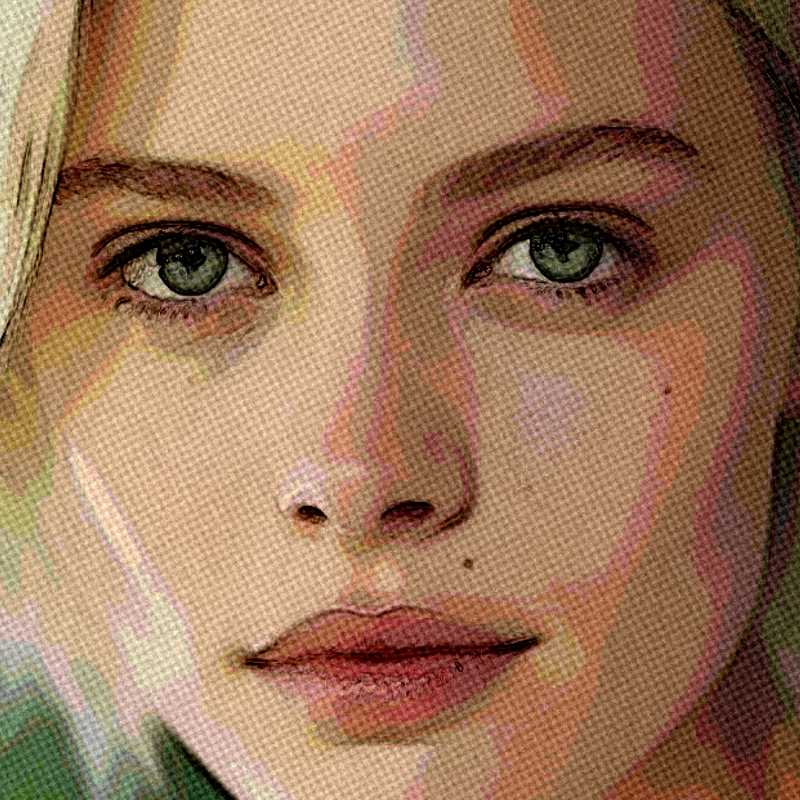
Artistic effects
Transform photos with oil painting, watercolor, pencil, comic ink, pastels, paper cut-out, and other studio art looks.
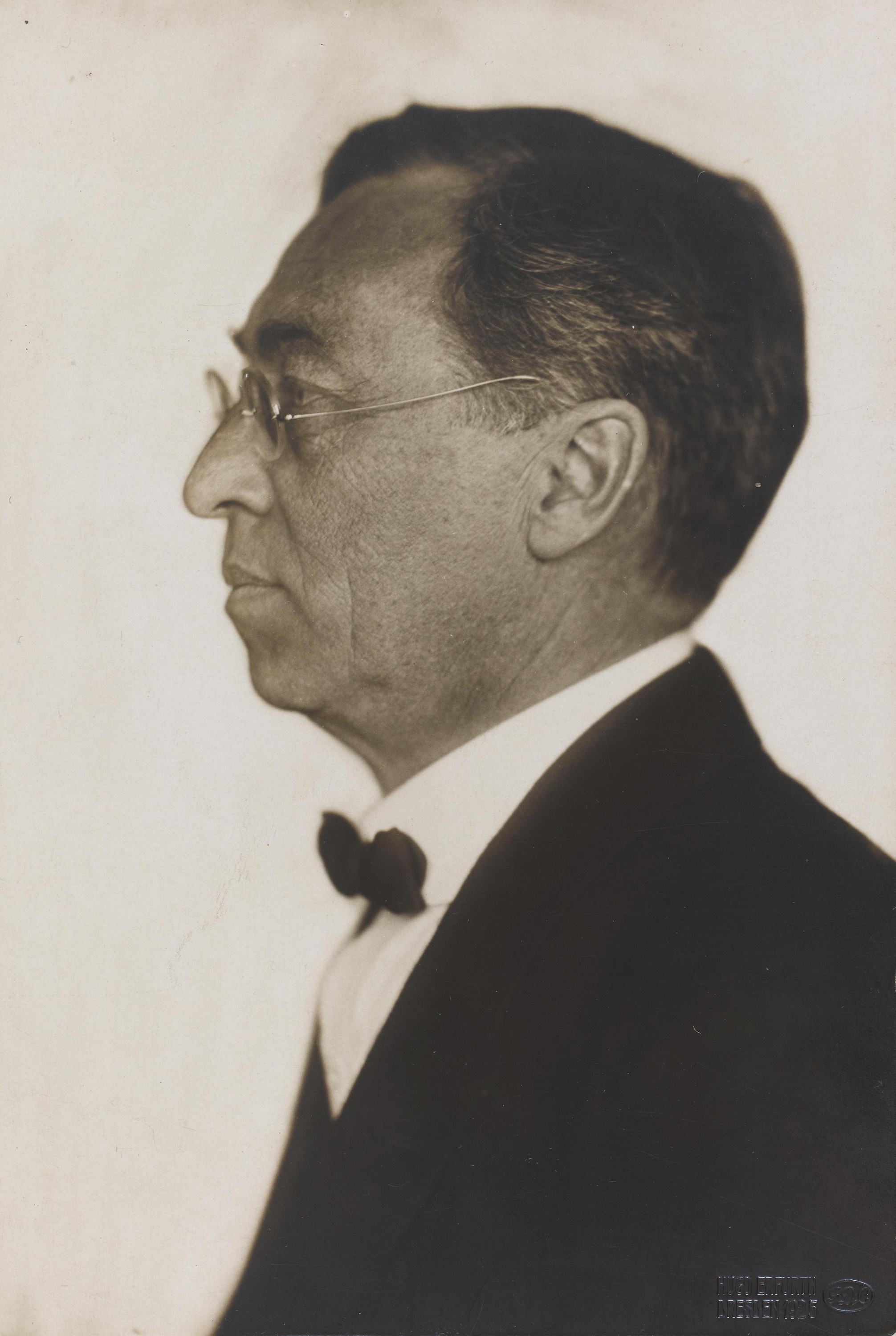
Wassily Kandinsky
A short guide to Wassily Kandinsky: from Moscow to Munich, Murnau and the Blue Rider, colour as music, Squares with Concentric Circles, the Bauhaus and Composition VIII, Several Circles, and a digital homage you can try in PictorX.
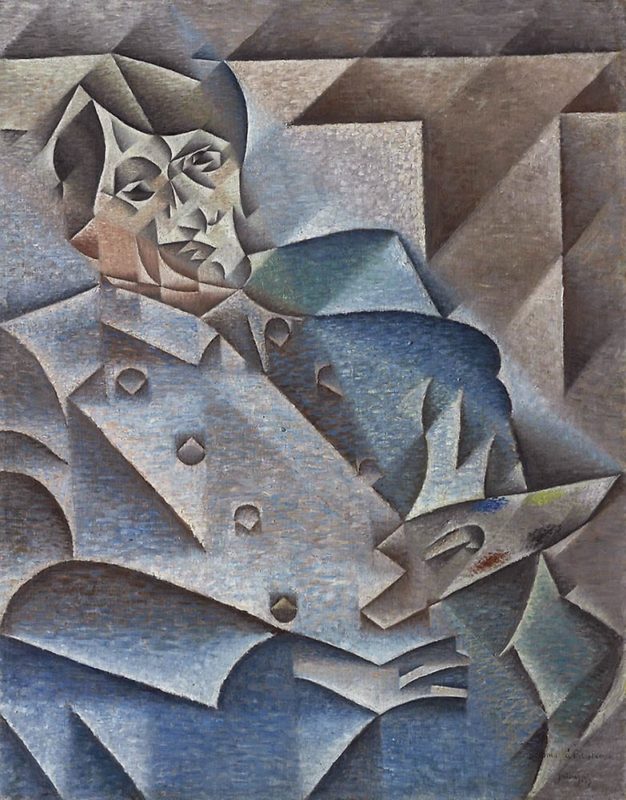
Cubism
A short guide to Cubism: Picasso and Braque, Analytic and Synthetic Cubism, fragmented planes, multiple viewpoints, and a digital homage you can try in PictorX.
Piet Mondriaan
Piet Mondriaan’s life and art: from The Red Tree to Victory Boogie Woogie, De Stijl and neoplasticism, and how PictorX Mondriaan lets you compose grids in the browser.
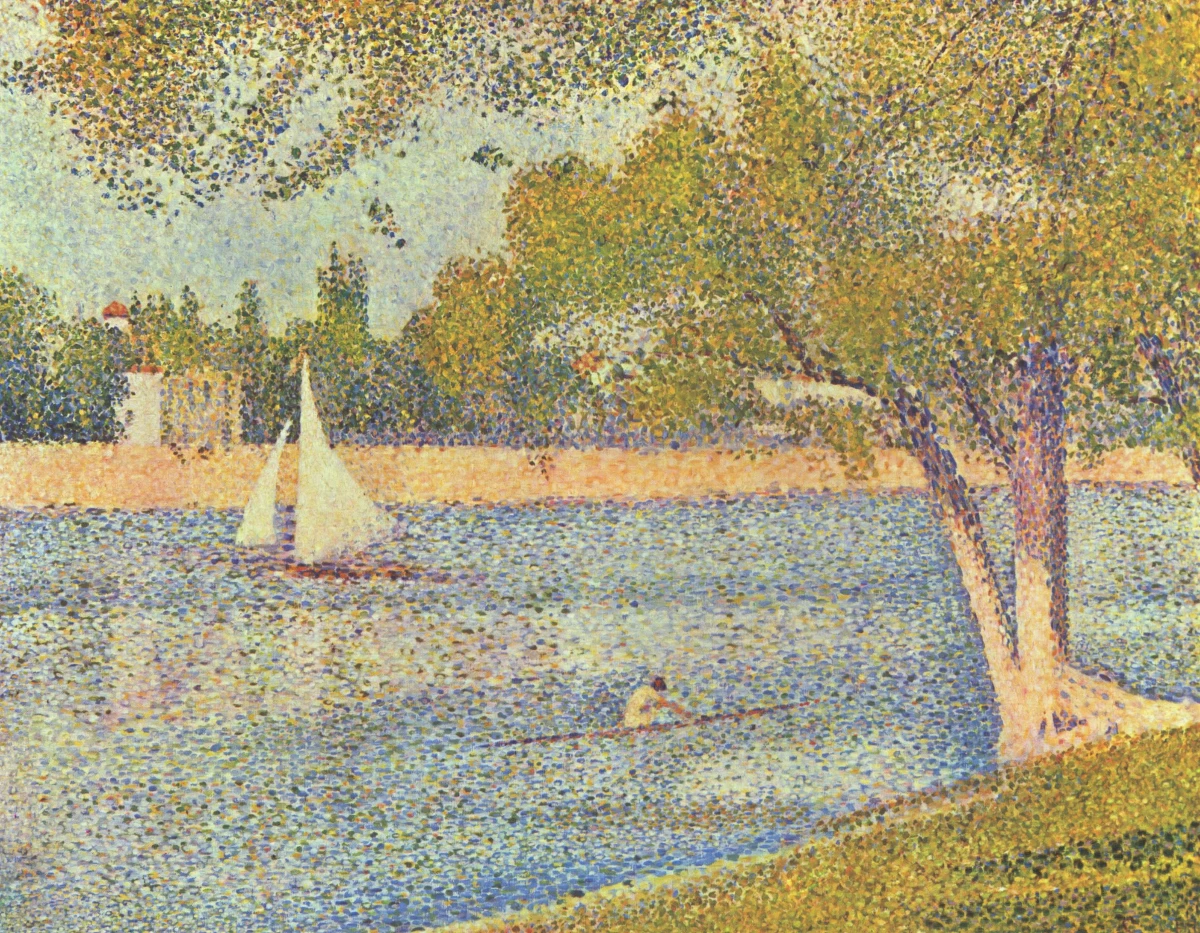
Pointillism
A short guide to Pointillism: Seurat and Signac, Neo-Impressionism, optical colour mixture with dots, and a digital homage you can try in PictorX.
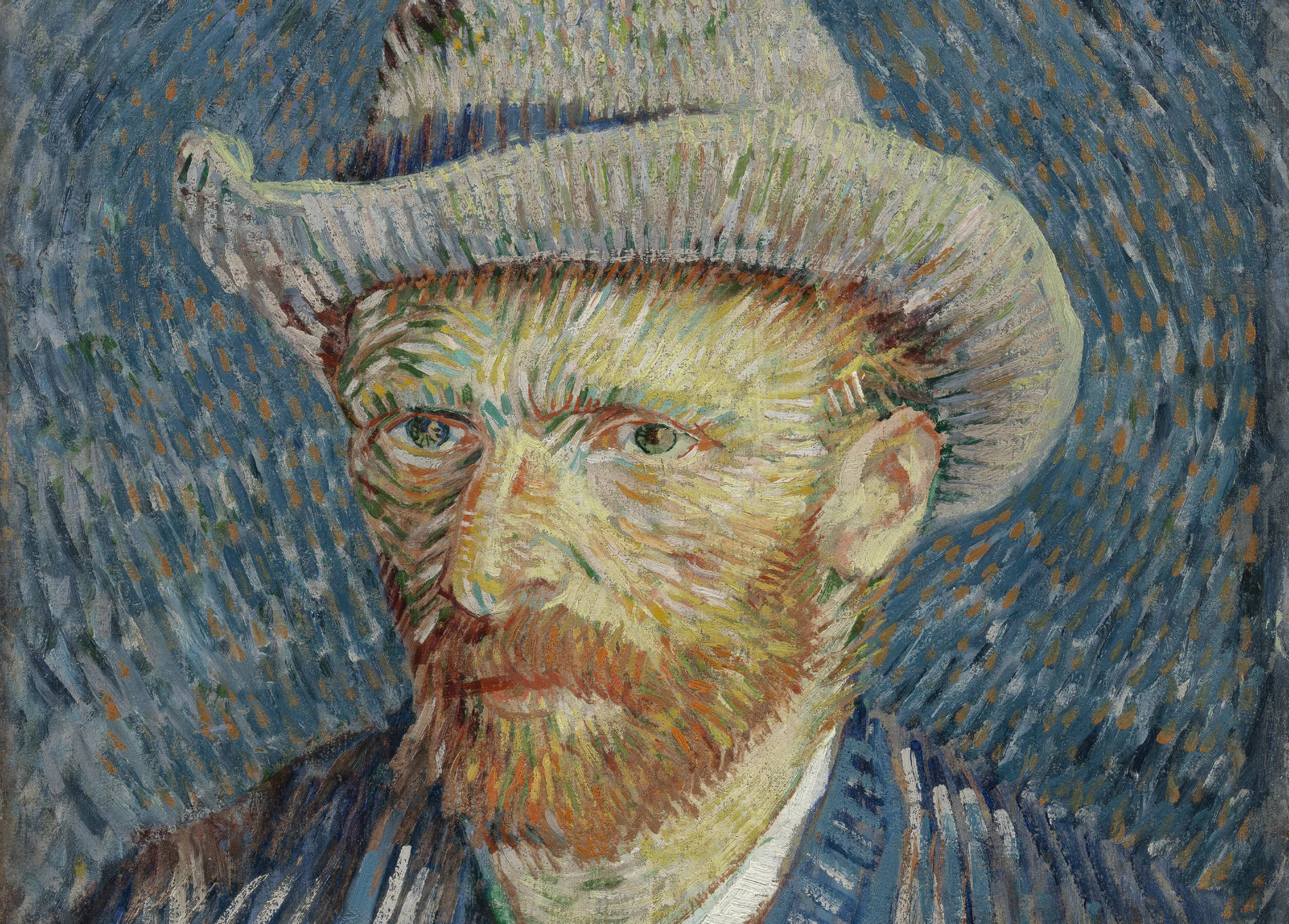
Vincent van Gogh
A short guide to Vincent van Gogh: Dutch Post-Impressionism, swirling brushwork, Starry Night and sunflowers, and a respectful digital homage you can try in PictorX.
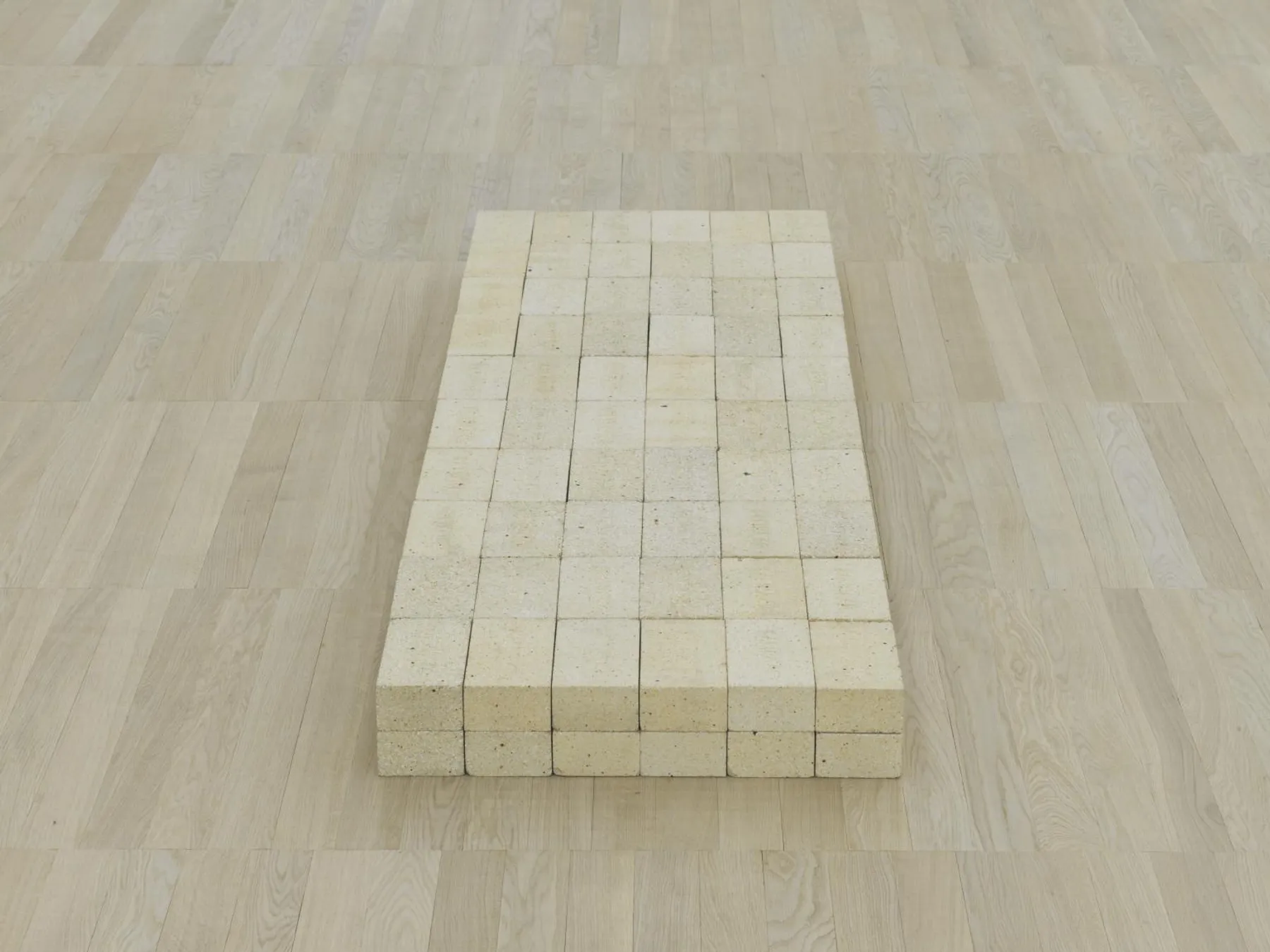
Minimalism
A short guide to Minimalism: late 1950s–60s reaction to Abstract Expressionism, geometry and industrial materials, Judd, Flavin, Stella, and a digital homage you can try in PictorX.
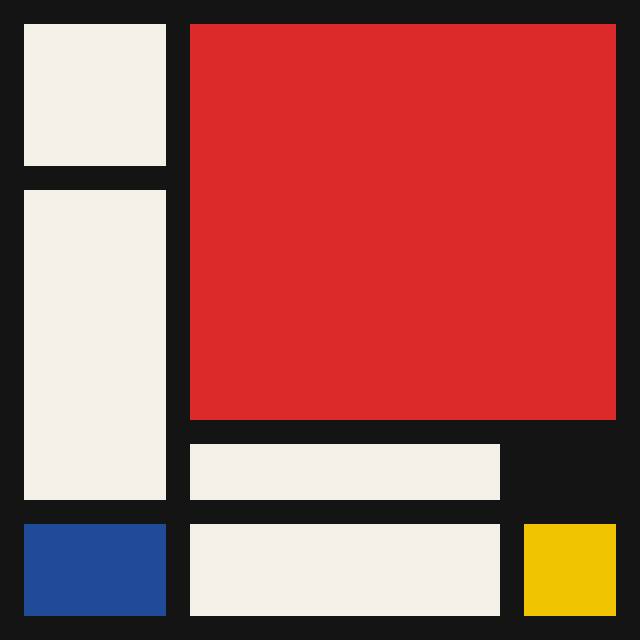
Mondriaan
Compose classic Mondriaan-style De Stijl grids in your browser. Adjust complexity, line thickness, and color fill — click cells to recolor, then save a PNG.
Ready to try it?
Open PictorX in your browser — no install, no credit card required to start.
Try Paul Klee