
Zet een foto in een surrealistische droom — Dalí's zachte horloges, Magrittes bolhoeden of De Chirico's plein — kies een kunstenaar en een stijl en stel daarna Vervorming en Dromerigheid in.
Onbepaalde deelbaarheid – Surrealisme, Dalí en Magritte
The Surrealists painted dreams with the precision of a photograph, or let chance take over. This app puts your photo into one of their pictures: choose Salvador Dalí for soft watches, elephants on stilt legs and crutches, René Magritte for green apples, bowler hats and blue skies, or Other for De Chirico's empty squares, Max Ernst's crusts, Tanguy's endless plains, Carrington's giantess, Varo's tower and Man Ray's solarized prints. All processed on-device. Zet een foto in een surrealistische droom — Dalí's zachte horloges, Magrittes bolhoeden of De Chirico's plein — kies een kunstenaar en een stijl en stel daarna Vervorming en Dromerigheid in.
Hoe het werkt
- Open PictorX in your browser and load a photo — portraits with a clear subject work best.
- Pick an Artist—Salvador Dalí, René Magritte or Other for the rest of the Surrealists—then one of their Styles and a Palette, and adjust Distortion, Dreaminess, Detail, Shadows and Floating Objects. Turn on Remove background for a cleaner cutout of the subject.
- Export the painting, or keep editing with layers and other effects in the same workspace.
Salvador Dalí, René Magritte or another Surrealist
The Artist list at the top of the panel chooses whose dream you step into, and the Style list below it shows that artist's pictures. Salvador Dalí has seven: Persistence of Memory, Elephants, Galatea of the Spheres, Swans Reflecting Elephants, Burning Giraffe, Sleep and Leda Atomica. René Magritte has eight: Son of Man, Golconda, Empire of Light, Decalcomania, The Lovers, Treachery of Images, Great Family and Castle of the Pyrenees. Other gathers the rest of the movement: De Chirico's Metaphysical, Max Ernst's Europe after the Rain, the Exquisite Corpse, Yves Tanguy's Indefinite Divisibility, Leonora Carrington's The Giantess, Remedios Varo's Embroidering the Earth's Mantle and Man Ray's Solarization.
Seven dreams after Dalí
Persistence of Memory follows the painting of 1931: your photo goes soft and droops over the edge of a ledge beside a melting watch, in a bare landscape of golden cliffs and a calm sea. Elephants sets the subject on a plain at sunset between elephants on impossibly long, thin legs that carry obelisks. Galatea of the Spheres rebuilds the subject from shaded spheres floating in space. Swans Reflecting Elephants stands it on the shore of a still lake among the rocks of Cap de Creus, where swans float on the water and their reflections are elephants. Burning Giraffe opens drawers in the figure, props it up with crutches and sets a giraffe on fire far off on a blue evening plain. Sleep turns it into a huge soft mass hanging in the air on crutches, and Leda Atomica lets everything float: the figure in separate slabs, the sea above the beach, and an egg, a book and a stool in the air.
Eight impossible pictures after Magritte
Son of Man sets the subject before a low wall, a grey sea and a blue sky of cumulus clouds, with a green apple floating before the face and bowler hats drifting overhead. Golconda fills the air with men in bowler hats before plain houses with red roofs. Empire of Light puts a bright day sky over a street already deep in the night, with a street lamp and lit windows. Decalcomania stands the subject beside a curtain with their silhouette cut out of it, through which the sea and sky continue. The Lovers wraps the head in a white cloth, in a room with a red wall and a wall painted as sky. Treachery of Images paints the subject plainly on a bare ground above the handwritten words “Ceci n'est pas une photo.” Great Family fills the subject's silhouette with a bright day sky against a stormy sea, and Castle of the Pyrenees sets the subject on a huge rock floating over the waves, beside a small castle.
De Chirico, Max Ernst and the Exquisite Corpse
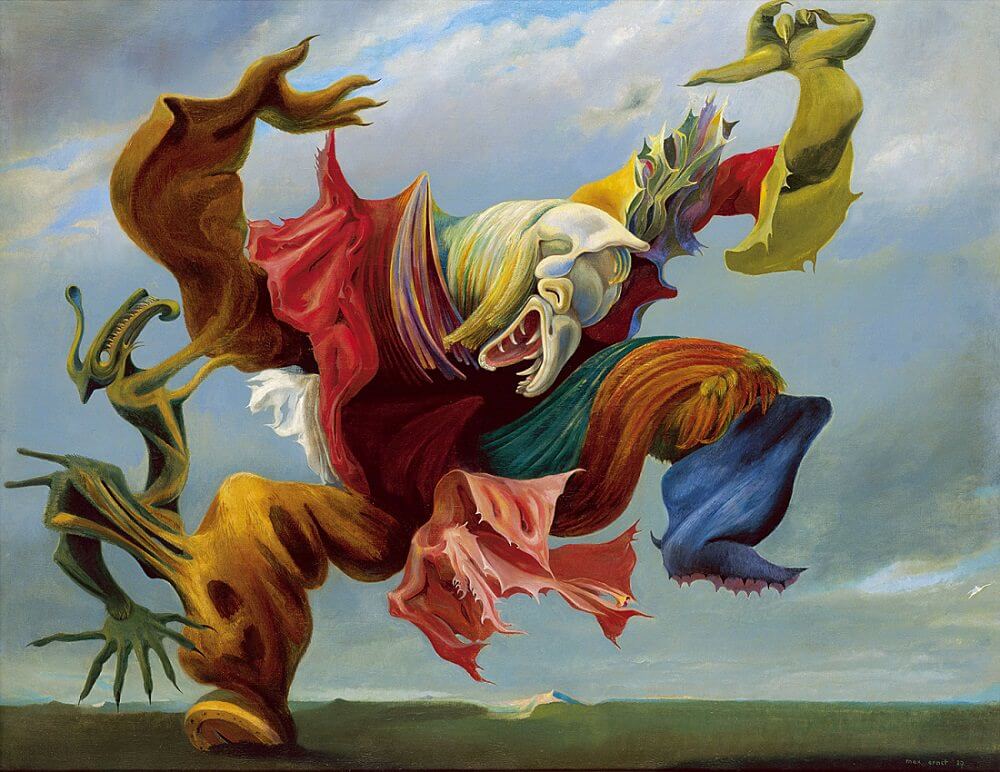
Metaphysical follows Giorgio de Chirico, setting the subject as a statue on a plinth in an empty square with an arcade, a green sky, long shadows, a red chimney and a little train. Europe after the Rain follows Max Ernst, pressing the photo into decalcomania crusts of rust and verdigris under a clear sky and a ring-shaped sun. Exquisite Corpse cuts the picture into bands drawn in ink, pencil, watercolour and halftone, like the Surrealists' folding game in which each player adds a part without seeing the others.
Tanguy, Carrington, Varo and Man Ray
Indefinite Divisibility follows Yves Tanguy, turning the subject into a smooth stone form on an endless plain that melts into the sky without a horizon, among bone-like shapes that throw long, crisp shadows. The Giantess follows Leonora Carrington: the subject towers over a tiny landscape of sea, ships and wheat in a long pale cloak, guarding an egg while geese fly from her cloak and little people look up at her feet. Embroidering the Earth's Mantle follows Remedios Varo, setting the subject in the window of a round tower while threads spill down and become an embroidered landscape, all covered in her fine, hair-thin brushstrokes. Solarization follows Man Ray's photographs of about 1930: a silver print whose highlights fold over into dark, with pale lines glowing along the edges, and rayograph objects—a key, a spiral, a comb, a pair of lips—around it.
From a hint to a strange dream
Distortion sets how strange the scene becomes: how far Dalí's photo melts or his elephants' legs grow, how high Magritte's subject floats or how far his night rises into the day sky, how steep De Chirico's perspective is or how far the Exquisite Corpse's bands shift. Dreaminess smooths the photo into glazed paint and tones it towards the palette; Detail adds clouds, swans, hats, arches, crusts, forms or threads; Shadows deepens the shadows. Palette chooses the light—Dream for each painter's own colours, Photo to keep your hues, Dusk, Night or Desert—and Floating Objects adds the watches, crutches, apples, bowler hats, castle, caption, the chimney and the train, Carrington's geese or Man Ray's rayograph objects. Remove background cuts out the subject first, so it stands cleanly in the scene.
Privacy and keep editing
Processing stays in your browser—photos are not uploaded to PictorX servers for this filter. After Surrealism, Dalí and Magritte, continue with layers, text, Picasso and Cubism, Matisse and Fauvism, Pop Art, or export.
Veelgestelde vragen
Wat doet de app Surrealisme, Dalí en Magritte?
Het maakt van een foto een droomachtig schilderij naar de surrealisten. Kies een Kunstenaar: Salvador Dalí laat hem smelten zoals de slappe horloges van De volharding der herinnering, zet hem tussen olifanten met lange poten of stut hem met krukken; René Magritte zet een groene appel voor het gezicht, vult de lucht met mannen met bolhoeden of schrijft ‘Ceci n'est pas une photo’ eronder; Overig plaatst hem op het lege plein van De Chirico, in de korsten van Max Ernst, in een Cadavre exquis, op de eindeloze vlakte van Tanguy, bij de reuzin van Carrington, in de toren van Varo of in een solarisatie van Man Ray. Het wordt opgebouwd uit je foto en is geen kopie van een museumschilderij.
Wat was het surrealisme?
Een kunst- en literaire beweging die in 1924 in Parijs werd opgericht, toen André Breton het Surrealistisch Manifest publiceerde. De schilders, onder wie Salvador Dalí, René Magritte, Max Ernst en Joan Miró, putten uit dromen, toeval en het onbewuste en schilderden vaak onmogelijke taferelen met groot realisme. De eerdere metafysische schilderijen van Giorgio de Chirico waren een belangrijke invloed.
Wie waren Salvador Dalí en René Magritte?
De twee bekendste schilders van het surrealisme. Salvador Dalí (1904–1989), uit Catalonië in Spanje, schilderde droombeelden met de precisie van een oude meester — smeltende horloges, olifanten op stelten, krukken, laden en dubbelbeelden — en was net zo beroemd om zijn gewaxte snor en zijn showmanship als om zijn schilderijen. René Magritte (1898–1967), een Belg die vooral in Brussel werkte, schilderde gewone dingen met grote helderheid en plaatste ze in onmogelijke situaties: zijn mannen met bolhoeden, groene appels en blauwe luchten met witte wolken zijn over de hele wereld bekend.
Wie waren Tanguy, Carrington, Varo en Man Ray?
Yves Tanguy (1900–1955) was een Franse schilder van eindeloze droomvlaktes bezaaid met gladde, botachtige vormen. Leonora Carrington (1917–2011), geboren in Engeland, en Remedios Varo (1908–1963), geboren in Spanje, werden in Mexico-Stad goede vriendinnen en schilderden magische werelden vol reuzinnen, torens, alchemisten en reizigers. Man Ray (1890–1976), een Amerikaan in Parijs, bracht het surrealisme in de fotografie met zijn rayogrammen zonder camera en zijn gesolariseerde portretten.
Wat is een cadavre exquis?
Een surrealistisch spel waarbij meerdere mensen op een gevouwen vel iets aan een tekening of zin toevoegen zonder te zien wat de anderen hebben gedaan, zodat de delen nooit helemaal op elkaar aansluiten. De stijl Cadavre exquis bootst dat na door elke strook van je foto in een andere techniek te tekenen en uit het lood te schuiven.
Wat betekent ‘Ceci n'est pas une photo’?
‘Dit is geen foto.’ Het verwijst naar Magrittes schilderij Het verraad van de voorstelling (1929), waarop onder een afbeelding van een pijp de woorden ‘Ceci n'est pas une pipe’ staan: een afbeelding is alleen een beeld van iets, niet het ding zelf.
Is dit een officieel product van Dalí of Magritte?
Nee. De app Surrealisme, Dalí en Magritte van PictorX is een digitale hommage, geïnspireerd op hun schilderijen. Hij is niet verbonden aan de Gala-Salvador Dalí Stichting, de Magritte Stichting of de erven van de kunstenaars, geeft geen van hun werken weer, en elk beeld dat hij maakt komt uit je eigen foto.
Welke foto's werken het best?
Portretten en foto's met één duidelijk onderwerp, want de meeste stijlen knippen het onderwerp uit en zetten het in een nieuwe scène – zet ‘Achtergrond verwijderen’ aan voor de strakste omtrek. Dalí's ‘De volharding der herinnering’ en, onder ‘Andere’, ‘Europa na de regen’, ‘Cadavre exquis’ en ‘Solarisatie’ werken met elke foto, ook met landschappen en gebouwen.
Gerelateerde gereedschappen
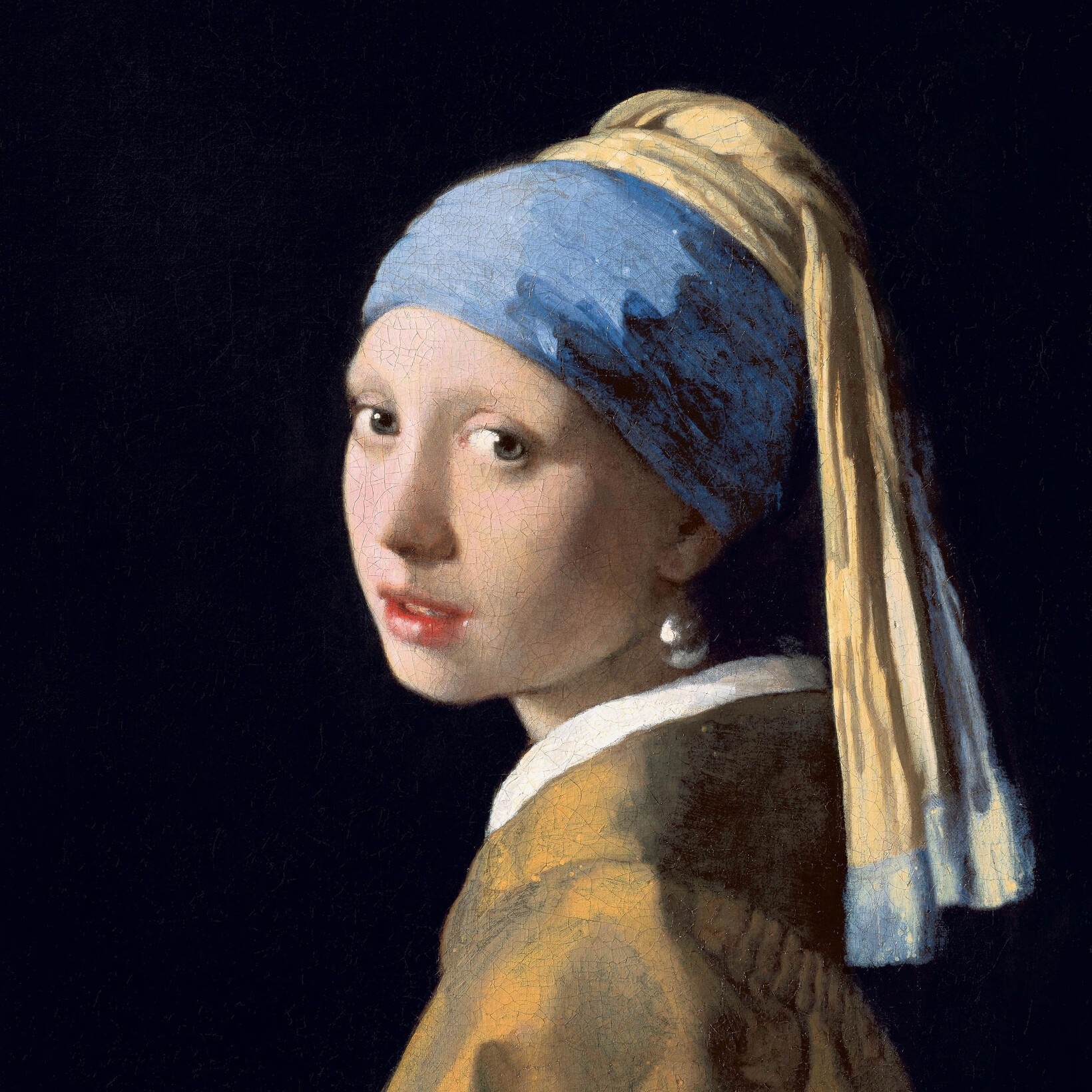
Surrealisme
Wat was het surrealisme? Bretons manifest van 1924, De Chirico, Dalí's slappe klokken, Magrittes appels en pijpen, Ernst, Miró, cadavre exquis en de erfenis.
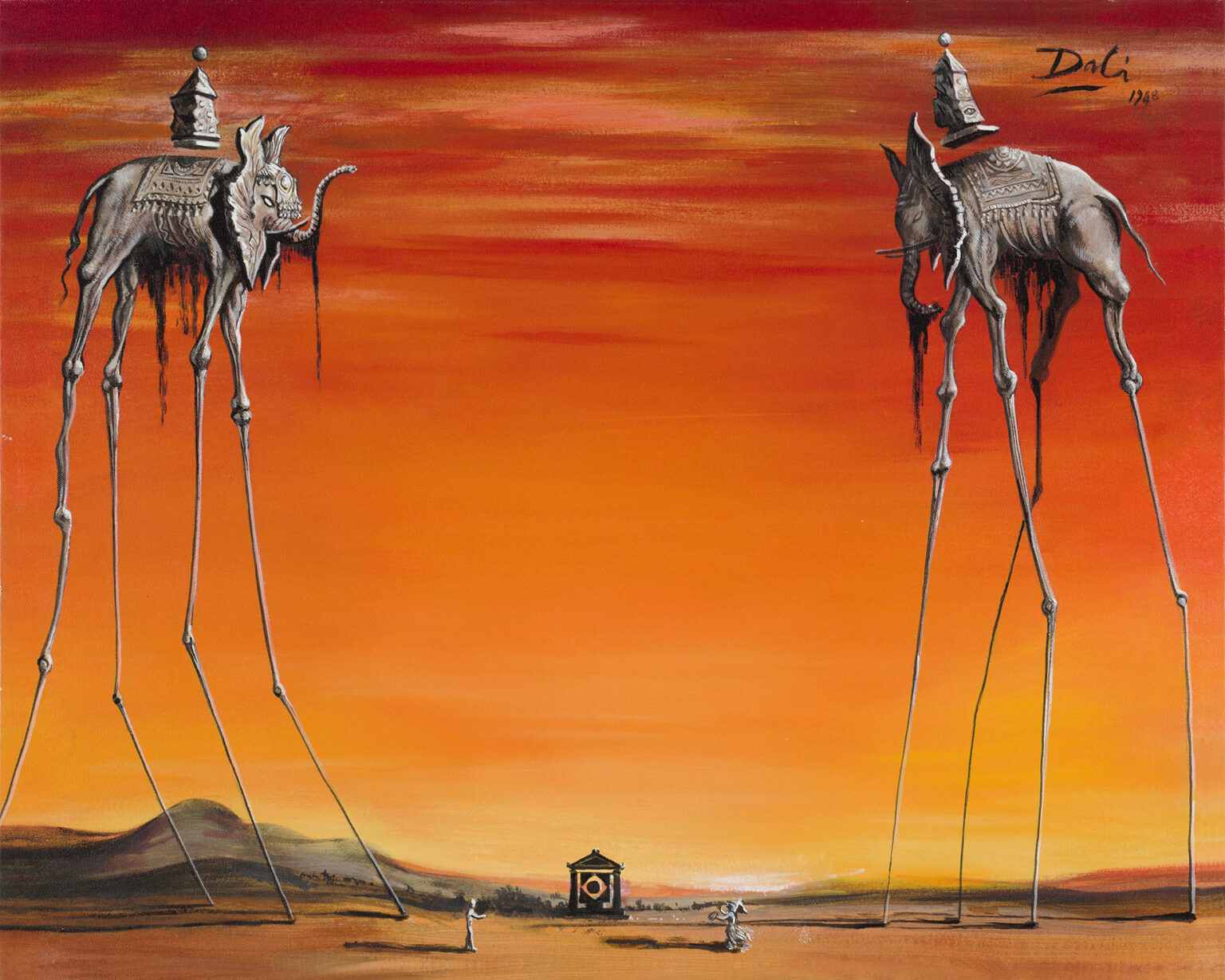
Salvador Dalí
Wie was Salvador Dalí? De surrealist van de smeltende klokken in De volharding der herinnering, de olifanten, de kreeftentelefoon en zijn museum in Figueres.
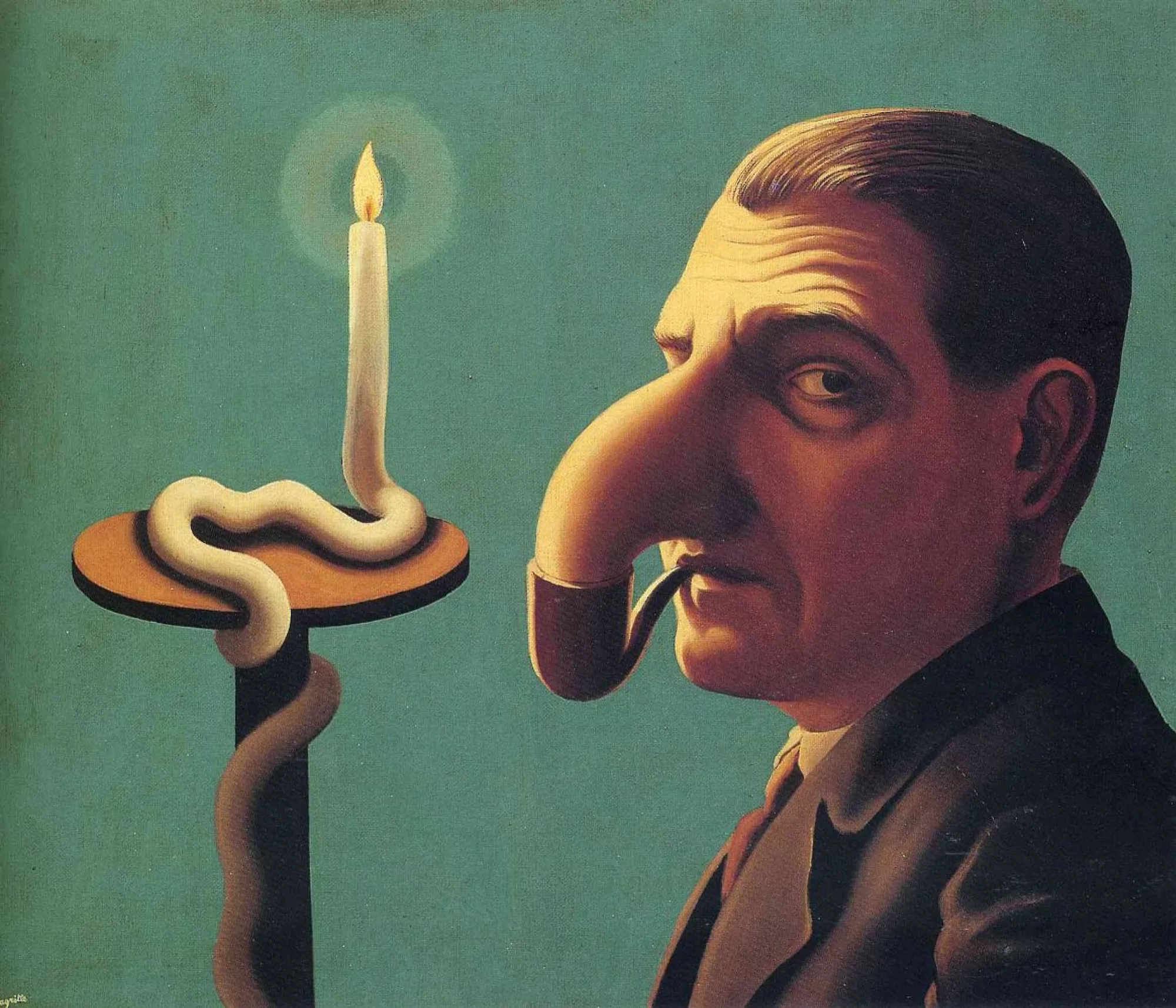
René Magritte
Wie was René Magritte? De Belgische surrealist achter De mensenzoon, Ceci n'est pas une pipe, de bolhoeden en Het rijk der lichten, en wat ze betekenen.
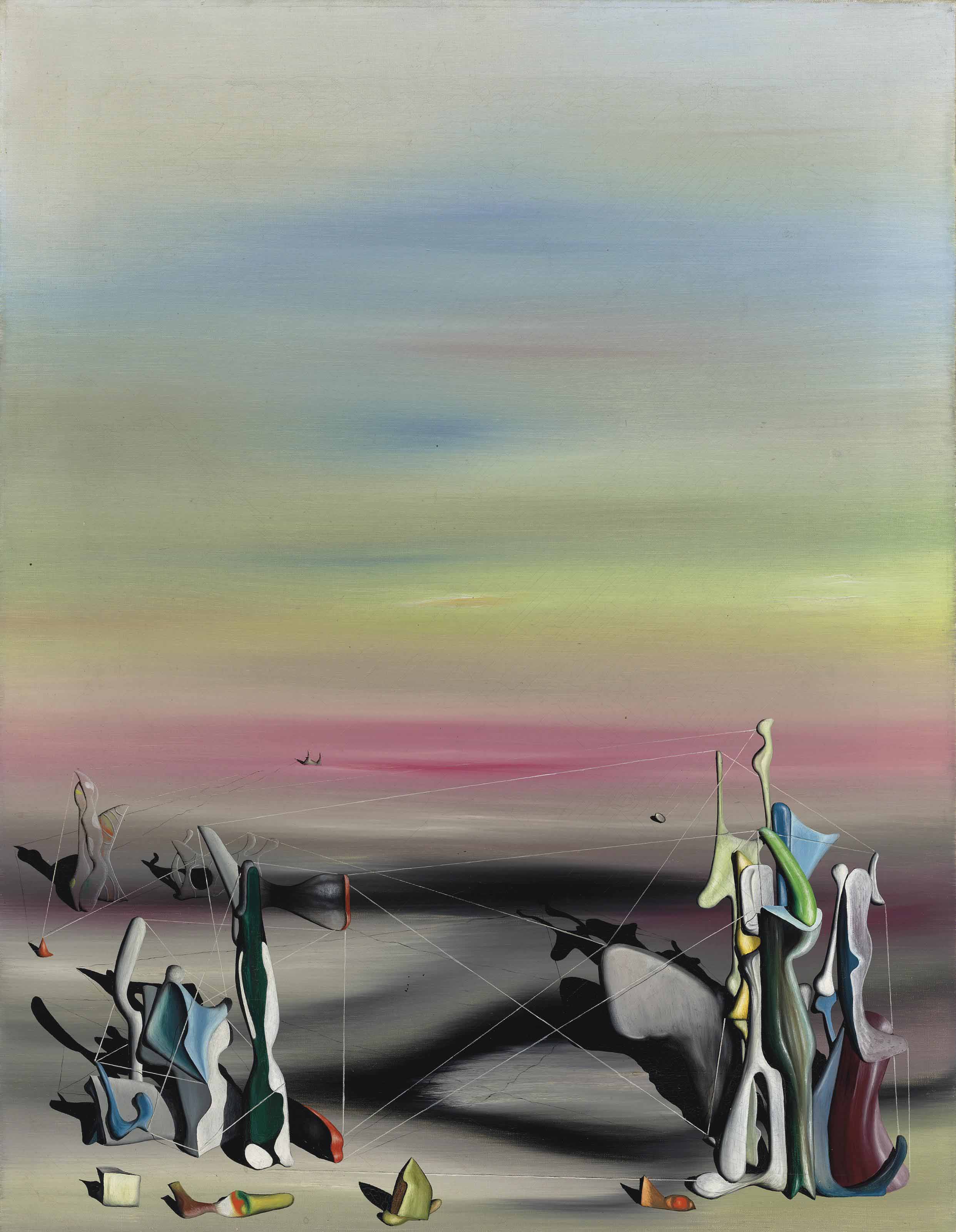
Yves Tanguy
Wie was Yves Tanguy? De autodidacte Bretonse surrealist: een De Chirico vanuit de bus, Mama, Papa is gewond!, vlaktes zonder horizon, Kay Sage en Amerika.
Op-art: je foto als optische illusie
Maak in je browser op-art van een foto: Dalí's Galatea van de bollen, Vasarely's Vega, golven van Bridget Riley, reliëflijnen, moiré, spiralen en vervormde rasters — in je onderwerp of in een vorm, stilstaand of bewegend.
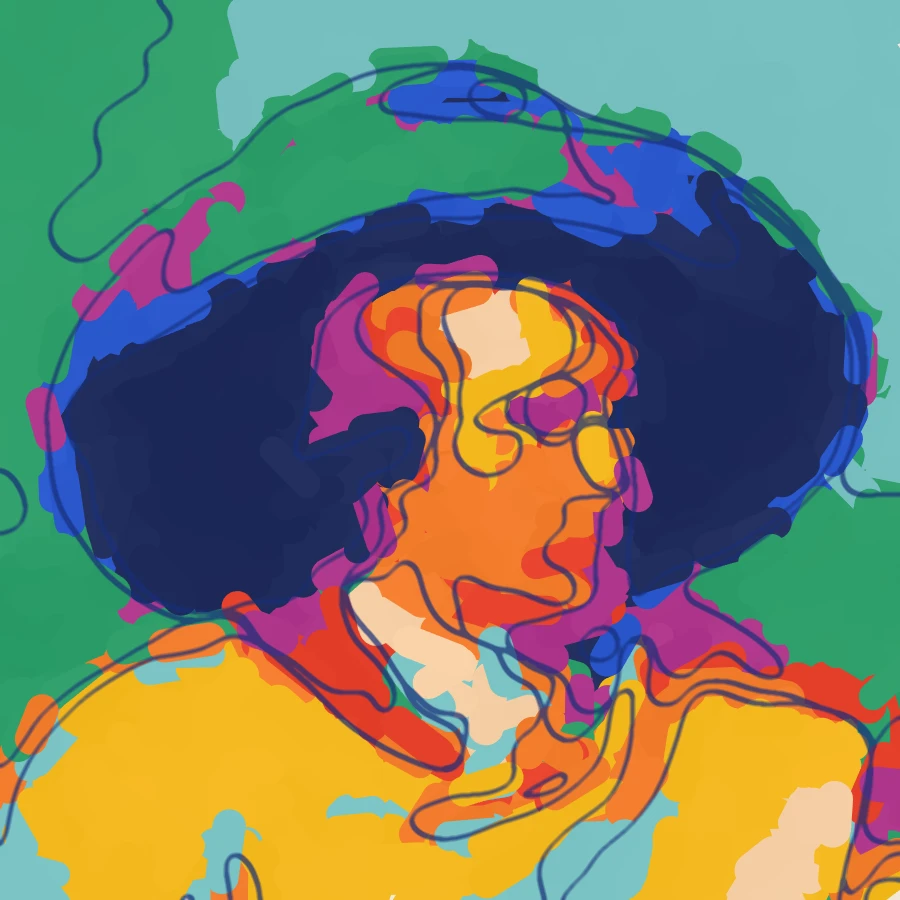
Henri Matisse en het fauvisme
Maak van een foto Henri Matisse en het fauvisme in je browser: knipsels zoals Jazz en de Blauwe naakten, Harmonie in rood, een vloeiende lijntekening of de wilde fauvistische kleur van Matisse’ Vrouw met hoed, Collioure, Derains Londen en Vlaminck.
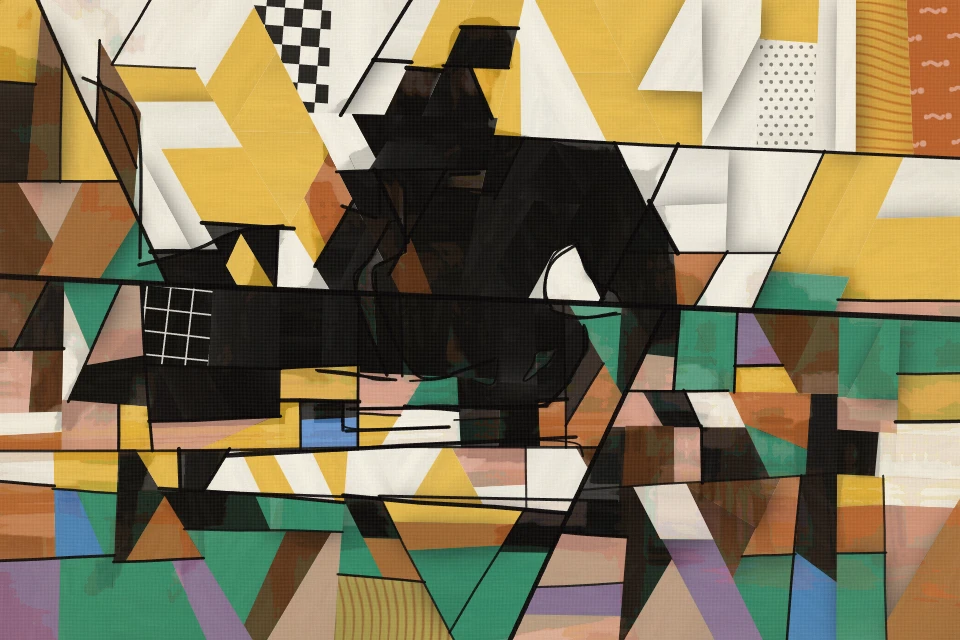
Pablo Picasso en het kubisme
Maak van een foto Pablo Picasso en het kubisme in je browser: de blauwe en roze periode, analytisch of synthetisch kubisme, een kubistisch portret, papier collé, kristalkubisme, de versplinterde portretten van de Huilende vrouw of de zwart-witte scherven van Guernica.
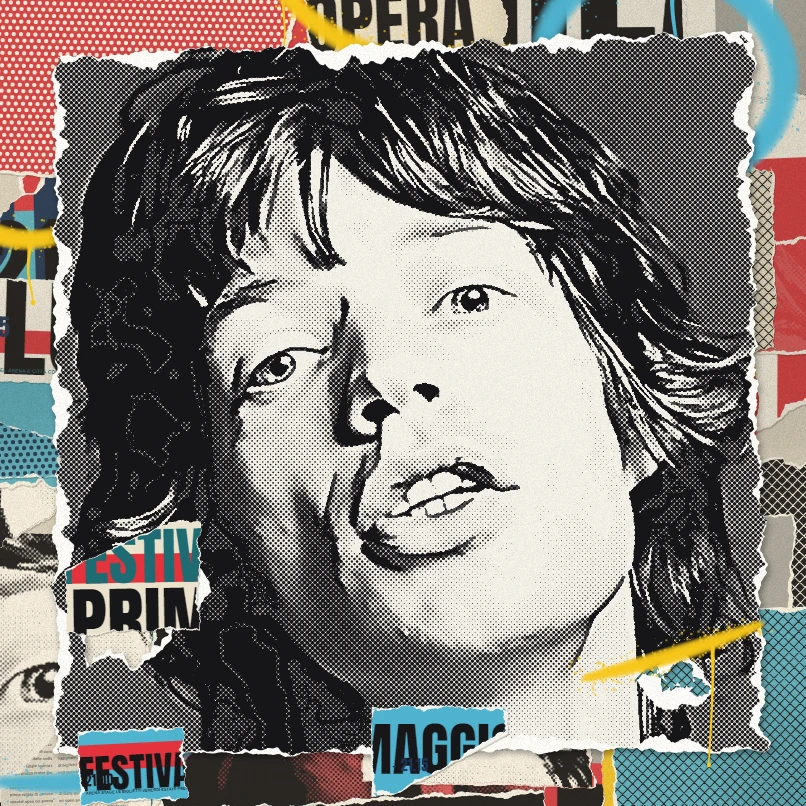
Pop-art-fotofilter
Maak in je browser pop-art van een foto: een retro-popposter, een popmotief, een WPAP-portret in regenboogfacetten, een straatcollage, inktspetters, bladgoud, een silhouet, zonnestralen of een rooster van popemblemen.
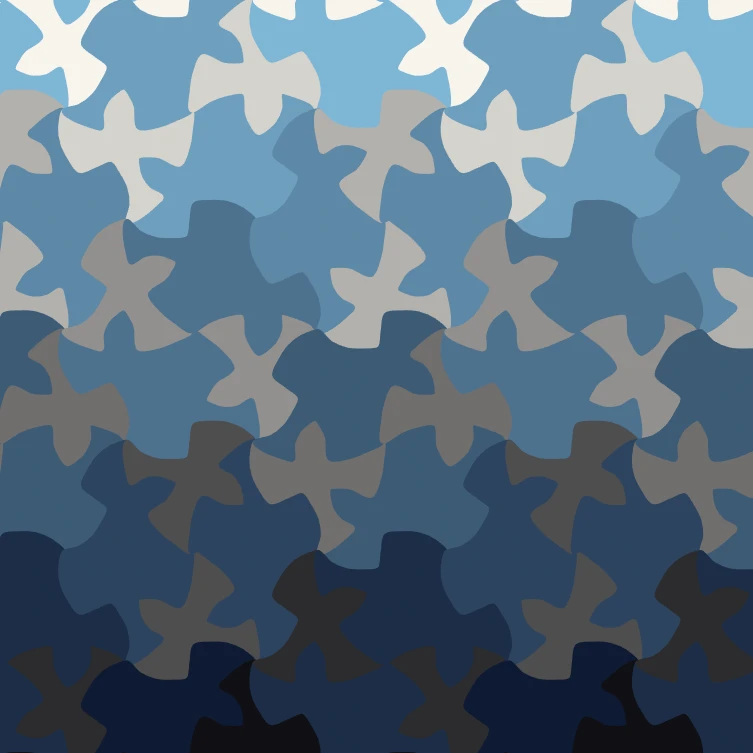
M.C. Escher-tessellatiemaker
Maak online tessellaties in de stijl van M.C. Escher: in elkaar passende hagedissen, vogels, vissen, Pegasus en meer. Pas vorm en kleuren aan en sla op.
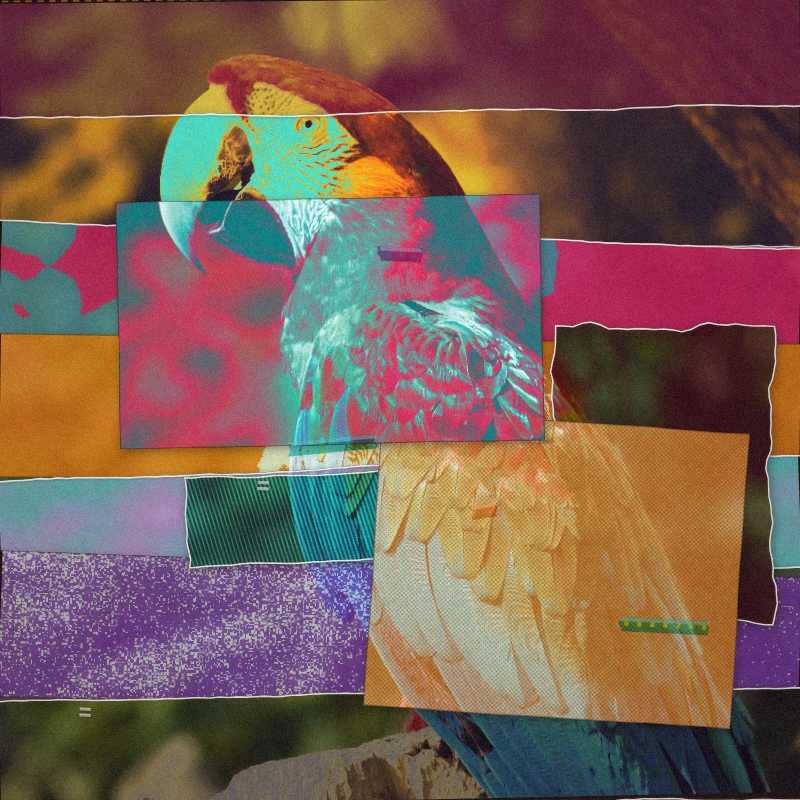
Maak van een foto een mixed-media-collage
Herbouw een foto als mixed-media-collage in je browser—gescheurde snippers, druktexturen, tape en xerox.
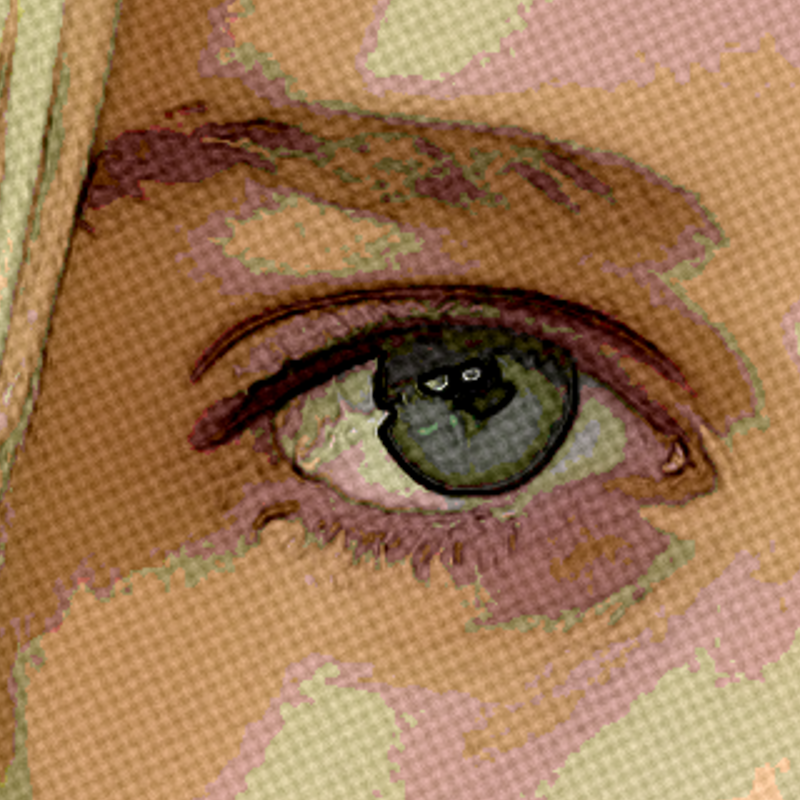
Artistieke effecten
Transformeer foto's met olieverf, aquarel, potlood, stripinkt, pastelkleuren, uitgesneden papier en andere studiokunstlooks.
Klaar om het te proberen?
Open PictorX in je browser - geen installatie, geen creditcard nodig om te starten.
Ga naar Editor