
Inserisci una foto in un sogno surrealista — gli orologi molli di Dalí, le bombette di Magritte o la piazza di De Chirico — scegli un artista e uno stile, poi regola Distorsione e Onirismo.
Divisibilità indefinita – Surrealismo, Dalí e Magritte
The Surrealists painted dreams with the precision of a photograph, or let chance take over. This app puts your photo into one of their pictures: choose Salvador Dalí for soft watches, elephants on stilt legs and crutches, René Magritte for green apples, bowler hats and blue skies, or Other for De Chirico's empty squares, Max Ernst's crusts, Tanguy's endless plains, Carrington's giantess, Varo's tower and Man Ray's solarized prints. All processed on-device. Inserisci una foto in un sogno surrealista — gli orologi molli di Dalí, le bombette di Magritte o la piazza di De Chirico — scegli un artista e uno stile, poi regola Distorsione e Onirismo.
Come funziona
- Open PictorX in your browser and load a photo — portraits with a clear subject work best.
- Pick an Artist—Salvador Dalí, René Magritte or Other for the rest of the Surrealists—then one of their Styles and a Palette, and adjust Distortion, Dreaminess, Detail, Shadows and Floating Objects. Turn on Remove background for a cleaner cutout of the subject.
- Export the painting, or keep editing with layers and other effects in the same workspace.
Salvador Dalí, René Magritte or another Surrealist
The Artist list at the top of the panel chooses whose dream you step into, and the Style list below it shows that artist's pictures. Salvador Dalí has seven: Persistence of Memory, Elephants, Galatea of the Spheres, Swans Reflecting Elephants, Burning Giraffe, Sleep and Leda Atomica. René Magritte has eight: Son of Man, Golconda, Empire of Light, Decalcomania, The Lovers, Treachery of Images, Great Family and Castle of the Pyrenees. Other gathers the rest of the movement: De Chirico's Metaphysical, Max Ernst's Europe after the Rain, the Exquisite Corpse, Yves Tanguy's Indefinite Divisibility, Leonora Carrington's The Giantess, Remedios Varo's Embroidering the Earth's Mantle and Man Ray's Solarization.
Seven dreams after Dalí
Persistence of Memory follows the painting of 1931: your photo goes soft and droops over the edge of a ledge beside a melting watch, in a bare landscape of golden cliffs and a calm sea. Elephants sets the subject on a plain at sunset between elephants on impossibly long, thin legs that carry obelisks. Galatea of the Spheres rebuilds the subject from shaded spheres floating in space. Swans Reflecting Elephants stands it on the shore of a still lake among the rocks of Cap de Creus, where swans float on the water and their reflections are elephants. Burning Giraffe opens drawers in the figure, props it up with crutches and sets a giraffe on fire far off on a blue evening plain. Sleep turns it into a huge soft mass hanging in the air on crutches, and Leda Atomica lets everything float: the figure in separate slabs, the sea above the beach, and an egg, a book and a stool in the air.
Eight impossible pictures after Magritte
Son of Man sets the subject before a low wall, a grey sea and a blue sky of cumulus clouds, with a green apple floating before the face and bowler hats drifting overhead. Golconda fills the air with men in bowler hats before plain houses with red roofs. Empire of Light puts a bright day sky over a street already deep in the night, with a street lamp and lit windows. Decalcomania stands the subject beside a curtain with their silhouette cut out of it, through which the sea and sky continue. The Lovers wraps the head in a white cloth, in a room with a red wall and a wall painted as sky. Treachery of Images paints the subject plainly on a bare ground above the handwritten words “Ceci n'est pas une photo.” Great Family fills the subject's silhouette with a bright day sky against a stormy sea, and Castle of the Pyrenees sets the subject on a huge rock floating over the waves, beside a small castle.
De Chirico, Max Ernst and the Exquisite Corpse
Metaphysical follows Giorgio de Chirico, setting the subject as a statue on a plinth in an empty square with an arcade, a green sky, long shadows, a red chimney and a little train. Europe after the Rain follows Max Ernst, pressing the photo into decalcomania crusts of rust and verdigris under a clear sky and a ring-shaped sun. Exquisite Corpse cuts the picture into bands drawn in ink, pencil, watercolour and halftone, like the Surrealists' folding game in which each player adds a part without seeing the others.
Tanguy, Carrington, Varo and Man Ray
Indefinite Divisibility follows Yves Tanguy, turning the subject into a smooth stone form on an endless plain that melts into the sky without a horizon, among bone-like shapes that throw long, crisp shadows. The Giantess follows Leonora Carrington: the subject towers over a tiny landscape of sea, ships and wheat in a long pale cloak, guarding an egg while geese fly from her cloak and little people look up at her feet. Embroidering the Earth's Mantle follows Remedios Varo, setting the subject in the window of a round tower while threads spill down and become an embroidered landscape, all covered in her fine, hair-thin brushstrokes. Solarization follows Man Ray's photographs of about 1930: a silver print whose highlights fold over into dark, with pale lines glowing along the edges, and rayograph objects—a key, a spiral, a comb, a pair of lips—around it.
From a hint to a strange dream
Distortion sets how strange the scene becomes: how far Dalí's photo melts or his elephants' legs grow, how high Magritte's subject floats or how far his night rises into the day sky, how steep De Chirico's perspective is or how far the Exquisite Corpse's bands shift. Dreaminess smooths the photo into glazed paint and tones it towards the palette; Detail adds clouds, swans, hats, arches, crusts, forms or threads; Shadows deepens the shadows. Palette chooses the light—Dream for each painter's own colours, Photo to keep your hues, Dusk, Night or Desert—and Floating Objects adds the watches, crutches, apples, bowler hats, castle, caption, the chimney and the train, Carrington's geese or Man Ray's rayograph objects. Remove background cuts out the subject first, so it stands cleanly in the scene.
Privacy and keep editing
Processing stays in your browser—photos are not uploaded to PictorX servers for this filter. After Surrealism, Dalí and Magritte, continue with layers, text, Picasso and Cubism, Matisse and Fauvism, Pop Art, or export.
Domande frequenti
Cosa fa l'app Surrealismo, Dalí e Magritte?
Trasforma una foto in un dipinto onirico alla maniera dei surrealisti. Scegli un Artista: Salvador Dalí la scioglie come gli orologi molli de La persistenza della memoria, la colloca tra elefanti dalle zampe lunghissime o la sorregge con stampelle; René Magritte mette una mela verde davanti al volto, riempie il cielo di uomini con la bombetta o scrive sotto «Ceci n'est pas une photo»; Altri la ambienta nella piazza deserta di De Chirico, tra le croste di Max Ernst, in un cadavre exquis, nella pianura infinita di Tanguy, con la gigantessa di Carrington, la torre di Varo o una solarizzazione di Man Ray. È costruita a partire dalla tua foto, non è la copia di un dipinto museale.
Cos'era il surrealismo?
Un movimento artistico e letterario fondato a Parigi nel 1924, quando André Breton pubblicò il Manifesto del surrealismo. I suoi pittori, tra cui Salvador Dalí, René Magritte, Max Ernst e Joan Miró, attingevano a sogni, caso e inconscio, dipingendo spesso scene impossibili con grande realismo. I precedenti dipinti metafisici di Giorgio de Chirico furono un'influenza importante.
Chi erano Salvador Dalí e René Magritte?
I due pittori più noti del surrealismo. Salvador Dalí (1904–1989), catalano, dipingeva immagini oniriche con la precisione di un antico maestro (orologi che si sciolgono, elefanti su zampe di trampoli, stampelle, cassetti e immagini doppie) ed era famoso per i baffi impomatati e il suo istrionismo quanto per i suoi quadri. René Magritte (1898–1967), belga che lavorò soprattutto a Bruxelles, dipingeva oggetti comuni con grande nitidezza e li metteva in situazioni impossibili: i suoi uomini con la bombetta, le mele verdi e i cieli azzurri con nuvole bianche sono conosciuti in tutto il mondo.
Chi erano Tanguy, Carrington, Varo e Man Ray?
Yves Tanguy (1900–1955) fu un pittore francese di sterminate pianure oniriche disseminate di forme lisce simili a ossa. Leonora Carrington (1917–2011), nata in Inghilterra, e Remedios Varo (1908–1963), nata in Spagna, divennero amiche intime a Città del Messico e dipinsero mondi magici di gigantesse, torri, alchimisti e viaggiatori. Man Ray (1890–1976), americano a Parigi, portò il surrealismo nella fotografia con le sue rayografie realizzate senza macchina fotografica e i suoi ritratti solarizzati.
Cos'è un cadavre exquis?
Un gioco surrealista in cui più persone aggiungono una parte a un disegno o a una frase su un foglio piegato senza vedere ciò che hanno fatto gli altri, così le parti non combaciano mai del tutto. Lo stile Cadavre exquis lo imita disegnando ogni fascia della tua foto con una tecnica diversa e spostandola fuori allineamento.
Che cosa significa “Ceci n'est pas une photo”?
“Questa non è una foto.” Richiama il dipinto di Magritte Il tradimento delle immagini (1929), in cui sotto l'immagine di una pipa compaiono le parole “Ceci n'est pas une pipe”: un'immagine è solo la rappresentazione di una cosa, non la cosa stessa.
È un prodotto ufficiale di Dalí o Magritte?
No. L'app Surrealismo, Dalí e Magritte di PictorX è un omaggio digitale ispirato ai loro dipinti. Non è collegata alla Fondazione Gala-Salvador Dalí, alla Fondazione Magritte né agli eredi degli artisti, non riproduce nessuna delle loro opere e ogni immagine che crea nasce dalla tua foto.
Quali foto funzionano meglio?
Ritratti e foto con un soggetto ben definito, perché la maggior parte degli stili ritaglia il soggetto e lo inserisce in una nuova scena: attiva “Rimuovi sfondo” per un contorno più pulito. “La persistenza della memoria” di Dalí e, sotto “Altri”, “L'Europa dopo la pioggia”, “Cadavre exquis” e “Solarizzazione” funzionano con qualsiasi foto, anche paesaggi ed edifici.
Strumenti correlati
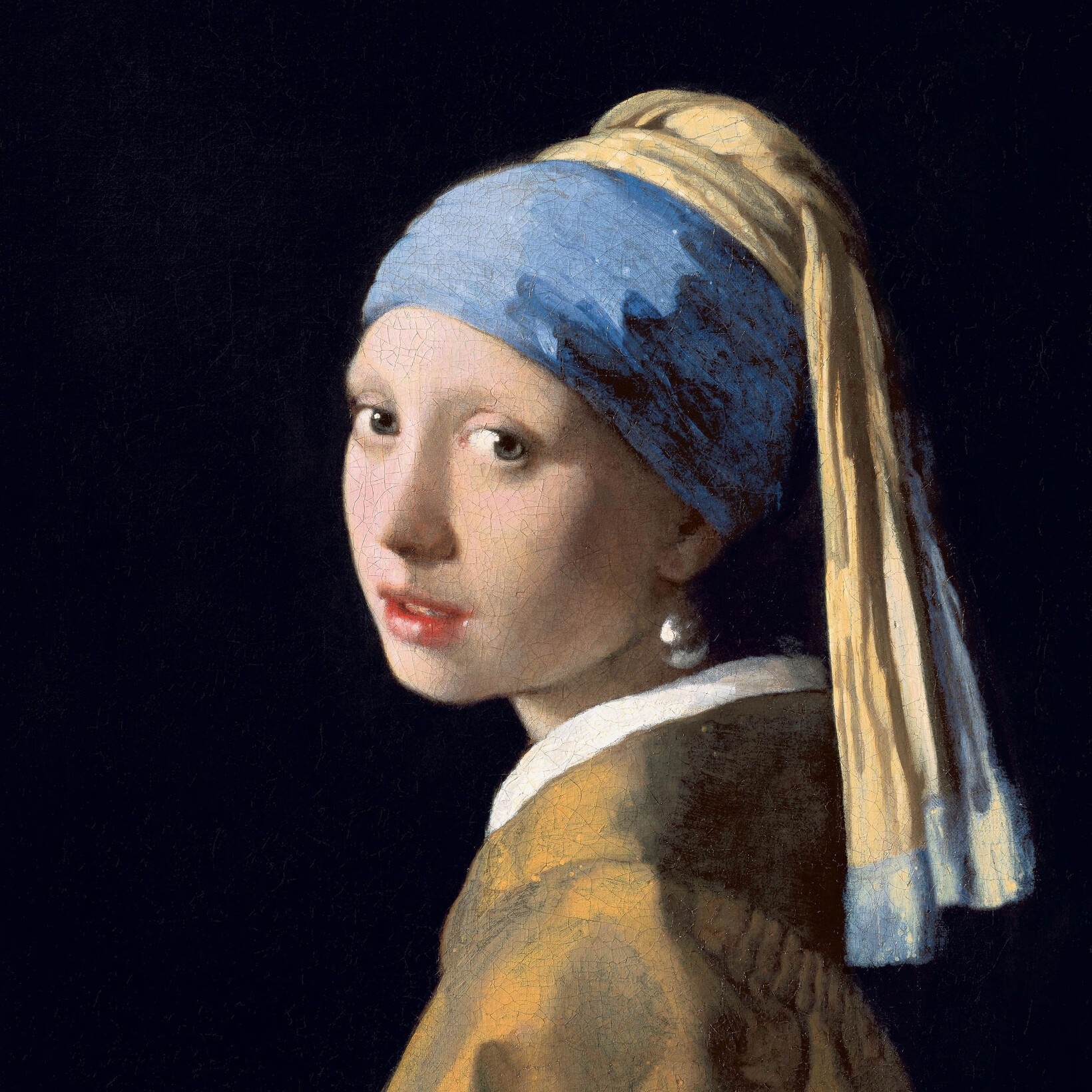
Surrealismo
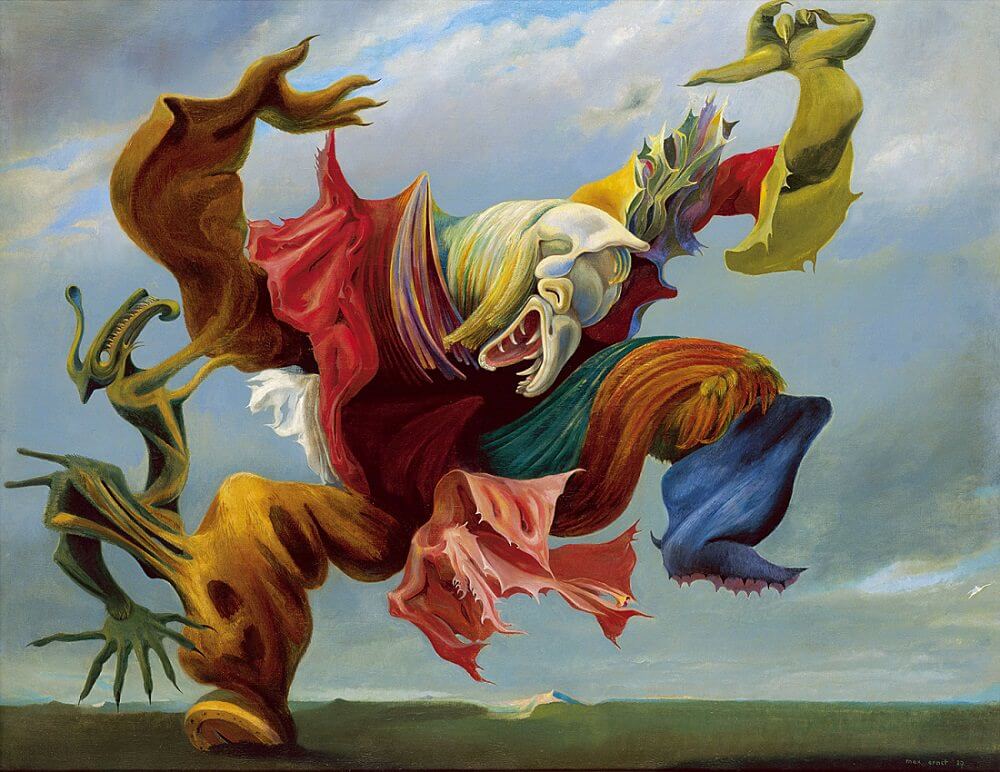
Cos'è il Surrealismo? Il manifesto di Breton del 1924, De Chirico, gli orologi molli di Dalí, mele e pipe di Magritte, Ernst, Miró, il cadavere squisito.
Salvador Dalí
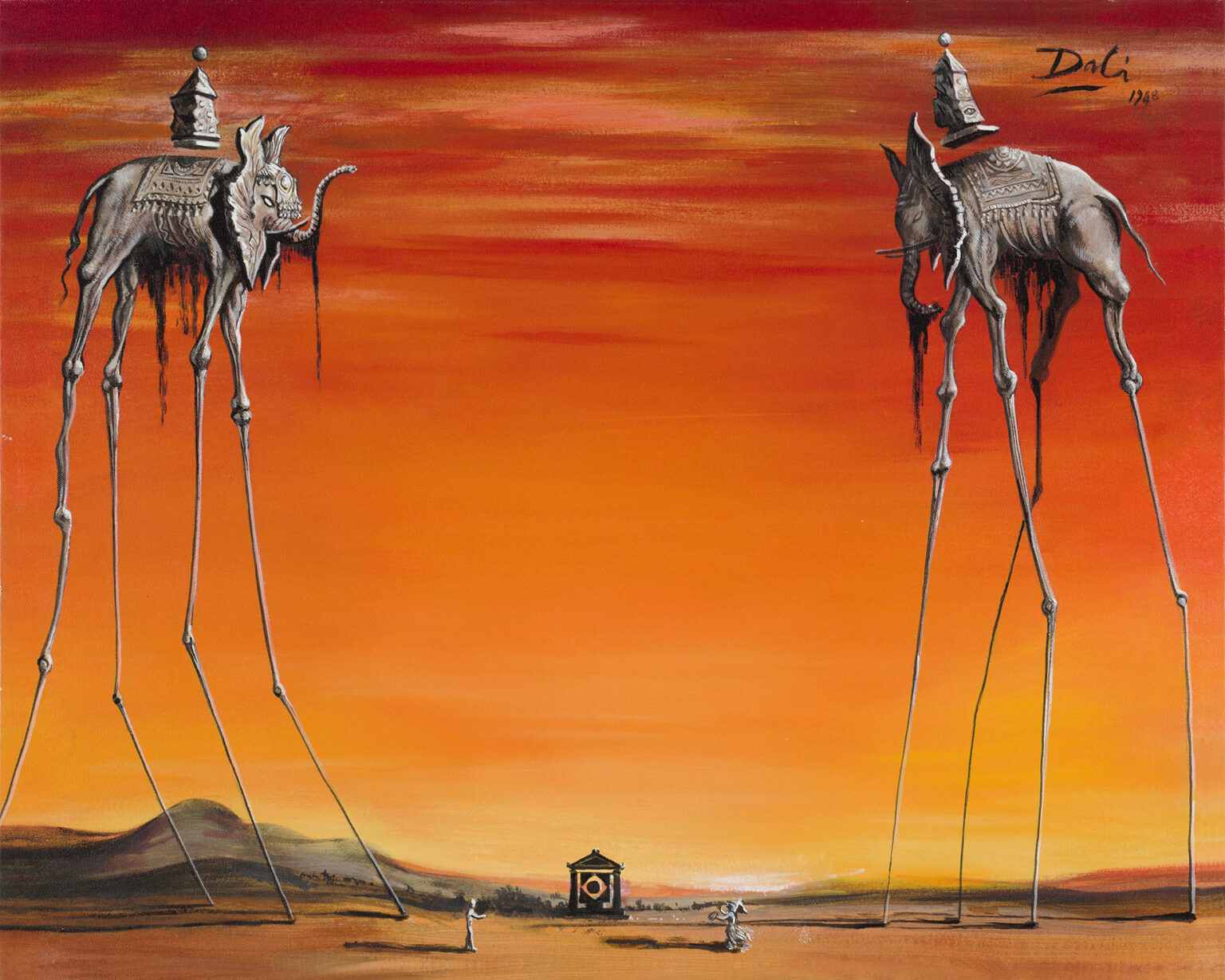
Chi era Salvador Dalí? Il surrealista degli orologi molli della Persistenza della memoria, degli elefanti, del telefono-aragosta e del suo museo a Figueres.
René Magritte
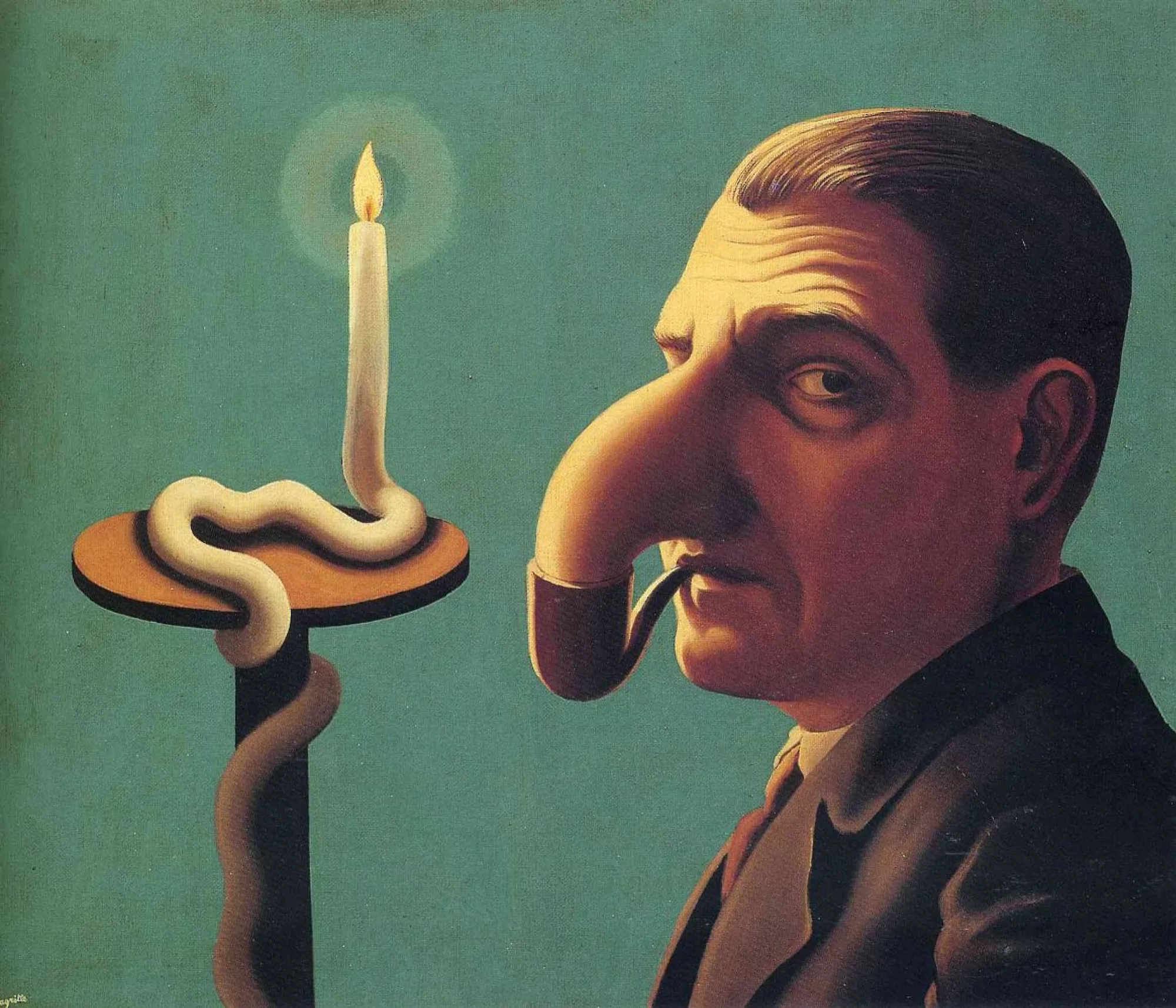
Chi era René Magritte? Il surrealista belga del Figlio dell'uomo, di Ceci n'est pas une pipe, delle bombette e dell'Impero delle luci, e cosa significano.
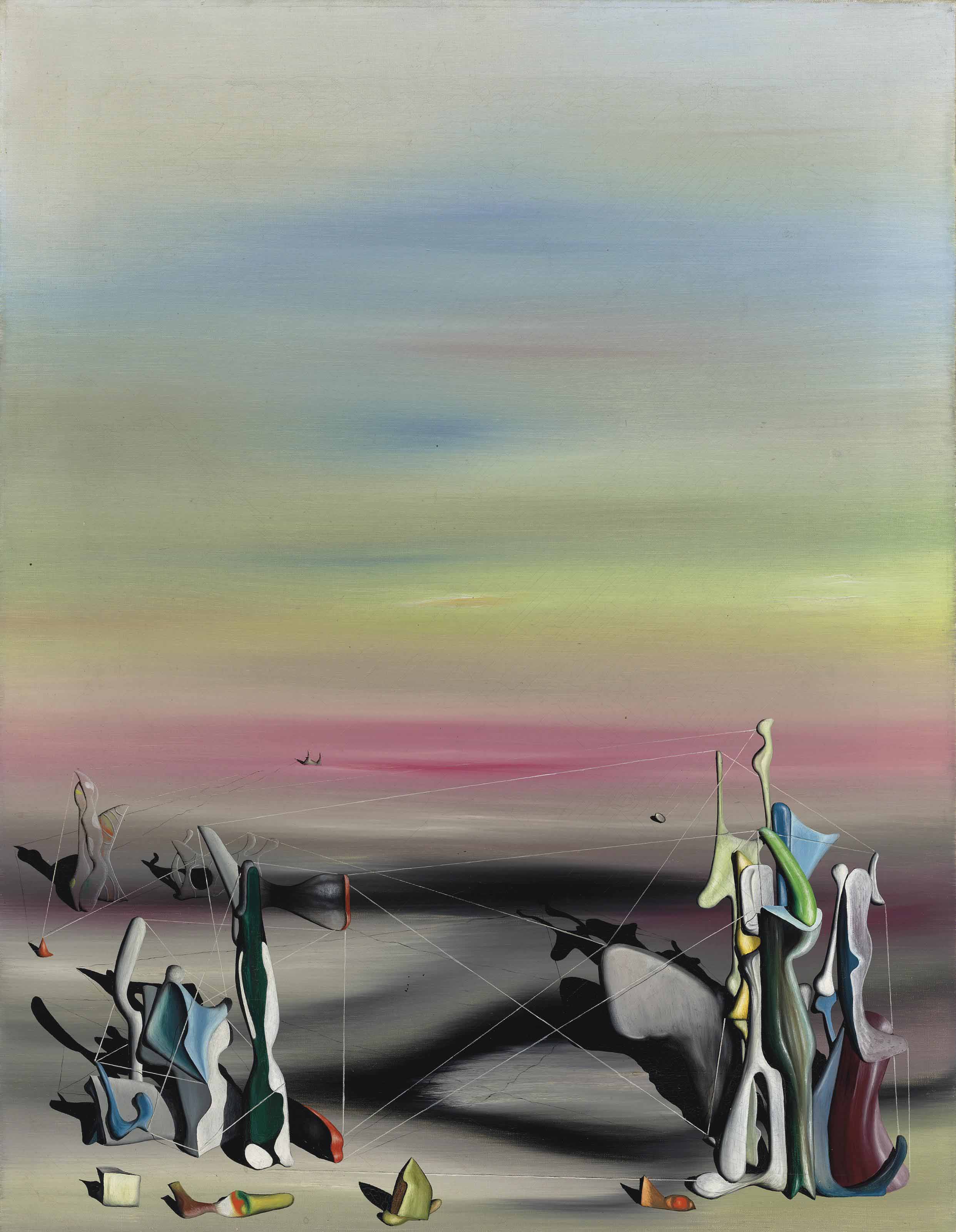
Yves Tanguy
Chi era Yves Tanguy? Il surrealista bretone autodidatta: un De Chirico visto dal bus, Mamma, papà è ferito!, pianure senza orizzonte, Kay Sage e l'America.
Op art: la tua foto come illusione ottica
Trasforma una foto in op art nel browser: la Galatea delle sfere di Dalí, la Vega di Vasarely, le onde di Bridget Riley, linee a rilievo, moiré, spirali e griglie deformate — nel soggetto o in una forma, ferma o animata.
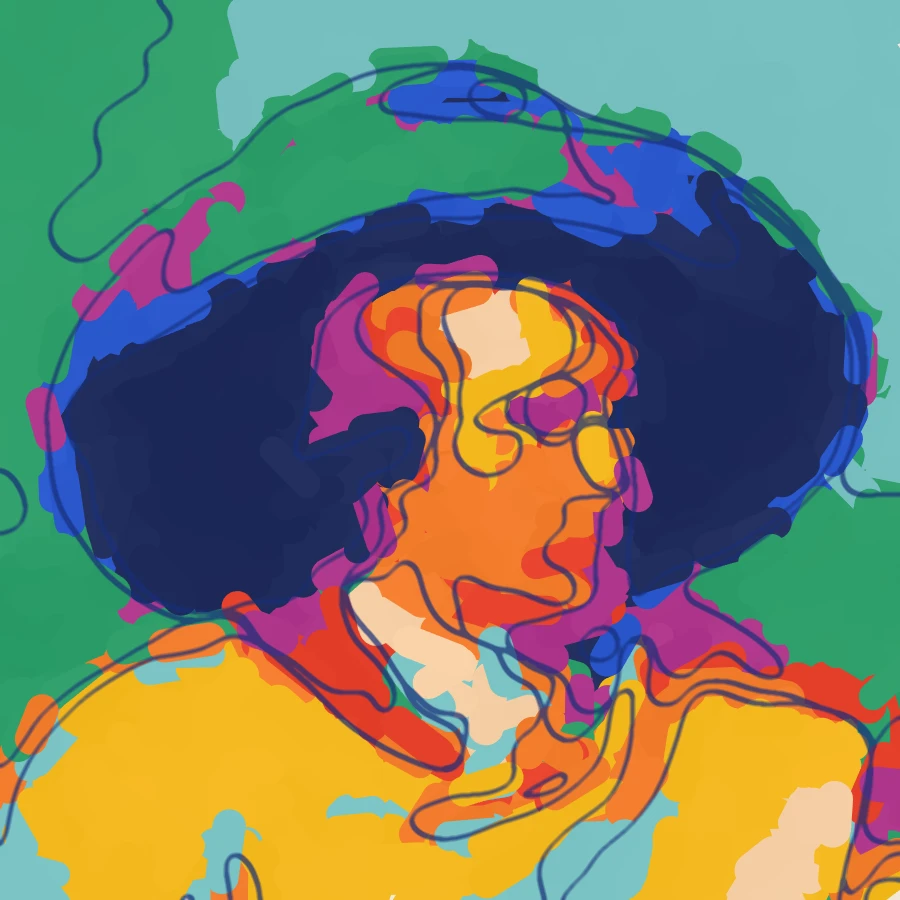
Henri Matisse e il fauvismo
Trasforma una foto in Henri Matisse e nel fauvismo nel browser: carte ritagliate come Jazz e i Nudi blu, Armonia in rosso, un disegno al tratto fluido o il colore fauve selvaggio della Donna con cappello di Matisse, di Collioure, della Londra di Derain e di Vlaminck.
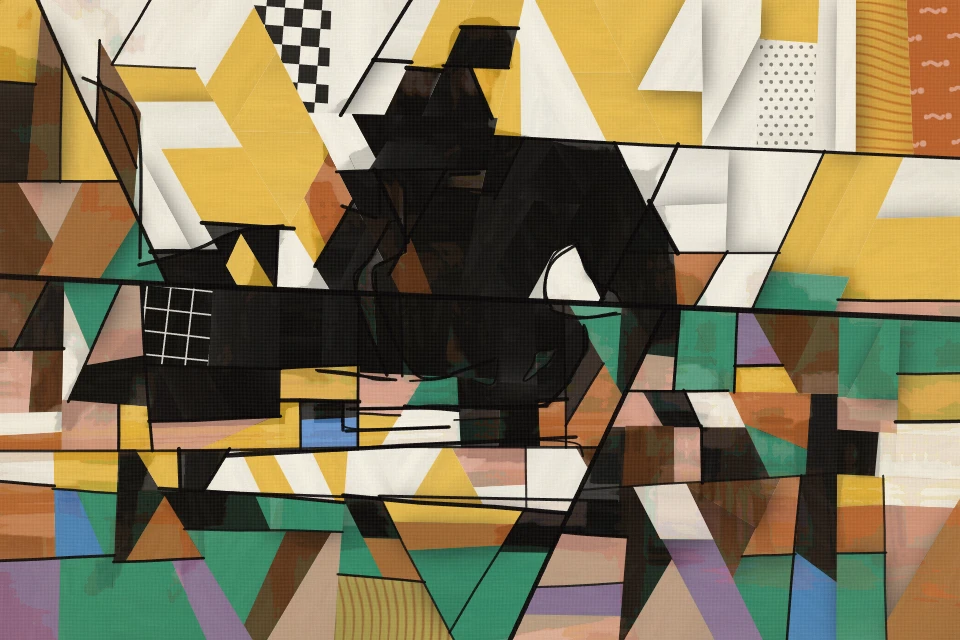
Pablo Picasso e il cubismo
Trasforma una foto in Pablo Picasso e nel cubismo nel browser: periodi blu e rosa, cubismo analitico o sintetico, ritratto cubista, papier collé, cubismo cristallino, ritratti frammentati della Donna che piange o schegge in bianco e nero di Guernica.
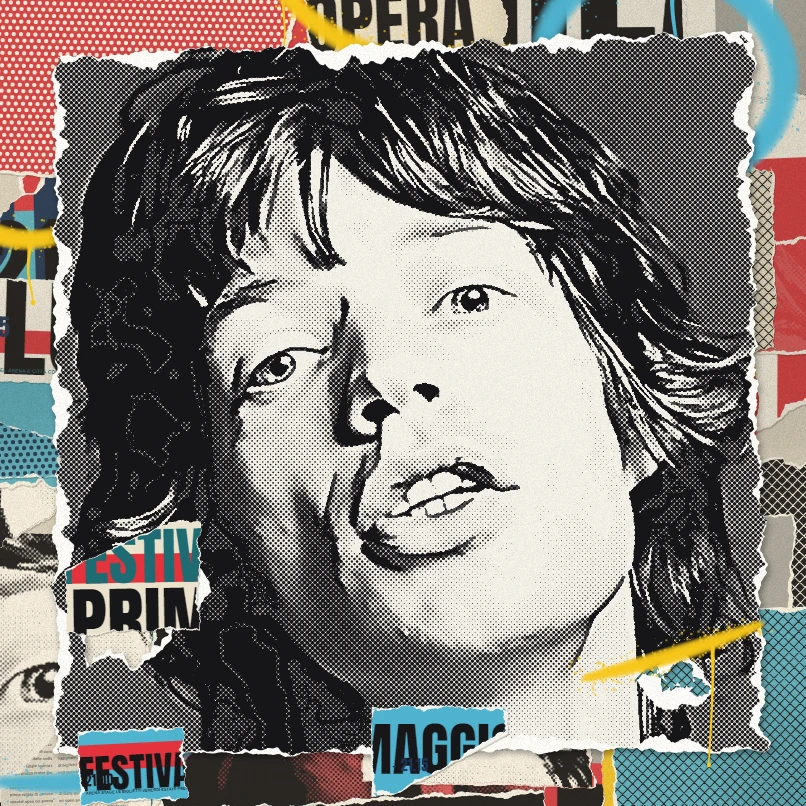
Filtro foto Pop Art
Trasforma una foto in pop art nel browser: un poster retrò pop, un motivo pop, un ritratto WPAP a sfaccettature arcobaleno, un collage urbano, uno schizzo d'inchiostro, foglia d'oro, una silhouette, una raggiera o una griglia di emblemi pop.
Generatore di tassellature M.C. Escher
Crea tassellature in stile M.C. Escher online: lucertole, uccelli, pesci, Pegaso e altro, a incastro. Modifica il motivo, ricoloralo e salva in PNG o SVG.
Trasforma una foto in un collage a tecnica mista
Ricostruisci una foto come collage a tecnica mista nel browser—ritagli strappati, texture di stampa, nastro e xerox.
Effetti artistici
Trasforma le foto con pittura a olio, acquerello, matita, inchiostro fumetto, pastelli, ritagli di carta e altri look artistici da studio.
Pronto a provarlo?
Apri PictorX nel tuo browser: nessuna installazione, nessuna carta di credito richiesta per iniziare.
Vai all'editor