
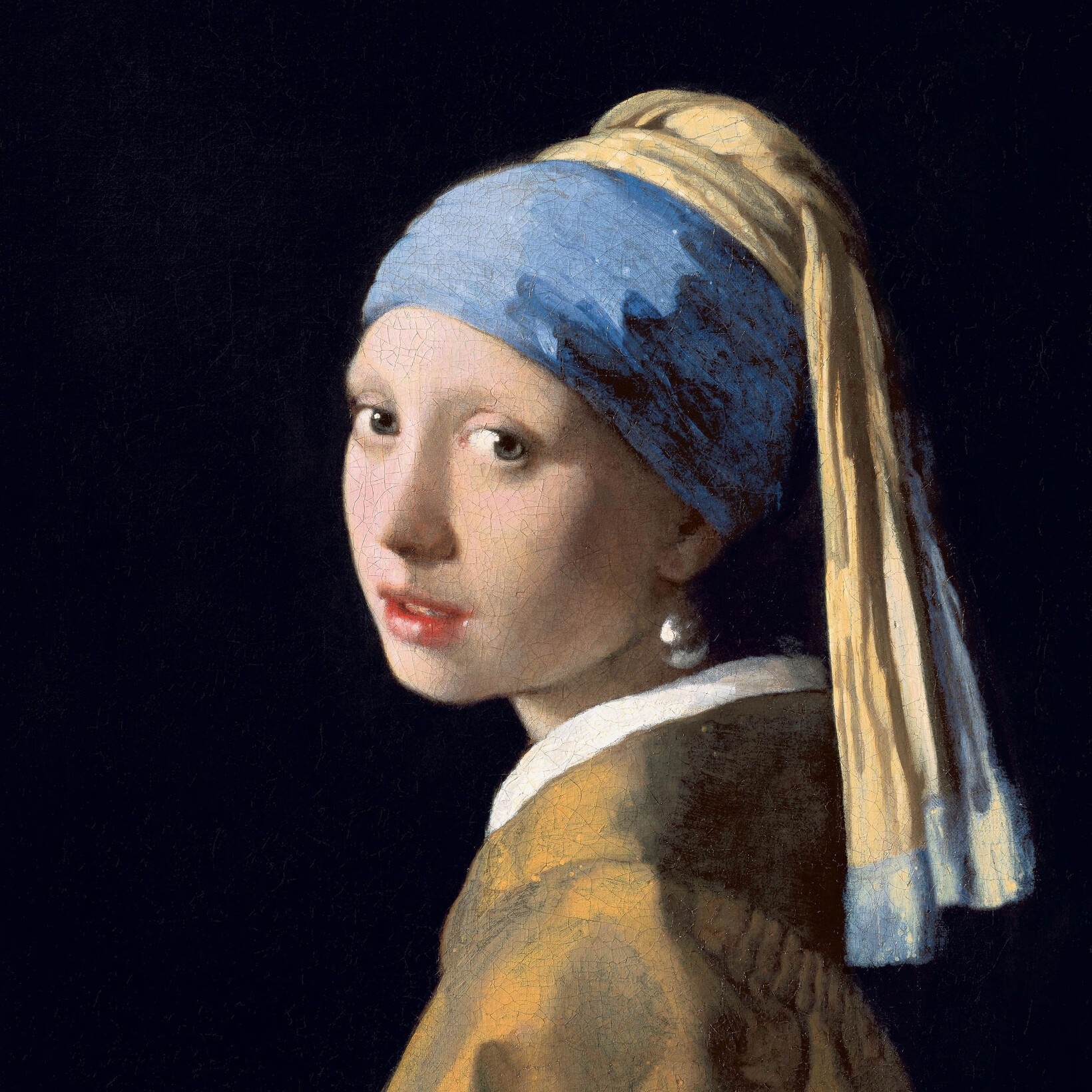
Umieść zdjęcie w surrealistycznym śnie — miękkie zegary Dalego, meloniki Magritte’a lub plac De Chirica — wybierz artystę i styl, a potem dostosuj Zniekształcenie i Oniryczność.
Nieokreślona podzielność – Surrealizm, Dalí i Magritte
The Surrealists painted dreams with the precision of a photograph, or let chance take over. This app puts your photo into one of their pictures: choose Salvador Dalí for soft watches, elephants on stilt legs and crutches, René Magritte for green apples, bowler hats and blue skies, or Other for De Chirico's empty squares, Max Ernst's crusts, Tanguy's endless plains, Carrington's giantess, Varo's tower and Man Ray's solarized prints. All processed on-device. Umieść zdjęcie w surrealistycznym śnie — miękkie zegary Dalego, meloniki Magritte’a lub plac De Chirica — wybierz artystę i styl, a potem dostosuj Zniekształcenie i Oniryczność.
Jak to działa
- Open PictorX in your browser and load a photo — portraits with a clear subject work best.
- Pick an Artist—Salvador Dalí, René Magritte or Other for the rest of the Surrealists—then one of their Styles and a Palette, and adjust Distortion, Dreaminess, Detail, Shadows and Floating Objects. Turn on Remove background for a cleaner cutout of the subject.
- Export the painting, or keep editing with layers and other effects in the same workspace.
Salvador Dalí, René Magritte or another Surrealist
The Artist list at the top of the panel chooses whose dream you step into, and the Style list below it shows that artist's pictures. Salvador Dalí has seven: Persistence of Memory, Elephants, Galatea of the Spheres, Swans Reflecting Elephants, Burning Giraffe, Sleep and Leda Atomica. René Magritte has eight: Son of Man, Golconda, Empire of Light, Decalcomania, The Lovers, Treachery of Images, Great Family and Castle of the Pyrenees. Other gathers the rest of the movement: De Chirico's Metaphysical, Max Ernst's Europe after the Rain, the Exquisite Corpse, Yves Tanguy's Indefinite Divisibility, Leonora Carrington's The Giantess, Remedios Varo's Embroidering the Earth's Mantle and Man Ray's Solarization.
Seven dreams after Dalí
Persistence of Memory follows the painting of 1931: your photo goes soft and droops over the edge of a ledge beside a melting watch, in a bare landscape of golden cliffs and a calm sea. Elephants sets the subject on a plain at sunset between elephants on impossibly long, thin legs that carry obelisks. Galatea of the Spheres rebuilds the subject from shaded spheres floating in space. Swans Reflecting Elephants stands it on the shore of a still lake among the rocks of Cap de Creus, where swans float on the water and their reflections are elephants. Burning Giraffe opens drawers in the figure, props it up with crutches and sets a giraffe on fire far off on a blue evening plain. Sleep turns it into a huge soft mass hanging in the air on crutches, and Leda Atomica lets everything float: the figure in separate slabs, the sea above the beach, and an egg, a book and a stool in the air.
Eight impossible pictures after Magritte
Son of Man sets the subject before a low wall, a grey sea and a blue sky of cumulus clouds, with a green apple floating before the face and bowler hats drifting overhead. Golconda fills the air with men in bowler hats before plain houses with red roofs. Empire of Light puts a bright day sky over a street already deep in the night, with a street lamp and lit windows. Decalcomania stands the subject beside a curtain with their silhouette cut out of it, through which the sea and sky continue. The Lovers wraps the head in a white cloth, in a room with a red wall and a wall painted as sky. Treachery of Images paints the subject plainly on a bare ground above the handwritten words “Ceci n'est pas une photo.” Great Family fills the subject's silhouette with a bright day sky against a stormy sea, and Castle of the Pyrenees sets the subject on a huge rock floating over the waves, beside a small castle.
De Chirico, Max Ernst and the Exquisite Corpse
Metaphysical follows Giorgio de Chirico, setting the subject as a statue on a plinth in an empty square with an arcade, a green sky, long shadows, a red chimney and a little train. Europe after the Rain follows Max Ernst, pressing the photo into decalcomania crusts of rust and verdigris under a clear sky and a ring-shaped sun. Exquisite Corpse cuts the picture into bands drawn in ink, pencil, watercolour and halftone, like the Surrealists' folding game in which each player adds a part without seeing the others.
Tanguy, Carrington, Varo and Man Ray
Indefinite Divisibility follows Yves Tanguy, turning the subject into a smooth stone form on an endless plain that melts into the sky without a horizon, among bone-like shapes that throw long, crisp shadows. The Giantess follows Leonora Carrington: the subject towers over a tiny landscape of sea, ships and wheat in a long pale cloak, guarding an egg while geese fly from her cloak and little people look up at her feet. Embroidering the Earth's Mantle follows Remedios Varo, setting the subject in the window of a round tower while threads spill down and become an embroidered landscape, all covered in her fine, hair-thin brushstrokes. Solarization follows Man Ray's photographs of about 1930: a silver print whose highlights fold over into dark, with pale lines glowing along the edges, and rayograph objects—a key, a spiral, a comb, a pair of lips—around it.
From a hint to a strange dream
Distortion sets how strange the scene becomes: how far Dalí's photo melts or his elephants' legs grow, how high Magritte's subject floats or how far his night rises into the day sky, how steep De Chirico's perspective is or how far the Exquisite Corpse's bands shift. Dreaminess smooths the photo into glazed paint and tones it towards the palette; Detail adds clouds, swans, hats, arches, crusts, forms or threads; Shadows deepens the shadows. Palette chooses the light—Dream for each painter's own colours, Photo to keep your hues, Dusk, Night or Desert—and Floating Objects adds the watches, crutches, apples, bowler hats, castle, caption, the chimney and the train, Carrington's geese or Man Ray's rayograph objects. Remove background cuts out the subject first, so it stands cleanly in the scene.
Privacy and keep editing
Processing stays in your browser—photos are not uploaded to PictorX servers for this filter. After Surrealism, Dalí and Magritte, continue with layers, text, Picasso and Cubism, Matisse and Fauvism, Pop Art, or export.
Często zadawane pytania
Co robi aplikacja Surrealizm, Dalí i Magritte?
Zamienia zdjęcie w senny obraz na wzór surrealistów. W polu „Artysta” wybierz: Salvador Dalí roztapia je jak miękkie zegary z „Trwałości pamięci”, stawia wśród długonogich słoni albo podpiera kulami; René Magritte umieszcza zielone jabłko przed twarzą, wypełnia niebo mężczyznami w melonikach albo pisze pod spodem „Ceci n'est pas une photo”; „Inni” przenoszą je na pusty plac De Chirica, w skorupy Maxa Ernsta, do „wykwintnego trupa”, na nieskończoną równinę Tanguy'ego, do olbrzymki Carrington, wieży Varo albo w solaryzację Man Raya. Powstaje z Twojego zdjęcia i nie jest kopią obrazu muzealnego.
Czym był surrealizm?
Ruch artystyczny i literacki założony w Paryżu w 1924 roku, gdy André Breton opublikował „Manifest surrealizmu”. Jego malarze, wśród nich Salvador Dalí, René Magritte, Max Ernst i Joan Miró, czerpali ze snów, przypadku i nieświadomości, często malując niemożliwe sceny z wielkim realizmem. Duży wpływ wywarły na nich wcześniejsze obrazy metafizyczne Giorgia de Chirica.
Kim byli Salvador Dalí i René Magritte?
To dwaj najbardziej znani malarze surrealizmu. Salvador Dalí (1904–1989), pochodzący z Katalonii w Hiszpanii, malował senne obrazy z precyzją dawnego mistrza – roztapiające się zegary, słonie na szczudłowatych nogach, kule, szuflady i podwójne obrazy – i był równie słynny ze swoich nawoskowanych wąsów i zamiłowania do autoreklamy, co ze swoich obrazów. René Magritte (1898–1967), Belg pracujący głównie w Brukseli, malował zwykłe przedmioty z wielką wyrazistością i umieszczał je w niemożliwych sytuacjach: jego mężczyźni w melonikach, zielone jabłka i błękitne niebo z białymi chmurami są znane na całym świecie.
Kim byli Tanguy, Carrington, Varo i Man Ray?
Yves Tanguy (1900–1955) był francuskim malarzem nieskończonych sennych równin usianych gładkimi formami przypominającymi kości. Leonora Carrington (1917–2011), urodzona w Anglii, i Remedios Varo (1908–1963), urodzona w Hiszpanii, zaprzyjaźniły się w mieście Meksyk i malowały magiczne światy olbrzymek, wież, alchemików i podróżników. Man Ray (1890–1976), Amerykanin w Paryżu, wprowadził surrealizm do fotografii dzięki rayografiom wykonywanym bez aparatu i solaryzowanym portretom.
Czym jest „wykwintny trup”?
To surrealistyczna gra, w której kilka osób dodaje kolejne części rysunku lub zdania na złożonej kartce, nie widząc, co zrobili inni, więc fragmenty nigdy do końca do siebie nie pasują. Styl „Wykwintny trup” naśladuje ją, rysując każdy pas Twojego zdjęcia inną techniką i przesuwając go względem pozostałych.
Co znaczy „Ceci n'est pas une photo”?
„To nie jest zdjęcie”. Nawiązuje do obrazu Magritte'a Zdradliwość obrazów (1929), na którym pod wizerunkiem fajki widnieją słowa „Ceci n'est pas une pipe”: obraz jest tylko wyobrażeniem rzeczy, a nie samą rzeczą.
Czy to oficjalny produkt Dalego lub Magritte'a?
Nie. Aplikacja Surrealizm, Dalí i Magritte od PictorX to cyfrowy hołd inspirowany ich obrazami. Nie jest związana z Fundacją Gala-Salvador Dalí, Fundacją Magritte'a ani spadkobiercami artystów, nie odtwarza żadnego z ich dzieł, a każdy obraz, który tworzy, powstaje z Twojego własnego zdjęcia.
Jakie zdjęcia sprawdzają się najlepiej?
Portrety i zdjęcia z jednym wyraźnym motywem, bo większość stylów wycina motyw i umieszcza go w nowej scenie – włącz „Usuń tło”, aby uzyskać najczystszy kontur. „Trwałość pamięci” Dalego oraz „Europa po deszczu”, „Wykwintny trup” i „Solaryzacja” w grupie „Inni” sprawdzają się przy każdym zdjęciu, także przy krajobrazach i budynkach.
Powiązane narzędzia
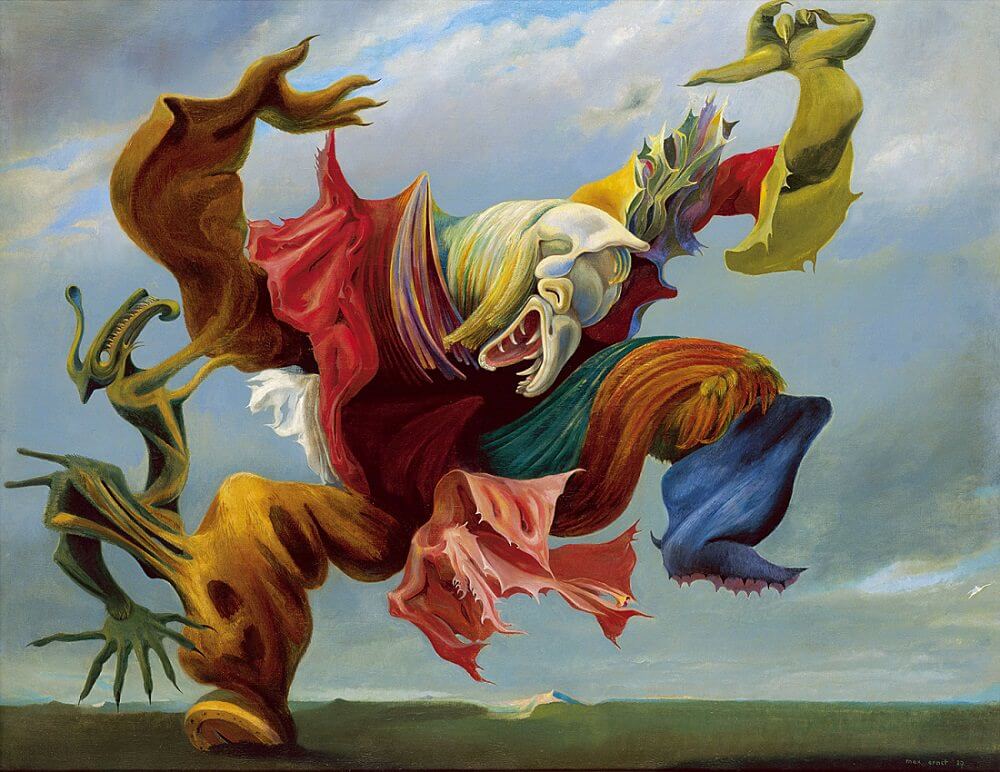
Surrealizm
Czym był surrealizm? Manifest Bretona z 1924 roku, De Chirico, miękkie zegary Dalego, jabłka i fajki Magritte’a, Ernst, Miró, wykwintny trup i dziedzictwo.
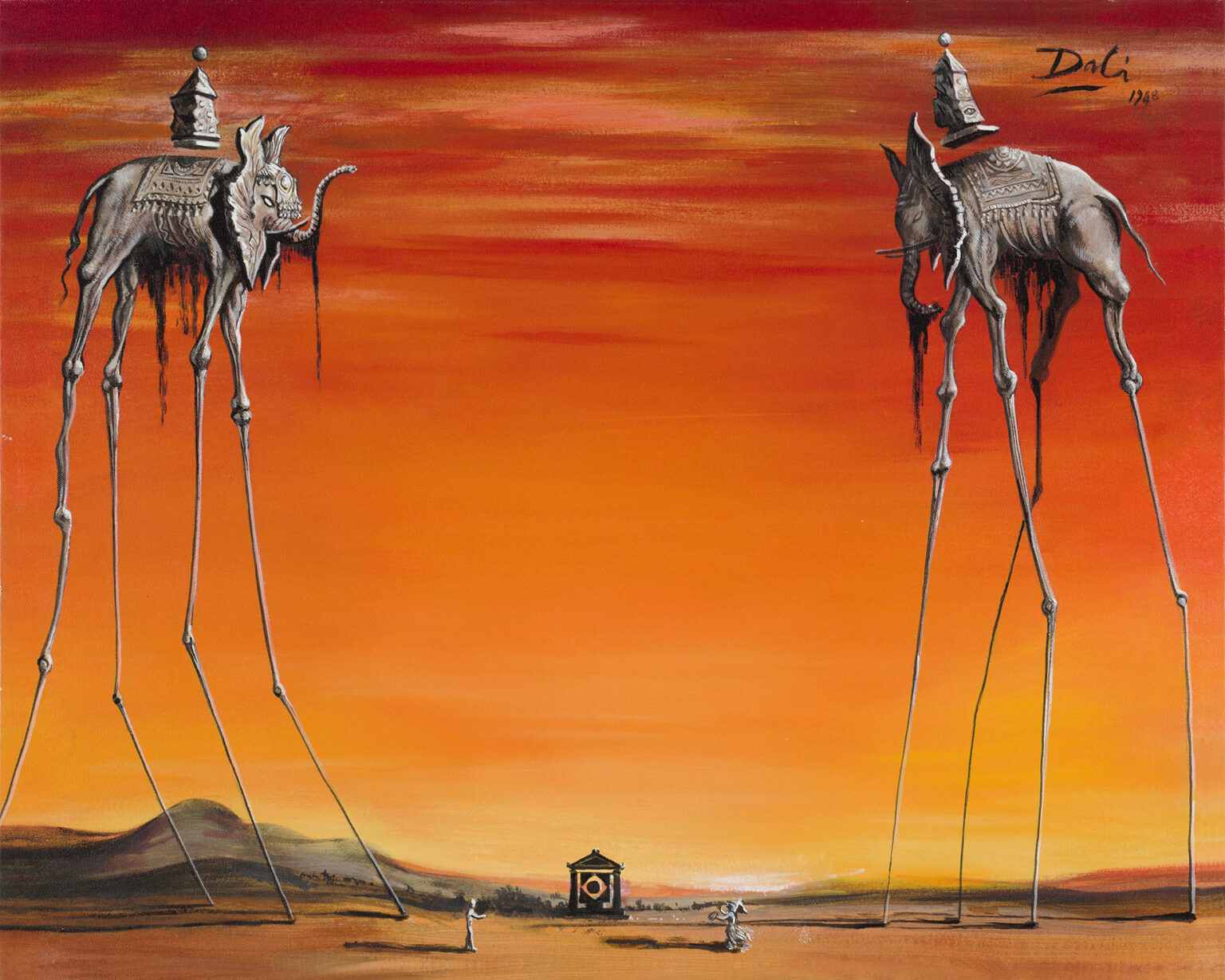
Salvador Dalí
Kim był Salvador Dalí? Surrealista i jego miękkie zegary z Trwałości pamięci, słonie, telefon-homar oraz muzeum w Figueres.
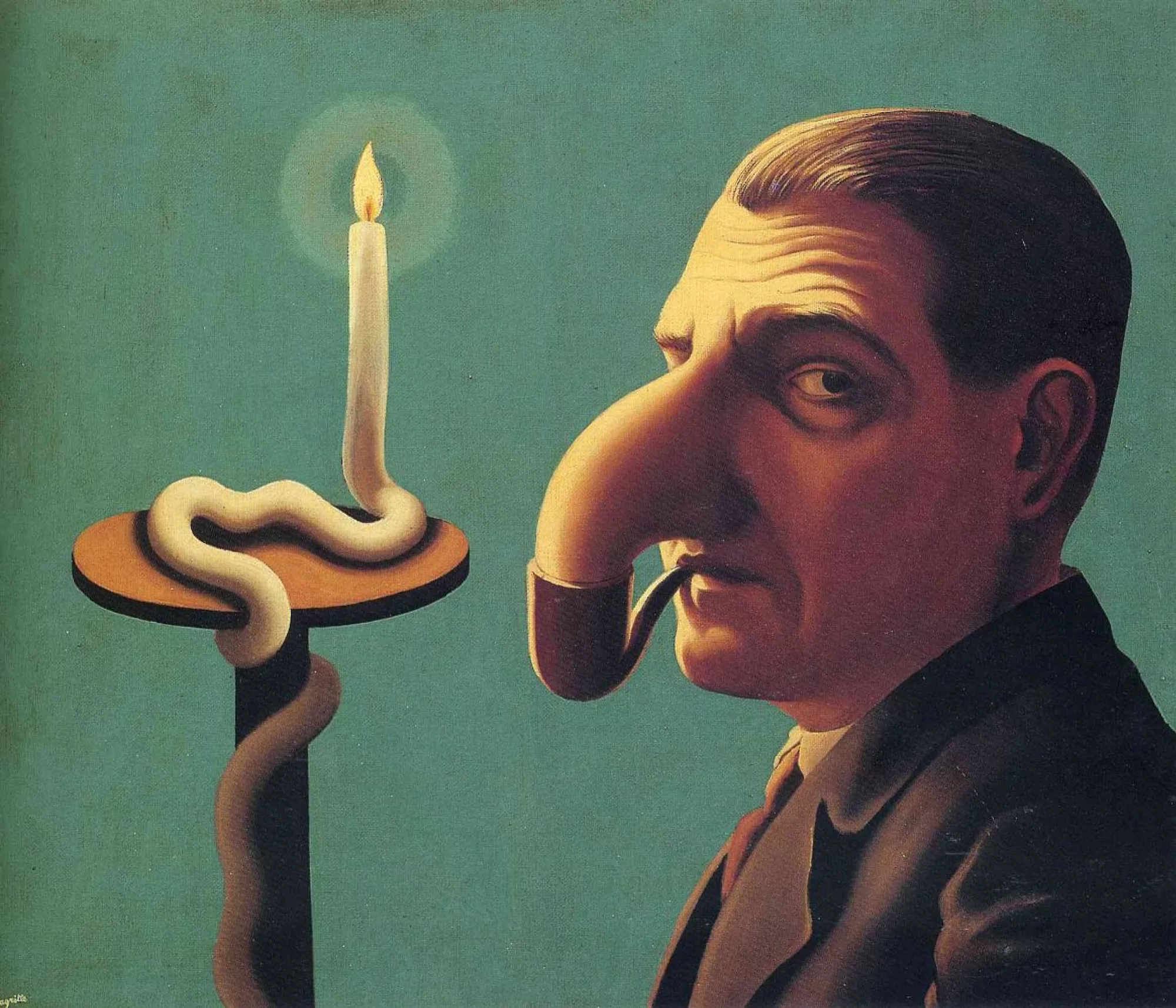
René Magritte
Kim był René Magritte? Belgijski surrealista, autor Syna człowieczego, Ceci n'est pas une pipe, meloników i Imperium świateł – i co te obrazy znaczą.
Yves Tanguy
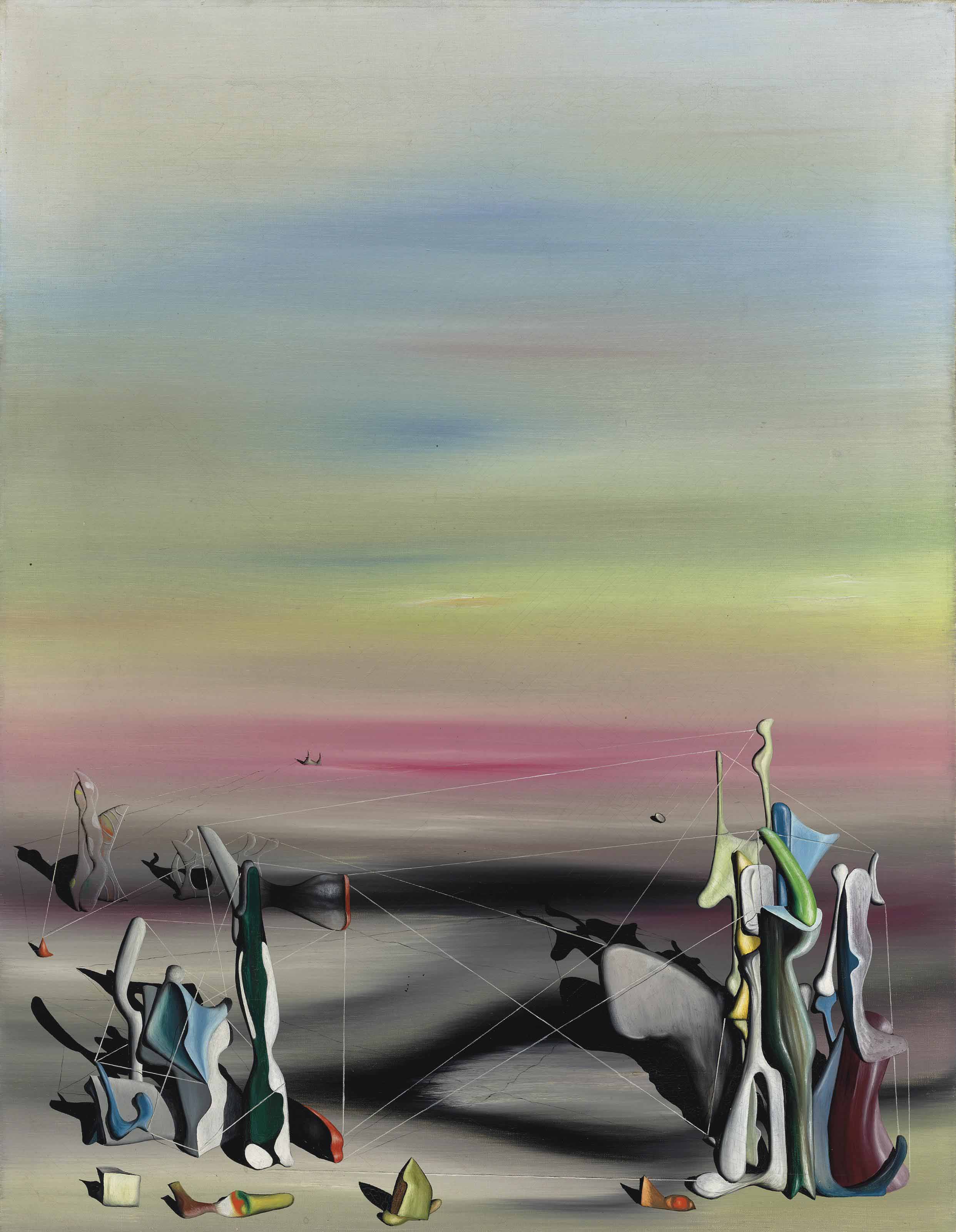
Kim był Yves Tanguy? Samouk, surrealista z Bretanii: De Chirico zobaczony z autobusu, Mama, Papa is Wounded!, równiny bez horyzontu, Kay Sage i Ameryka.
Op-art: Twoje zdjęcie jako złudzenie optyczne
Zamień zdjęcie w op-art w przeglądarce: Galatea sfer Salvadora Dalí, Vega Vasarely’ego, fale Bridget Riley, linie reliefowe, mora, spirale i zniekształcone siatki — w motywie lub w kształcie, nieruchomo albo w ruchu.
Henri Matisse i fowizm
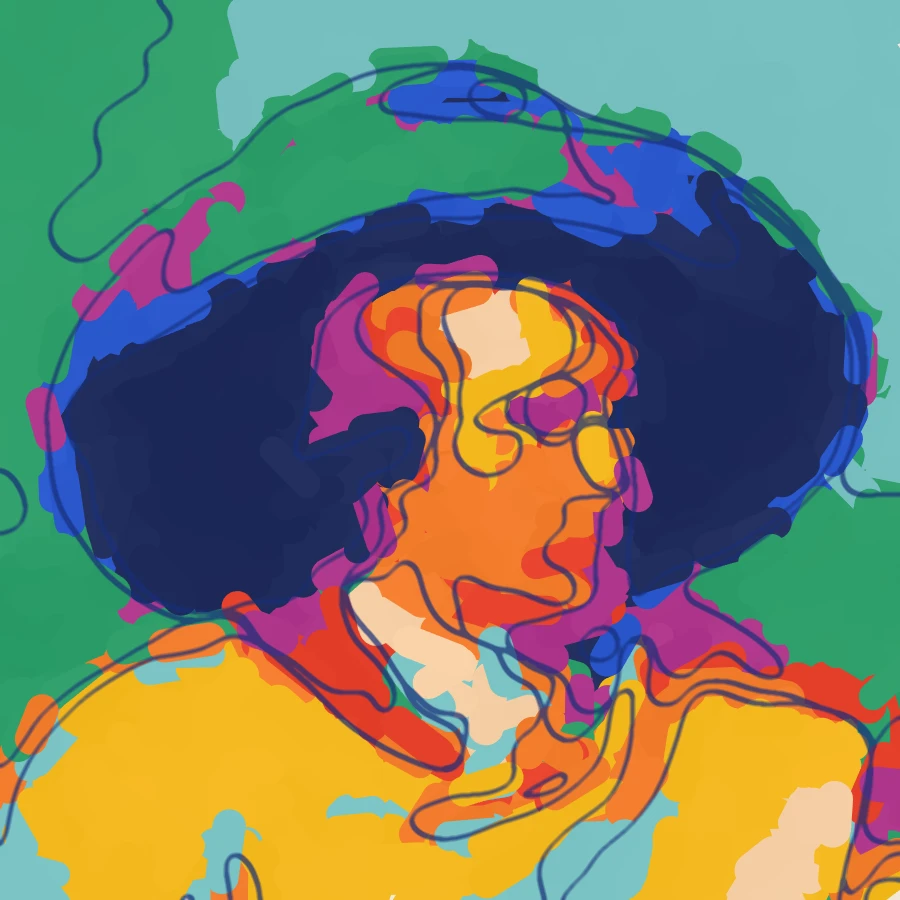
Zamień zdjęcie w przeglądarce w Henriego Matisse’a i fowizm: wycinanki jak Jazz i Błękitne akty, Harmonia w czerwieni, płynny rysunek linearny albo dziki fowistyczny kolor Kobiety w kapeluszu Matisse’a, Collioure, Londynu Deraina i Vlamincka.
Pablo Picasso i kubizm
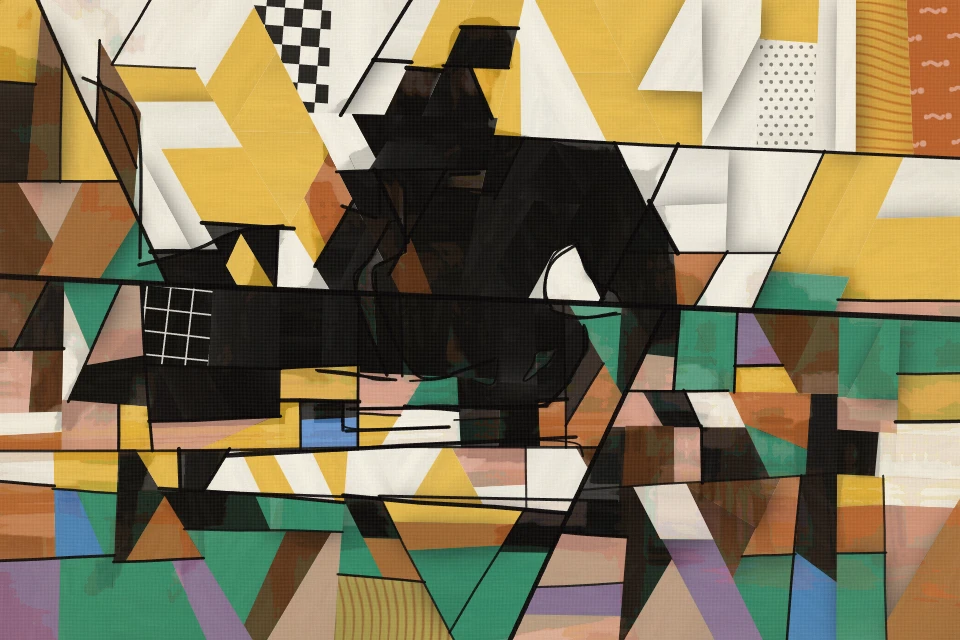
Zamień zdjęcie w przeglądarce w Pabla Picassa i kubizm: okres błękitny i różowy, kubizm analityczny lub syntetyczny, portret kubistyczny, papier collé, kubizm krystaliczny, rozbite portrety Płaczącej kobiety lub czarno-białe odłamki Guerniki.
Filtr zdjęć pop-art
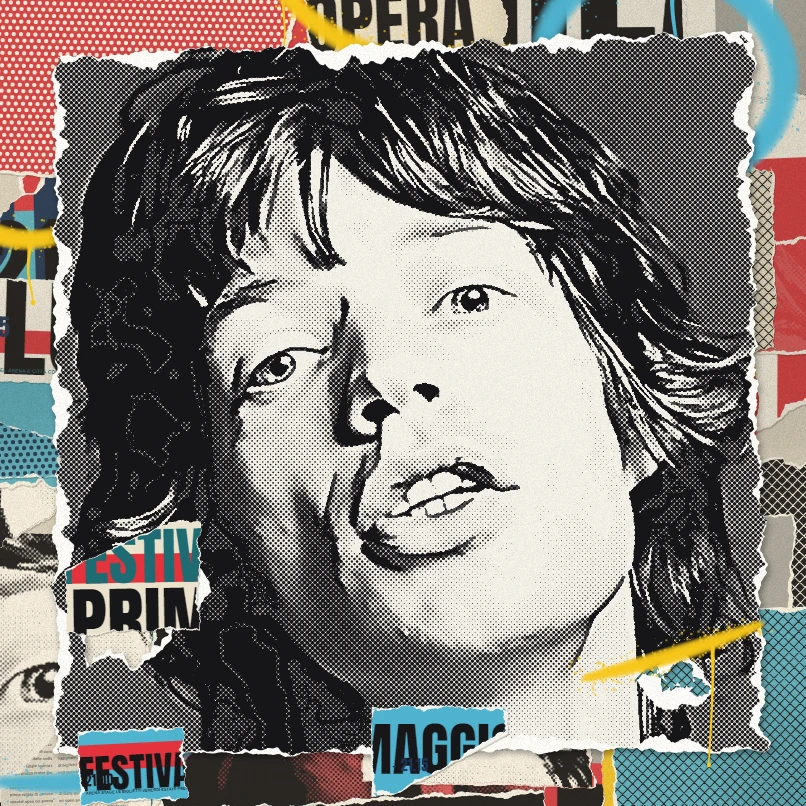
Zamień zdjęcie w pop-art w przeglądarce: plakat pop w stylu retro, wzór pop, portret WPAP z tęczowych faset, kolaż uliczny, rozprysk tuszu, płatki złota, sylwetkę, promienie słońca albo siatkę popowych emblematów.
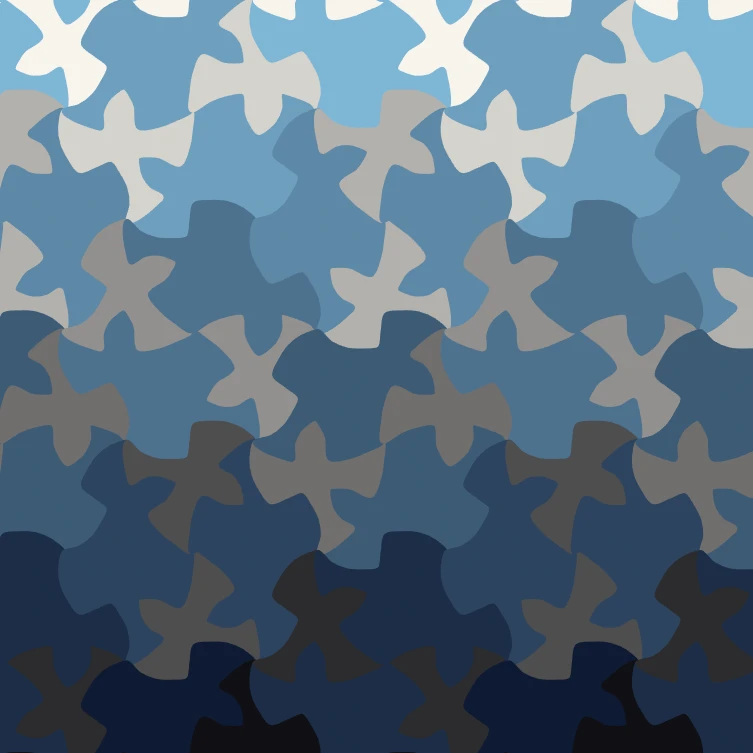
Kreator teselacji M.C. Eschera
Twórz teselacje w stylu M.C. Eschera online: zazębiające się jaszczurki, ptaki, ryby, Pegaz i inne. Zmieniaj kształt motywu, kolory i zapisuj jako PNG lub SVG.
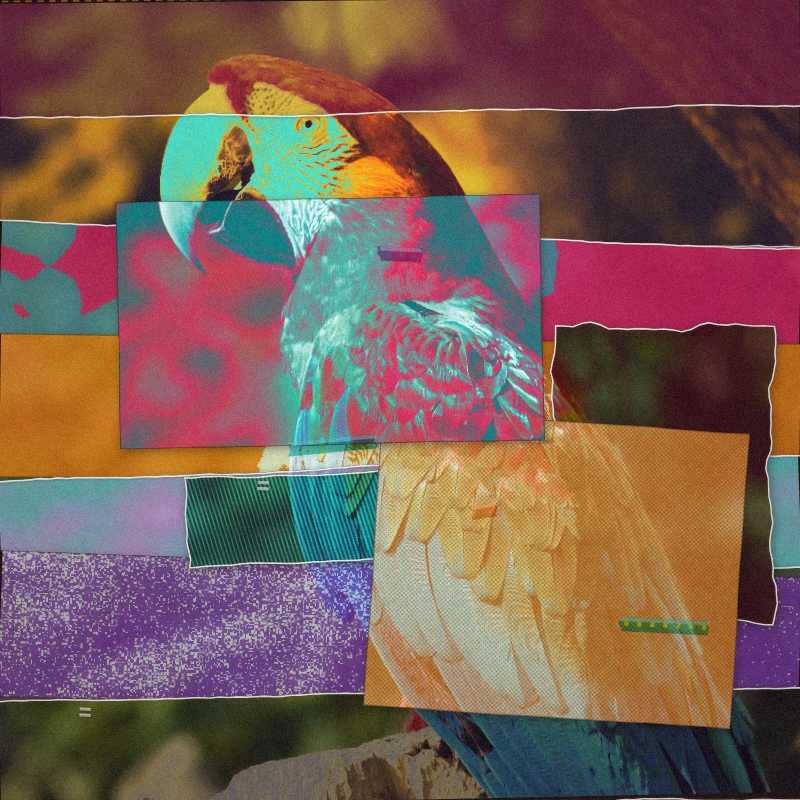
Zamień zdjęcie w kolaż techniki mieszanej
Przebuduj zdjęcie w przeglądarce w kolaż techniki mieszanej—podarte skrawki, tekstury druku, taśma i ksero.
Efekty artystyczne
Przekształcaj zdjęcia za pomocą malarstwa olejnego, akwareli, ołówka, tuszu komiksowego, pasteli, wycinanek z papieru i innych dzieł sztuki studyjnej.
Chcesz wypróbować?
Otwórz PictorX w swojej przeglądarce — do uruchomienia nie jest wymagana żadna instalacja ani karta kredytowa.
Przejdź do edytora