
Coloque uma foto em um sonho surrealista — os relógios moles de Dalí, os chapéus de coco de Magritte ou a praça de De Chirico — escolha um artista e um estilo e ajuste Distorção e Onirismo.
Divisibilidade indefinida – Surrealismo, Dalí e Magritte
The Surrealists painted dreams with the precision of a photograph, or let chance take over. This app puts your photo into one of their pictures: choose Salvador Dalí for soft watches, elephants on stilt legs and crutches, René Magritte for green apples, bowler hats and blue skies, or Other for De Chirico's empty squares, Max Ernst's crusts, Tanguy's endless plains, Carrington's giantess, Varo's tower and Man Ray's solarized prints. All processed on-device. Coloque uma foto em um sonho surrealista — os relógios moles de Dalí, os chapéus de coco de Magritte ou a praça de De Chirico — escolha um artista e um estilo e ajuste Distorção e Onirismo.
Como funciona
- Open PictorX in your browser and load a photo — portraits with a clear subject work best.
- Pick an Artist—Salvador Dalí, René Magritte or Other for the rest of the Surrealists—then one of their Styles and a Palette, and adjust Distortion, Dreaminess, Detail, Shadows and Floating Objects. Turn on Remove background for a cleaner cutout of the subject.
- Export the painting, or keep editing with layers and other effects in the same workspace.
Salvador Dalí, René Magritte or another Surrealist
The Artist list at the top of the panel chooses whose dream you step into, and the Style list below it shows that artist's pictures. Salvador Dalí has seven: Persistence of Memory, Elephants, Galatea of the Spheres, Swans Reflecting Elephants, Burning Giraffe, Sleep and Leda Atomica. René Magritte has eight: Son of Man, Golconda, Empire of Light, Decalcomania, The Lovers, Treachery of Images, Great Family and Castle of the Pyrenees. Other gathers the rest of the movement: De Chirico's Metaphysical, Max Ernst's Europe after the Rain, the Exquisite Corpse, Yves Tanguy's Indefinite Divisibility, Leonora Carrington's The Giantess, Remedios Varo's Embroidering the Earth's Mantle and Man Ray's Solarization.
Seven dreams after Dalí
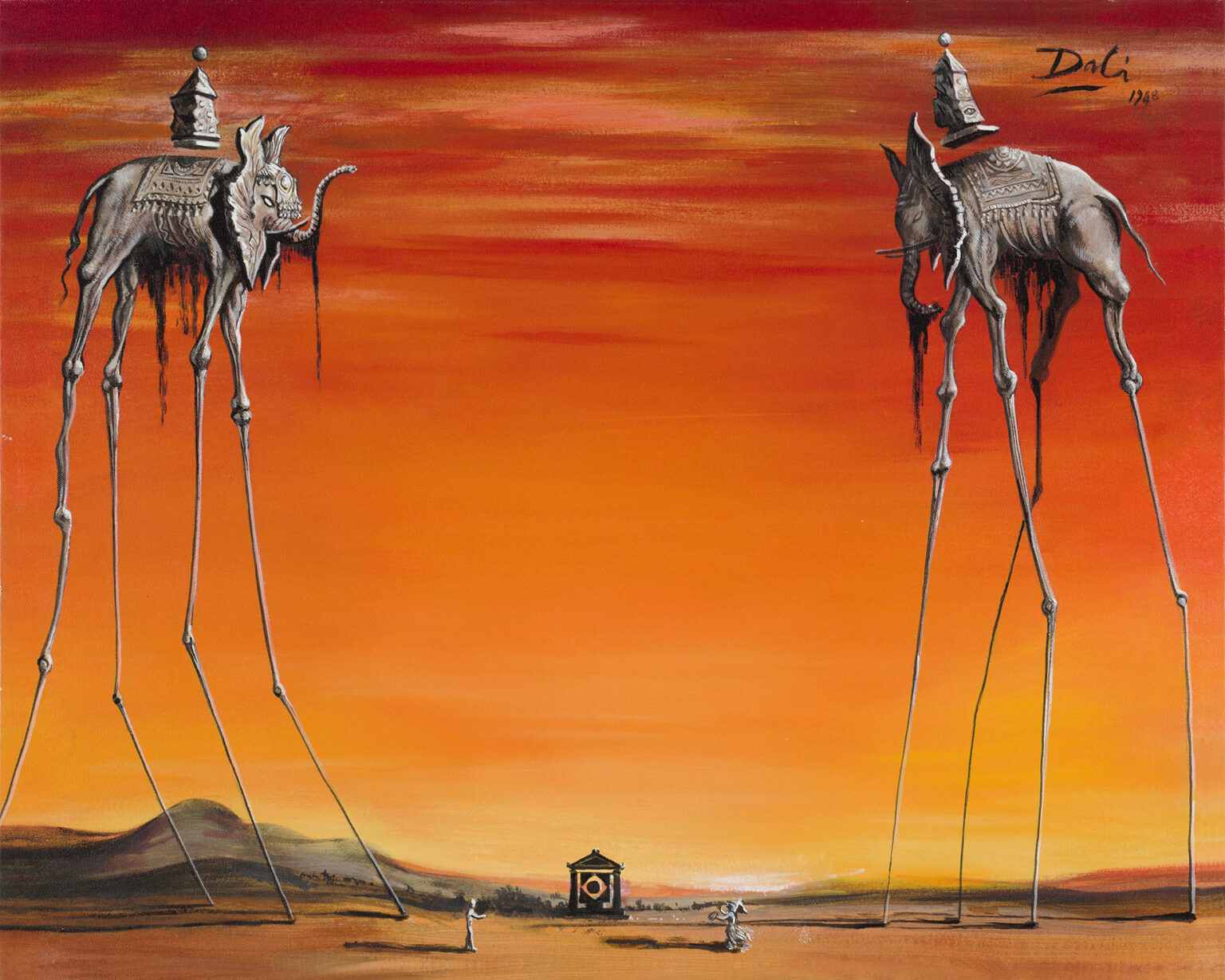
Persistence of Memory follows the painting of 1931: your photo goes soft and droops over the edge of a ledge beside a melting watch, in a bare landscape of golden cliffs and a calm sea. Elephants sets the subject on a plain at sunset between elephants on impossibly long, thin legs that carry obelisks. Galatea of the Spheres rebuilds the subject from shaded spheres floating in space. Swans Reflecting Elephants stands it on the shore of a still lake among the rocks of Cap de Creus, where swans float on the water and their reflections are elephants. Burning Giraffe opens drawers in the figure, props it up with crutches and sets a giraffe on fire far off on a blue evening plain. Sleep turns it into a huge soft mass hanging in the air on crutches, and Leda Atomica lets everything float: the figure in separate slabs, the sea above the beach, and an egg, a book and a stool in the air.
Eight impossible pictures after Magritte
Son of Man sets the subject before a low wall, a grey sea and a blue sky of cumulus clouds, with a green apple floating before the face and bowler hats drifting overhead. Golconda fills the air with men in bowler hats before plain houses with red roofs. Empire of Light puts a bright day sky over a street already deep in the night, with a street lamp and lit windows. Decalcomania stands the subject beside a curtain with their silhouette cut out of it, through which the sea and sky continue. The Lovers wraps the head in a white cloth, in a room with a red wall and a wall painted as sky. Treachery of Images paints the subject plainly on a bare ground above the handwritten words “Ceci n'est pas une photo.” Great Family fills the subject's silhouette with a bright day sky against a stormy sea, and Castle of the Pyrenees sets the subject on a huge rock floating over the waves, beside a small castle.
De Chirico, Max Ernst and the Exquisite Corpse
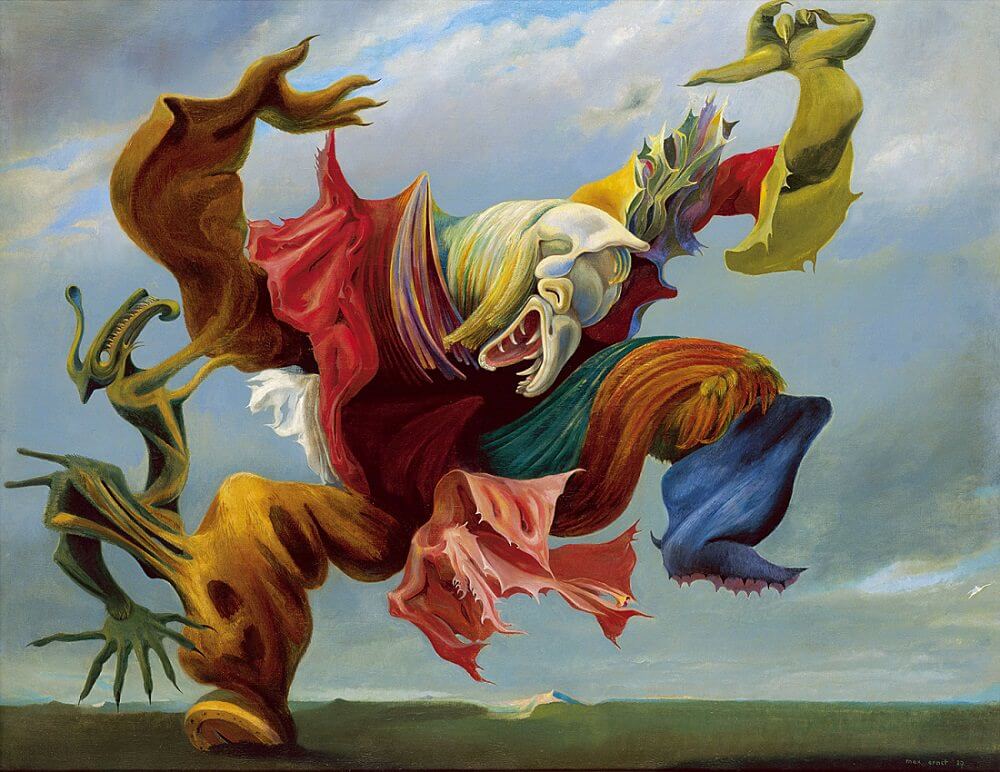
Metaphysical follows Giorgio de Chirico, setting the subject as a statue on a plinth in an empty square with an arcade, a green sky, long shadows, a red chimney and a little train. Europe after the Rain follows Max Ernst, pressing the photo into decalcomania crusts of rust and verdigris under a clear sky and a ring-shaped sun. Exquisite Corpse cuts the picture into bands drawn in ink, pencil, watercolour and halftone, like the Surrealists' folding game in which each player adds a part without seeing the others.
Tanguy, Carrington, Varo and Man Ray
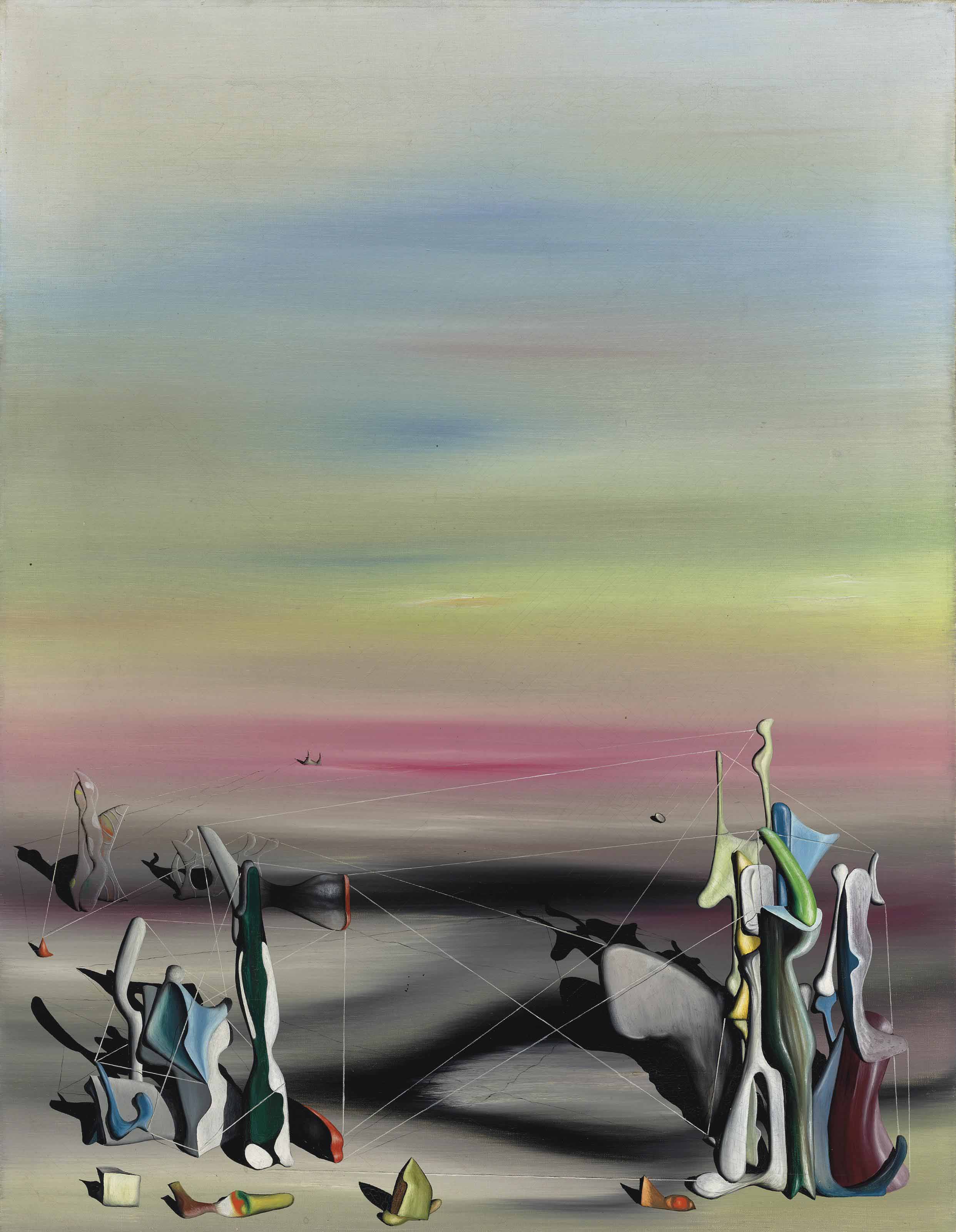
Indefinite Divisibility follows Yves Tanguy, turning the subject into a smooth stone form on an endless plain that melts into the sky without a horizon, among bone-like shapes that throw long, crisp shadows. The Giantess follows Leonora Carrington: the subject towers over a tiny landscape of sea, ships and wheat in a long pale cloak, guarding an egg while geese fly from her cloak and little people look up at her feet. Embroidering the Earth's Mantle follows Remedios Varo, setting the subject in the window of a round tower while threads spill down and become an embroidered landscape, all covered in her fine, hair-thin brushstrokes. Solarization follows Man Ray's photographs of about 1930: a silver print whose highlights fold over into dark, with pale lines glowing along the edges, and rayograph objects—a key, a spiral, a comb, a pair of lips—around it.
From a hint to a strange dream
Distortion sets how strange the scene becomes: how far Dalí's photo melts or his elephants' legs grow, how high Magritte's subject floats or how far his night rises into the day sky, how steep De Chirico's perspective is or how far the Exquisite Corpse's bands shift. Dreaminess smooths the photo into glazed paint and tones it towards the palette; Detail adds clouds, swans, hats, arches, crusts, forms or threads; Shadows deepens the shadows. Palette chooses the light—Dream for each painter's own colours, Photo to keep your hues, Dusk, Night or Desert—and Floating Objects adds the watches, crutches, apples, bowler hats, castle, caption, the chimney and the train, Carrington's geese or Man Ray's rayograph objects. Remove background cuts out the subject first, so it stands cleanly in the scene.
Privacy and keep editing
Processing stays in your browser—photos are not uploaded to PictorX servers for this filter. After Surrealism, Dalí and Magritte, continue with layers, text, Picasso and Cubism, Matisse and Fauvism, Pop Art, or export.
Perguntas frequentes
O que faz a app Surrealismo, Dalí e Magritte?
Transforma uma foto em uma pintura onírica à maneira dos surrealistas. Escolha um Artista: Salvador Dalí derrete-a como os relógios moles de A Persistência da Memória, coloca-a entre elefantes de pernas longas ou apoia-a em muletas; René Magritte põe uma maçã verde à frente do rosto, enche o céu de homens de chapéu de coco ou escreve “Ceci n'est pas une photo” por baixo; Outros coloca-a na praça vazia de De Chirico, nas crostas de Max Ernst, em um Cadáver esquisito, na planície sem fim de Tanguy, com a giganta de Carrington, na torre de Varo ou em uma solarização de Man Ray. É criada a partir da sua foto, não é uma cópia de uma pintura de museu.
O que foi o surrealismo?
Um movimento artístico e literário fundado em Paris em 1924, quando André Breton publicou o Manifesto do Surrealismo. Seus pintores, entre eles Salvador Dalí, René Magritte, Max Ernst e Joan Miró, inspiravam-se nos sonhos, no acaso e no inconsciente, pintando muitas vezes cenas impossíveis com grande realismo. As pinturas metafísicas anteriores de Giorgio de Chirico foram uma influência importante.
Quem foram Salvador Dalí e René Magritte?
Os dois pintores mais conhecidos do surrealismo. Salvador Dalí (1904–1989), natural da Catalunha, em Espanha, pintou imagens oníricas com a precisão de um velho mestre — relógios derretidos, elefantes com pernas de andas, muletas, gavetas e imagens duplas — e era tão famoso pelo seu bigode encerado e pelo seu exibicionismo como pelos seus quadros. René Magritte (1898–1967), um belga que trabalhou sobretudo em Bruxelas, pintou coisas comuns com grande clareza e colocou-as em situações impossíveis: seus homens de chapéu de coco, maçãs verdes e céus azuis com nuvens brancas são conhecidos em todo o mundo.
Quem foram Tanguy, Carrington, Varo e Man Ray?
Yves Tanguy (1900–1955) foi um pintor francês de planícies oníricas sem fim, salpicadas de formas lisas semelhantes a ossos. Leonora Carrington (1917–2011), nascida em Inglaterra, e Remedios Varo (1908–1963), nascida em Espanha, tornaram-se amigas próximas na Cidade do México e pintaram mundos mágicos de gigantas, torres, alquimistas e viajantes. Man Ray (1890–1976), um americano em Paris, levou o surrealismo para a fotografia com seus raiogramas feitos sem câmera e seus retratos solarizados.
O que é um Cadáver esquisito?
Um jogo surrealista em que várias pessoas acrescentam algo a um desenho ou a uma frase em uma folha dobrada sem verem o que os outros fizeram, de modo que as partes nunca encaixam bem. O estilo Cadáver esquisito imita-o, desenhando cada faixa da sua foto com uma técnica diferente e desalinhando-a.
O que significa “Ceci n'est pas une photo”?
“Isto não é uma foto.” A frase remete ao quadro de Magritte A Traição das Imagens (1929), em que as palavras “Ceci n'est pas une pipe” aparecem sob a imagem de um cachimbo: uma imagem é só a representação de uma coisa, não a coisa em si.
Este é um produto oficial de Dalí ou Magritte?
Não. A app Surrealismo, Dalí e Magritte da PictorX é uma homenagem digital inspirada nas suas pinturas. Não tem ligação com a Fundação Gala-Salvador Dalí, a Fundação Magritte ou os herdeiros dos artistas, não reproduz nenhuma das suas obras e cada imagem que cria vem da sua própria foto.
Que fotos funcionam melhor?
Retratos e fotos com um tema bem definido, porque a maioria dos estilos recorta o tema e o coloca numa nova cena: ative “Remover fundo” para obter o contorno mais limpo. “A Persistência da Memória” de Dalí e, em “Outros”, “A Europa depois da Chuva”, “Cadáver esquisito” e “Solarização” funcionam com qualquer foto, inclusive paisagens e edifícios.
Ferramentas relacionadas
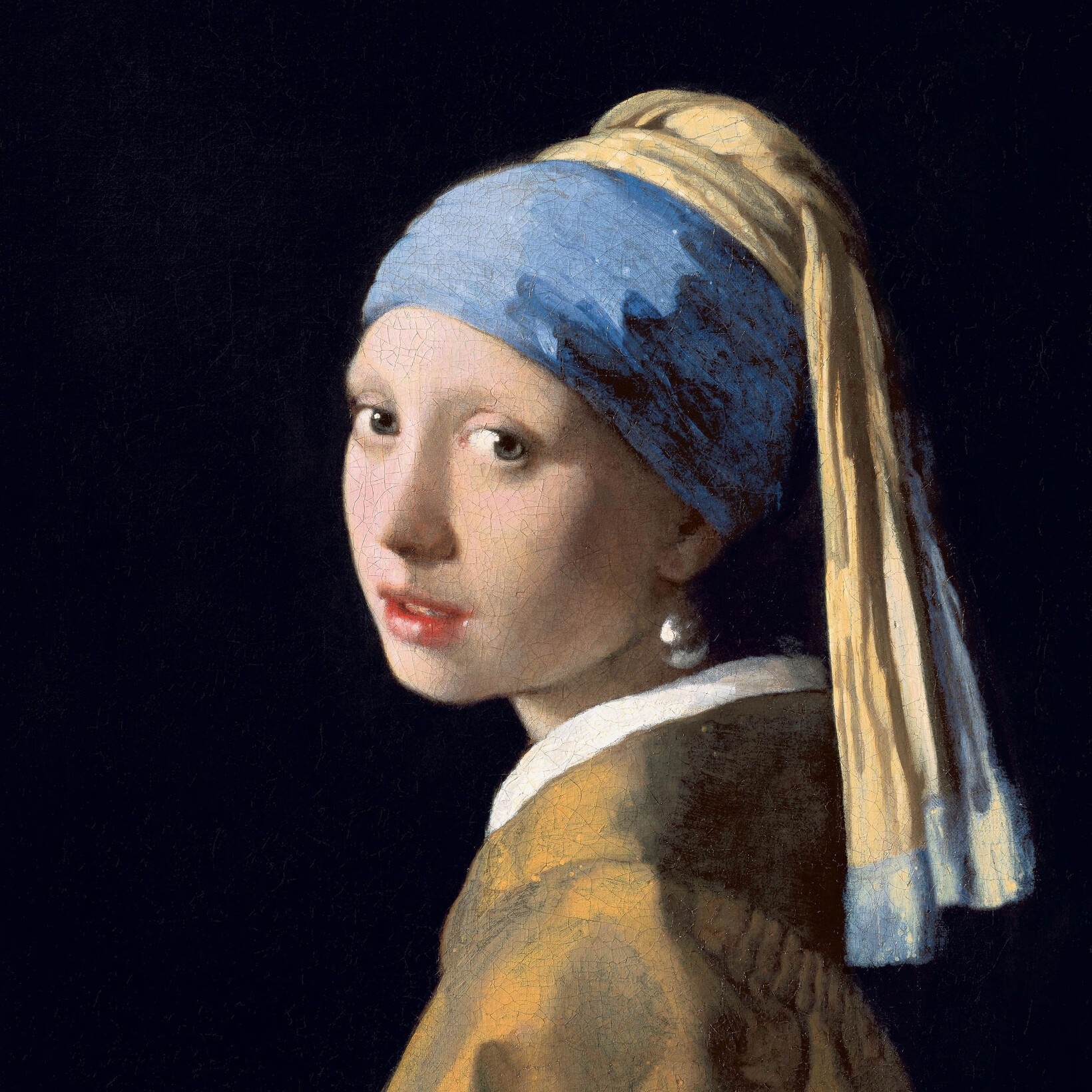
Surrealismo
O que foi o Surrealismo? O manifesto de Breton (1924), De Chirico, os relógios moles de Dalí, as maçãs e cachimbos de Magritte, Ernst, Miró, cadáver esquisito.
Salvador Dalí
Quem foi Salvador Dalí? O surrealista dos relógios derretidos de A Persistência da Memória, dos elefantes, do telefone-lagosta e do seu museu em Figueres.
René Magritte
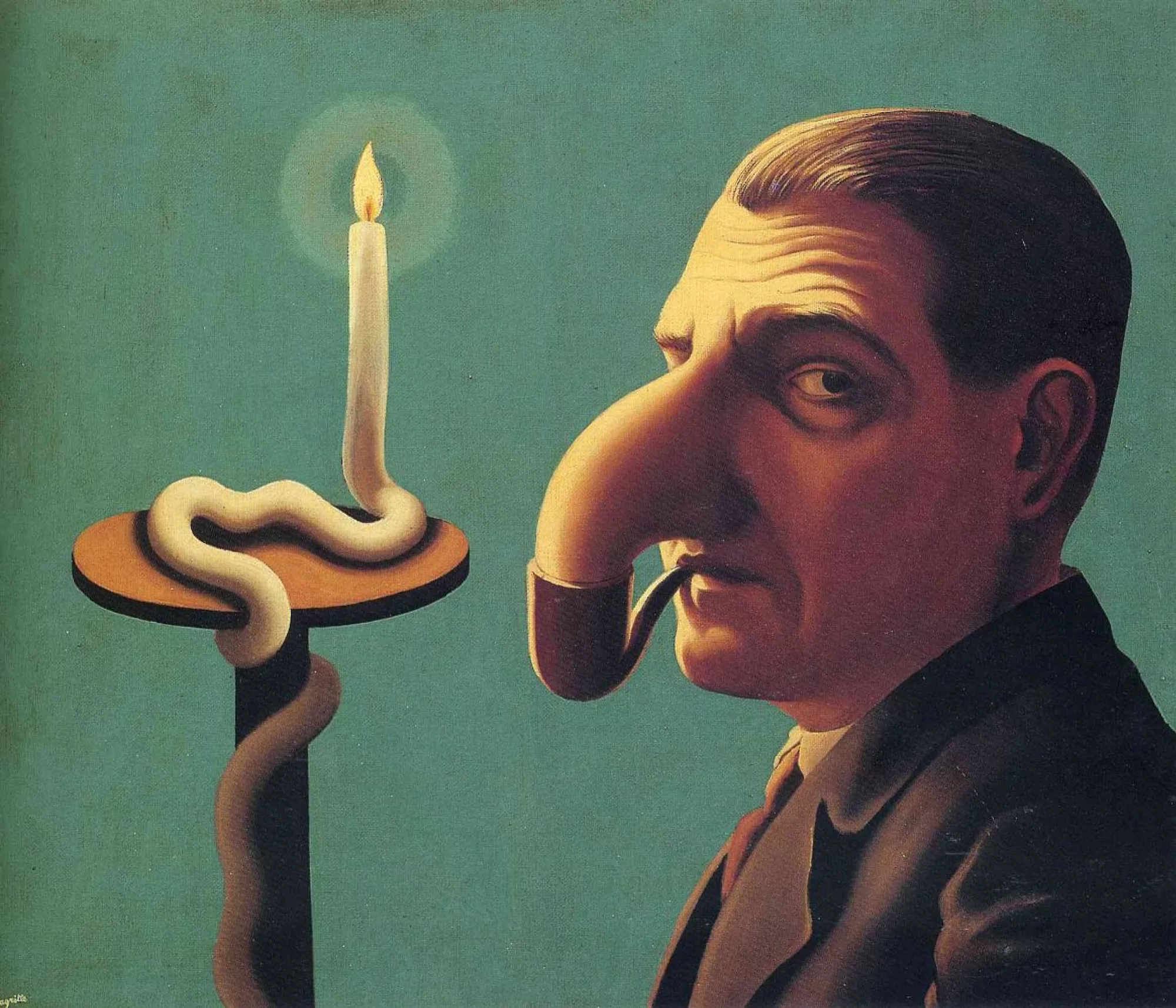
Quem foi René Magritte? O surrealista belga de O Filho do Homem, Ceci n'est pas une pipe, dos chapéus de coco e de O Império das Luzes, e o que significam.
Yves Tanguy
Quem foi Yves Tanguy? O surrealista bretão autodidata: um De Chirico visto de um ônibus, Mamãe, papai está ferido!, planícies sem horizonte e Kay Sage.
Op art: sua foto como ilusão de ótica
Transforme uma foto em op art no navegador: a Galateia das Esferas de Dalí, a Vega de Vasarely, as ondas de Bridget Riley, linhas em relevo, moiré, espirais e grades deformadas — no motivo ou em uma forma, parada ou animada.
Henri Matisse e o fauvismo
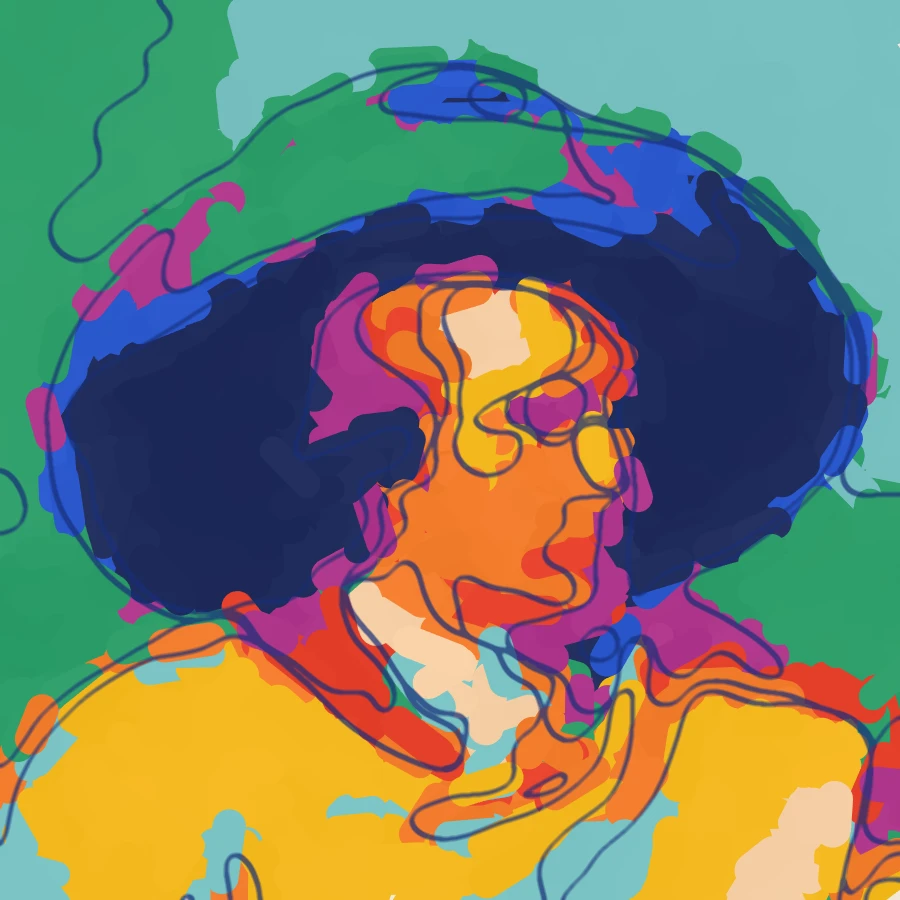
Transforme uma foto em Henri Matisse e no fauvismo no navegador: recortes como Jazz e os Nus azuis, Harmonia em vermelho, um desenho de linha fluido ou a cor fauve selvagem da Mulher com chapéu de Matisse, de Collioure, da Londres de Derain e de Vlaminck.
Pablo Picasso e o cubismo
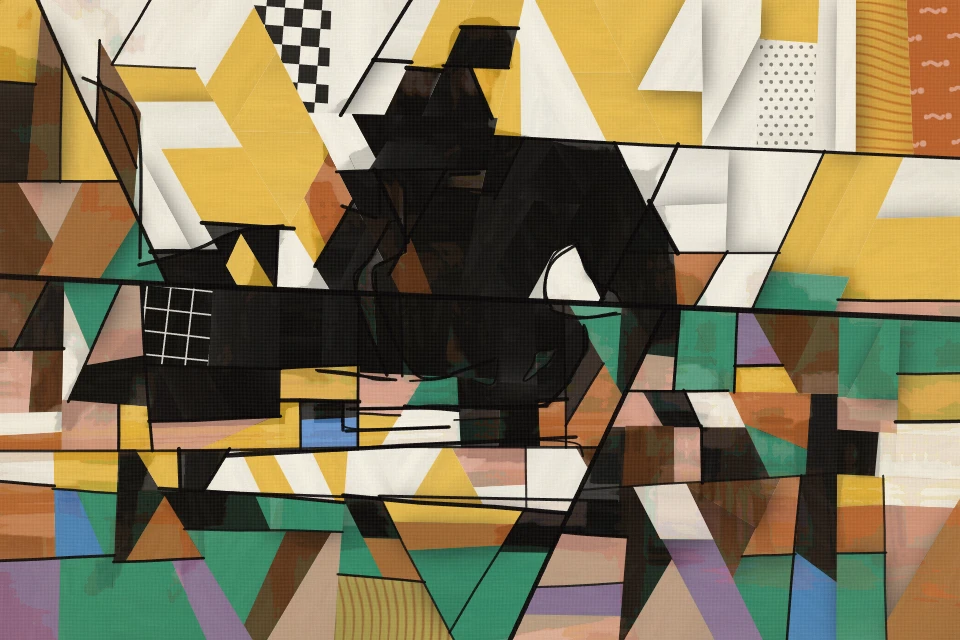
Transforme uma foto em Pablo Picasso e no cubismo no navegador: os períodos azul e rosa, o cubismo analítico ou sintético, um retrato cubista, papier collé, cubismo cristal, os retratos fragmentados da Mulher que chora ou os estilhaços em preto e branco de Guernica.
Filtro fotográfico Pop Art
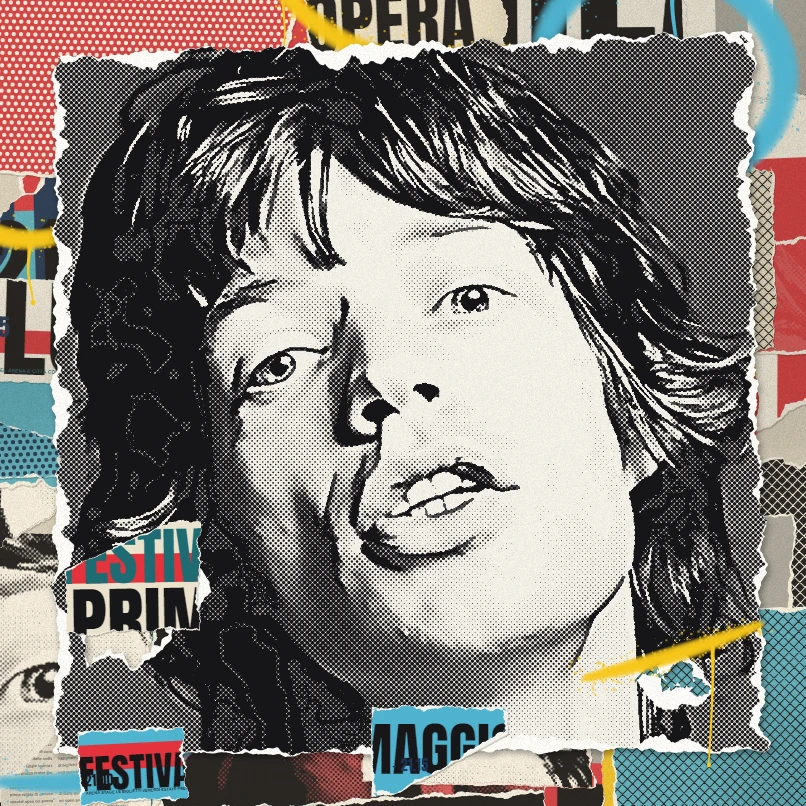
Transforme uma foto em pop art no navegador: um pôster pop retrô, um padrão pop, um retrato WPAP em facetas de arco-íris, uma colagem urbana, um respingo de tinta-da-china, folha de ouro, uma silhueta, raios de sol ou uma grade de emblemas pop.
Criador de tesselações de M.C. Escher
Crie tesselações ao estilo de M.C. Escher online: lagartos, aves, peixes, Pégaso e mais, encaixados entre si. Mude a forma e as cores e salve PNG ou SVG.
Transforme uma foto em uma colagem de técnica mista
Reconstrua uma foto como colagem de técnica mista no navegador—retalhos rasgados, texturas de impressão, fita adesiva e fotocópia.
Efeitos artísticos
Transforme fotos com pintura a óleo, aquarela, lápis, tinta de história em quadrinhos, pastéis, recortes de papel e outros visuais de arte de estúdio.
Pronto para experimentar?
Abra o PictorX no seu navegador – sem instalação, sem necessidade de cartão de crédito para começar.
Ir para o editor