
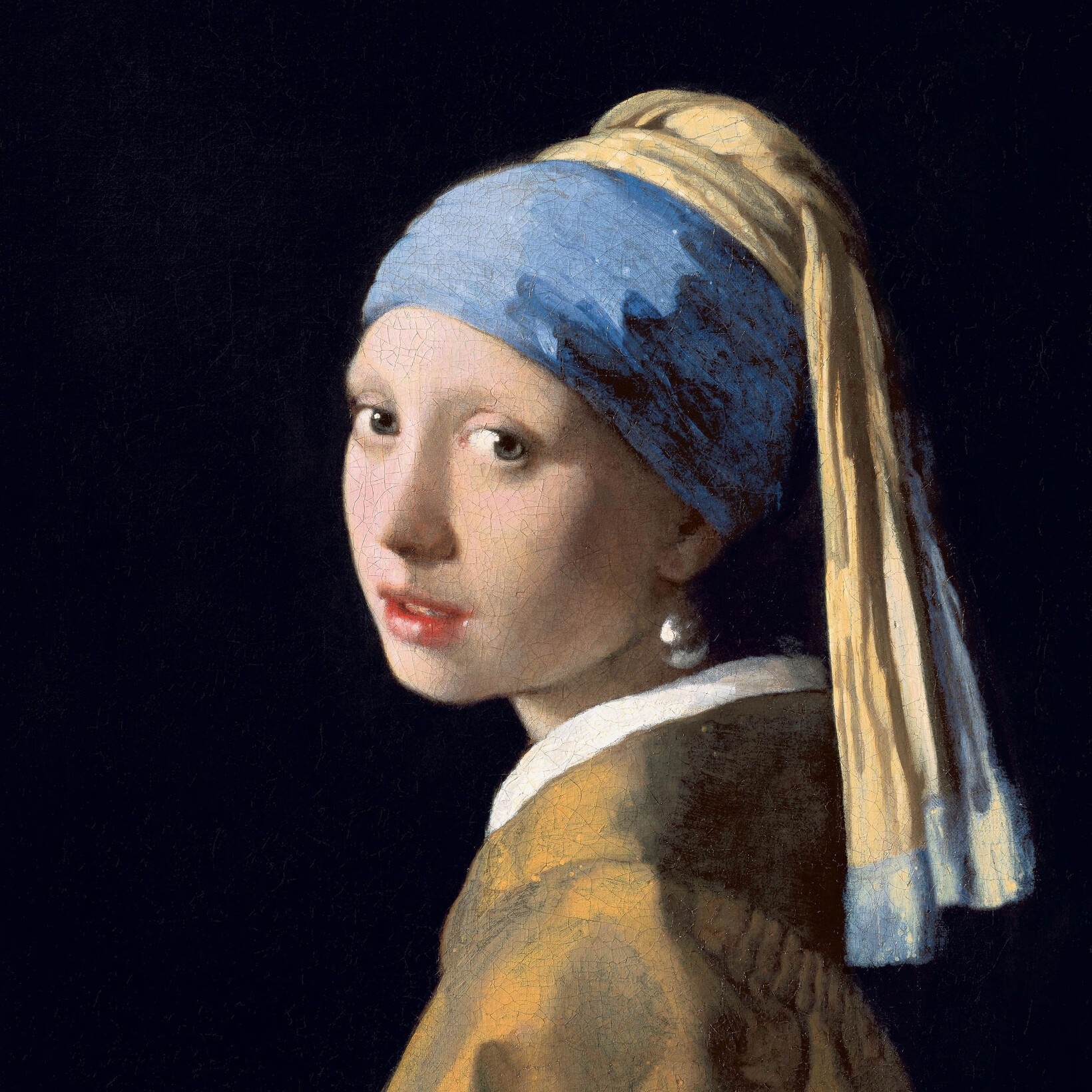
ضع صورة في حلم سريالي — ساعات دالي الليّنة، أو قبعات ماغريت المستديرة، أو ساحة دي كيريكو — اختر فنانًا ونمطًا، ثم اضبط التشويه والحالمية.
قابلية الانقسام اللامحدودة – السريالية ودالي وماغريت
The Surrealists painted dreams with the precision of a photograph, or let chance take over. This app puts your photo into one of their pictures: choose Salvador Dalí for soft watches, elephants on stilt legs and crutches, René Magritte for green apples, bowler hats and blue skies, or Other for De Chirico's empty squares, Max Ernst's crusts, Tanguy's endless plains, Carrington's giantess, Varo's tower and Man Ray's solarized prints. All processed on-device. ضع صورة في حلم سريالي — ساعات دالي الليّنة، أو قبعات ماغريت المستديرة، أو ساحة دي كيريكو — اختر فنانًا ونمطًا، ثم اضبط التشويه والحالمية.
كيف يعمل
- Open PictorX in your browser and load a photo — portraits with a clear subject work best.
- Pick an Artist—Salvador Dalí, René Magritte or Other for the rest of the Surrealists—then one of their Styles and a Palette, and adjust Distortion, Dreaminess, Detail, Shadows and Floating Objects. Turn on Remove background for a cleaner cutout of the subject.
- Export the painting, or keep editing with layers and other effects in the same workspace.
Salvador Dalí, René Magritte or another Surrealist
The Artist list at the top of the panel chooses whose dream you step into, and the Style list below it shows that artist's pictures. Salvador Dalí has seven: Persistence of Memory, Elephants, Galatea of the Spheres, Swans Reflecting Elephants, Burning Giraffe, Sleep and Leda Atomica. René Magritte has eight: Son of Man, Golconda, Empire of Light, Decalcomania, The Lovers, Treachery of Images, Great Family and Castle of the Pyrenees. Other gathers the rest of the movement: De Chirico's Metaphysical, Max Ernst's Europe after the Rain, the Exquisite Corpse, Yves Tanguy's Indefinite Divisibility, Leonora Carrington's The Giantess, Remedios Varo's Embroidering the Earth's Mantle and Man Ray's Solarization.
Seven dreams after Dalí
Persistence of Memory follows the painting of 1931: your photo goes soft and droops over the edge of a ledge beside a melting watch, in a bare landscape of golden cliffs and a calm sea. Elephants sets the subject on a plain at sunset between elephants on impossibly long, thin legs that carry obelisks. Galatea of the Spheres rebuilds the subject from shaded spheres floating in space. Swans Reflecting Elephants stands it on the shore of a still lake among the rocks of Cap de Creus, where swans float on the water and their reflections are elephants. Burning Giraffe opens drawers in the figure, props it up with crutches and sets a giraffe on fire far off on a blue evening plain. Sleep turns it into a huge soft mass hanging in the air on crutches, and Leda Atomica lets everything float: the figure in separate slabs, the sea above the beach, and an egg, a book and a stool in the air.
Eight impossible pictures after Magritte
Son of Man sets the subject before a low wall, a grey sea and a blue sky of cumulus clouds, with a green apple floating before the face and bowler hats drifting overhead. Golconda fills the air with men in bowler hats before plain houses with red roofs. Empire of Light puts a bright day sky over a street already deep in the night, with a street lamp and lit windows. Decalcomania stands the subject beside a curtain with their silhouette cut out of it, through which the sea and sky continue. The Lovers wraps the head in a white cloth, in a room with a red wall and a wall painted as sky. Treachery of Images paints the subject plainly on a bare ground above the handwritten words “Ceci n'est pas une photo.” Great Family fills the subject's silhouette with a bright day sky against a stormy sea, and Castle of the Pyrenees sets the subject on a huge rock floating over the waves, beside a small castle.
De Chirico, Max Ernst and the Exquisite Corpse
Metaphysical follows Giorgio de Chirico, setting the subject as a statue on a plinth in an empty square with an arcade, a green sky, long shadows, a red chimney and a little train. Europe after the Rain follows Max Ernst, pressing the photo into decalcomania crusts of rust and verdigris under a clear sky and a ring-shaped sun. Exquisite Corpse cuts the picture into bands drawn in ink, pencil, watercolour and halftone, like the Surrealists' folding game in which each player adds a part without seeing the others.
Tanguy, Carrington, Varo and Man Ray
Indefinite Divisibility follows Yves Tanguy, turning the subject into a smooth stone form on an endless plain that melts into the sky without a horizon, among bone-like shapes that throw long, crisp shadows. The Giantess follows Leonora Carrington: the subject towers over a tiny landscape of sea, ships and wheat in a long pale cloak, guarding an egg while geese fly from her cloak and little people look up at her feet. Embroidering the Earth's Mantle follows Remedios Varo, setting the subject in the window of a round tower while threads spill down and become an embroidered landscape, all covered in her fine, hair-thin brushstrokes. Solarization follows Man Ray's photographs of about 1930: a silver print whose highlights fold over into dark, with pale lines glowing along the edges, and rayograph objects—a key, a spiral, a comb, a pair of lips—around it.
From a hint to a strange dream
Distortion sets how strange the scene becomes: how far Dalí's photo melts or his elephants' legs grow, how high Magritte's subject floats or how far his night rises into the day sky, how steep De Chirico's perspective is or how far the Exquisite Corpse's bands shift. Dreaminess smooths the photo into glazed paint and tones it towards the palette; Detail adds clouds, swans, hats, arches, crusts, forms or threads; Shadows deepens the shadows. Palette chooses the light—Dream for each painter's own colours, Photo to keep your hues, Dusk, Night or Desert—and Floating Objects adds the watches, crutches, apples, bowler hats, castle, caption, the chimney and the train, Carrington's geese or Man Ray's rayograph objects. Remove background cuts out the subject first, so it stands cleanly in the scene.
Privacy and keep editing
Processing stays in your browser—photos are not uploaded to PictorX servers for this filter. After Surrealism, Dalí and Magritte, continue with layers, text, Picasso and Cubism, Matisse and Fauvism, Pop Art, or export.
الأسئلة المتداولة
ماذا يفعل تطبيق السريالية ودالي وماغريت؟
يحوّل الصورة إلى لوحة حالمة على طريقة السرياليين. اختر «الفنان»: سلفادور دالي يذيبها كالساعات الطرية في «إصرار الذاكرة»، أو يضعها بين أفيال طويلة الأرجل، أو يسندها على عكازات؛ ورينيه ماغريت يضع تفاحة خضراء أمام الوجه، أو يملأ السماء برجال بقبعات مستديرة، أو يكتب تحتها «Ceci n'est pas une photo» (هذه ليست صورة)؛ و«آخرون» يضعها في ساحة دي كيريكو الخالية، أو قشور ماكس إرنست، أو «الجثة اللذيذة»، أو سهل تانغي اللانهائي، أو عملاقة كارينغتون، أو برج فارو، أو تشميس مان راي. وهو مبني من صورتك، لا نسخة من لوحة في متحف.
ما السريالية؟
حركة فنية وأدبية تأسست في باريس عام 1924 عندما نشر أندريه بروتون «البيان السريالي». استلهم رساموها، ومنهم سلفادور دالي ورينيه ماغريت وماكس إرنست وخوان ميرو، الأحلامَ والمصادفة واللاوعي، وكثيرًا ما رسموا مشاهد مستحيلة بواقعية كبيرة. وكانت لوحات جورجيو دي كيريكو الميتافيزيقية السابقة مؤثرًا رئيسيًا.
من هما سلفادور دالي ورينيه ماغريت؟
أشهر رسامَين في السريالية. سلفادور دالي (1904–1989)، من كتالونيا في إسبانيا، رسم صور الأحلام بدقة الأساتذة القدامى: ساعات ذائبة، وأفيال على أرجل كالركائز، وعكازات، وأدراج، وصور مزدوجة، واشتهر بشاربه المشمّع واستعراضيته بقدر ما اشتهر بلوحاته. أما رينيه ماغريت (1898–1967)، البلجيكي الذي عمل في الغالب في بروكسل، فرسم الأشياء العادية بوضوح كبير ووضعها في مواقف مستحيلة: رجاله ذوو القبعات المستديرة والتفاح الأخضر والسماء الزرقاء بغيومها البيضاء معروفة في جميع أنحاء العالم.
من هم تانغي وكارينغتون وفارو ومان راي؟
إيف تانغي (1900–1955) رسام فرنسي رسم سهولًا حالمة لا نهائية تتناثر فيها أشكال ملساء تشبه العظام. وليونورا كارينغتون (1917–2011)، المولودة في إنجلترا، وريميديوس فارو (1908–1963)، المولودة في إسبانيا، أصبحتا صديقتين مقرّبتين في مدينة مكسيكو ورسمتا عوالم سحرية من العملاقات والأبراج والخيميائيين والرحّالة. أما مان راي (1890–1976)، الأمريكي المقيم في باريس، فأدخل السريالية إلى التصوير الفوتوغرافي بصوره الشمسية «rayographs» المصنوعة دون كاميرا وبورتريهاته المشمّسة (solarized).
ما «الجثة اللذيذة»؟
لعبة سريالية يضيف فيها عدة أشخاص إلى رسم أو جملة على ورقة مطوية دون أن يروا ما فعله الآخرون، فلا تتطابق الأجزاء تمامًا أبدًا. ويحاكيها نمط «الجثة اللذيذة» برسم كل شريط من صورتك بتقنية مختلفة وإزاحته عن الصف.
ماذا تعني عبارة «Ceci n'est pas une photo»؟
«هذه ليست صورة فوتوغرافية». تستحضر العبارة لوحة ماغريت «خيانة الصور» (1929)، التي كُتبت فيها عبارة «Ceci n'est pas une pipe» تحت رسم غليون: فالصورة ليست سوى تمثيل للشيء، وليست الشيء نفسه.
هل هذا منتج رسمي لدالي أو ماغريت؟
لا. تطبيق السريالية ودالي وماغريت من PictorX تحية رقمية مستوحاة من لوحاتهما. لا صلة له بمؤسسة غالا-سلفادور دالي ولا بمؤسسة ماغريت ولا بورثة الفنانَين، ولا يعيد إنتاج أي من أعمالهما، وكل صورة يصنعها مأخوذة من صورتك أنت.
ما الصور الأنسب؟
الصور الشخصية والصور التي فيها موضوع واحد واضح، لأن معظم الأنماط تقص الموضوع وتضعه في مشهد جديد، فشغّل «إزالة الخلفية» للحصول على أنظف حدود. أما «إصرار الذاكرة» لدالي، و«أوروبا بعد المطر» و«الجثة اللذيذة» و«التشميس» ضمن «آخرون»، فتناسب أي صورة، بما فيها المناظر الطبيعية والمباني.
الأدوات ذات الصلة
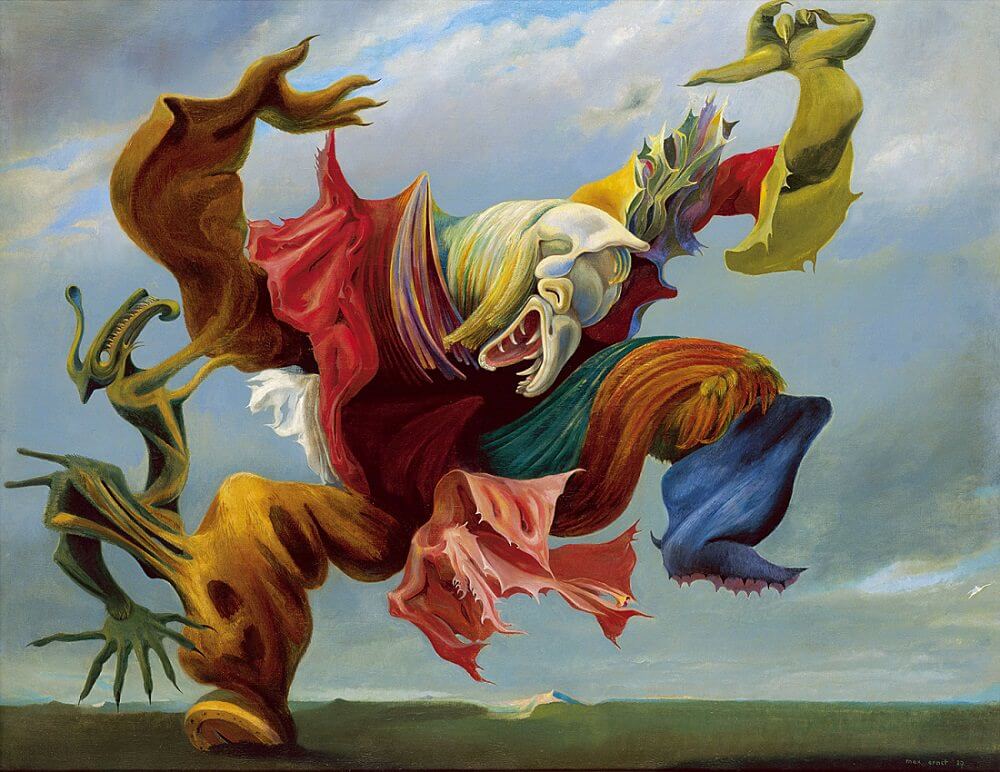
السريالية
ما السريالية؟ بيان بروتون عام 1924، ودي كيريكو، وساعات دالي الرخوة، وتفاح ماغريت وغليونه، وإرنست، وميرو، ولعبة الجثة الرائعة، وإرثها.
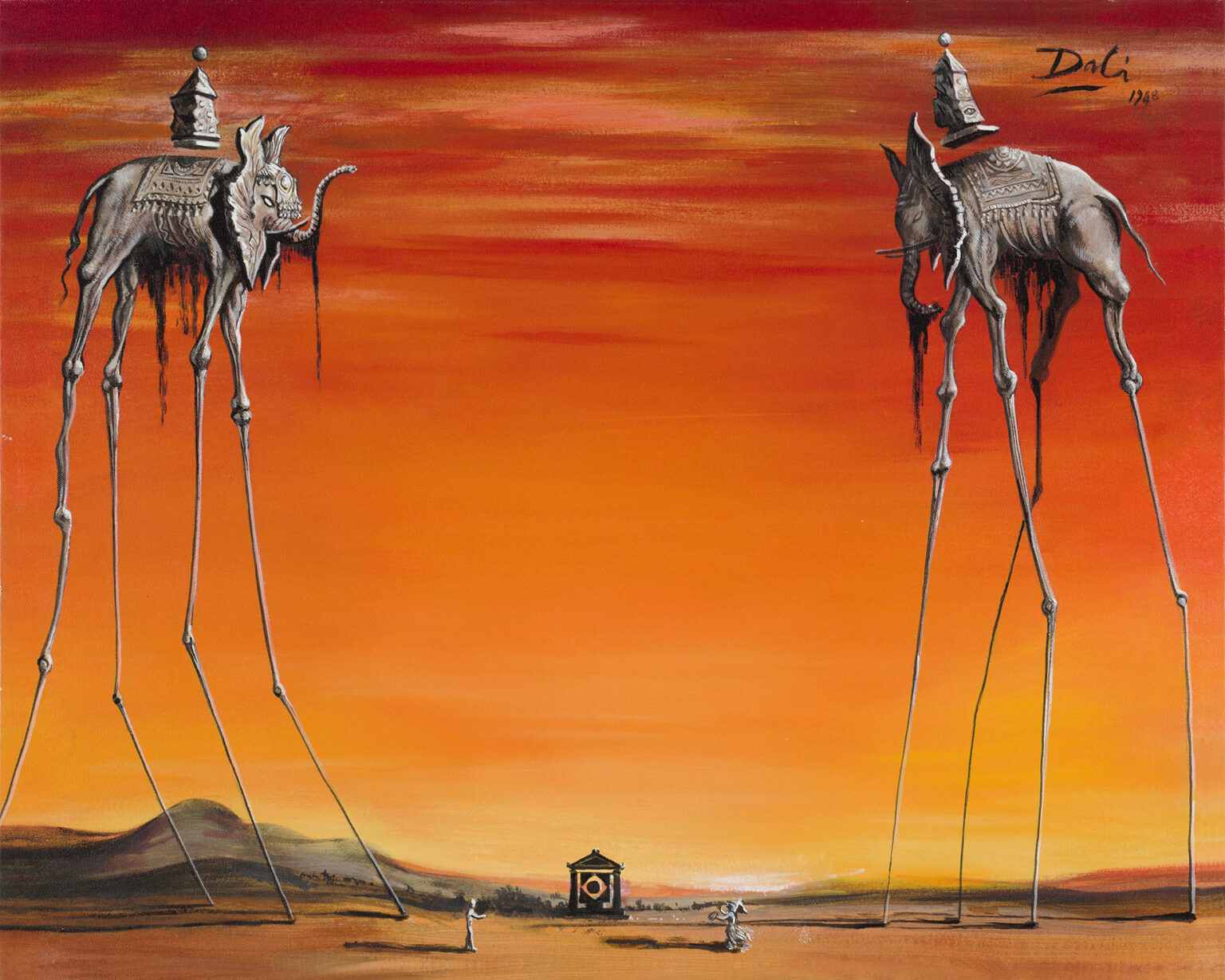
سلفادور دالي
من هو سلفادور دالي؟ السريالي صاحب الساعات الذائبة في «إصرار الذاكرة»، والفيلة، وهاتف الكركند، ومتحفه في فيغيراس.
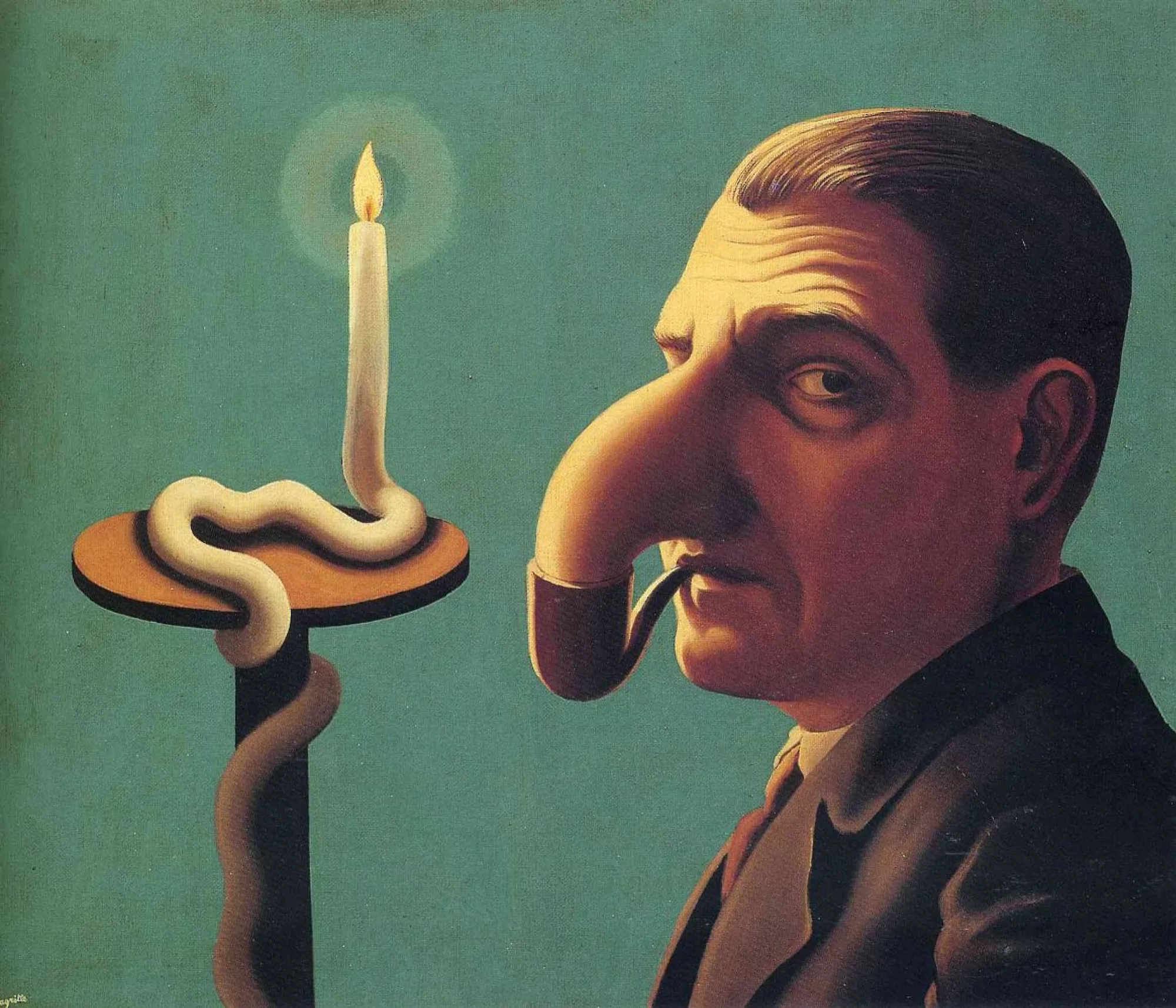
رينيه ماغريت
من هو رينيه ماغريت؟ السريالي البلجيكي صاحب «ابن الإنسان» و«Ceci n'est pas une pipe» والقبعات المستديرة و«إمبراطورية الضوء»، وما معناها.
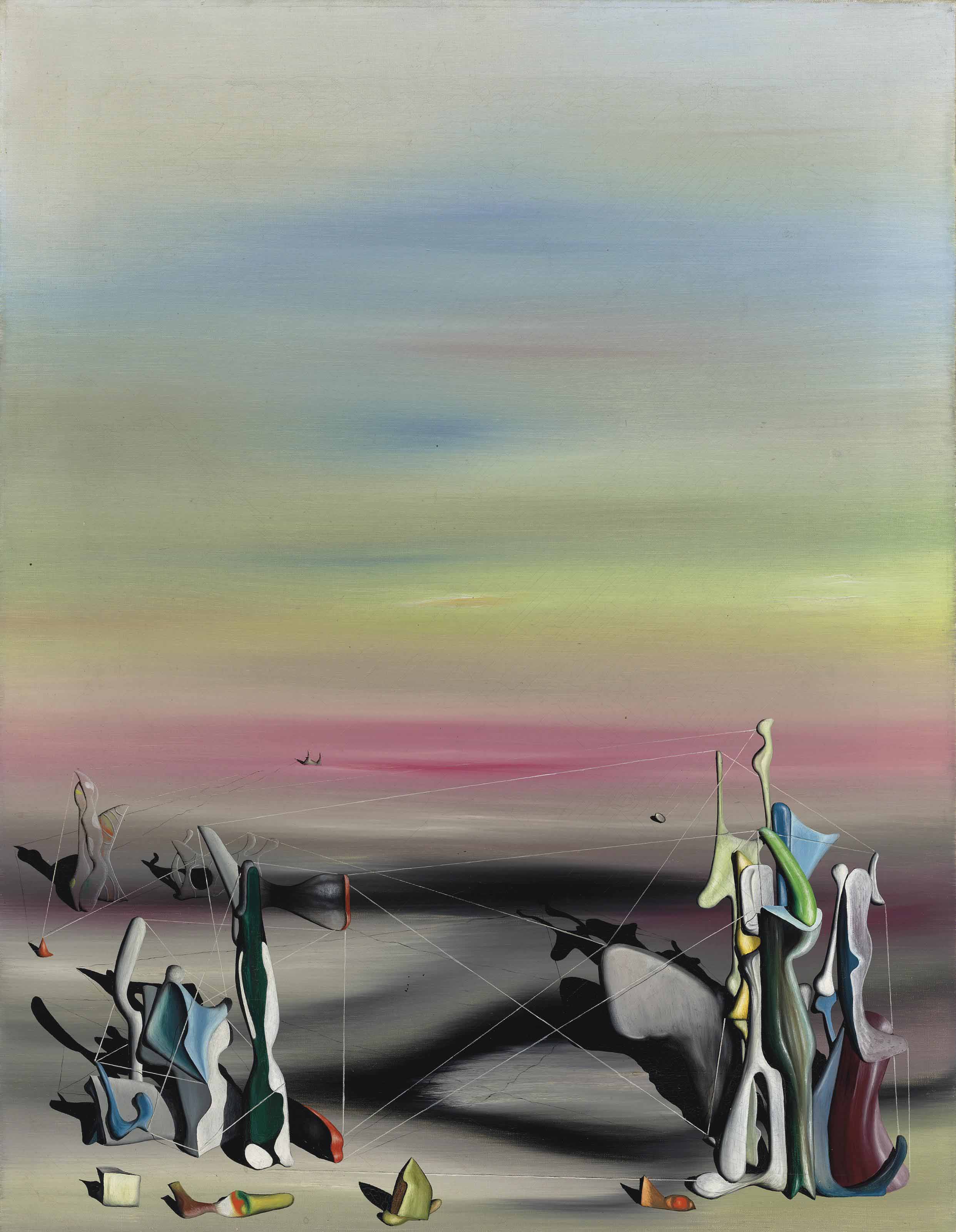
إيف تانغي
من هو إيف تانغي؟ السريالي البريتاني العصامي: لوحة دي كيريكو التي رآها من حافلة، وMama, Papa is Wounded!، وسهول بلا أفق، وكاي سيج وأمريكا.
الفن البصري: صورتك وهمًا بصريًا
حوّل صورة إلى فن بصري في متصفحك: «غالاتيا الكرات» لدالي و«فيغا» فازاريلي وأمواج بريجيت رايلي وخطوط بارزة ومواريه ودوامات وشبكات ملتوية — داخل الموضوع أو داخل شكل، ثابتة أو متحركة.
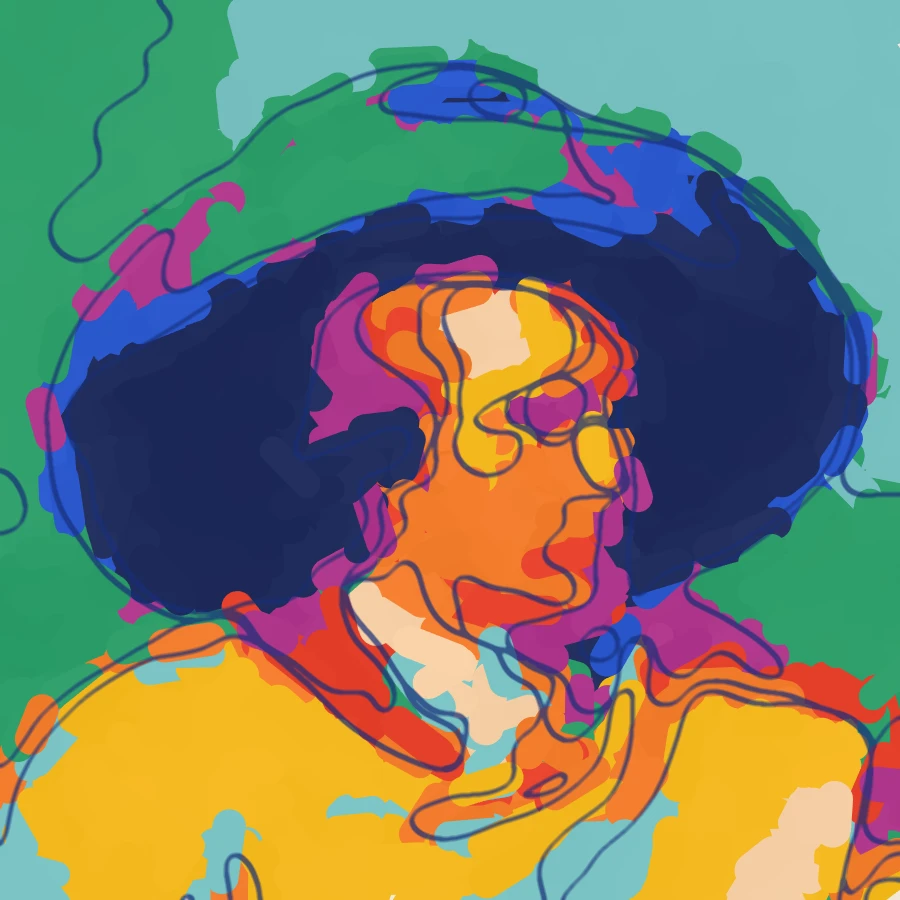
هنري ماتيس والوحشية
حوّل صورة إلى هنري ماتيس والوحشية في متصفحك: قصاصات ورقية مثل «جاز» و«العراة الزرق»، و«تناغم بالأحمر»، ورسم خطي انسيابي، أو الألوان الوحشية الجامحة في «امرأة بقبعة» لماتيس وكوليور ولندن ديران وفلامينك.
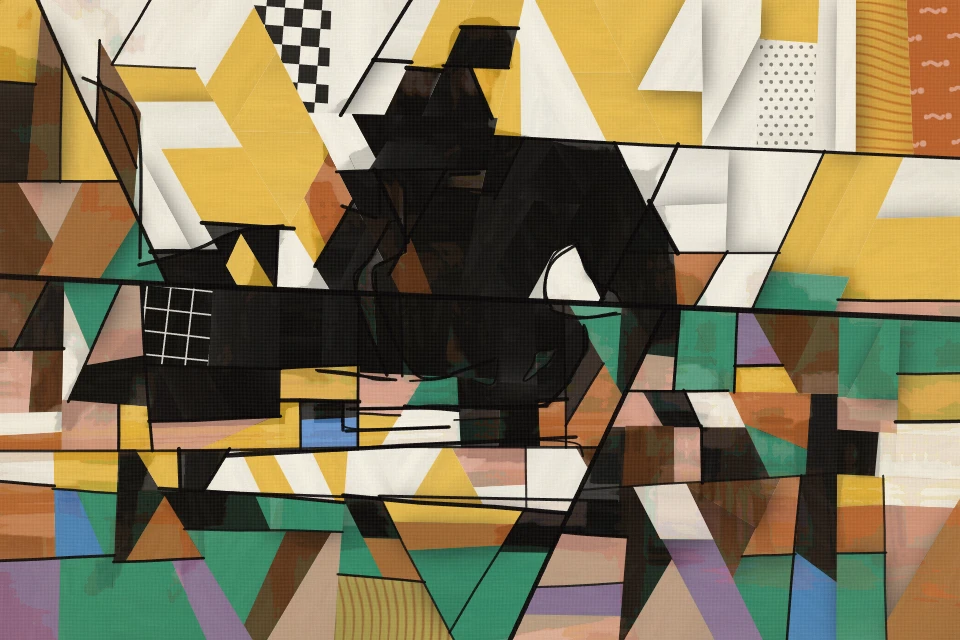
بابلو بيكاسو والتكعيبية
حوّل صورة إلى بابلو بيكاسو والتكعيبية في متصفحك: المرحلتان الزرقاء والوردية، والتكعيبية التحليلية أو التركيبية، وبورتريه تكعيبي، والورق الملصق، والتكعيبية البلورية، والبورتريهات المتشظية لـ«المرأة الباكية»، أو شظايا «غرنيكا» بالأبيض والأسود.
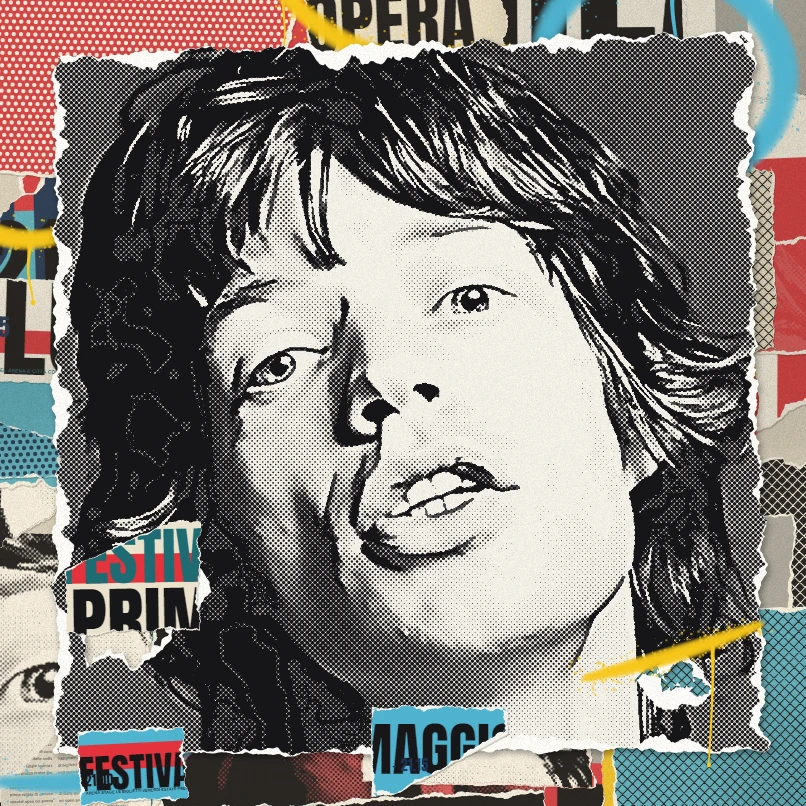
مرشح صور فن البوب
حوّل صورة إلى فن البوب في متصفحك: ملصق ريترو بطابع البوب، أو نقش بوب، أو بورتريه WPAP بأوجه بألوان قوس قزح، أو كولاج الشارع، أو رذاذ حبر، أو ورق الذهب، أو صورة ظلية، أو أشعة الشمس، أو شبكة من رموز البوب.

صانع تبليطات إم.سي. إيشر
اصنع تبليطات بأسلوب إم.سي. إيشر أونلاين: سحالي وطيور وأسماك وبيغاسوس وغيرها متشابكة معًا. عدّل شكل الزخرفة وألوانها واحفظ PNG أو SVG.
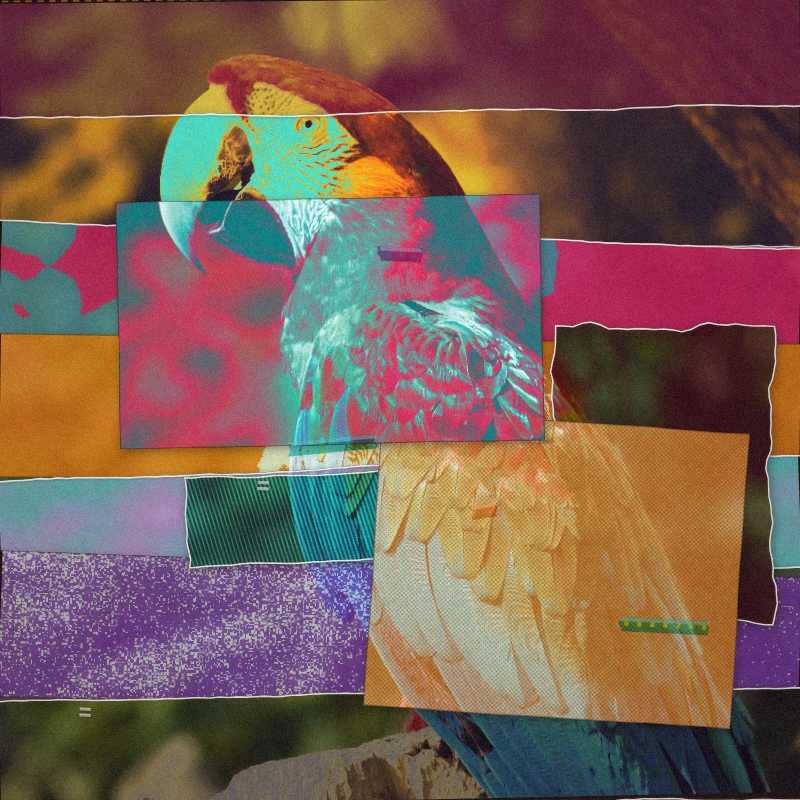
حوّل صورة إلى ملصّق وسائط مختلطة
أعد بناء صورة كملصّق وسائط مختلطة في متصفحك—قصاصات ممزقة وملمس طباعة وشريط لاصق وxerox.
تأثيرات فنية
قم بتحويل الصور باستخدام الرسم الزيتي، والألوان المائية، والقلم الرصاص، وحبر الكوميك، والباستيل، وقصاصات الورق، وغيرها من مظاهر فن الاستوديو.
هل أنت مستعد لتجربتها؟
افتح PictorX في متصفحك - بدون تثبيت، ولا يلزم وجود بطاقة ائتمان للبدء.
الانتقال إلى المحرر