
Chess Puzzles
A chess puzzle is a position with one best line: find the moves that checkmate or win. Here are 5000 puzzles from real games, from mate in 1 to mate in 5 and wins in 2 or 3 moves, each easy, medium or hard. Choose the kind you want to practise, play the moves on the board, and ask for a hint when you are stuck. Find the best move for the side to play. Drag a piece, or click it and then its square. A wrong move is not played, so you can try again. Hint shows the piece to move, a second Hint also its square, and Solution plays the answer.
How it works
- Choose a type, a difficulty and the side to play, or leave them on All.
- The opponent makes a move, then it is your turn: drag a piece, or click it and then its square. A wrong move is not played, so you can try again.
- Play every move of the line to solve the puzzle; the opponent answers each one. Hint shows the piece to move and Solution plays the answer. Next puzzle moves on.
Mate in N and win in N
In a mate in 2 you checkmate with your second move, whatever the opponent does in between; a mate in 1 is a single move, a mate in 5 a line of five. A win in 2 or 3 does not end in mate, but wins material or gives a decisive advantage: a fork, a pin, a skewer or a discovered attack that the opponent cannot answer.
Easy, medium and hard
The difficulty comes from each puzzle's rating on Lichess, which goes up when players fail the puzzle and down when they solve it. Easy puzzles are rated up to 1250, medium up to 1750 and hard above that, so a hard mate in 1 can be trickier than an easy mate in 3. The 5000 puzzles are split evenly between the levels and between White and Black to play.
Where the puzzles come from
Every puzzle is a moment from a real game played on Lichess, picked out by a computer and tried by thousands of players. Lichess has released its puzzle database into the public domain. We chose well-liked puzzles and checked every solution against the rules of chess; the link beside each puzzle opens it on lichess.org.
Frequently asked questions
How many puzzles are there?
5000: 900 mate in 1, 1000 mate in 2, 900 mate in 3, 500 mate in 4, 150 mate in 5, 780 win in 2 and 770 win in 3. With Skip solved puzzles on, Next puzzle passes the ones you have already solved; your progress is kept in this browser.
What happens if I play a wrong move?
It is not played: the square flashes red and you can try again. In a mate puzzle any move that checkmates at once counts as right, even if it is not the one in the solution.
How do Hint and Solution work?
Hint marks the piece to move, and a second Hint also the square it goes to. Solution plays the rest of the line move by move. A puzzle solved after a hint counts as solved with help; after Solution it does not count, and Try again starts it over.
Why does the opponent move first?
Each puzzle starts one move before the position to solve, as on Lichess: you see the opponent's last move, which often creates the chance. The board turns so that the side you play is at the bottom.
Which puzzles are best for beginners?
Start with Mate in 1 on Easy: they teach the basic mating patterns, such as the back-rank mate and the queen supported by another piece. Then move on to Mate in 2 and Win in 2, where you also have to see the opponent's best answer.
Chess Puzzles: how do I record a video?
Press the red Record button in the playback bar: it films what the stage shows. Press it again to stop, and the video is saved to your device. Recording is free; you only need to sign in. Without a subscription the video carries a small PictorX logo in a corner. The button beside Record opens the video options: the shape (as shown, square, story 9:16 or wide 16:9), the length (until you stop, or 5, 10, 15 or 30 seconds for social media) and the file: MP4, WebM or an animated GIF. For the sound, choose the app's own sounds or one of three music tracks: calm, bright or beat.
Related tools
About Chess Puzzles - Mates, Tactics and How to Solve Them
What is a chess puzzle? How mate in 1, 2 and 3 and win-in-N puzzles work, the tactics they train, how puzzle ratings set the difficulty, and tips to solve them faster.
Chess
Play chess in your browser with all the rules: castling, en passant, promotion, check and checkmate. Play the computer from Easy to Expert, a friend on the same screen, or watch the computer play itself.
About Chess - History, Rules and How the Computer Plays
How do you play chess? Where the game came from, how each piece moves, check, checkmate and draws, and how a computer picks moves with minimax and alpha-beta.
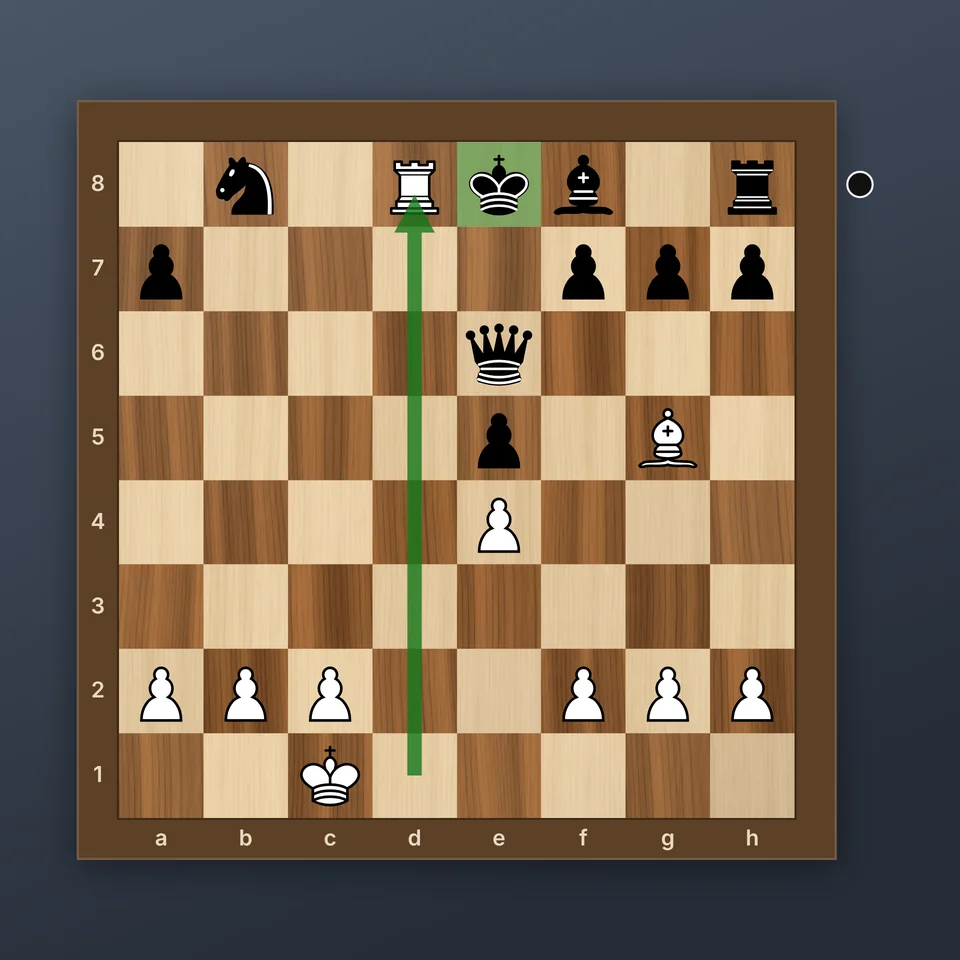
Chess diagram maker
Make a chess diagram online: paste a FEN or set up the pieces by hand, add arrows and marked squares, and save the board as a PNG or edit every piece as a layer. Free.
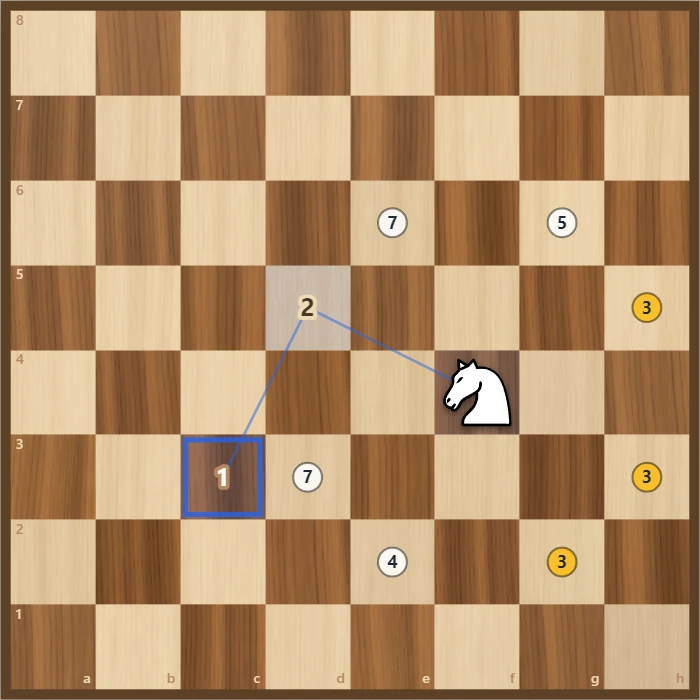
Knight's Tour
Jump a chess knight to every square of the board exactly once. Play it yourself with Warnsdorff hints, or watch Solve finish an open or closed tour. Save the path as a PNG.
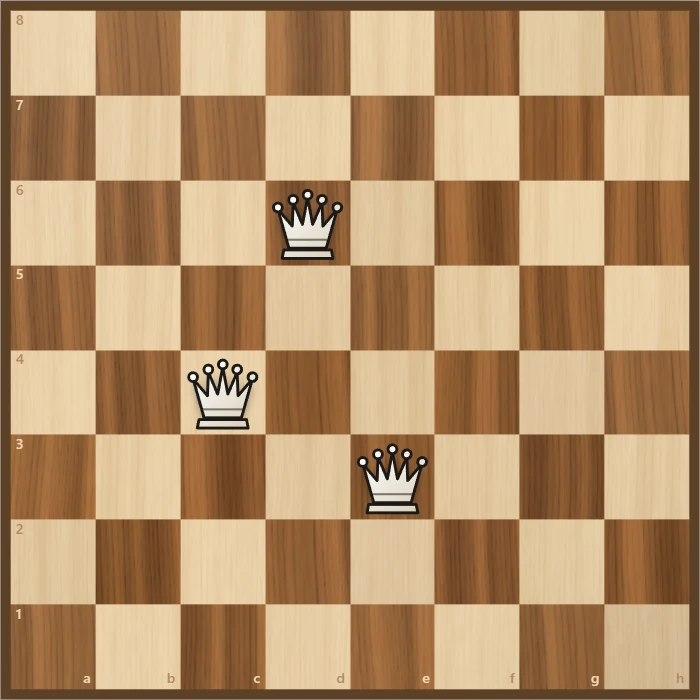
Eight Queens
Place eight queens on a chessboard so that none attacks another. Try it yourself, watch the backtracking search find a solution step by step, and go through all 92 solutions.
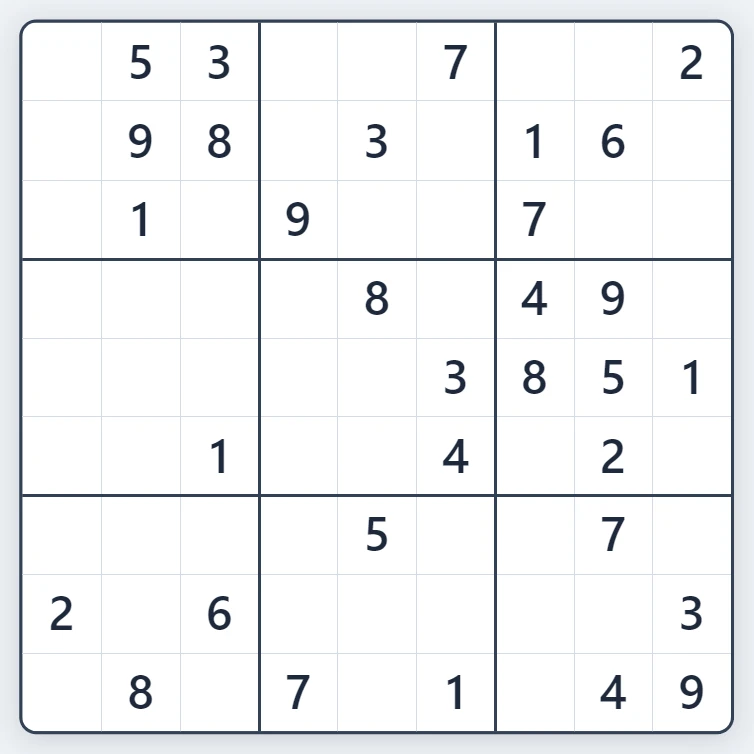
Sudoku
Play Sudoku free in your browser. Fresh puzzles with exactly one solution, four levels from Easy to Expert, pencil notes, hints, mistake highlighting and undo.
Rubik's Cube Solver
Free online Rubik's cube solver: colour the stickers of your own cube or scramble one, and get a solution of about 20 moves from Kociemba's two-phase algorithm. Play it move by move on a 3D cube, with the moves in standard notation.
Ready to try it?
Open PictorX in your browser — no install, no credit card required to start.
Go to Editor