
Roy Lichtenstein
Read more about Roy Lichtenstein—the American Pop artist who blew up single comic-book panels into paintings, with Ben-Day dots, flat primaries, thick black lines and speech balloons—and make a comic panel of your own in PictorX.
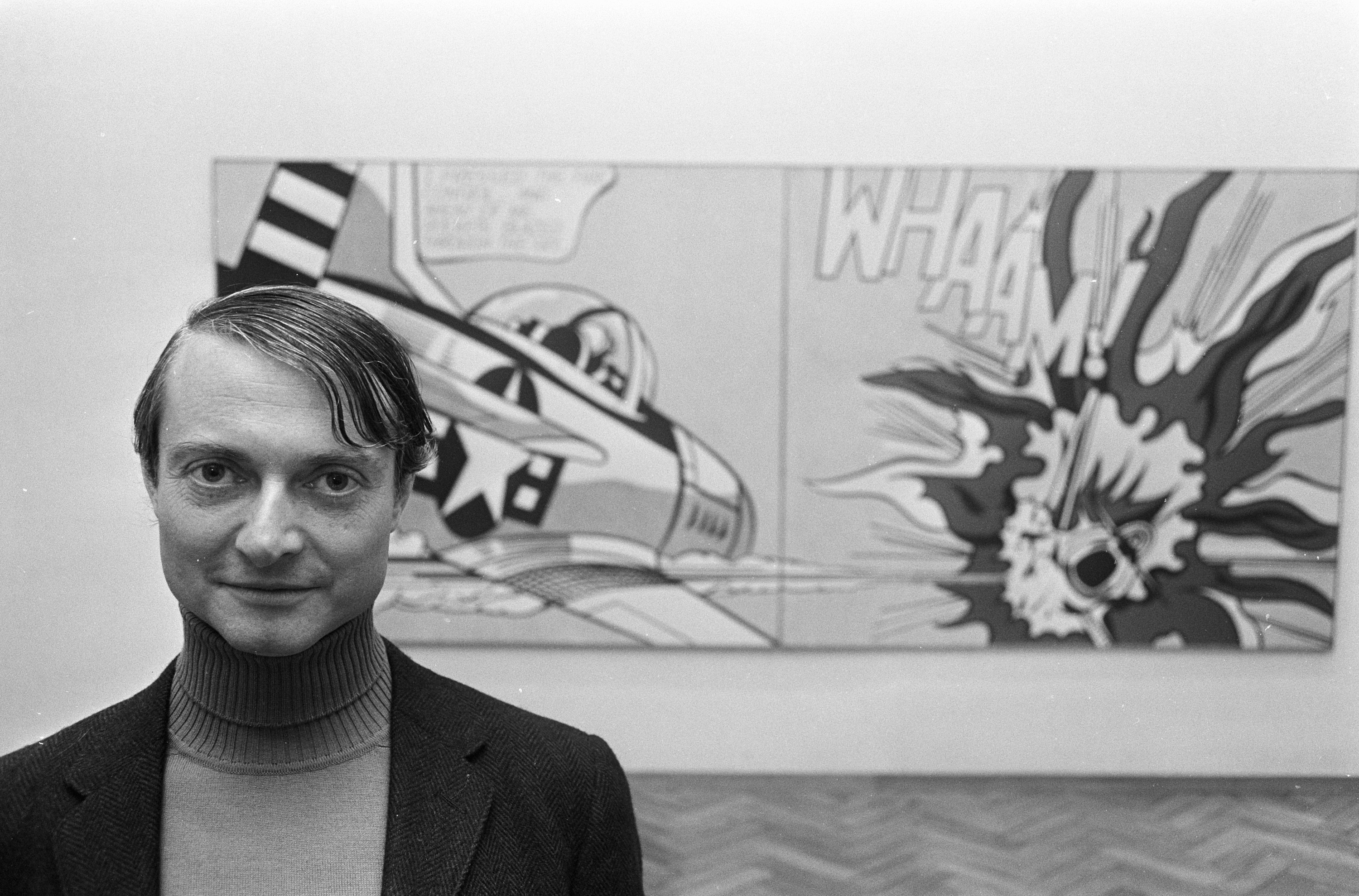
Who was Roy Lichtenstein?
Roy Lichtenstein (1923–1997) was an American painter and sculptor and, with Andy Warhol, the best-known artist of Pop Art. From 1961 he painted pictures that looked like enlarged panels from cheap comic books and advertisements: flat red, yellow and blue, heavy black outlines, speech balloons and the printed dots of commercial colour. What looked mechanical was carefully composed by hand, and his style became one of the most recognisable in modern art.
From Ohio to Look Mickey
Lichtenstein was born in New York, studied at the Art Students League and at Ohio State University, served in the US Army in Europe during the Second World War and then taught art in Ohio and New York State. For years he painted in the styles of the day, from Cubist-looking scenes of the American West to Abstract Expressionism. In 1961, the story goes, one of his sons pointed at a Mickey Mouse comic and said he bet his father couldn't paint as well as that. Look Mickey, with Donald Duck hooking his own coat-tail and a speech balloon, was his answer—and his breakthrough.
Romance comics and Drowning Girl
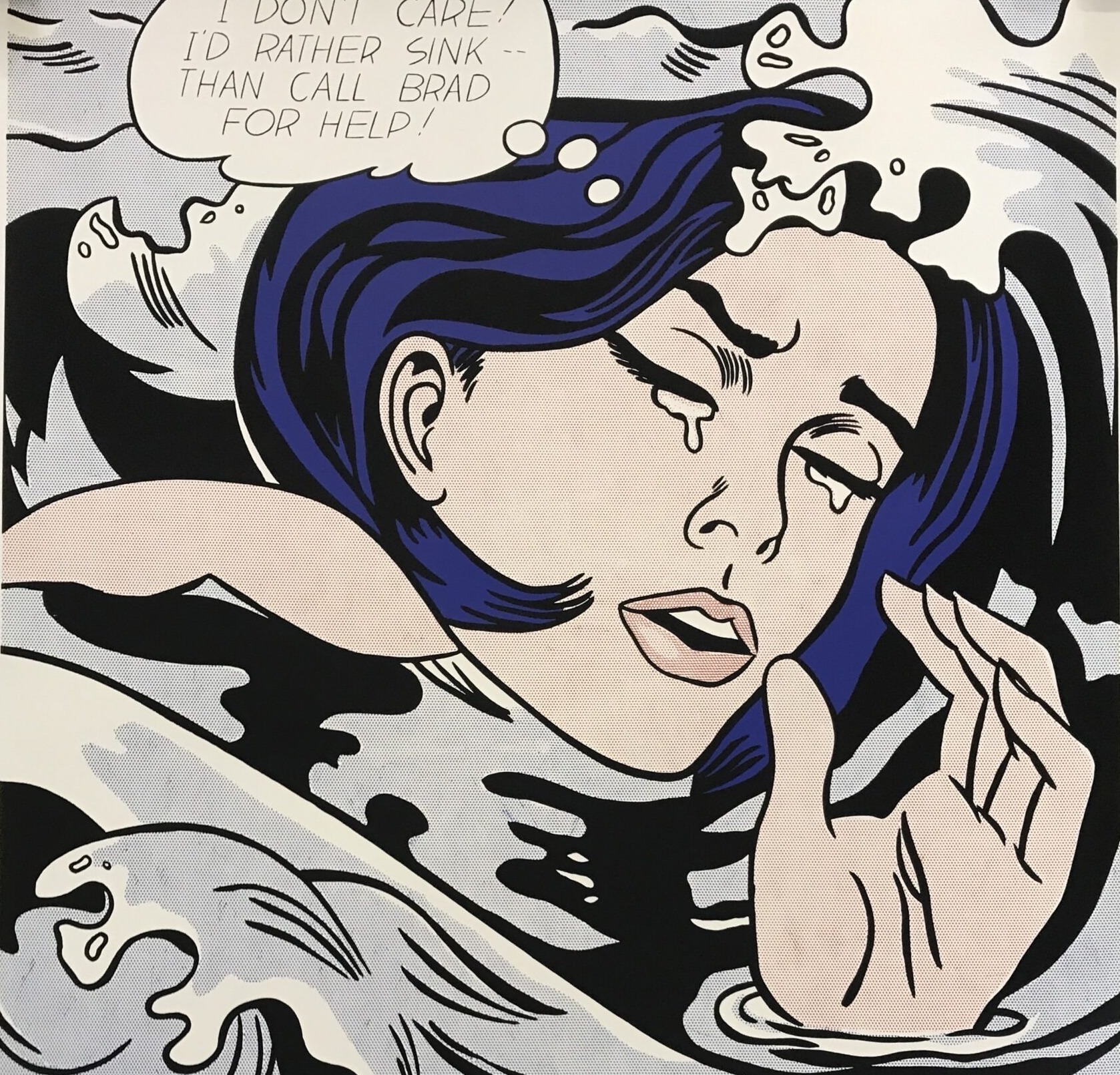
In 1962 the dealer Leo Castelli gave Lichtenstein his first solo show in New York, and his paintings sold out. Many came from romance comics: tearful heroines, telephone calls and broken hearts, cropped close and heightened with a melodramatic speech or thought balloon. Drowning Girl (1963, Museum of Modern Art, New York), a woman in a swirling blue wave who would rather sink than call for help, is the most famous of them, adapted from a panel in a DC romance comic.
War comics and Whaam!
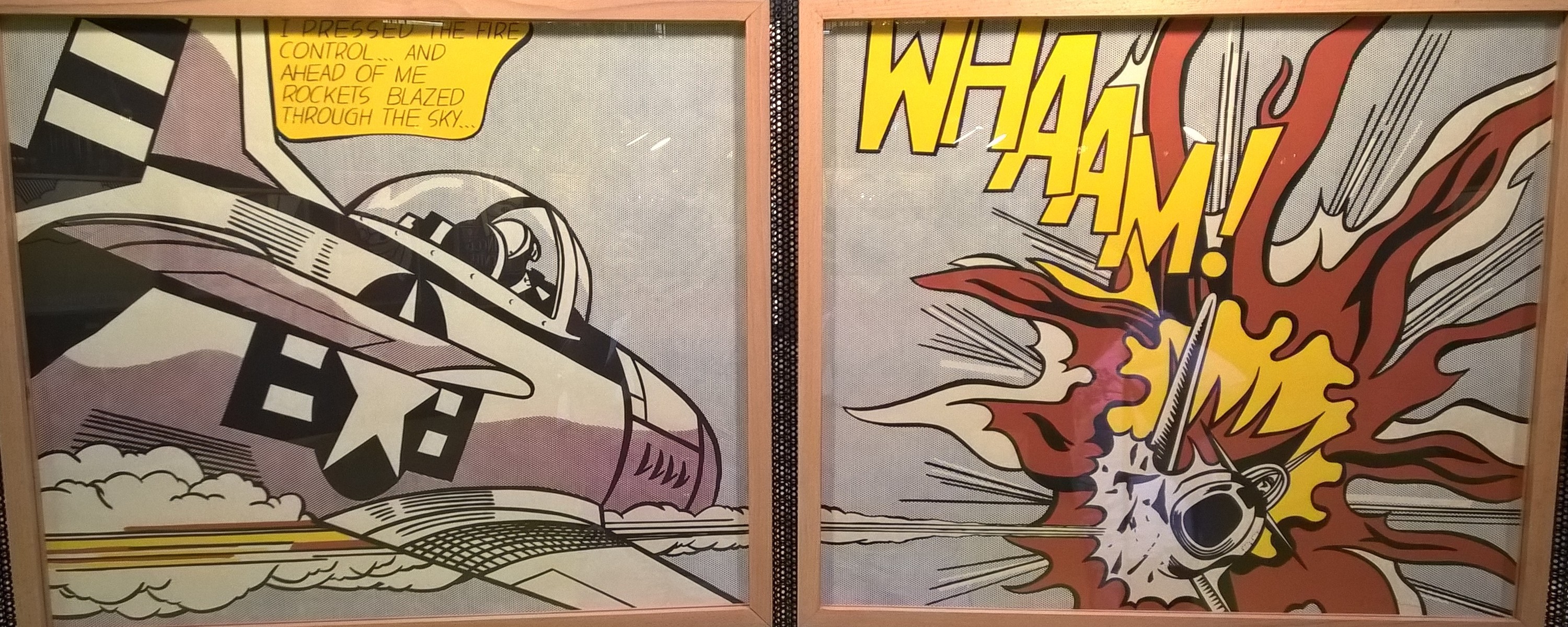
Lichtenstein also took his subjects from war comics: fighter pilots, gunfire and explosions with sound effects in huge letters. Whaam! (1963), a two-panel painting more than four metres wide, shows a fighter plane firing a rocket on the left and an enemy plane bursting into red and yellow flames on the right, with the word WHAAM! across the explosion. It was adapted from a panel in a 1962 DC war comic, and the Tate in London bought it in 1966.
Ben-Day dots and a machine-made look
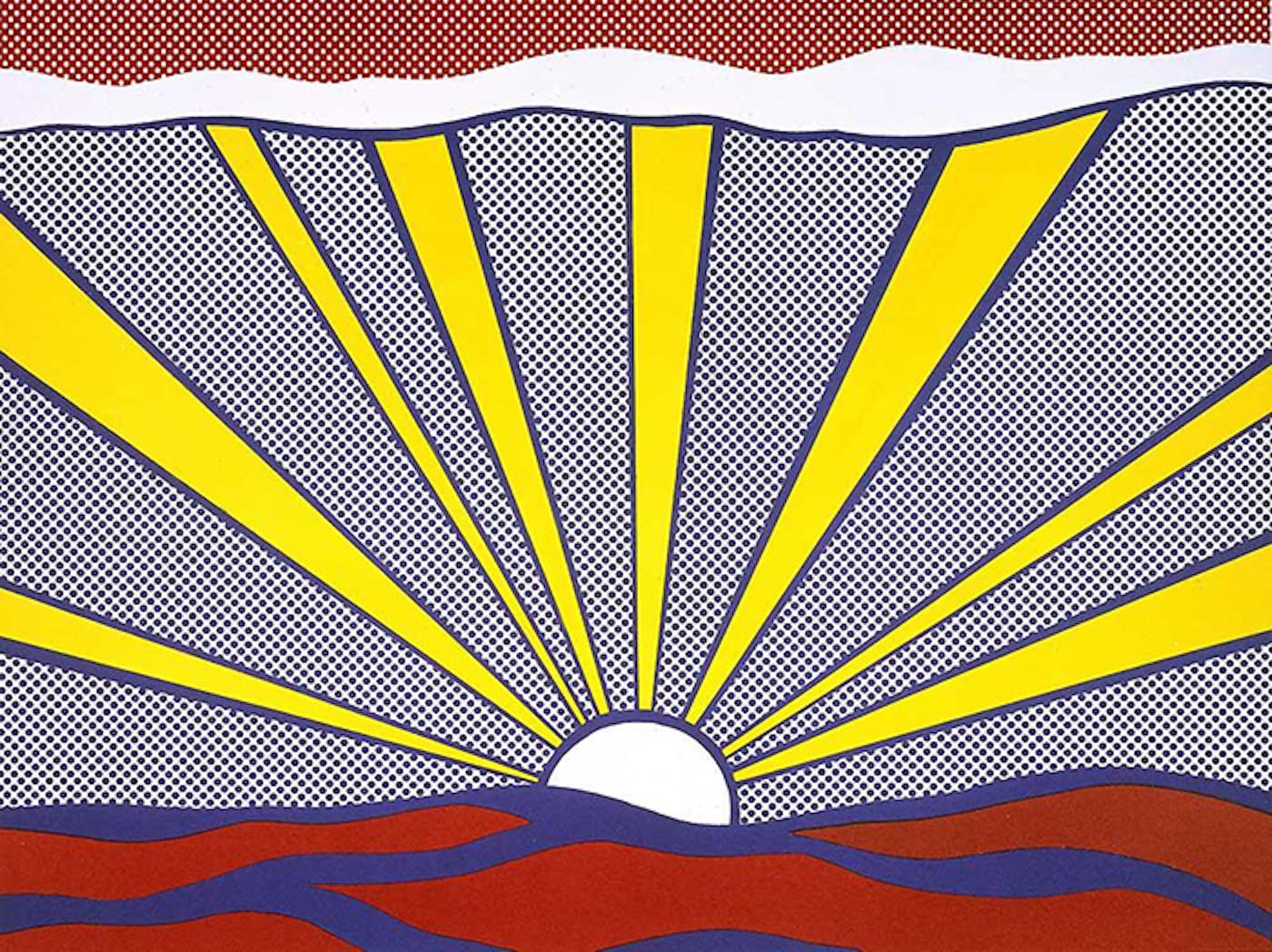
Cheap colour printing used Ben-Day dots, a process invented by the illustrator Benjamin Day in 1879: tiny dots of one ink that read as a lighter tone. Lichtenstein made the dots huge and a subject in themselves. He drew his compositions, transferred them to canvas with a projector, and applied the dots at first with a dog-grooming brush and later through perforated metal stencils, filling the rest with flat oil and Magna acrylic paint. The result looked printed, but every line and colour was adjusted for balance.
“Is he the worst artist in the U.S.?”
Not everyone was impressed. In 1964 Life magazine ran an article asking whether Lichtenstein was the worst artist in the United States, and critics called his work copying. Later, the comic-book artists whose panels he adapted, such as Irv Novick and Tony Abruzzo, were rarely credited, and the question of borrowing from commercial art still divides opinion. Lichtenstein himself said that he changed his sources a great deal—cropping, simplifying and unifying them—so that the painting became a new composition about how images are made.
Brushstrokes, Mirrors and later work
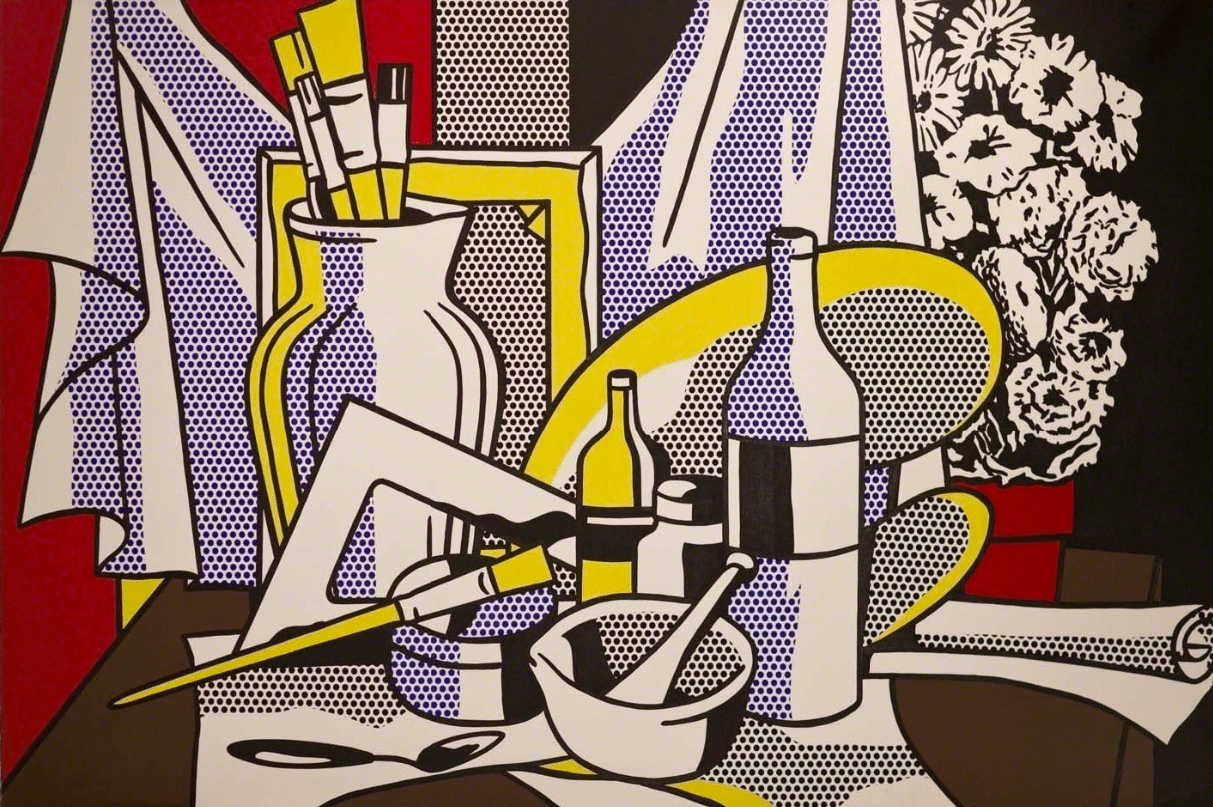
In 1965–66 Lichtenstein painted the Brushstrokes: single, giant painterly brushstrokes drawn in black outline with dots behind them, a deadpan joke about the heroic gestures of Abstract Expressionism. He turned the same comic language on every subject: sunsets and landscapes, art-historical styles from Monet's cathedrals to Picasso and Mondrian, mirrors whose reflections are only diagonal bands of dots (1969–72), interiors, brushstroke sculptures and the Times Square Mural for the New York subway. He died in New York in 1997.
A digital homage in PictorX
PictorX Roy Lichtenstein is a browser app inspired by his romance and war panels, the Brushstrokes and the Mirrors. It is not a reproduction of any museum painting, not an AI copy of a Lichtenstein, and not a claim of authenticity: the panels are printed from your own photo and the words are yours. The pictures on this page are Lichtenstein's own works; Lichtenstein's own works are best seen in museums such as Tate Modern in London, the Museum of Modern Art in New York, the National Gallery of Art in Washington and the Art Institute of Chicago.
Make your own panel in PictorX
Open the Roy Lichtenstein app, load a photo—portraits work best—and pick a series: Romance, War, Brushstrokes or Mirror. Choose one, two or three panels, type a speech or thought balloon, a caption and a sound effect, and drag them into place; drag inside a panel to move the photo. Tune the dot size, line weight and palette, then save a PNG or open the layers in the PictorX editor.
Frequently asked questions
Who was Roy Lichtenstein?
An American Pop artist (1923–1997) known for paintings based on comic-book panels and advertisements, with Ben-Day dots, flat primary colours, black outlines and speech balloons.
What are Roy Lichtenstein's most famous works?
Among the best known are Look Mickey (1961), Drowning Girl (1963), Whaam! (1963), the Brushstrokes (1965–66), the Mirrors (1969–72) and the Times Square Mural in New York.
What are Ben-Day dots?
A printing process invented by Benjamin Day in 1879: small, evenly spaced dots of one colour that create a lighter tone. Comic books used them for skin and sky; Lichtenstein enlarged them into his signature.
Did Lichtenstein copy comic books?
He based many paintings on real comic panels, often without crediting their artists, which is still debated. He changed them considerably—cropping, simplifying and recomposing—to turn them into paintings about how mass-produced images look.
Is the PictorX app a real Lichtenstein?
No. It is a digital homage made from your own photo, not a copy of any of his paintings. His original works remain unique museum pieces.
Related tools
Roy Lichtenstein comic maker
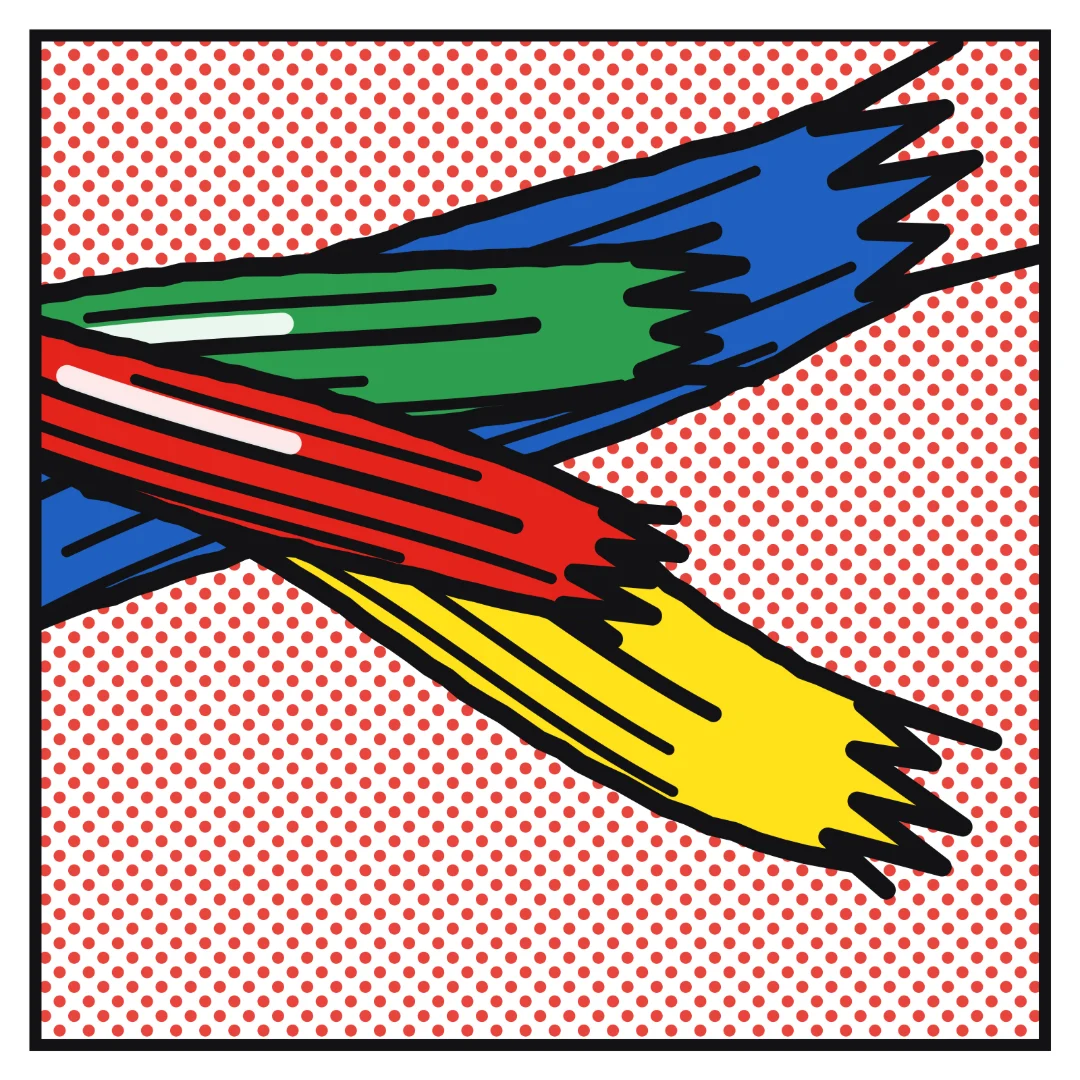
Turn a photo into a Roy Lichtenstein comic in your browser: one to three panels in Ben-Day dots and black ink, speech and thought balloons, a yellow caption and a WHAAM! sound effect, in the Romance, War, Brushstrokes or Mirror series.
Pop Art
Learn how Pop Art turned advertising, comics, and consumer products into art—Andy Warhol, Roy Lichtenstein, silkscreen, and the rise of mass culture.
Pop Art photo filter
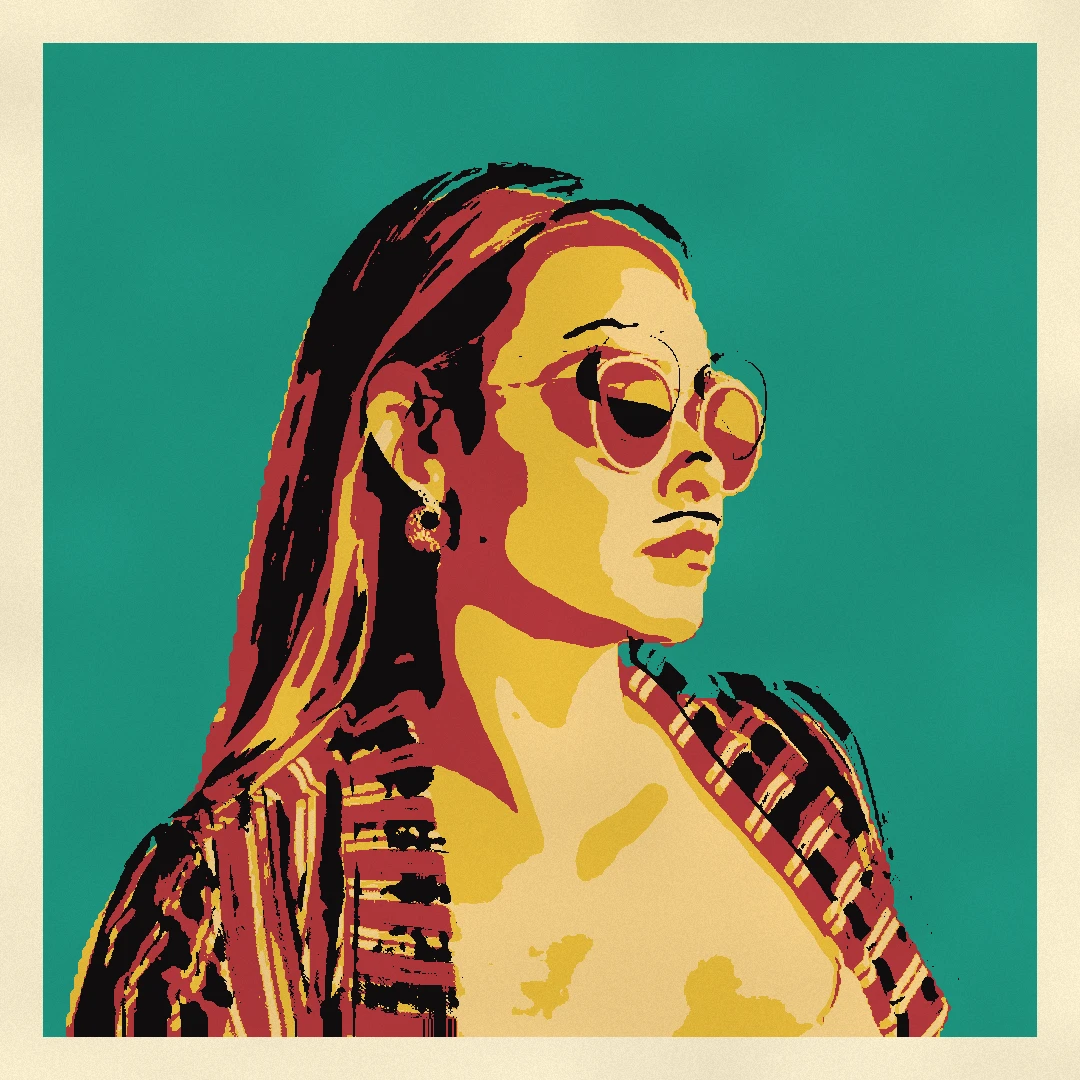
Turn a photo into pop art in your browser: Lichtenstein comics with Ben-Day dots and a WHAAM! burst, Warhol silkscreen grids, CMYK halftones, Riso duotones and pop stickers.
Andy Warhol
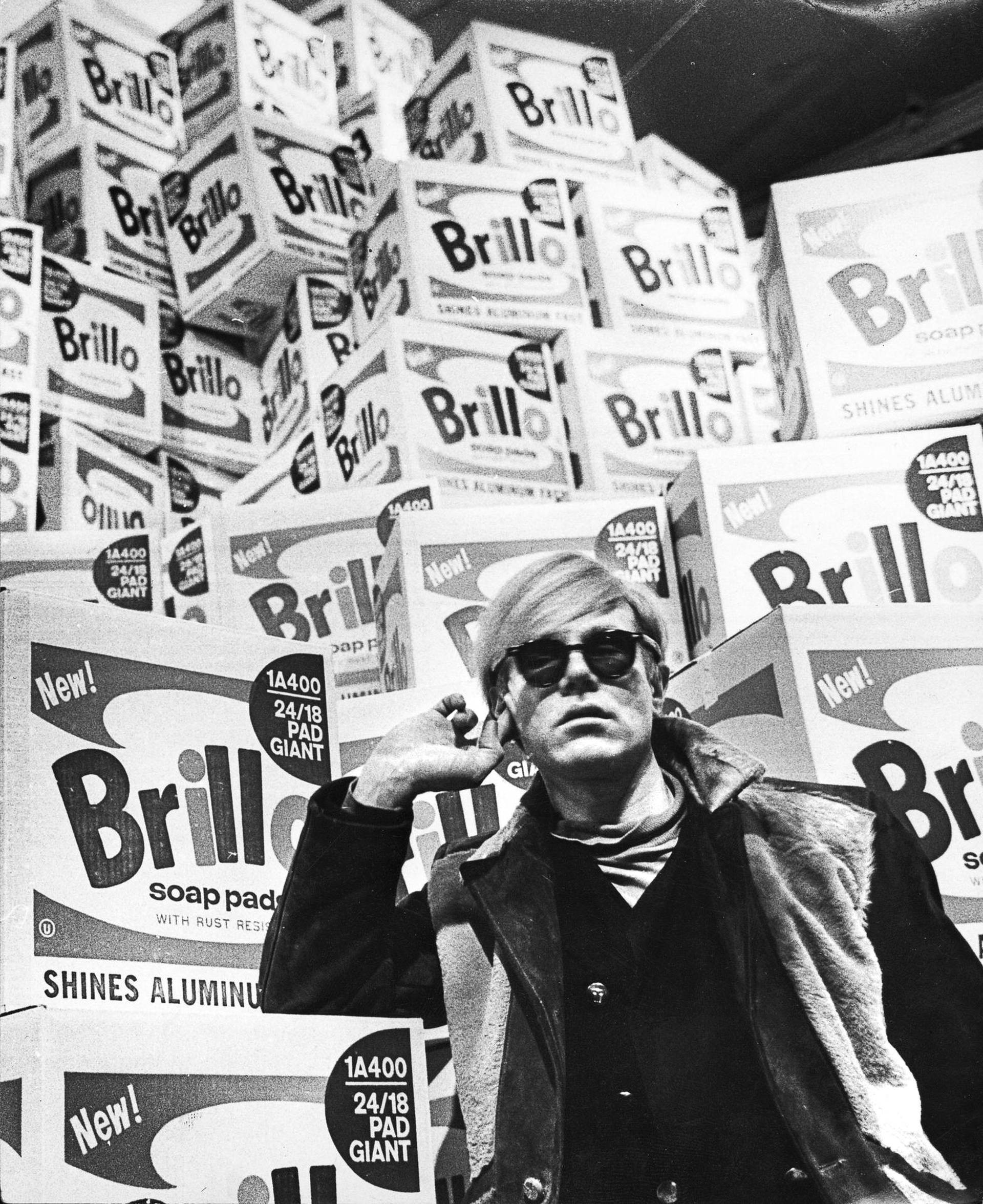
The story of Andy Warhol: Pittsburgh, The Factory, Campbell's Soup, Marilyn, the 1968 shooting, Interview magazine, and the museum in Pittsburgh.
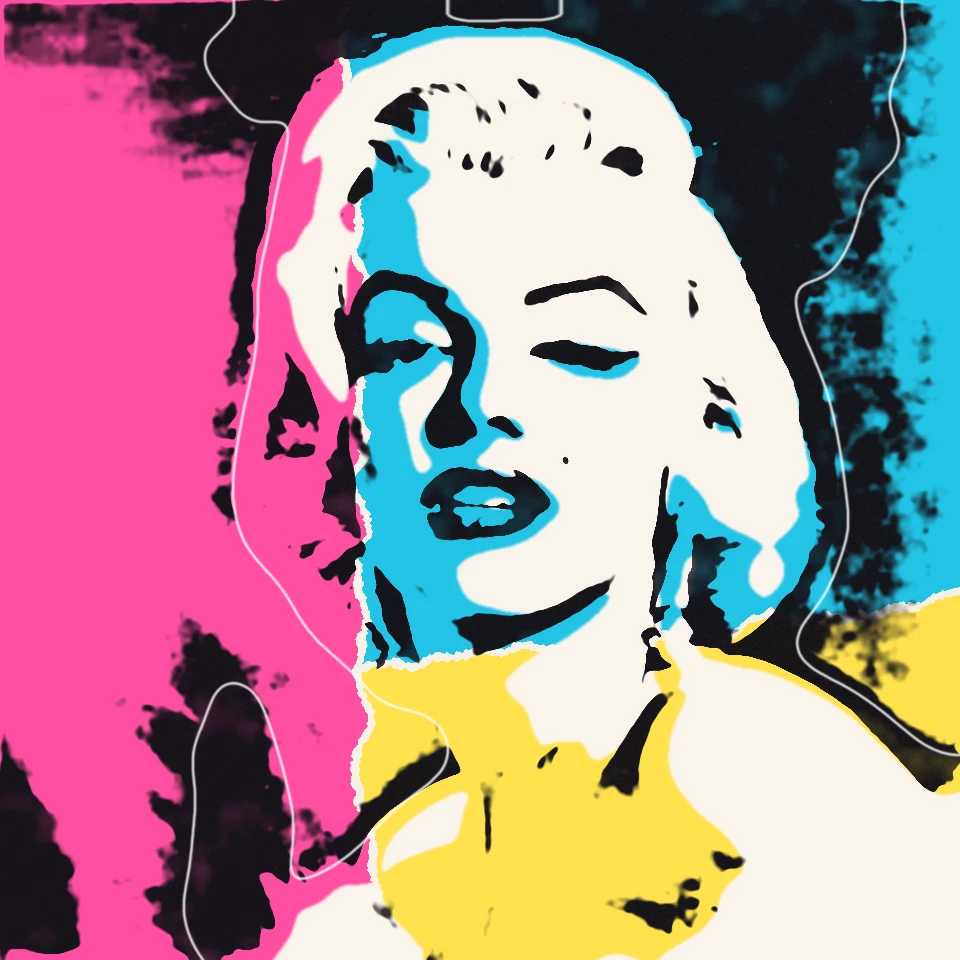
Andy Warhol photo filter
Channel Andy Warhol’s Factory energy—bold color grids, repeated icons, and pop-art portraits that feel like silkscreen posters.
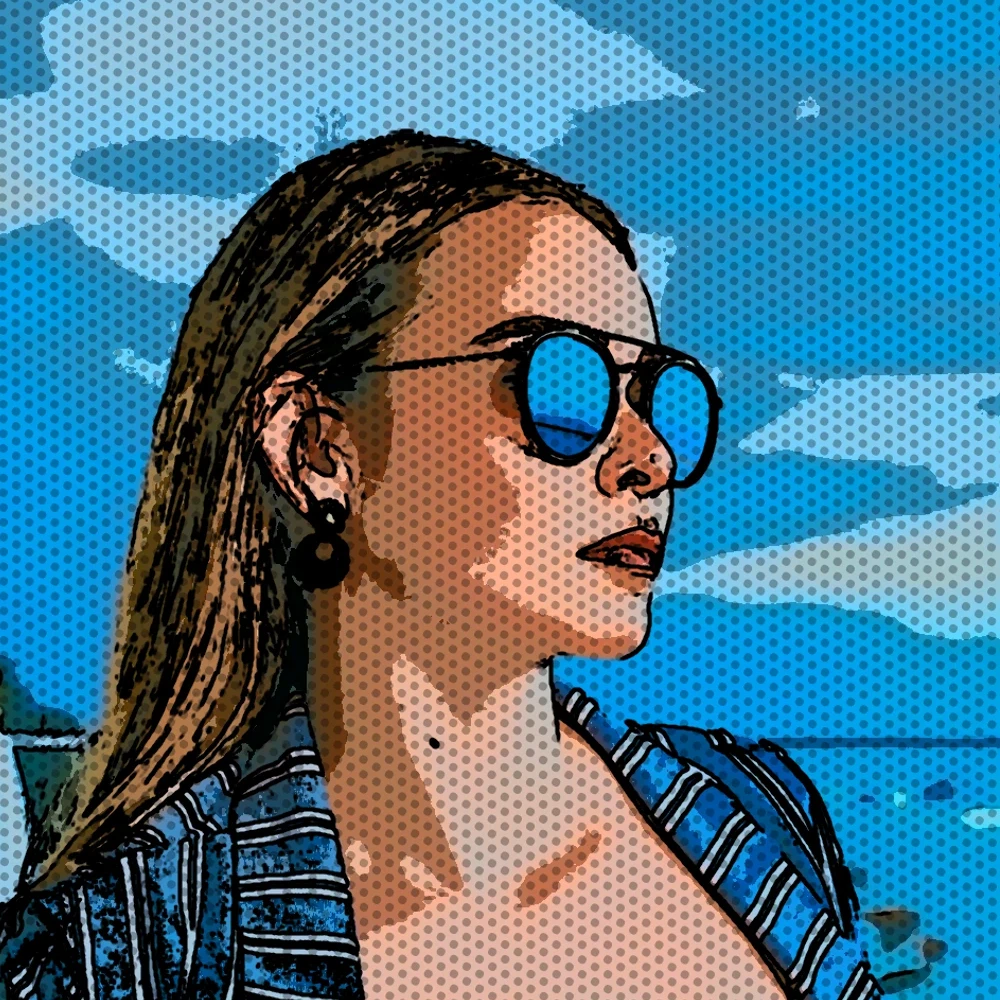
Turn a photo into comic panels
Turn a photo into a comic page in your browser. Zoom different details into 1, 2, 4, or 6 ink panels, then add optional Ben-Day dots and captions.
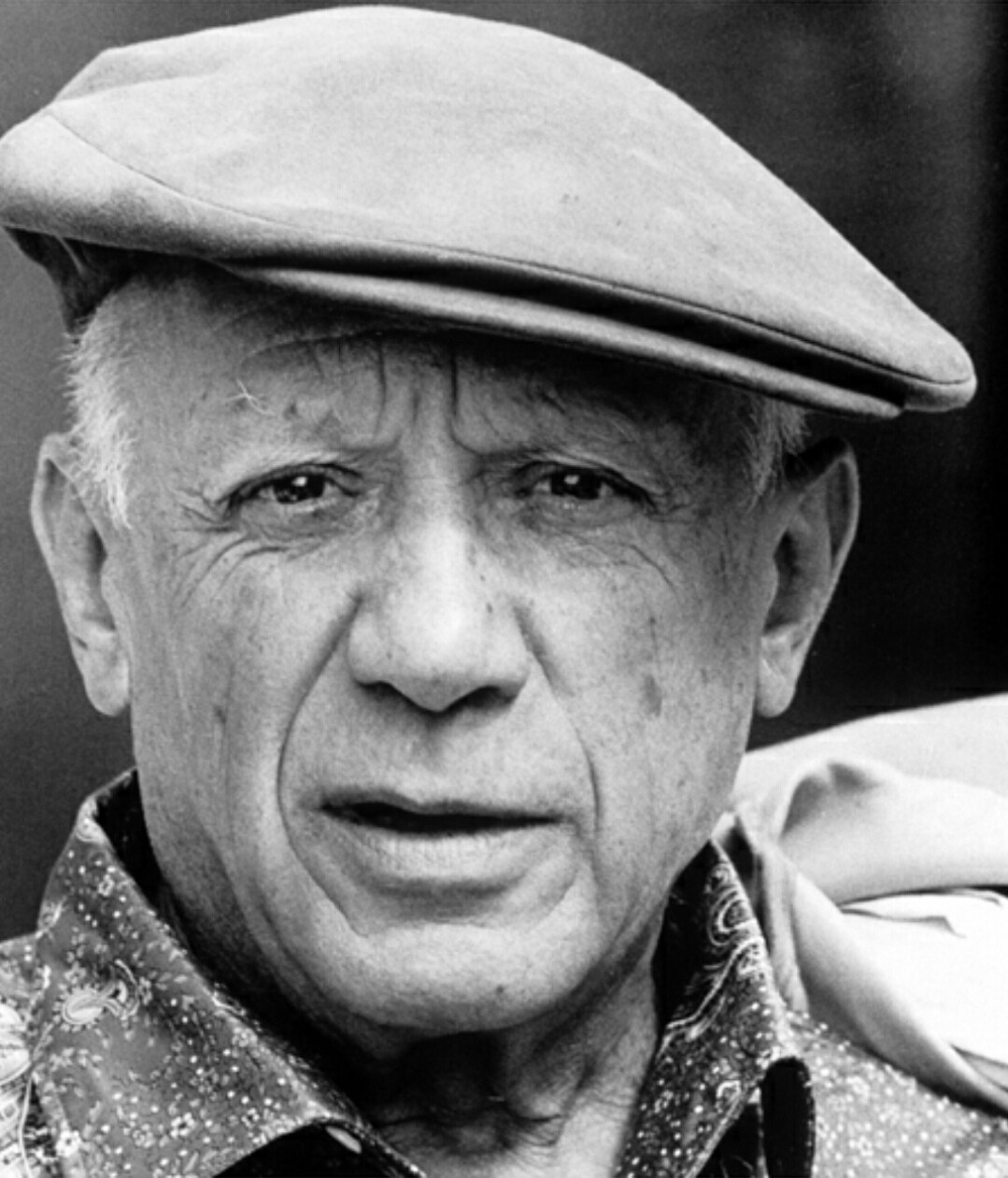
Pablo Picasso
A short guide to Pablo Picasso: the prodigy from Málaga, the Blue and Rose Periods, Les Demoiselles d'Avignon and Cubism with Braque, Guernica and The Weeping Woman, his endless reinventions, and a digital homage you can try in PictorX.
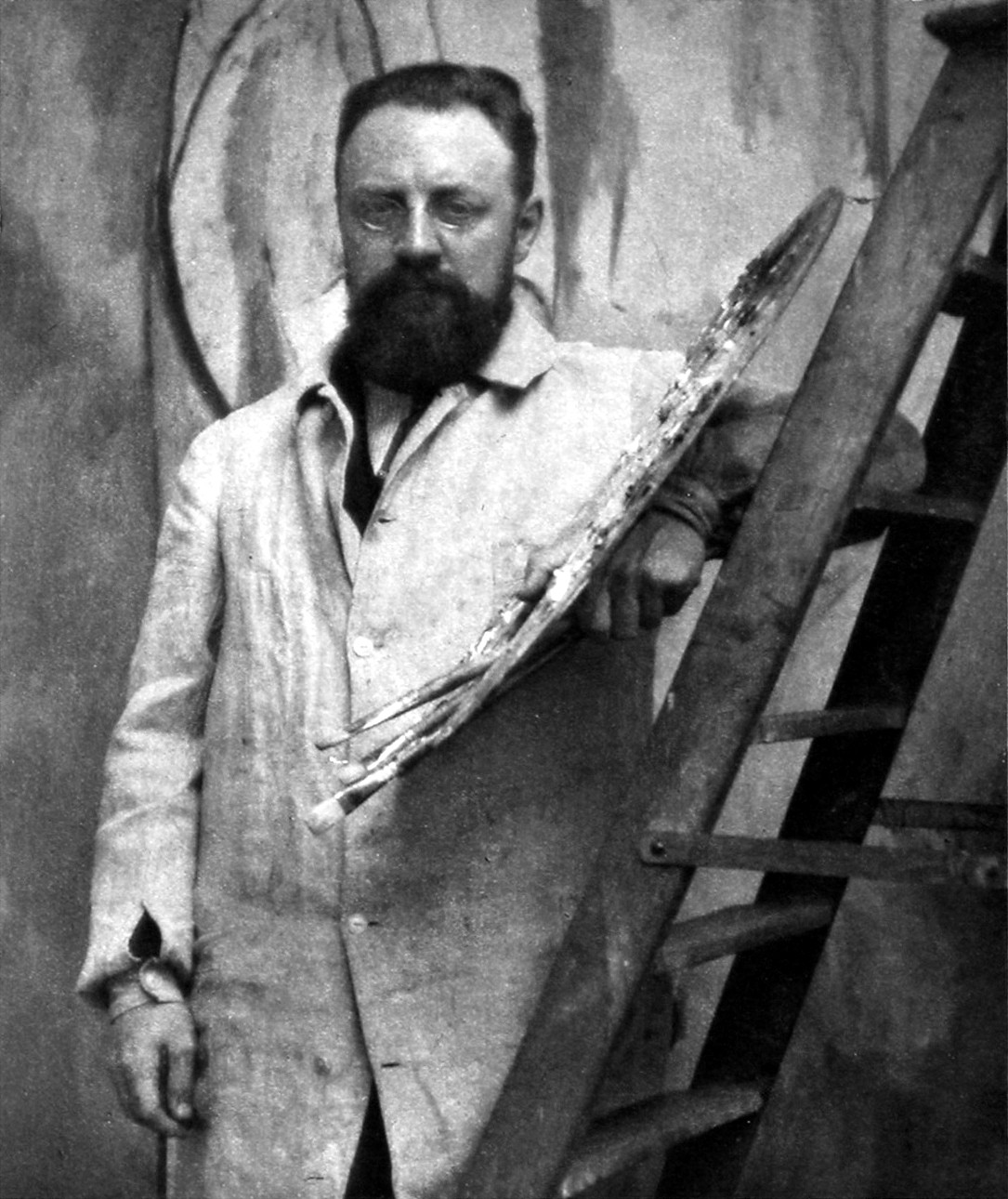
Henri Matisse
A short guide to Henri Matisse: from law clerk to painter, the Fauves of 1905, Harmony in Red and Dance, the Nice years, his line drawings, drawing with scissors in the cut-outs, and a digital homage you can try in PictorX.
Ready to try it?
Open PictorX in your browser — no install, no credit card required to start.
Try Roy Lichtenstein