
About Hearts - history, rules and strategy
Hearts is a trick-taking game turned upside down: instead of winning tricks, you try to avoid the ones with hearts and the queen of spades in them. This page tells where it comes from, how a hand is played and scored, and how to play it well.
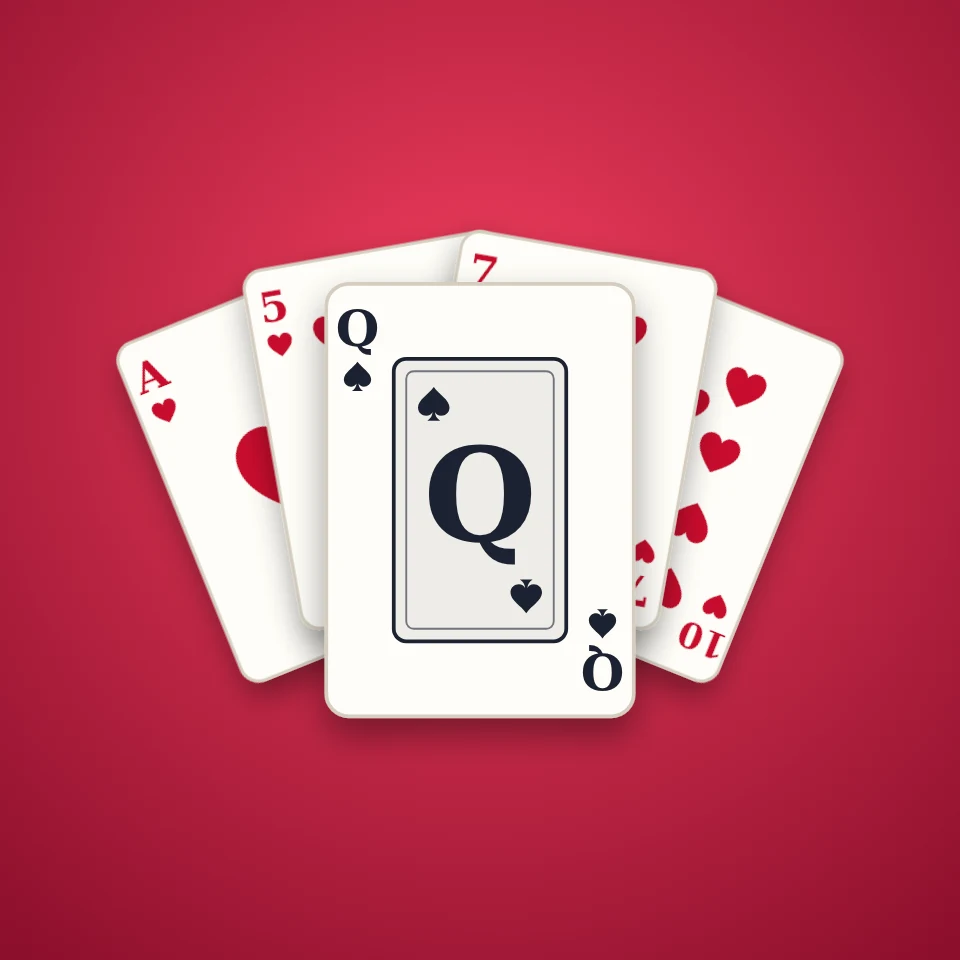
Where it comes from
Hearts belongs to a family of games in which tricks are something to avoid. Its best-known ancestor is Reversis, played in Spain and France from the 17th century, where the aim was to take as few tricks and points as possible. Hearts itself was described in America in the late 19th century; in its first form every heart cost a point and nothing else counted.
Black Lady and the modern game
A popular variant added the queen of spades as a penalty card worth 13 points. It was called Black Lady, and in Britain a close relative is known as Black Maria. Black Lady, with passing three cards and the chance to shoot the moon, is the game most people today simply call Hearts.
Hearts on Windows
Microsoft Hearts came with Windows for Workgroups in the early 1990s, where it could be played over a network, and then with Windows 95 and later versions up to Windows 7. For millions of players that version, with three computer opponents, was their first game of Hearts.
How a hand is played
Four players get 13 cards each. Whoever holds the two of clubs leads it to the first trick. Everyone must follow the suit that was led if they can; a player who cannot may play any card. The highest card of the suit led wins the trick, aces high, and its winner leads the next one. Hearts cannot be led until a heart has been played, unless a player holds only hearts, and no hearts or queen of spades may be played on the first trick.
Passing
Before each hand every player passes three cards: to the left in the first hand, to the right in the second, across the table in the third, and in the fourth nobody passes. Then the cycle starts again. Passing lets you get rid of dangerous cards, but you also receive three cards you did not choose.
Scoring and shooting the moon
After the 13th trick each player counts the cards they took: 1 point for every heart and 13 for the queen of spades, 26 points in all. A player who takes all 26 shoots the moon and scores nothing, while the other three get 26 points each. The game ends when someone reaches the agreed limit, usually 100 points, and the lowest score wins.
Strategy
Good cards to pass are the queen of spades if you have few spades to protect it, the ace and king of spades, which may catch the queen, and high hearts. Passing all the cards of a short suit lets you discard sooner. During play, the safest card is often the highest one that still loses the trick. Leading low spades can force the queen out when you do not hold it. When you cannot follow suit, throw the queen of spades or your highest hearts. Keep an eye on the scores: if one player has taken every point so far, take a heart yourself to stop the moon.
Frequently asked questions
Is Hearts a game of luck or skill?
Both. The deal decides your cards, but passing, following suit carefully and watching which cards have been played make a large difference over a whole game.
Does the queen of spades break hearts?
In the standard rules only a heart breaks hearts. Some house rules let the queen of spades break them too; the game on PictorX follows the standard rule.
Why does the two of clubs lead?
It is a fixed and fair way to start: nobody chooses a first lead that suits their hand, and the lowest club makes a quiet first trick on which no points can be played.
How many people play Hearts?
The classic game is for four players, each on their own. There are variants for three or for more players with cards taken out of the deck, but the four-player game is the standard one.
Related tools
Hearts
Play Hearts free in your browser against three computer players. Pass three cards, follow suit, dodge the hearts and the queen of spades, or take them all and shoot the moon.
About Crazy Eights - rules, variants and strategy
How Crazy Eights is played, how the eights and the stock work, how a round is scored, which variants are common, how it relates to Mau-Mau, Switch and Uno, and how to play it well.
About Blackjack - history, rules and strategy
Where blackjack comes from, how a round works, what soft hands and the dealer's rules mean, why 6:5 and insurance are poor deals, and how basic strategy cuts the house edge.
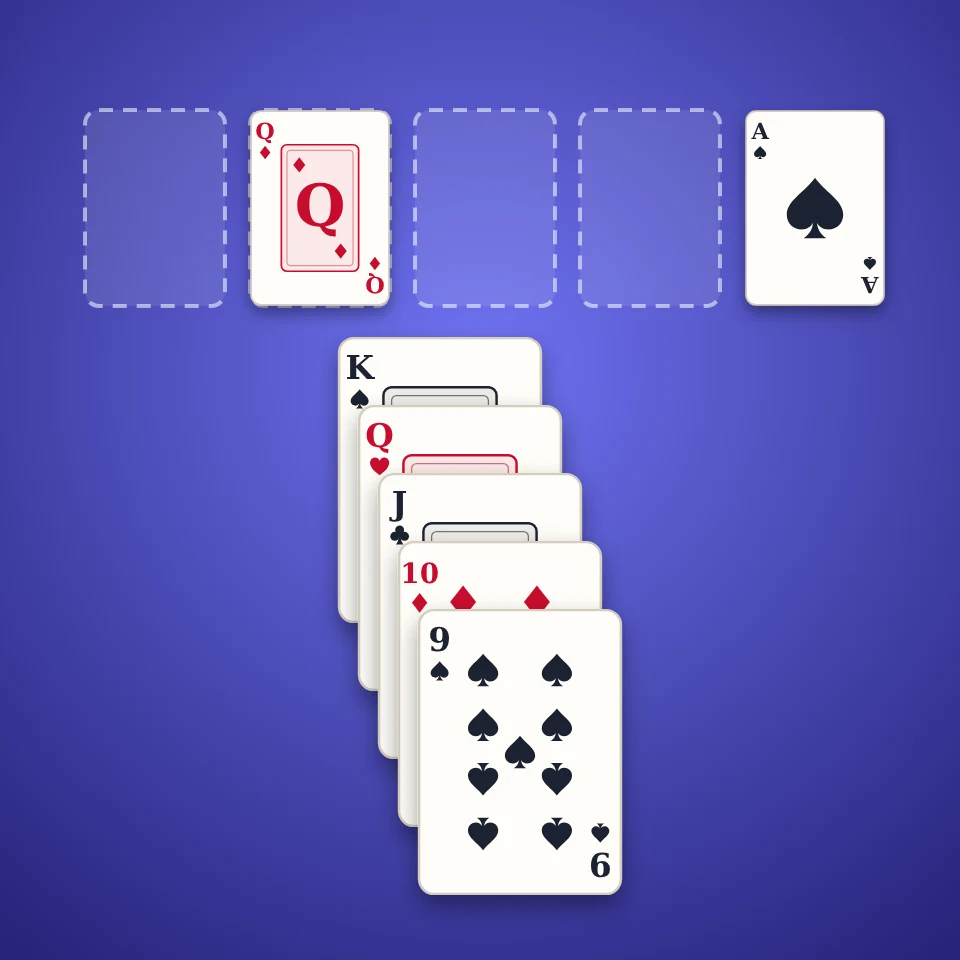
About FreeCell - history, rules and strategy
Where FreeCell comes from, how the free cells and columns work, why almost every deal can be won, what the game numbers are and how to plan your moves.
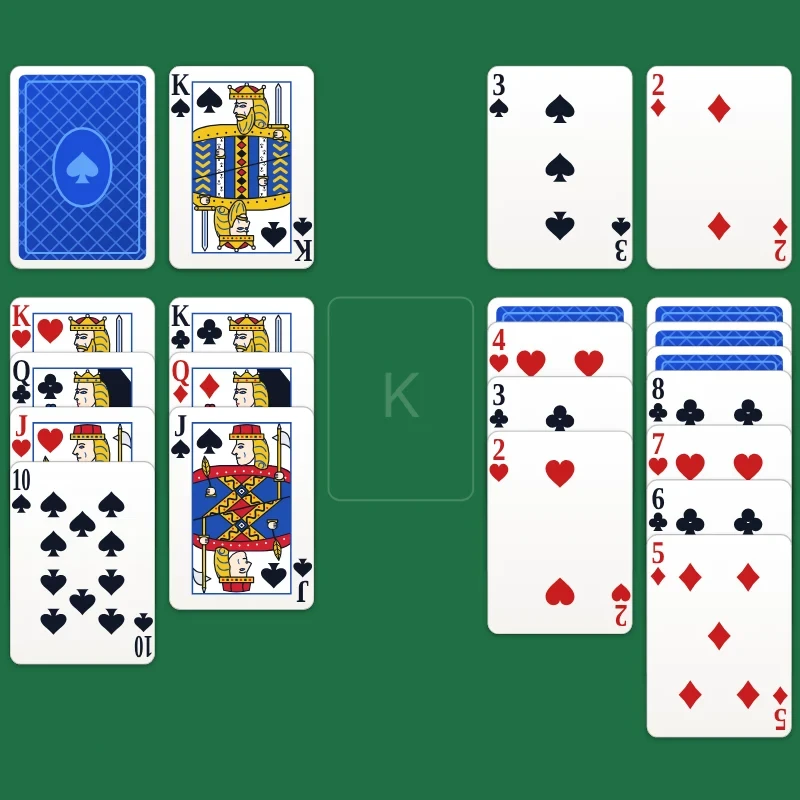
About Solitaire - history and rules of Klondike
Where does Klondike solitaire come from? How the seven piles, stock and foundations work, why draw 3 is harder and how many deals can be won.
Ready to try it?
Open PictorX in your browser — no install, no credit card required to start.
Play Hearts