
About FreeCell - history, rules and strategy
FreeCell is the solitaire of skill: every card is visible from the start, and almost every deal can be won. This page tells where it comes from, how the game works and how to play it well.
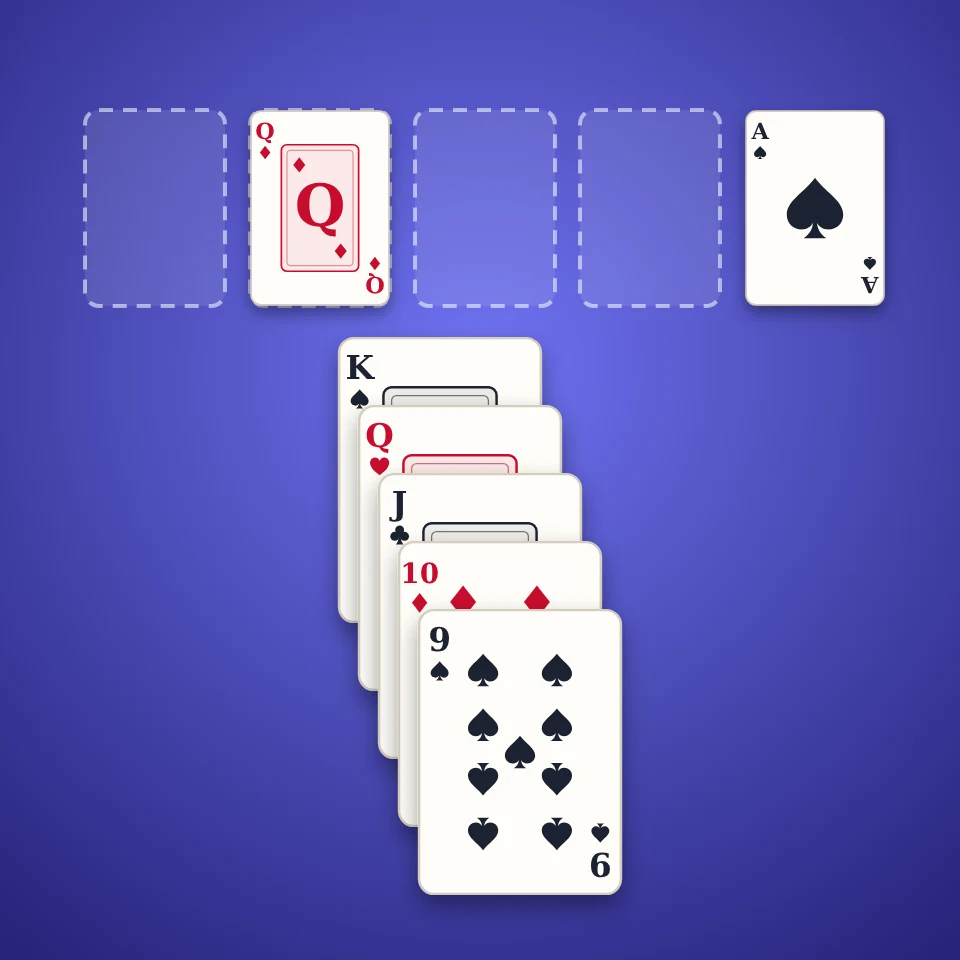
Where it comes from
Games with free cells go back to older patience games such as Eight Off. Paul Alfille wrote FreeCell as we know it in 1978 for the PLATO computer system at the University of Illinois. Jim Horne made a version for Windows, and when FreeCell shipped with Windows 95 it became one of the most played games in the world.
How the game works
All 52 cards are dealt face up into eight columns, four of seven cards and four of six. You build the columns down in alternating colours, park cards in four free cells, and move every suit to its foundation from ace to king. There is no stock: everything you need is on the table.
Game numbers and game 11982
The Windows version numbered its deals from 1 to 32000 with a simple random number formula, so every player could play the same game. Players worldwide solved them all in 1994 in the Internet FreeCell Project, except one: game 11982, which computers later proved impossible. Among millions of other deals, only a handful cannot be won.
Strategy
Look at the whole table before the first move: find the aces and the low cards buried under high ones. Keep free cells empty as long as you can, because every empty cell lets you move longer runs. An empty column is worth even more, as it doubles what you can move. Free the cards you need next, and do not fill an empty column with a single card unless it opens up the game.
Frequently asked questions
Is FreeCell a game of luck?
Hardly. The deal decides which game you play, but since all cards are visible and nearly every deal can be won, the result depends on your planning.
Which FreeCell games are the hardest?
Besides the impossible game 11982, players often name games 617, 1941, 10692 and 18632 among the hardest of the first 32000.
Who invented FreeCell?
Paul Alfille wrote the first computer version in 1978, based on older patience games. Jim Horne's Windows version made it famous.
Related tools
FreeCell
Play FreeCell solitaire free in your browser with the classic numbered deals 1 to 32000. Drag or click to move cards, use the four free cells, undo any move and get a hint when you are stuck.
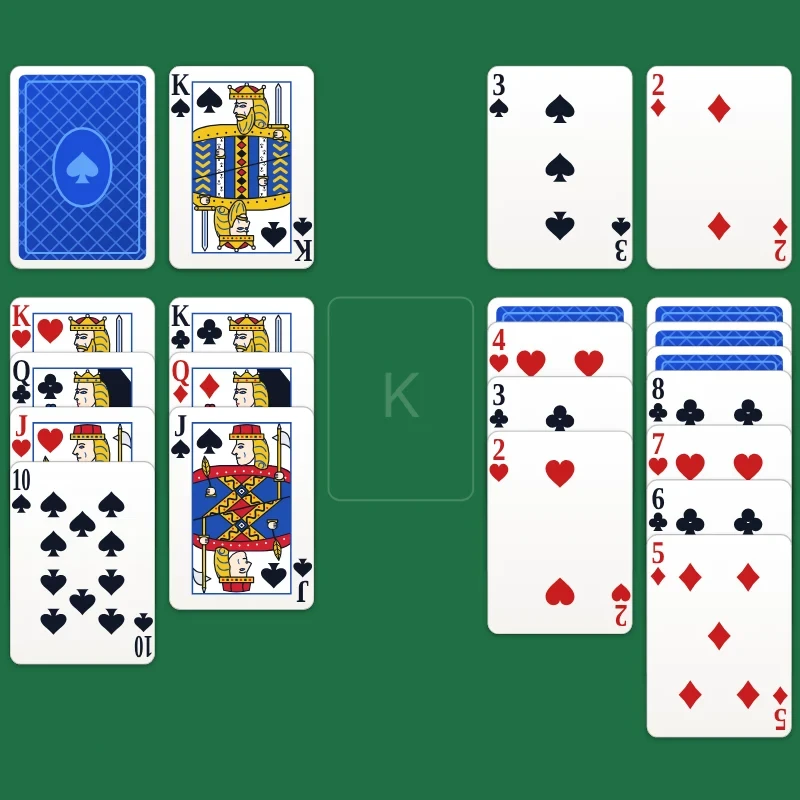
About Solitaire - history and rules of Klondike
Where does Klondike solitaire come from? How the seven piles, stock and foundations work, why draw 3 is harder and how many deals can be won.
Solitaire
Play Klondike solitaire free in your browser. Drag cards or click to move them automatically, choose draw 1 or draw 3, undo any move and let auto-complete finish the game.
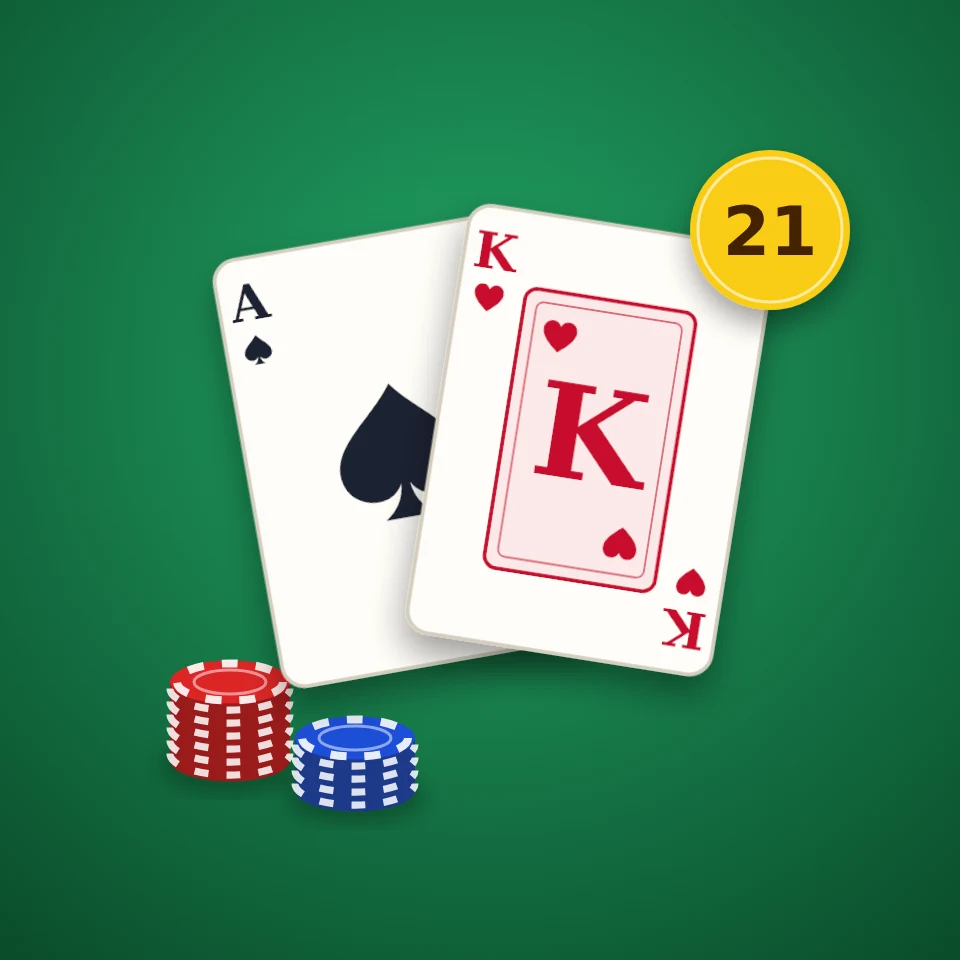
About Blackjack - history, rules and strategy
Where blackjack comes from, how a round works, what soft hands and the dealer's rules mean, why 6:5 and insurance are poor deals, and how basic strategy cuts the house edge.

About Hearts - history, rules and strategy
Where the card game Hearts comes from, from Reversis to Black Lady and the Hearts that came with Windows, how passing and scoring work, what shooting the moon is and how to play well.
Ready to try it?
Open PictorX in your browser — no install, no credit card required to start.
Play FreeCell