
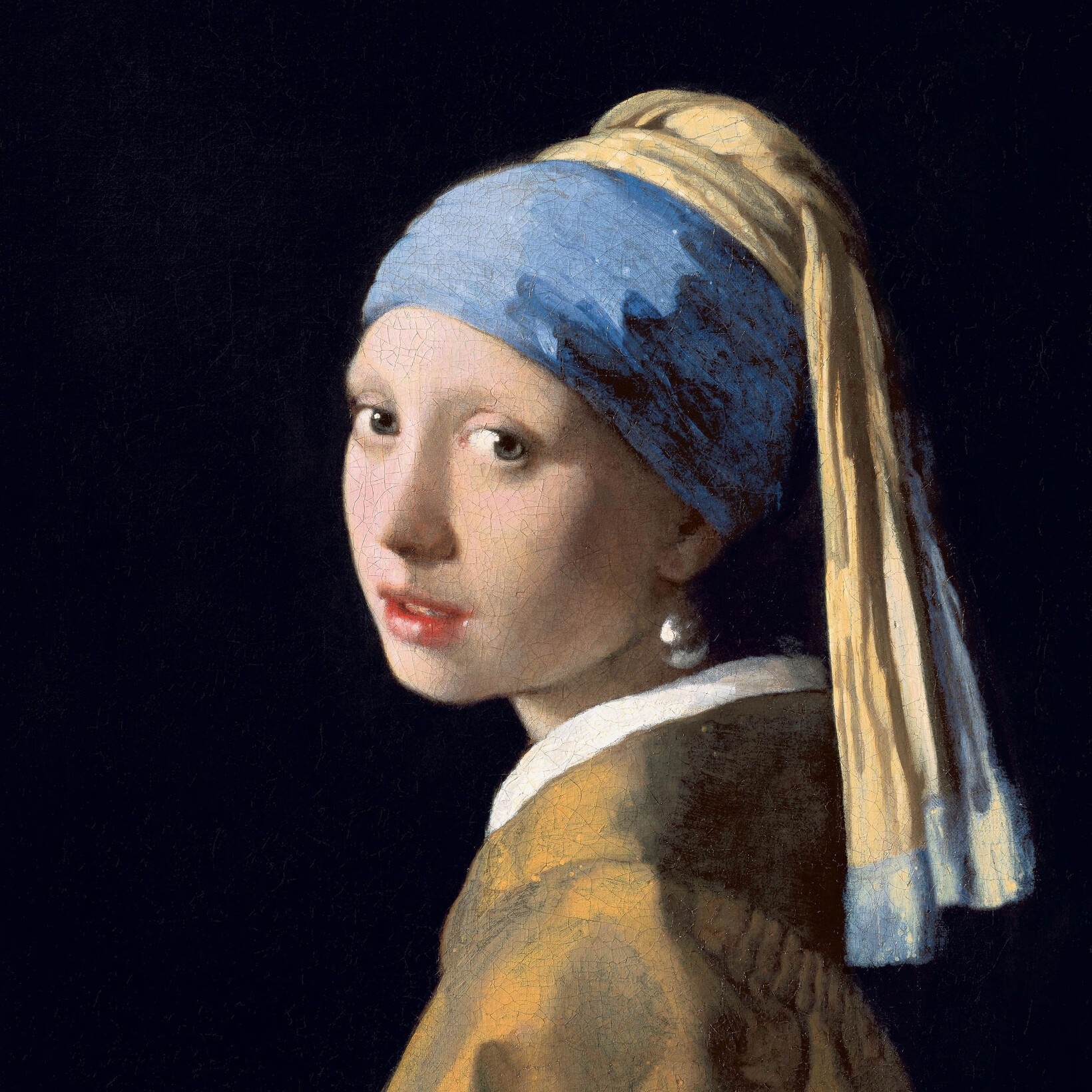
记忆的永恒 – 超现实主义、达利与马格利特
The Surrealists painted dreams with the precision of a photograph, or let chance take over. This app puts your photo into one of their pictures: choose Salvador Dalí for soft watches, elephants on stilt legs and crutches, René Magritte for green apples, bowler hats and blue skies, or Other for De Chirico's empty squares, Max Ernst's crusts, Tanguy's endless plains, Carrington's giantess, Varo's tower and Man Ray's solarized prints. All processed on-device. 把照片放进超现实主义的梦境——达利的软钟、马格利特的圆顶礼帽或德·基里科的广场——选择一位艺术家和一种风格,再调整扭曲和梦幻度。
它是如何运作的
- Open PictorX in your browser and load a photo — portraits with a clear subject work best.
- Pick an Artist—Salvador Dalí, René Magritte or Other for the rest of the Surrealists—then one of their Styles and a Palette, and adjust Distortion, Dreaminess, Detail, Shadows and Floating Objects. Turn on Remove background for a cleaner cutout of the subject.
- Export the painting, or keep editing with layers and other effects in the same workspace.
Salvador Dalí, René Magritte or another Surrealist
The Artist list at the top of the panel chooses whose dream you step into, and the Style list below it shows that artist's pictures. Salvador Dalí has seven: Persistence of Memory, Elephants, Galatea of the Spheres, Swans Reflecting Elephants, Burning Giraffe, Sleep and Leda Atomica. René Magritte has eight: Son of Man, Golconda, Empire of Light, Decalcomania, The Lovers, Treachery of Images, Great Family and Castle of the Pyrenees. Other gathers the rest of the movement: De Chirico's Metaphysical, Max Ernst's Europe after the Rain, the Exquisite Corpse, Yves Tanguy's Indefinite Divisibility, Leonora Carrington's The Giantess, Remedios Varo's Embroidering the Earth's Mantle and Man Ray's Solarization.
Seven dreams after Dalí
Persistence of Memory follows the painting of 1931: your photo goes soft and droops over the edge of a ledge beside a melting watch, in a bare landscape of golden cliffs and a calm sea. Elephants sets the subject on a plain at sunset between elephants on impossibly long, thin legs that carry obelisks. Galatea of the Spheres rebuilds the subject from shaded spheres floating in space. Swans Reflecting Elephants stands it on the shore of a still lake among the rocks of Cap de Creus, where swans float on the water and their reflections are elephants. Burning Giraffe opens drawers in the figure, props it up with crutches and sets a giraffe on fire far off on a blue evening plain. Sleep turns it into a huge soft mass hanging in the air on crutches, and Leda Atomica lets everything float: the figure in separate slabs, the sea above the beach, and an egg, a book and a stool in the air.
Eight impossible pictures after Magritte
Son of Man sets the subject before a low wall, a grey sea and a blue sky of cumulus clouds, with a green apple floating before the face and bowler hats drifting overhead. Golconda fills the air with men in bowler hats before plain houses with red roofs. Empire of Light puts a bright day sky over a street already deep in the night, with a street lamp and lit windows. Decalcomania stands the subject beside a curtain with their silhouette cut out of it, through which the sea and sky continue. The Lovers wraps the head in a white cloth, in a room with a red wall and a wall painted as sky. Treachery of Images paints the subject plainly on a bare ground above the handwritten words “Ceci n'est pas une photo.” Great Family fills the subject's silhouette with a bright day sky against a stormy sea, and Castle of the Pyrenees sets the subject on a huge rock floating over the waves, beside a small castle.
De Chirico, Max Ernst and the Exquisite Corpse
Metaphysical follows Giorgio de Chirico, setting the subject as a statue on a plinth in an empty square with an arcade, a green sky, long shadows, a red chimney and a little train. Europe after the Rain follows Max Ernst, pressing the photo into decalcomania crusts of rust and verdigris under a clear sky and a ring-shaped sun. Exquisite Corpse cuts the picture into bands drawn in ink, pencil, watercolour and halftone, like the Surrealists' folding game in which each player adds a part without seeing the others.
Tanguy, Carrington, Varo and Man Ray
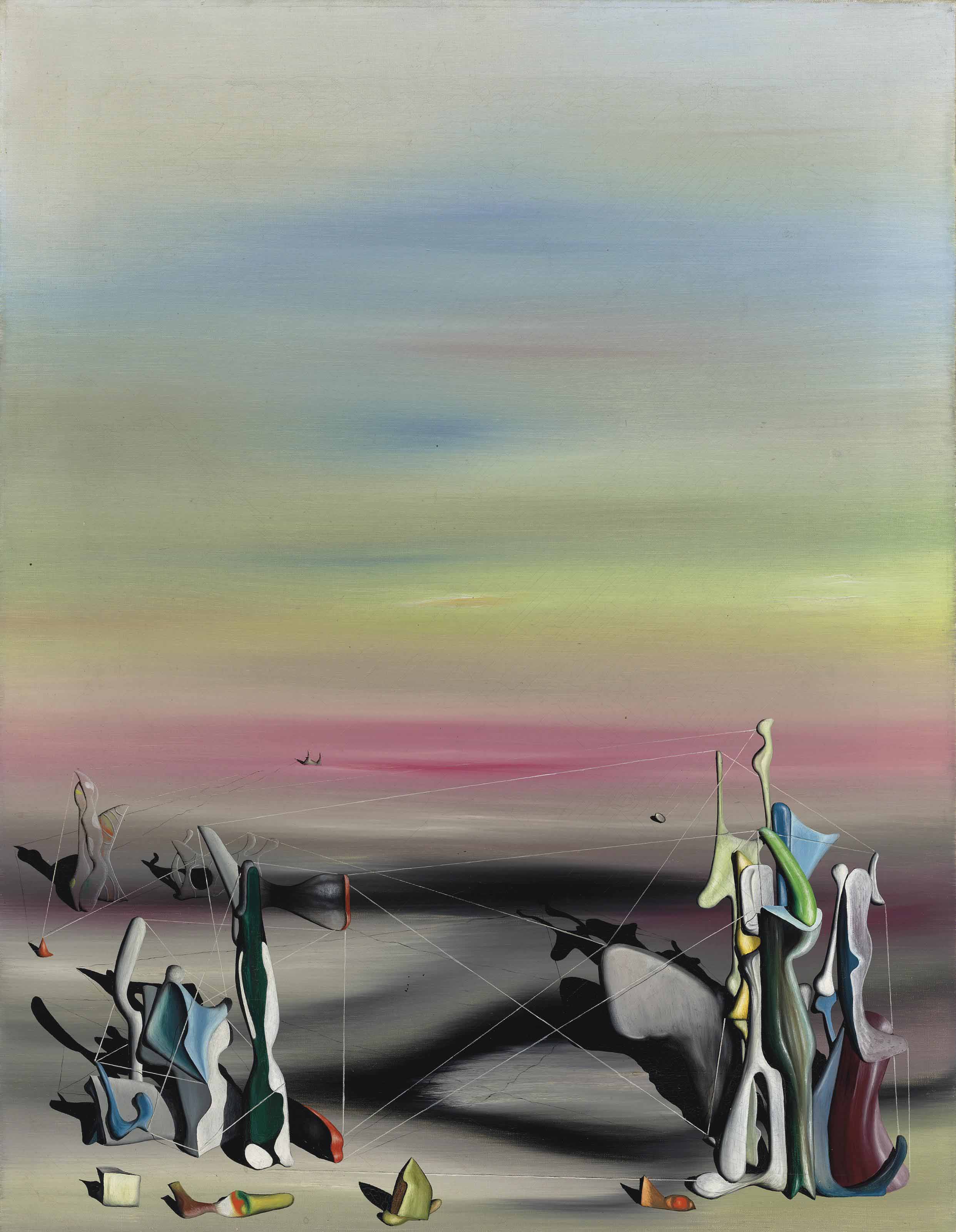
Indefinite Divisibility follows Yves Tanguy, turning the subject into a smooth stone form on an endless plain that melts into the sky without a horizon, among bone-like shapes that throw long, crisp shadows. The Giantess follows Leonora Carrington: the subject towers over a tiny landscape of sea, ships and wheat in a long pale cloak, guarding an egg while geese fly from her cloak and little people look up at her feet. Embroidering the Earth's Mantle follows Remedios Varo, setting the subject in the window of a round tower while threads spill down and become an embroidered landscape, all covered in her fine, hair-thin brushstrokes. Solarization follows Man Ray's photographs of about 1930: a silver print whose highlights fold over into dark, with pale lines glowing along the edges, and rayograph objects—a key, a spiral, a comb, a pair of lips—around it.
From a hint to a strange dream
Distortion sets how strange the scene becomes: how far Dalí's photo melts or his elephants' legs grow, how high Magritte's subject floats or how far his night rises into the day sky, how steep De Chirico's perspective is or how far the Exquisite Corpse's bands shift. Dreaminess smooths the photo into glazed paint and tones it towards the palette; Detail adds clouds, swans, hats, arches, crusts, forms or threads; Shadows deepens the shadows. Palette chooses the light—Dream for each painter's own colours, Photo to keep your hues, Dusk, Night or Desert—and Floating Objects adds the watches, crutches, apples, bowler hats, castle, caption, the chimney and the train, Carrington's geese or Man Ray's rayograph objects. Remove background cuts out the subject first, so it stands cleanly in the scene.
Privacy and keep editing
Processing stays in your browser—photos are not uploaded to PictorX servers for this filter. After Surrealism, Dalí and Magritte, continue with layers, text, Picasso and Cubism, Matisse and Fauvism, Pop Art, or export.
常见问题
超现实主义、达利与马格利特应用有什么作用?
它以超现实主义画家的方式,把照片变成梦境般的画作。选择一位“艺术家”:萨尔瓦多·达利会像《记忆的永恒》中的软钟那样让照片融化,让它立在长腿大象之间,或用拐杖把它撑起来;勒内·马格利特会在脸前放一个青苹果,让天空布满戴圆顶礼帽的男人,或在下方写上“Ceci n'est pas une photo”(这不是一张照片);“其他”会把它放进德·基里科空荡荡的广场、马克斯·恩斯特的斑驳肌理、“精致的尸体”、唐吉无尽的平原、卡林顿的女巨人、瓦罗的塔楼,或曼·雷的中途曝光效果中。画面由你的照片生成,而不是复制博物馆藏画。
什么是超现实主义?
1924 年安德烈·布勒东发表《超现实主义宣言》后在巴黎兴起的艺术和文学运动。萨尔瓦多·达利、勒内·马格利特、马克斯·恩斯特和胡安·米罗等画家从梦境、偶然和潜意识中汲取灵感,常常以高度写实的手法描绘不可能的场景。乔治·德·基里科更早的形而上绘画对它产生了重要影响。
萨尔瓦多·达利和勒内·马格利特是谁?
超现实主义最著名的两位画家。萨尔瓦多·达利(1904–1989)来自西班牙加泰罗尼亚,以古典大师般的精确描绘梦境图像——融化的钟表、长着高跷腿的大象、拐杖、抽屉和双重图像——他那上过蜡的胡子和表演天赋与他的画作一样出名。勒内·马格利特(1898–1967)是比利时人,大部分时间在布鲁塞尔工作,他以极其清晰的笔触描绘日常事物,并把它们置于不可能的情境中:他笔下戴圆顶礼帽的男人、青苹果以及飘着白云的蓝天闻名世界。
唐吉、卡林顿、瓦罗和曼·雷是谁?
伊夫·唐吉(1900–1955)是法国画家,描绘散落着光滑骨状形体的无尽梦境平原。生于英国的莉奥诺拉·卡林顿(1917–2011)和生于西班牙的雷梅迪奥斯·瓦罗(1908–1963)在墨西哥城成为挚友,描绘了充满女巨人、塔楼、炼金术士和旅人的魔幻世界。曼·雷(1890–1976)是旅居巴黎的美国人,他用无需相机的“雷氏摄影”和中途曝光肖像把超现实主义带入了摄影。
什么是“精致的尸体”?
一种超现实主义游戏:几个人在折起来的纸上轮流续画一幅图或续写一个句子,彼此看不到别人画了什么,所以各部分总是对不太上。“精致的尸体”风格模仿了这种游戏,用不同的技法绘制照片的每一条横带,并让它们错位。
“Ceci n'est pas une photo”是什么意思?
意思是“这不是一张照片”。它呼应了马格利特的画作《形象的叛逆》(1929),画中一只烟斗的下方写着“Ceci n'est pas une pipe”(这不是一只烟斗):图画只是事物的形象,而不是事物本身。
这是达利或马格利特的官方产品吗?
不是。PictorX 的超现实主义、达利与马格利特应用是受他们画作启发的数字致敬作品。它与加拉-萨尔瓦多·达利基金会、马格利特基金会以及艺术家的遗产管理方均无关联,不复制他们的任何作品,生成的每张图片都来自你自己的照片。
什么样的照片效果最好?
人像和主体清晰的照片效果最好,因为大多数风格会把主体抠出来放进新的场景——打开“移除背景”可获得最干净的轮廓。达利的“记忆的永恒”,以及“其他”中的“雨后的欧洲”“精致的尸体”和“中途曝光”,适用于任何照片,包括风景和建筑。
相关工具
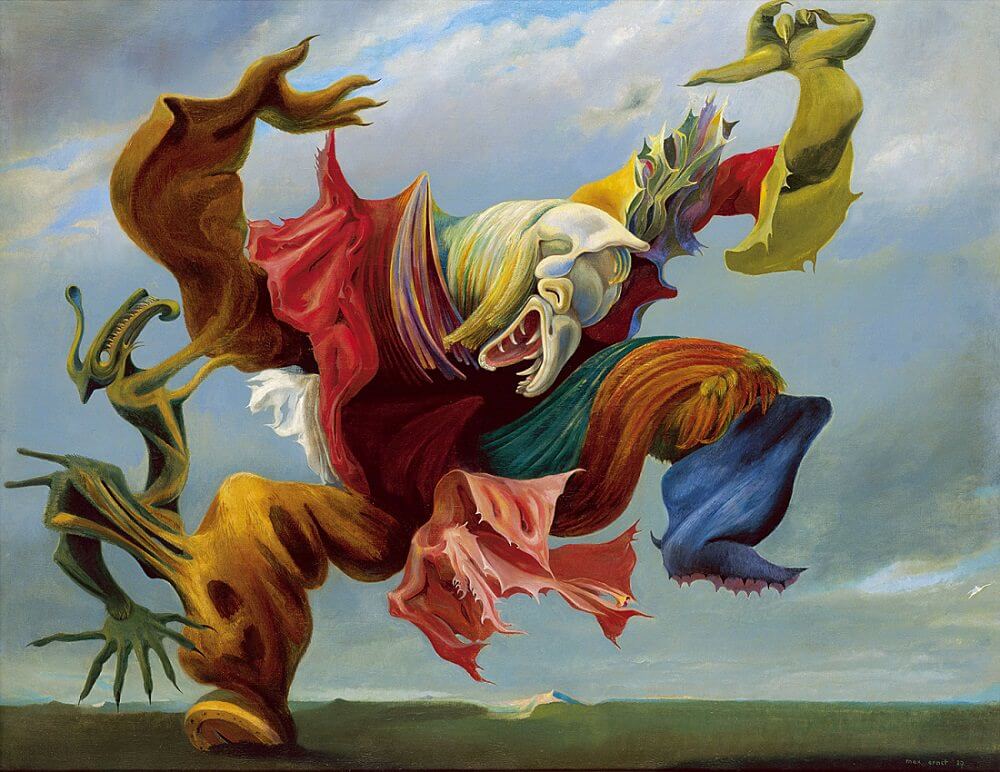
超现实主义
什么是超现实主义?布勒东 1924 年的宣言、德·基里科、达利的软钟、马格利特的苹果与烟斗、恩斯特、米罗、“精致的尸体”及其影响。
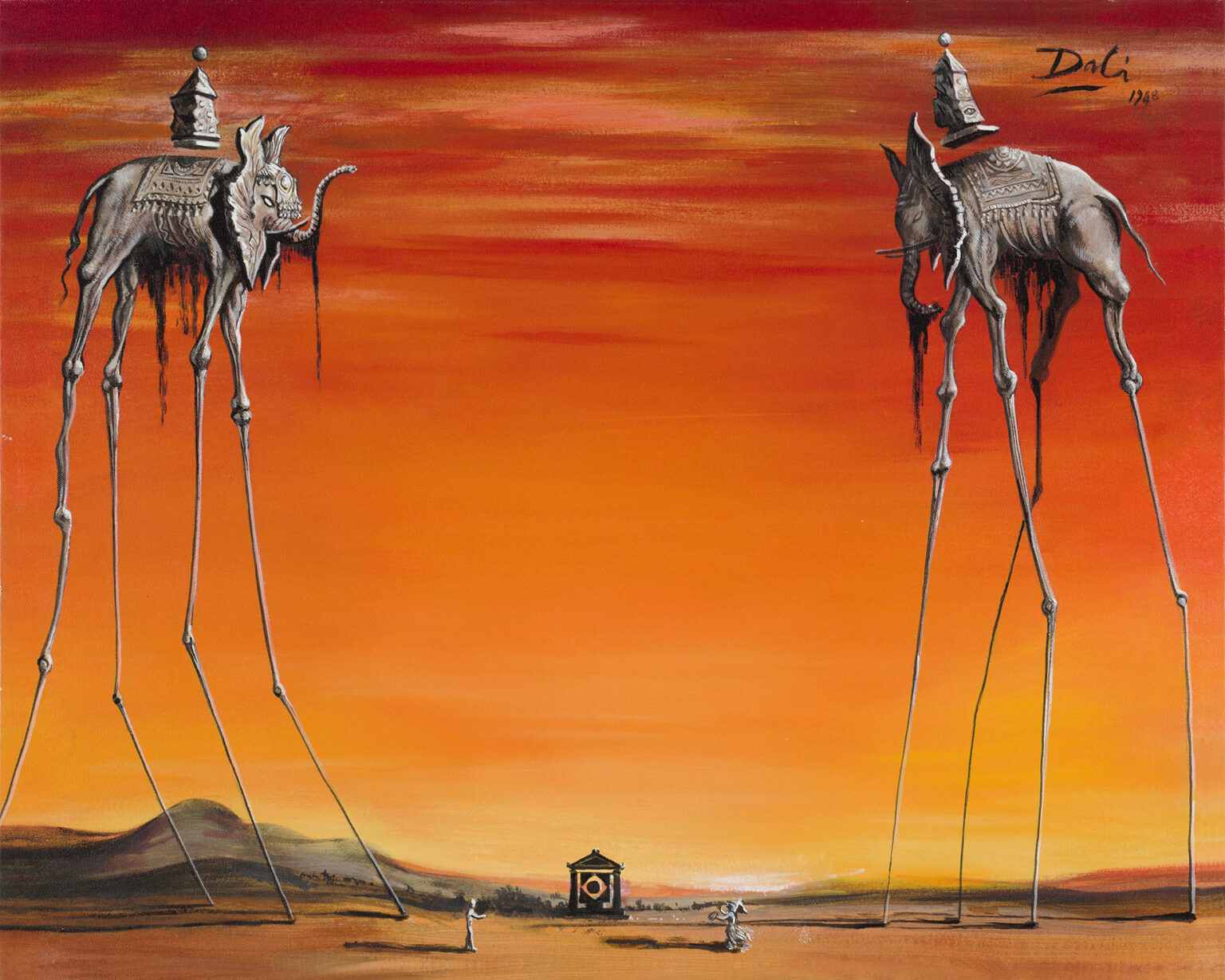
萨尔瓦多·达利
萨尔瓦多·达利是谁?了解这位超现实主义者:《记忆的永恒》中的软钟、大象、龙虾电话,以及他在菲格雷斯的博物馆。
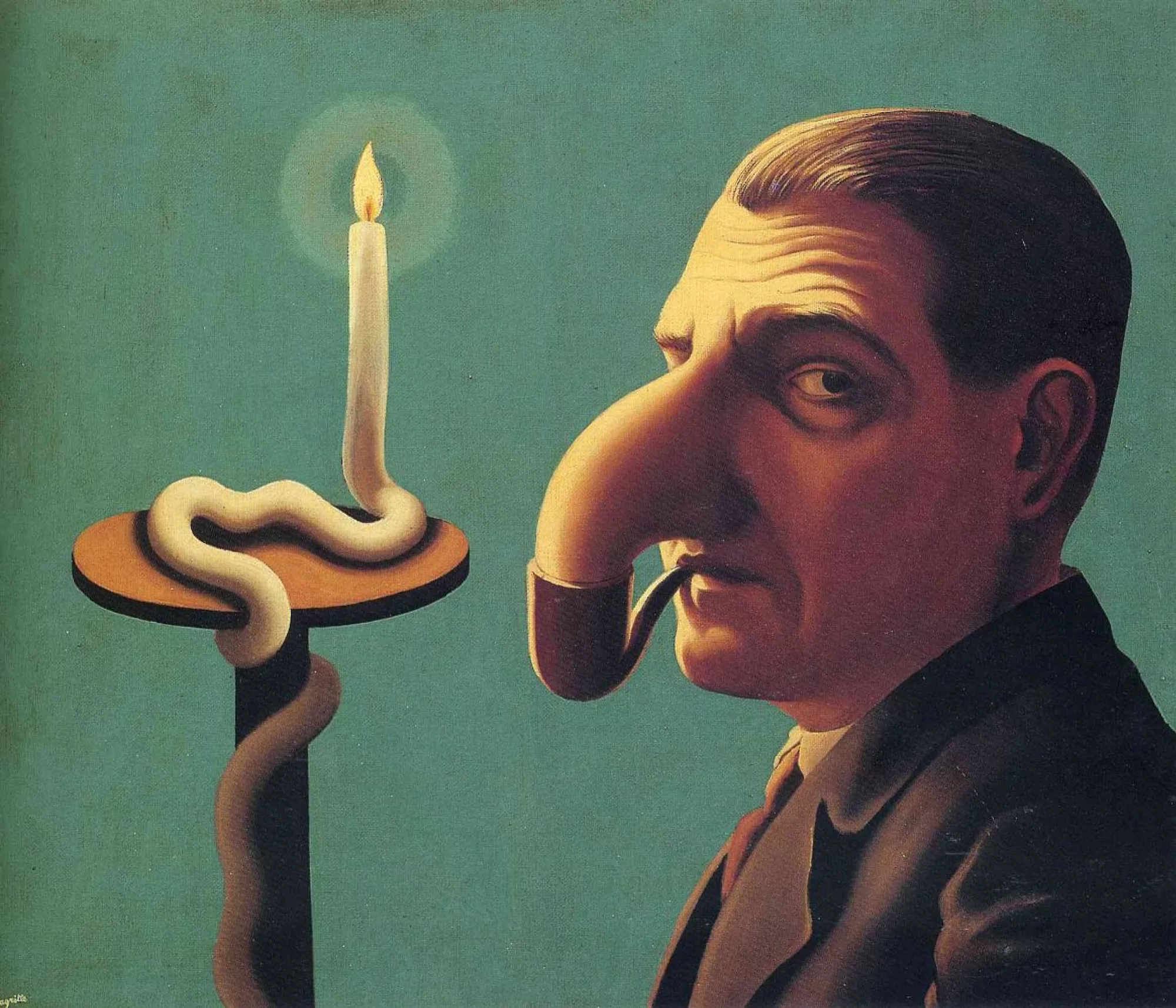
勒内·马格利特
勒内·马格利特是谁?这位比利时超现实主义画家创作了《人子》、“这不是一只烟斗”、圆顶礼帽与《光之帝国》,它们又意味着什么?
伊夫·唐吉
伊夫·唐吉是谁?这位自学成才的布列塔尼超现实主义者:在公交车上看到的一幅德·基里科、《妈妈,爸爸受伤了!》、没有地平线的平原、凯·塞奇与美国。
欧普艺术:把你的照片变成视错觉
在浏览器中把照片变成欧普艺术:达利的《球体的加拉提亚》、瓦萨雷里的“维加”、布里奇特·莱利的波浪、浮雕线条、莫尔纹、螺旋和扭曲网格——放在主体或某个形状里,静止或动态皆可。
亨利·马蒂斯与野兽派
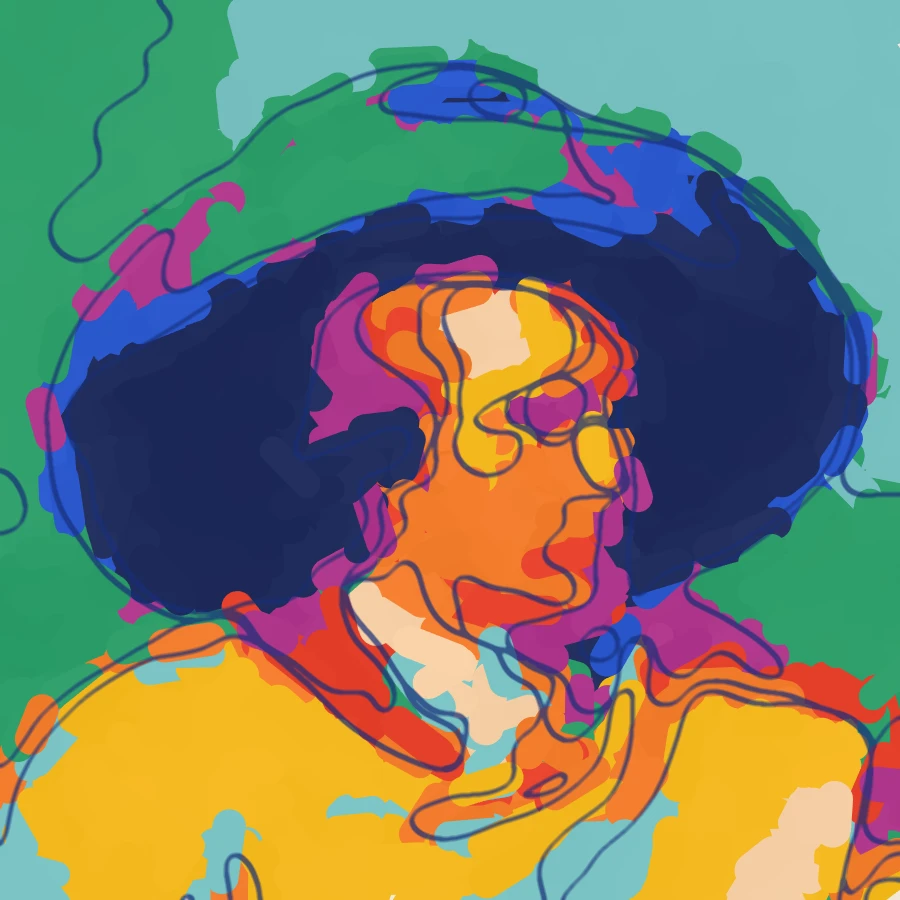
在浏览器中把照片变成亨利·马蒂斯与野兽派:如《爵士》和《蓝色裸体》般的剪纸、《红色的和谐》、流畅的线描,或马蒂斯《戴帽子的女人》、科利乌尔、德兰的伦敦和弗拉芒克狂野的野兽派色彩。
巴勃罗·毕加索与立体主义
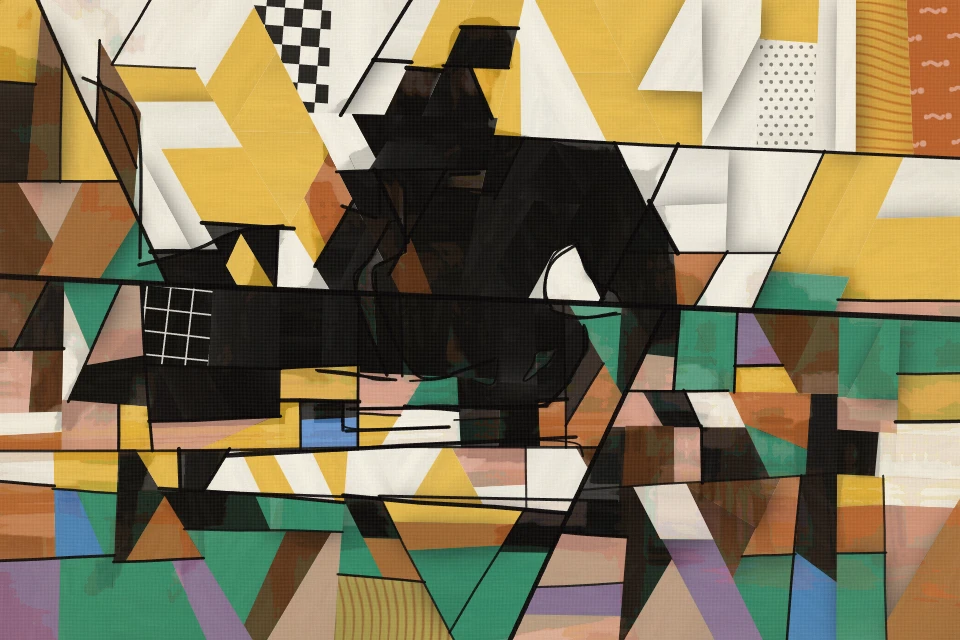
在浏览器中把照片变成巴勃罗·毕加索与立体主义:蓝色与玫瑰时期、分析或综合立体主义、立体主义肖像、拼贴纸、水晶立体主义、《哭泣的女人》般的破碎肖像,或《格尔尼卡》的黑白碎片。
波普艺术照片滤镜
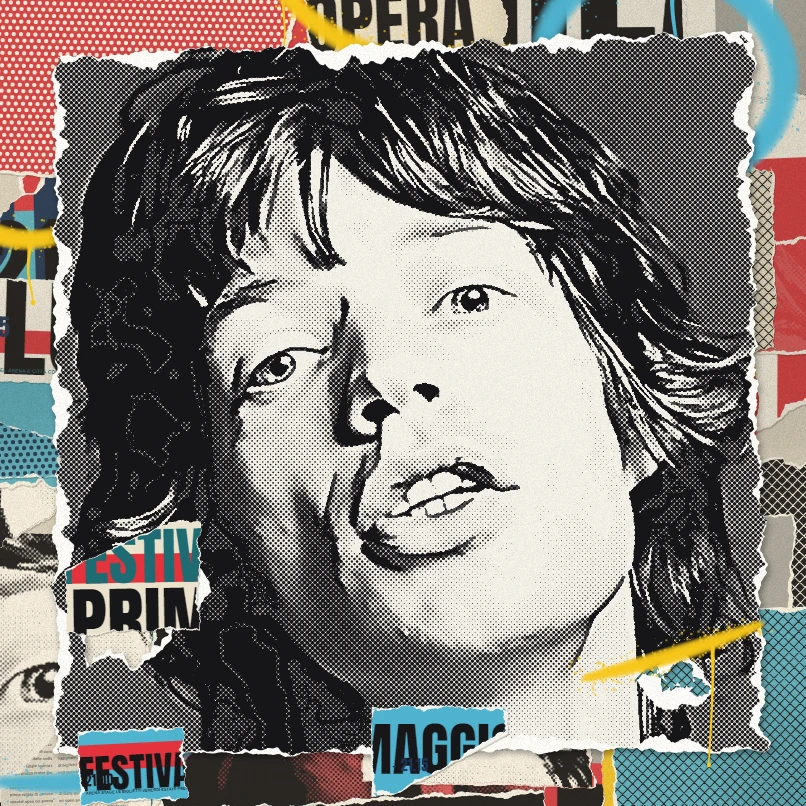
在浏览器中把照片变成波普艺术:复古波普海报、波普图案、由彩虹色多面切割构成的 WPAP 肖像、街头拼贴、墨迹泼溅、金箔、剪影、太阳光芒,或由波普符号组成的网格。
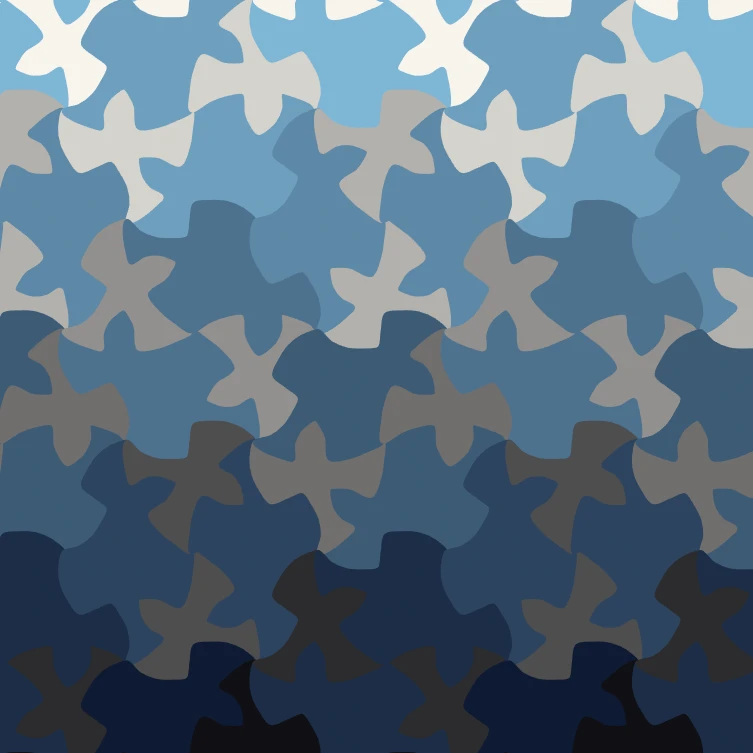
M.C. 埃舍尔密铺生成器
在线制作 M.C. 埃舍尔风格的密铺图案:互相咬合的蜥蜴、鸟、鱼、珀伽索斯等。可改变纹样形状、重新配色,并保存为 PNG 或 SVG。
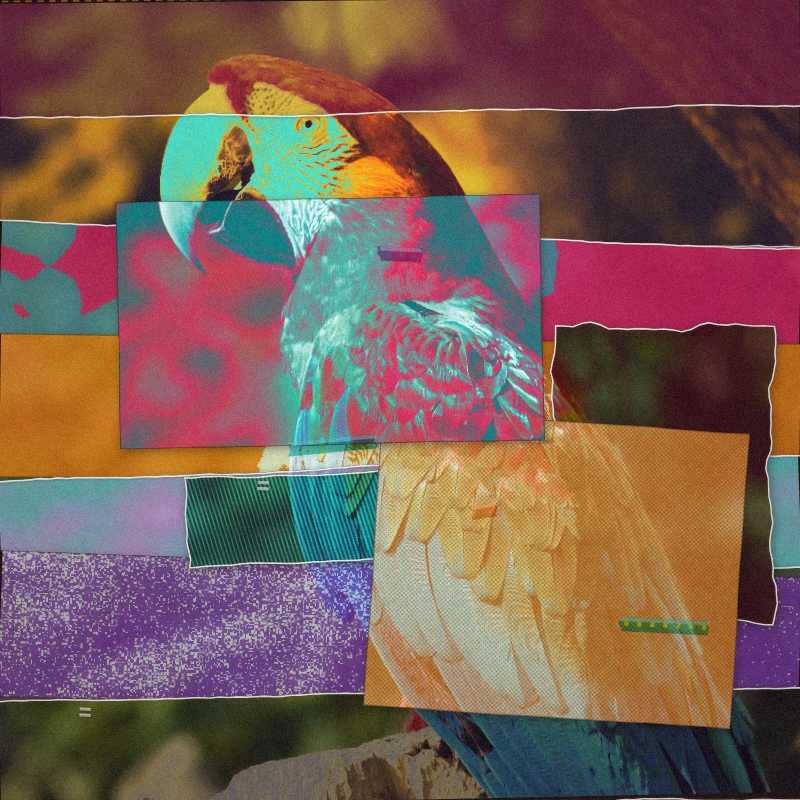
把照片变成综合媒介拼贴
在浏览器中把照片重建为综合媒介拼贴——撕碎的纸片、印刷纹理、胶带与复印质感。
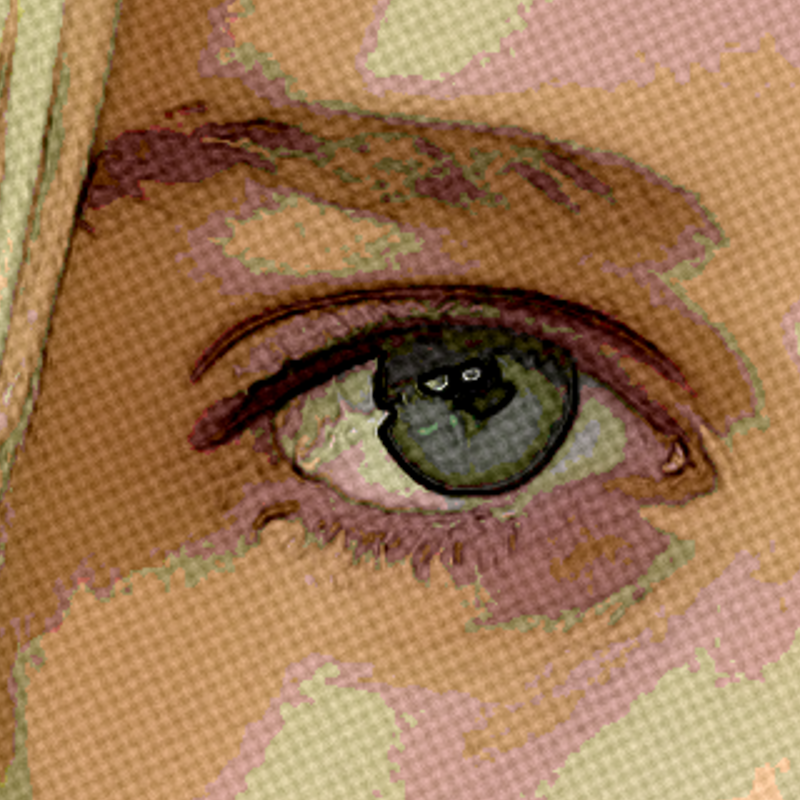
艺术效果
使用油画、水彩、铅笔、漫画墨线、蜡笔、剪纸和其他工作室艺术外观改造照片。
准备好尝试了吗?
在浏览器中打开 PictorX — 无需安装,无需信用卡即可启动。
前往编辑器