
Placez une photo dans un rêve surréaliste — les montres molles de Dalí, les chapeaux melon de Magritte ou la place de De Chirico — choisissez un artiste et un style, puis réglez la distorsion et l'onirisme.
La Persistance de la mémoire – Surréalisme, Dalí et Magritte
The Surrealists painted dreams with the precision of a photograph, or let chance take over. This app puts your photo into one of their pictures: choose Salvador Dalí for soft watches, elephants on stilt legs and crutches, René Magritte for green apples, bowler hats and blue skies, or Other for De Chirico's empty squares, Max Ernst's crusts, Tanguy's endless plains, Carrington's giantess, Varo's tower and Man Ray's solarized prints. All processed on-device. Placez une photo dans un rêve surréaliste — les montres molles de Dalí, les chapeaux melon de Magritte ou la place de De Chirico — choisissez un artiste et un style, puis réglez la distorsion et l'onirisme.
Comment ça marche
- Open PictorX in your browser and load a photo — portraits with a clear subject work best.
- Pick an Artist—Salvador Dalí, René Magritte or Other for the rest of the Surrealists—then one of their Styles and a Palette, and adjust Distortion, Dreaminess, Detail, Shadows and Floating Objects. Turn on Remove background for a cleaner cutout of the subject.
- Export the painting, or keep editing with layers and other effects in the same workspace.
Salvador Dalí, René Magritte or another Surrealist
The Artist list at the top of the panel chooses whose dream you step into, and the Style list below it shows that artist's pictures. Salvador Dalí has seven: Persistence of Memory, Elephants, Galatea of the Spheres, Swans Reflecting Elephants, Burning Giraffe, Sleep and Leda Atomica. René Magritte has eight: Son of Man, Golconda, Empire of Light, Decalcomania, The Lovers, Treachery of Images, Great Family and Castle of the Pyrenees. Other gathers the rest of the movement: De Chirico's Metaphysical, Max Ernst's Europe after the Rain, the Exquisite Corpse, Yves Tanguy's Indefinite Divisibility, Leonora Carrington's The Giantess, Remedios Varo's Embroidering the Earth's Mantle and Man Ray's Solarization.
Seven dreams after Dalí
Persistence of Memory follows the painting of 1931: your photo goes soft and droops over the edge of a ledge beside a melting watch, in a bare landscape of golden cliffs and a calm sea. Elephants sets the subject on a plain at sunset between elephants on impossibly long, thin legs that carry obelisks. Galatea of the Spheres rebuilds the subject from shaded spheres floating in space. Swans Reflecting Elephants stands it on the shore of a still lake among the rocks of Cap de Creus, where swans float on the water and their reflections are elephants. Burning Giraffe opens drawers in the figure, props it up with crutches and sets a giraffe on fire far off on a blue evening plain. Sleep turns it into a huge soft mass hanging in the air on crutches, and Leda Atomica lets everything float: the figure in separate slabs, the sea above the beach, and an egg, a book and a stool in the air.
Eight impossible pictures after Magritte
Son of Man sets the subject before a low wall, a grey sea and a blue sky of cumulus clouds, with a green apple floating before the face and bowler hats drifting overhead. Golconda fills the air with men in bowler hats before plain houses with red roofs. Empire of Light puts a bright day sky over a street already deep in the night, with a street lamp and lit windows. Decalcomania stands the subject beside a curtain with their silhouette cut out of it, through which the sea and sky continue. The Lovers wraps the head in a white cloth, in a room with a red wall and a wall painted as sky. Treachery of Images paints the subject plainly on a bare ground above the handwritten words “Ceci n'est pas une photo.” Great Family fills the subject's silhouette with a bright day sky against a stormy sea, and Castle of the Pyrenees sets the subject on a huge rock floating over the waves, beside a small castle.
De Chirico, Max Ernst and the Exquisite Corpse
Metaphysical follows Giorgio de Chirico, setting the subject as a statue on a plinth in an empty square with an arcade, a green sky, long shadows, a red chimney and a little train. Europe after the Rain follows Max Ernst, pressing the photo into decalcomania crusts of rust and verdigris under a clear sky and a ring-shaped sun. Exquisite Corpse cuts the picture into bands drawn in ink, pencil, watercolour and halftone, like the Surrealists' folding game in which each player adds a part without seeing the others.
Tanguy, Carrington, Varo and Man Ray
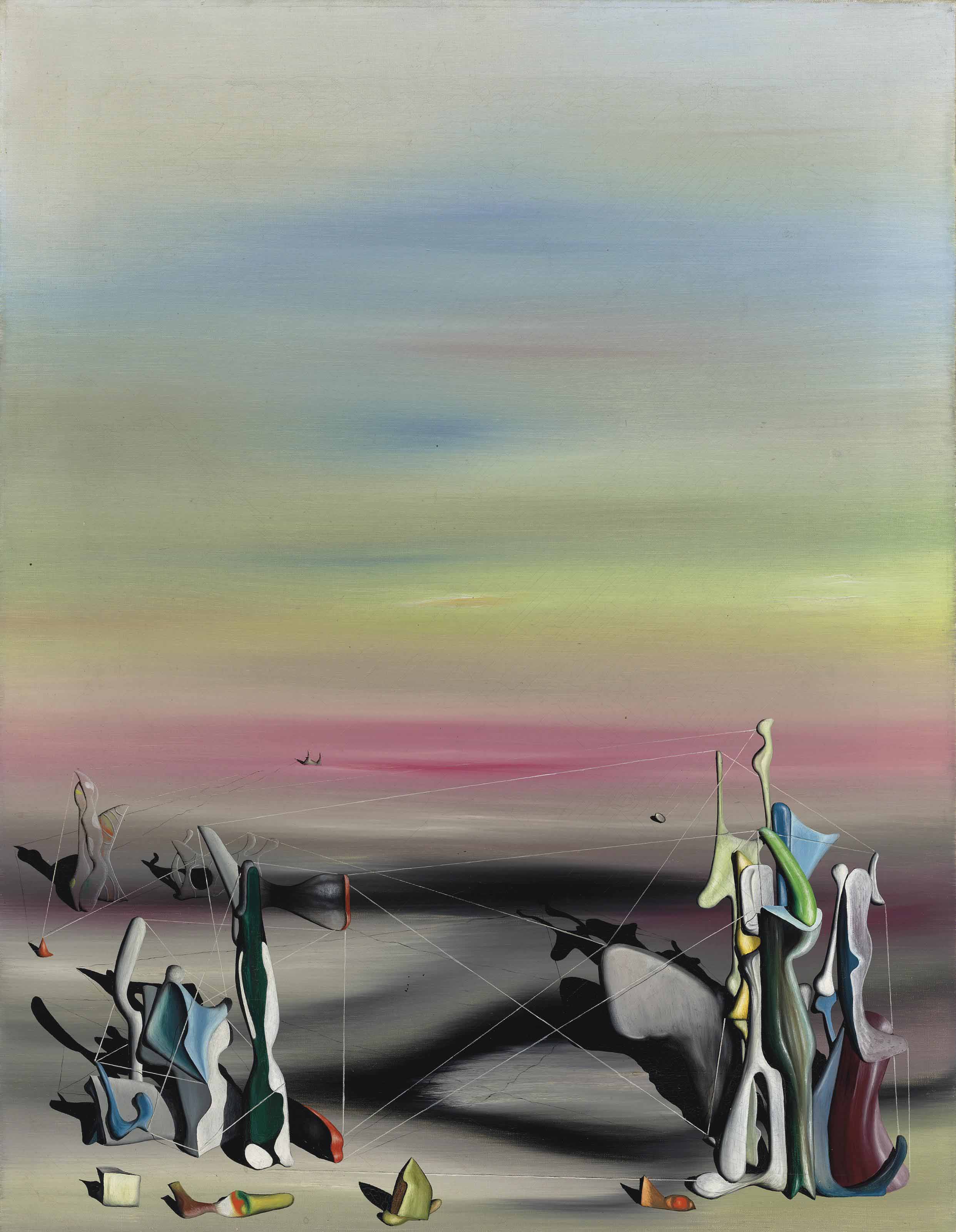
Indefinite Divisibility follows Yves Tanguy, turning the subject into a smooth stone form on an endless plain that melts into the sky without a horizon, among bone-like shapes that throw long, crisp shadows. The Giantess follows Leonora Carrington: the subject towers over a tiny landscape of sea, ships and wheat in a long pale cloak, guarding an egg while geese fly from her cloak and little people look up at her feet. Embroidering the Earth's Mantle follows Remedios Varo, setting the subject in the window of a round tower while threads spill down and become an embroidered landscape, all covered in her fine, hair-thin brushstrokes. Solarization follows Man Ray's photographs of about 1930: a silver print whose highlights fold over into dark, with pale lines glowing along the edges, and rayograph objects—a key, a spiral, a comb, a pair of lips—around it.
From a hint to a strange dream
Distortion sets how strange the scene becomes: how far Dalí's photo melts or his elephants' legs grow, how high Magritte's subject floats or how far his night rises into the day sky, how steep De Chirico's perspective is or how far the Exquisite Corpse's bands shift. Dreaminess smooths the photo into glazed paint and tones it towards the palette; Detail adds clouds, swans, hats, arches, crusts, forms or threads; Shadows deepens the shadows. Palette chooses the light—Dream for each painter's own colours, Photo to keep your hues, Dusk, Night or Desert—and Floating Objects adds the watches, crutches, apples, bowler hats, castle, caption, the chimney and the train, Carrington's geese or Man Ray's rayograph objects. Remove background cuts out the subject first, so it stands cleanly in the scene.
Privacy and keep editing
Processing stays in your browser—photos are not uploaded to PictorX servers for this filter. After Surrealism, Dalí and Magritte, continue with layers, text, Picasso and Cubism, Matisse and Fauvism, Pop Art, or export.
Questions fréquemment posées
Que fait l'application Surréalisme, Dalí et Magritte ?
Elle transforme une photo en tableau onirique d'après les surréalistes. Choisissez un Artiste : Salvador Dalí la fait fondre comme les montres molles de La Persistance de la mémoire, la place parmi des éléphants aux longues pattes ou l'étaye sur des béquilles ; René Magritte pose une pomme verte devant le visage, remplit le ciel d'hommes au chapeau melon ou écrit « Ceci n'est pas une photo » en dessous ; Autres la place sur la place déserte de De Chirico, dans les croûtes de Max Ernst, un cadavre exquis, la plaine infinie de Tanguy, auprès de la géante de Carrington, dans la tour de Varo ou dans une solarisation de Man Ray. Elle est construite à partir de votre photo, et non copiée d'un tableau de musée.
Qu'était le surréalisme ?
Un mouvement artistique et littéraire fondé à Paris en 1924, lorsqu'André Breton publia le Manifeste du surréalisme. Ses peintres, parmi lesquels Salvador Dalí, René Magritte, Max Ernst et Joan Miró, puisaient dans le rêve, le hasard et l'inconscient, et peignaient souvent des scènes impossibles avec un grand réalisme. Les tableaux métaphysiques antérieurs de Giorgio de Chirico ont exercé une influence majeure.
Qui étaient Salvador Dalí et René Magritte ?
Les deux peintres les plus connus du surréalisme. Salvador Dalí (1904–1989), originaire de Catalogne en Espagne, peignait des images de rêve avec la précision d'un maître ancien (montres molles, éléphants aux pattes d'échassier, béquilles, tiroirs et images doubles) et était aussi célèbre pour sa moustache cirée et son sens du spectacle que pour ses tableaux. René Magritte (1898–1967), un Belge qui travailla surtout à Bruxelles, peignait des objets ordinaires avec une grande netteté et les plaçait dans des situations impossibles : ses hommes au chapeau melon, ses pommes vertes et ses ciels bleus aux nuages blancs sont connus dans le monde entier.
Qui étaient Tanguy, Carrington, Varo et Man Ray ?
Yves Tanguy (1900–1955) était un peintre français de plaines oniriques infinies parsemées de formes lisses semblables à des os. Leonora Carrington (1917–2011), née en Angleterre, et Remedios Varo (1908–1963), née en Espagne, devinrent amies proches à Mexico et peignirent des mondes magiques peuplés de géantes, de tours, d'alchimistes et de voyageurs. Man Ray (1890–1976), un Américain à Paris, fit entrer le surréalisme dans la photographie avec ses rayogrammes réalisés sans appareil et ses portraits solarisés.
Qu'est-ce qu'un cadavre exquis ?
Un jeu surréaliste dans lequel plusieurs personnes complètent tour à tour un dessin ou une phrase sur une feuille pliée sans voir ce que les autres ont fait, si bien que les parties ne s'accordent jamais tout à fait. Le style Cadavre exquis l'imite en dessinant chaque bande de votre photo avec une technique différente et en la décalant.
Que signifie « Ceci n'est pas une photo » ?
« Ceci n'est pas une photo. » La phrase fait écho au tableau de Magritte La Trahison des images (1929), où les mots « Ceci n'est pas une pipe » figurent sous l'image d'une pipe : une image n'est que la représentation d'une chose, pas la chose elle-même.
S'agit-il d'un produit officiel Dalí ou Magritte ?
Non. L'application Surréalisme, Dalí et Magritte de PictorX est un hommage numérique inspiré de leurs tableaux. Elle n'a aucun lien avec la Fondation Gala-Salvador Dalí, la Fondation Magritte ni les ayants droit des artistes, elle ne reproduit aucune de leurs œuvres, et chaque image qu'elle crée vient de votre propre photo.
Quelles photos donnent les meilleurs résultats ?
Les portraits et les photos avec un seul sujet bien net, car la plupart des styles découpent le sujet et le placent dans une nouvelle scène : activez « Supprimer l’arrière-plan » pour un contour plus propre. « La Persistance de la mémoire » de Dalí, ainsi que « L'Europe après la pluie », « Cadavre exquis » et « Solarisation » sous « Autres », fonctionnent avec n'importe quelle photo, y compris les paysages et les bâtiments.
Outils associés
Surréalisme
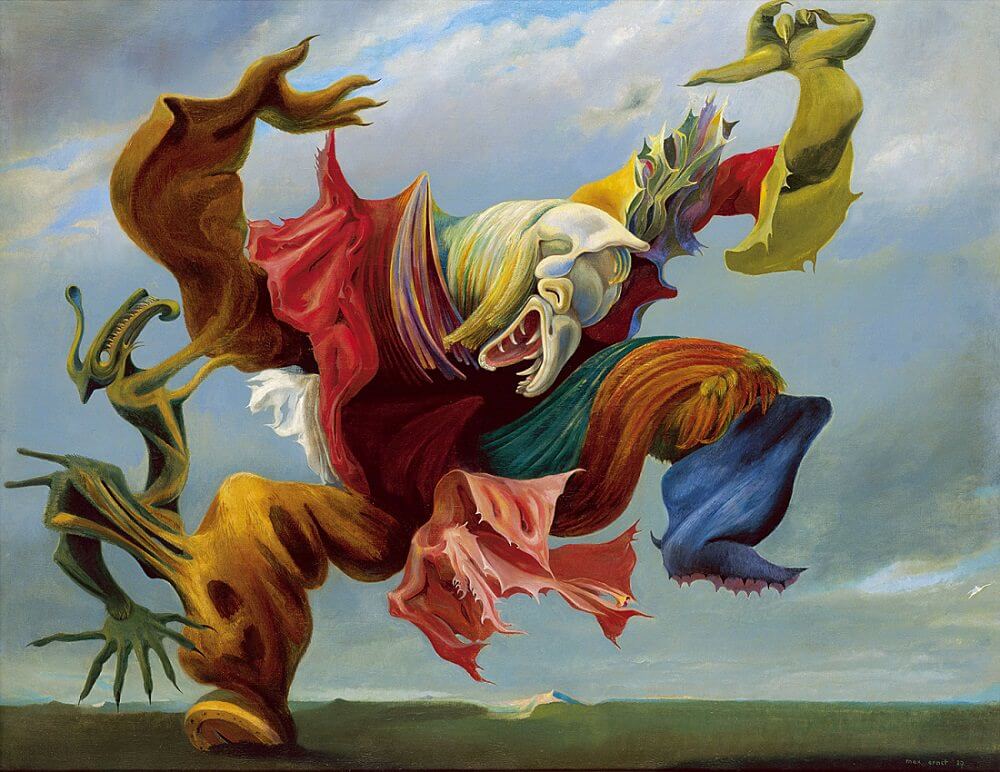
Qu'est-ce que le surréalisme ? Le manifeste de Breton (1924), De Chirico, les montres molles de Dalí, Magritte, Ernst, Miró, le cadavre exquis et son héritage.
Salvador Dalí
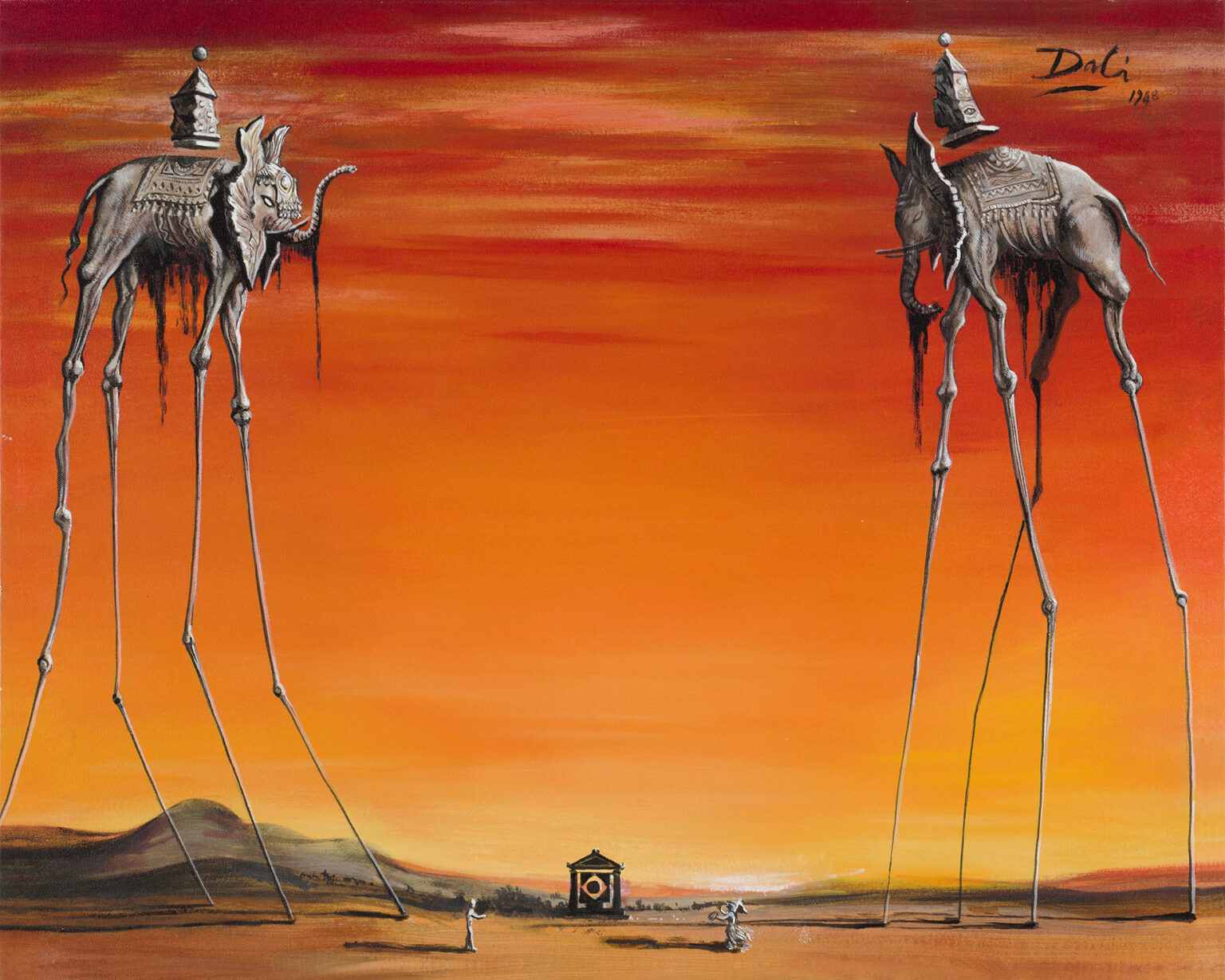
Qui était Salvador Dalí ? Le surréaliste des montres molles de La Persistance de la mémoire, des éléphants, du téléphone-homard et de son musée à Figueres.
René Magritte
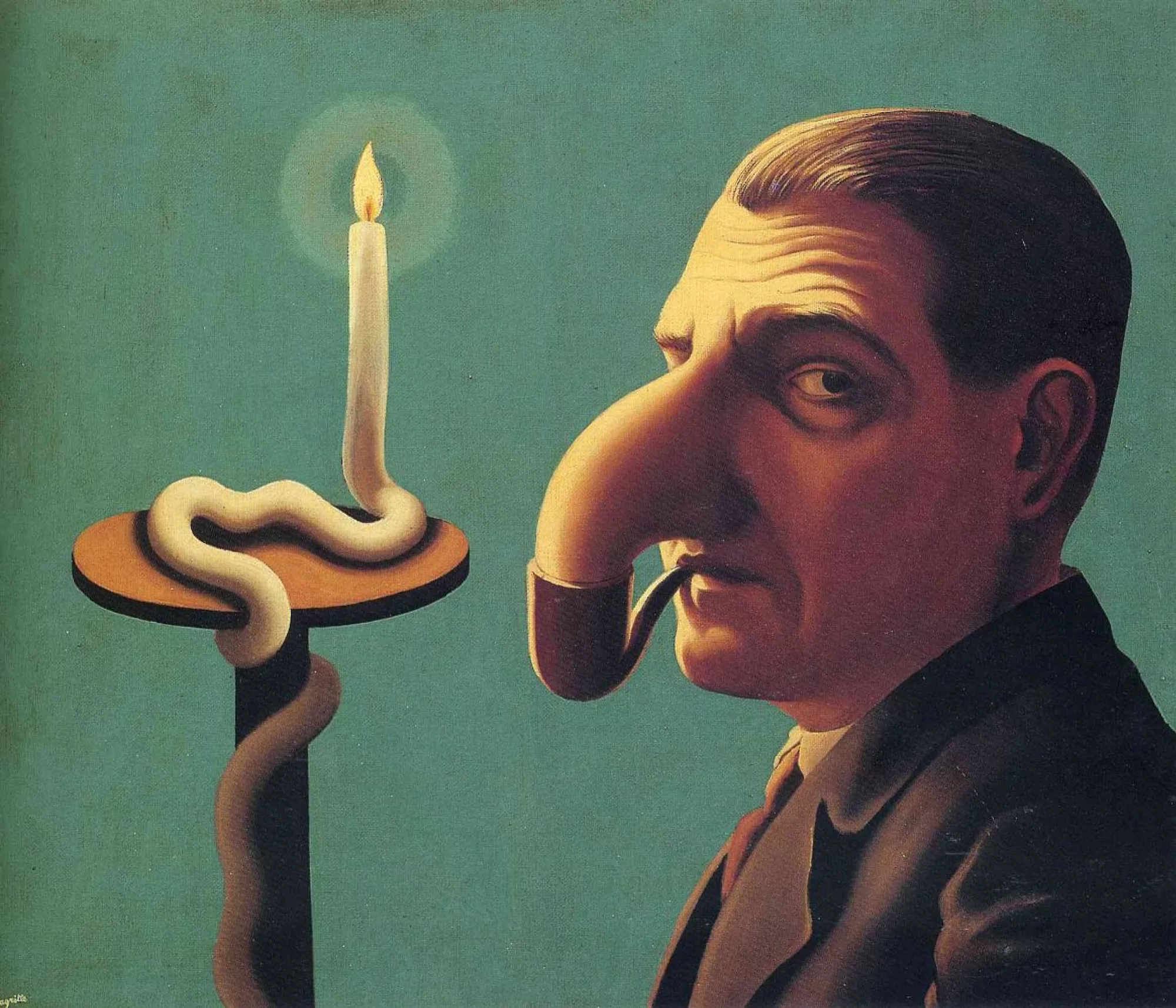
Qui était René Magritte ? Le surréaliste belge du Fils de l'homme, de Ceci n'est pas une pipe, des chapeaux melon et de L'Empire des lumières, et leur sens.
Yves Tanguy
Qui était Yves Tanguy ? Le surréaliste breton autodidacte : un De Chirico vu d'un bus, Maman, papa est blessé !, plaines sans horizon, Kay Sage, l'Amérique.
Op art : votre photo en illusion d’optique
Transformez une photo en art optique dans votre navigateur : la Galatée aux sphères de Dalí, la Vega de Vasarely, les vagues de Bridget Riley, des lignes en relief, du moiré, des spirales et des grilles déformées — dans votre sujet ou une forme, fixe ou animé.
Henri Matisse et le fauvisme
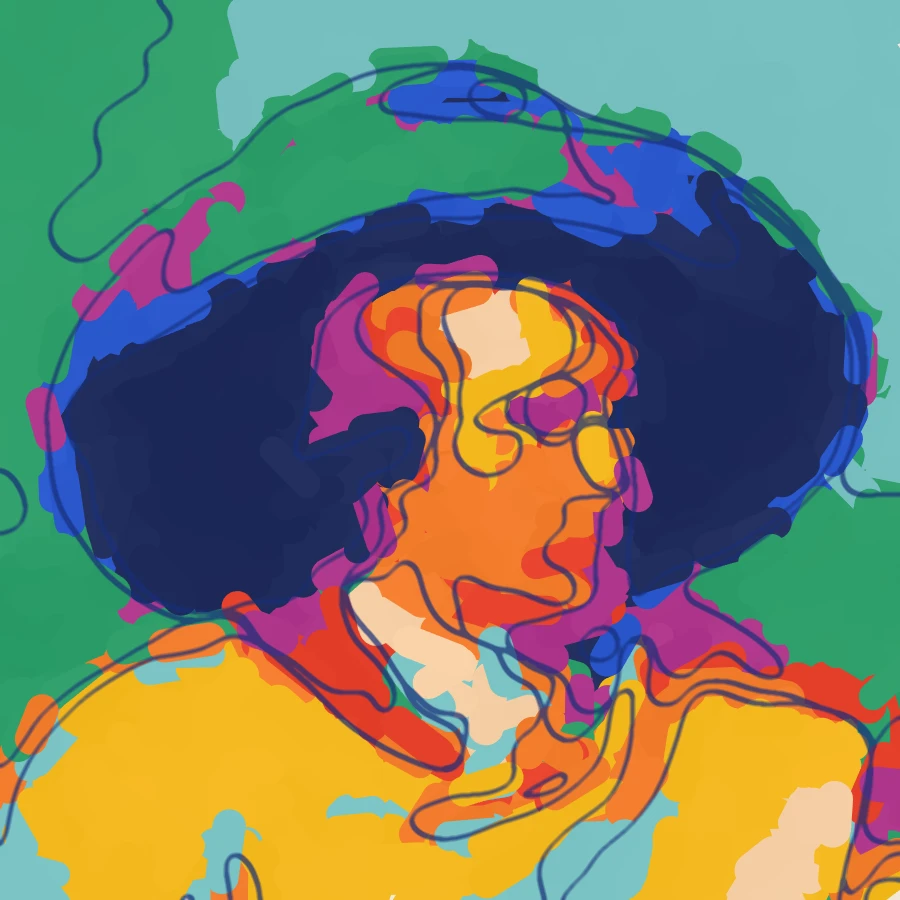
Transformez une photo en Henri Matisse et en fauvisme dans votre navigateur : papiers découpés comme Jazz et les Nus bleus, Harmonie en rouge, dessin au trait fluide, ou couleur fauve sauvage de la Femme au chapeau de Matisse, de Collioure, du Londres de Derain et de Vlaminck.
Pablo Picasso et le cubisme
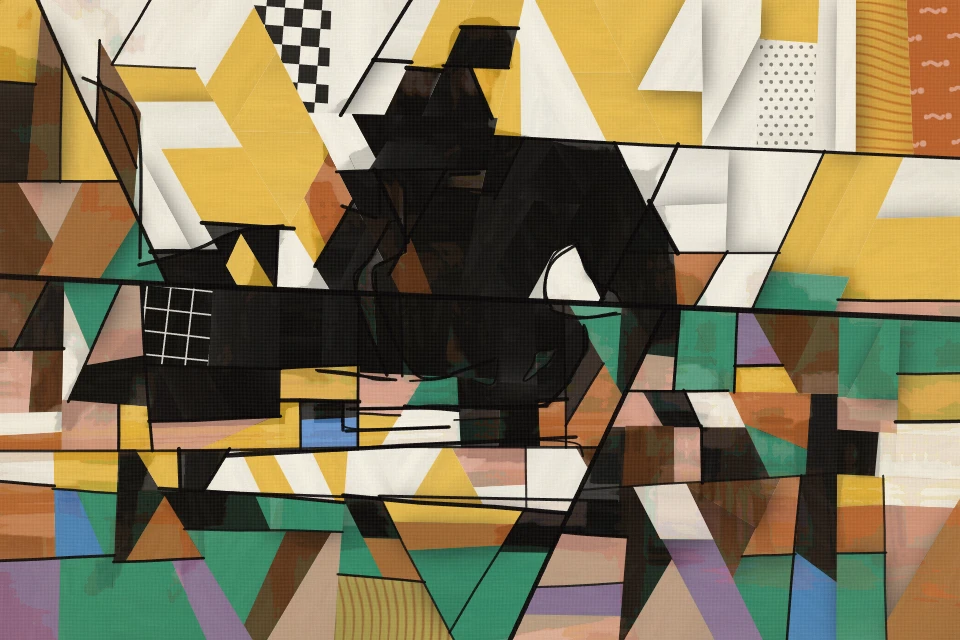
Transformez une photo en Pablo Picasso et en cubisme dans votre navigateur : périodes bleue et rose, cubisme analytique ou synthétique, portrait cubiste, papier collé, cubisme cristal, portraits fragmentés de la Femme qui pleure ou éclats noir et blanc de Guernica.
Filtre photo Pop Art
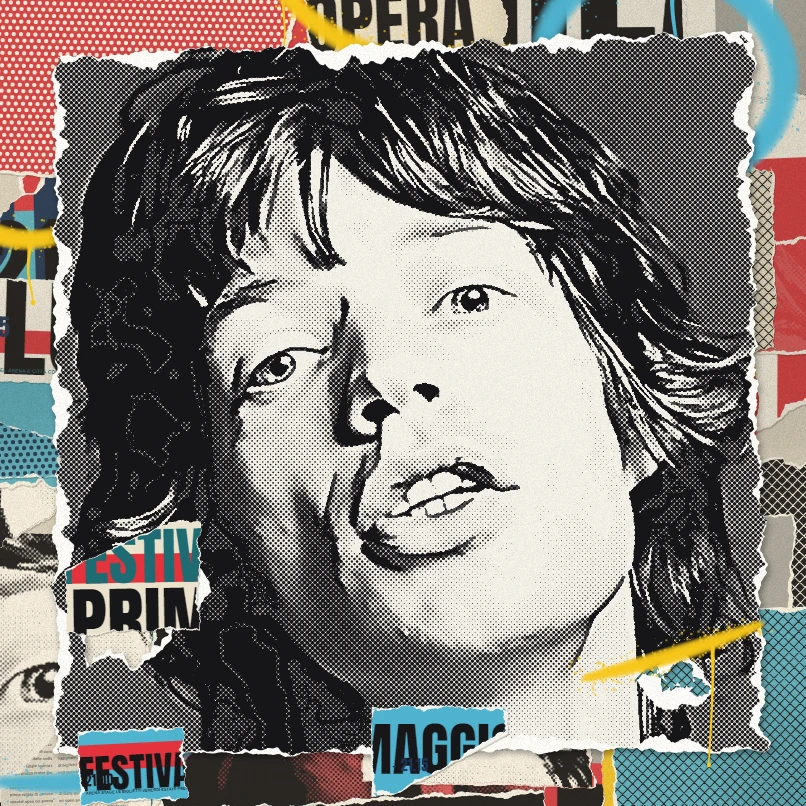
Transformez une photo en pop art dans votre navigateur : une affiche rétro pop, un motif pop, un portrait WPAP en facettes arc-en-ciel, un collage urbain, une éclaboussure d'encre, de la feuille d'or, une silhouette, un soleil rayonnant ou une grille d'emblèmes pop.
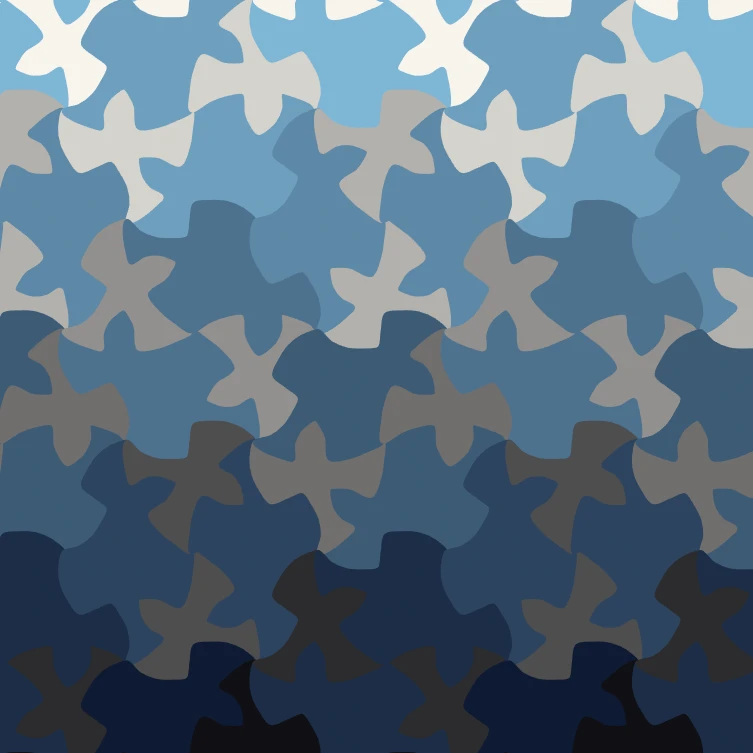
Créateur de pavages M.C. Escher
Créez des pavages façon M.C. Escher en ligne : lézards, oiseaux, poissons, Pégase et plus, imbriqués. Modifiez le motif, recolorez, enregistrez en PNG ou SVG.
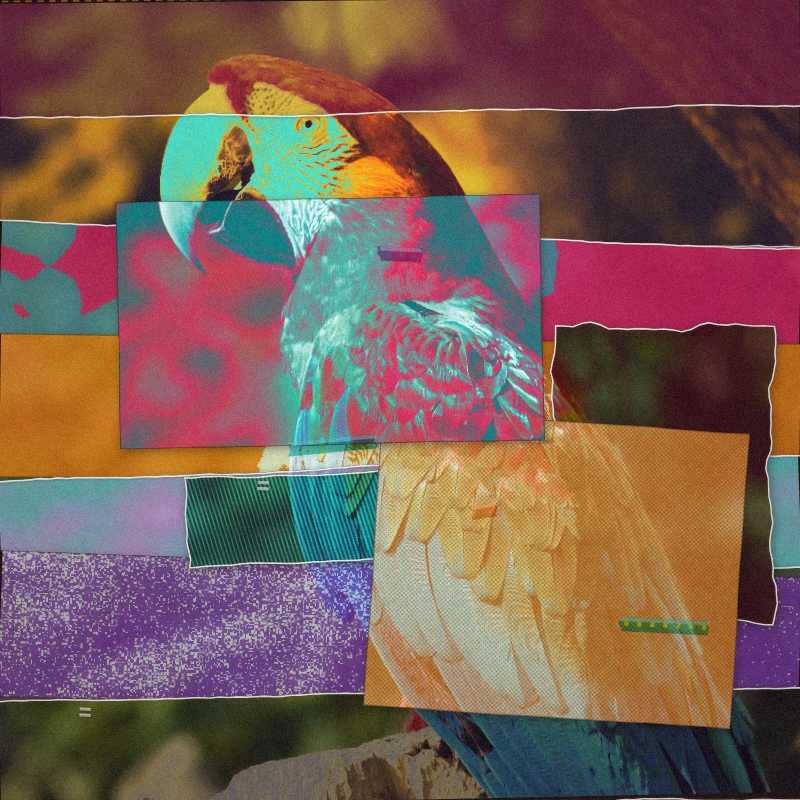
Transformez une photo en collage techniques mixtes
Reconstruisez une photo en collage techniques mixtes dans votre navigateur—lambeaux déchirés, textures d’impression, ruban adhésif et xerox.
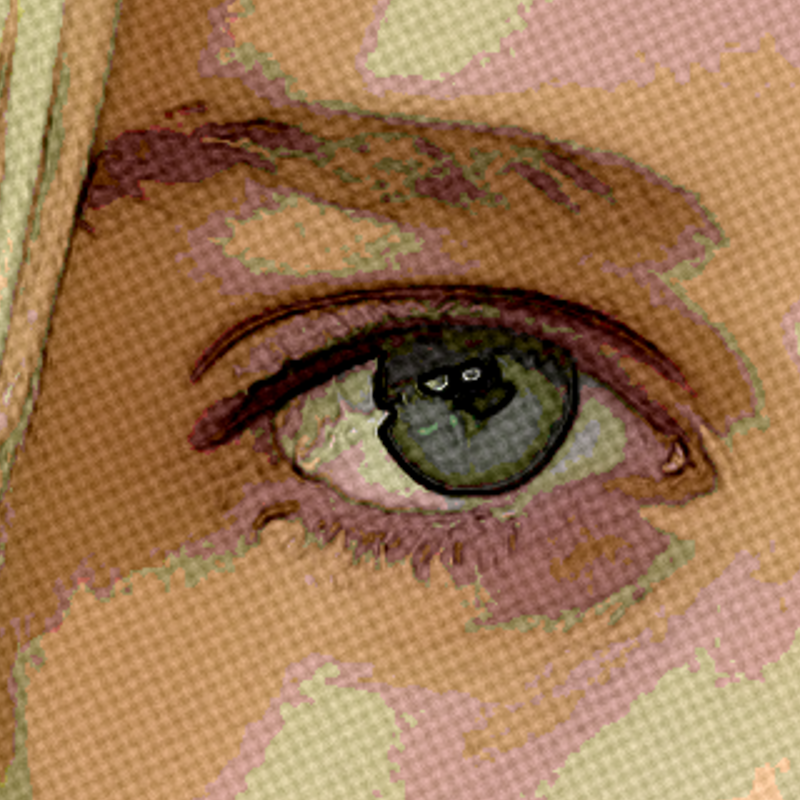
Effets artistiques
Transformez vos photos avec de la peinture à l'huile, de l'aquarelle, du crayon, de l'encre comic, des pastels, du papier découpé et d'autres looks artistiques en studio.
Prêt à l'essayer ?
Ouvrez PictorX dans votre navigateur – aucune installation, aucune carte de crédit requise pour démarrer.
Aller à l'éditeur