
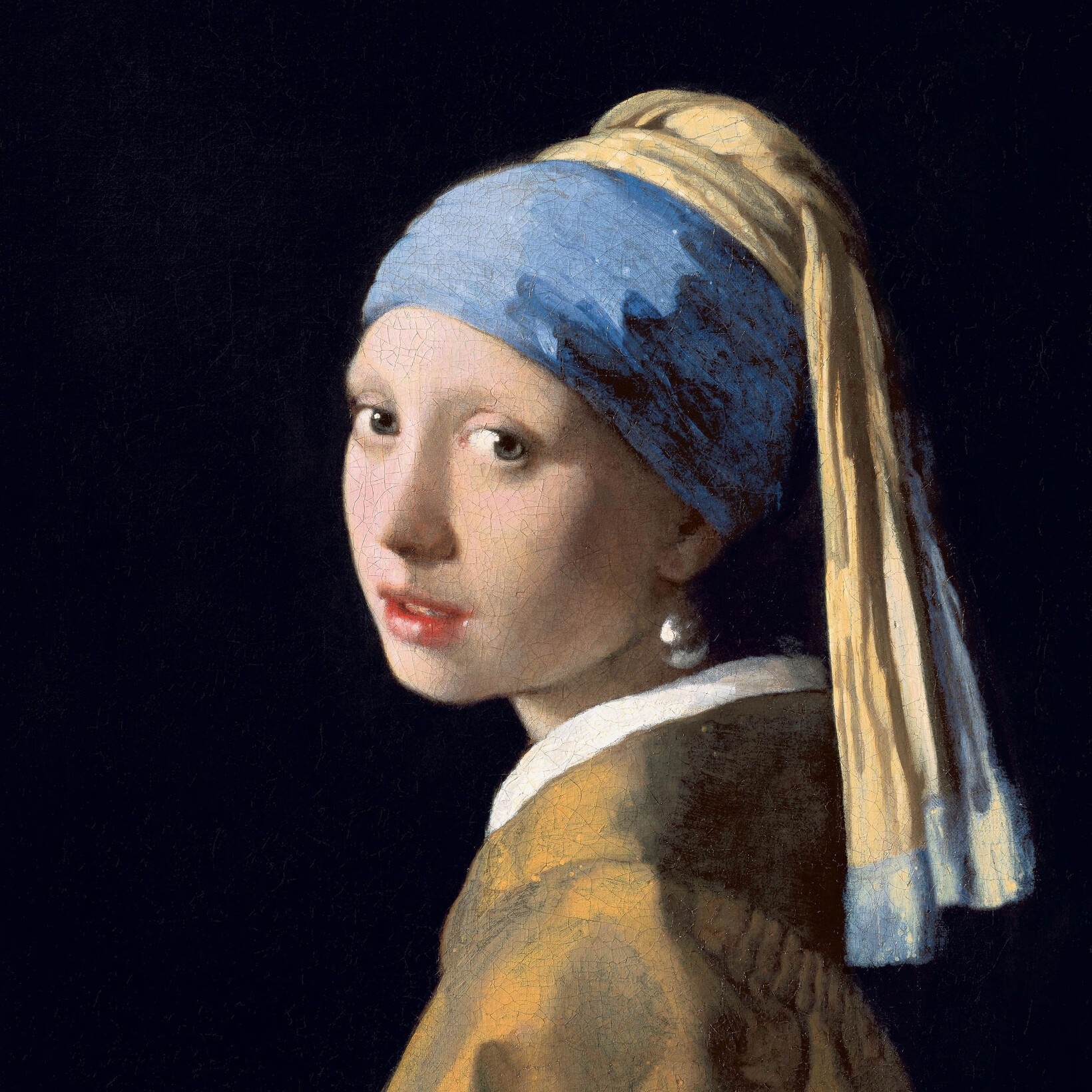
Đặt bức ảnh vào một giấc mơ siêu thực — những chiếc đồng hồ mềm của Dalí, mũ quả dưa của Magritte hay quảng trường của De Chirico — chọn một nghệ sĩ và một kiểu, rồi chỉnh Biến dạng và Độ mơ màng.
Sự dai dẳng của ký ức – Chủ nghĩa siêu thực, Dalí và Magritte
The Surrealists painted dreams with the precision of a photograph, or let chance take over. This app puts your photo into one of their pictures: choose Salvador Dalí for soft watches, elephants on stilt legs and crutches, René Magritte for green apples, bowler hats and blue skies, or Other for De Chirico's empty squares, Max Ernst's crusts, Tanguy's endless plains, Carrington's giantess, Varo's tower and Man Ray's solarized prints. All processed on-device. Đặt bức ảnh vào một giấc mơ siêu thực — những chiếc đồng hồ mềm của Dalí, mũ quả dưa của Magritte hay quảng trường của De Chirico — chọn một nghệ sĩ và một kiểu, rồi chỉnh Biến dạng và Độ mơ màng.
Cách nó hoạt động
- Open PictorX in your browser and load a photo — portraits with a clear subject work best.
- Pick an Artist—Salvador Dalí, René Magritte or Other for the rest of the Surrealists—then one of their Styles and a Palette, and adjust Distortion, Dreaminess, Detail, Shadows and Floating Objects. Turn on Remove background for a cleaner cutout of the subject.
- Export the painting, or keep editing with layers and other effects in the same workspace.
Salvador Dalí, René Magritte or another Surrealist
The Artist list at the top of the panel chooses whose dream you step into, and the Style list below it shows that artist's pictures. Salvador Dalí has seven: Persistence of Memory, Elephants, Galatea of the Spheres, Swans Reflecting Elephants, Burning Giraffe, Sleep and Leda Atomica. René Magritte has eight: Son of Man, Golconda, Empire of Light, Decalcomania, The Lovers, Treachery of Images, Great Family and Castle of the Pyrenees. Other gathers the rest of the movement: De Chirico's Metaphysical, Max Ernst's Europe after the Rain, the Exquisite Corpse, Yves Tanguy's Indefinite Divisibility, Leonora Carrington's The Giantess, Remedios Varo's Embroidering the Earth's Mantle and Man Ray's Solarization.
Seven dreams after Dalí
Persistence of Memory follows the painting of 1931: your photo goes soft and droops over the edge of a ledge beside a melting watch, in a bare landscape of golden cliffs and a calm sea. Elephants sets the subject on a plain at sunset between elephants on impossibly long, thin legs that carry obelisks. Galatea of the Spheres rebuilds the subject from shaded spheres floating in space. Swans Reflecting Elephants stands it on the shore of a still lake among the rocks of Cap de Creus, where swans float on the water and their reflections are elephants. Burning Giraffe opens drawers in the figure, props it up with crutches and sets a giraffe on fire far off on a blue evening plain. Sleep turns it into a huge soft mass hanging in the air on crutches, and Leda Atomica lets everything float: the figure in separate slabs, the sea above the beach, and an egg, a book and a stool in the air.
Eight impossible pictures after Magritte
Son of Man sets the subject before a low wall, a grey sea and a blue sky of cumulus clouds, with a green apple floating before the face and bowler hats drifting overhead. Golconda fills the air with men in bowler hats before plain houses with red roofs. Empire of Light puts a bright day sky over a street already deep in the night, with a street lamp and lit windows. Decalcomania stands the subject beside a curtain with their silhouette cut out of it, through which the sea and sky continue. The Lovers wraps the head in a white cloth, in a room with a red wall and a wall painted as sky. Treachery of Images paints the subject plainly on a bare ground above the handwritten words “Ceci n'est pas une photo.” Great Family fills the subject's silhouette with a bright day sky against a stormy sea, and Castle of the Pyrenees sets the subject on a huge rock floating over the waves, beside a small castle.
De Chirico, Max Ernst and the Exquisite Corpse
Metaphysical follows Giorgio de Chirico, setting the subject as a statue on a plinth in an empty square with an arcade, a green sky, long shadows, a red chimney and a little train. Europe after the Rain follows Max Ernst, pressing the photo into decalcomania crusts of rust and verdigris under a clear sky and a ring-shaped sun. Exquisite Corpse cuts the picture into bands drawn in ink, pencil, watercolour and halftone, like the Surrealists' folding game in which each player adds a part without seeing the others.
Tanguy, Carrington, Varo and Man Ray
Indefinite Divisibility follows Yves Tanguy, turning the subject into a smooth stone form on an endless plain that melts into the sky without a horizon, among bone-like shapes that throw long, crisp shadows. The Giantess follows Leonora Carrington: the subject towers over a tiny landscape of sea, ships and wheat in a long pale cloak, guarding an egg while geese fly from her cloak and little people look up at her feet. Embroidering the Earth's Mantle follows Remedios Varo, setting the subject in the window of a round tower while threads spill down and become an embroidered landscape, all covered in her fine, hair-thin brushstrokes. Solarization follows Man Ray's photographs of about 1930: a silver print whose highlights fold over into dark, with pale lines glowing along the edges, and rayograph objects—a key, a spiral, a comb, a pair of lips—around it.
From a hint to a strange dream
Distortion sets how strange the scene becomes: how far Dalí's photo melts or his elephants' legs grow, how high Magritte's subject floats or how far his night rises into the day sky, how steep De Chirico's perspective is or how far the Exquisite Corpse's bands shift. Dreaminess smooths the photo into glazed paint and tones it towards the palette; Detail adds clouds, swans, hats, arches, crusts, forms or threads; Shadows deepens the shadows. Palette chooses the light—Dream for each painter's own colours, Photo to keep your hues, Dusk, Night or Desert—and Floating Objects adds the watches, crutches, apples, bowler hats, castle, caption, the chimney and the train, Carrington's geese or Man Ray's rayograph objects. Remove background cuts out the subject first, so it stands cleanly in the scene.
Privacy and keep editing
Processing stays in your browser—photos are not uploaded to PictorX servers for this filter. After Surrealism, Dalí and Magritte, continue with layers, text, Picasso and Cubism, Matisse and Fauvism, Pop Art, or export.
Câu hỏi thường gặp
Ứng dụng Chủ nghĩa siêu thực, Dalí và Magritte có tác dụng gì?
Ứng dụng biến ảnh thành một bức tranh như mơ theo phong cách các họa sĩ Siêu thực. Chọn một “Nghệ sĩ”: Salvador Dalí làm ảnh tan chảy như những chiếc đồng hồ mềm trong Sự dai dẳng của ký ức, đặt nó giữa những chú voi chân dài hoặc chống nó lên bằng nạng; René Magritte đặt một quả táo xanh trước khuôn mặt, phủ kín bầu trời bằng những người đàn ông đội mũ quả dưa hoặc viết “Ceci n'est pas une photo” bên dưới; “Khác” đặt ảnh vào quảng trường vắng lặng của De Chirico, các lớp vỏ của Max Ernst, một Xác chết tinh tế, đồng bằng bất tận của Tanguy, người nữ khổng lồ của Carrington, tòa tháp của Varo hoặc hiệu ứng solarization của Man Ray. Kết quả được dựng từ ảnh của bạn, không sao chép một bức tranh bảo tàng.
Chủ nghĩa siêu thực là gì?
Một trào lưu nghệ thuật và văn học ra đời ở Paris năm 1924, khi André Breton công bố Tuyên ngôn Siêu thực. Các họa sĩ của trào lưu, trong đó có Salvador Dalí, René Magritte, Max Ernst và Joan Miró, khai thác giấc mơ, sự ngẫu nhiên và vô thức, thường vẽ những cảnh không thể có thật với độ chân thực cao. Những bức tranh siêu hình trước đó của Giorgio de Chirico là một nguồn ảnh hưởng lớn.
Salvador Dalí và René Magritte là ai?
Hai họa sĩ nổi tiếng nhất của chủ nghĩa Siêu thực. Salvador Dalí (1904–1989), người xứ Catalonia ở Tây Ban Nha, vẽ những hình ảnh giấc mơ với độ chính xác của một bậc thầy cổ điển—đồng hồ tan chảy, voi chân cà kheo, nạng, ngăn kéo và hình ảnh kép—và nổi tiếng với bộ ria vuốt sáp cùng tài trình diễn không kém gì tranh của ông. René Magritte (1898–1967), người Bỉ, làm việc chủ yếu ở Brussels, vẽ những đồ vật bình thường thật rõ ràng rồi đặt chúng vào những tình huống không thể có thật: những người đàn ông đội mũ quả dưa, những quả táo xanh và bầu trời xanh mây trắng của ông được biết đến trên khắp thế giới.
Tanguy, Carrington, Varo và Man Ray là ai?
Yves Tanguy (1900–1955) là họa sĩ người Pháp vẽ những đồng bằng mộng mị bất tận rải rác các hình khối nhẵn, giống xương. Leonora Carrington (1917–2011), sinh ra ở Anh, và Remedios Varo (1908–1963), sinh ra ở Tây Ban Nha, trở thành bạn thân ở Thành phố Mexico và vẽ nên những thế giới huyền ảo với nữ khổng lồ, tòa tháp, nhà giả kim và lữ khách. Man Ray (1890–1976), một người Mỹ ở Paris, đưa chủ nghĩa Siêu thực vào nhiếp ảnh với những bức rayograph không cần máy ảnh và các bức chân dung solarization.
Xác chết tinh tế (Exquisite Corpse) là gì?
Một trò chơi Siêu thực, trong đó nhiều người lần lượt thêm vào một bức vẽ hoặc một câu văn trên tờ giấy gấp mà không nhìn thấy phần người khác đã làm, nên các phần không bao giờ khớp hẳn với nhau. Kiểu “Xác chết tinh tế” mô phỏng trò này bằng cách vẽ mỗi dải trong ảnh của bạn bằng một kỹ thuật khác nhau và đẩy lệch nó khỏi hàng.
“Ceci n'est pas une photo” có nghĩa là gì?
“Đây không phải là một bức ảnh.” Câu này gợi lại bức tranh Sự phản bội của hình ảnh (1929) của Magritte, trong đó dòng chữ “Ceci n'est pas une pipe” nằm dưới hình một chiếc tẩu: hình ảnh chỉ là hình ảnh của một vật, không phải chính vật đó.
Đây có phải là sản phẩm chính thức của Dalí hay Magritte không?
Không. Ứng dụng Chủ nghĩa siêu thực, Dalí và Magritte của PictorX là một sự tôn vinh kỹ thuật số lấy cảm hứng từ tranh của họ. Ứng dụng không liên quan đến Quỹ Gala-Salvador Dalí, Quỹ Magritte hay những người thừa kế của các họa sĩ, không sao chép bất kỳ tác phẩm nào của họ, và mọi bức ảnh nó tạo ra đều từ chính ảnh của bạn.
Ảnh nào cho kết quả tốt nhất?
Ảnh chân dung và ảnh có một chủ thể rõ ràng, vì hầu hết các phong cách đều cắt chủ thể ra và đặt vào một khung cảnh mới—hãy bật “Bỏ nền” để có đường viền gọn nhất. “Sự dai dẳng của ký ức” của Dalí, cùng “Châu Âu sau cơn mưa”, “Xác chết tinh tế” và “Đảo sáng” trong mục “Khác”, dùng được với mọi ảnh, kể cả phong cảnh và công trình.
Công cụ liên quan
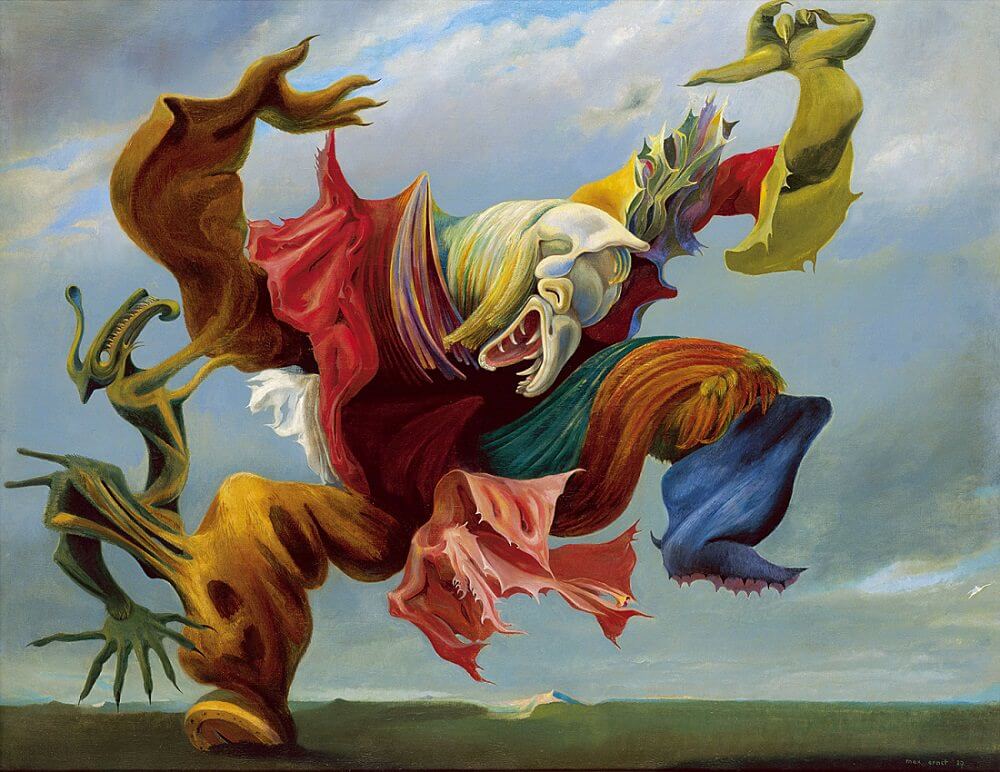
Chủ nghĩa siêu thực
Chủ nghĩa siêu thực là gì? Tuyên ngôn 1924 của Breton, De Chirico, đồng hồ mềm của Dalí, táo và tẩu của Magritte, Ernst, Miró, Xác chết tinh tế và di sản.
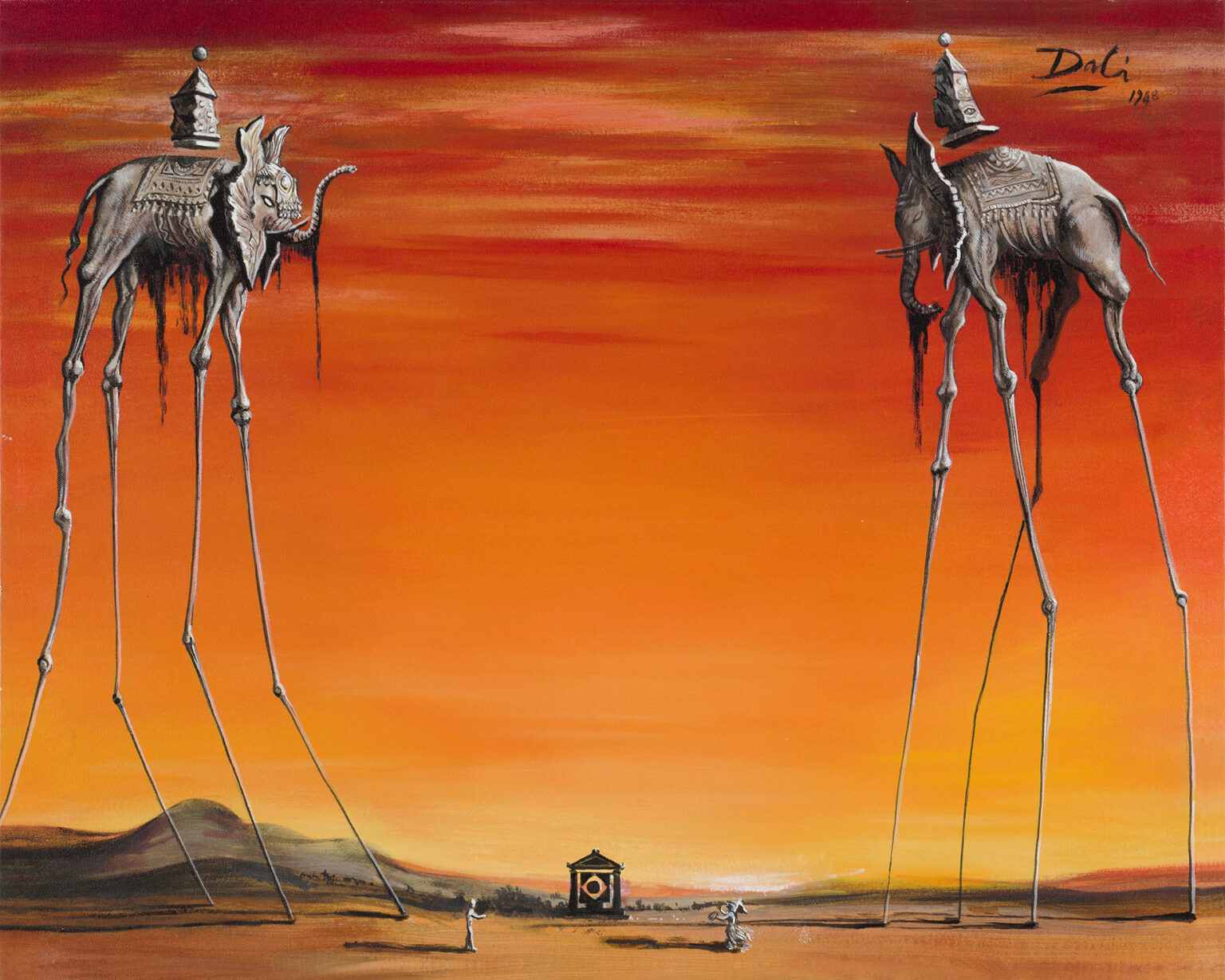
Salvador Dalí
Salvador Dalí là ai? Nhà siêu thực đứng sau những chiếc đồng hồ chảy trong Sự dai dẳng của ký ức, những chú voi, điện thoại tôm hùm và bảo tàng ở Figueres.
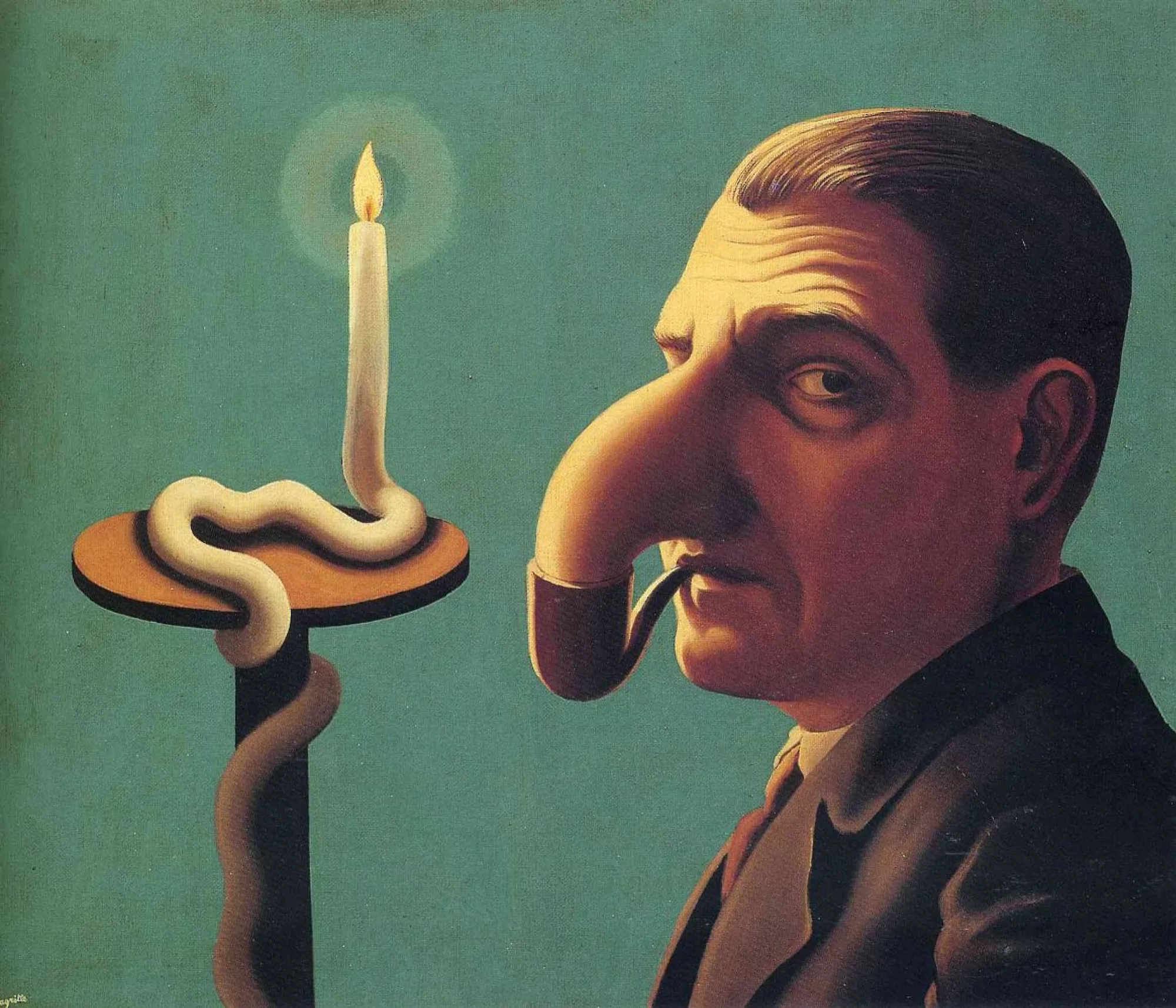
René Magritte
René Magritte là ai? Họa sĩ siêu thực người Bỉ đứng sau Con của người, Ceci n'est pas une pipe, những chiếc mũ quả dưa, Đế chế ánh sáng và ý nghĩa của chúng.
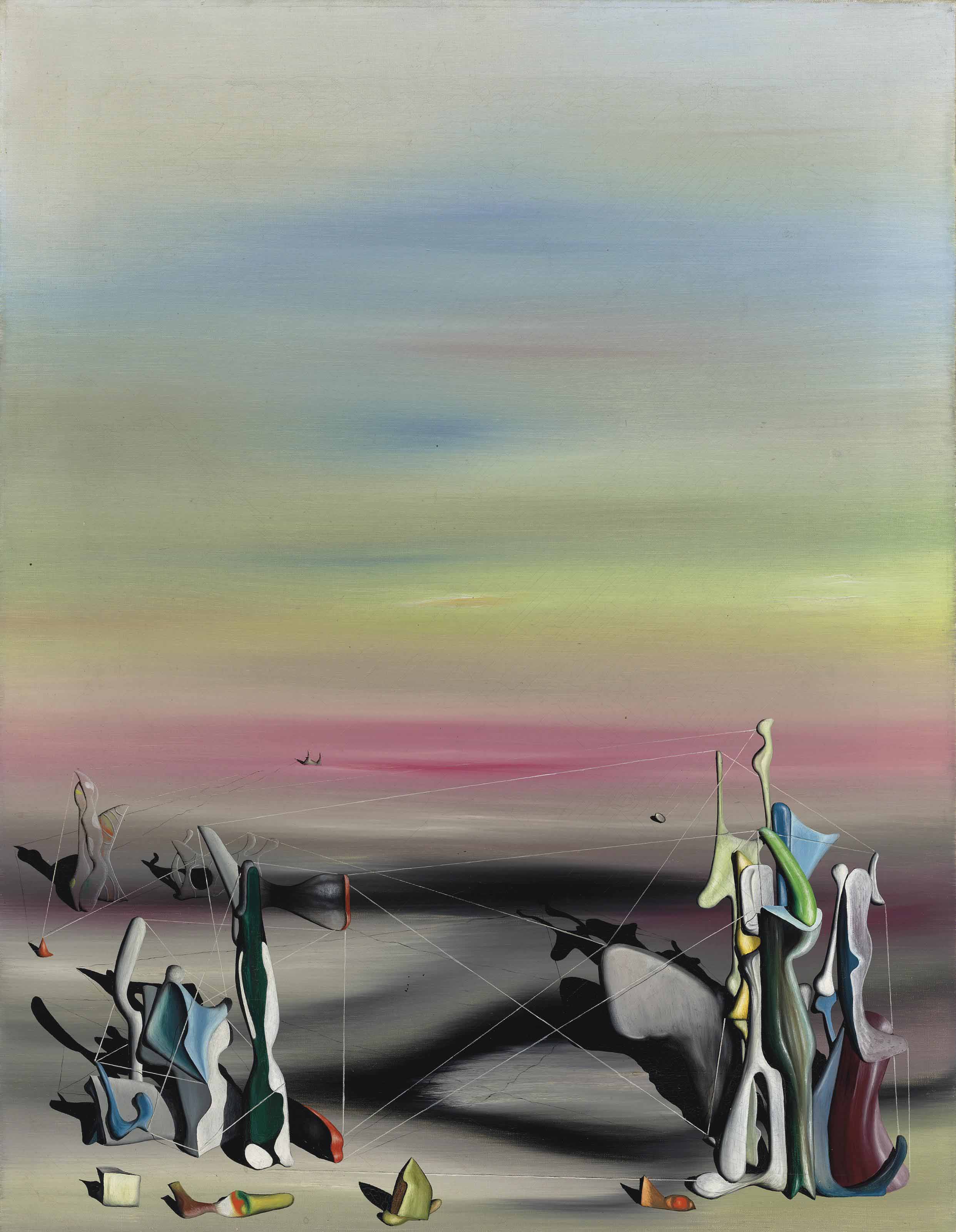
Yves Tanguy
Yves Tanguy là ai? Họa sĩ siêu thực tự học xứ Bretagne: bức De Chirico thấy từ xe buýt, Mama, Papa is Wounded!, đồng bằng không chân trời, Kay Sage và nước Mỹ.
Op art: ảnh của bạn thành ảo ảnh thị giác
Biến ảnh thành op art ngay trong trình duyệt: Galatea của những quả cầu của Dalí, Vega của Vasarely, sóng của Bridget Riley, đường phù điêu, moiré, xoắn ốc và lưới cong vênh — trong chủ thể hoặc một hình, tĩnh hay chuyển động.
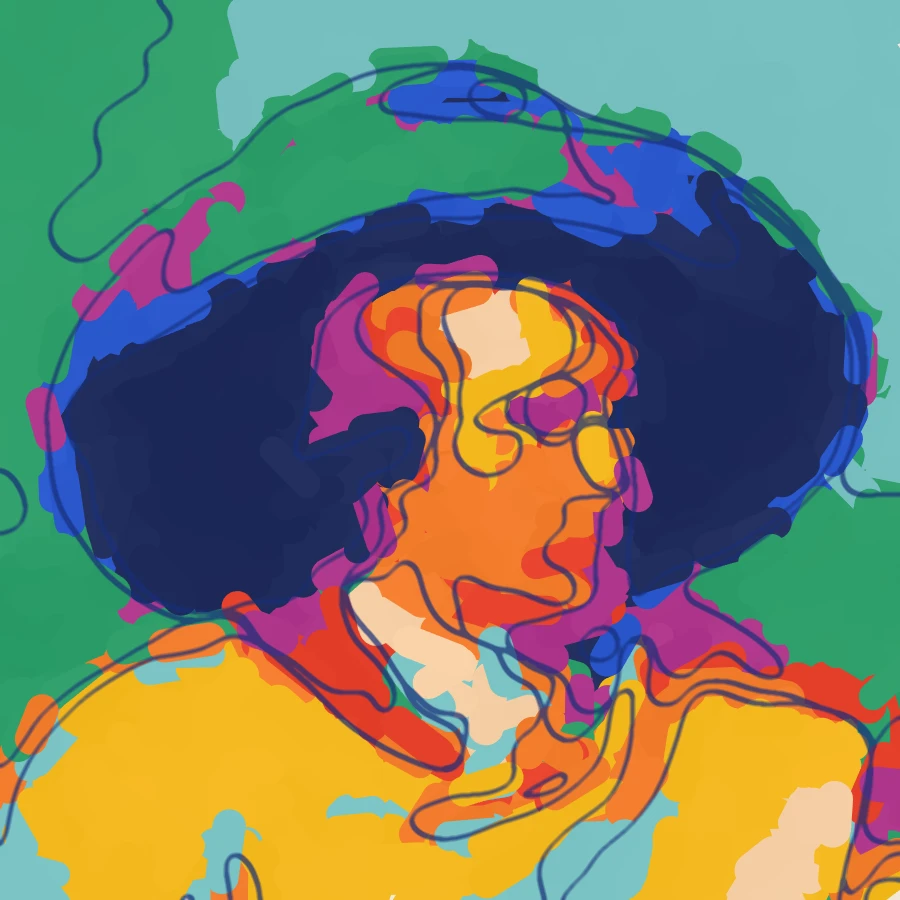
Henri Matisse và trường phái Dã thú
Biến ảnh thành Henri Matisse và trường phái Dã thú ngay trong trình duyệt: cắt giấy như Jazz và Khỏa thân xanh, Hòa âm đỏ, một nét vẽ uyển chuyển, hoặc màu dã thú hoang dại của Người phụ nữ đội mũ của Matisse, Collioure, London của Derain và Vlaminck.
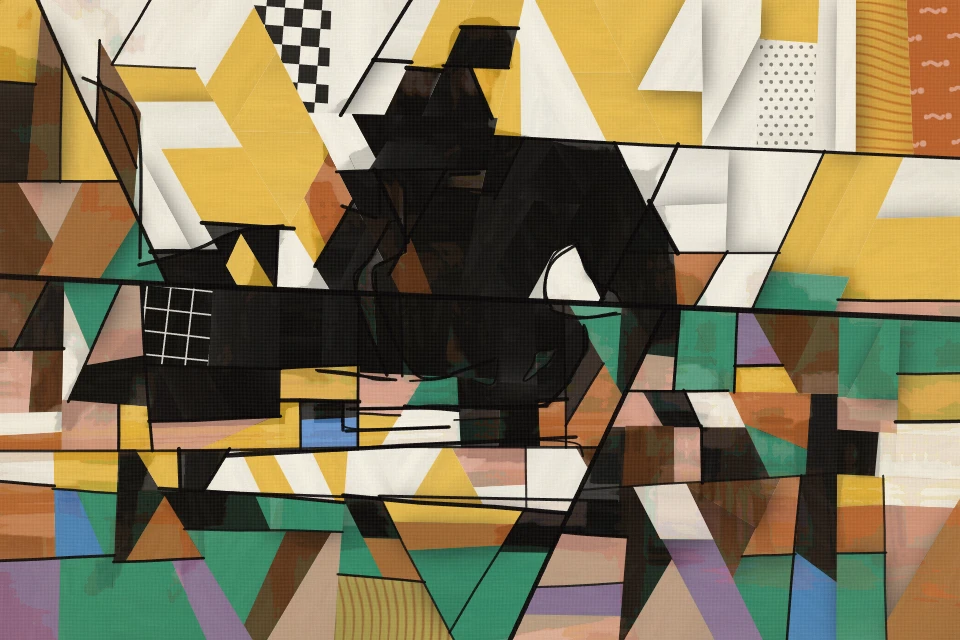
Pablo Picasso và chủ nghĩa Lập thể
Biến ảnh thành Pablo Picasso và chủ nghĩa Lập thể ngay trong trình duyệt: Thời kỳ Xanh và Hồng, Lập thể phân tích hoặc tổng hợp, chân dung lập thể, giấy cắt dán, Lập thể tinh thể, chân dung vỡ mảnh của Người đàn bà khóc hoặc những mảnh vỡ đen trắng của Guernica.
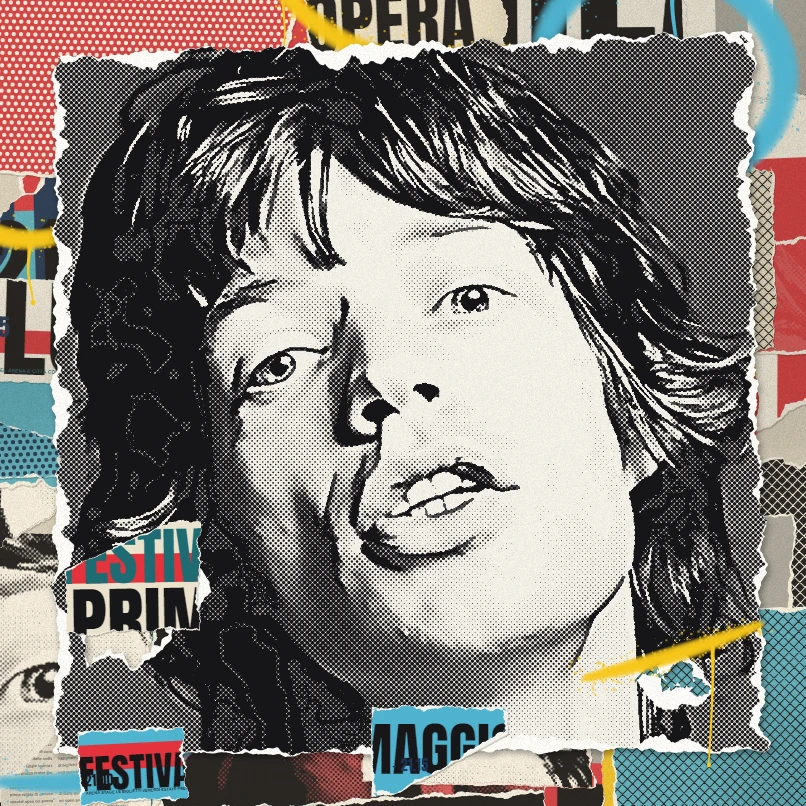
Bộ lọc ảnh Pop Art
Biến ảnh thành pop art ngay trong trình duyệt: áp phích retro phong cách pop, họa tiết pop, chân dung WPAP với mặt cắt cầu vồng, cắt dán đường phố, vẩy sơn, lá vàng, silhouette, tia nắng hoặc lưới biểu tượng pop.

Tạo tessellation M.C. Escher
Tạo tessellation kiểu M.C. Escher online: thằn lằn, chim, cá, Pegasus và hơn thế khớp vào nhau. Sửa hình họa tiết, đổi màu và lưu PNG hoặc SVG.
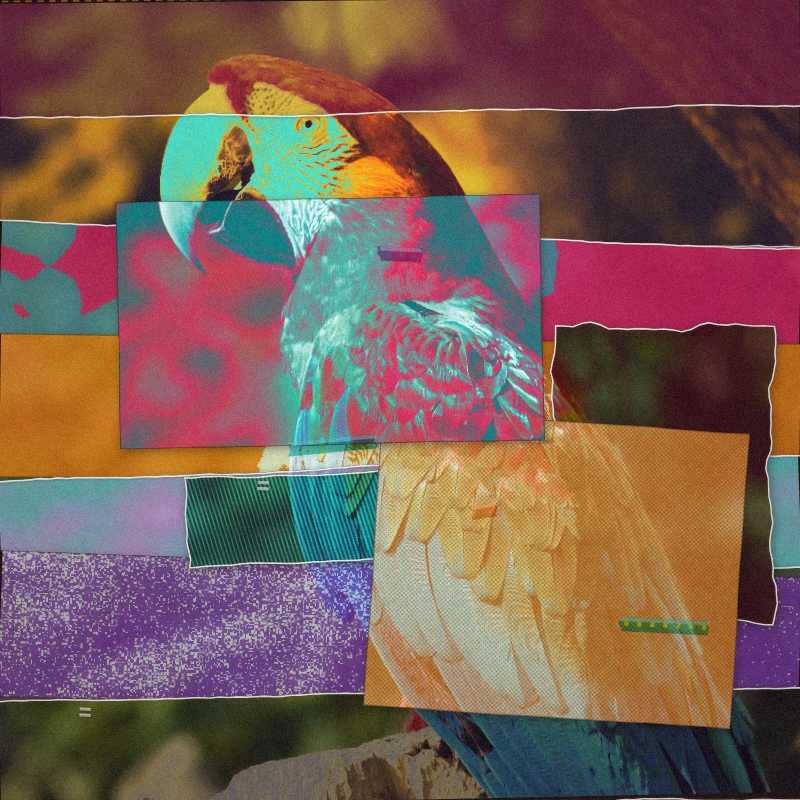
Biến ảnh thành collage đa chất liệu
Tái dựng ảnh thành collage đa chất liệu trong trình duyệt—mảnh xé, texture in, băng keo và xerox.
Hiệu ứng nghệ thuật
Biến đổi ảnh với tranh sơn dầu, màu nước, bút chì, mực truyện tranh, phấn màu, cắt giấy và nhiều phong cách nghệ thuật chuyên nghiệp khác.
Sẵn sàng thử chưa?
Mở PictorX trong trình duyệt — không cần cài đặt, không cần thẻ tín dụng để bắt đầu.
Tới trình chỉnh sửa