
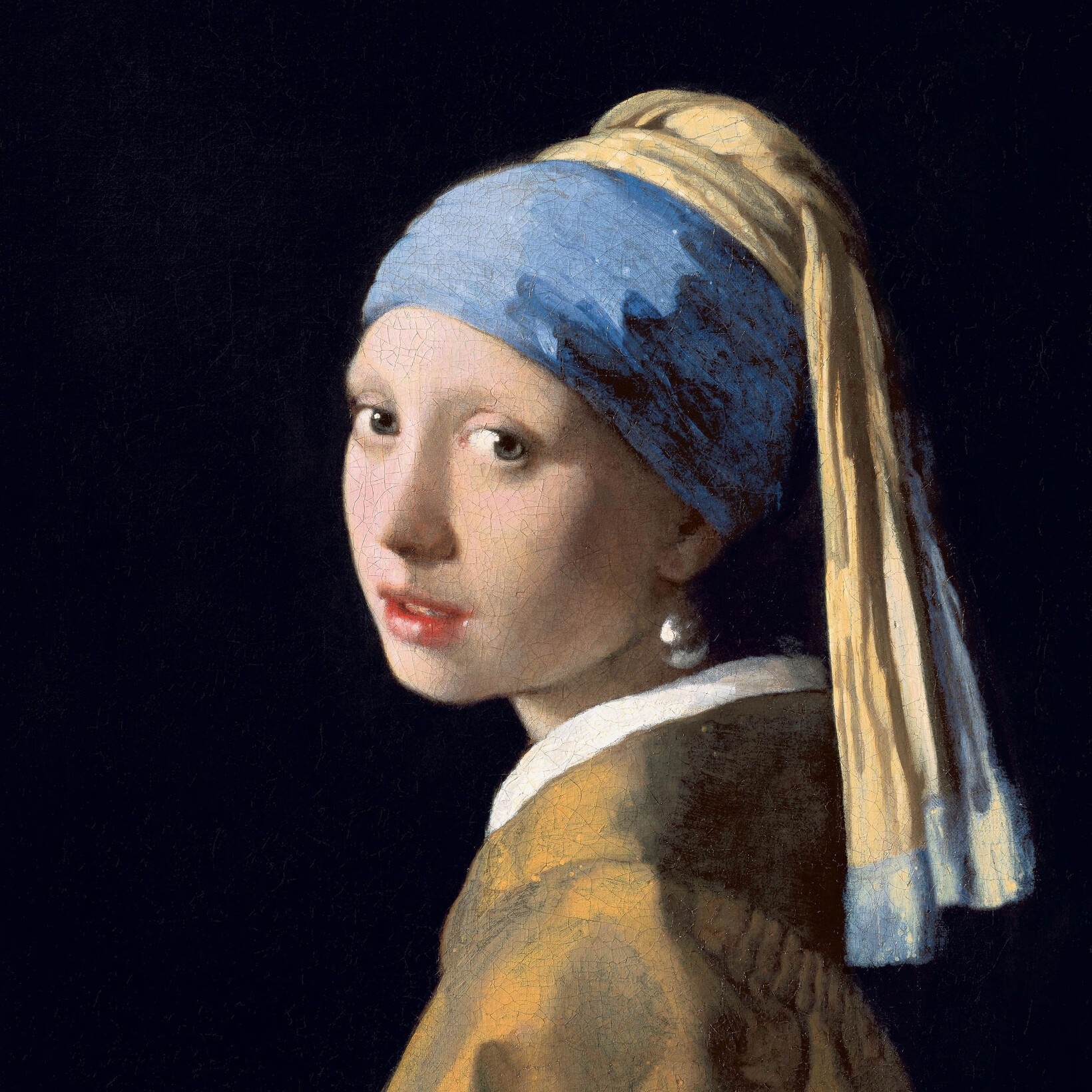
Sæt et foto ind i en surrealistisk drøm — Dalís bløde ure, Magrittes bowlerhatte eller De Chiricos piazza — vælg en kunstner og en stil, og justér så Forvrængning og Drømmeagtighed.
Erindringens vedholdenhed – Surrealisme, Dalí og Magritte
The Surrealists painted dreams with the precision of a photograph, or let chance take over. This app puts your photo into one of their pictures: choose Salvador Dalí for soft watches, elephants on stilt legs and crutches, René Magritte for green apples, bowler hats and blue skies, or Other for De Chirico's empty squares, Max Ernst's crusts, Tanguy's endless plains, Carrington's giantess, Varo's tower and Man Ray's solarized prints. All processed on-device. Sæt et foto ind i en surrealistisk drøm — Dalís bløde ure, Magrittes bowlerhatte eller De Chiricos piazza — vælg en kunstner og en stil, og justér så Forvrængning og Drømmeagtighed.
Sådan virker det
- Open PictorX in your browser and load a photo — portraits with a clear subject work best.
- Pick an Artist—Salvador Dalí, René Magritte or Other for the rest of the Surrealists—then one of their Styles and a Palette, and adjust Distortion, Dreaminess, Detail, Shadows and Floating Objects. Turn on Remove background for a cleaner cutout of the subject.
- Export the painting, or keep editing with layers and other effects in the same workspace.
Salvador Dalí, René Magritte or another Surrealist
The Artist list at the top of the panel chooses whose dream you step into, and the Style list below it shows that artist's pictures. Salvador Dalí has seven: Persistence of Memory, Elephants, Galatea of the Spheres, Swans Reflecting Elephants, Burning Giraffe, Sleep and Leda Atomica. René Magritte has eight: Son of Man, Golconda, Empire of Light, Decalcomania, The Lovers, Treachery of Images, Great Family and Castle of the Pyrenees. Other gathers the rest of the movement: De Chirico's Metaphysical, Max Ernst's Europe after the Rain, the Exquisite Corpse, Yves Tanguy's Indefinite Divisibility, Leonora Carrington's The Giantess, Remedios Varo's Embroidering the Earth's Mantle and Man Ray's Solarization.
Seven dreams after Dalí
Persistence of Memory follows the painting of 1931: your photo goes soft and droops over the edge of a ledge beside a melting watch, in a bare landscape of golden cliffs and a calm sea. Elephants sets the subject on a plain at sunset between elephants on impossibly long, thin legs that carry obelisks. Galatea of the Spheres rebuilds the subject from shaded spheres floating in space. Swans Reflecting Elephants stands it on the shore of a still lake among the rocks of Cap de Creus, where swans float on the water and their reflections are elephants. Burning Giraffe opens drawers in the figure, props it up with crutches and sets a giraffe on fire far off on a blue evening plain. Sleep turns it into a huge soft mass hanging in the air on crutches, and Leda Atomica lets everything float: the figure in separate slabs, the sea above the beach, and an egg, a book and a stool in the air.
Eight impossible pictures after Magritte
Son of Man sets the subject before a low wall, a grey sea and a blue sky of cumulus clouds, with a green apple floating before the face and bowler hats drifting overhead. Golconda fills the air with men in bowler hats before plain houses with red roofs. Empire of Light puts a bright day sky over a street already deep in the night, with a street lamp and lit windows. Decalcomania stands the subject beside a curtain with their silhouette cut out of it, through which the sea and sky continue. The Lovers wraps the head in a white cloth, in a room with a red wall and a wall painted as sky. Treachery of Images paints the subject plainly on a bare ground above the handwritten words “Ceci n'est pas une photo.” Great Family fills the subject's silhouette with a bright day sky against a stormy sea, and Castle of the Pyrenees sets the subject on a huge rock floating over the waves, beside a small castle.
De Chirico, Max Ernst and the Exquisite Corpse
Metaphysical follows Giorgio de Chirico, setting the subject as a statue on a plinth in an empty square with an arcade, a green sky, long shadows, a red chimney and a little train. Europe after the Rain follows Max Ernst, pressing the photo into decalcomania crusts of rust and verdigris under a clear sky and a ring-shaped sun. Exquisite Corpse cuts the picture into bands drawn in ink, pencil, watercolour and halftone, like the Surrealists' folding game in which each player adds a part without seeing the others.
Tanguy, Carrington, Varo and Man Ray
Indefinite Divisibility follows Yves Tanguy, turning the subject into a smooth stone form on an endless plain that melts into the sky without a horizon, among bone-like shapes that throw long, crisp shadows. The Giantess follows Leonora Carrington: the subject towers over a tiny landscape of sea, ships and wheat in a long pale cloak, guarding an egg while geese fly from her cloak and little people look up at her feet. Embroidering the Earth's Mantle follows Remedios Varo, setting the subject in the window of a round tower while threads spill down and become an embroidered landscape, all covered in her fine, hair-thin brushstrokes. Solarization follows Man Ray's photographs of about 1930: a silver print whose highlights fold over into dark, with pale lines glowing along the edges, and rayograph objects—a key, a spiral, a comb, a pair of lips—around it.
From a hint to a strange dream
Distortion sets how strange the scene becomes: how far Dalí's photo melts or his elephants' legs grow, how high Magritte's subject floats or how far his night rises into the day sky, how steep De Chirico's perspective is or how far the Exquisite Corpse's bands shift. Dreaminess smooths the photo into glazed paint and tones it towards the palette; Detail adds clouds, swans, hats, arches, crusts, forms or threads; Shadows deepens the shadows. Palette chooses the light—Dream for each painter's own colours, Photo to keep your hues, Dusk, Night or Desert—and Floating Objects adds the watches, crutches, apples, bowler hats, castle, caption, the chimney and the train, Carrington's geese or Man Ray's rayograph objects. Remove background cuts out the subject first, so it stands cleanly in the scene.
Privacy and keep editing
Processing stays in your browser—photos are not uploaded to PictorX servers for this filter. After Surrealism, Dalí and Magritte, continue with layers, text, Picasso and Cubism, Matisse and Fauvism, Pop Art, or export.
Ofte stillede spørgsmål
Hvad gør appen Surrealisme, Dalí og Magritte?
Den forvandler et foto til et drømmeagtigt maleri i surrealisternes ånd. Vælg en Kunstner: Salvador Dalí smelter det som de bløde ure i Erindringens vedholdenhed, stiller det blandt langbenede elefanter eller støtter det op med krykker; René Magritte sætter et grønt æble foran ansigtet, fylder himlen med mænd i bowlerhatte eller skriver ”Ceci n'est pas une photo” under det; Andre placerer det på De Chiricos tomme piazza, i Max Ernsts skorper, i et cadavre exquis, på Tanguys endeløse slette, hos Carringtons kæmpekvinde, i Varos tårn eller i en Man Ray-solarisering. Det er bygget ud fra dit foto, ikke en kopi af et museumsmaleri.
Hvad var surrealisme?
En kunst- og litteraturbevægelse, der blev grundlagt i Paris i 1924, da André Breton udgav Det surrealistiske manifest. Dens malere, blandt dem Salvador Dalí, René Magritte, Max Ernst og Joan Miró, hentede stof i drømme, tilfældigheder og det ubevidste og malede ofte umulige scener med stor realisme. Giorgio de Chiricos tidligere metafysiske malerier var en vigtig inspirationskilde.
Hvem var Salvador Dalí og René Magritte?
Surrealismens to mest kendte malere. Salvador Dalí (1904–1989) fra Catalonien i Spanien malede drømmebilleder med en gammel mesters præcision – smeltende ure, elefanter på stylteben, krykker, skuffer og dobbeltbilleder – og var lige så berømt for sit voksede overskæg og sin sans for selviscenesættelse som for sine billeder. René Magritte (1898–1967), en belgier, der mest arbejdede i Bruxelles, malede almindelige ting med stor klarhed og satte dem i umulige situationer: hans mænd i bowlerhatte, grønne æbler og blå himle med hvide skyer er kendt over hele verden.
Hvem var Tanguy, Carrington, Varo og Man Ray?
Yves Tanguy (1900–1955) var en fransk maler af endeløse drømmesletter med spredte, glatte, knoglelignende former. Leonora Carrington (1917–2011), født i England, og Remedios Varo (1908–1963), født i Spanien, blev nære venner i Mexico City og malede magiske verdener med kæmpekvinder, tårne, alkymister og rejsende. Man Ray (1890–1976), en amerikaner i Paris, førte surrealismen ind i fotografiet med sine kameraløse rayografier og sine solariserede portrætter.
Hvad er et cadavre exquis?
En surrealistisk leg, hvor flere personer bidrager til en tegning eller en sætning på et foldet ark uden at se, hvad de andre har lavet, så delene aldrig helt passer sammen. Stilen Cadavre exquis efterligner den ved at tegne hver stribe af dit foto med en anden teknik og forskyde den ud af linje.
Hvad betyder “Ceci n'est pas une photo”?
“Dette er ikke et foto.” Det henviser til Magrittes maleri Billedernes forræderi (1929), hvor ordene “Ceci n'est pas une pipe” står under et billede af en pibe: et billede er kun en gengivelse af en ting, ikke tingen selv.
Er det et officielt Dalí- eller Magritte-produkt?
Nej. Appen Surrealisme, Dalí og Magritte fra PictorX er en digital hyldest inspireret af deres malerier. Den har ingen forbindelse til Gala-Salvador Dalí-fonden, Magritte-fonden eller kunstnernes dødsboer, den gengiver ingen af deres værker, og hvert billede, den laver, kommer fra dit eget foto.
Hvilke fotos fungerer bedst?
Portrætter og fotos med ét tydeligt motiv, fordi de fleste stilarter klipper motivet ud og sætter det ind i en ny scene – slå “Fjern baggrund” til for den reneste kontur. Dalís “Erindringens vedholdenhed” samt “Europa efter regnen”, “Cadavre exquis” og “Solarisering” under “Andre” fungerer med alle fotos, også landskaber og bygninger.
Relaterede værktøjer
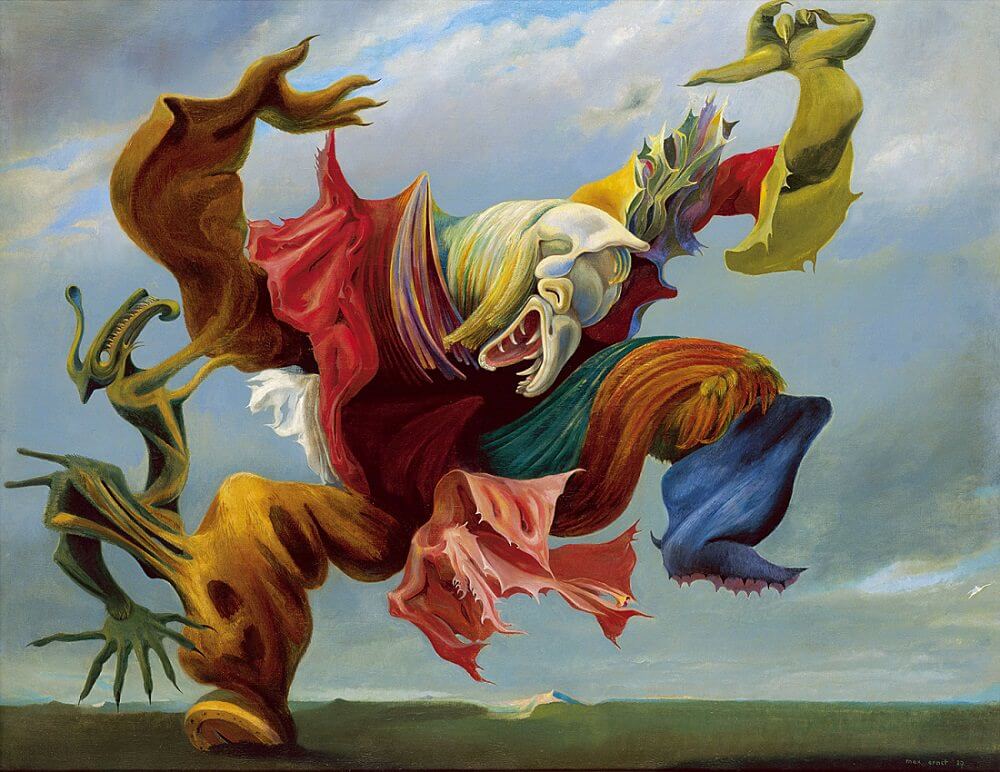
Surrealisme
Hvad var surrealismen? Bretons manifest fra 1924, De Chirico, Dalís bløde ure, Magrittes æbler og piber, Ernst, Miró, Cadavre exquis og eftermælet.
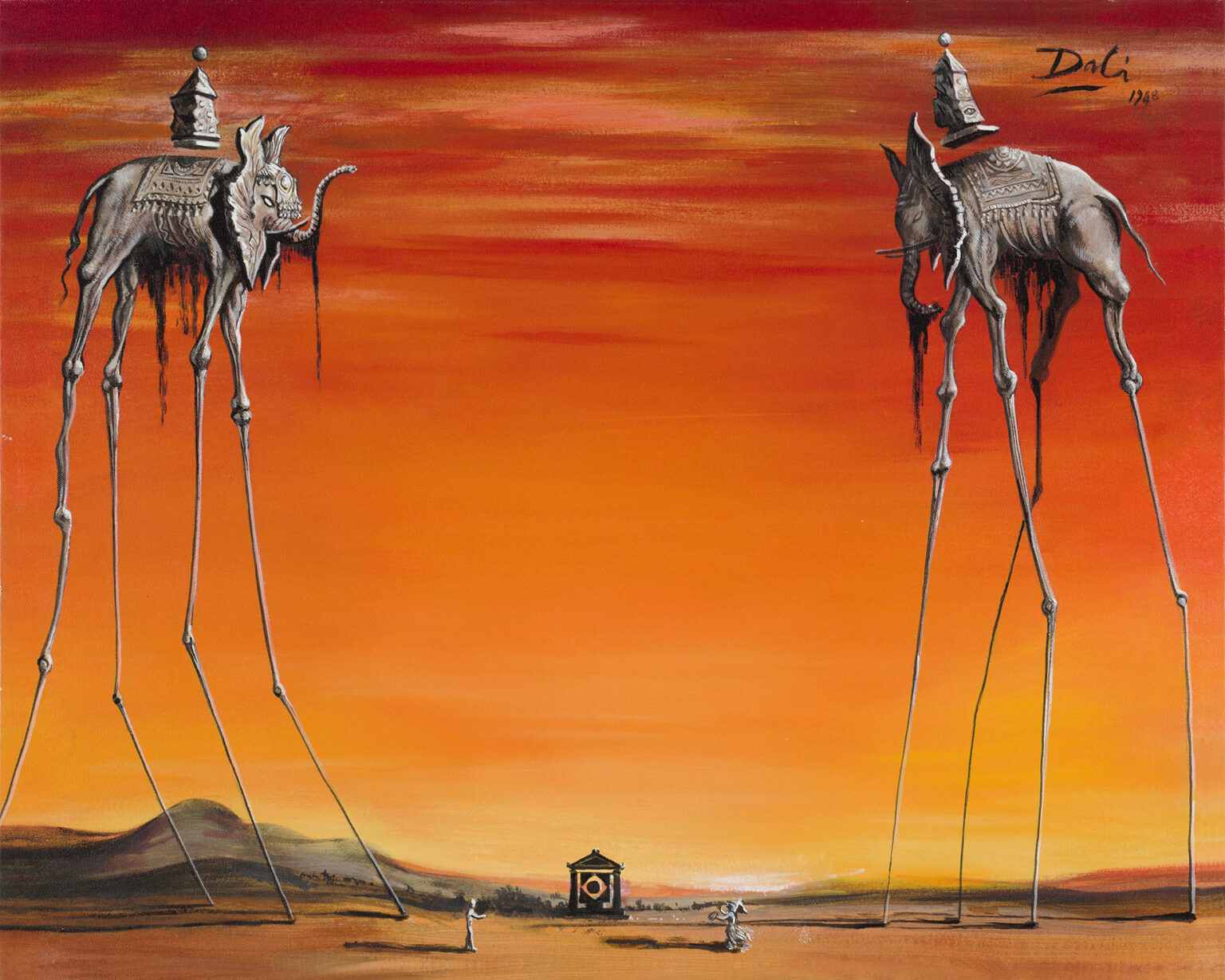
Salvador Dalí
Hvem var Salvador Dalí? Surrealisten bag de smeltende ure i Erindringens vedholdenhed, elefanterne, hummertelefonen og hans museum i Figueres.
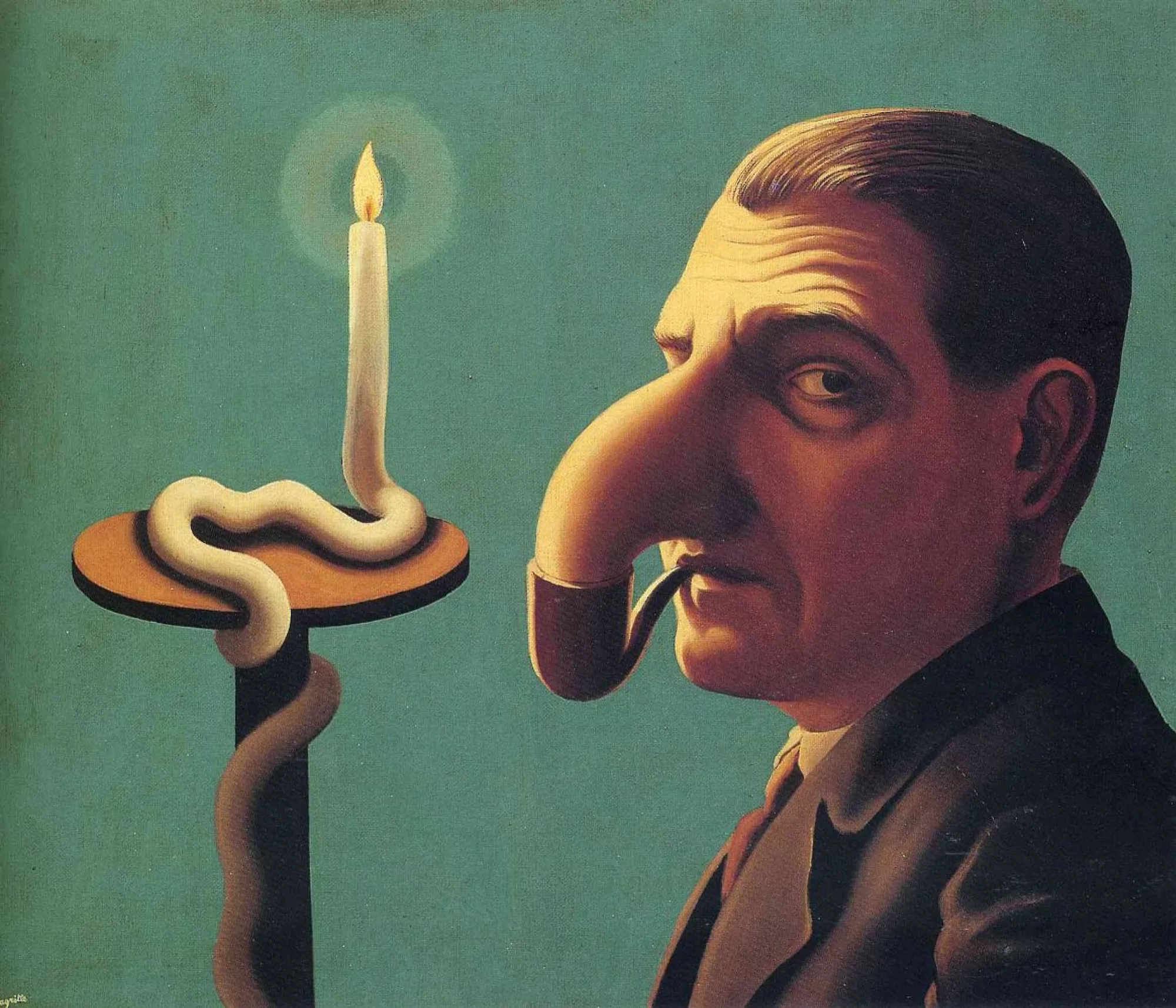
René Magritte
Hvem var René Magritte? Den belgiske surrealist bag Menneskesønnen, Ceci n'est pas une pipe, bowlerhattene og Lysets imperium – og hvad de betyder.
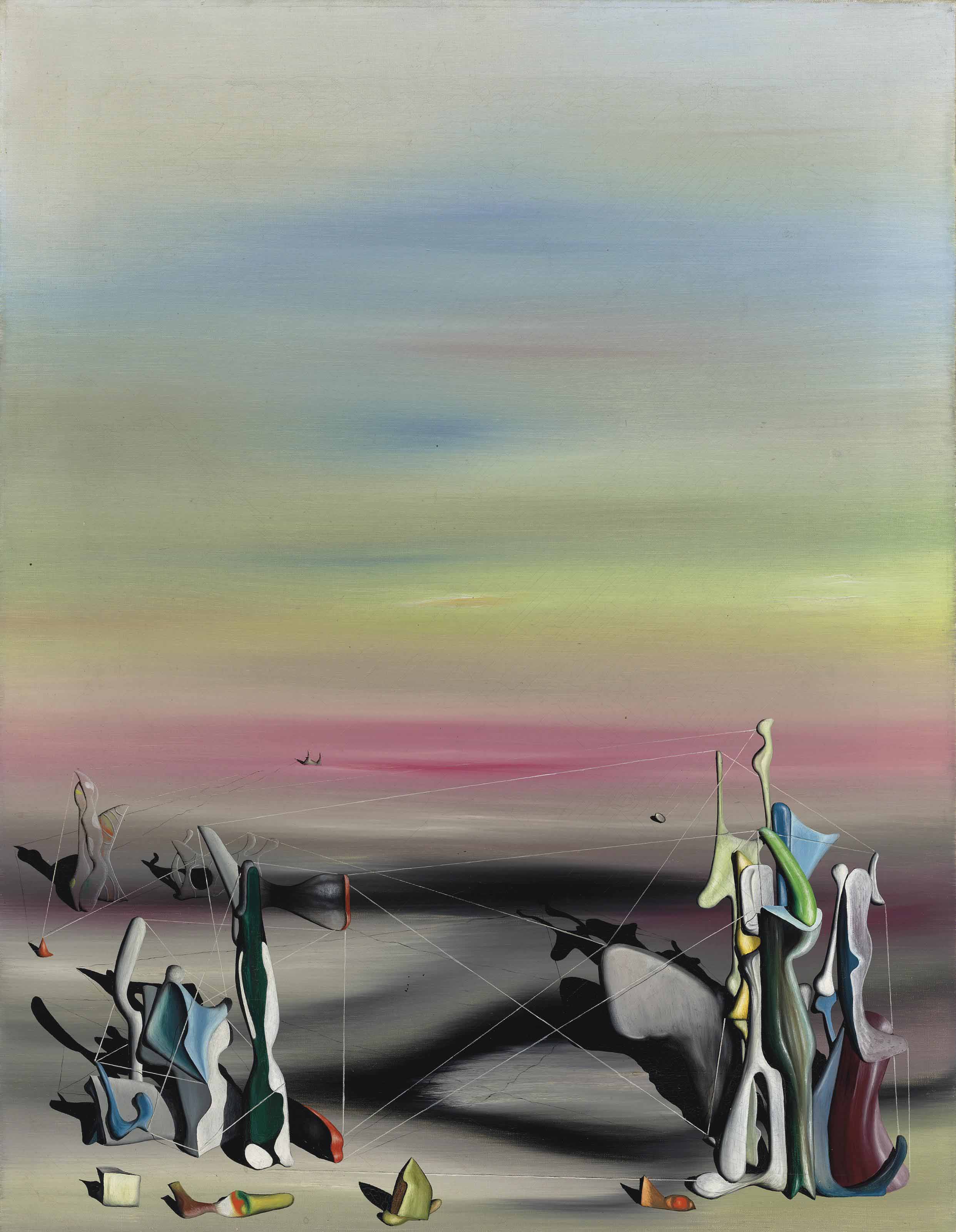
Yves Tanguy
Hvem var Yves Tanguy? Den selvlærte bretonske surrealist: en De Chirico set fra en bus, Mama, Papa is Wounded!, sletter uden horisont, Kay Sage og Amerika.
Op-art: dit foto som optisk illusion
Forvandl et foto til op-art i din browser: Dalís Galatea af kuglerne, Vasarelys Vega, Bridget Rileys bølger, relieflinjer, moiré, spiraler og forvrængede gitre — i dit motiv eller i en form, stillestående eller animeret.
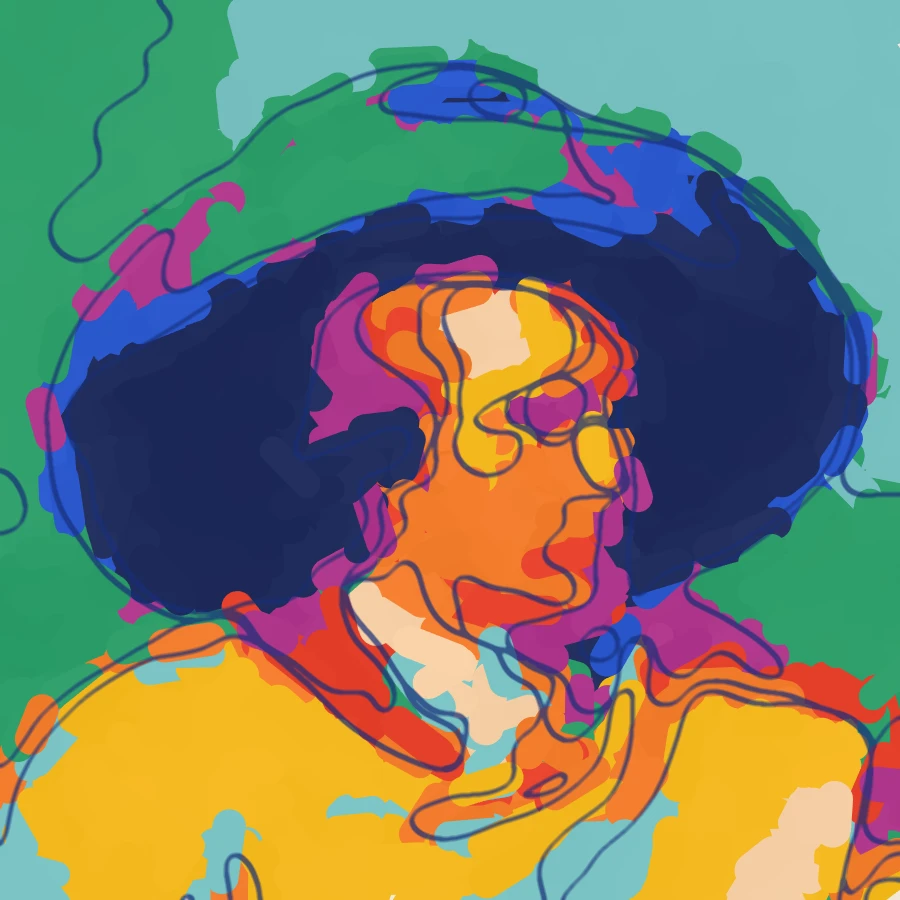
Henri Matisse og fauvismen
Gør et foto til Henri Matisse og fauvismen i browseren: papirklip som Jazz og de Blå nøgne, Harmoni i rødt, en flydende stregtegning eller de vilde fauvistiske farver i Matisses Kvinde med hat, Collioure, Derains London og Vlaminck.
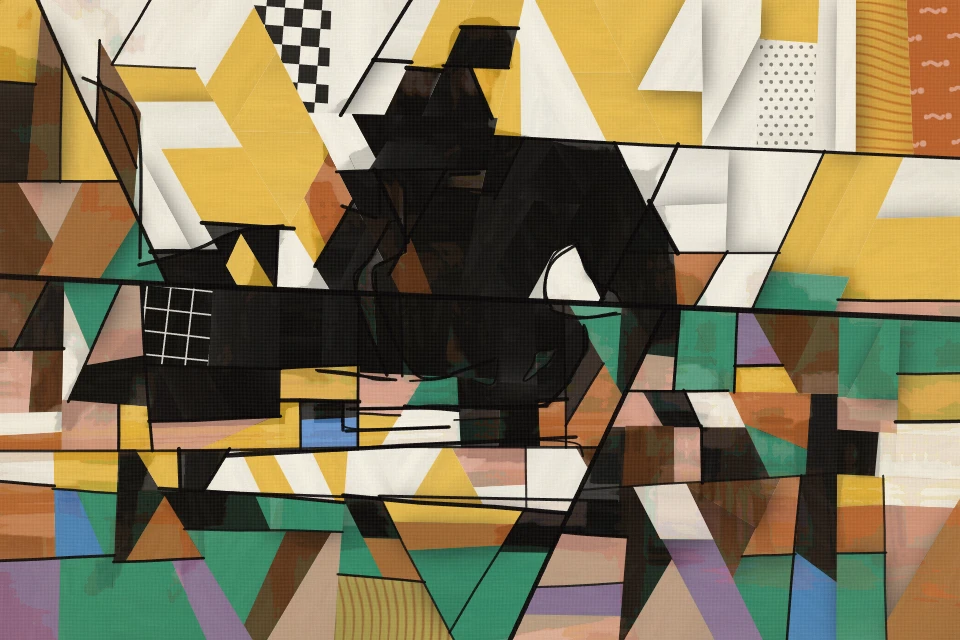
Pablo Picasso og kubismen
Gør et foto til Pablo Picasso og kubismen i browseren: den blå og den rosa periode, analytisk eller syntetisk kubisme, et kubistisk portræt, papier collé, krystalkubisme, de splintrede portrætter af Grædende kvinde eller Guernicas sort-hvide skår.
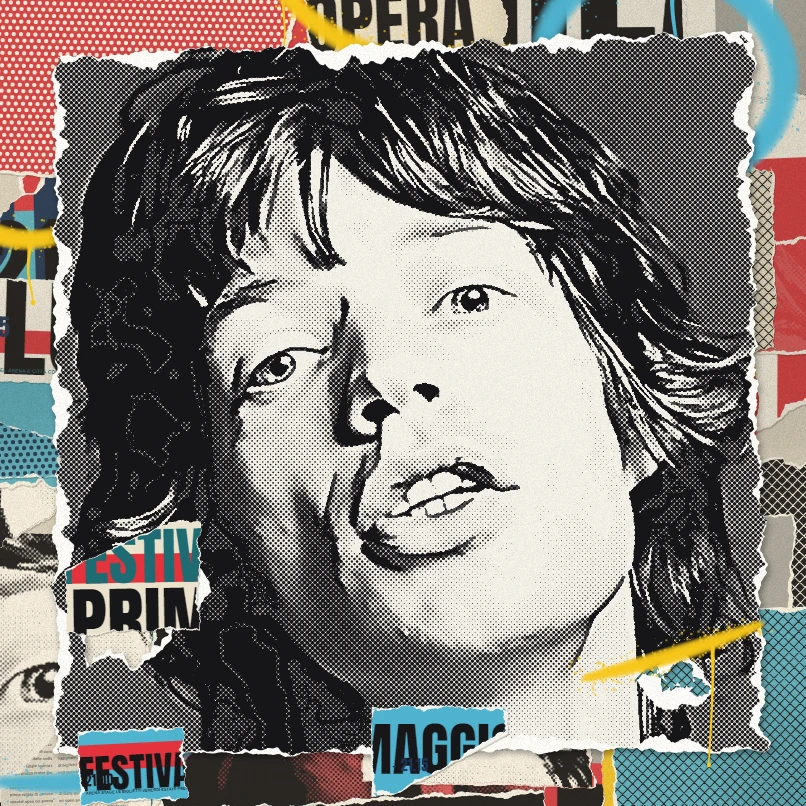
Popkunst-fotofilter
Gør et foto til popkunst i browseren: en popplakat i retrostil, et popmønster, et WPAP-portræt i regnbuefacetter, en gadekollage, blækstænk, bladguld, en silhuet, solstråler eller et gitter af popemblemer.
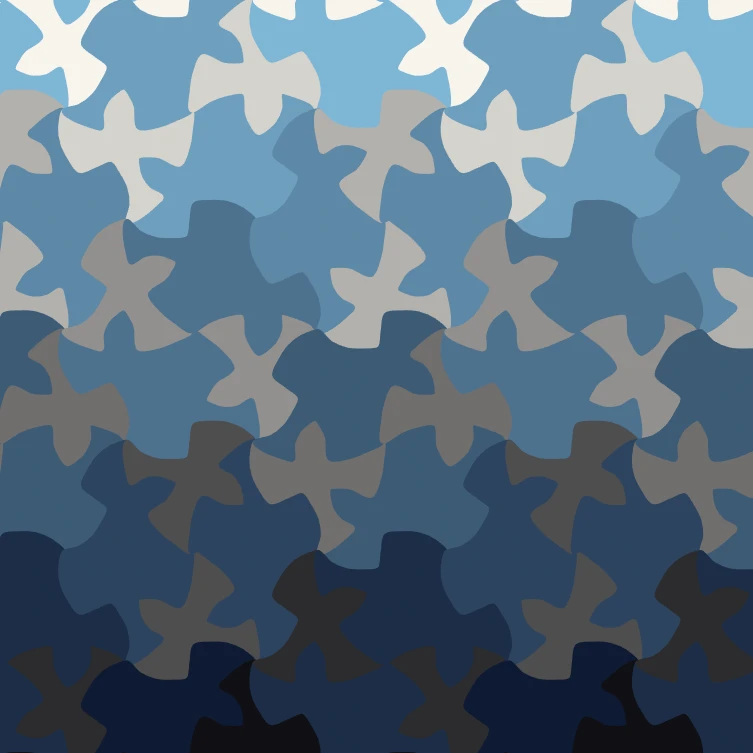
M.C. Escher-tessellationsværktøj
Lav tessellationer i M.C. Escher-stil online: øgler, fugle, fisk, Pegasus og flere, der griber ind i hinanden. Ret motivet, farv det om, gem som PNG eller SVG.
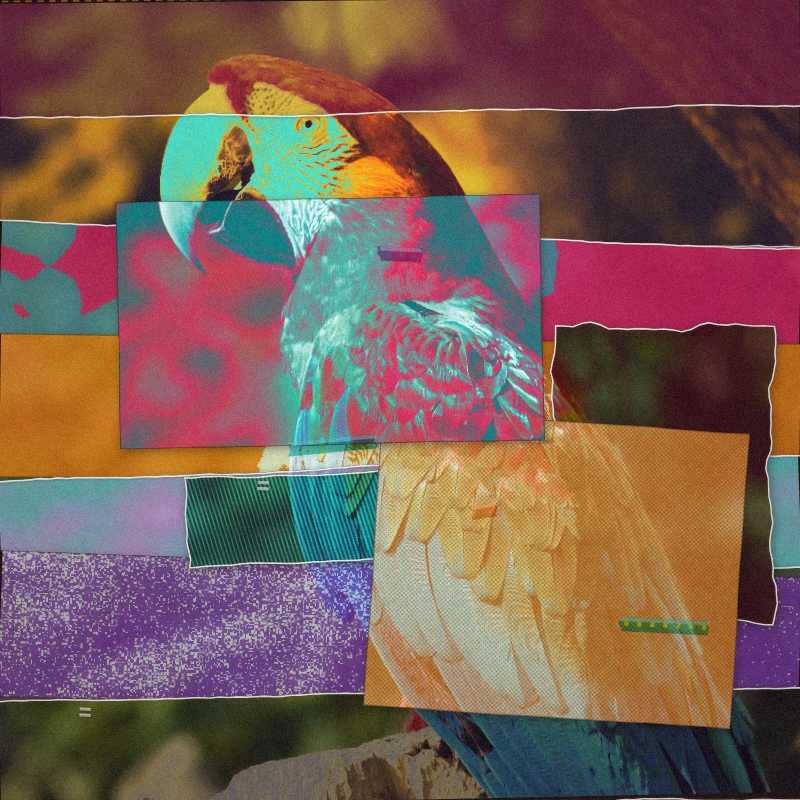
Gør et foto til en mixed-media-collage
Genopbyg et foto som mixed-media-collage i browseren—revne lapper, trykteksturer, tape og xerox.
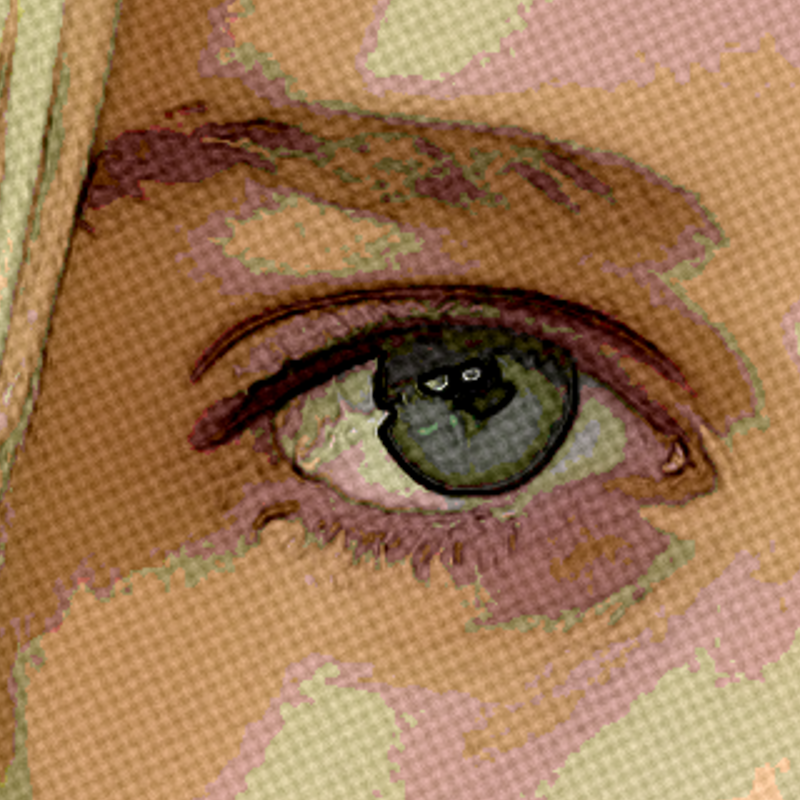
Kunstneriske effekter
Forvandl fotos med oliemaleri, akvarel, blyant, tegneserieblæk, pastel, papirklip og andre kunstneriske studielooks.
Er du klar til at prøve?
Åbn PictorX i din browser – ingen installation og intet kreditkort for at komme i gang.
Gå til Editor