
About Roulette - history, bets and odds
Roulette is the casino game of pure chance: a wheel, a ball and a table of bets. No decision changes the odds of a spin, but the wheel you choose and the bets you make decide how much the house keeps. This page tells where the game comes from, how the bets work and what the numbers say.
Where it comes from
Roulette means little wheel in French, and the game took its form in 18th-century France out of older wheel games such as hoca and even-odd. The first clear description of the modern game is in a French novel from 1796, set at the Palais Royal in Paris, with a wheel that already had a zero and a double zero. The story that the mathematician Blaise Pascal invented it while looking for a perpetual motion machine is a legend.
In 1843 the brothers François and Louis Blanc opened a casino in Bad Homburg, Germany, with a wheel with a single zero, which gave the players better odds than the rival houses and drew the crowds. When gambling was banned in Germany, François Blanc took the game to Monte Carlo, and the single-zero wheel became the standard in Europe. In America the double zero stayed, and some wheels there even added a third pocket for the house.
The wheel
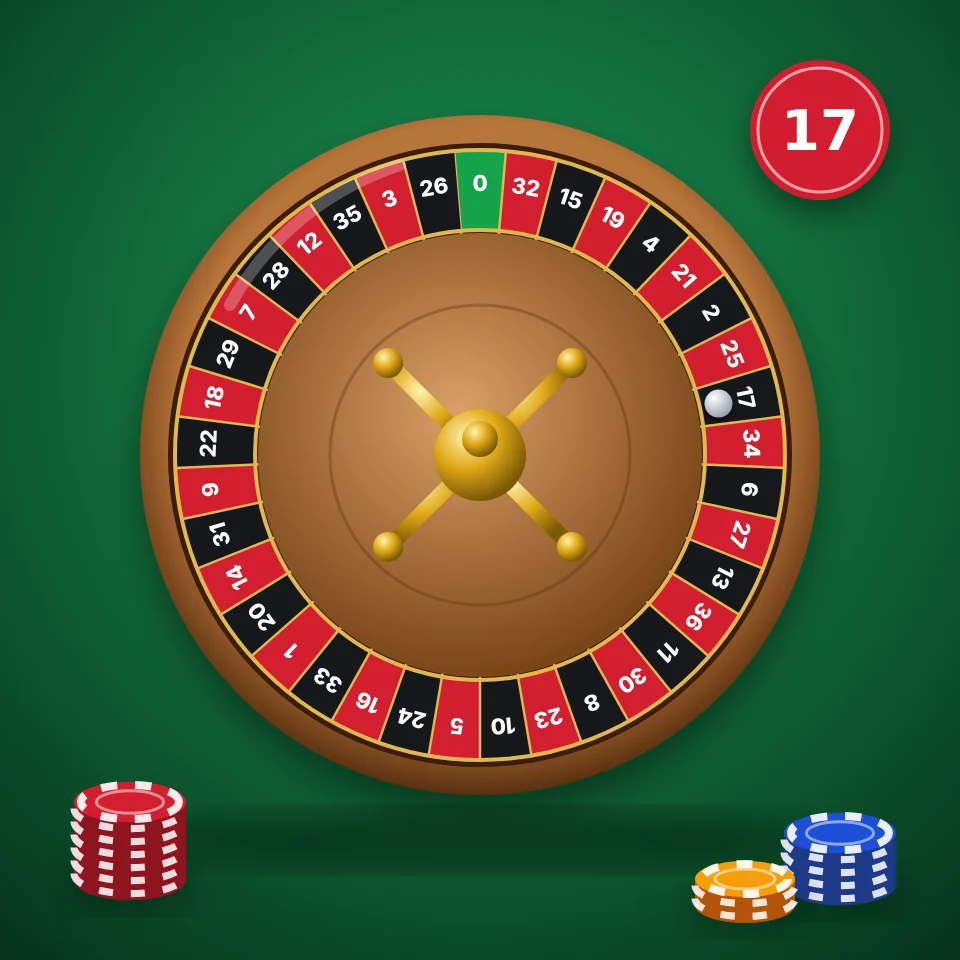
A European wheel has 37 pockets: the numbers 1 to 36, half red and half black, and a green zero. An American wheel has 38, with a second green pocket marked 00. The numbers are not in order around the wheel: they are spread so that red and black alternate and low and high, odd and even numbers are mixed, so no section of the wheel favours an outside bet. The numbers 1 to 36 add up to 666, which has given roulette the nickname of the devil's wheel.
The croupier spins the wheel one way and throws the ball the other way, along the track at the rim. As it slows down, the ball drops off the track, hits the diamonds and the frets between the pockets and bounces until it settles in one of them.
The bets and what they pay
The inside bets go on the numbers. A straight bet on one number pays 35 to 1. A split on the line between two neighbouring numbers pays 17 to 1, a street on the edge of a row of three numbers 11 to 1, a corner where four numbers meet 8 to 1 and a six line across two rows 5 to 1. Next to the zero there are the trio (0, 1, 2 or 0, 2, 3) at 11 to 1 and the first four (0, 1, 2, 3) at 8 to 1; on an American table the top line or basket covers 0, 00, 1, 2 and 3 and pays 6 to 1.
The outside bets go on the boxes around the numbers. A dozen (1 to 12, 13 to 24 or 25 to 36) or a column of twelve numbers pays 2 to 1. Red or black, odd or even, and low (1 to 18) or high (19 to 36) pay even money. The zero is none of these, so all outside bets lose when the ball lands on it.
Where the house edge comes from
Every payout is a little less than fair. On a European wheel a single number comes up once in 37 spins on average, so a fair payout would be 36 to 1; the casino pays 35 to 1. Over 37 spins with one chip on the same number you stake 37 and get back 36, which is a house edge of 1 in 37, or 2.70%. The payouts are worked out so that nearly every bet has that same edge: a split covers two numbers and pays 17 to 1, and so on.
On an American wheel there are 38 pockets for the same payouts, so the edge is 2 in 38, or 5.26%, almost twice as much. The top line on 0, 00, 1, 2 and 3 is the worst bet on the table, at 7.89%.
La partage and en prison
French roulette softens the zero for the even-money bets. Under la partage, when the ball lands on zero, you get half of your bet on red, black, odd, even, low or high back. Under en prison, the bet stays on the table for one more spin instead, and you get it back if it wins then. Both rules halve the house edge on those bets to 1.35%, the best odds you will find at a roulette table. They do not change the inside bets or the dozens and columns.
Betting systems and the gambler's fallacy
The best known system is the Martingale: bet on red, double the bet after every loss, and the first win brings back all losses plus one chip. It wins often but small, and when a long losing run comes, the doubled bets grow beyond your chips or the table limit and you lose everything at once. Other systems such as d'Alembert, Labouchère and Fibonacci only change the size of the bets; no system changes the edge, because every bet on its own has the same edge.
The wheel has no memory. On 18 August 1913 black came up 26 times in a row at the Monte Carlo casino, and players lost fortunes betting on red because red seemed due. The chance of red on the next spin was the same as on every other spin. That mistake is called the gambler's fallacy, or the Monte Carlo fallacy.
Playing on PictorX
Open Roulette, pick a chip and click the table. The numbers a bet covers light up under the pointer, with what it pays, so you can learn the layout as you play. Choose the European, French or American wheel to see the difference the zeros make, press Spin and watch the ball drop. The last numbers, the share of red, black and zero and the hot and cold numbers stand next to the wheel. Your play chips are kept in your browser, and every result is drawn with your browser's cryptographic random number generator.
Frequently asked questions
What is the best bet in roulette?
On a French wheel, the even-money bets (red, black, odd, even, low, high) with la partage, at a house edge of 1.35%. Otherwise all bets on a European wheel have the same edge of 2.70%, so the choice is only about how often you want to win and how much.
What is the difference between European and American roulette?
The American wheel has a second zero, 00, so it has 38 pockets instead of 37 but pays the same. That raises the house edge from 2.70% to 5.26%. The numbers are also in another order around the wheel.
Can you predict where the ball will land?
Not on a fair wheel. Past numbers do not influence the next spin, and hot or cold numbers are just chance. In the past some players did find worn or tilted wheels with a bias, which is why casinos check and balance their wheels regularly.
Why is the zero green?
Because it is neither red nor black, neither odd nor even, and neither low nor high. It belongs to none of the outside bets, and that is where the house's edge comes from.
Related tools
Roulette
Play roulette free in your browser: bet on numbers, splits, corners, streets, dozens, columns or red and black, and spin a European, French or American wheel. Play chips only, kept between visits.
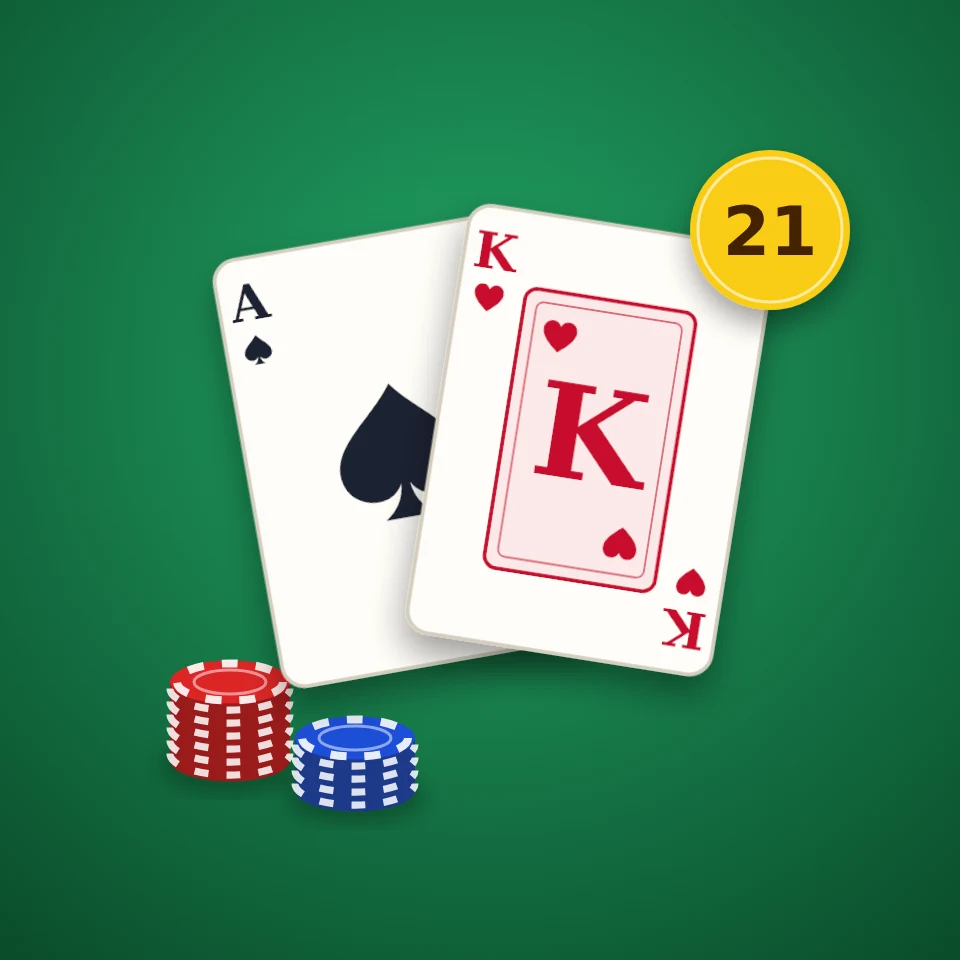
About Blackjack - history, rules and strategy
Where blackjack comes from, how a round works, what soft hands and the dealer's rules mean, why 6:5 and insurance are poor deals, and how basic strategy cuts the house edge.
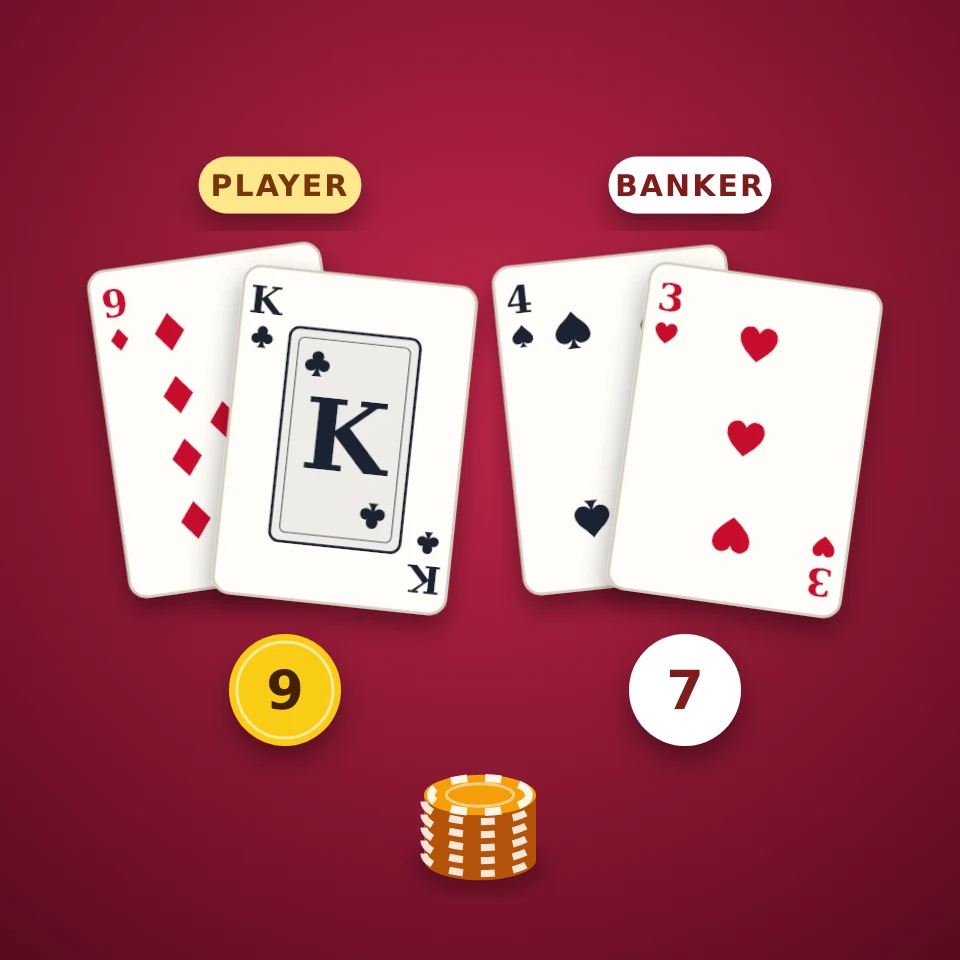
About Baccarat - history, rules and odds
Where baccarat comes from, how the cards count, when Player and Banker draw a third card, why Banker pays commission, what the roads are, and the house edge of every bet.
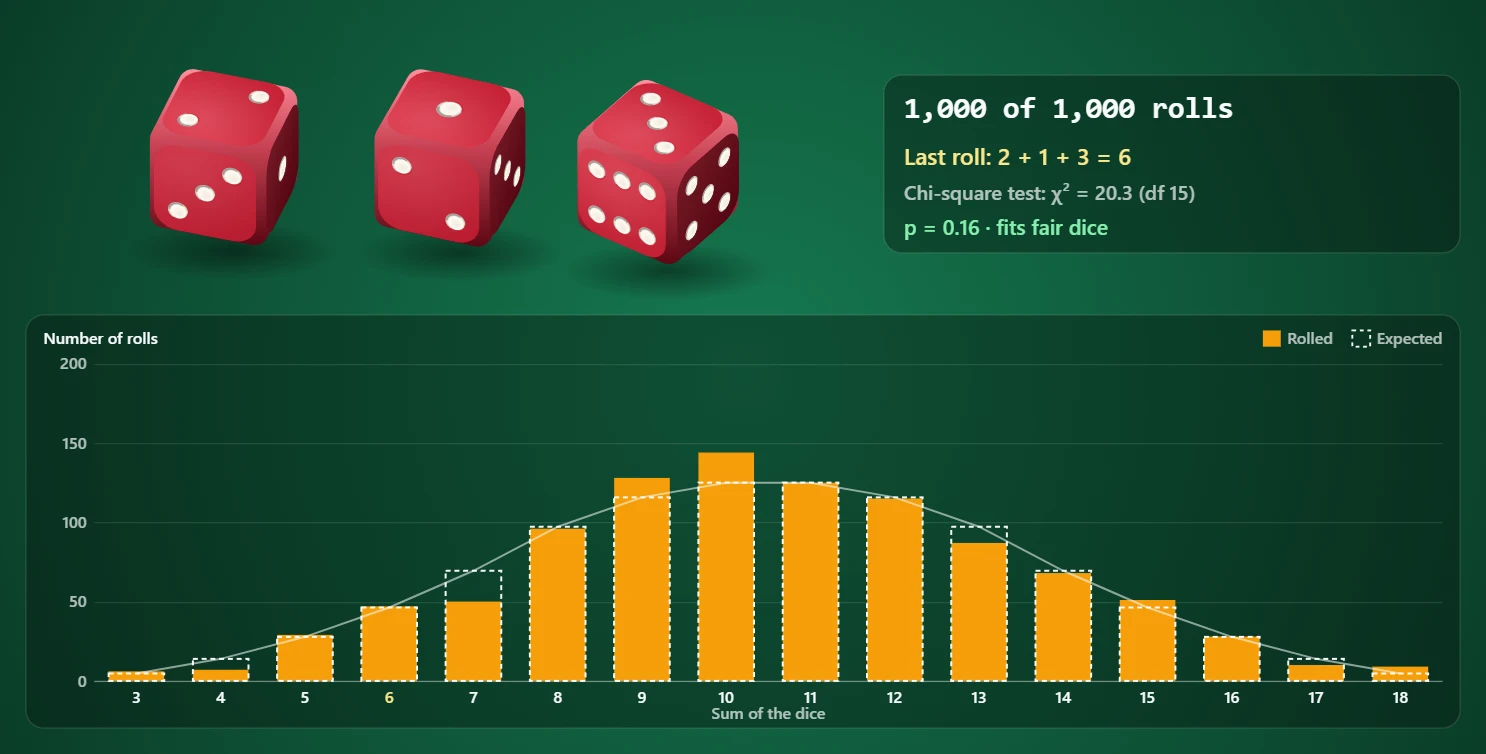
Dice probability
What are the odds when rolling dice? Each face's 1/6 chance, the ways to roll each sum, expected vs observed results, the bell curve and a chi-square test.
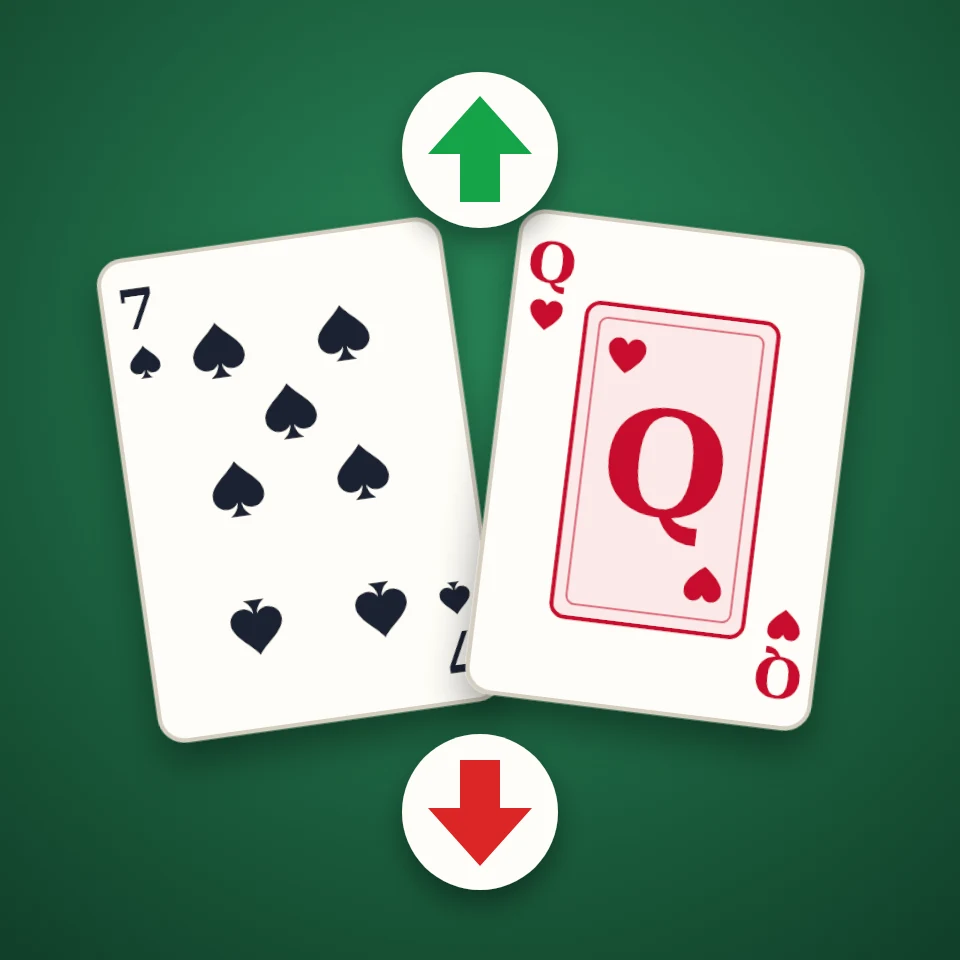
How Higher or Lower works
How the card game Higher or Lower works: the rules, its place in TV game shows, the chance behind every guess, how counting the cards left changes the odds, and the best simple strategy.
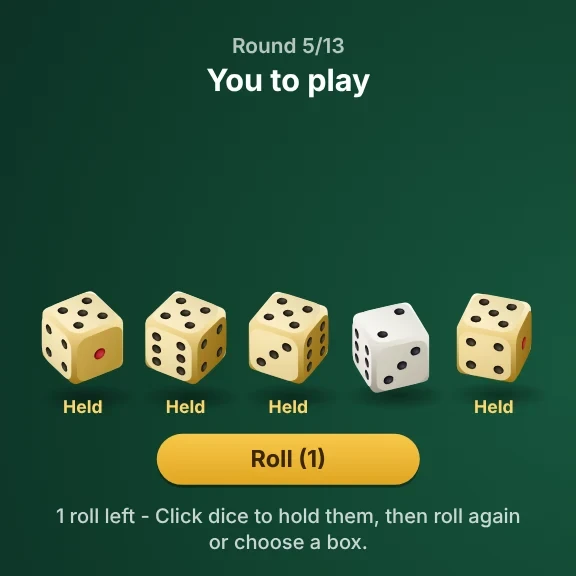
About Yahtzee - the dice game of luck and choices
How do you play Yahtzee? Five dice and three rolls, the 13 boxes, the upper bonus, Yahtzee bonuses, the Joker rules and strategy tips to raise your score.
Ready to try it?
Open PictorX in your browser — no install, no credit card required to start.
Play Roulette