
About spot the difference - history, tips and the science of looking
Spot the difference is one of the simplest puzzles there is, yet it still catches out sharp eyes. A little history, why changes are so easy to miss and how to search like a pro.

From newspapers to screens
Picture puzzles with small changes appeared in newspapers and children's magazines in the early 20th century, and Japanese 'machigai sagashi' books made them hugely popular. Arcade and pub touch-screen games brought them to a new crowd in the 1990s.
Why we miss changes
Our eyes only see fine detail in a small spot and the brain fills in the rest. Psychologists call the effect change blindness: if a change does not catch your attention, you can look straight at it without noticing.
How to search faster
Split each picture into a grid and compare one square at a time instead of darting about. Look at edges and outlines first, then colours and counts: three birds or four? Flicking quickly between the two pictures also helps the odd one out jump out.
Frequently asked questions
How are the differences made here?
A program paints a scene from simple shapes, copies it and changes a few things on the copy: a colour, a size, a position, a mirror image or something removed or added.
Is spot the difference good for the brain?
It trains attention, visual memory and patience, and it is a calm, satisfying break.
What is the hardest kind of difference?
Usually a small change in colour or a missing detail in a busy area. Moves and size changes are often easier once you compare outlines.
Related tools
Spot the Difference
Play spot the difference free online: freshly generated pictures every game, 5 to 10 differences, hints, a timer and your own photos. No sign-up.
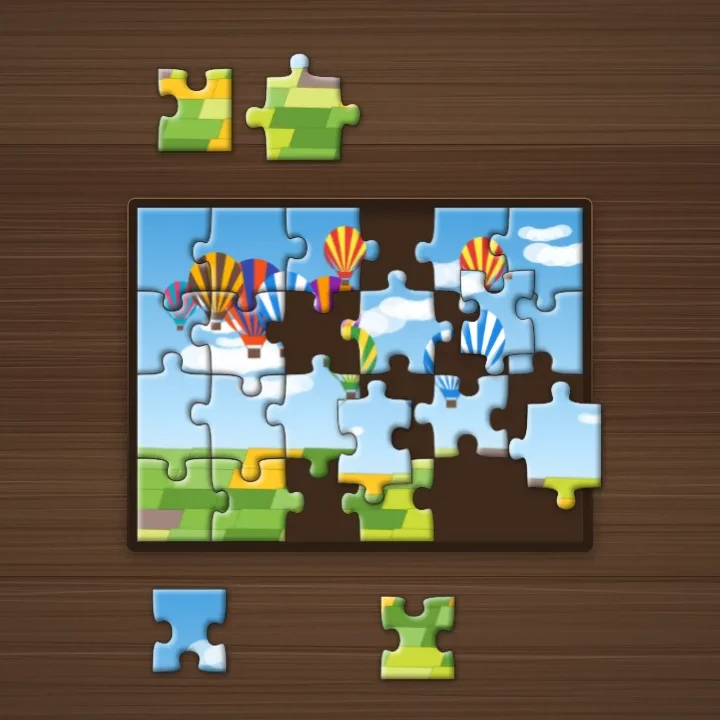
Jigsaw Puzzle
Play jigsaw puzzles free online: built-in pictures or your own photo, 12 to 300 curved pieces, snapping, an edge filter and a preview. No sign-up.
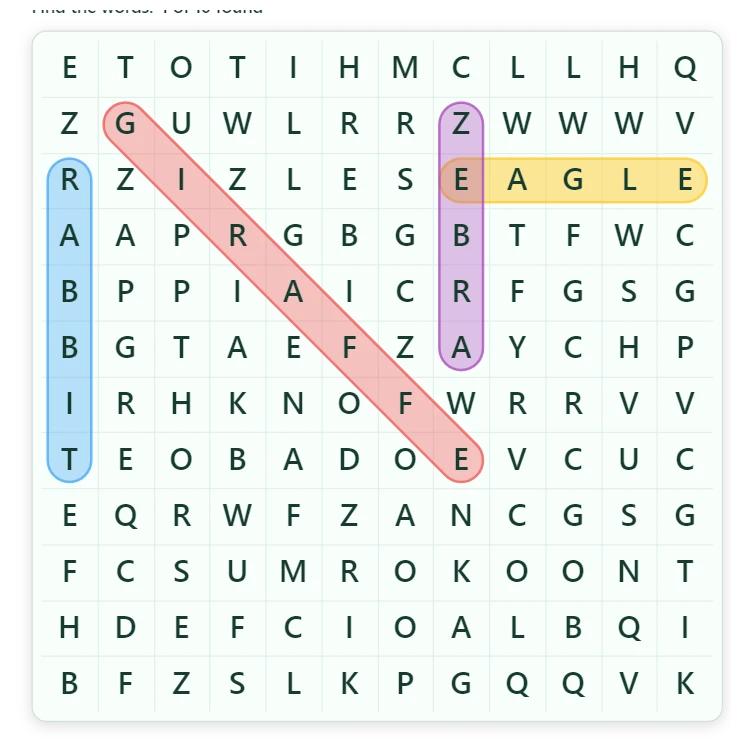
Word Search
Play word search online for free: themed word lists in your language, 10x10 to 15x15 grids, words in up to eight directions and a timer. No sign-up.
Ready to try it?
Open PictorX in your browser — no install, no credit card required to start.
Play spot the difference