
Heart and blood circulation
Your heart beats about 100,000 times a day and pumps some 7,000 litres of blood round two circuits: the right heart sends oxygen-poor blood through the lungs, the left heart sends oxygen-rich blood round the body. Here a heart beats in front of you with its four chambers and four valves, blood cells flow round both loops, and an ECG and the pressures of every beat show what happens and when. Change the heart rate or go for a run, and watch the stroke volume, the cardiac output and the blood pressure respond as they do in a real body. The heart beats before your eyes. Press Play to watch it, Next phase and Previous phase to step through the beat, Reset to start again; drag across the pressure chart to scrub through one beat. Pick a state, from sleep to a sprint, heart failure or blood loss, or set the heart rate, the exercise, the heart's contractility, the vessels' resistance and the blood volume yourself, and watch the stroke volume, the cardiac output and the blood pressure follow. Switch Sound on to hear the lub-dub of the valves; Record films it with the sound. Choose between the pressures over a beat (a Wiggers diagram) and the pressure-volume loop, of the left or the right heart.
How it works
- Press Play and watch a beat: the atria contract, the ventricles squeeze with all four valves shut, blood is ejected into the aorta and the pulmonary artery, the valves snap shut and the ventricles fill again. Step through the phases or drag across the pressure chart.
- Switch Sound on to hear the lub of the mitral and tricuspid valves and the dub of the aortic and pulmonary valves, in slow motion or in real time; Record films it with the sound.
- Pick a state, from sleep to a sprint, heart failure, high blood pressure or blood loss, or set the heart rate, exercise, contractility, vessel resistance and blood volume yourself, and read the stroke volume, the cardiac output and the blood pressure in the tiles.
- Follow the blood cells round the lungs and the body, see how much of the blood each organ gets, switch the chart to the pressure-volume loop or to the right heart, and save the picture or open it in the editor with every part on a layer of its own.
Two circuits, one pump
The heart is two pumps side by side. The right atrium collects oxygen-poor blood from the body through the venae cavae, and the right ventricle pumps it through the pulmonary artery into the lungs, where it gives off carbon dioxide and takes up oxygen. The oxygen-rich blood returns through the pulmonary veins to the left atrium, and the left ventricle, with a wall about three times as thick as the right one's, pumps it through the aorta to every organ. William Harvey showed in 1628 that the blood goes round this double loop again and again.
The cardiac cycle
Each beat starts with an electrical impulse from the sinoatrial node, which shows on the ECG as the P wave; the atria contract and top up the ventricles. The impulse reaches the ventricles (the QRS complex) and they contract: the tricuspid and mitral valves shut, the pressure rises with all four valves closed, then the aortic and pulmonary valves open and blood is ejected. As the ventricles relax after the T wave the pressure falls, the aortic and pulmonary valves shut, and once it drops below the pressure in the atria the tricuspid and mitral valves open and the ventricles fill again. At rest, systole takes about a third of a beat and diastole two thirds.
Lub-dub: the heart sounds
What a stethoscope hears is the valves closing. The first sound, S1 or lub, is the mitral and tricuspid valves snapping shut as the ventricles start to contract; the second, S2 or dub, shorter and higher, is the aortic and pulmonary valves closing as the ventricles relax. The pulmonary valve shuts a few hundredths of a second after the aortic one, which splits S2 slightly, more so when breathing in. Extra sounds and murmurs, the whoosh of blood through a narrowed or leaking valve, tell doctors when something is wrong.
Stroke volume, cardiac output and blood pressure
With each beat the left ventricle ejects its stroke volume, about 70 to 80 mL at rest, some 55 to 65 % of the blood it held (the ejection fraction). Stroke volume times heart rate is the cardiac output, about 5 litres a minute at rest and 20 or more in hard exercise, when the heart beats faster, contracts harder and fills better while the arterioles of the working muscles open wide. Blood pressure is the pressure in the arteries: about 120 mmHg at the peak of each beat (systolic) and 80 between beats (diastolic).
Frequently asked questions
What are systole and diastole?
Systole is the part of the beat in which the ventricles contract, from the closing of the mitral and tricuspid valves to the closing of the aortic and pulmonary valves. Diastole is the rest of the beat, in which they relax and fill. The atria have their own systole just before the ventricles'. At 70 beats a minute systole lasts about 0.3 seconds and diastole about 0.55; when the heart beats faster, diastole shortens much more than systole, which is why a very fast heart fills poorly.
Why does the heart go lub-dub?
The sounds come from the valves closing, not opening. Lub, the first heart sound, is the mitral and tricuspid valves shutting as the ventricles begin to contract; dub, the second, is the aortic and pulmonary valves shutting at the end of ejection. Switch Sound on to hear them: they come at the moments the chart marks S1 and S2, and the monitor draws them under the ECG.
What does an ECG show?
The electrical activity of the heart, picked up from the skin. The P wave is the impulse spreading over the atria, the QRS complex the much larger ventricles being activated, and the T wave the ventricles recovering. The muscle follows each electrical event a few hundredths of a second later: the ventricles start to contract just after the QRS and relax around the end of the T wave.
Is blood without oxygen blue?
No. Blood is always red: bright red when its haemoglobin carries oxygen, dark red when it has given much of it away. Veins look blue through the skin because red light goes deeper into the skin and is absorbed by the blood in them, so less red comes back from where they lie. Diagrams colour oxygen-poor blood blue by convention, and so does this one; its blue darkens when the muscles take more oxygen out of the blood in exercise.
What is cardiac output and how does exercise change it?
Cardiac output is the volume of blood the heart pumps each minute: heart rate times stroke volume, about 70 × 75 mL, or 5 litres a minute, at rest. In exercise the sympathetic nerves speed up the heart and make it contract harder, the muscle pump and tighter veins send more blood back, and the arterioles of the working muscles open, so the output rises three- or fourfold and up to four fifths of it goes to the muscles. Try Running or Sprint and watch the muscles' share in the picture.
Can I use the picture?
Yes. Save gives a PNG at the size you choose, and the pencil opens the picture in the PictorX photo editor with the lung loop, the body loop, the heart, the valves, the blood cells, the labels, the ECG and the chart on layers of their own and the phase's name and description as editable text. In the editor itself it is under Apps ▸ Science ▸ Biology ▸ Heart and Circulation, where you pick the state and the moment of the beat. Everything runs in your browser.
Heart and Blood Circulation: how do I record a video?
Press the red Record button in the playback bar: it films what the stage shows. Press it again to stop, and the video is saved to your device. Recording is free; you only need to sign in. Without a subscription the video carries a small PictorX logo in a corner. The button beside Record opens the video options: the shape (as shown, square, story 9:16 or wide 16:9), the length (until you stop, or 5, 10, 15 or 30 seconds for social media) and the file: MP4, WebM or an animated GIF. For the sound, choose the app's own sounds or one of three music tracks: calm, bright or beat.
Related tools
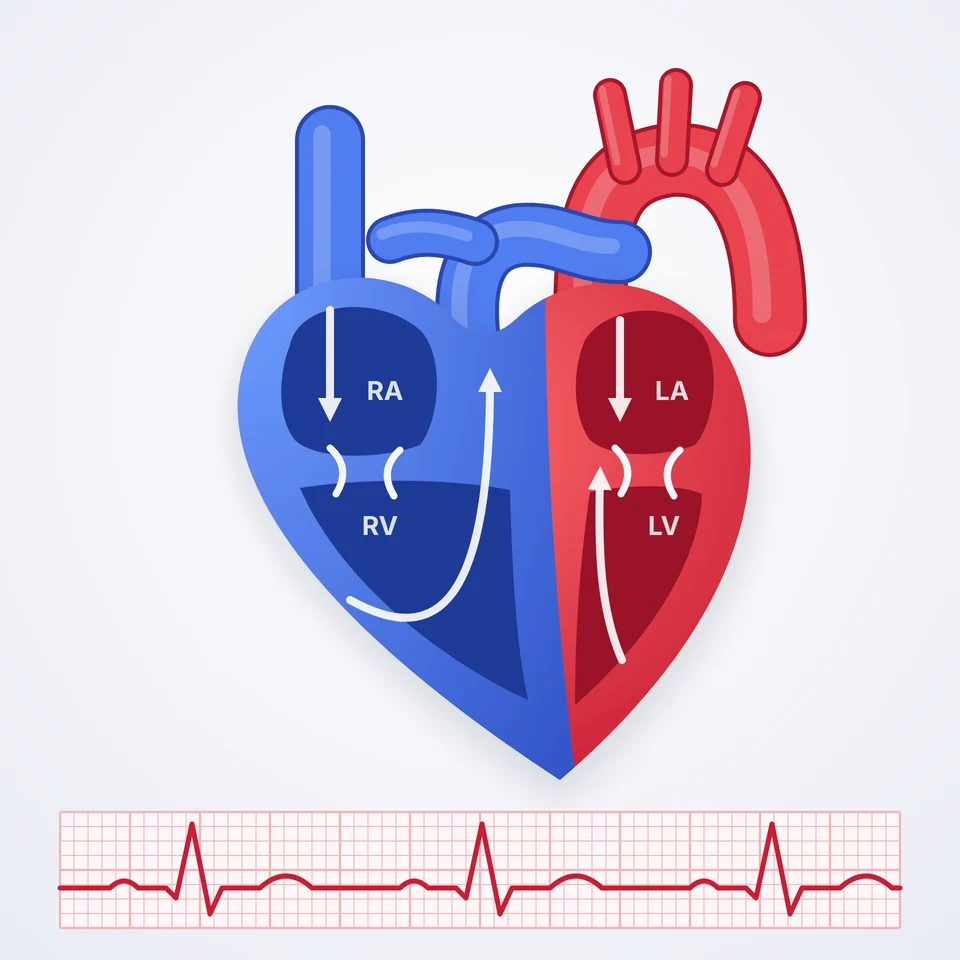
The heart and circulation explained
How the heart and circulation work: the four chambers and valves, the pulmonary and systemic circuits, the cardiac cycle and the Wiggers diagram, the pressure-volume loop, the ECG, stroke volume and cardiac output, blood pressure, exercise and heart failure, and Harvey's discovery.
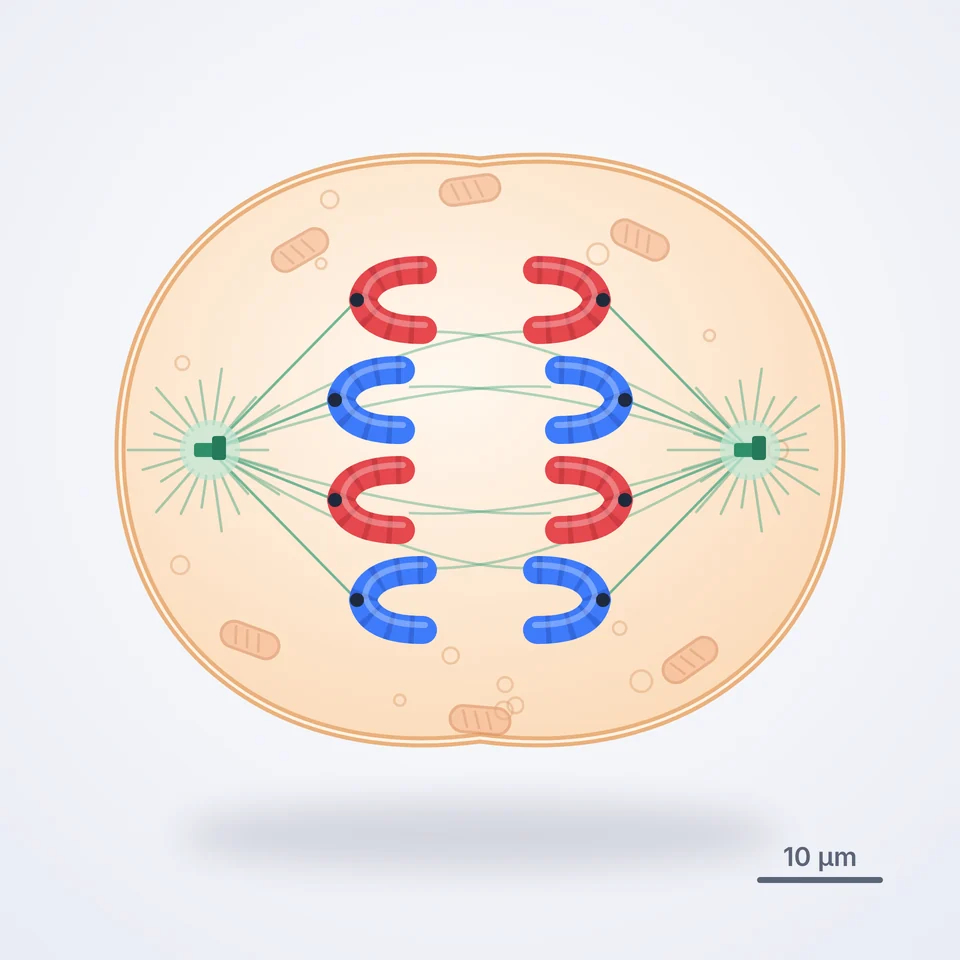
Cell division: mitosis and meiosis
Watch mitosis and meiosis phase by phase: interphase, prophase, metaphase, anaphase, telophase and cytokinesis, with real chromosomes, the spindle, crossing over and nondisjunction. Play, step or scrub through every phase and save the picture.
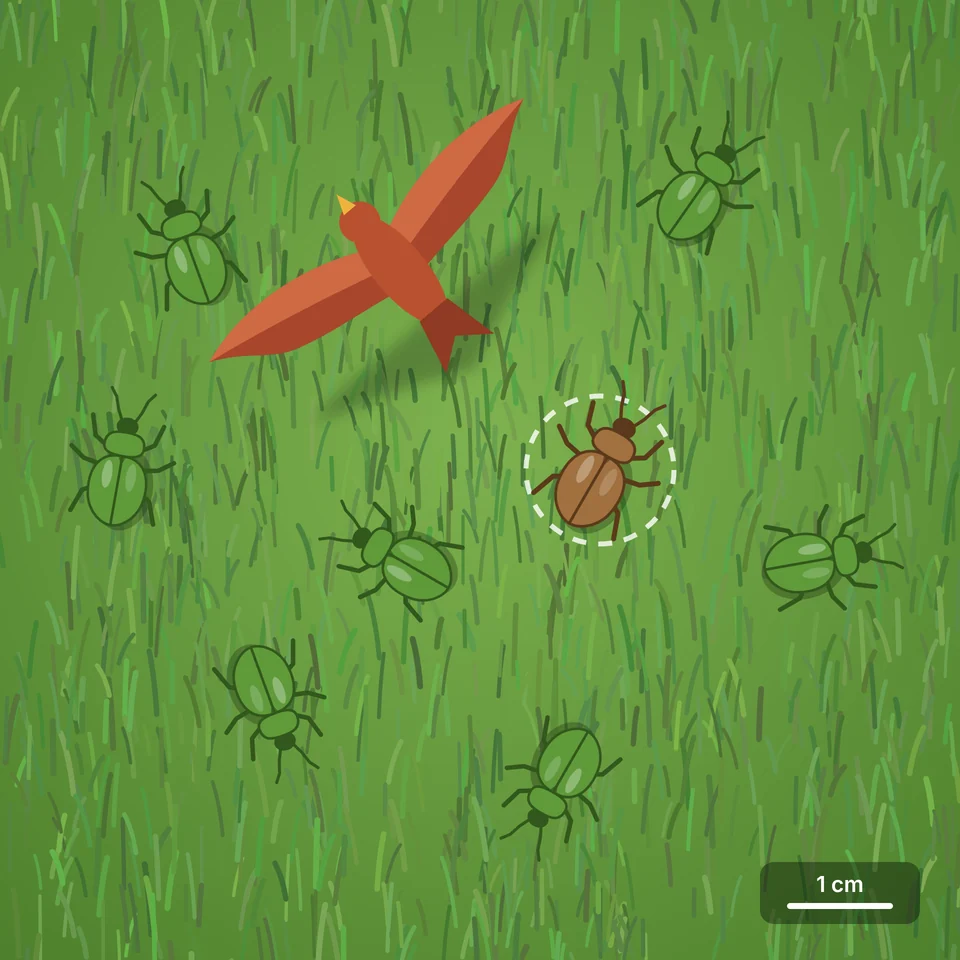
Natural selection simulator
Watch evolution by natural selection: birds catch the beetles that stand out, food is limited, and the young inherit colour, size and speed with mutations. Replay the peppered moth and the beach mice, change the habitat during a run and see genetic drift.
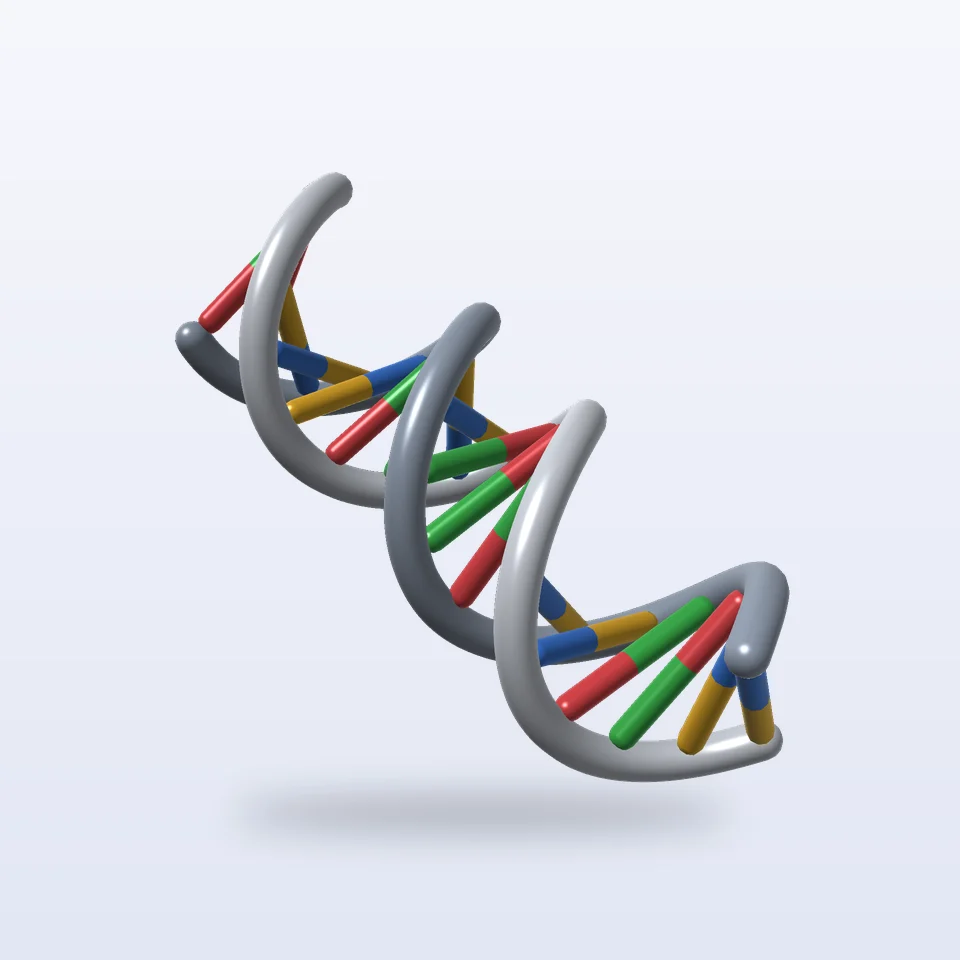
DNA double helix
Type a DNA sequence and turn it as a double helix in 3D: the complementary strand fills in by base pairing, A with T and G with C. Compare B-, A- and Z-DNA, unzip the helix like a replication fork, and read the GC content, length and melting temperature.
Ready to try it?
Open PictorX in your browser — no install, no credit card required to start.
Go to Editor