
Målningspendlar
En målningspendel (Blackburn-pendel) ritar Lissajous-kurvor med sand eller färg. Utforska två harmoniska oscillatorer, rationella frekvensförhållanden och dämpning—rita dem sedan i PictorX.
Vad är en målningspendel?
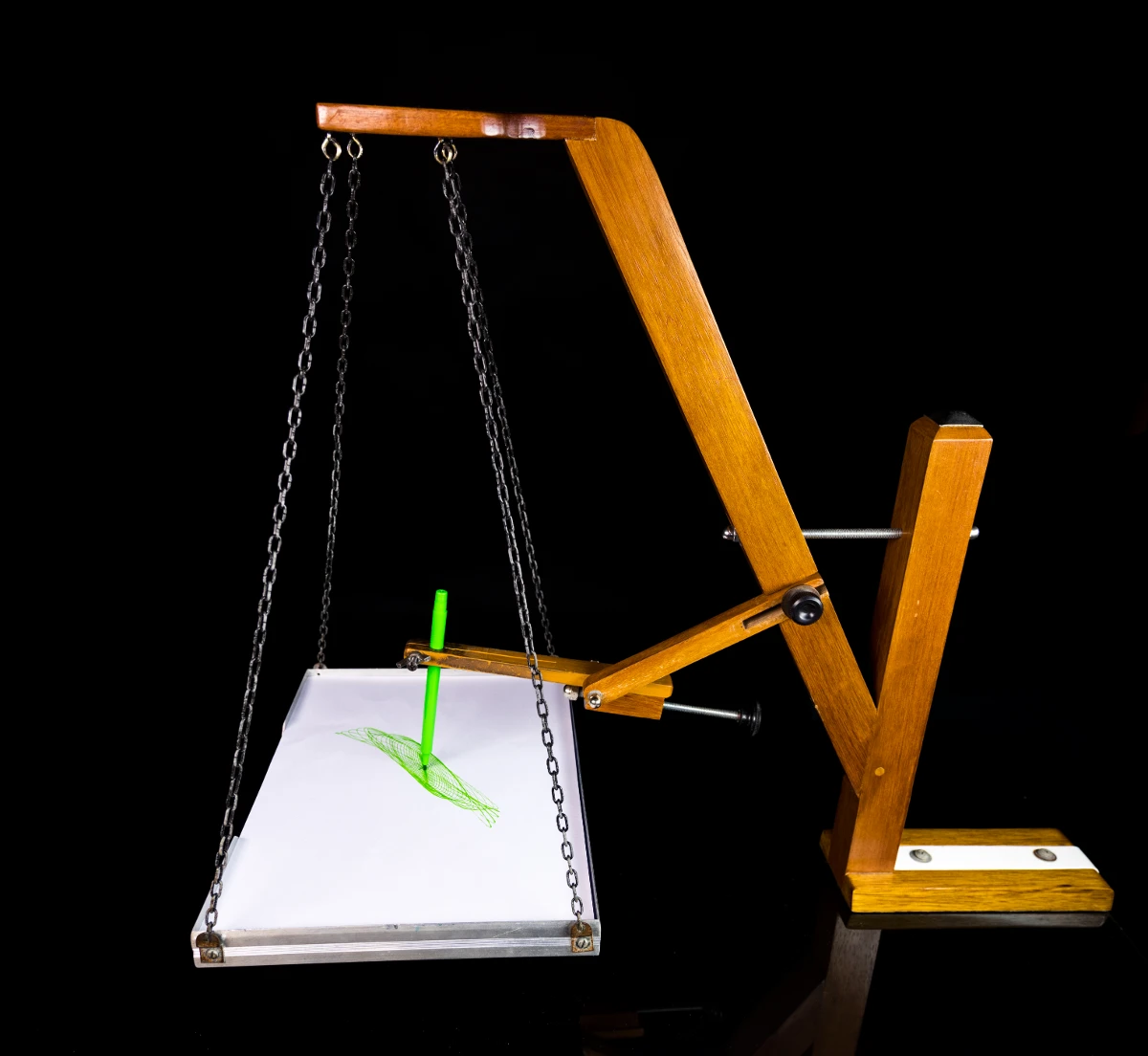
A painting pendulum—also called a Blackburn pendulum—is a mass suspended so it can swing freely in two horizontal directions. When the bob carries sand, ink, or paint, its path leaves a curve on paper or canvas. The Dutch name schilderpendel (“painting pendulum”) captures the idea: the swing itself becomes the brush.
Harmonisk svängning
Along one axis a free pendulum behaves like a simple harmonic oscillator: x(t) = A cos(ωt + φ). Amplitude A sets the swing size, angular frequency ω how fast it oscillates, and phase φ where the motion starts. Ideal SHM ignores friction, so the bob would swing forever at constant amplitude.
Y-upphängning och två frekvenser
Blackburn’s arrangement uses a Y-shaped (or V-shaped) suspension: the string splits so the effective lengths for east–west and north–south motion differ. Different lengths mean different restoring rates, so ωx ≠ ωy. The bob therefore combines two perpendicular oscillators at once.
Lissajous-figurer
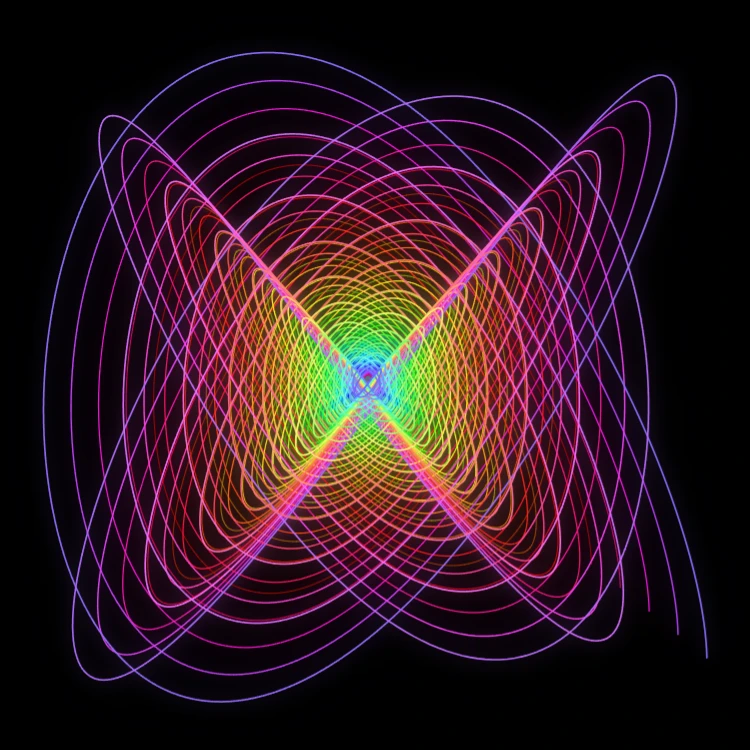
The plane curve (x(t), y(t)) from two sinusoids is a Lissajous figure. When the frequency ratio ωx:ωy is a simple rational number, the path closes into a neat pattern. Irrational ratios never close and densely fill a region. Phase difference turns a 1:1 ratio from a line into an ellipse or circle.
Frekvensförhållanden i korthet
1:1 yields a line, ellipse, or circle depending on phase. 1:2 draws a figure-eight (lemniscate-like) family. 2:3 and 3:4 weave denser nets and mandala-like lattices. Those ratios are the classics of both classroom demos and sand pendulums.
Dämpning och spiraleffekten
Real pendulums lose energy. Multiplying each axis by e^(−kt) shrinks the amplitude over time, so loops spiral inward—the familiar “painting pendulum” look on paper. Larger k settles faster; tiny k lets many revolutions paint before the bob rests.
Prova Painting Pendulum i PictorX
Open /painting-pendulum to paint damped Lissajous curves in your browser. Pick a ratio, tune amplitudes, phases, and damping, animate the trail, and save a PNG. Nothing is uploaded. Pair it with Spirograph or Fractal Generator for more geometric play.
Ofta ställda frågor
What is a Blackburn pendulum?
A pendulum suspended so it can swing in two perpendicular directions with different effective lengths (often via a Y-shaped support). The combined motion traces Lissajous curves; with sand or paint it becomes a painting pendulum.
How do Lissajous figures relate to pendulums?
Each horizontal axis acts as a harmonic oscillator. Plotting both positions over time yields a Lissajous figure. Rational frequency ratios close; irrational ones never quite repeat.
Why does the paint spiral inward?
Damping (air drag, friction) reduces amplitude roughly like e^(−kt). Successive loops shrink toward the centre, creating the spiral paint effect.
What does a 1:2 or 3:4 ratio look like?
1:2 often looks like a figure-eight. 3:4 (and 2:3) produce woven, net-like patterns with more crossings—great for dense ornamental trails.
Relaterade verktyg
Målningspendel
Måla dämpade Lissajous-kurvor i webbläsaren—den klassiska Blackburn-målningspendeln. Ställ in frekvensförhållanden, faser och dämpning, animera spåret och spara en PNG. Inget laddas upp.
Spirograf
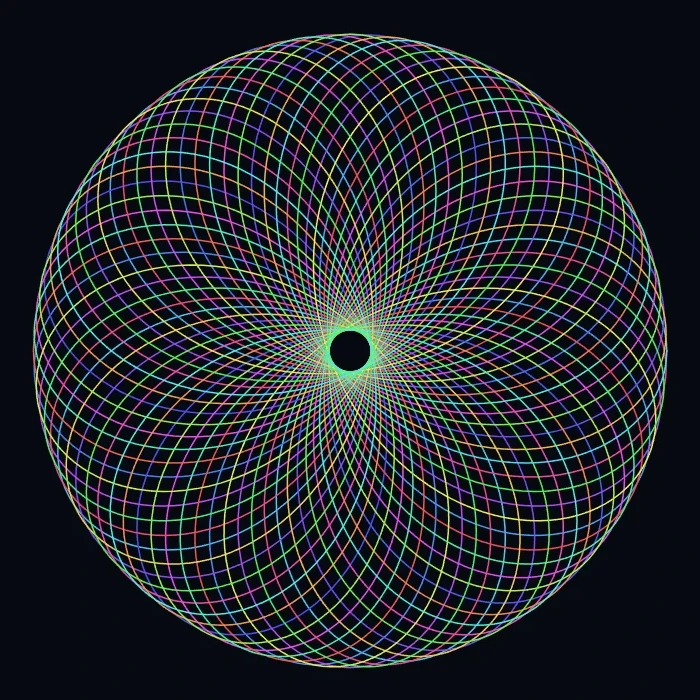
Rita hypotrochoider och epitrochoider i webbläsaren. Justera R, r och pennoffset, animera, slumpa och spara en PNG. Inget laddas upp.
Spirografer
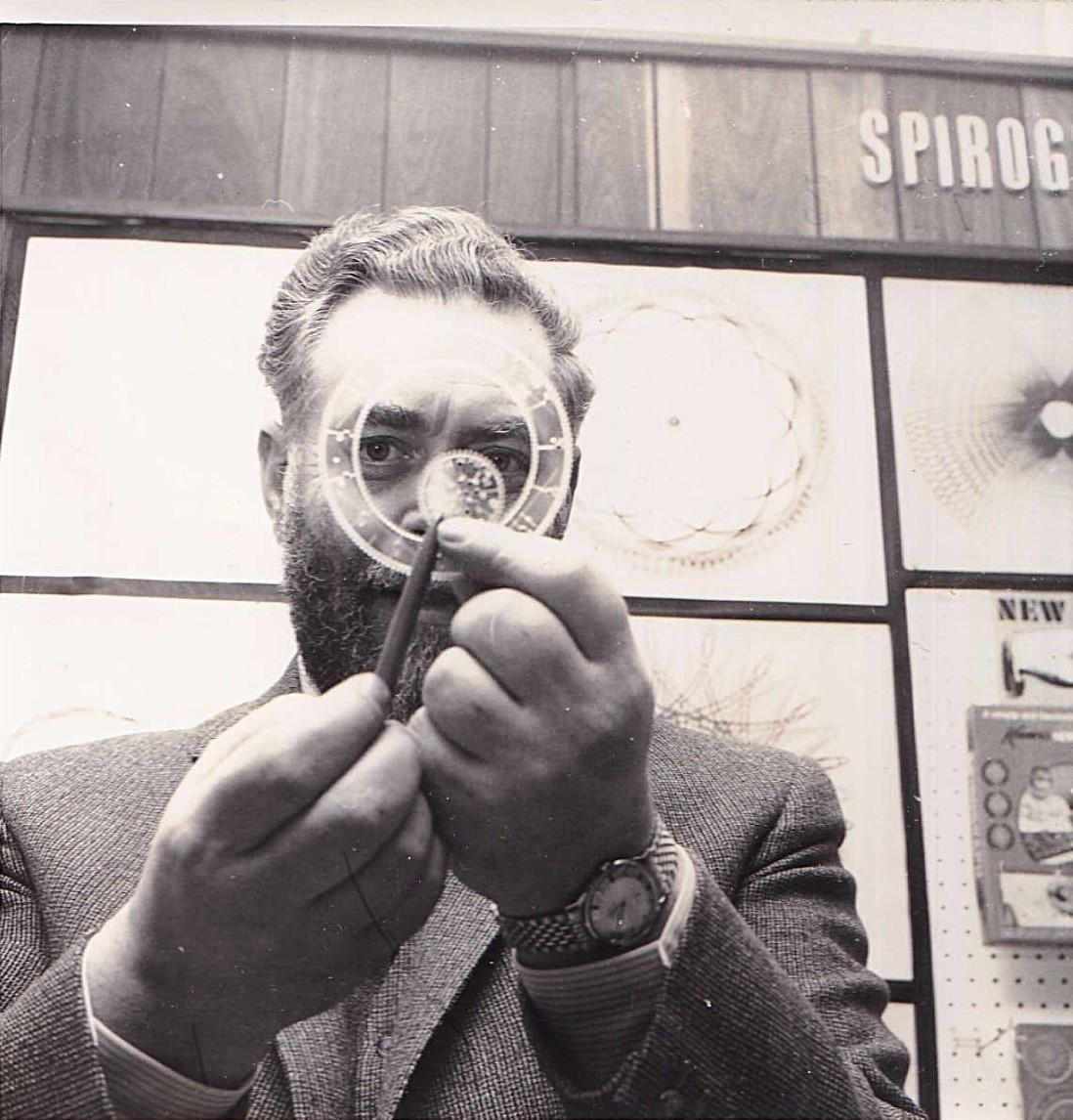
Lär dig hur hypotrochoider och epitrochoider bildar spirografkurvor—R, r och d, stängningsvillkor, Denys Fisher-leksaken och digitala mandalas i PictorX.
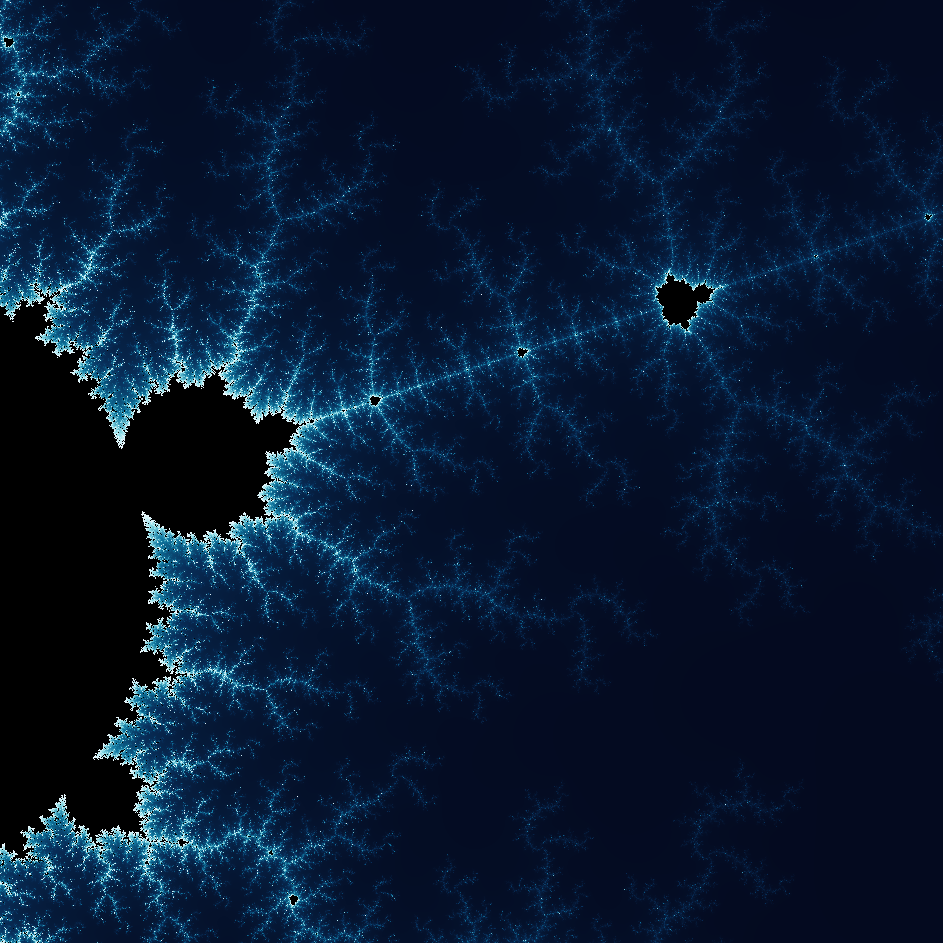
Utforska den underbara världen av Fractals
Utforska den underbara världen av Fractals. Fraktaler är komplexa, detaljerade geometriska mönster som finns i hela den naturliga världen.
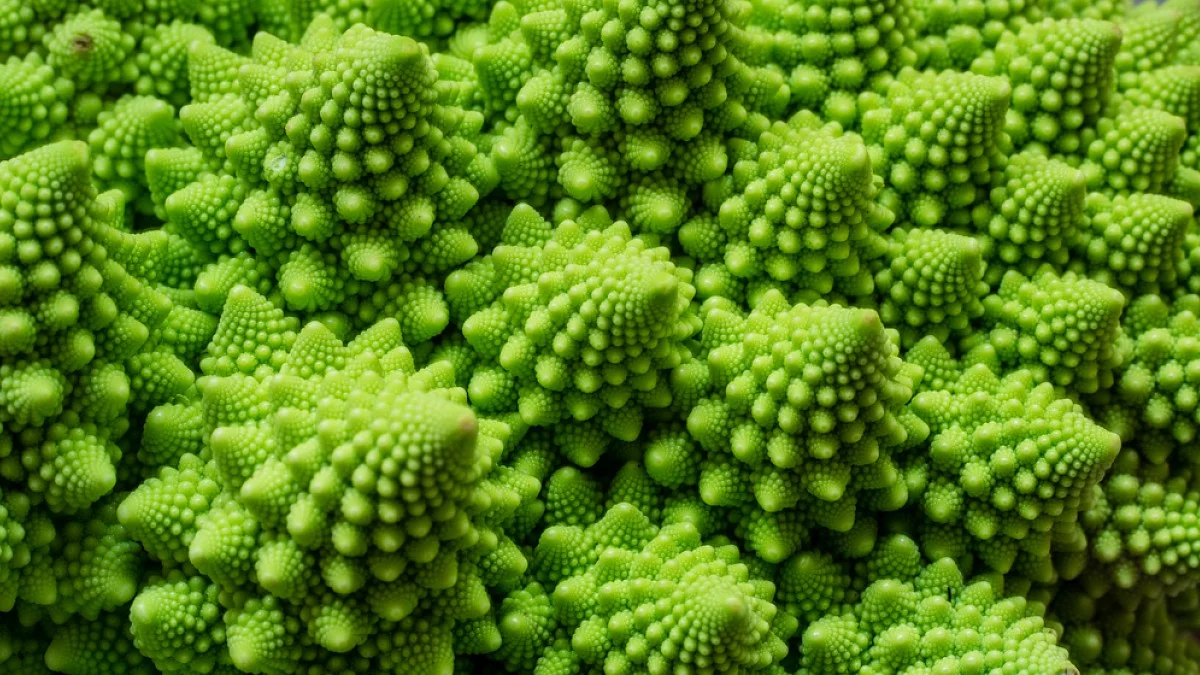
Fraktaler
Lär dig hur Mandelbrotmängden, Juliamängder, Newtonfraktaler och Novafraktaler genereras—och varför zoomning aldrig tar slut på detaljer.
Redo att prova det?
Öppna PictorX i din webbläsare - ingen installation, inget kreditkort krävs för att starta.
Prova Painting Pendulum