
Getting faster at mental arithmetic
Mental arithmetic is the oldest kind of maths there is, and speed drills have been part of school for centuries. This page looks at where they come from, a few tricks that make sums faster, why practising against the clock works, and how Math Challenge keeps score.
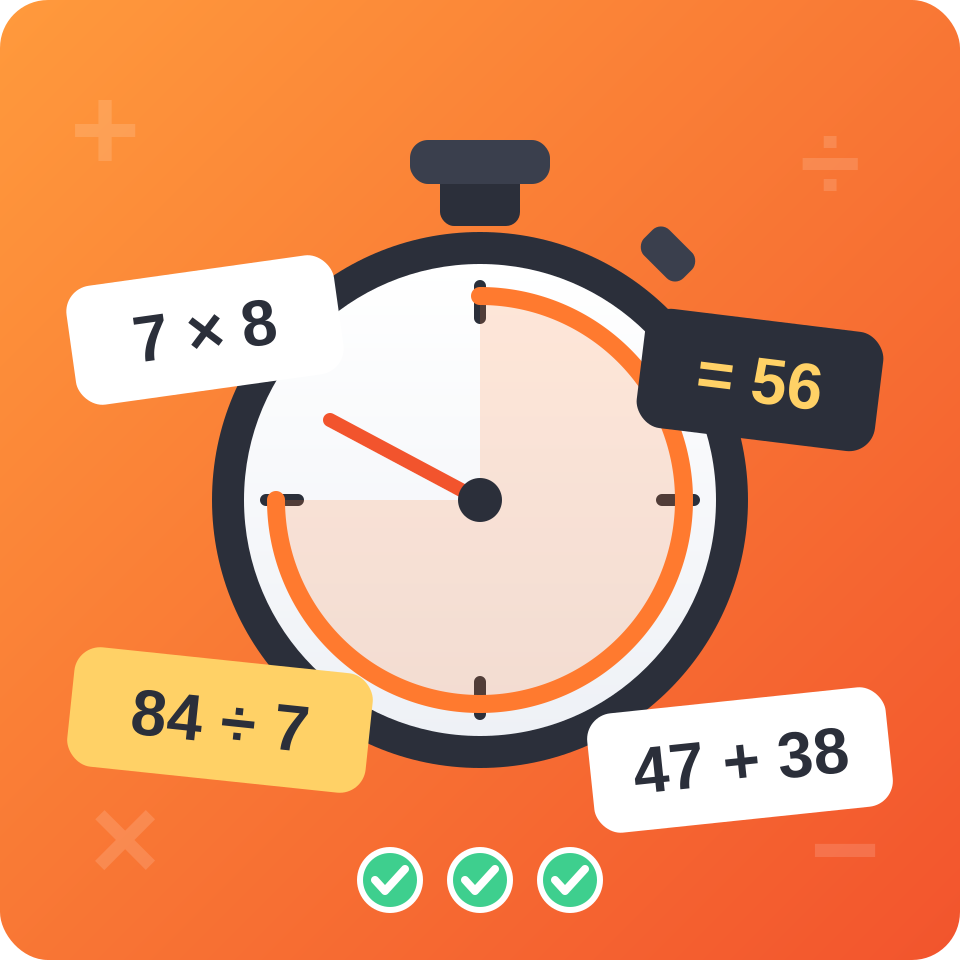
From the abacus to the times table
Long before calculators, traders and clerks did their sums in their heads or on an abacus, and good mental arithmetic was a skill people were paid for. Schools taught it by drill: chanting times tables and racing through rows of sums on a slate. In the twentieth century timed worksheets of a hundred sums became a classroom classic, and today the same idea lives on in apps and games. The goal has never changed: to know the basic facts so well that they need no thought.
Tricks that make sums faster
A few habits save a lot of time. Add in parts: 47 + 38 is 47 + 30 + 8. Round and correct: 98 + 45 is 100 + 45 − 2. For subtraction, count up from the smaller number: 63 − 48 is 2 to 50 and 13 more, so 15. Multiply by 9 as by 10 minus one: 9 × 7 is 70 − 7. Double and halve: 16 × 5 is 8 × 10. And turn a division around into the times table you know: 72 ÷ 8 asks what times 8 makes 72.
Why short timed rounds work
When a sum has to be worked out step by step, it uses up the attention you need for anything bigger. Practising against the clock moves the basic facts from working them out to simply remembering them, a change teachers call fluency. Research on practice also shows that short, regular sessions beat long, rare ones, and that quick feedback, right or wrong at once, helps facts stick. A one-minute round a day is enough to see your score climb.
How Math Challenge keeps score
Every sum is drawn at random for the level you chose, with a whole-number answer. A right answer is worth 10, 20 or 30 points and counts as soon as you type it; every five right answers in a row add half the points again, up to three times. A wrong answer resets the streak and shows the right answer for a moment, so guessing costs time. At the end you see your accuracy and your right answers per minute, and your best score for every choice of sums, level and time is kept in your browser.
Frequently asked questions
How many sums a minute is good?
It depends on the level and the kind of sums. On Easy, twenty to thirty right answers a minute is a good score for an adult; on Hard, ten is already fast. Compare yourself with your own best rather than with a fixed number.
Which sums should I practise first?
Start with the kind of sums you find slowest, on Easy, until you rarely make a mistake, then move up a level. Mixed rounds are the best test once each kind feels comfortable.
Is speed more important than accuracy?
No. A wrong answer breaks your streak and costs time, so careful and steady usually scores more than fast and sloppy. Speed comes by itself once the facts are known.
Related tools
Math Challenge
Play Math Challenge online: solve as many sums as you can in 30, 60 or 120 seconds. Addition, subtraction, multiplication and division at three levels, with streak bonuses and best scores.
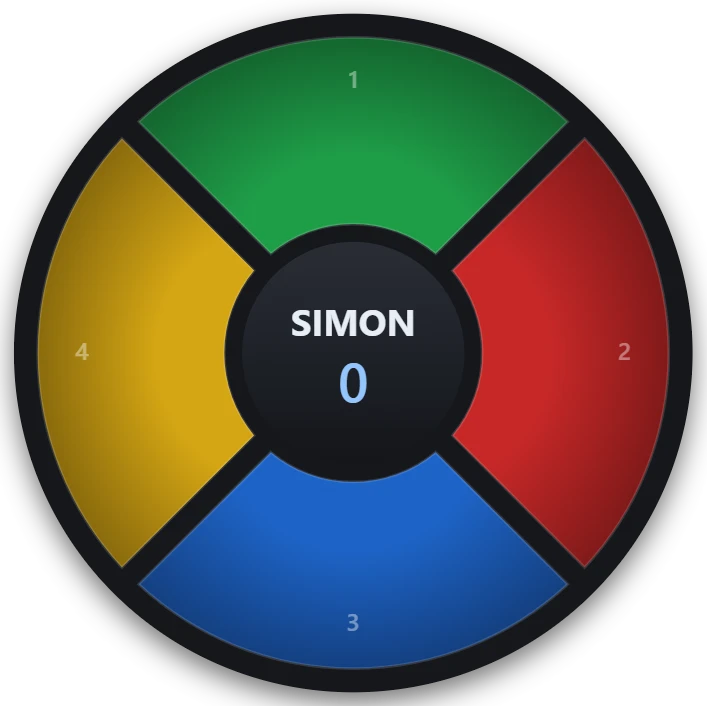
Simon
Play the classic Simon memory game free in your browser. Watch the coloured buttons light up, listen to the tones and repeat the sequence. Three to six buttons, three difficulties and your best score saved.

Memory
Play the classic memory card game free in your browser. Turn over two cards at a time and find all the pairs on your own, with a friend or against the computer. Four grid sizes and three picture sets.
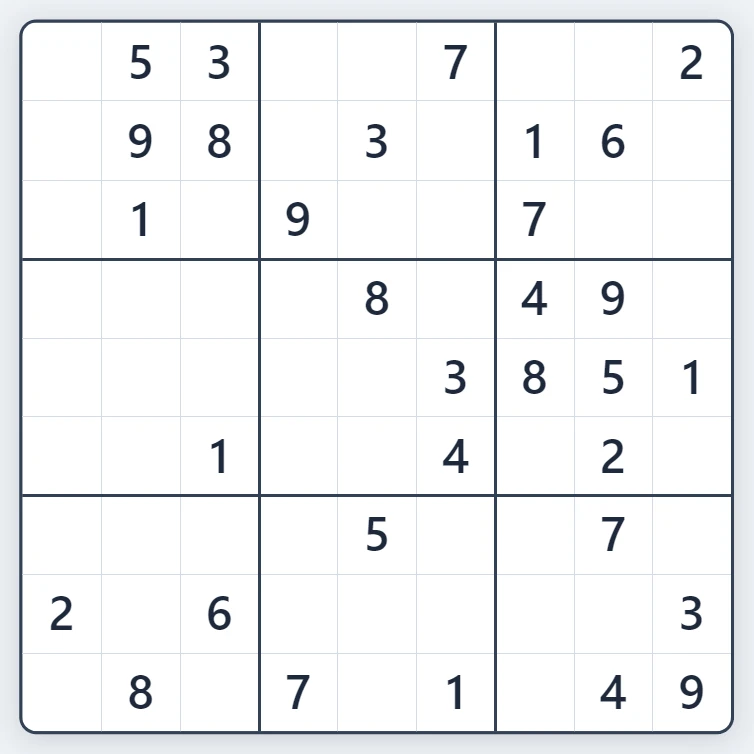
Sudoku
Play Sudoku free in your browser. Fresh puzzles with exactly one solution, four levels from Easy to Expert, pencil notes, hints, mistake highlighting and undo.
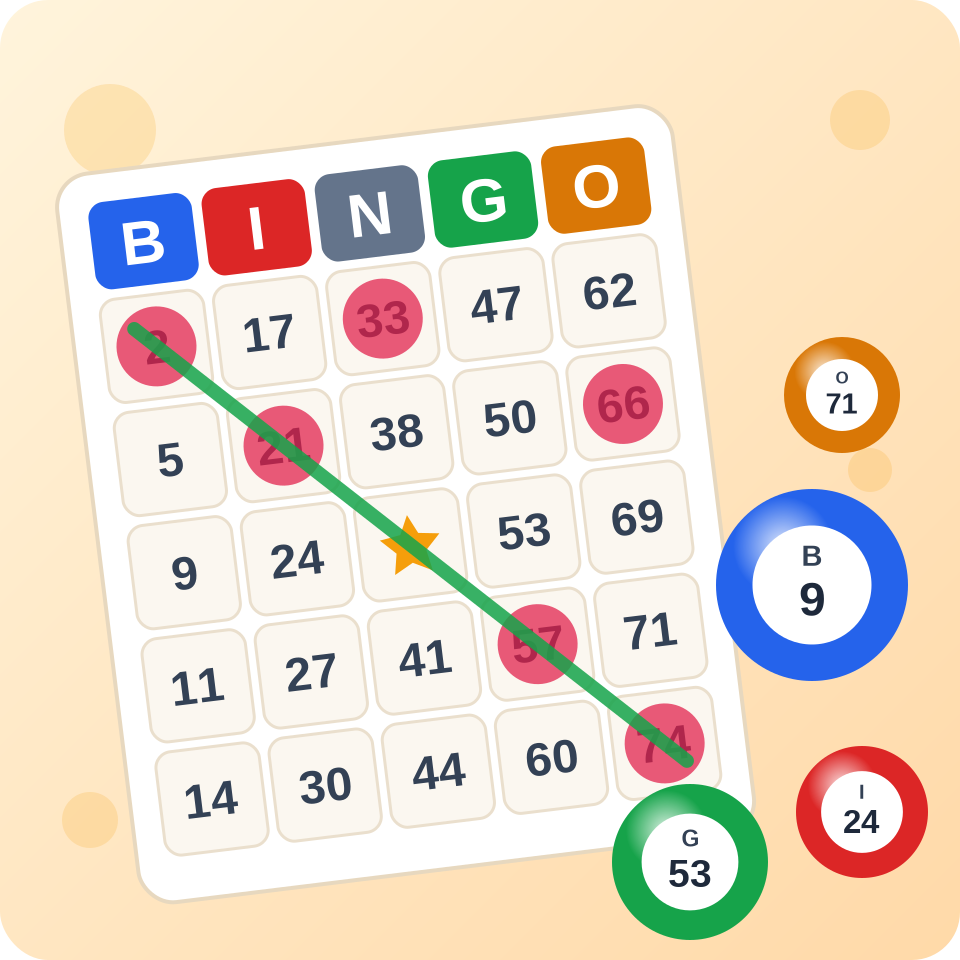
Bingo
Play 75-ball bingo online against the computer: one or two cards, a line, four corners or a full house, a caller at your speed and computers that call Bingo too.
Ready to try it?
Open PictorX in your browser — no install, no credit card required to start.
Play Math Challenge