
How maze blast games work
Quarry Blast belongs to a family of arcade games that has been around since the 1980s: a maze of pillars and breakable blocks, explosives that blast along the rows and columns, and enemies that wander the corridors. The rules fit in a sentence, but the timing, the chain reactions and the maze itself make every level a small puzzle.
A grid that feels smooth
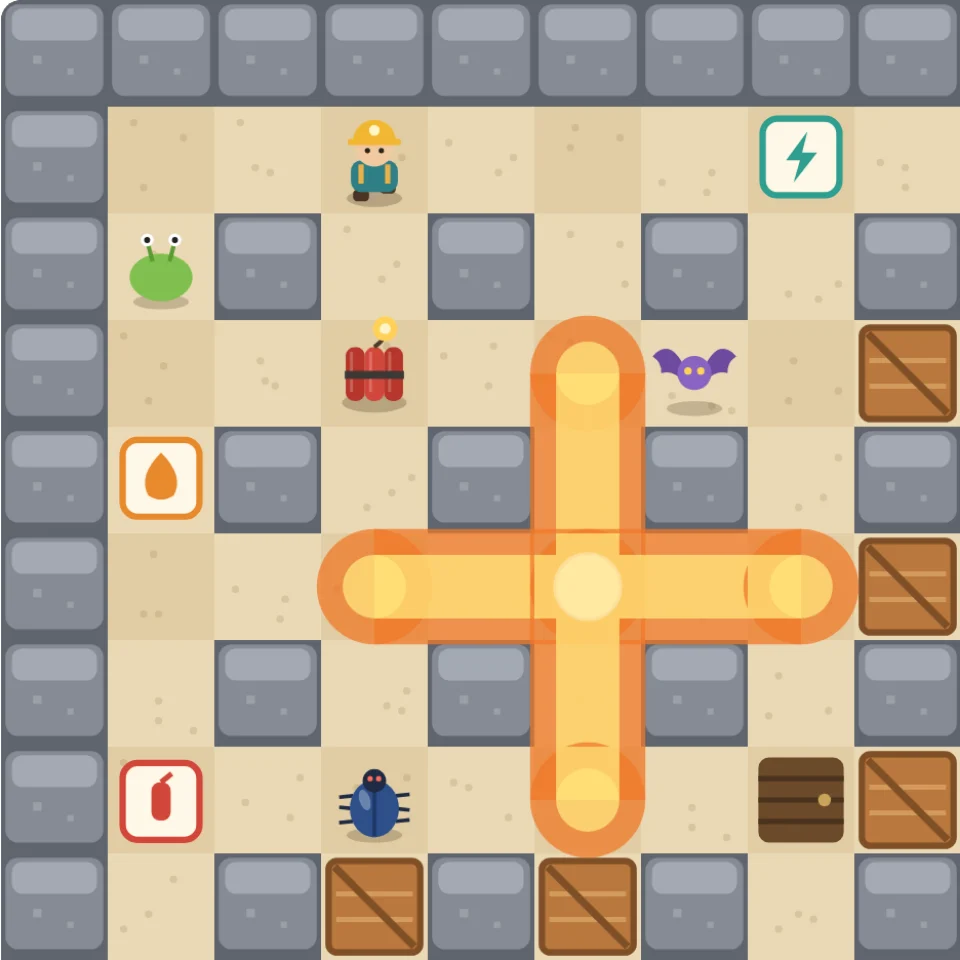
The quarry is a grid of 15 by 13 squares, with granite pillars on the border and on every second square in between, so the open floor forms crossing corridors. The miner moves smoothly, not square by square, but always along the middle of a corridor. When you turn a little too early or too late, the game slides you into the corridor you were aiming for, so turning into a narrow gap never needs pixel-perfect timing. Charges always sit in the middle of a square.
Blasts and chain reactions
A blast runs out from its charge in the four directions, square by square, until it reaches its full length, hits a pillar or breaks a crate. That makes the pillars your cover: stand around a corner and the blast passes you by. A blast that reaches another charge sets it off at once, and that one can set off the next. A well-placed chain can clear a whole corridor at once, but it also goes off sooner than you might expect, so leave yourself a way out.
How the critters move
Each kind of critter follows a simple rule. Slugs keep going straight and now and then turn at random. Bats choose a new direction at every crossing and rarely turn back. Beetles search the maze for the shortest way to you, with a breadth-first search, as soon as you are within nine squares, and wander when you are further away. Nobody can walk through a charge, so a charge in a corridor is also a wall: critters turn around in front of it.
How the levels are made
Every level is made when it starts. The game fills part of the open squares with crates, more on every level, and always keeps the corner where you start clear, so you have room for your first charge. One crate far from the start hides the hatch, and a few others hide tools. The critters start far from you. A lost life replays the same level, with the same crates in the same places, so what you learned about it still counts.
Tips to clear a level
Before you place a charge, look for your escape: around a corner is safe, along the same row or column is not. Break the crates near the start first to get room to move and to find the first tools. Extra charges and a longer blast make you stronger, but also make it easier to trap yourself. Let critters come to you: place a charge where a corridor ends and wait around the corner. And once the last critter is gone, take your time to find the hatch.
Frequently asked questions
Can I be hit by my own blast?
Yes. Every blast, yours included, costs a life, unless you carry a shield, which takes one hit. After a hit or at the start of a level you blink for a moment, and nothing can hurt you while you do.
Is there an end to the game?
No. The levels go on, each with more crates, more critters and from level 3 the beetles that hunt you. The game ends when you run out of lives, and your best score and level are kept for each difficulty.
Why does a charge sometimes go off early?
Because the blast of another charge reached it. A charge that is hit goes off at once, whatever is left of its fuse, and its blast can set off the next one.
Related tools
Quarry Blast
Play Quarry Blast, a free maze action game in your browser: place charges, break crates, set off chain reactions, collect tools and find the hidden hatch on every level. Keyboard and touch controls.
Maze
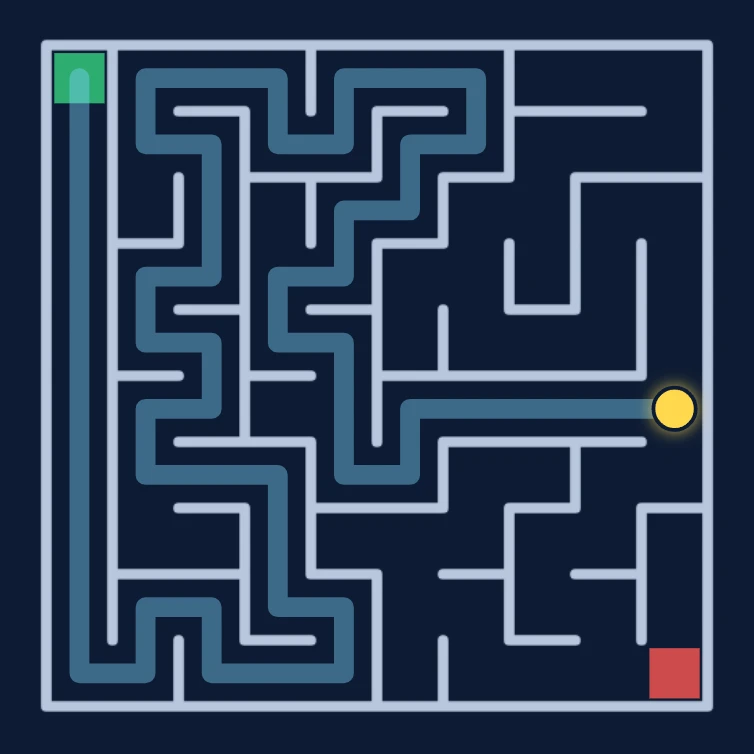
Play a free maze game in your browser. Find the way from the green start to the red exit in mazes from 5 x 5 to 100 x 100, against the clock or in the fog.
About mazes - from ancient labyrinths to generated puzzles
How do mazes work? Labyrinths and mazes in history, what a perfect maze is, how the recursive backtracker and Prim's algorithm grow one, and solving tips.
Snake
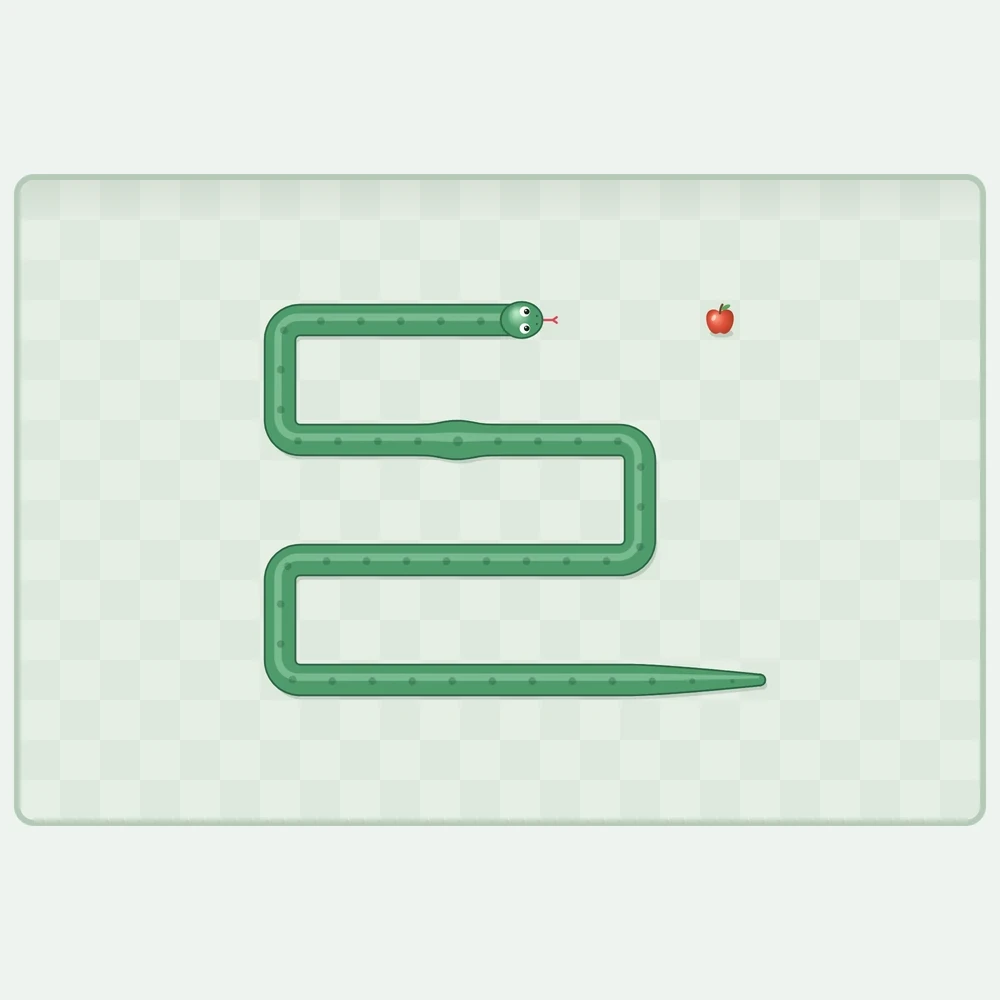
Play a calm, minimal Snake game free in your browser. Choose slow, normal or fast, play with solid walls or wrap around the edges, and steer with arrow keys or a swipe.
Breakout
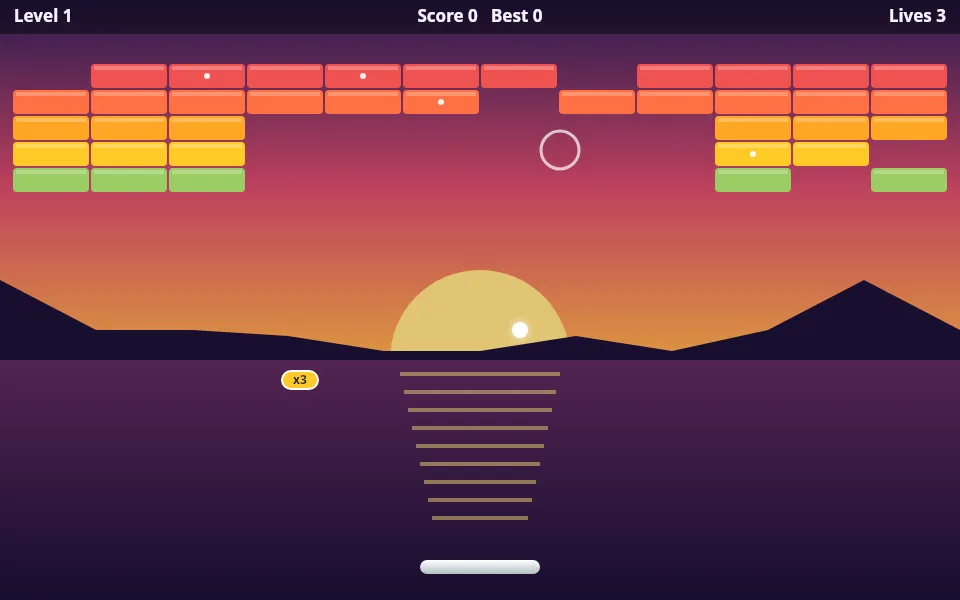
Play Breakout free online: break the bricks to reveal a picture or your own photo, with levels, power-ups and mouse, touch or keyboard controls.
Thread Link
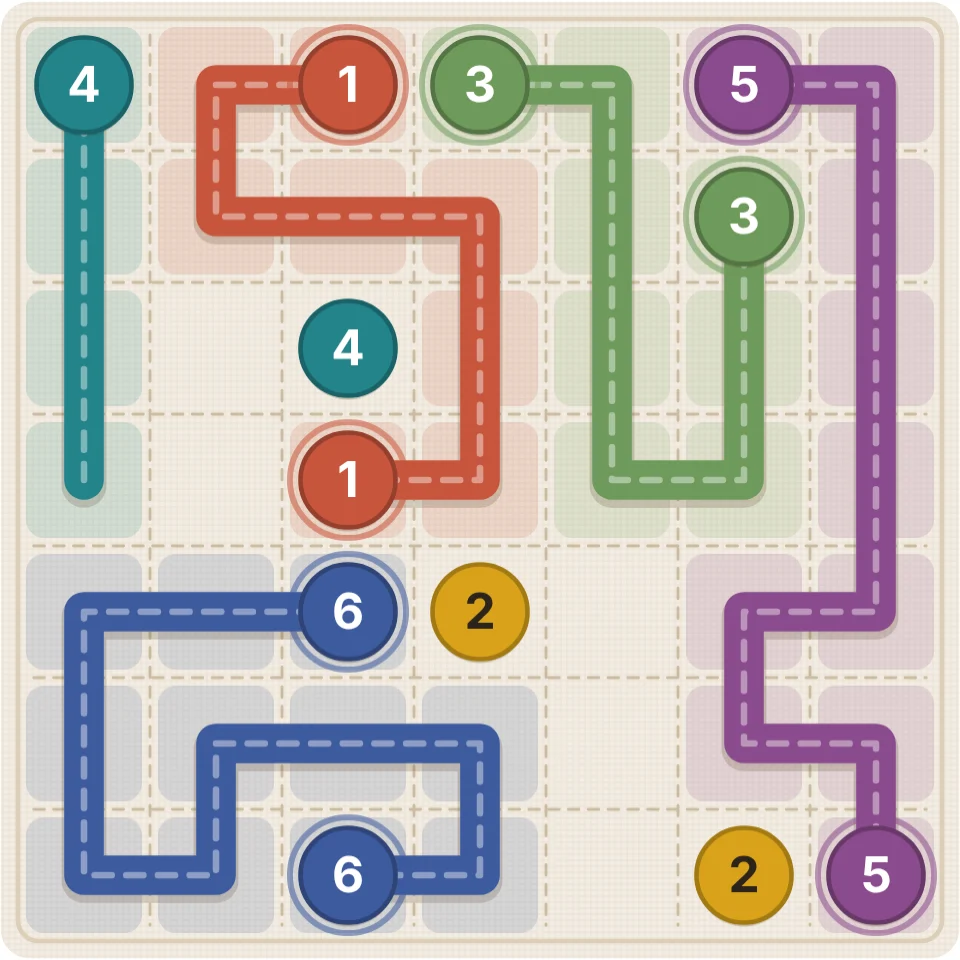
Play Thread Link, a free numberlink puzzle: draw a thread between each pair of matching numbers, without crossings, until every square is used. Seven board sizes, endless numbered puzzles, hints and undo.
Ready to try it?
Open PictorX in your browser — no install, no credit card required to start.
Play Quarry Blast