
About Peg Solitaire - history, boards and strategy
Peg solitaire is one of the oldest puzzles played alone: a board of holes, a handful of pegs and one simple jump. A little history, the two boards and some strategy.
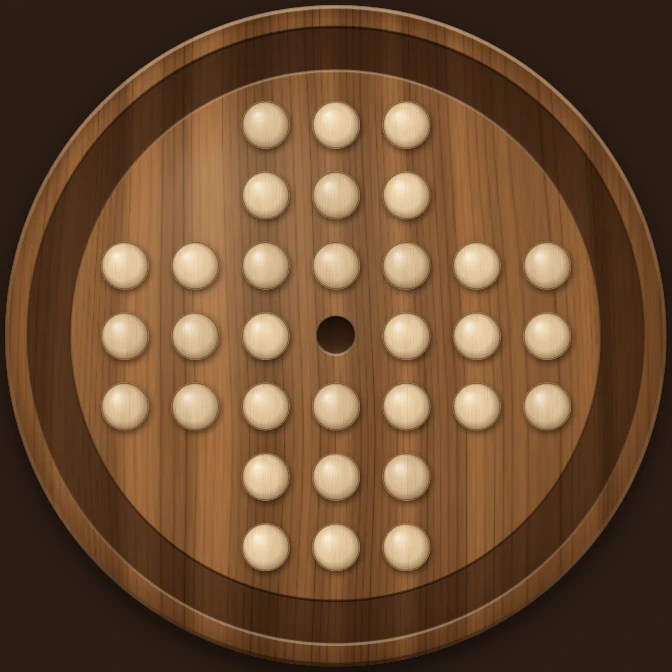
A puzzle from the French court
Peg solitaire was fashionable in France by the late 17th century: a 1697 engraving shows Princess de Soubise playing it. It later became a favourite in Britain and around the world, known as solo noble, brainvita and many other names.
English and European boards
The English board has 33 holes in a cross. The European board has 37, with four extra holes filling the inner corners. On the English board the classic challenge is to start with the centre empty and finish with the last peg in the centre, which takes 31 jumps.
Strategy tips
Clear one arm of the cross at a time rather than jumping at random, and avoid leaving isolated pegs that nothing can reach. Experienced players think in packages of moves that clear a block of three or six pegs while returning to a similar shape.
Frequently asked questions
Can it be solved?
Yes. The English board from the centre has many solutions. The European board cannot be solved to one peg from the centre, so this game starts it from a hole that can.
How many moves does it take?
Each jump removes one peg, so a full solution on the English board is 31 jumps, and 35 on the European board.
Is it good for the brain?
It rewards planning and thinking several moves ahead, and it is a calm puzzle to play in short sessions.
Related tools
Peg Solitaire
Play peg solitaire free online on the English 33-hole or European 37-hole board. Jump pegs until one is left, with undo, hints and a full solver.
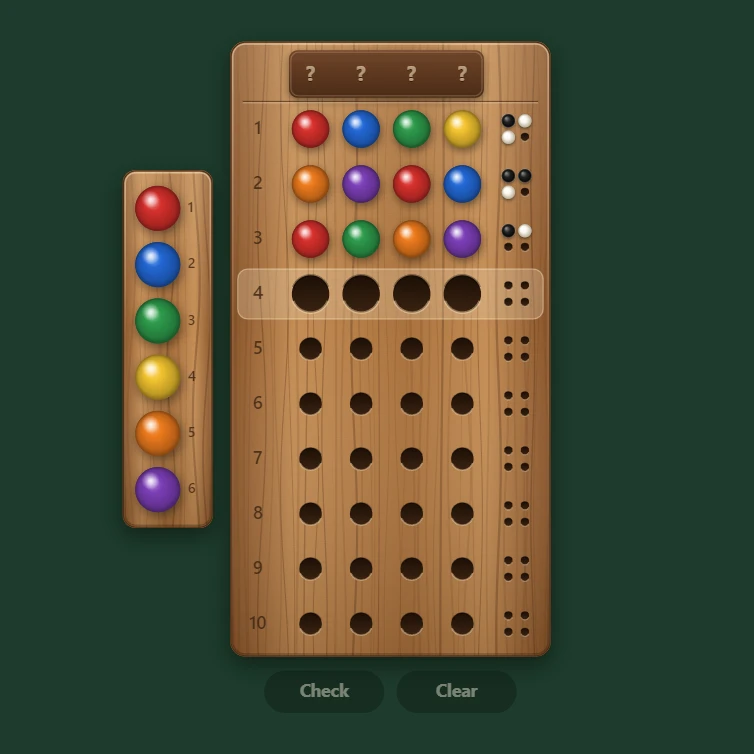
Mastermind
Play Mastermind free in your browser. Crack a secret colour code with 4 to 6 pegs and 6 to 8 colours, or set a code and watch the computer crack it.
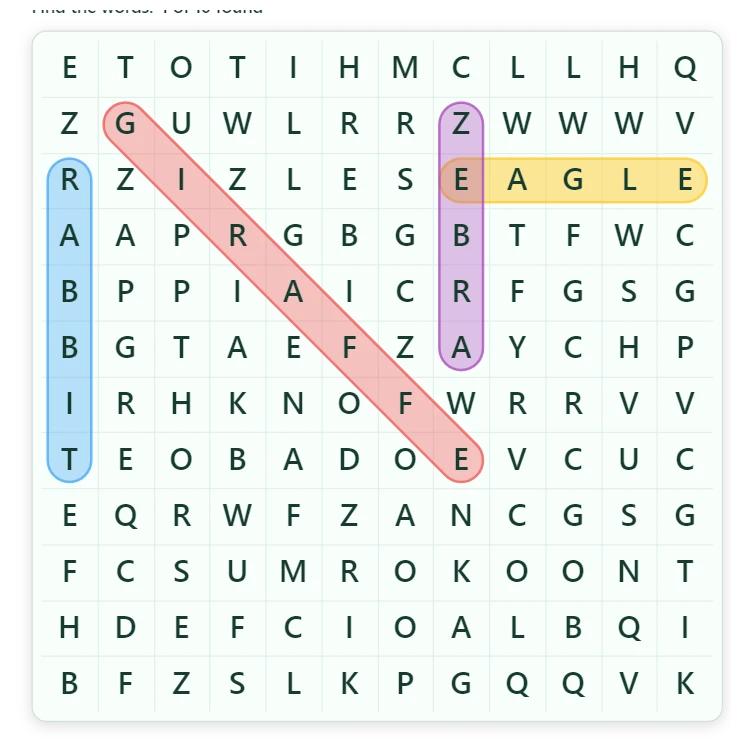
Word Search
Play word search online for free: themed word lists in your language, 10x10 to 15x15 grids, words in up to eight directions and a timer. No sign-up.
Ready to try it?
Open PictorX in your browser — no install, no credit card required to start.
Play Peg Solitaire