
Bir fotoğrafı sürrealist bir rüyaya yerleştirin — Dalí'nin yumuşak saatleri, Magritte'in melon şapkaları ya da De Chirico'nun meydanı — bir sanatçı ve bir stil seçin, ardından Bozulma ve Rüya hâli ayarlarını yapın.
İnsanoğlu – Sürrealizm, Dalí ve Magritte
The Surrealists painted dreams with the precision of a photograph, or let chance take over. This app puts your photo into one of their pictures: choose Salvador Dalí for soft watches, elephants on stilt legs and crutches, René Magritte for green apples, bowler hats and blue skies, or Other for De Chirico's empty squares, Max Ernst's crusts, Tanguy's endless plains, Carrington's giantess, Varo's tower and Man Ray's solarized prints. All processed on-device. Bir fotoğrafı sürrealist bir rüyaya yerleştirin — Dalí'nin yumuşak saatleri, Magritte'in melon şapkaları ya da De Chirico'nun meydanı — bir sanatçı ve bir stil seçin, ardından Bozulma ve Rüya hâli ayarlarını yapın.
Nasıl çalışır
- Open PictorX in your browser and load a photo — portraits with a clear subject work best.
- Pick an Artist—Salvador Dalí, René Magritte or Other for the rest of the Surrealists—then one of their Styles and a Palette, and adjust Distortion, Dreaminess, Detail, Shadows and Floating Objects. Turn on Remove background for a cleaner cutout of the subject.
- Export the painting, or keep editing with layers and other effects in the same workspace.
Salvador Dalí, René Magritte or another Surrealist
The Artist list at the top of the panel chooses whose dream you step into, and the Style list below it shows that artist's pictures. Salvador Dalí has seven: Persistence of Memory, Elephants, Galatea of the Spheres, Swans Reflecting Elephants, Burning Giraffe, Sleep and Leda Atomica. René Magritte has eight: Son of Man, Golconda, Empire of Light, Decalcomania, The Lovers, Treachery of Images, Great Family and Castle of the Pyrenees. Other gathers the rest of the movement: De Chirico's Metaphysical, Max Ernst's Europe after the Rain, the Exquisite Corpse, Yves Tanguy's Indefinite Divisibility, Leonora Carrington's The Giantess, Remedios Varo's Embroidering the Earth's Mantle and Man Ray's Solarization.
Seven dreams after Dalí
Persistence of Memory follows the painting of 1931: your photo goes soft and droops over the edge of a ledge beside a melting watch, in a bare landscape of golden cliffs and a calm sea. Elephants sets the subject on a plain at sunset between elephants on impossibly long, thin legs that carry obelisks. Galatea of the Spheres rebuilds the subject from shaded spheres floating in space. Swans Reflecting Elephants stands it on the shore of a still lake among the rocks of Cap de Creus, where swans float on the water and their reflections are elephants. Burning Giraffe opens drawers in the figure, props it up with crutches and sets a giraffe on fire far off on a blue evening plain. Sleep turns it into a huge soft mass hanging in the air on crutches, and Leda Atomica lets everything float: the figure in separate slabs, the sea above the beach, and an egg, a book and a stool in the air.
Eight impossible pictures after Magritte
Son of Man sets the subject before a low wall, a grey sea and a blue sky of cumulus clouds, with a green apple floating before the face and bowler hats drifting overhead. Golconda fills the air with men in bowler hats before plain houses with red roofs. Empire of Light puts a bright day sky over a street already deep in the night, with a street lamp and lit windows. Decalcomania stands the subject beside a curtain with their silhouette cut out of it, through which the sea and sky continue. The Lovers wraps the head in a white cloth, in a room with a red wall and a wall painted as sky. Treachery of Images paints the subject plainly on a bare ground above the handwritten words “Ceci n'est pas une photo.” Great Family fills the subject's silhouette with a bright day sky against a stormy sea, and Castle of the Pyrenees sets the subject on a huge rock floating over the waves, beside a small castle.
De Chirico, Max Ernst and the Exquisite Corpse
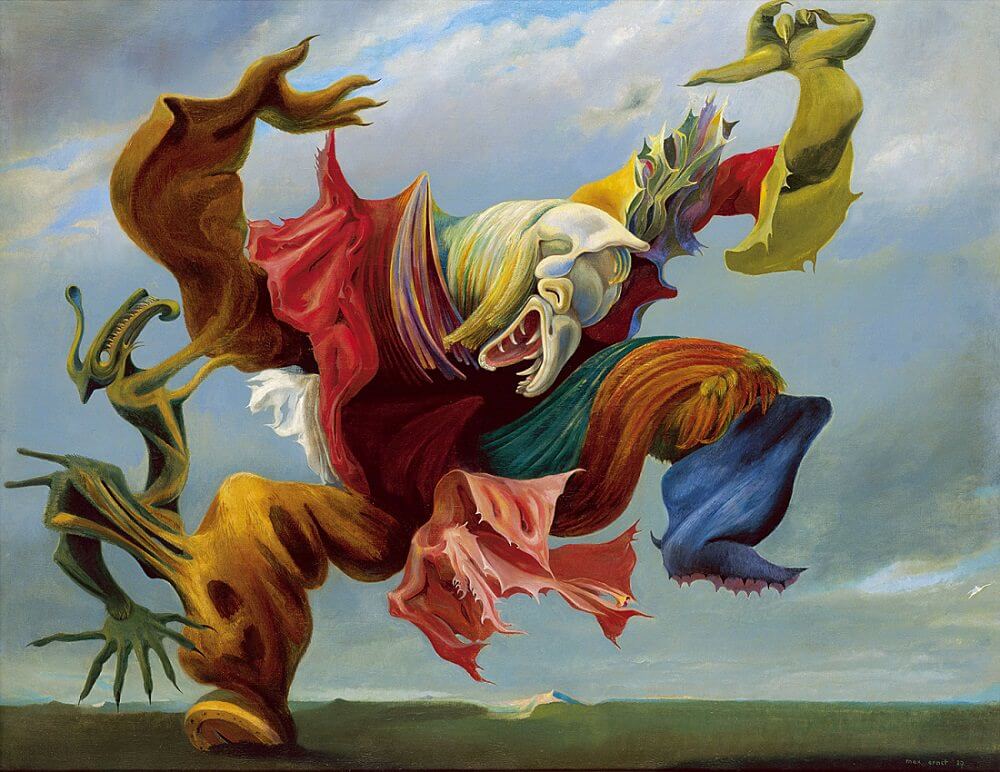
Metaphysical follows Giorgio de Chirico, setting the subject as a statue on a plinth in an empty square with an arcade, a green sky, long shadows, a red chimney and a little train. Europe after the Rain follows Max Ernst, pressing the photo into decalcomania crusts of rust and verdigris under a clear sky and a ring-shaped sun. Exquisite Corpse cuts the picture into bands drawn in ink, pencil, watercolour and halftone, like the Surrealists' folding game in which each player adds a part without seeing the others.
Tanguy, Carrington, Varo and Man Ray
Indefinite Divisibility follows Yves Tanguy, turning the subject into a smooth stone form on an endless plain that melts into the sky without a horizon, among bone-like shapes that throw long, crisp shadows. The Giantess follows Leonora Carrington: the subject towers over a tiny landscape of sea, ships and wheat in a long pale cloak, guarding an egg while geese fly from her cloak and little people look up at her feet. Embroidering the Earth's Mantle follows Remedios Varo, setting the subject in the window of a round tower while threads spill down and become an embroidered landscape, all covered in her fine, hair-thin brushstrokes. Solarization follows Man Ray's photographs of about 1930: a silver print whose highlights fold over into dark, with pale lines glowing along the edges, and rayograph objects—a key, a spiral, a comb, a pair of lips—around it.
From a hint to a strange dream
Distortion sets how strange the scene becomes: how far Dalí's photo melts or his elephants' legs grow, how high Magritte's subject floats or how far his night rises into the day sky, how steep De Chirico's perspective is or how far the Exquisite Corpse's bands shift. Dreaminess smooths the photo into glazed paint and tones it towards the palette; Detail adds clouds, swans, hats, arches, crusts, forms or threads; Shadows deepens the shadows. Palette chooses the light—Dream for each painter's own colours, Photo to keep your hues, Dusk, Night or Desert—and Floating Objects adds the watches, crutches, apples, bowler hats, castle, caption, the chimney and the train, Carrington's geese or Man Ray's rayograph objects. Remove background cuts out the subject first, so it stands cleanly in the scene.
Privacy and keep editing
Processing stays in your browser—photos are not uploaded to PictorX servers for this filter. After Surrealism, Dalí and Magritte, continue with layers, text, Picasso and Cubism, Matisse and Fauvism, Pop Art, or export.
Sık sorulan sorular
Gerçeküstücülük, Dalí ve Magritte uygulaması ne yapar?
Bir fotoğrafı gerçeküstücülerden esinlenen rüya gibi bir tabloya dönüştürür. Bir “Sanatçı” seçin: Salvador Dalí onu Belleğin Azmi’ndeki yumuşak saatler gibi eritir, uzun bacaklı fillerin arasına yerleştirir ya da koltuk değnekleriyle destekler; René Magritte yüzün önüne yeşil bir elma koyar, gökyüzünü melon şapkalı adamlarla doldurur ya da altına “Ceci n'est pas une photo” yazar; “Diğer” ise onu De Chirico’nun boş meydanına, Max Ernst’in kabuklu dokularına, bir Zarif Ceset’e, Tanguy’nin sonsuz ovasına, Carrington’ın dev kadınının yanına, Varo’nun kulesine ya da bir Man Ray solarizasyonuna yerleştirir. Bir müze tablosunun kopyası değil, fotoğrafınızdan oluşturulur.
Gerçeküstücülük neydi?
1924’te André Breton’un Gerçeküstücülük Manifestosu’nu yayımlamasıyla Paris’te kurulan bir sanat ve edebiyat akımıdır. Aralarında Salvador Dalí, René Magritte, Max Ernst ve Joan Miró’nun bulunduğu ressamları rüyalardan, rastlantıdan ve bilinçdışından beslendi; çoğu zaman imkânsız sahneleri büyük bir gerçekçilikle resmettiler. Giorgio de Chirico’nun daha önceki metafizik resimleri önemli bir etki kaynağıydı.
Salvador Dalí ve René Magritte kimdi?
Gerçeküstücülüğün en tanınmış iki ressamı. İspanya’nın Katalonya bölgesinden Salvador Dalí (1904–1989), rüya imgelerini eski bir ustanın titizliğiyle resmetti (eriyen saatler, ince uzun bacaklı filler, koltuk değnekleri, çekmeceler ve çift imgeler) ve resimleri kadar ağdalı bıyığı ve gösterişçiliğiyle de ünlüydü. Çoğunlukla Brüksel’de çalışan Belçikalı René Magritte (1898–1967), sıradan nesneleri büyük bir netlikle resmedip imkânsız durumlara yerleştirdi: melon şapkalı adamları, yeşil elmaları ve beyaz bulutlu mavi gökyüzleri dünyanın her yerinde tanınır.
Tanguy, Carrington, Varo ve Man Ray kimdi?
Yves Tanguy (1900–1955), pürüzsüz, kemiğe benzer biçimlerle dolu sonsuz rüya ovaları resmeden Fransız bir ressamdı. İngiltere’de doğan Leonora Carrington (1917–2011) ile İspanya’da doğan Remedios Varo (1908–1963), Mexico City’de yakın arkadaş oldular ve dev kadınların, kulelerin, simyacıların ve yolcuların büyülü dünyalarını resmettiler. Paris’te yaşayan Amerikalı Man Ray (1890–1976), kamerasız rayograflarıyla ve solarize portreleriyle gerçeküstücülüğü fotoğrafa taşıdı.
Zarif Ceset nedir?
Birkaç kişinin, katlanmış bir kâğıt üzerinde diğerlerinin ne yaptığını görmeden bir çizime ya da cümleye ekleme yaptığı gerçeküstücü bir oyun; bu yüzden parçalar hiçbir zaman tam olarak uyuşmaz. Zarif Ceset stili, fotoğrafınızın her şeridini farklı bir teknikle çizip hizasından kaydırarak bunu taklit eder.
“Ceci n'est pas une photo” ne anlama geliyor?
“Bu bir fotoğraf değildir.” Magritte'in, bir pipo resminin altında “Ceci n'est pas une pipe” yazan İmgelerin İhaneti (1929) adlı tablosuna gönderme yapar: Bir resim, bir şeyin yalnızca görüntüsüdür, şeyin kendisi değildir.
Bu resmî bir Dalí ya da Magritte ürünü mü?
Hayır. PictorX'in Gerçeküstücülük, Dalí ve Magritte uygulaması, onların tablolarından esinlenen dijital bir saygı duruşudur. Gala-Salvador Dalí Vakfı, Magritte Vakfı ya da sanatçıların mirasçılarıyla bir bağlantısı yoktur, eserlerinin hiçbirini kopyalamaz ve oluşturduğu her resim sizin kendi fotoğrafınızdan gelir.
Hangi fotoğraflar en iyi sonucu verir?
Tek ve net bir konusu olan portreler ve fotoğraflar, çünkü çoğu stil konuyu kesip yeni bir sahneye yerleştirir; en temiz kontur için “Arka planı kaldır”ı açın. Dalí'nin “Belleğin Azmi” stili ile “Diğer” altındaki “Yağmurdan Sonra Avrupa”, “Zarif Ceset” ve “Solarizasyon”, manzaralar ve binalar dahil her fotoğrafla çalışır.
İlgili araçlar
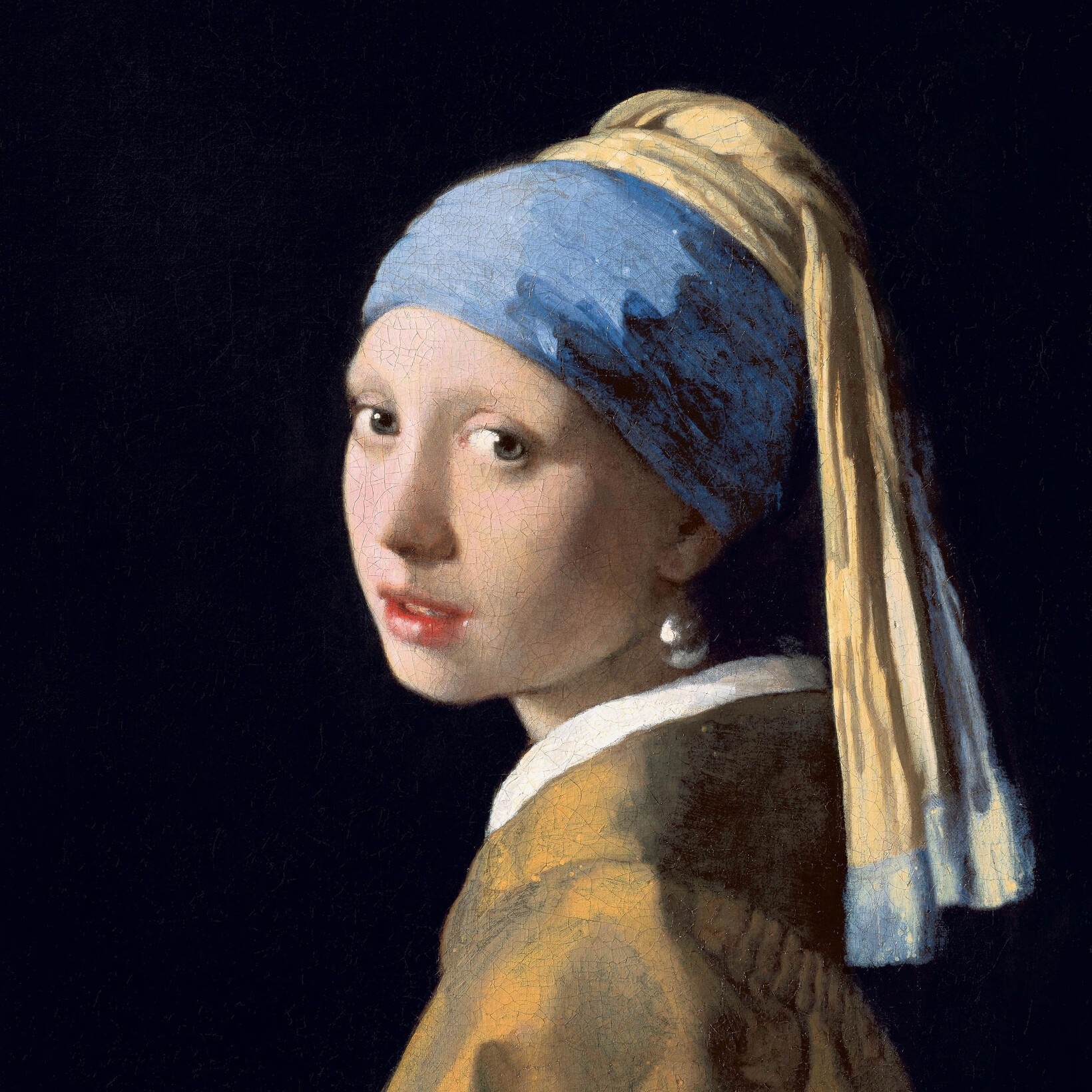
Sürrealizm
Sürrealizm neydi? Breton'un 1924 manifestosu, De Chirico, Dalí'nin yumuşak saatleri, Magritte'in elmaları ve pipoları, Ernst, Miró, Zarif Ceset ve mirası.
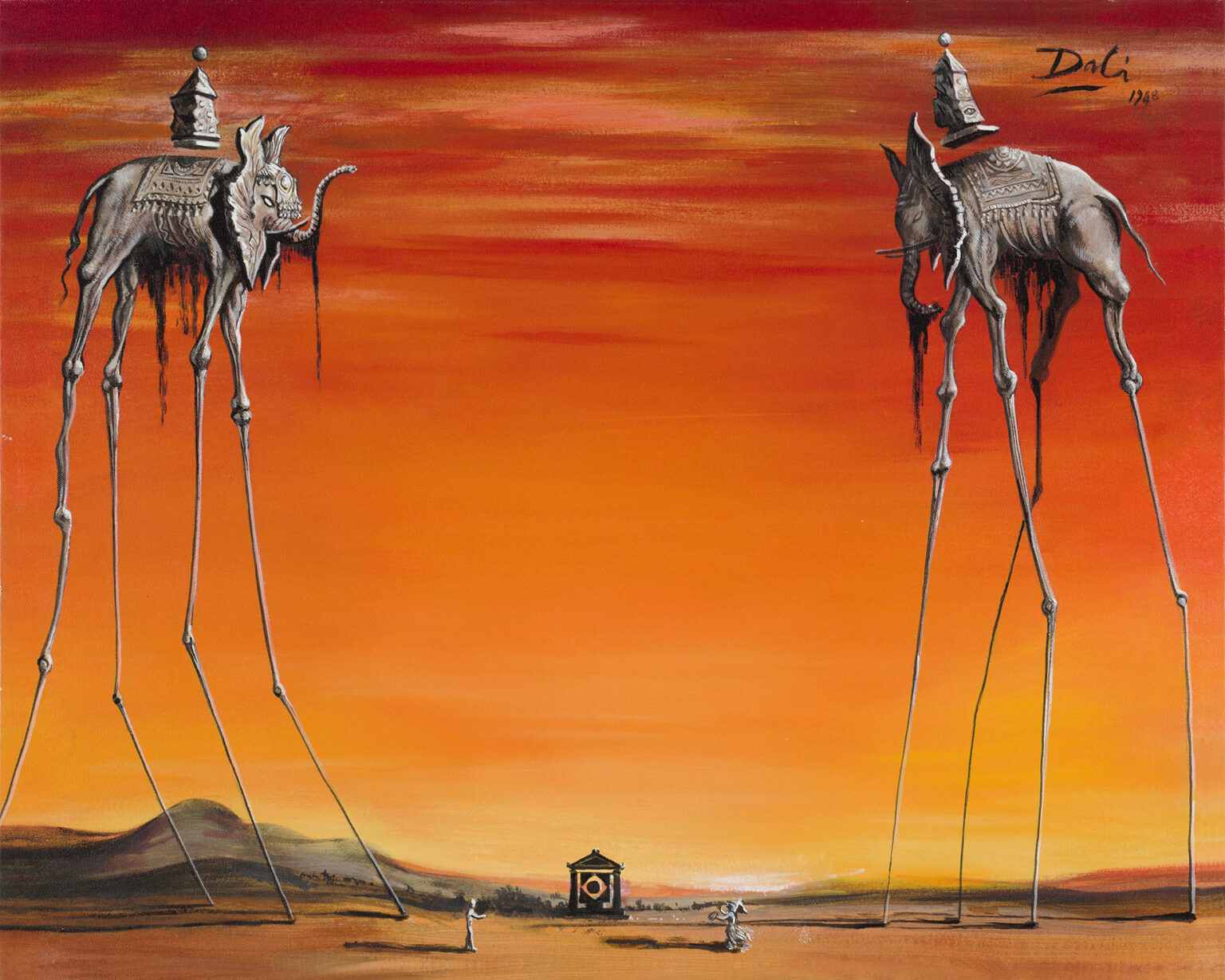
Salvador Dalí
Salvador Dalí kimdir? Belleğin Azmi'ndeki eriyen saatlerin, fillerin, ıstakoz telefonun ve Figueres'teki müzesinin arkasındaki sürrealist sanatçı.
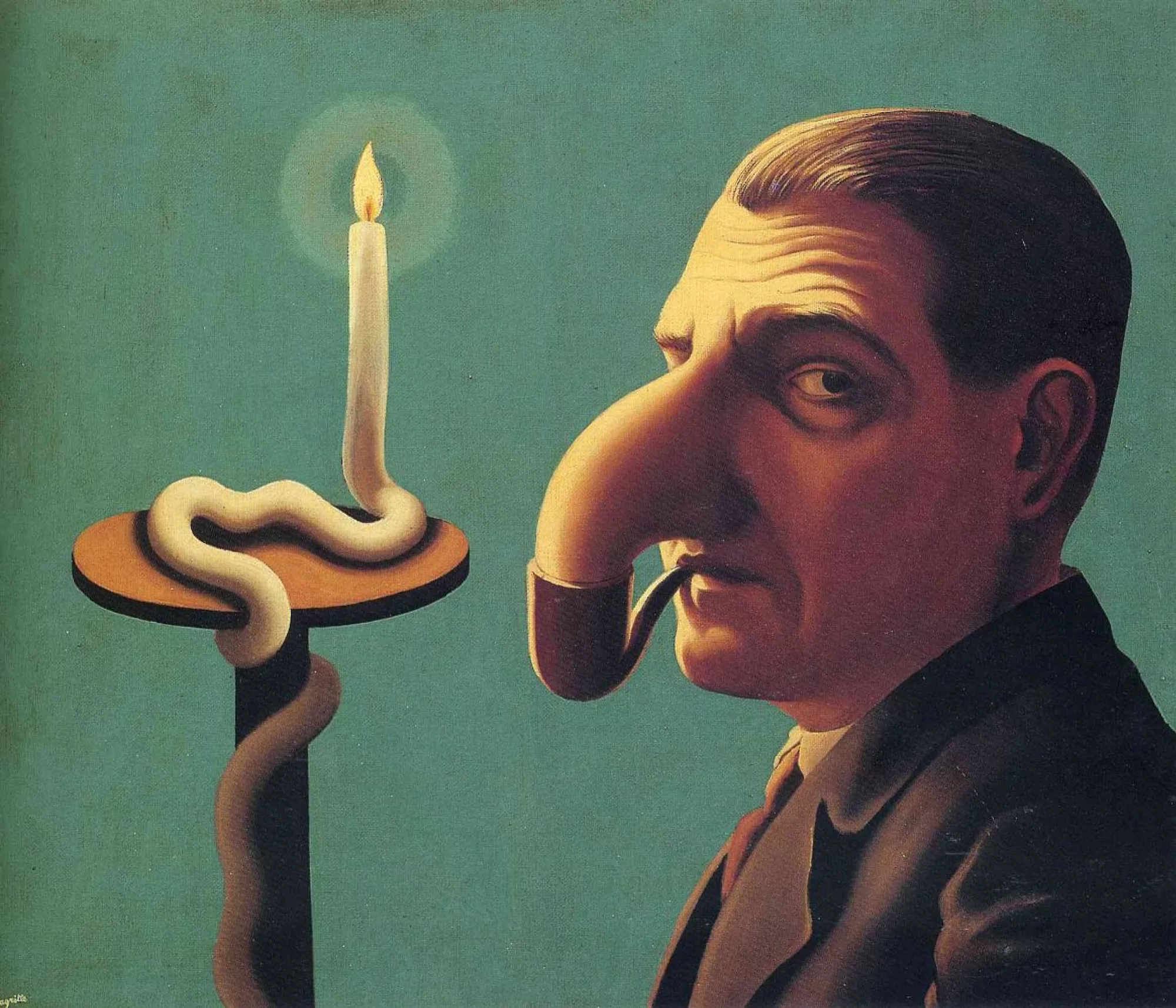
René Magritte
René Magritte kimdir? İnsanoğlu, Ceci n'est pas une pipe, melon şapkalar ve Işıkların İmparatorluğu'nun arkasındaki Belçikalı sürrealist ve bu eserlerin anlamı.
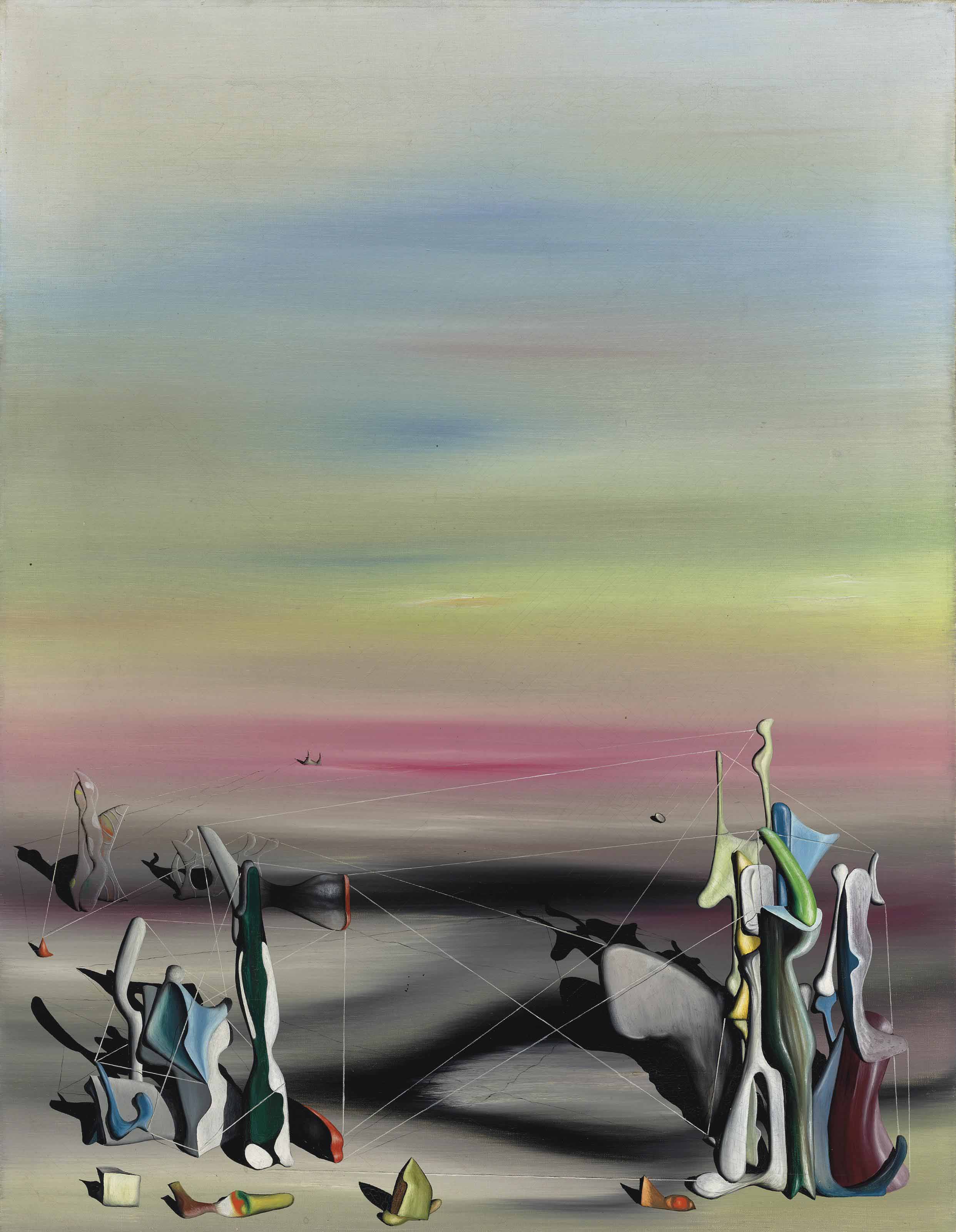
Yves Tanguy
Yves Tanguy kimdi? Kendini yetiştirmiş Bretonyalı sürrealist: otobüsten görülen bir De Chirico, Mama, Papa is Wounded!, ufuksuz ovalar, Kay Sage ve Amerika.
Op Art: fotoğrafınız bir optik illüzyon olarak
Bir fotoğrafı tarayıcınızda op art’a dönüştürün: Dalí’nin Kürelerin Galatea’sı, Vasarely’nin Vega’sı, Bridget Riley dalgaları, rölyef çizgileri, moire, spiraller ve bükülmüş ızgaralar — konunuzda ya da bir şekilde, durağan veya hareketli.
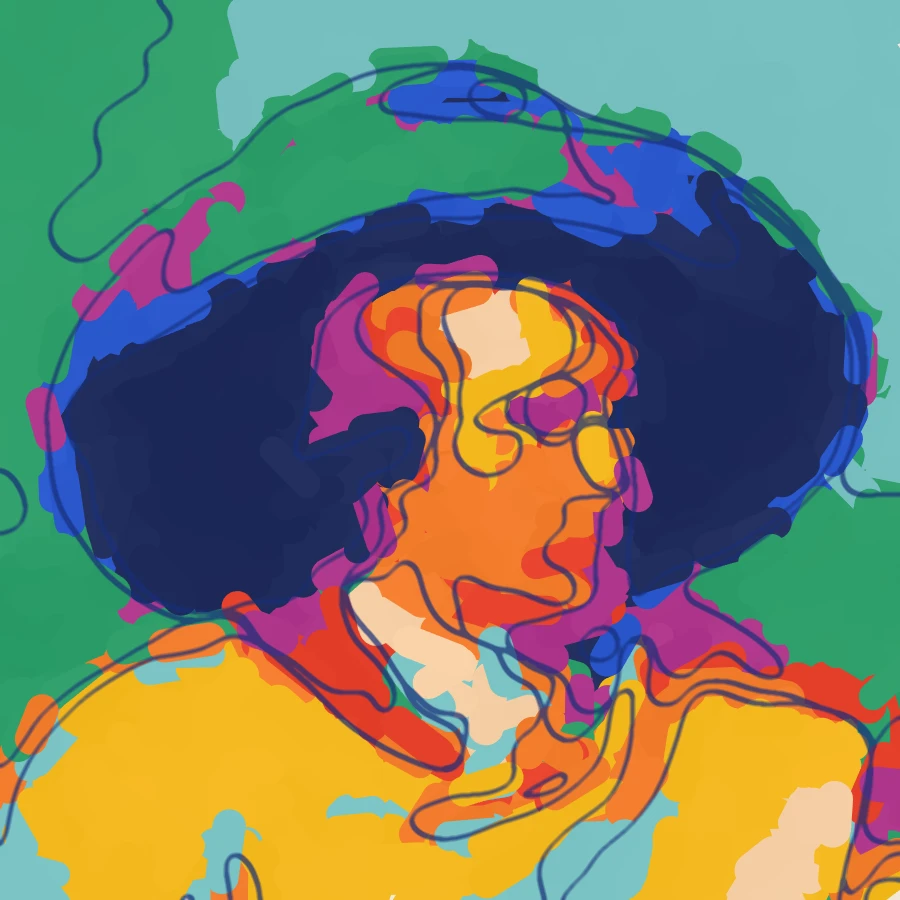
Henri Matisse ve Fovizm
Bir fotoğrafı tarayıcınızda Henri Matisse ve Fovizm’e dönüştürün: Jazz ve Mavi Çıplaklar gibi kesik kâğıtlar, Kırmızıda uyum, akıcı bir çizgi çizimi ya da Matisse’in Şapkalı Kadın’ı, Collioure, Derain’in Londra’sı ve Vlaminck’in vahşi Fovist renkleri.
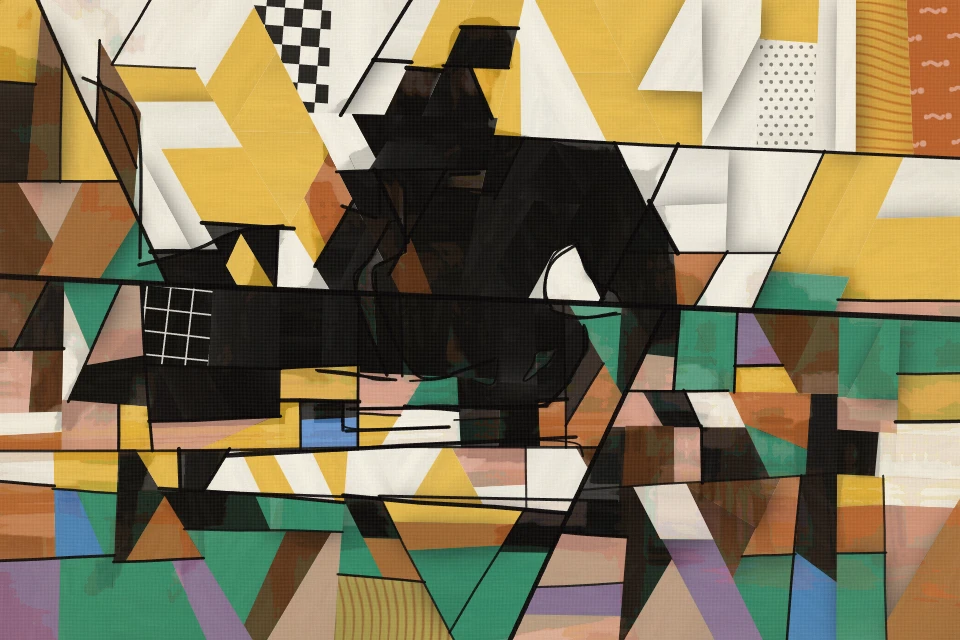
Pablo Picasso ve Kübizm
Bir fotoğrafı tarayıcınızda Pablo Picasso ve Kübizm’e dönüştürün: Mavi ve Pembe Dönem, Analitik veya Sentetik Kübizm, Kübist bir portre, papier collé, Kristal Kübizm, Ağlayan Kadın’ın parçalanmış portreleri veya Guernica’nın siyah-beyaz kırıkları.
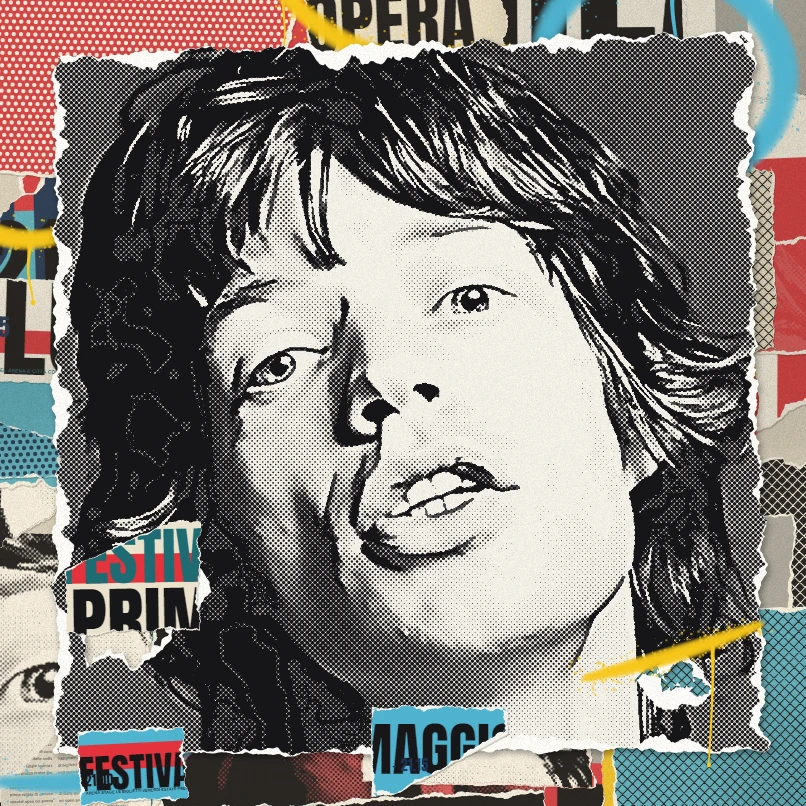
Pop art fotoğraf filtresi
Bir fotoğrafı tarayıcınızda pop arta dönüştürün: pop tarzı bir retro poster, pop desen, gökkuşağı yüzeylerle bir WPAP portresi, sokak kolajı, mürekkep sıçraması, varak altın, Silhouette, güneş ışınları ya da pop amblemlerinden bir ızgara.
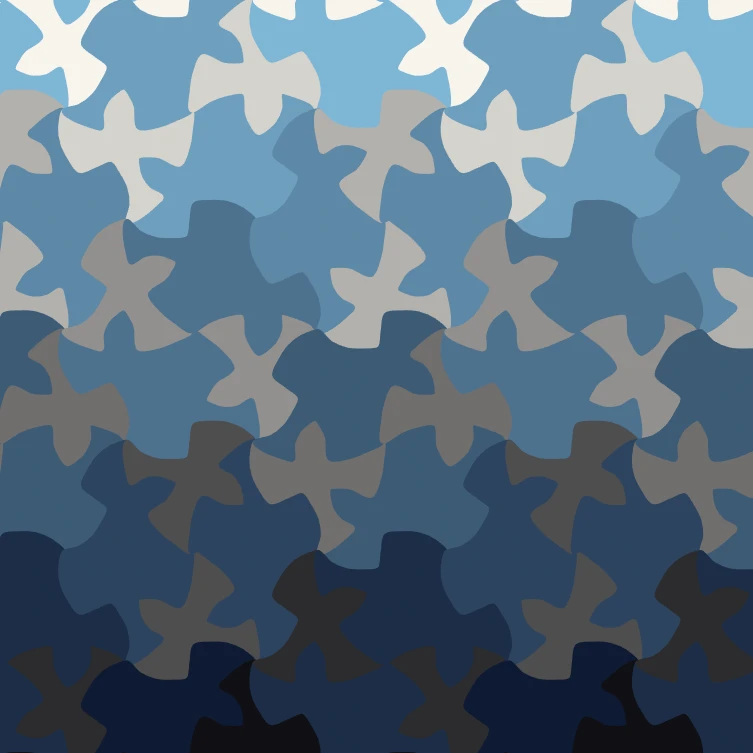
M.C. Escher mozaikleme aracı
Online M.C. Escher tarzı mozaikler: iç içe geçen kertenkeleler, kuşlar, balıklar, Pegasus ve dahası. Motifi biçimlendirin, renklendirin, PNG veya SVG kaydedin.
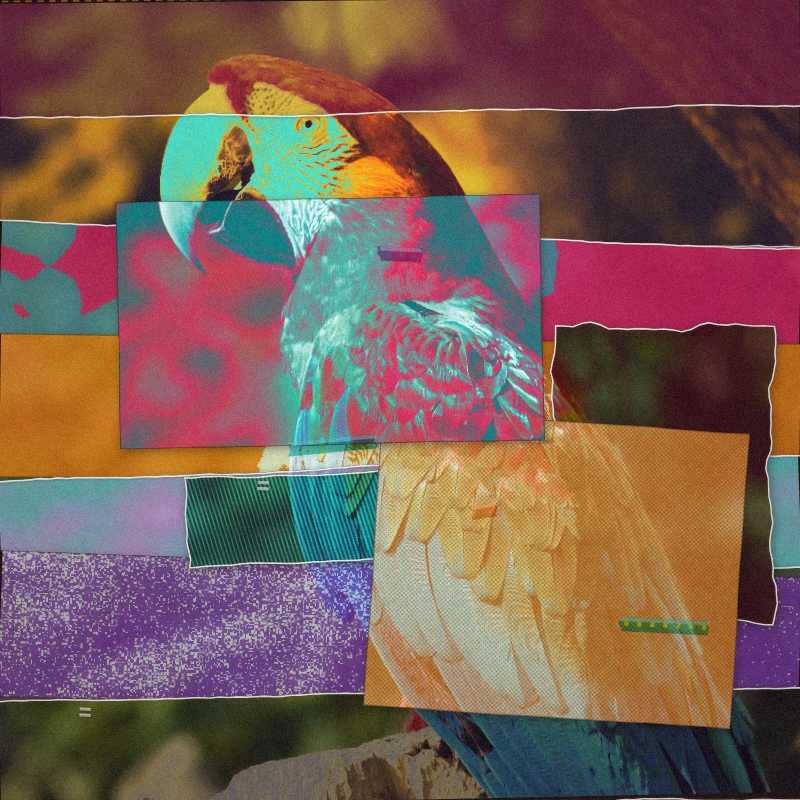
Bir fotoğrafı karma medya kolajına dönüştürün
Tarayıcınızda bir fotoğrafı karma medya kolajı olarak yeniden kurun—yırtık parçalar, baskı dokuları, bant ve xerox.
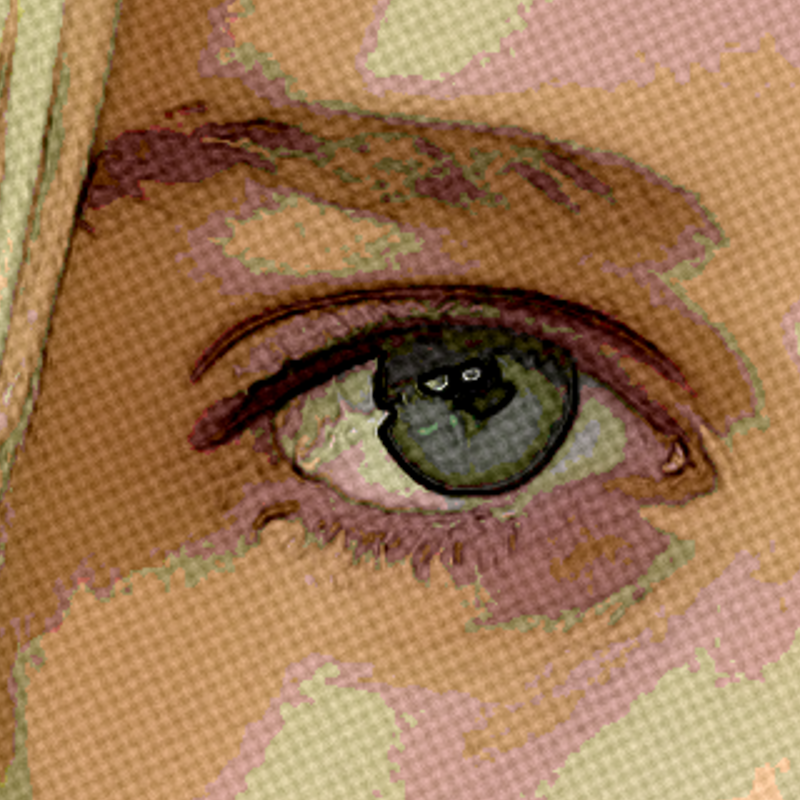
Sanatsal efektler
Fotoğrafları yağlı boya, suluboya, kurşun kalem, çizgi roman mürekkebi, pastel, kâğıt kesme ve diğer stüdyo sanat görünümleriyle dönüştürün.
Denemeye hazır mısınız?
PictorX'i tarayıcınızda açın — kurulum gerekmez, başlamak için kredi kartı gerekmez.
Editöre Git