
Coloca una foto en un sueño surrealista — los relojes blandos de Dalí, los bombines de Magritte o la plaza de De Chirico — elige un artista y un estilo, y ajusta Distorsión y Onirismo.
El hijo del hombre – Surrealismo, Dalí y Magritte
The Surrealists painted dreams with the precision of a photograph, or let chance take over. This app puts your photo into one of their pictures: choose Salvador Dalí for soft watches, elephants on stilt legs and crutches, René Magritte for green apples, bowler hats and blue skies, or Other for De Chirico's empty squares, Max Ernst's crusts, Tanguy's endless plains, Carrington's giantess, Varo's tower and Man Ray's solarized prints. All processed on-device. Coloca una foto en un sueño surrealista — los relojes blandos de Dalí, los bombines de Magritte o la plaza de De Chirico — elige un artista y un estilo, y ajusta Distorsión y Onirismo.
Cómo funciona
- Open PictorX in your browser and load a photo — portraits with a clear subject work best.
- Pick an Artist—Salvador Dalí, René Magritte or Other for the rest of the Surrealists—then one of their Styles and a Palette, and adjust Distortion, Dreaminess, Detail, Shadows and Floating Objects. Turn on Remove background for a cleaner cutout of the subject.
- Export the painting, or keep editing with layers and other effects in the same workspace.
Salvador Dalí, René Magritte or another Surrealist
The Artist list at the top of the panel chooses whose dream you step into, and the Style list below it shows that artist's pictures. Salvador Dalí has seven: Persistence of Memory, Elephants, Galatea of the Spheres, Swans Reflecting Elephants, Burning Giraffe, Sleep and Leda Atomica. René Magritte has eight: Son of Man, Golconda, Empire of Light, Decalcomania, The Lovers, Treachery of Images, Great Family and Castle of the Pyrenees. Other gathers the rest of the movement: De Chirico's Metaphysical, Max Ernst's Europe after the Rain, the Exquisite Corpse, Yves Tanguy's Indefinite Divisibility, Leonora Carrington's The Giantess, Remedios Varo's Embroidering the Earth's Mantle and Man Ray's Solarization.
Seven dreams after Dalí
Persistence of Memory follows the painting of 1931: your photo goes soft and droops over the edge of a ledge beside a melting watch, in a bare landscape of golden cliffs and a calm sea. Elephants sets the subject on a plain at sunset between elephants on impossibly long, thin legs that carry obelisks. Galatea of the Spheres rebuilds the subject from shaded spheres floating in space. Swans Reflecting Elephants stands it on the shore of a still lake among the rocks of Cap de Creus, where swans float on the water and their reflections are elephants. Burning Giraffe opens drawers in the figure, props it up with crutches and sets a giraffe on fire far off on a blue evening plain. Sleep turns it into a huge soft mass hanging in the air on crutches, and Leda Atomica lets everything float: the figure in separate slabs, the sea above the beach, and an egg, a book and a stool in the air.
Eight impossible pictures after Magritte
Son of Man sets the subject before a low wall, a grey sea and a blue sky of cumulus clouds, with a green apple floating before the face and bowler hats drifting overhead. Golconda fills the air with men in bowler hats before plain houses with red roofs. Empire of Light puts a bright day sky over a street already deep in the night, with a street lamp and lit windows. Decalcomania stands the subject beside a curtain with their silhouette cut out of it, through which the sea and sky continue. The Lovers wraps the head in a white cloth, in a room with a red wall and a wall painted as sky. Treachery of Images paints the subject plainly on a bare ground above the handwritten words “Ceci n'est pas une photo.” Great Family fills the subject's silhouette with a bright day sky against a stormy sea, and Castle of the Pyrenees sets the subject on a huge rock floating over the waves, beside a small castle.
De Chirico, Max Ernst and the Exquisite Corpse
Metaphysical follows Giorgio de Chirico, setting the subject as a statue on a plinth in an empty square with an arcade, a green sky, long shadows, a red chimney and a little train. Europe after the Rain follows Max Ernst, pressing the photo into decalcomania crusts of rust and verdigris under a clear sky and a ring-shaped sun. Exquisite Corpse cuts the picture into bands drawn in ink, pencil, watercolour and halftone, like the Surrealists' folding game in which each player adds a part without seeing the others.
Tanguy, Carrington, Varo and Man Ray
Indefinite Divisibility follows Yves Tanguy, turning the subject into a smooth stone form on an endless plain that melts into the sky without a horizon, among bone-like shapes that throw long, crisp shadows. The Giantess follows Leonora Carrington: the subject towers over a tiny landscape of sea, ships and wheat in a long pale cloak, guarding an egg while geese fly from her cloak and little people look up at her feet. Embroidering the Earth's Mantle follows Remedios Varo, setting the subject in the window of a round tower while threads spill down and become an embroidered landscape, all covered in her fine, hair-thin brushstrokes. Solarization follows Man Ray's photographs of about 1930: a silver print whose highlights fold over into dark, with pale lines glowing along the edges, and rayograph objects—a key, a spiral, a comb, a pair of lips—around it.
From a hint to a strange dream
Distortion sets how strange the scene becomes: how far Dalí's photo melts or his elephants' legs grow, how high Magritte's subject floats or how far his night rises into the day sky, how steep De Chirico's perspective is or how far the Exquisite Corpse's bands shift. Dreaminess smooths the photo into glazed paint and tones it towards the palette; Detail adds clouds, swans, hats, arches, crusts, forms or threads; Shadows deepens the shadows. Palette chooses the light—Dream for each painter's own colours, Photo to keep your hues, Dusk, Night or Desert—and Floating Objects adds the watches, crutches, apples, bowler hats, castle, caption, the chimney and the train, Carrington's geese or Man Ray's rayograph objects. Remove background cuts out the subject first, so it stands cleanly in the scene.
Privacy and keep editing
Processing stays in your browser—photos are not uploaded to PictorX servers for this filter. After Surrealism, Dalí and Magritte, continue with layers, text, Picasso and Cubism, Matisse and Fauvism, Pop Art, or export.
Preguntas frecuentes
¿Qué hace la app Surrealismo, Dalí y Magritte?
Convierte una foto en un cuadro onírico a la manera de los surrealistas. Elige un Artista: Salvador Dalí la derrite como los relojes blandos de La persistencia de la memoria, la coloca entre elefantes de patas largas o la apuntala con muletas; René Magritte pone una manzana verde delante de la cara, llena el cielo de hombres con bombín o escribe debajo «Ceci n'est pas une photo»; Otros la sitúa en la plaza vacía de De Chirico, entre las costras de Max Ernst, en un cadáver exquisito, en la llanura infinita de Tanguy, con la giganta de Carrington, la torre de Varo o una solarización de Man Ray. Se crea a partir de tu foto, no es una copia de ningún cuadro de museo.
¿Qué fue el surrealismo?
Un movimiento artístico y literario fundado en París en 1924, cuando André Breton publicó el Manifiesto del surrealismo. Sus pintores, entre ellos Salvador Dalí, René Magritte, Max Ernst y Joan Miró, se inspiraron en los sueños, el azar y el inconsciente, y a menudo pintaron escenas imposibles con gran realismo. Las pinturas metafísicas anteriores de Giorgio de Chirico fueron una gran influencia.
¿Quiénes fueron Salvador Dalí y René Magritte?
Los dos pintores más conocidos del surrealismo. Salvador Dalí (1904–1989), de Cataluña (España), pintó imágenes oníricas con la precisión de un viejo maestro (relojes que se derriten, elefantes con patas de zancos, muletas, cajones e imágenes dobles) y fue tan famoso por su bigote engominado y su histrionismo como por sus cuadros. René Magritte (1898–1967), belga que trabajó sobre todo en Bruselas, pintó objetos corrientes con gran claridad y los puso en situaciones imposibles: sus hombres con bombín, sus manzanas verdes y sus cielos azules con nubes blancas se conocen en todo el mundo.
¿Quiénes fueron Tanguy, Carrington, Varo y Man Ray?
Yves Tanguy (1900–1955) fue un pintor francés de interminables llanuras oníricas salpicadas de formas lisas parecidas a huesos. Leonora Carrington (1917–2011), nacida en Inglaterra, y Remedios Varo (1908–1963), nacida en España, se hicieron amigas íntimas en Ciudad de México y pintaron mundos mágicos de gigantas, torres, alquimistas y viajeros. Man Ray (1890–1976), un estadounidense en París, llevó el surrealismo a la fotografía con sus rayografías sin cámara y sus retratos solarizados.
¿Qué es un cadáver exquisito?
Un juego surrealista en el que varias personas añaden algo a un dibujo o a una frase en una hoja doblada sin ver lo que han hecho los demás, de modo que las partes nunca encajan del todo. El estilo Cadáver exquisito lo imita dibujando cada franja de tu foto con una técnica distinta y desalineándola.
¿Qué significa «Ceci n'est pas une photo»?
«Esto no es una foto». Evoca el cuadro de Magritte La traición de las imágenes (1929), en el que bajo la imagen de una pipa aparecen las palabras «Ceci n'est pas une pipe»: una imagen es solo una representación de algo, no la cosa misma.
¿Es un producto oficial de Dalí o de Magritte?
No. La app Surrealismo, Dalí y Magritte de PictorX es un homenaje digital inspirado en sus cuadros. No está vinculada con la Fundación Gala-Salvador Dalí, la Fundación Magritte ni los herederos de los artistas, no reproduce ninguna de sus obras y cada imagen que crea sale de tu propia foto.
¿Qué fotos funcionan mejor?
Retratos y fotos con un sujeto claro, porque la mayoría de los estilos recortan el sujeto y lo colocan en una escena nueva: activa «Quitar fondo» para obtener el contorno más limpio. «La persistencia de la memoria» de Dalí y, en «Otros», «Europa después de la lluvia», «Cadáver exquisito» y «Solarización» funcionan con cualquier foto, también con paisajes y edificios.
Herramientas relacionadas
Surrealismo
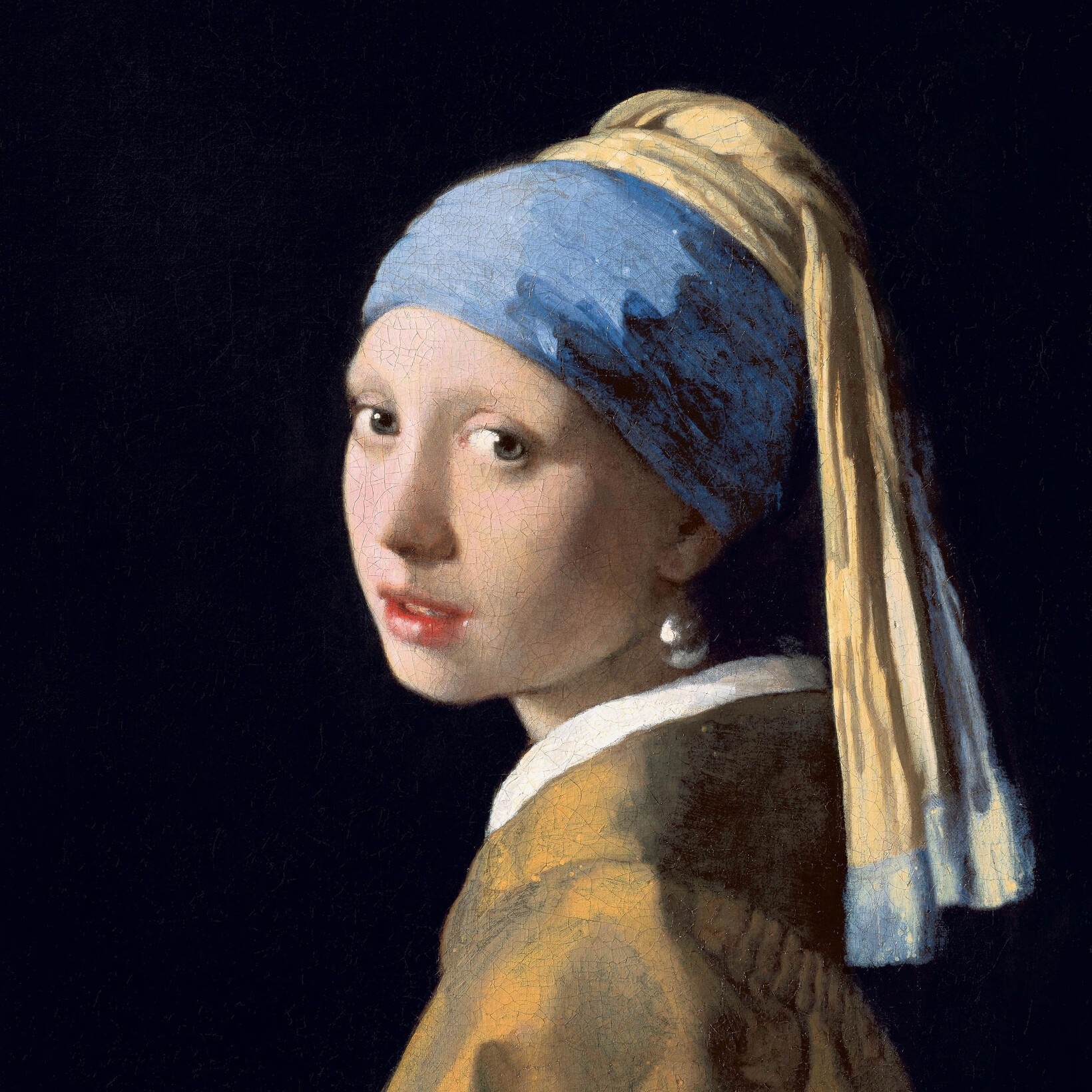
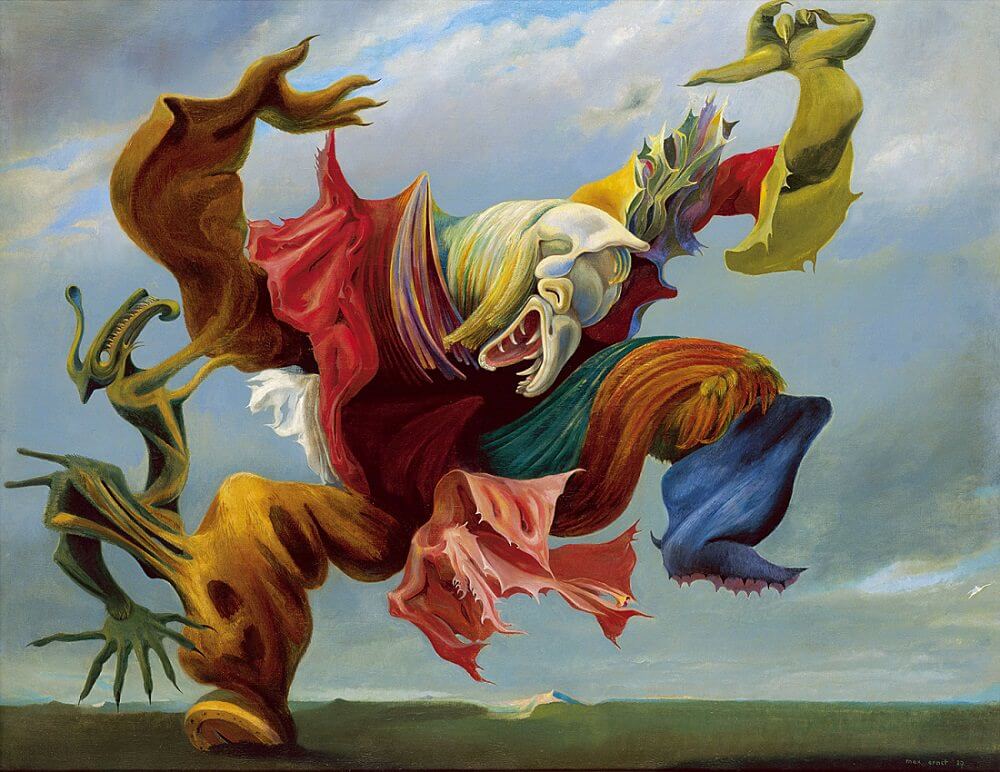
¿Qué fue el surrealismo? El manifiesto de Breton (1924), De Chirico, los relojes blandos de Dalí, las pipas de Magritte, Ernst, Miró y el cadáver exquisito.
Salvador Dalí
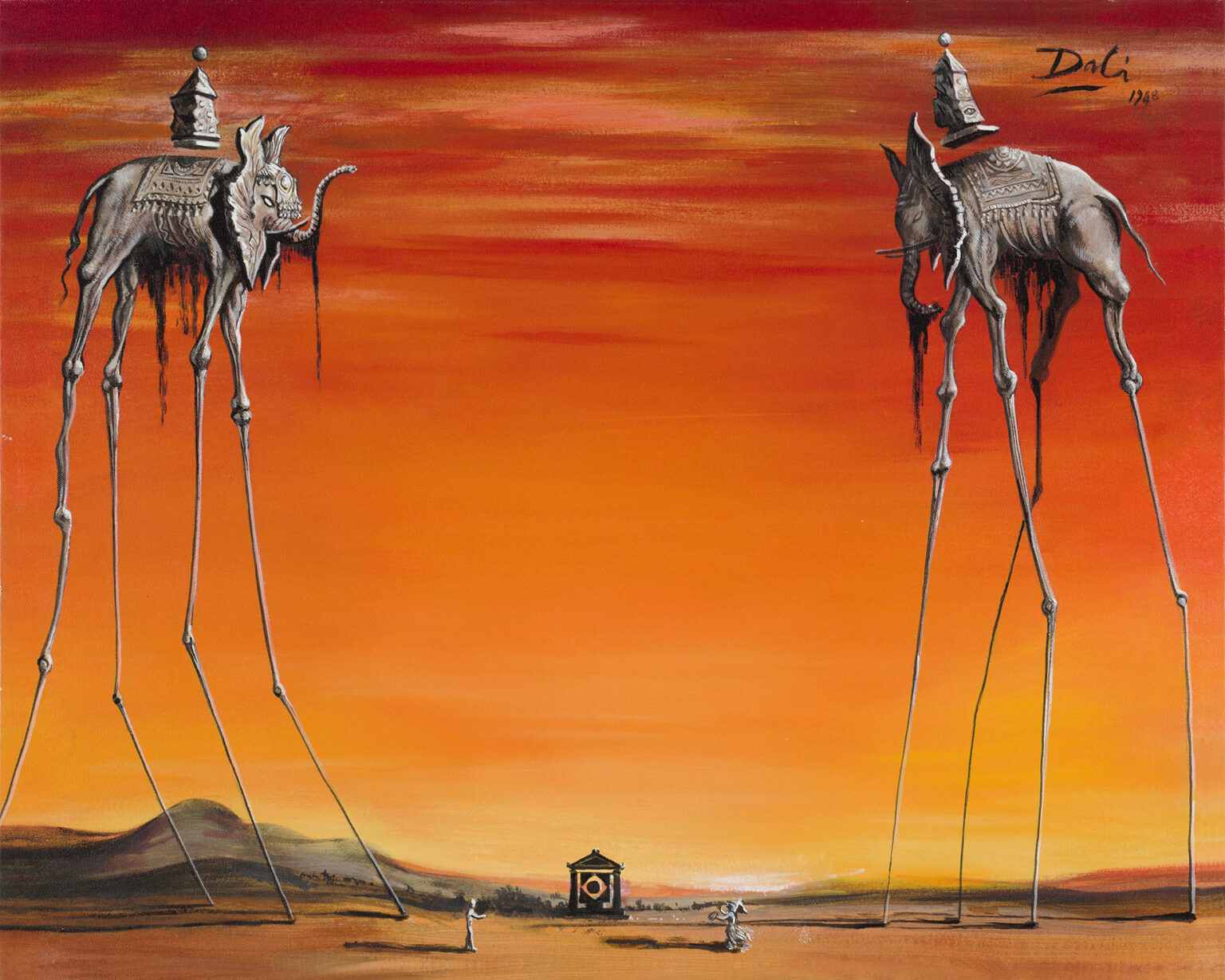
¿Quién fue Salvador Dalí? El surrealista de los relojes blandos de La persistencia de la memoria, los elefantes, el teléfono-langosta y su museo en Figueres.
René Magritte
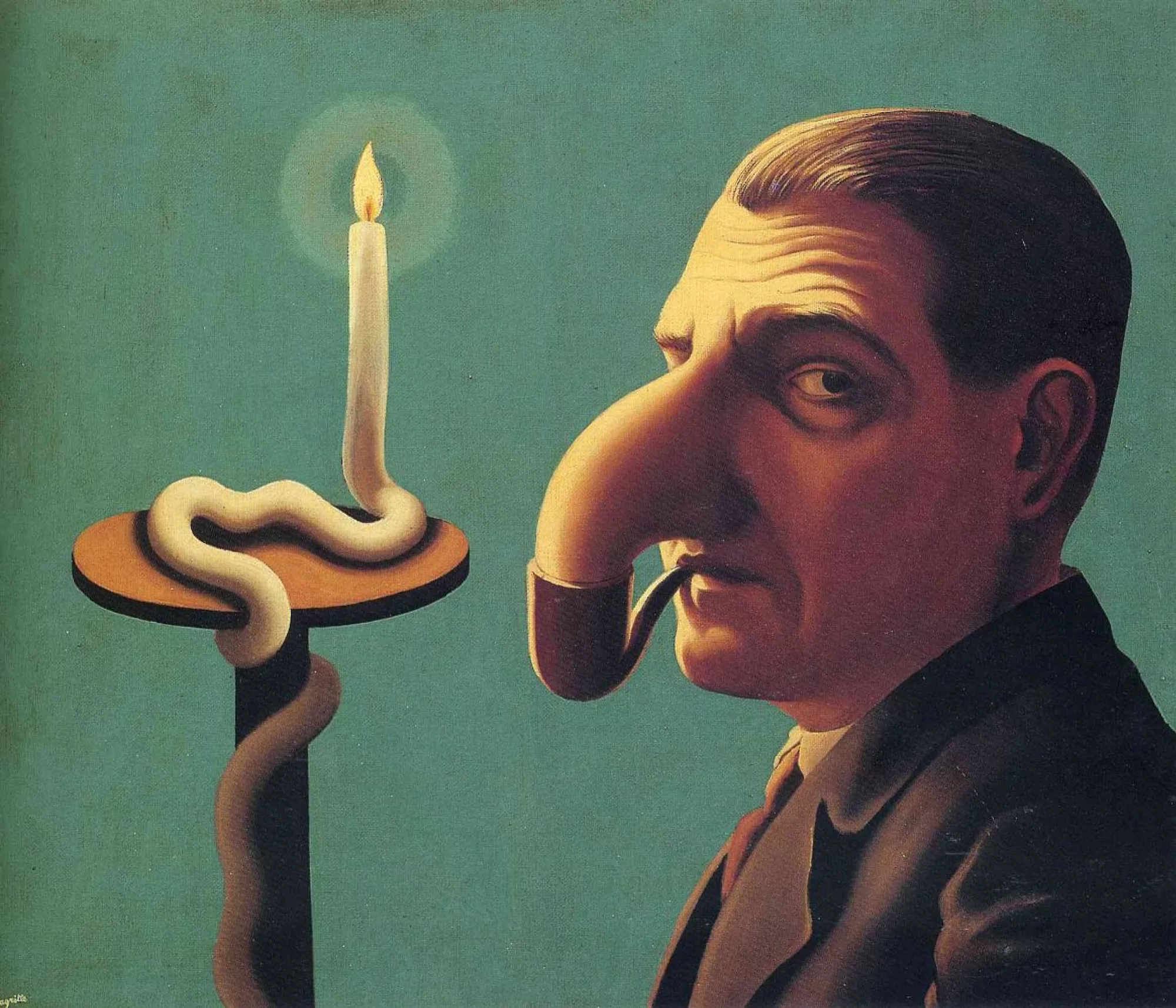
¿Quién fue René Magritte? El surrealista belga de El hijo del hombre, Ceci n'est pas une pipe, los bombines y El imperio de las luces, y qué significan.
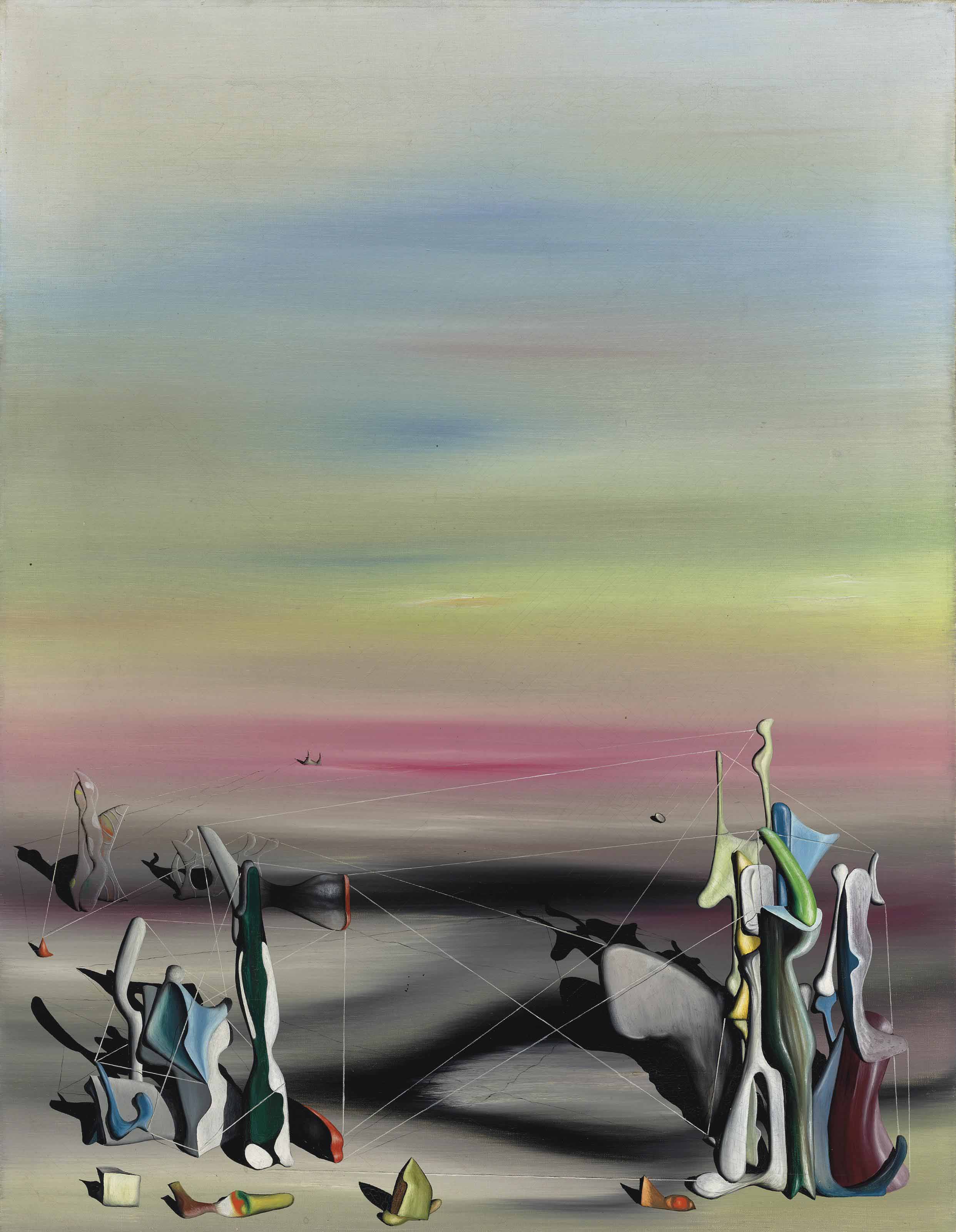
Yves Tanguy
¿Quién fue Yves Tanguy? El surrealista bretón autodidacta: un De Chirico visto desde un autobús, Mamá, papá está herido, llanuras sin horizonte y Kay Sage.
Op art: tu foto como ilusión óptica
Convierte una foto en op art en tu navegador: la Galatea de las esferas de Dalí, la Vega de Vasarely, las ondas de Bridget Riley, líneas en relieve, moiré, espirales y cuadrículas deformadas — en tu sujeto o en una forma, fija o animada.
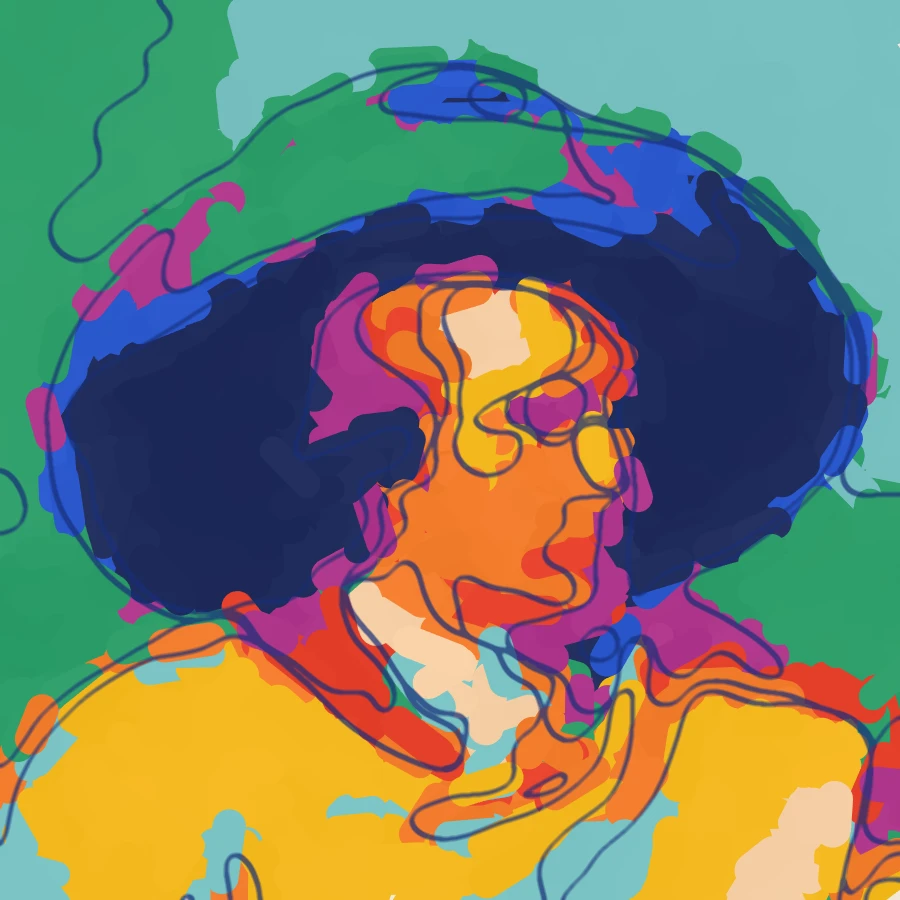
Henri Matisse y el fauvismo
Convierte una foto en Henri Matisse y el fauvismo en el navegador: recortes como Jazz y los Desnudos azules, Armonía en rojo, un dibujo de línea fluido o el color fauve salvaje de la Mujer con sombrero de Matisse, Collioure, el Londres de Derain y Vlaminck.
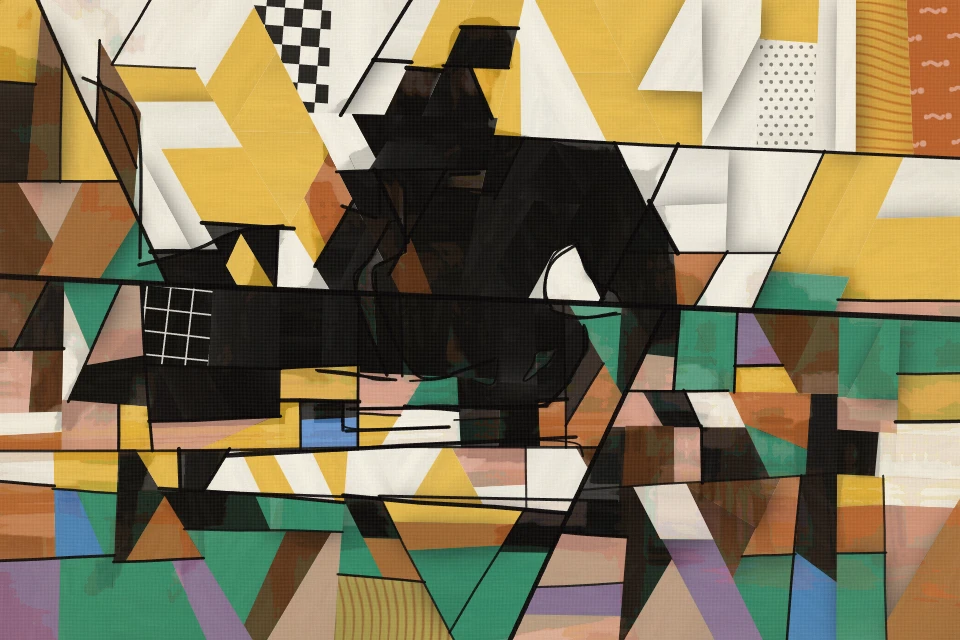
Pablo Picasso y el cubismo
Convierte una foto en Pablo Picasso y el cubismo en el navegador: los períodos azul y rosa, el cubismo analítico o sintético, un retrato cubista, papier collé, cubismo cristal, los retratos fragmentados de la Mujer llorando o los fragmentos en blanco y negro del Guernica.
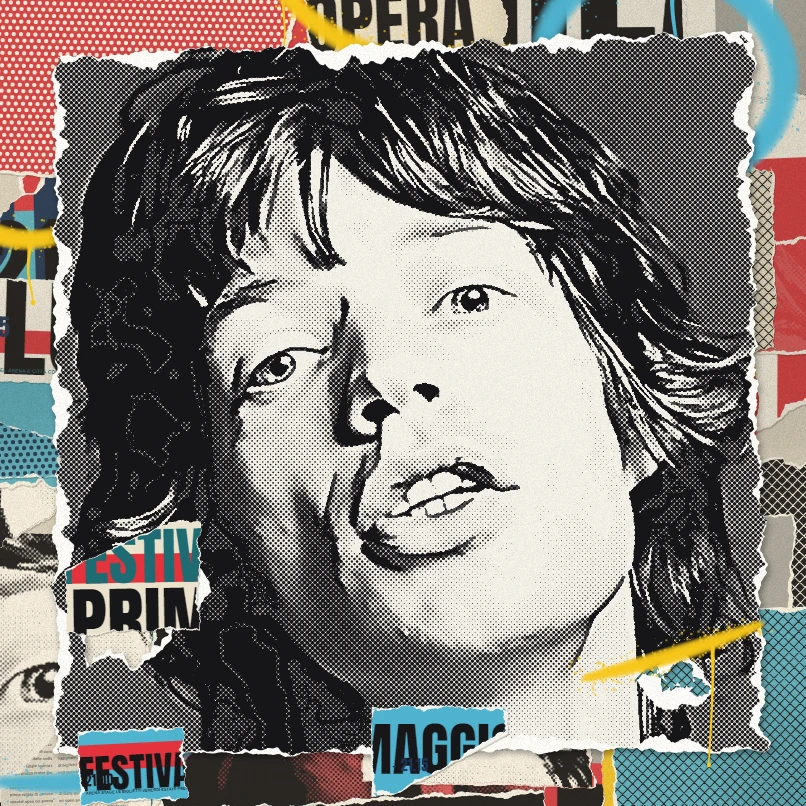
Filtro fotográfico Pop Art
Convierte una foto en pop art en tu navegador: un póster retro pop, un patrón pop, un retrato WPAP en facetas de arcoíris, un collage urbano, una salpicadura de tinta, pan de oro, una silueta, unos rayos de sol o una cuadrícula de emblemas pop.
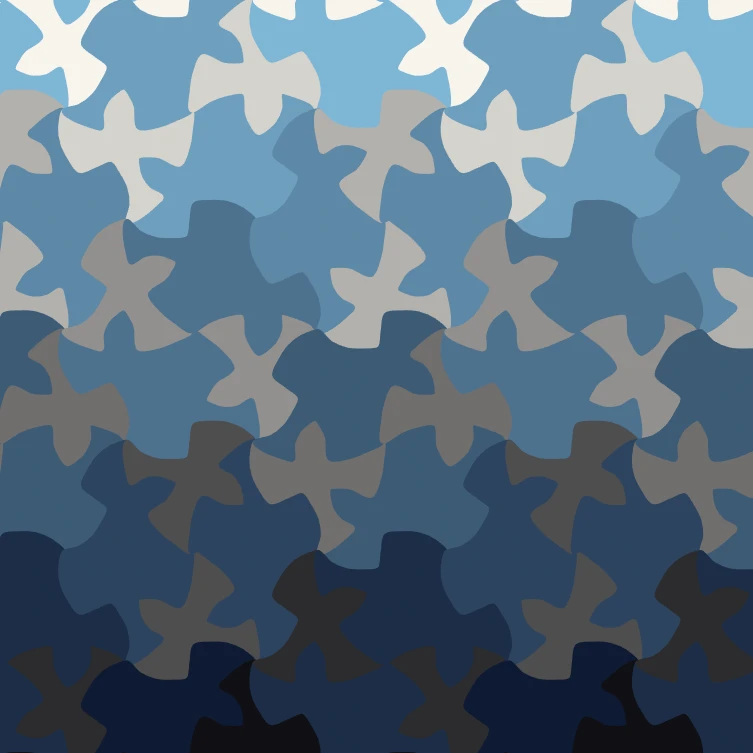
Creador de teselaciones de M.C. Escher
Crea teselaciones al estilo de M.C. Escher online: lagartos, aves, peces, Pegaso y más encajados entre sí. Cambia la forma y los colores y guarda PNG o SVG.
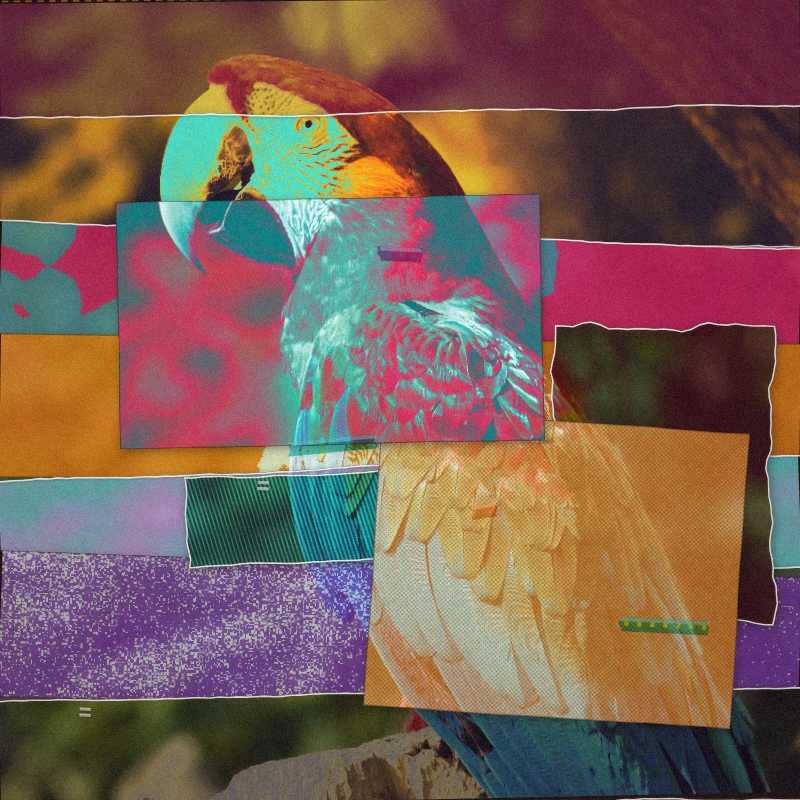
Convierte una foto en un collage de técnica mixta
Reconstruye una foto como collage de técnica mixta en el navegador: recortes rasgados, texturas de impresión, cinta y xerox.
Efectos artísticos
Transforme fotografías con pintura al óleo, acuarela, lápiz, tinta de cómic, pasteles, recortes de papel y otros estilos de arte de estudio.
¿Listo para probarlo?
Abre PictorX en tu navegador: sin instalación ni tarjeta de crédito para empezar.
Ir al editor