
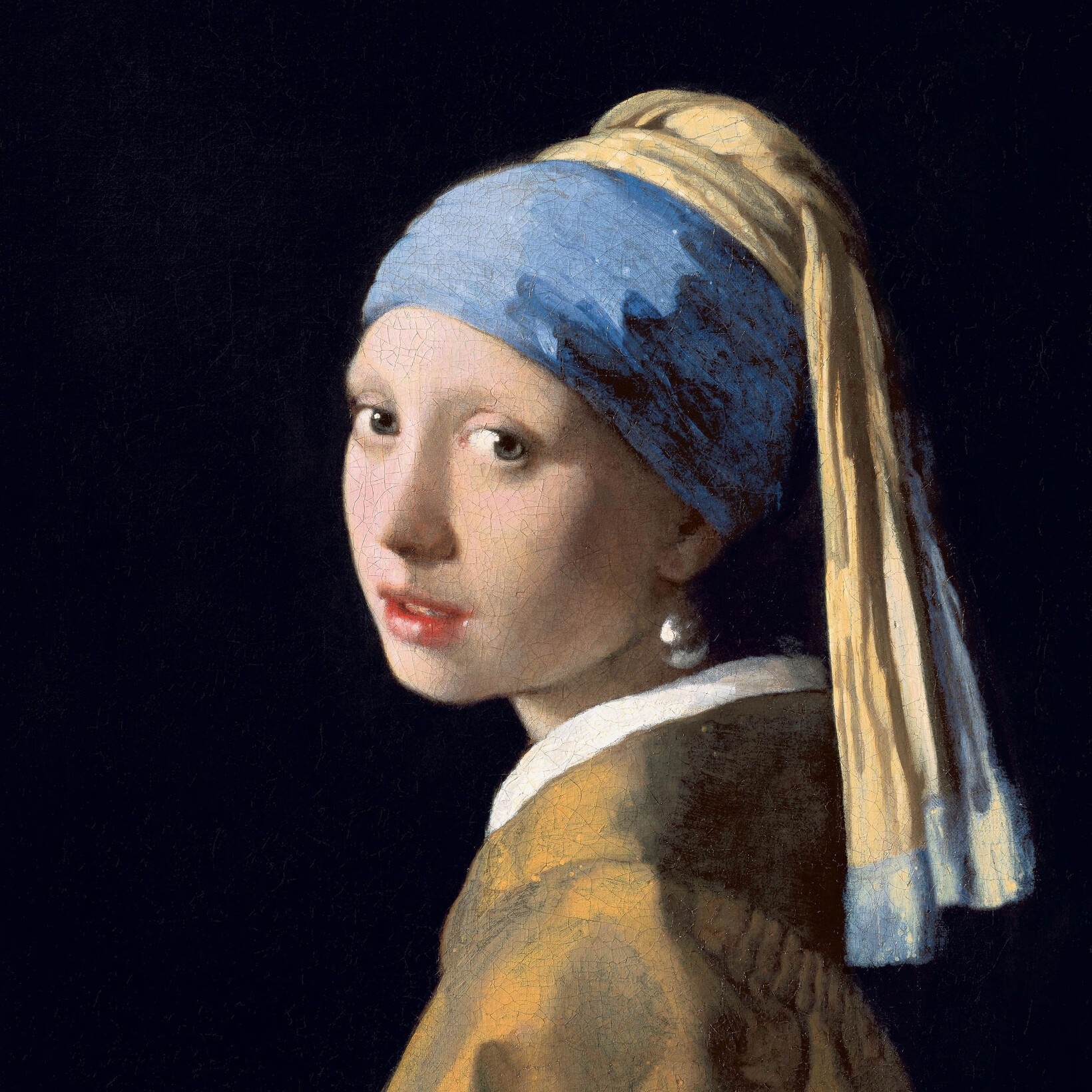
Pune o fotografie într-un vis suprarealist — ceasurile moi ale lui Dalí, pălăriile melon ale lui Magritte sau piața lui De Chirico — alege un artist și un stil, apoi reglează Distorsiunea și Onirismul.
Fiul omului – Suprarealism, Dalí și Magritte
The Surrealists painted dreams with the precision of a photograph, or let chance take over. This app puts your photo into one of their pictures: choose Salvador Dalí for soft watches, elephants on stilt legs and crutches, René Magritte for green apples, bowler hats and blue skies, or Other for De Chirico's empty squares, Max Ernst's crusts, Tanguy's endless plains, Carrington's giantess, Varo's tower and Man Ray's solarized prints. All processed on-device. Pune o fotografie într-un vis suprarealist — ceasurile moi ale lui Dalí, pălăriile melon ale lui Magritte sau piața lui De Chirico — alege un artist și un stil, apoi reglează Distorsiunea și Onirismul.
Cum funcționează
- Open PictorX in your browser and load a photo — portraits with a clear subject work best.
- Pick an Artist—Salvador Dalí, René Magritte or Other for the rest of the Surrealists—then one of their Styles and a Palette, and adjust Distortion, Dreaminess, Detail, Shadows and Floating Objects. Turn on Remove background for a cleaner cutout of the subject.
- Export the painting, or keep editing with layers and other effects in the same workspace.
Salvador Dalí, René Magritte or another Surrealist
The Artist list at the top of the panel chooses whose dream you step into, and the Style list below it shows that artist's pictures. Salvador Dalí has seven: Persistence of Memory, Elephants, Galatea of the Spheres, Swans Reflecting Elephants, Burning Giraffe, Sleep and Leda Atomica. René Magritte has eight: Son of Man, Golconda, Empire of Light, Decalcomania, The Lovers, Treachery of Images, Great Family and Castle of the Pyrenees. Other gathers the rest of the movement: De Chirico's Metaphysical, Max Ernst's Europe after the Rain, the Exquisite Corpse, Yves Tanguy's Indefinite Divisibility, Leonora Carrington's The Giantess, Remedios Varo's Embroidering the Earth's Mantle and Man Ray's Solarization.
Seven dreams after Dalí
Persistence of Memory follows the painting of 1931: your photo goes soft and droops over the edge of a ledge beside a melting watch, in a bare landscape of golden cliffs and a calm sea. Elephants sets the subject on a plain at sunset between elephants on impossibly long, thin legs that carry obelisks. Galatea of the Spheres rebuilds the subject from shaded spheres floating in space. Swans Reflecting Elephants stands it on the shore of a still lake among the rocks of Cap de Creus, where swans float on the water and their reflections are elephants. Burning Giraffe opens drawers in the figure, props it up with crutches and sets a giraffe on fire far off on a blue evening plain. Sleep turns it into a huge soft mass hanging in the air on crutches, and Leda Atomica lets everything float: the figure in separate slabs, the sea above the beach, and an egg, a book and a stool in the air.
Eight impossible pictures after Magritte
Son of Man sets the subject before a low wall, a grey sea and a blue sky of cumulus clouds, with a green apple floating before the face and bowler hats drifting overhead. Golconda fills the air with men in bowler hats before plain houses with red roofs. Empire of Light puts a bright day sky over a street already deep in the night, with a street lamp and lit windows. Decalcomania stands the subject beside a curtain with their silhouette cut out of it, through which the sea and sky continue. The Lovers wraps the head in a white cloth, in a room with a red wall and a wall painted as sky. Treachery of Images paints the subject plainly on a bare ground above the handwritten words “Ceci n'est pas une photo.” Great Family fills the subject's silhouette with a bright day sky against a stormy sea, and Castle of the Pyrenees sets the subject on a huge rock floating over the waves, beside a small castle.
De Chirico, Max Ernst and the Exquisite Corpse
Metaphysical follows Giorgio de Chirico, setting the subject as a statue on a plinth in an empty square with an arcade, a green sky, long shadows, a red chimney and a little train. Europe after the Rain follows Max Ernst, pressing the photo into decalcomania crusts of rust and verdigris under a clear sky and a ring-shaped sun. Exquisite Corpse cuts the picture into bands drawn in ink, pencil, watercolour and halftone, like the Surrealists' folding game in which each player adds a part without seeing the others.
Tanguy, Carrington, Varo and Man Ray
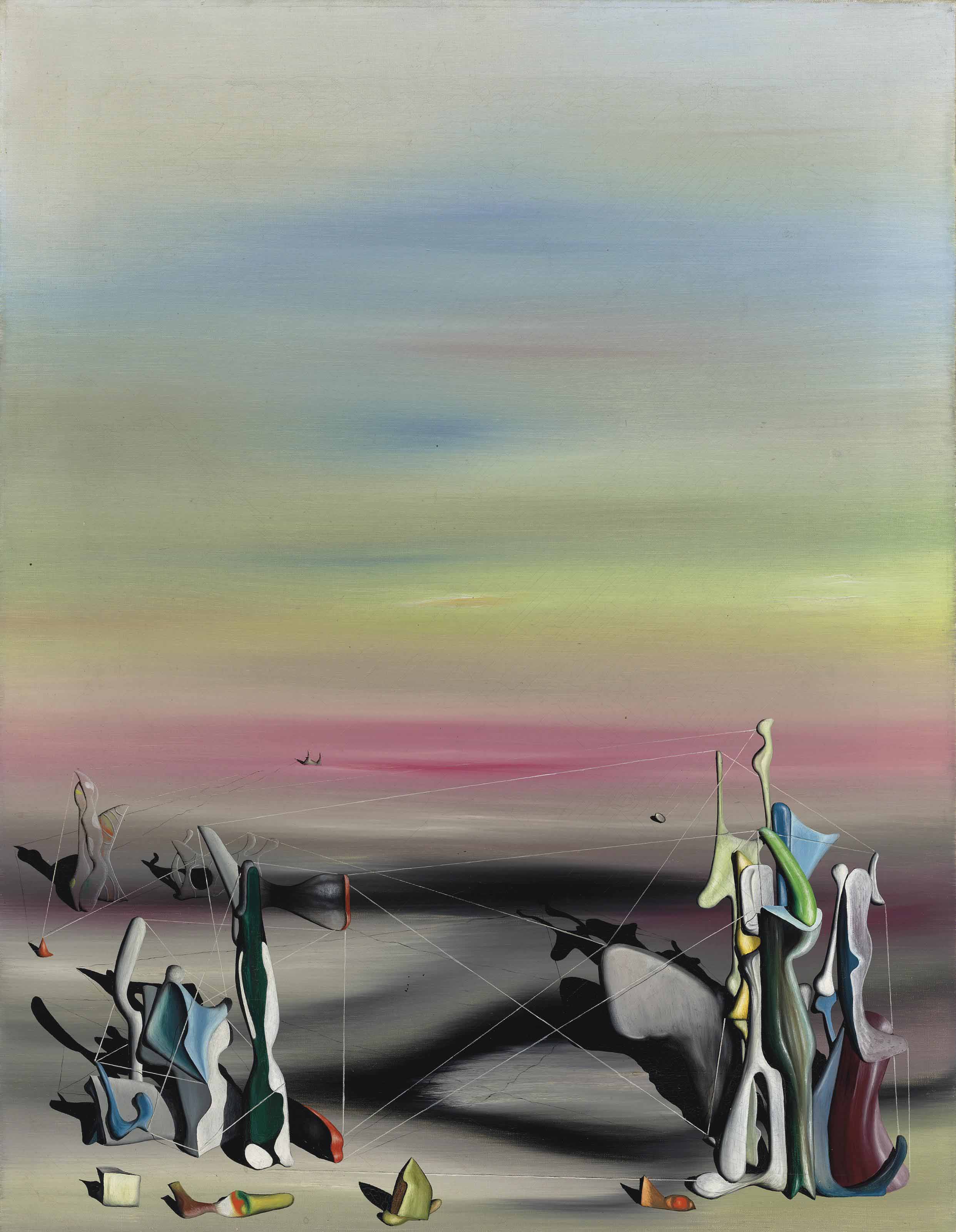
Indefinite Divisibility follows Yves Tanguy, turning the subject into a smooth stone form on an endless plain that melts into the sky without a horizon, among bone-like shapes that throw long, crisp shadows. The Giantess follows Leonora Carrington: the subject towers over a tiny landscape of sea, ships and wheat in a long pale cloak, guarding an egg while geese fly from her cloak and little people look up at her feet. Embroidering the Earth's Mantle follows Remedios Varo, setting the subject in the window of a round tower while threads spill down and become an embroidered landscape, all covered in her fine, hair-thin brushstrokes. Solarization follows Man Ray's photographs of about 1930: a silver print whose highlights fold over into dark, with pale lines glowing along the edges, and rayograph objects—a key, a spiral, a comb, a pair of lips—around it.
From a hint to a strange dream
Distortion sets how strange the scene becomes: how far Dalí's photo melts or his elephants' legs grow, how high Magritte's subject floats or how far his night rises into the day sky, how steep De Chirico's perspective is or how far the Exquisite Corpse's bands shift. Dreaminess smooths the photo into glazed paint and tones it towards the palette; Detail adds clouds, swans, hats, arches, crusts, forms or threads; Shadows deepens the shadows. Palette chooses the light—Dream for each painter's own colours, Photo to keep your hues, Dusk, Night or Desert—and Floating Objects adds the watches, crutches, apples, bowler hats, castle, caption, the chimney and the train, Carrington's geese or Man Ray's rayograph objects. Remove background cuts out the subject first, so it stands cleanly in the scene.
Privacy and keep editing
Processing stays in your browser—photos are not uploaded to PictorX servers for this filter. After Surrealism, Dalí and Magritte, continue with layers, text, Picasso and Cubism, Matisse and Fauvism, Pop Art, or export.
Întrebări frecvente
Ce face aplicația Suprarealism, Dalí și Magritte?
Transformă o fotografie într-o pictură onirică după suprarealiști. Alege la „Artist”: Salvador Dalí o topește ca ceasurile moi din „Persistența memoriei”, o așază printre elefanți cu picioare lungi sau o sprijină în cârje; René Magritte pune un măr verde în fața chipului, umple cerul cu bărbați cu pălării melon sau scrie dedesubt „Ceci n'est pas une photo”; „Alții” o plasează în piața pustie a lui De Chirico, în crustele lui Max Ernst, într-un cadavre exquis, pe câmpia nesfârșită a lui Tanguy, la uriașa lui Carrington, în turnul lui Varo sau într-o solarizare Man Ray. Este construită din fotografia ta, nu este o copie a unui tablou de muzeu.
Ce a fost suprarealismul?
O mișcare artistică și literară fondată la Paris în 1924, când André Breton a publicat „Manifestul suprarealismului”. Pictorii ei, printre care Salvador Dalí, René Magritte, Max Ernst și Joan Miró, s-au inspirat din vise, hazard și inconștient, pictând adesea scene imposibile cu mare realism. Picturile metafizice anterioare ale lui Giorgio de Chirico au avut o influență majoră.
Cine au fost Salvador Dalí și René Magritte?
Cei mai cunoscuți doi pictori ai suprarealismului. Salvador Dalí (1904–1989), din Catalonia, în Spania, a pictat imagini onirice cu precizia unui vechi maestru – ceasuri care se topesc, elefanți pe picioare ca niște catalige, cârje, sertare și imagini duble – și a fost la fel de faimos pentru mustața ceruită și spiritul său de showman ca pentru tablourile sale. René Magritte (1898–1967), un belgian care a lucrat mai ales la Bruxelles, a pictat lucruri obișnuite cu mare claritate și le-a pus în situații imposibile: bărbații săi cu pălării melon, merele verzi și cerurile albastre cu nori albi sunt cunoscute în întreaga lume.
Cine au fost Tanguy, Carrington, Varo și Man Ray?
Yves Tanguy (1900–1955) a fost un pictor francez al câmpiilor onirice nesfârșite, presărate cu forme netede, asemănătoare oaselor. Leonora Carrington (1917–2011), născută în Anglia, și Remedios Varo (1908–1963), născută în Spania, au devenit prietene apropiate în Ciudad de México și au pictat lumi magice cu uriașe, turnuri, alchimiști și călători. Man Ray (1890–1976), un american la Paris, a adus suprarealismul în fotografie prin rayografiile realizate fără aparat și prin portretele solarizate.
Ce este un cadavre exquis?
Un joc suprarealist în care mai multe persoane adaugă câte o parte la un desen sau la o propoziție pe o foaie îndoită, fără să vadă ce au făcut ceilalți, așa că părțile nu se potrivesc niciodată pe deplin. Stilul „Cadavre exquis” îl imită desenând fiecare bandă a fotografiei tale cu altă tehnică și decalând-o.
Ce înseamnă „Ceci n'est pas une photo”?
„Aceasta nu este o fotografie.” Fraza amintește de tabloul lui Magritte Trădarea imaginilor (1929), în care sub imaginea unei pipe apar cuvintele „Ceci n'est pas une pipe”: o imagine este doar reprezentarea unui lucru, nu lucrul însuși.
Este un produs oficial Dalí sau Magritte?
Nu. Aplicația Suprarealism, Dalí și Magritte de la PictorX este un omagiu digital inspirat de picturile lor. Nu are legătură cu Fundația Gala-Salvador Dalí, Fundația Magritte sau moștenitorii artiștilor, nu reproduce niciuna dintre operele lor, iar fiecare imagine pe care o creează pornește de la propria dumneavoastră fotografie.
Ce fotografii merg cel mai bine?
Portrete și fotografii cu un singur subiect clar, pentru că majoritatea stilurilor decupează subiectul și îl așază într-o scenă nouă – activați „Elimină fundalul” pentru cel mai curat contur. „Persistența memoriei” a lui Dalí, precum și „Europa după ploaie”, „Cadavre exquis” și „Solarizare” din „Alții”, merg cu orice fotografie, inclusiv peisaje și clădiri.
Unelte conexe
Suprarealism
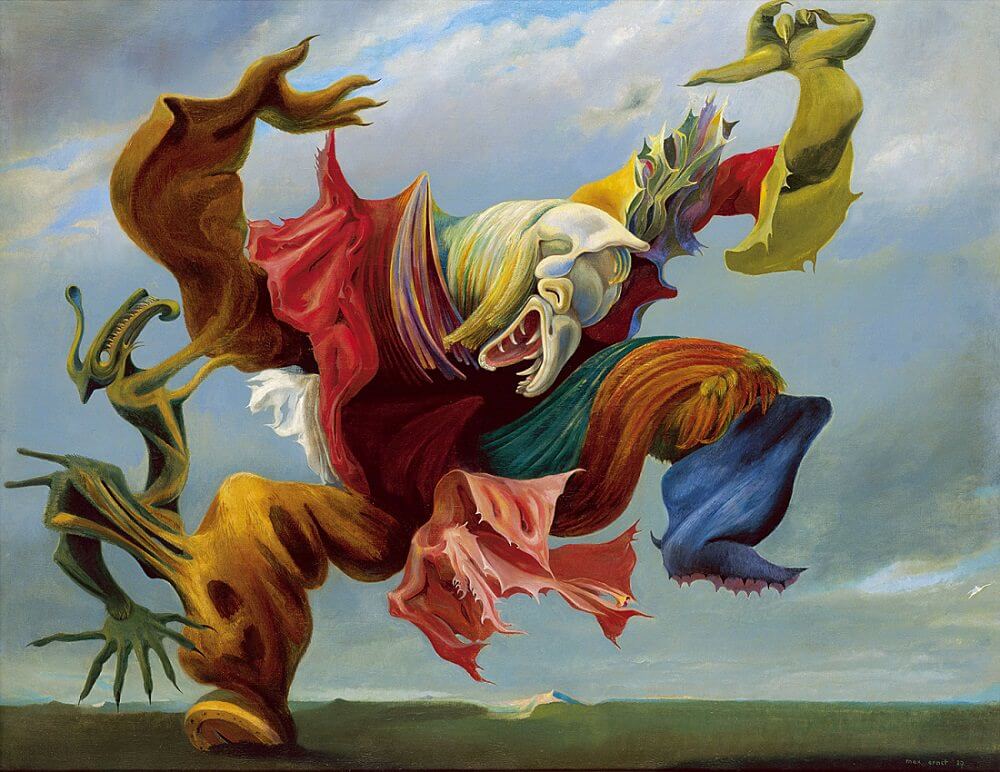
Ce a fost suprarealismul? Manifestul lui Breton din 1924, De Chirico, ceasurile moi ale lui Dalí, merele și pipele lui Magritte, Ernst, Miró, Cadavre exquis.
Salvador Dalí
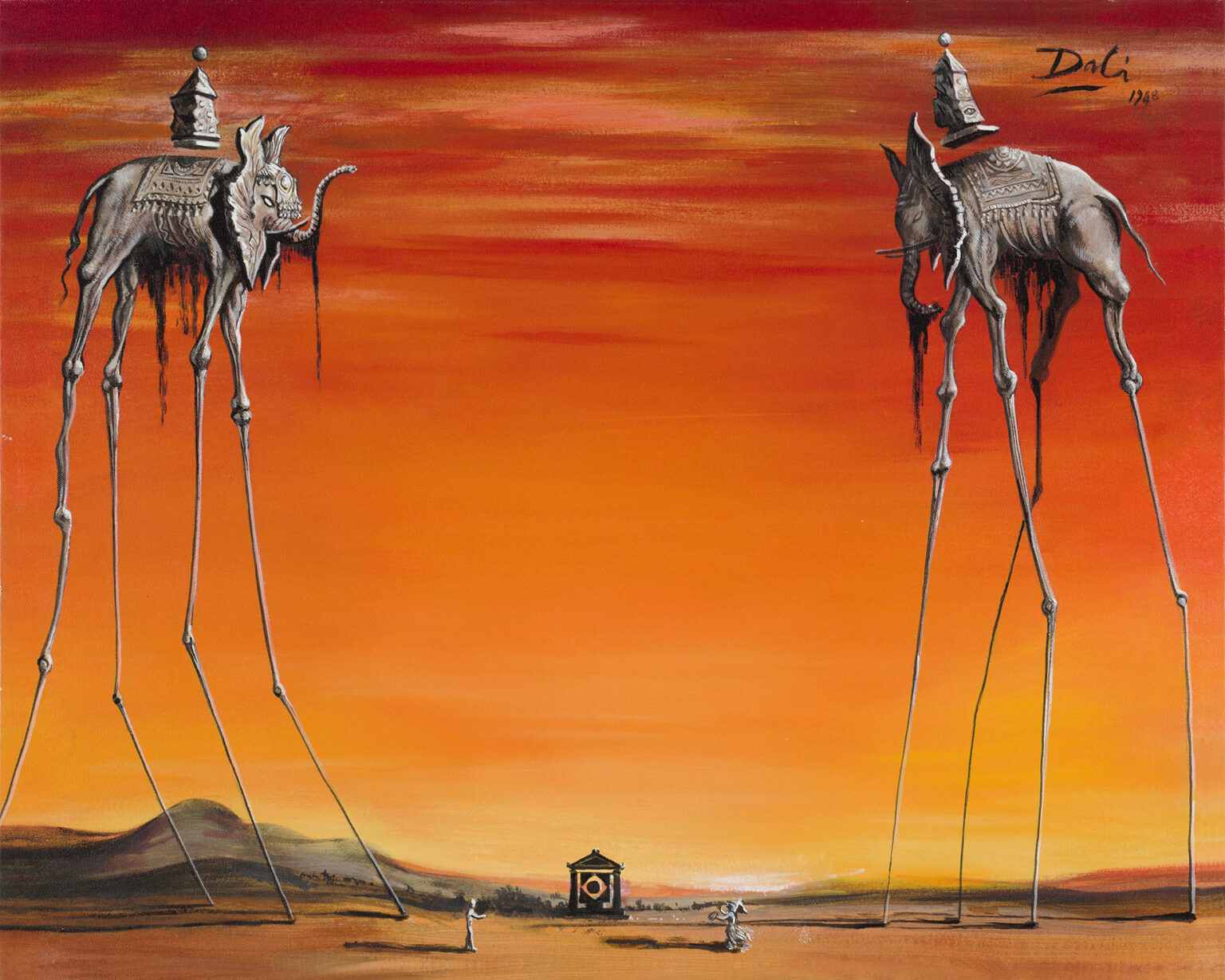
Cine a fost Salvador Dalí? Suprarealistul care a creat ceasurile moi din Persistența memoriei, elefanții, telefonul-homar și muzeul său din Figueres.
René Magritte
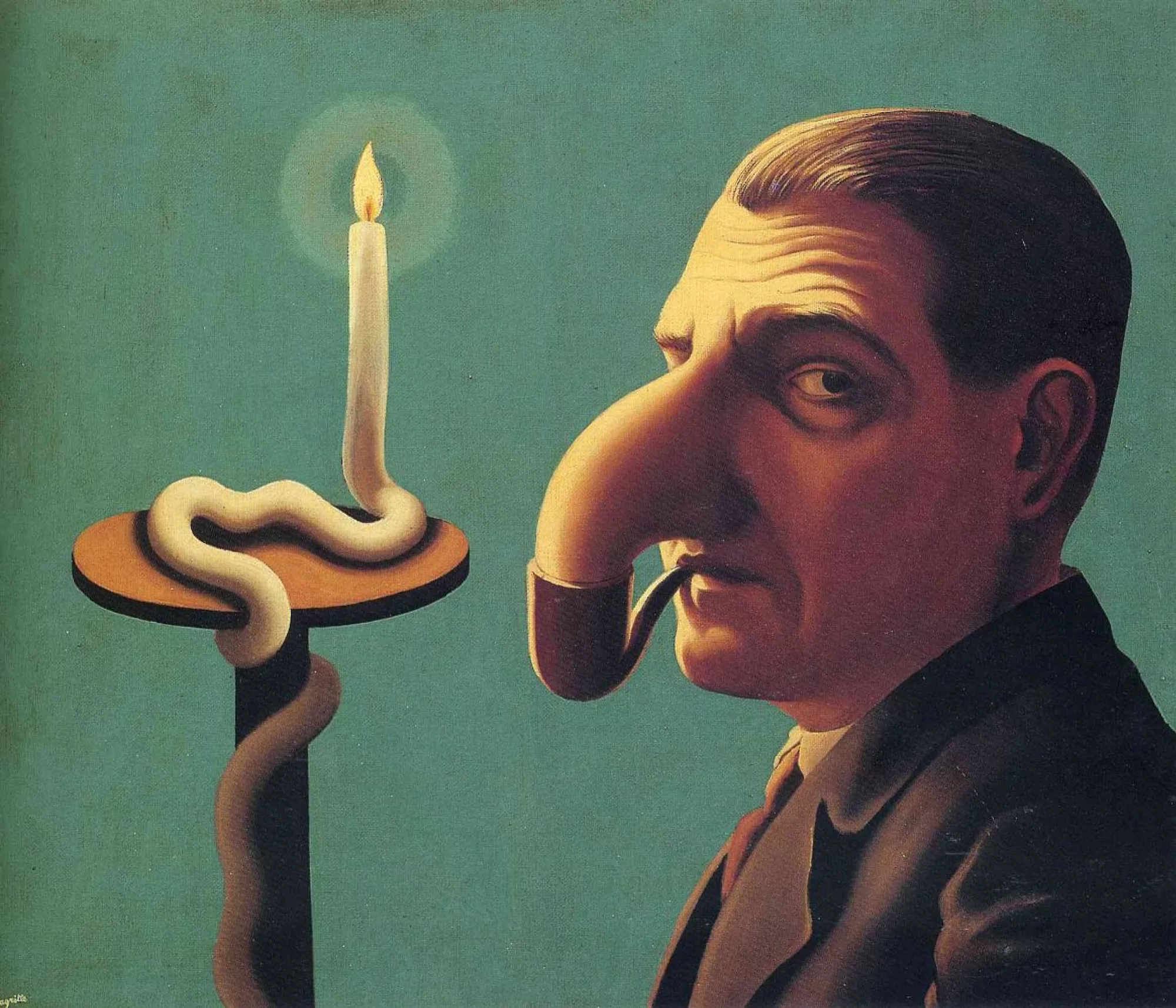
Cine a fost René Magritte? Suprarealistul belgian care a creat Fiul omului, Ceci n'est pas une pipe, pălăriile melon și Imperiul luminilor – și ce înseamnă.
Yves Tanguy
Cine a fost Yves Tanguy? Suprarealistul breton autodidact: un De Chirico văzut din autobuz, Mama, Papa is Wounded!, câmpii fără orizont, Kay Sage și America.
Op art: fotografia ta ca iluzie optică
Transformă o fotografie în op art în browser: Galateea sferelor a lui Dalí, Vega lui Vasarely, valurile lui Bridget Riley, linii în relief, moaré, spirale și grile deformate — în subiect sau într-o formă, statică sau animată.
Henri Matisse și fovismul
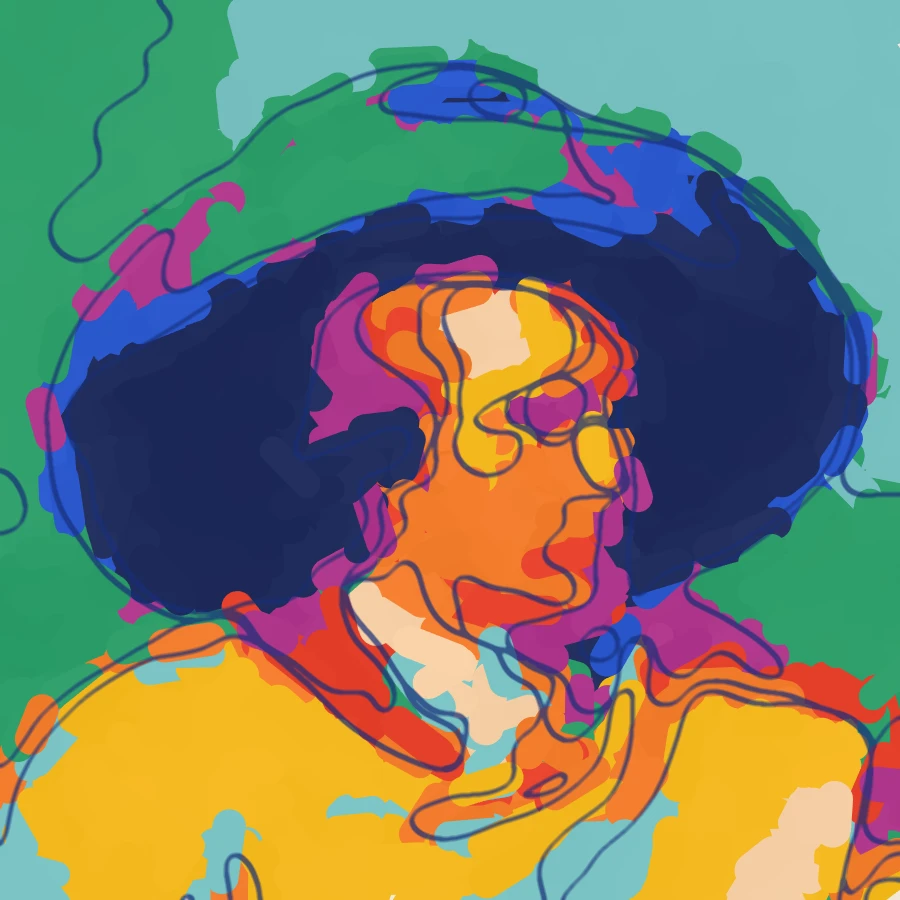
Transformă o fotografie în Henri Matisse și fovism în browser: decupaje ca Jazz și Nudurile albastre, Armonie în roșu, un desen liniar fluid sau culoarea fovistă sălbatică din Femeie cu pălărie de Matisse, Collioure, Londra lui Derain și Vlaminck.
Pablo Picasso și cubismul
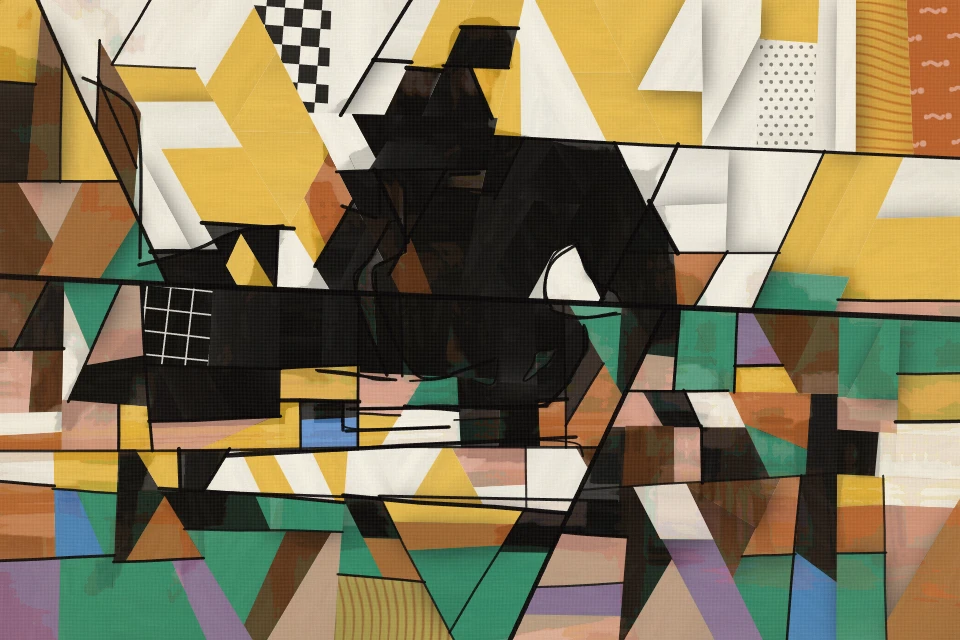
Transformă o fotografie în Pablo Picasso și cubism în browser: perioadele albastră și roz, cubismul analitic sau sintetic, un portret cubist, papier collé, cubism cristal, portretele fragmentate ale Femeii plângând sau cioburile alb-negru din Guernica.
Filtru foto pop art
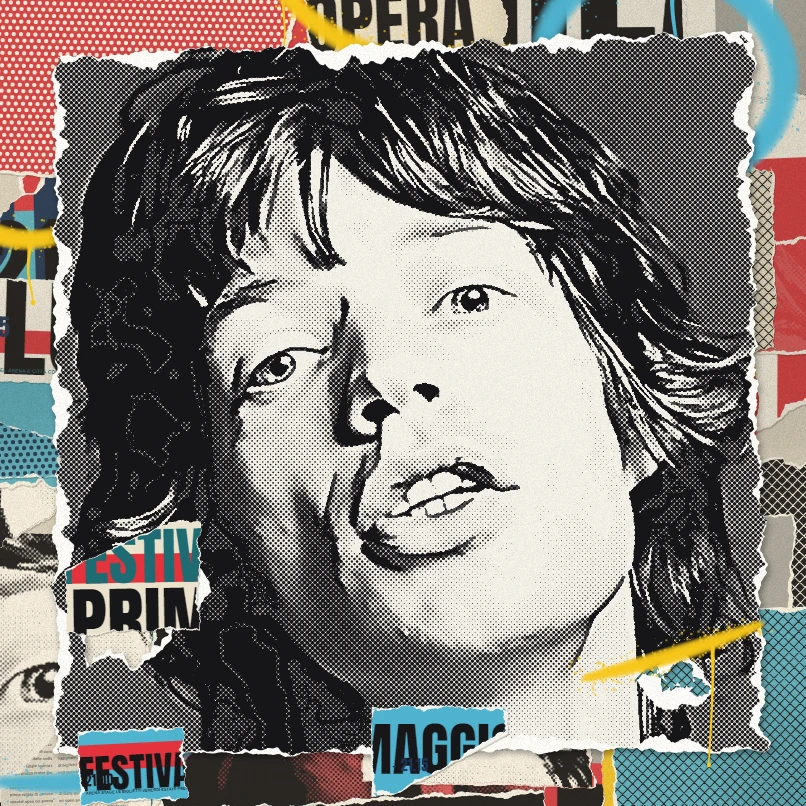
Transformă o fotografie în pop art în browser: un afiș pop retro, un model pop, un portret WPAP din fațete în culorile curcubeului, un colaj stradal, stropi de cerneală, foiță de aur, o siluetă, raze de soare sau o grilă de embleme pop.

Generator de teselații M.C. Escher
Creează online teselații în stil M.C. Escher: șopârle, păsări, pești, Pegas și altele care se îmbină. Modifică motivul, recolorează-l și salvează PNG sau SVG.
Transformă o fotografie într-un colaj de tehnică mixtă
Reconstruiește o fotografie ca un colaj de tehnică mixtă în browser—bucăți sfâșiate, texturi de tipar, bandă și xerox.
Efecte artistice
Transformă fotografiile cu pictură în ulei, acuarelă, creion, cerneală de benzi desenate, pasteluri, decupaje din hârtie și alte stiluri artistice de studio.
Ești gata să încerci?
Deschide PictorX în browser – fără instalare și fără card de credit.
Mergi la editor