
Намалюйте фото в блакитному чи рожевому періоді Пікассо, перебудуйте його як кубізм або розколіть, як «Жінку, що плаче» й «Герніку», — виберіть «Стиль», а потім налаштуйте «Розмір фігур» і «Спотворення».
Аналітичний кубізм – Пабло Пікассо і кубізм
Picasso changed style more often than any other great painter, and with Braque he invented Cubism. This app follows him from the Blue Period to Guernica: it keeps your photo's light and dark in the melancholy blues or tender pinks of his early years, rebuilds it in the faceted planes, pasted papers and flat colours of Cubism, or breaks it into angular shards with heavy black lines, as in his portraits of 1937. All processed on-device. Намалюйте фото в блакитному чи рожевому періоді Пікассо, перебудуйте його як кубізм або розколіть, як «Жінку, що плаче» й «Герніку», — виберіть «Стиль», а потім налаштуйте «Розмір фігур» і «Спотворення».
Як це працює
- Open PictorX in your browser and load a photo — portraits, figures and still lifes work especially well.
- Choose Pablo Picasso, then pick a Style (Blue Period, Rose Period, Analytic Cubism, Cubist Portrait, Collage, Synthetic Cubism, Crystal Cubism, Weeping Woman or Guernica) and a Palette, and adjust Shape Size, Distortion, Line Work, Color Intensity, Flattening and Canvas Texture. Turn on Oval to paint it on an oval canvas, as in 1910–1914.
- Export the painting, or keep editing with layers and other effects in the same workspace.
From the Blue Period to Guernica in one app
Blue Period simplifies the photo into masses of paint in deep, cold blues with dark contours, as Picasso did around 1901–1904; Rose Period does the same in warm pinks, ochres and terracotta, as in his circus paintings of 1904–1906. Five cubist styles follow 1909–1920, and Weeping Woman fractures the picture into vivid planes outlined in black, after his portraits of 1937, while Guernica does the same in black, white and greys with newspaper-like hatching.
Five cubist styles
Analytic Cubism paints dense facets in ochre, umber and grey, each modelled with short brushstrokes and charcoal shading, with a combed faux-bois plank and a stencilled word as on the 1911–1912 canvases. Cubist Portrait fans its planes around the face, showing it from the front and in profile at once. Collage pastes in large pieces of newspaper, wallpaper and wood-grain paper and draws across them in charcoal, as in papier collé. Synthetic Cubism uses fewer, flatter shapes in Juan Gris's colours, with checkerboards, grids, wallpaper and soft dark halos, and Crystal Cubism cuts the canvas with a few long, sharply lit diagonals.
Planes, viewpoints and distortion
Cubism broke subjects into interlocking planes and showed more than one viewpoint at once. In the cubist and 1937 styles, the canvas is cut with long straight lines laid along the photo's own contours, and Distortion shows some planes as if seen from another angle; in the Blue Period, it stretches the figure the way his early figures are stretched. Shape Size sets how large the planes or brushstrokes are, Line Work the weight of the drawing, and Flattening how flat the paint lies over the photo.
Privacy and keep editing
Processing stays in your browser—photos are not uploaded to PictorX servers for this filter. After Picasso and Cubism, continue with layers, text, Matisse and Fauvism, Kandinsky, Paul Klee, Mixed Media, or export.
Поширені запитання
Що робить застосунок «Пабло Пікассо і кубізм»?
Він перетворює фотографію на картину в манері Пабло Пікассо й кубістів — «блакитний період», «рожевий період», п'ять кубістичних стилів або розколоті портрети «Жінки, що плаче» та «Герніки», — створену з вашої фотографії, а не копію музейної картини. «Стиль», «Палітра», «Розмір форм», «Спотворення», «Лінії», «Інтенсивність кольору» та «Площинність» формують вигляд.
Чи це справжній Пікассо або Брак?
Ні. Це цифрова данина для ваших власних фотографій. Справжні роботи Пікассо зберігаються в музеях, як-от Музей Пікассо в Парижі, Музей Пікассо в Барселоні та Музей королеви Софії в Мадриді, де зберігається «Герніка»; кубістичні роботи Брака й Гріса висять у музеях і колекціях по всьому світу.
Які фотографії підходять найкраще?
Портрети з чітким обличчям підходять для будь-якого стилю; «блакитний» і «рожевий період» також підходять для спокійних фігур і натюрмортів, кубістичні стилі — для натюрмортів і музичних інструментів, а «Жінка, що плаче» та «Герніка» потребують об'єкта з сильним контрастом світла й тіні.
Які кубістичні стилі входять до набору?
«Аналітичний кубізм» (1909–1912), «Кубістичний портрет» 1910 року, «Колаж» за мотивами papiers collés 1912–1914 років, «Синтетичний кубізм» (1913–1921) у кольорах Хуана Гріса та «Кристалічний кубізм» (1915–1920). Увімкніть «Овал», щоб отримати овальні полотна 1910–1914 років.
Чи можна продовжити редагування після «Пікассо і кубізму»?
Так. Продовжуйте працювати із шарами, текстом, іншими художніми образами або експортуйте результат із того самого робочого простору PictorX.
Схожі інструменти
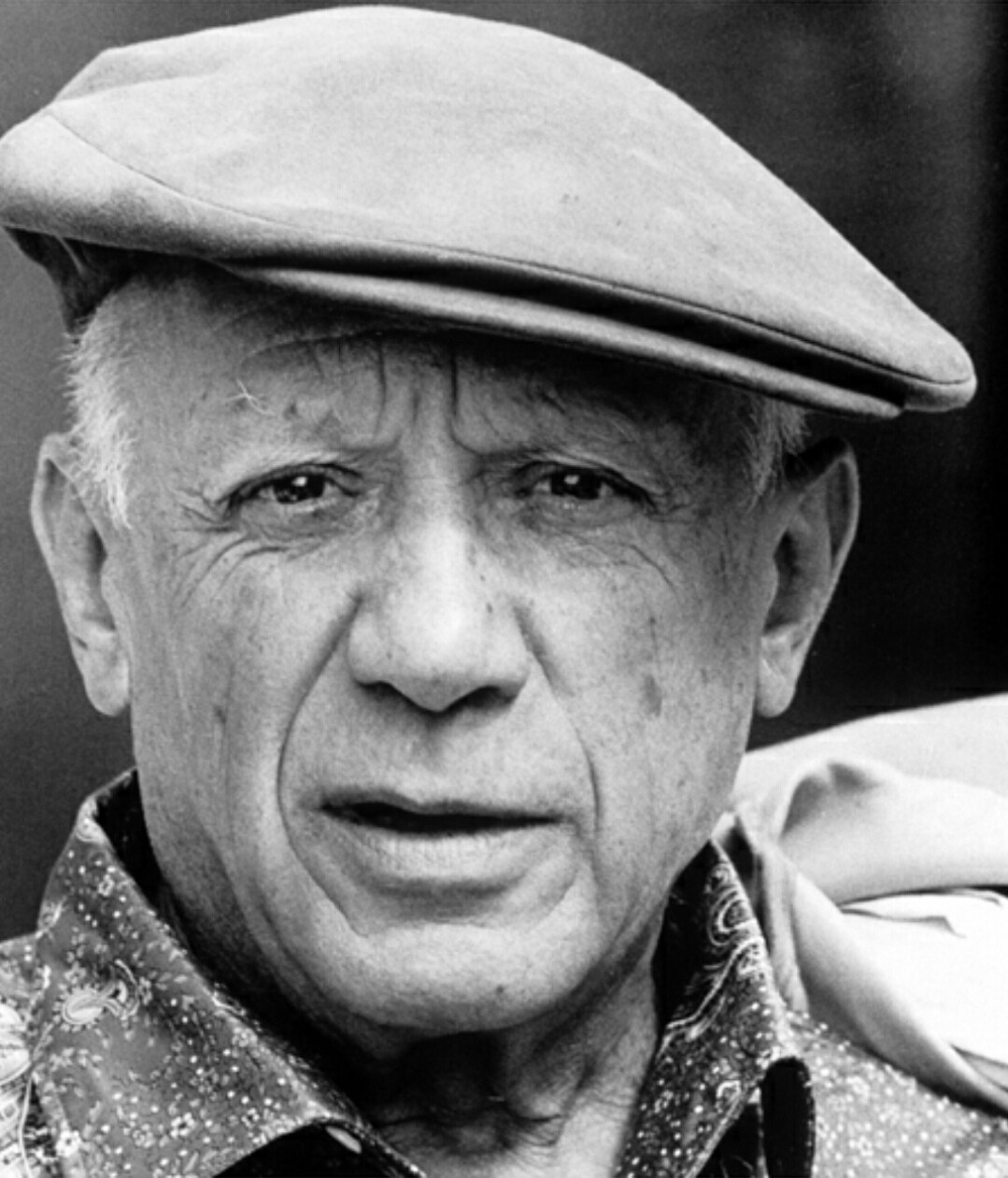
Пабло Пікассо
Ким був Пабло Пікассо? Його початок у Малазі, синій і рожевий періоди, «Авіньйонські панночки» та кубізм, «Герніка» і «Плачуча жінка» — зрозуміло пояснено.
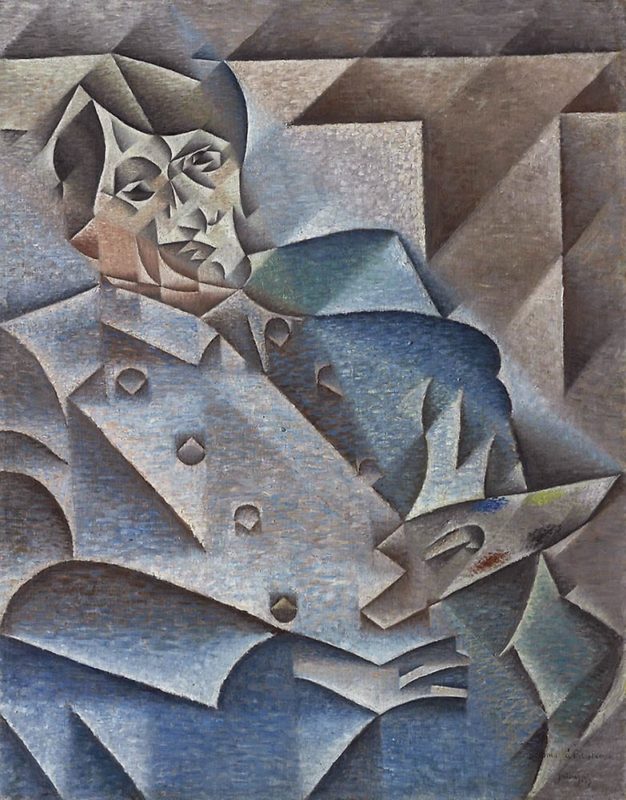
Кубізм
Що таке кубізм? Як Пікассо і Брак розкладали предмети на геометричні площини й кілька точок зору, аналітичний і синтетичний кубізм і чому він досі важливий.
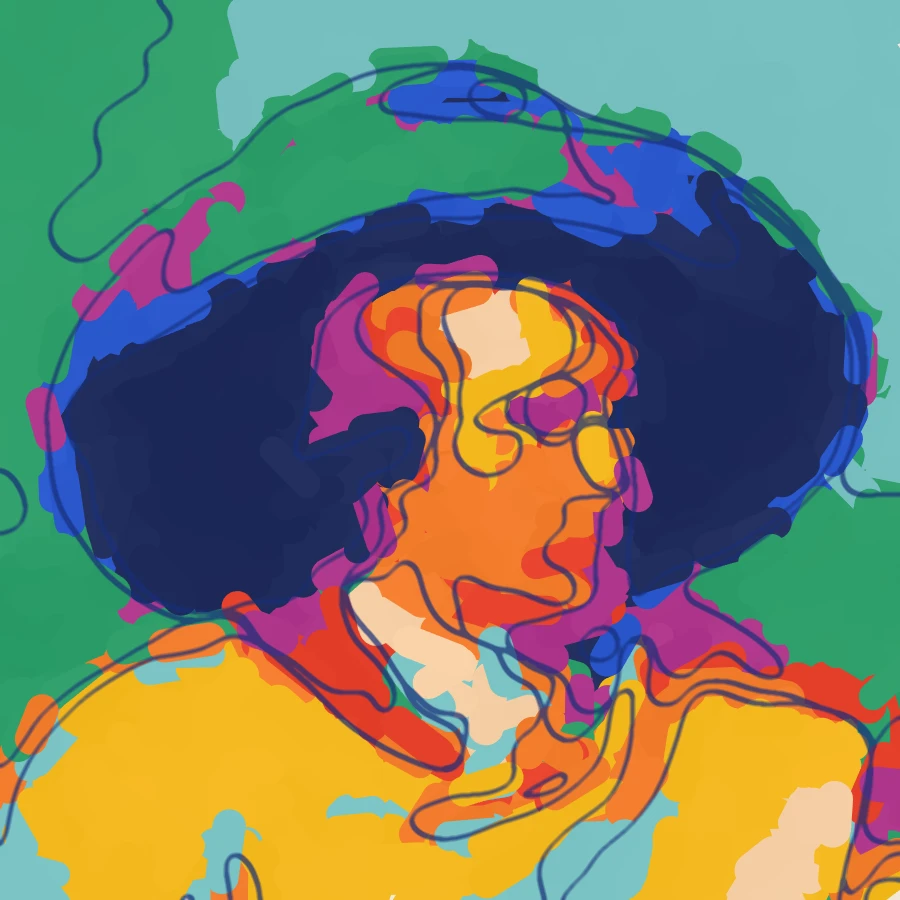
Анрі Матісс і фовізм
Перетворіть фото на твір у дусі Анрі Матісса й фовізму просто в браузері: паперові аплікації на кшталт «Джазу» та «Блакитних оголених», «Гармонія в червоному», плавний лінійний малюнок або буйні фовістські барви «Жінки в капелюсі» Матісса, «Кольйура», «Лондона» Дерена та Вламінка.
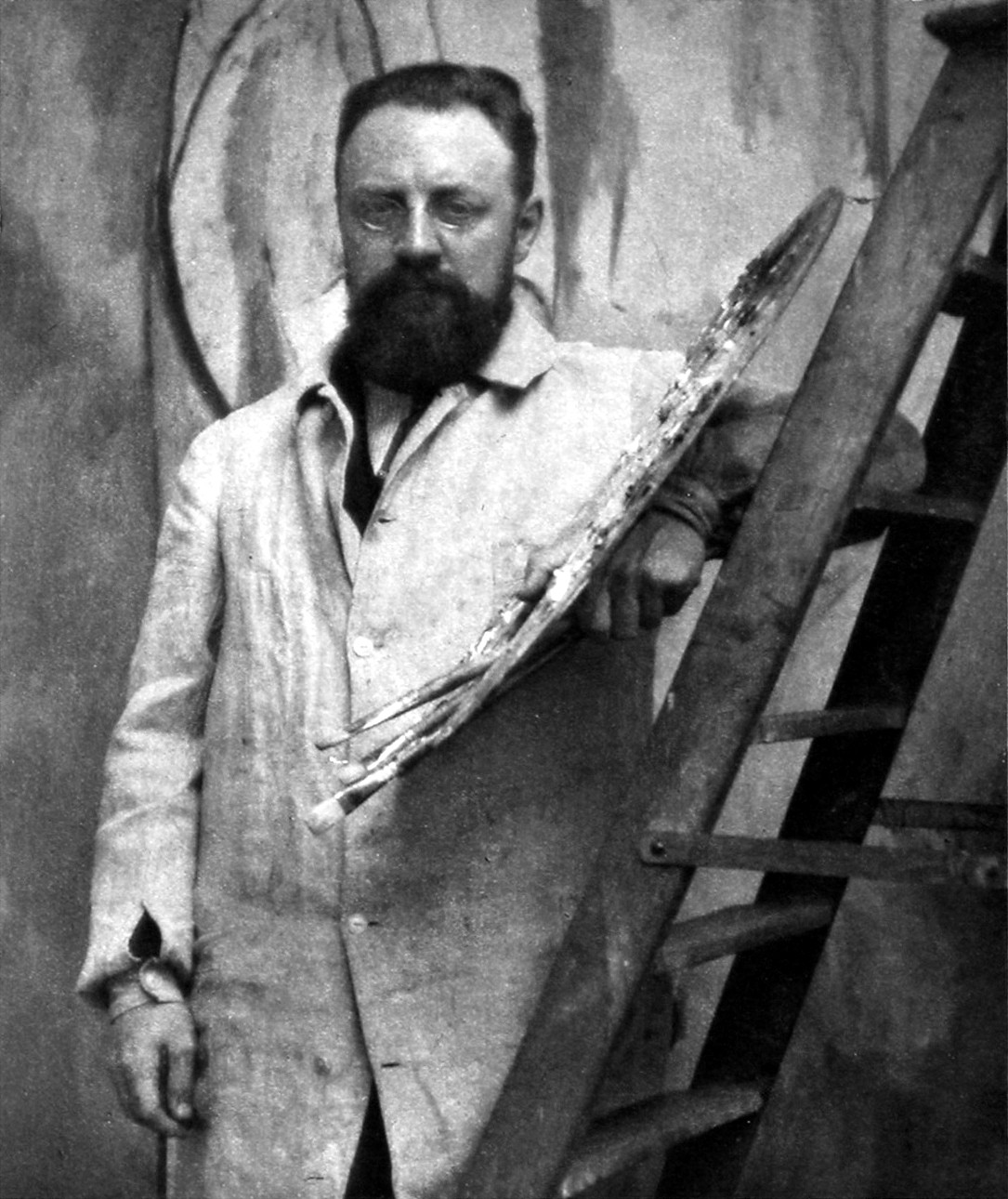
Анрі Матісс
Ким був Анрі Матісс? Від помічника адвоката до художника, фовісти 1905 року, «Гармонія в червоному» і «Танець», роки в Ніцці, рисунки однією лінією та паперові аплікації.
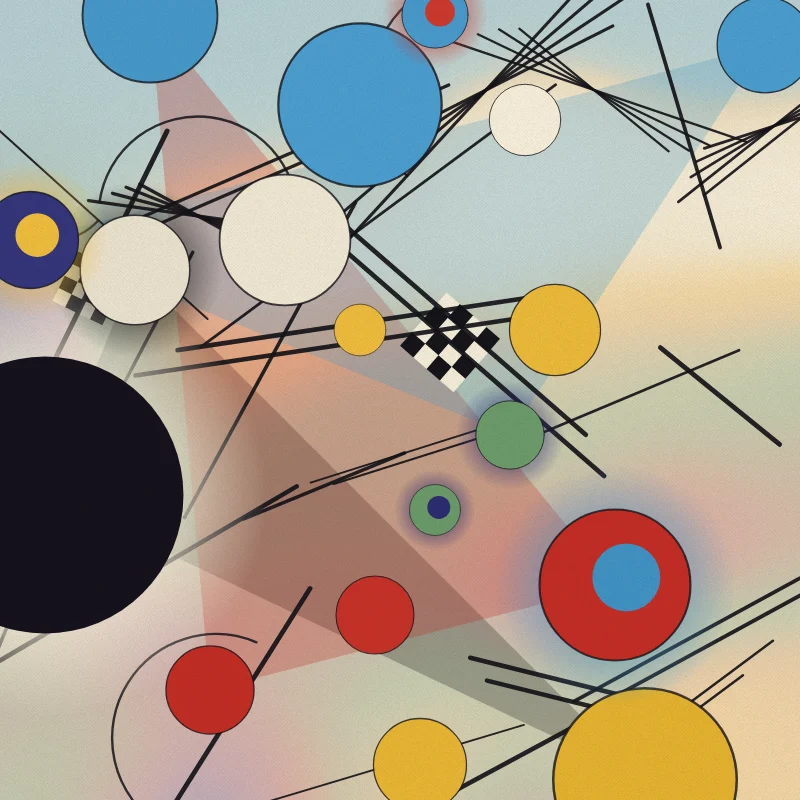
Фотофільтр у стилі Кандинського — кола, лінії й колір
Перетворіть фото на абстракцію в стилі Василя Кандинського просто в браузері: кола й лінії «Композиції VIII», «Квадрати з концентричними колами», «Кілька кіл» на чорному або вільна «Імпровізація».
Художні ефекти
Перетворюйте фото на студійні художні роботи: олійний живопис, акварель, олівець, туш у стилі коміксу, пастель, паперова аплікація та інші стилі.
Готові спробувати?
Відкрийте PictorX у браузері — без встановлення і без кредитної картки.
Перейти до редактора