
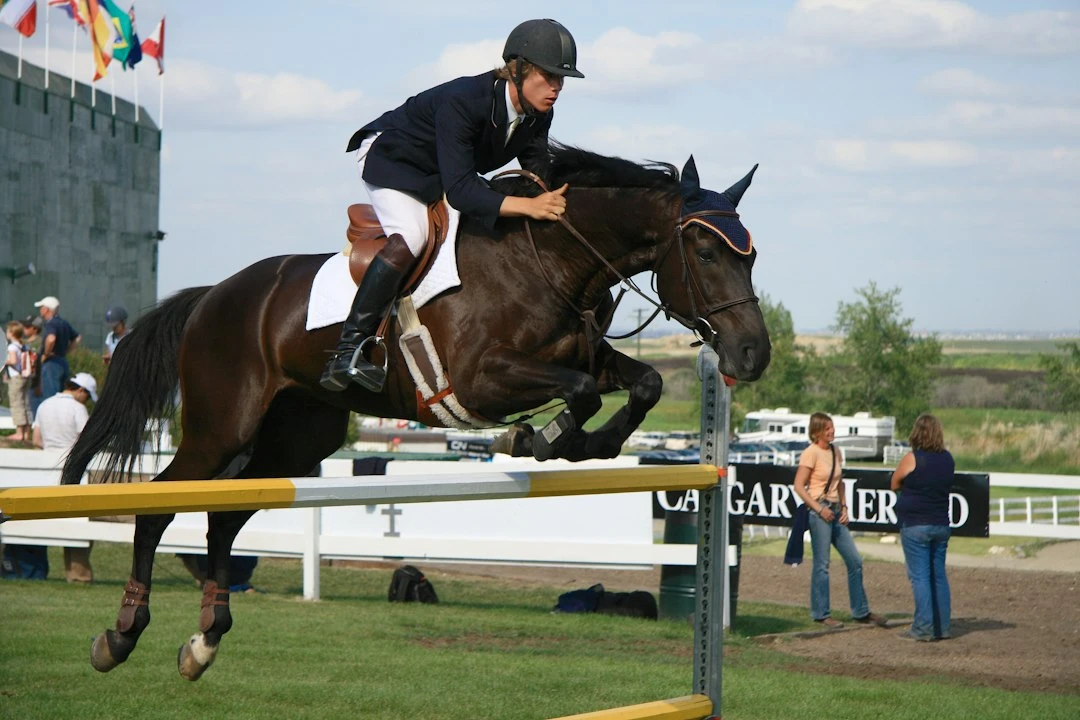
Напишите фото в голубом или розовом периоде Пикассо, перестройте его по-кубистски или раздробите, как «Плачущую женщину» и «Гернику», — выберите стиль, затем настройте размер форм и искажение.
Аналитический кубизм – Пабло Пикассо и кубизм
Picasso changed style more often than any other great painter, and with Braque he invented Cubism. This app follows him from the Blue Period to Guernica: it keeps your photo's light and dark in the melancholy blues or tender pinks of his early years, rebuilds it in the faceted planes, pasted papers and flat colours of Cubism, or breaks it into angular shards with heavy black lines, as in his portraits of 1937. All processed on-device. Напишите фото в голубом или розовом периоде Пикассо, перестройте его по-кубистски или раздробите, как «Плачущую женщину» и «Гернику», — выберите стиль, затем настройте размер форм и искажение.
Как это работает
- Open PictorX in your browser and load a photo — portraits, figures and still lifes work especially well.
- Choose Pablo Picasso, then pick a Style (Blue Period, Rose Period, Analytic Cubism, Cubist Portrait, Collage, Synthetic Cubism, Crystal Cubism, Weeping Woman or Guernica) and a Palette, and adjust Shape Size, Distortion, Line Work, Color Intensity, Flattening and Canvas Texture. Turn on Oval to paint it on an oval canvas, as in 1910–1914.
- Export the painting, or keep editing with layers and other effects in the same workspace.
From the Blue Period to Guernica in one app
Blue Period simplifies the photo into masses of paint in deep, cold blues with dark contours, as Picasso did around 1901–1904; Rose Period does the same in warm pinks, ochres and terracotta, as in his circus paintings of 1904–1906. Five cubist styles follow 1909–1920, and Weeping Woman fractures the picture into vivid planes outlined in black, after his portraits of 1937, while Guernica does the same in black, white and greys with newspaper-like hatching.
Five cubist styles
Analytic Cubism paints dense facets in ochre, umber and grey, each modelled with short brushstrokes and charcoal shading, with a combed faux-bois plank and a stencilled word as on the 1911–1912 canvases. Cubist Portrait fans its planes around the face, showing it from the front and in profile at once. Collage pastes in large pieces of newspaper, wallpaper and wood-grain paper and draws across them in charcoal, as in papier collé. Synthetic Cubism uses fewer, flatter shapes in Juan Gris's colours, with checkerboards, grids, wallpaper and soft dark halos, and Crystal Cubism cuts the canvas with a few long, sharply lit diagonals.
Planes, viewpoints and distortion
Cubism broke subjects into interlocking planes and showed more than one viewpoint at once. In the cubist and 1937 styles, the canvas is cut with long straight lines laid along the photo's own contours, and Distortion shows some planes as if seen from another angle; in the Blue Period, it stretches the figure the way his early figures are stretched. Shape Size sets how large the planes or brushstrokes are, Line Work the weight of the drawing, and Flattening how flat the paint lies over the photo.
Privacy and keep editing
Processing stays in your browser—photos are not uploaded to PictorX servers for this filter. After Picasso and Cubism, continue with layers, text, Matisse and Fauvism, Kandinsky, Paul Klee, Mixed Media, or export.
Часто задаваемые вопросы
What does the Pablo Picasso and Cubism app do?
It turns a photo into a painting in the manner of Pablo Picasso and the Cubists—Blue Period, Rose Period, five cubist styles, or the fractured portraits of the Weeping Woman and Guernica—built from your photo, not a copy of a museum painting. Style, Palette, Shape Size, Distortion, Line Work, Color Intensity and Flattening shape the look.
Is this a real Picasso or Braque?
No. It is a digital homage for your own photos. Picasso's own works are in museums such as the Musée Picasso in Paris, the Museu Picasso in Barcelona and the Museo Reina Sofía in Madrid, home of Guernica; the Cubist works of Braque and Gris hang in museums and collections around the world.
What photos work best?
Portraits with a clear face suit every style; Blue and Rose Period also suit quiet figures and still lifes, the cubist styles suit still lifes and musical instruments, while Weeping Woman and Guernica need a subject with strong light and dark.
Which cubist styles are included?
Analytic Cubism (1909–1912), the Cubist Portrait of 1910, Collage after the papiers collés of 1912–1914, Synthetic Cubism (1913–1921) in Juan Gris's colours, and Crystal Cubism (1915–1920). Turn on Oval for the oval canvases of 1910–1914.
Can I keep editing after Picasso and Cubism?
Yes. Continue with layers, text, other artistic looks, or export from the same PictorX workspace.
Сопутствующие инструменты
Пабло Пикассо
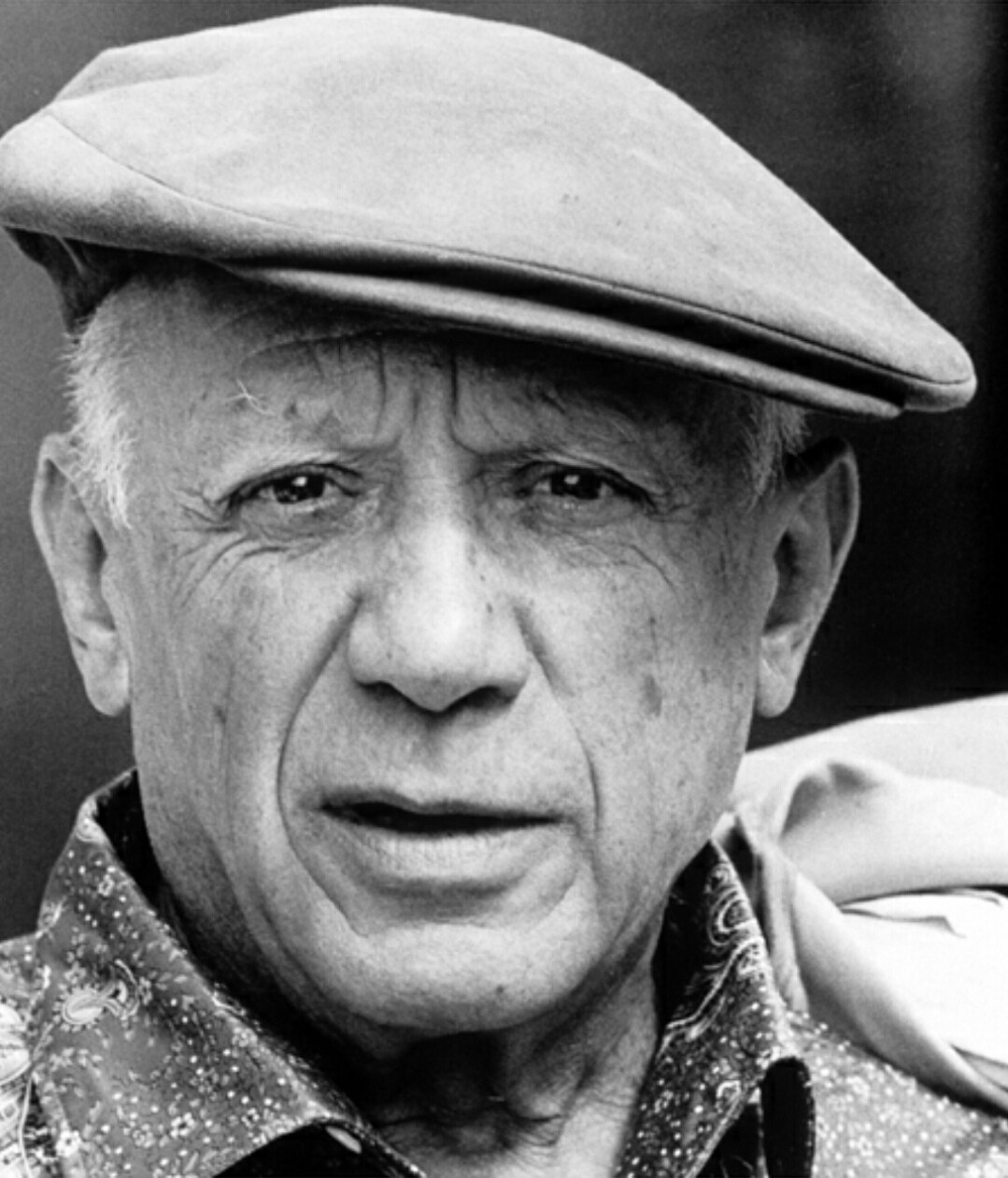
Краткий путеводитель по Пабло Пикассо: вундеркинд из Малаги, голубой и розовый периоды, «Авиньонские девицы» и кубизм вместе с Браком, «Герника» и «Плачущая женщина», бесконечные перевоплощения и цифровой оммаж, который можно попробовать в PictorX.
Кубизм
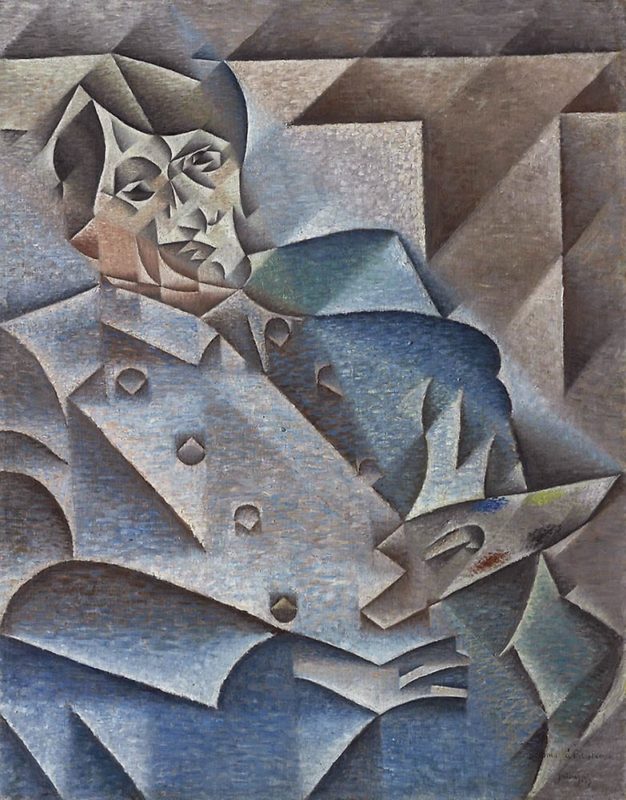
Краткий гид по кубизму: Пикассо и Брак, аналитический и синтетический кубизм, раздробленные плоскости, несколько точек зрения и цифровая дань уважения в PictorX.
Анри Матисс и фовизм
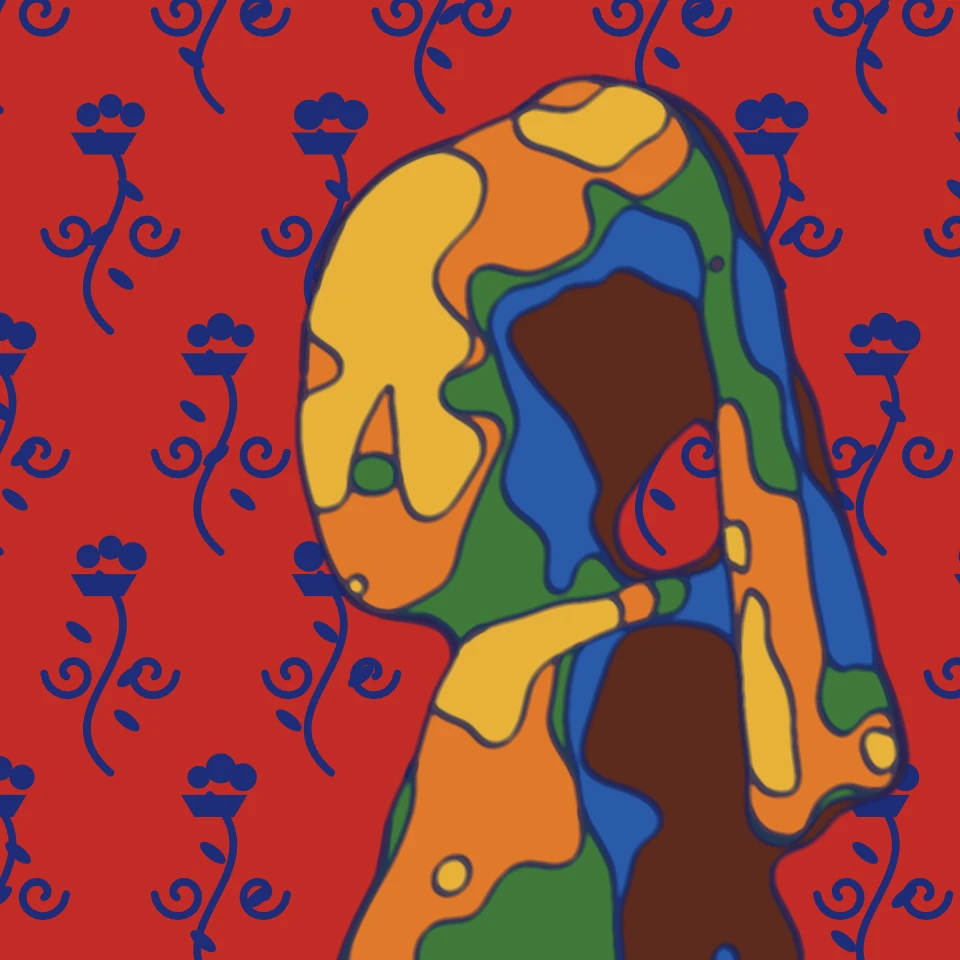
Превратите фото в Анри Матисса и фовизм прямо в браузере: вырезки как «Джаз» и «Голубые обнажённые», «Красная комната», плавный линейный рисунок или дикий фовистский цвет «Женщины в шляпе» Матисса, Коллиура, Лондона Дерена и Вламинка.
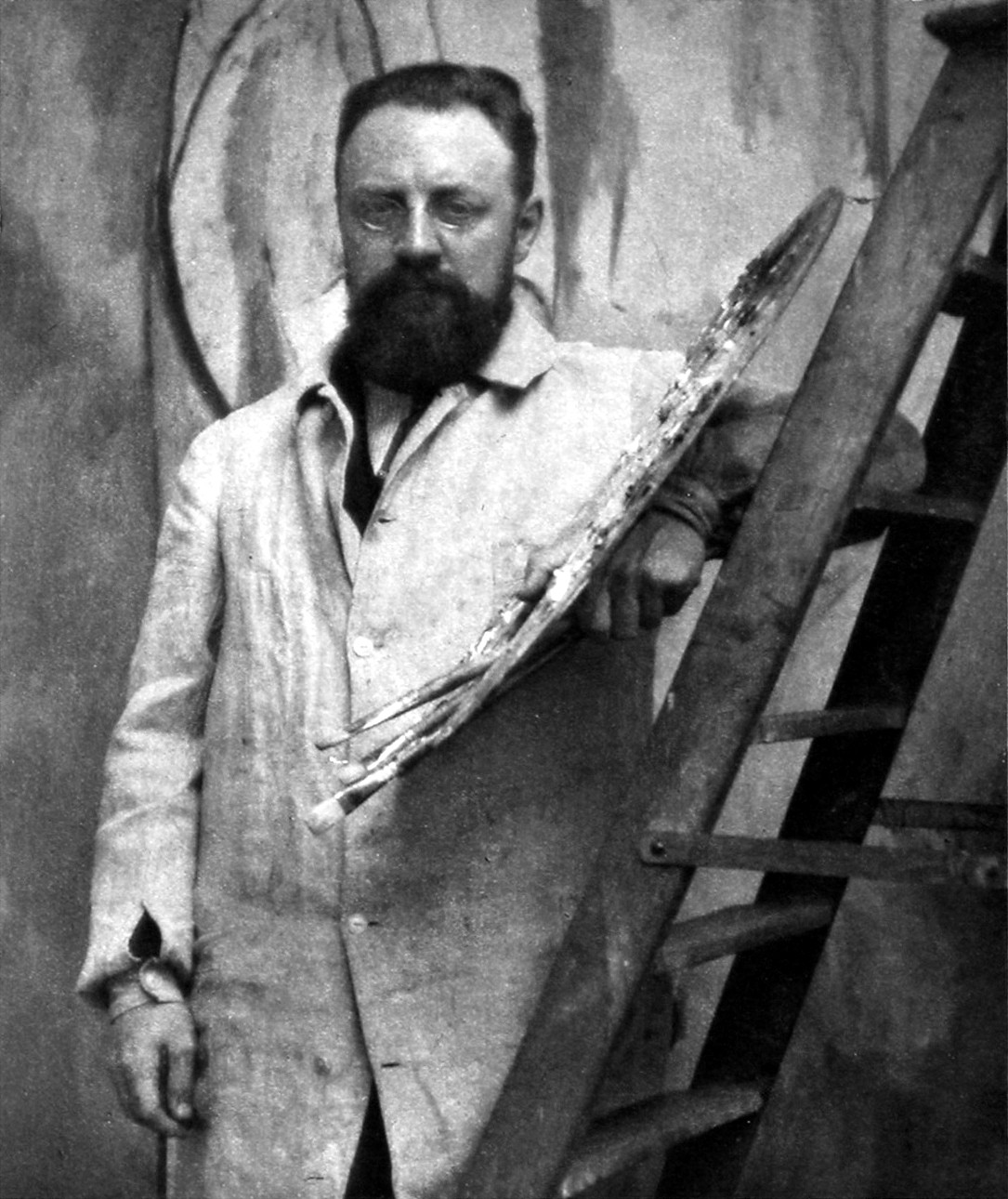
Анри Матисс
Краткий гид по Анри Матиссу: от клерка к художнику, фовисты 1905 года, «Красная комната» и «Танец», годы в Ницце, линейные рисунки, рисование ножницами в вырезках и цифровой оммаж, который можно попробовать в PictorX.
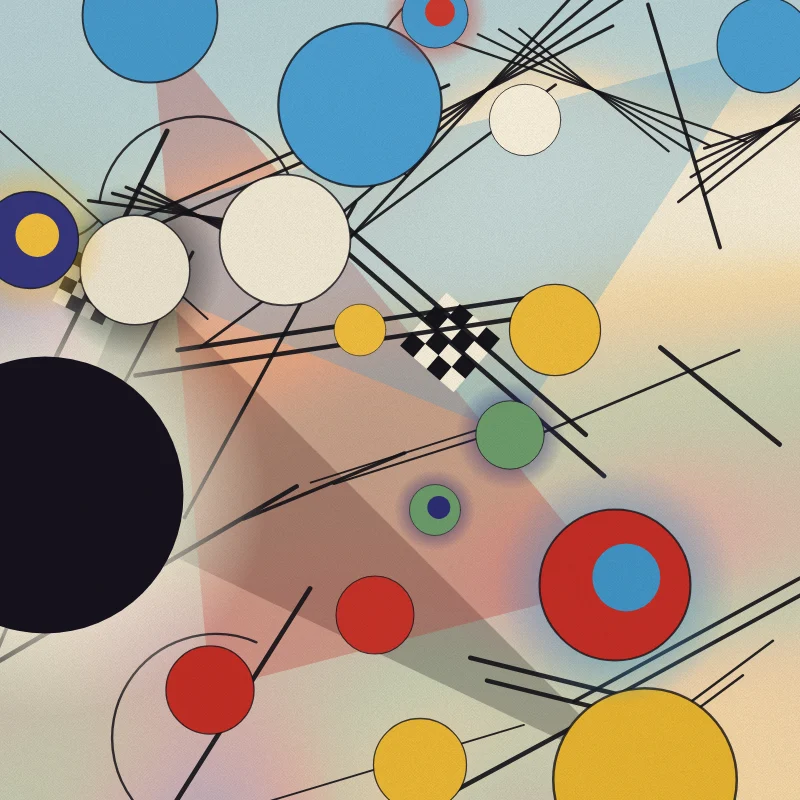
Фотофильтр «Кандинский» - круги, линии и цвет
Превратите фото в абстракцию в стиле Василия Кандинского прямо в браузере: круги и линии «Композиции VIII», квадраты с концентрическими кругами, «Несколько кругов» на чёрном или свободная «Импровизация».
Художественные эффекты
Преобразуйте фотографии с помощью масляной живописи, акварели, карандаша, комиксной туши, пастели, вырезок из бумаги и других студийных художественных образов.
Готовы попробовать?
Откройте PictorX в своем браузере — установка не требуется, для запуска не требуется кредитная карта.
Перейти в редактор